

Visit Uganda in 2026-2027: Safari, Gorillas & Travel Guide
Visit Uganda in 2026-2027 if you want one East African journey to combine mountain gorillas, chimpanzees, classic savannah wildlife, tropical forests, the River Nile, crater lakes and highland scenery. Uganda works especially well for travelers who prefer a varied itinerary rather than a safari focused on only one ecosystem. A well-paced trip can move from Entebbe into the western safari circuit, continue south to the gorilla forests and add Jinja, the Rwenzori Mountains or remote Kidepo when time allows. Start by comparing broader Uganda safaris before deciding how many regions belong in your route.
Visit Uganda in 2026-2027 planning note: Build your dates around the experiences with limited availability first—especially gorilla and chimpanzee permits—then match the route, lodge locations and road transfers to those confirmed activities.
Quick planning answer: Uganda is a year-round destination, but the relatively drier periods around June to September and December to February are popular for forest trekking and safari road conditions. Wetter months can bring greener landscapes, fewer visitors and muddier trails. Travelers planning peak dates in 2026 or 2027 should secure limited primate permits before locking in non-refundable accommodation.

Why Visit Uganda in 2026-2027?
The main reason to visit Uganda in 2026-2027 is variety. The country’s western circuit links several major experiences in a logical overland route: chimpanzee tracking around Kibale, game drives and boat safaris in Queen Elizabeth, gorilla trekking in Bwindi, and wildlife or walking experiences around Lake Mburo. Longer journeys can extend north to Murchison Falls or Kidepo. This makes Uganda suitable for first-time safari travelers, repeat Africa visitors, photographers, birders, active travelers and anyone who wants primates and big-game viewing in the same holiday.
It is also a destination where the journey between parks matters. Tea-growing areas, crater-lake country, villages, farms, escarpments and the southwestern highlands give road transfers visual context. Travelers with seven to ten days should prioritize a coherent route instead of trying to collect every national park. A useful starting point is this guide to planning your first Uganda safari, then add destinations according to available nights and driving tolerance.
Best Time to Visit Uganda in 2026-2027
Uganda can be visited throughout the year. For many travelers, June through September and December through February are attractive because conditions are often relatively drier. That can mean firmer forest trails, easier road travel and comfortable combinations of gorilla trekking with savannah parks. These periods also attract stronger demand, so popular lodges and primate permits can become harder to secure on preferred dates.
March to May and roughly October to November are generally wetter. Rain can make Bwindi and other forest trails slippery, while some unpaved roads become slower. The trade-off is a lush landscape, dramatic skies, fewer visitors in some areas and potentially greater flexibility at lodges. Rain should be expected at any time in tropical and montane forests, including during drier months. Compare your priorities with this month-focused guide to the best month to visit Uganda.
Gorilla Trekking: The Signature Uganda Experience
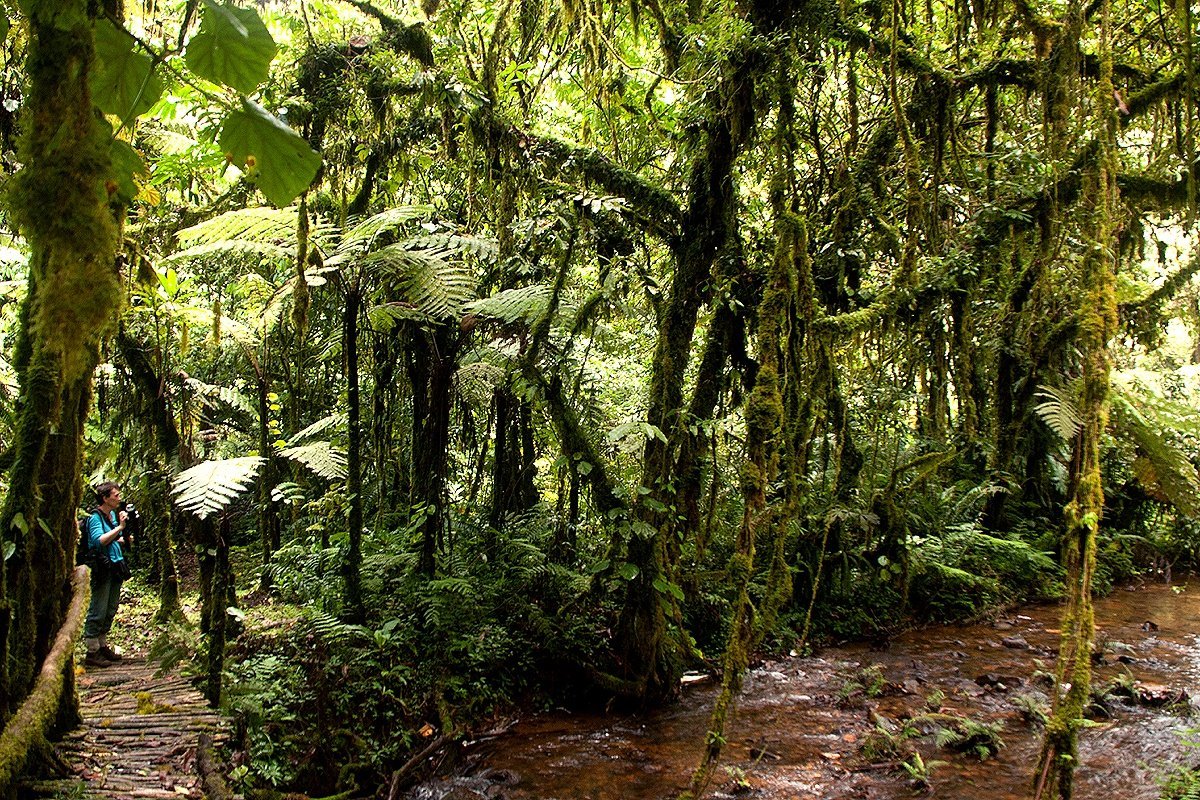
For many international visitors, the defining reason to visit Uganda in 2026-2027 is a mountain-gorilla encounter. Trekking takes place in southwestern Uganda, most famously in Bwindi Impenetrable National Park. A normal trekking day begins with a briefing, followed by a guided forest hike to a habituated gorilla family. The walking time varies because the gorillas move naturally through steep, densely vegetated habitat. Read the practical overview of gorilla trekking in Bwindi before choosing accommodation or estimating transfer times.
Your permit is one of the most important pieces of the itinerary because availability is limited and the confirmed trekking area influences where you should sleep. Do not book a lodge simply because it says “Bwindi”; the park has multiple access sectors and driving between them can add significant time. Secure the correct gorilla trekking permit in Uganda, then match the lodge, transport plan and arrival night to the assigned sector.
Wildlife Safaris Beyond the Gorillas
Uganda’s appeal is much broader than gorilla trekking. In Queen Elizabeth National Park, travelers can combine game drives with the Kazinga Channel, crater landscapes and the Ishasha area. The park fits naturally between Kibale and Bwindi, which is why it appears in many seven- to ten-day western-circuit itineraries. Wildlife sightings vary by day and season, but the mix of open plains, wetlands and waterways adds a classic safari contrast to Uganda’s forest experiences.
Farther north, Murchison Falls National Park combines wildlife viewing with the Nile and the dramatic falls landscape. It works best when your itinerary has enough time for the northern extension rather than forcing it into a short southwest trip. Travelers with more time can also consider remote Kidepo Valley National Park, where distance is part of the appeal and route planning is especially important.

Chimpanzees, Forests and Birding
A Uganda itinerary becomes more complete when gorillas are paired with chimpanzees. Kibale Forest National Park is the country’s best-known chimpanzee destination and fits neatly into the western circuit. The experience is different from gorilla trekking: chimpanzees are more arboreal and mobile, and the forest atmosphere, calls and movement create a distinct primate encounter. Nearby wetlands, crater-lake landscapes and community walks can add slower activities between long safari drives.
Uganda is also a strong birding destination because forest, wetland, savannah, mountain and lake habitats occur relatively close together. Serious birders may build an itinerary around specialist sites, while general safari travelers will encounter substantial birdlife without making it the sole focus. A private guide can help balance birding time with mammals, primates and photography rather than rushing through each stop.

Adventure: Jinja, the Nile and the Rwenzori Mountains
Not every day in Uganda needs to be a game drive or forest trek. Jinja is the country’s best-known adventure base and can be added before or after the western circuit. Depending on your interests, the area can include river activities, cycling, horse riding and time around the Nile. Travelers looking for a high-energy addition can read about white-water rafting in Jinja and decide whether it fits their comfort level and schedule.
For a more demanding adventure, the Rwenzori Mountains offer multi-day trekking and dramatic high-altitude scenery. A serious Rwenzori climb deserves its own time allocation, equipment plan and acclimatization strategy; it should not be treated as a casual add-on between safari parks. Shorter foothill or mountain experiences may suit travelers who want hiking without committing to a summit expedition.

How Many Days Do You Need?
For a focused gorilla trip, three to four days can work when transfers are carefully planned. Five to seven days allows a more comfortable combination of gorillas with one additional major experience, such as Queen Elizabeth or Kibale. Eight to ten days is a strong range for first-time visitors because it can connect chimpanzees, savannah wildlife and gorillas without turning every day into a long transfer. Twelve to fifteen days creates room for Murchison Falls, Jinja, Lake Mburo or slower two-night stays.
Near the end of a western circuit, Lake Mburo National Park can work as a compact final safari stop before returning toward Entebbe. Its smaller scale makes it useful for travelers who want a final wildlife experience without adding another major northern detour. The best route is not the itinerary with the most park names; it is the one that protects enough time for the activities you traveled to Uganda to experience.
A Practical 10-Day Uganda Route for 2026-2027
Sample route: primates + wildlife + gorillas
Days 1–2: Arrive in Entebbe and travel toward Kibale; settle in before chimpanzee tracking.
Days 3–4: Continue to Queen Elizabeth for game drives, scenery and a boat-based wildlife experience.
Days 5–7: Travel south to Bwindi, allow a buffer night, complete gorilla trekking and recover at the lodge.
Days 8–9: Continue toward Lake Mburo for a final wildlife or walking experience.
Booking, Transport and Accommodation
Book the least flexible components first. For a primate-focused trip, that usually means confirming gorilla and chimpanzee availability, then matching accommodation to the correct locations. After that, organize the 4×4 vehicle, driver-guide, park activities and airport transfers. During peak periods, booking several months ahead gives you more control over lodge category and route design. Travelers with fixed holiday dates, large groups or specific luxury properties may need to plan even earlier.
Road travel is central to most Uganda safaris, and transfer times can be longer than a map suggests because road conditions, traffic, weather and stops vary. Domestic flights can reduce some long transfers, especially when time is limited, but they require coordination with airstrip transfers and baggage rules. Build the itinerary around realistic travel days rather than treating every transfer as an opportunity to squeeze in another major activity.
What to Pack for Uganda
Pack for changing environments rather than one uniform climate. For forest trekking, bring sturdy waterproof hiking footwear, long trousers, long sleeves, rain protection and a small daypack. Neutral, breathable clothing works well for game drives. Add sun protection, insect repellent, reusable water capacity, personal medication, charging equipment and a secure way to protect electronics from rain and dust. Highland mornings can feel cool, while lower savannah areas may be warmer.
A porter can be valuable on a gorilla trek, particularly on steep or muddy terrain. Keep camera equipment manageable and follow ranger guidance around wildlife. If photography is a major priority, discuss vehicle configuration, luggage space and charging access before arrival rather than discovering limitations on safari.
Entry, Health and Travel Preparation for 2026-2027
Entry rules, health requirements, airline policies and travel advisories can change, so verify the latest official information for your passport and departure country close to travel. Do not rely on an old blog post for visa eligibility, vaccination documentation or border procedures. Your passport validity, travel insurance and medical planning should be checked before paying for non-refundable arrangements.
For health preparation, speak with a qualified travel-health professional early enough to complete any recommended vaccinations or preventive medication. On safari, follow food and water precautions, carry prescribed medication in original packaging, stay hydrated and tell your guide promptly if you feel unwell—especially before a primate trek, where protecting wildlife from human illness is important.
Visit Uganda in 2026-2027: Final Planning Priorities
To visit Uganda in 2026-2027 successfully, make the itinerary specific to your priorities. Decide whether gorillas, chimpanzees, wildlife photography, birding, hiking or Nile adventure is the anchor experience. Then choose a route that minimizes unnecessary backtracking, secure limited permits, and place accommodation close to the activities that matter most. Uganda rewards travelers who allow enough time to experience each landscape rather than racing from park to park.
The strongest first trip is often a western-circuit safari with gorillas, chimpanzees and one or two savannah parks. From there, Jinja, Murchison Falls, Kidepo or the Rwenzoris can be added when the schedule genuinely supports them. With the right pacing, Visit Uganda in 2026-2027 becomes more than a search phrase: it becomes a practical plan for one of East Africa’s most varied wildlife and adventure journeys.





