
Combining Gorilla Trekking and Chimpanzee Habituation in Uganda
Why Combine Gorilla Trekking with Chimpanzee Habituation?
Combining gorilla trekking and chimpanzee habituation in Uganda gives wildlife lovers two distinctly different encounters in a single journey. In Bwindi, you track an established, habituated mountain gorilla family and enjoy one remarkable hour observing it. In Kibale, you join a longer forest experience, following chimpanzees that are still becoming accustomed to people’s presence.
The experiences complement one another rather than repeating the same activity. Gorilla encounters are often quiet and intimate. Chimpanzees tend to move faster, are more vocal, and are more socially active. The scenery changes too, from Bwindi’s steep mountain forest to Kibale’s tropical rainforest and nearby wetlands.
This guide focuses on standard gorilla trekking and the longer chimpanzee habituation experience. It is not a double-habituation tour. For broader trip ideas, see our Uganda gorilla and chimpanzee safari guide.

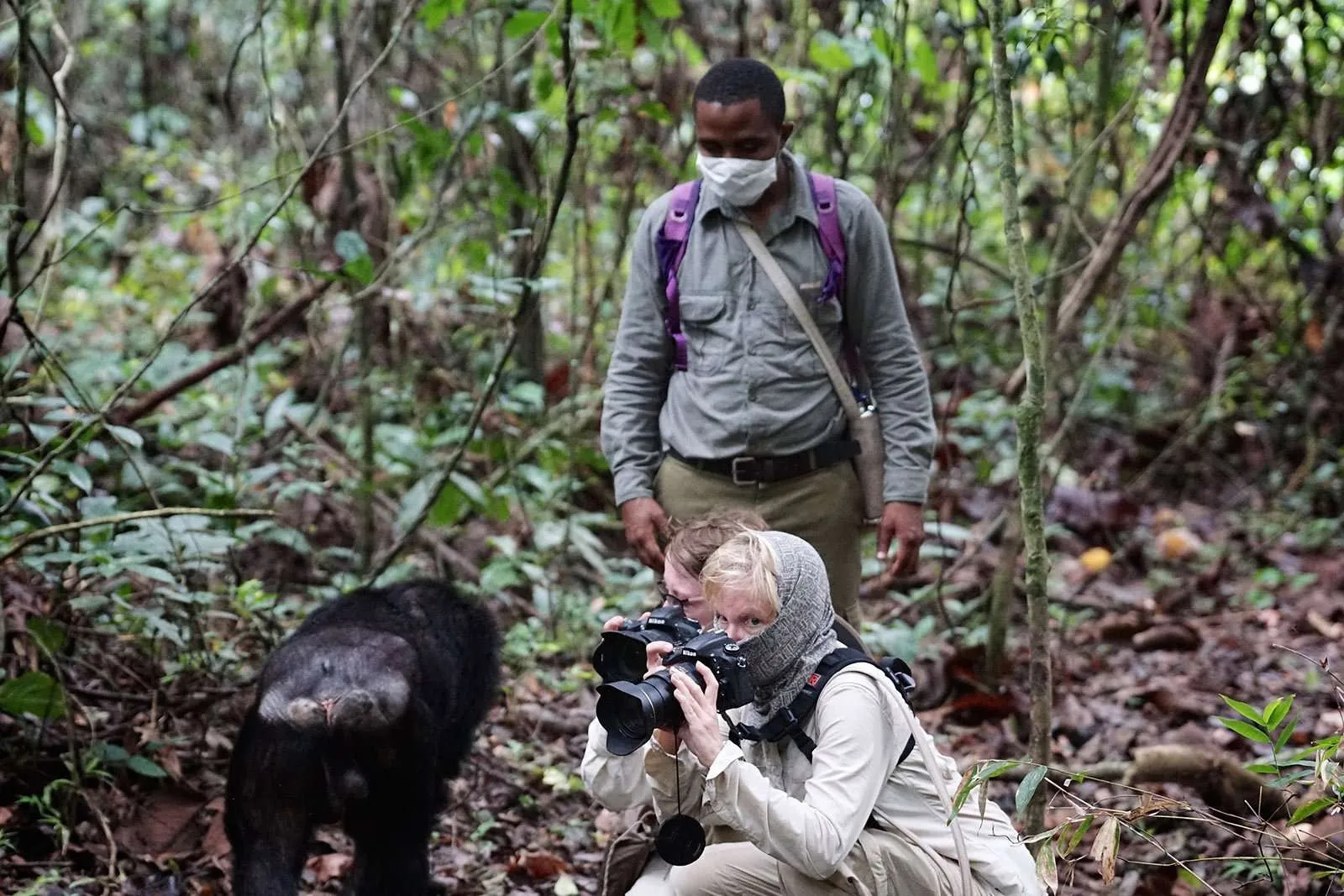

Quick Answer: Can You Do Both on One Safari?
Yes. A practical itinerary combines Kibale’s chimpanzee habituation experience with one gorilla trek in Bwindi. Plan around two separate permits, allow a full day for each forest activity, and avoid scheduling major road transfers after chimpanzee habituation. An eight-day route from Entebbe can add Queen Elizabeth National Park and a relaxed stop at Lake Mburo. A shorter primate-focused itinerary is also possible if you are comfortable with more driving.
Gorilla Trekking vs Chimpanzee Habituation: What Is Different?
Although both activities involve walking with qualified rangers in protected forests, the visitor experience is not the same. The table below explains what your time in each park actually involves.
| Feature | Gorilla trekking | Chimpanzee habituation |
|---|---|---|
| Main location | Bwindi (or Mgahinga) | Kibale |
| Visitor time after encounter | Up to 1 hour | Up to 4 hours |
| Animals encountered | Habituated gorilla family | Chimpanzees undergoing habituation |
| Typical activity style | Variable-length forest hike and observation | Early start and extended forest observation |
| Visitor requirement | Separate gorilla trekking permit | Separate chimpanzee habituation permit |
Viewing times are maximum authorized periods, not guarantees of close encounters or wildlife photography. To understand the range of forest experiences, read the Kibale National Park guide and our detailed Kibale travel guide.
Where the Two Experiences Take Place

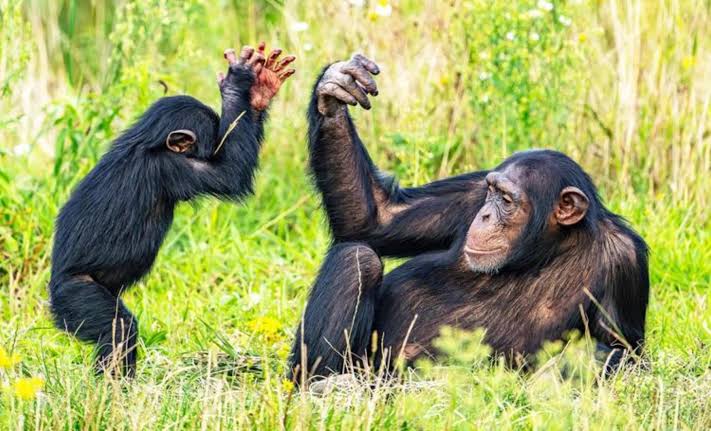
Gorilla Trekking and Chimpanzee Habituation Permit Prices
You must purchase one permit for each activity. The following published rates apply to foreign non-resident adults; other citizenship and residency categories have different tariffs. A permit price is not the price of a complete safari.
| Permit/experience | Standard 2026 rate | From 1 January 2027 |
|---|---|---|
| Gorilla trekking – Bwindi / Mgahinga | US$800 | US$800 |
| Chimpanzee habituation – Kibale | US$300 | US$400 |
| Two permits combined (standard rates) | US$1,100 | US$1,200 |
2026 low-season exception: UWA announced a reduced foreign non-resident gorilla trekking permit of US$600 for April, May and November. It does not state an equivalent low-season discount for chimpanzee habituation. Discounted permits cannot be rescheduled. Confirm the current promotion, dates and permit category before paying.
Your complete safari cost will also depend on accommodation, meals, private transport, fuel, other activities and any park fees not already included. Ask for an itemized quotation specifying chimpanzee habituation rather than ordinary chimpanzee trekking.
Official sources: Uganda Wildlife Authority tariffs and the UWA 2026–2027 tariff change notice. The revised prices start on 1 January 2027.
How to Book Both Permits Without Disrupting Your Route
The two permit calendars are the foundation of this journey. First, choose the period you want to travel and the number of participants. We then check the Kibale habituation experience and the available gorilla sectors in Bwindi. Once the activity dates are coordinated, we match lodges and transfer days to the confirmed permits, instead of choosing accommodation in a Bwindi sector that may be far from your briefing point.
Your confirmed gorilla permit is valid for its allocated date and sector. The specific gorilla family is normally assigned by park rangers on the morning of the trek. Chimpanzee habituation is a separate product with its own date and capacity. Because these activities are capacity-controlled, a preferred combination is not reserved merely by requesting a quotation.
From 1 March 2026, Uganda Wildlife Authority suspended its former seven-day unpaid permit reservation window. Permits are secured with full payment at booking. Before payment, your written quotation should identify the correct activity, the rate category, the scheduled dates, and the terms for changes or cancellation. This protects against accidentally paying for standard chimpanzee trekking when you wanted the longer habituation experience.
A Realistic 8-Day Gorilla Trekking and Chimpanzee Habituation Itinerary
This sample route begins and ends in Entebbe, gives each primate experience its own day, and divides the western Uganda road journey into manageable sections. It can be adjusted after gorilla permit availability and your international flights are confirmed.
| Day | Plan | Overnight |
|---|---|---|
| 1 | Arrive at Entebbe; airport pickup and rest. | Entebbe |
| 2 | Travel from Entebbe to the Kibale area; allow most of the day for the road trip and breaks. | Kibale area |
| 3 | Early chimpanzee habituation experience in Kibale; relaxed afternoon after the forest activity. | Kibale area |
| 4 | Drive south to Queen Elizabeth National Park; optional Kazinga Channel cruise if timing permits. | Queen Elizabeth area |
| 5 | Continue towards Bwindi through Ishasha or the most suitable route for your confirmed trekking sector; game viewing only if time permits. | Bwindi |
| 6 | Gorilla trekking in Bwindi, followed by rest at your lodge. | Bwindi |
| 7 | Road transfer towards Lake Mburo to break up the return journey; optional activity subject to arrival time. | Lake Mburo area |
| 8 | Travel to Entebbe with a possible Equator stop; schedule an evening departure or add an Entebbe overnight if needed. | Departure / optional extra night |
The precise transfer times vary by Bwindi sector, weather, traffic, and road conditions. Your gorilla briefing must be reached from accommodation close to the sector printed on your permit. The day after chimpanzee habituation is intentionally lighter than an immediate long transfer. Travelers who want to explore the final overnight destination further can consider a separate Lake Mburo wildlife and walking safari.
If you would rather concentrate on primates, explore our Uganda primates express safari for a shorter standard-trekking example, or see Uganda’s available safari routes. Any express itinerary must be specifically adapted to include a full chimpanzee habituation day. For example, a four-day gorilla and chimpanzee tour uses standard chimpanzee trekking and involves longer transfer days; it should not be mistaken for this eight-day habituation route.

Should You Add Queen Elizabeth National Park?
Queen Elizabeth National Park sits naturally between Kibale and Bwindi on many western Uganda routes. A stay here adds classic savannah wildlife to a primate-focused holiday, with possible sightings of elephants, buffaloes, hippos, antelope and large cats. Sightings are never guaranteed.
The Kazinga Channel boat safari is a popular addition. Travelers with more time can consider the dedicated Queen Elizabeth safari or combine gorillas and savannah wildlife on a five-day gorilla and wildlife itinerary.
Do not add an afternoon cruise or an extensive game drive to a fixed itinerary without allowing enough time to drive between the lodges and activity departure points.
Where to Stay in Kibale and Bwindi
Well-located accommodation matters on this safari. Chimpanzee habituation starts early, so staying near Kibale avoids a tiring pre-dawn transfer. In Bwindi, choose the lodge after the gorilla trekking sector has been confirmed, because the park’s sectors are separated by significant road distances.
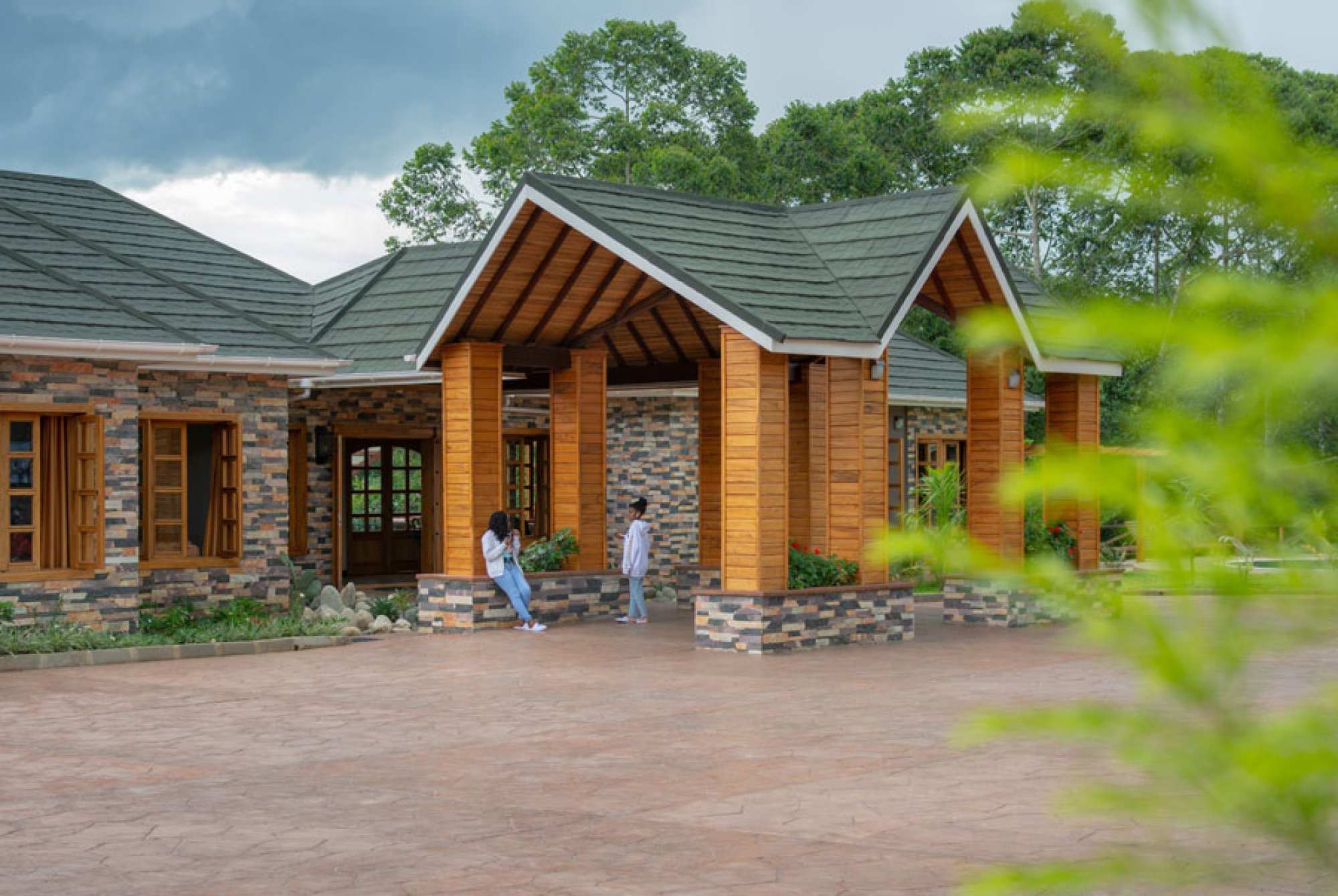
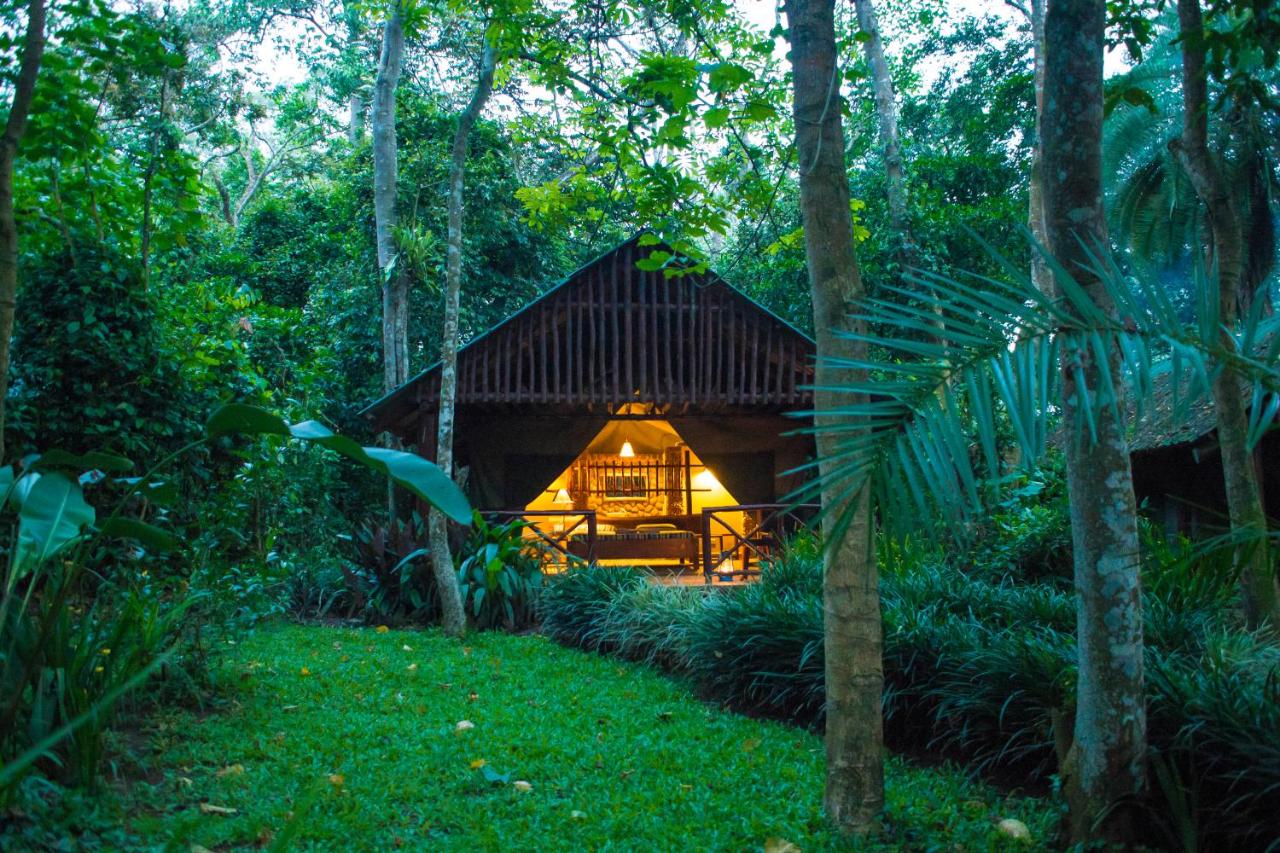

The final lodge selection depends on budget, availability, and the actual gorilla sector. Travelers prioritizing southern Bwindi can review Rushaga gorilla trekking itineraries, while those considering additional primate activities may enjoy a gorilla and golden monkey extension.
Best Time of Year for Both Experiences
Gorilla trekking and chimpanzee habituation operate throughout the year. June to September and December to February often bring relatively drier trail conditions, making them popular with travelers who want easier footing. Rain is possible in every month because both parks contain rainforest habitats.
March to May and October to November can be wetter, but the forests are exceptionally green and chimpanzee movements depend on fruiting patterns, not simply rainfall. The lowest-rainfall month is not automatically the best month for chimpanzee observation.
Use our month-by-month gorilla trekking guide when selecting your dates, and check both permits before reserving non-refundable flights.
Fitness, Packing and Responsible Primate Viewing
Both activities require a willingness to walk on slippery or uneven ground. Gorilla trekking can involve steep slopes and dense vegetation. Chimpanzee habituation may mean a prolonged day on foot while following mobile chimpanzees, with periods of waiting or changing direction.
Bring waterproof hiking boots with a good grip, long trousers, a long-sleeved shirt, a lightweight waterproof jacket, a small backpack and enough water. Gloves can help on rough vegetation. A porter can be arranged for the Bwindi trek, and your guide can advise on walking poles and the practical level of fitness needed.
Protect the animals by following ranger instructions, maintaining the required distance, never using flash photography and not entering the forest if you have symptoms of an infectious illness. Leave nothing behind. Gorilla trekking participants must be at least 15 years old, so the combined itinerary is not suitable for younger children who would need to join the gorilla trek.
Before booking, review important chimpanzee habituation guidelines. Other travelers prefer standard chimpanzee trekking as part of a five-day gorilla and chimpanzee safari; this should not be confused with the longer habituation activity.
Safaris That Can Be Adapted for Chimpanzee Habituation
The following published itineraries are starting points. They normally describe standard chimpanzee trekking, not chimpanzee habituation. Ask us to update the Kibale activity, permit and timing in your quotation.


For a longer wildlife holiday, compare the 10-day Uganda highlights safari and the Uganda gorillas, chimpanzees and Big Five safari. A different six-day wildlife itinerary is also available. For operators’ broader tour styles, see our wildlife safari collection.
Frequently Asked Questions
Can I combine gorilla trekking and chimpanzee habituation on one safari?
Yes. Bwindi and Kibale are in western Uganda and can be combined by road in one itinerary. Allow separate days for the two activities and enough time between the parks.
Is chimpanzee habituation the same as chimpanzee trekking?
No. Standard trekking generally allows one hour of viewing after locating chimpanzees. Habituation offers up to four hours of authorized viewing of a community still becoming accustomed to people and typically involves a longer day in the forest.
How many permits do I need?
One gorilla trekking permit for the chosen Bwindi date and sector, plus one chimpanzee habituation permit for the Kibale date. Neither permit replaces the other.
How much are the permits for foreign non-residents?
At published standard rates, the combined amount is US$1,100 for 2026 and US$1,200 from 1 January 2027. Uganda has also announced discounted low-season gorilla permits for specified months; confirm the applicable rate before paying.
How long do I spend with gorillas and chimpanzees?
Standard gorilla trekking normally allows one hour after the gorillas are found. Chimpanzee habituation permits up to four hours with chimpanzees after an encounter; the complete activity also includes walking and searching time.
How difficult is the combined safari?
Expect uneven trails, occasional mud, and several hours on foot. Gorilla trekking terrain can be steep, while chimpanzee habituation often involves sustained walking. Speak with your organizer about your fitness and consider a porter for Bwindi.
Is this safari suitable for children?
The minimum age for standard gorilla trekking is 15 years. Younger children cannot participate in the full two-activity itinerary as described, even if another forest activity has different age rules.
Can I start the trip in Kigali instead of Entebbe?
Yes. A Kigali arrival can work particularly well for southern Bwindi, but Kibale lies farther north. The best direction and departure airport depend on the entire itinerary, border formalities, and flight schedules.
Are chimpanzee and gorilla sightings guaranteed?
No wild animal encounter can be guaranteed. Tracking teams regularly monitor primate groups and many visitors have successful encounters, but movements, weather and conservation rules affect each day.
Can I add another gorilla trek or other park activities?
Yes, subject to permits, budget and time. Additional ideas include another gorilla trek, boat safaris, wildlife drives or a Lake Mburo walking safari. Each added activity needs a realistic route and any applicable entrance or activity fees.
Travel planning note: Uganda Wildlife Authority permit rates and booking terms can change. Safari durations are illustrative, not fixed departure times. All activities, lodges, and permits are subject to confirmation when you book.


