
Chimpanzee and Safari Packing Guide

Uganda & Rwanda • Practical travel planning
Chimpanzee and Safari Packing Guide
What to wear, what to carry, and how to pack for a rainforest chimpanzee trek and a memorable East African wildlife safari.
The quick answer: what should you pack?
For chimpanzee trekking, prioritise broken-in hiking boots, long trousers, a breathable long-sleeved shirt, a lightweight waterproof jacket, insect repellent, drinking water and a small daypack. For wildlife game drives, add light neutral-coloured clothing, a sunhat, sunglasses, binoculars and a warm layer for early mornings.
You do not need a suitcase full of specialist equipment. The most useful items are comfortable, quick-drying, easy to layer and practical for changing weather. This guide explains the difference between what belongs in your main luggage and what you should carry into the forest. For broader trip preparation, see our Uganda safari packing list.
Packing for two very different safari environments
A Uganda or Rwanda itinerary may take you from cool, damp forest trails to sunny open savannahs within a few days. On a chimpanzee trek in Kibale, Kyambura Gorge, Kalinzu or Nyungwe, you are walking on uneven paths through thick vegetation and humid conditions. A wildlife game drive in Queen Elizabeth, Murchison Falls or Akagera is mostly vehicle-based, with more exposure to sunlight, wind and dust.


Chimpanzee Trekking Packing Tips by Forest
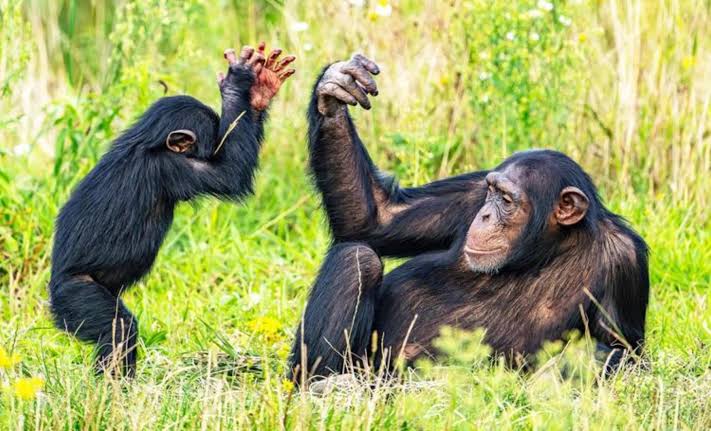
Forest walks vary by location. At Kibale wildlife guide, you might encounter damp undergrowth, roots and soft soils, even when the morning begins sunny. In Queen Elizabeth National Park, the descent into Kyambura Gorge can require extra attention to footing. Kalinzu Forest has its own network of walking trails, so ask about the expected route and wear shoes you trust on uneven ground.
Across the border, Chimpanzee trekking in Nyungwe can involve steeper terrain and cool, humid mountain forest. Pack a fleece for the early transfer and remove layers before you become hot during the walk. Tracking departure points and conditions should be confirmed with your operator rather than assumed from a previous trip. Learn why guided chimpanzee visits in Nyungwe requires an authorised ranger-led experience.
For a combined chimpanzee and wildlife holiday, the practical difference is simple: your forest outfit should protect you from plants, dampness and slippery paths, while your game-drive outfit should be breathable and easy to layer. The same shirts and trousers can often serve both activities after laundering.
For other forest conditions, compare our guides to Kalinzu forest trekking and Kyambura Gorge treks.
Before an early departure, consult Kyambura trekking times or consider a short Kalinzu excursion when based near Mbarara.
What to wear for chimpanzee trekking
Choose clothing that protects your skin without overheating you. Forest conditions can be humid, and an early start may feel cool before the walking begins. Breathable fabrics that dry reasonably quickly are generally more comfortable than heavy denim or thick cotton.
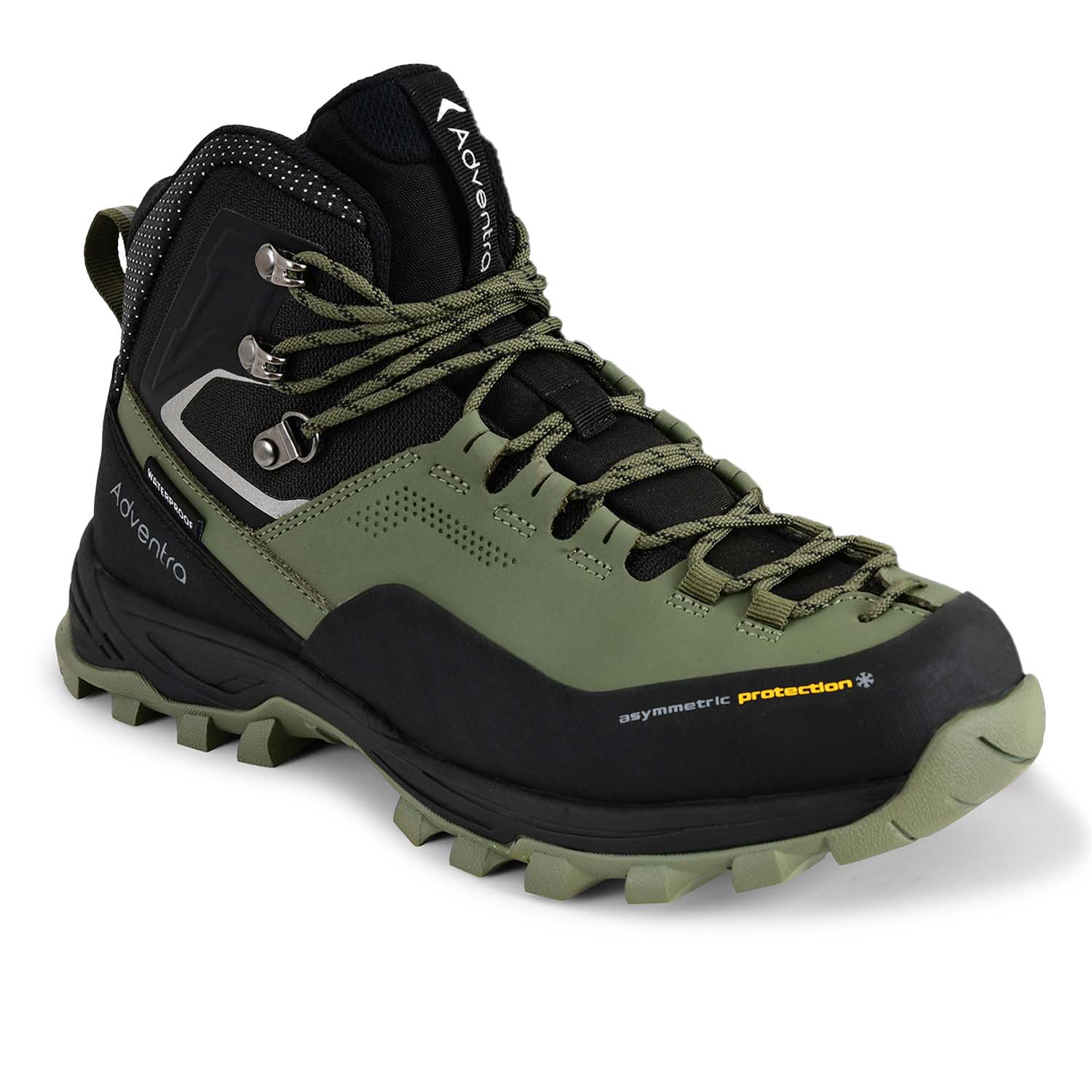


Footwear: Waterproof or water-resistant hiking boots are particularly helpful in wet months. Choose secure soles rather than smooth fashion footwear. Pack spare socks and change into dry shoes after the trek.
Colours: Khaki, olive, tan, grey and other muted shades are practical choices. Avoid camouflage or military-style clothing, which may be restricted or inappropriate in some locations. You do not need to buy an entirely new wardrobe for a trek.
Read more about the actual forest experience in our Chimpanzee trekking in Kibale National Park, including how the route can vary depending on chimpanzee movement.
Gloves, Gaiters, Walking Sticks and Porter Assistance
A well-fitting pair of light trekking gloves is useful when you need to steady yourself on branches or walk through vegetation. Choose washable gloves with sufficient grip, and do not rely on them for touching wildlife. Gaiters are optional but can prevent mud, insects and loose vegetation from getting inside your socks and boots.
Tuck long trouser hems into long socks or gaiters if the route is especially overgrown. Carry a second pair of socks in the vehicle to change into after walking. For a trip that also includes mountain gorillas, use the same footwear principles outlined in our gorilla trekking packing list; steep gorilla routes can demand more traction and stamina than some chimpanzee walks.
A local porter may be available depending on the trekking location and park arrangements. Porters are particularly helpful on longer or steeper gorilla routes; confirm their availability and any charges in advance. Travellers concerned about mobility should discuss the particular activity and their needs with the operator beforehand, rather than assuming all trails or assistance options are the same. Our article on gorilla trekking for seniors offers additional preparation considerations.
For common questions about steep or slippery paths, read our Kyambura Gorge frequently asked questions.
What to carry in your chimpanzee trekking daypack
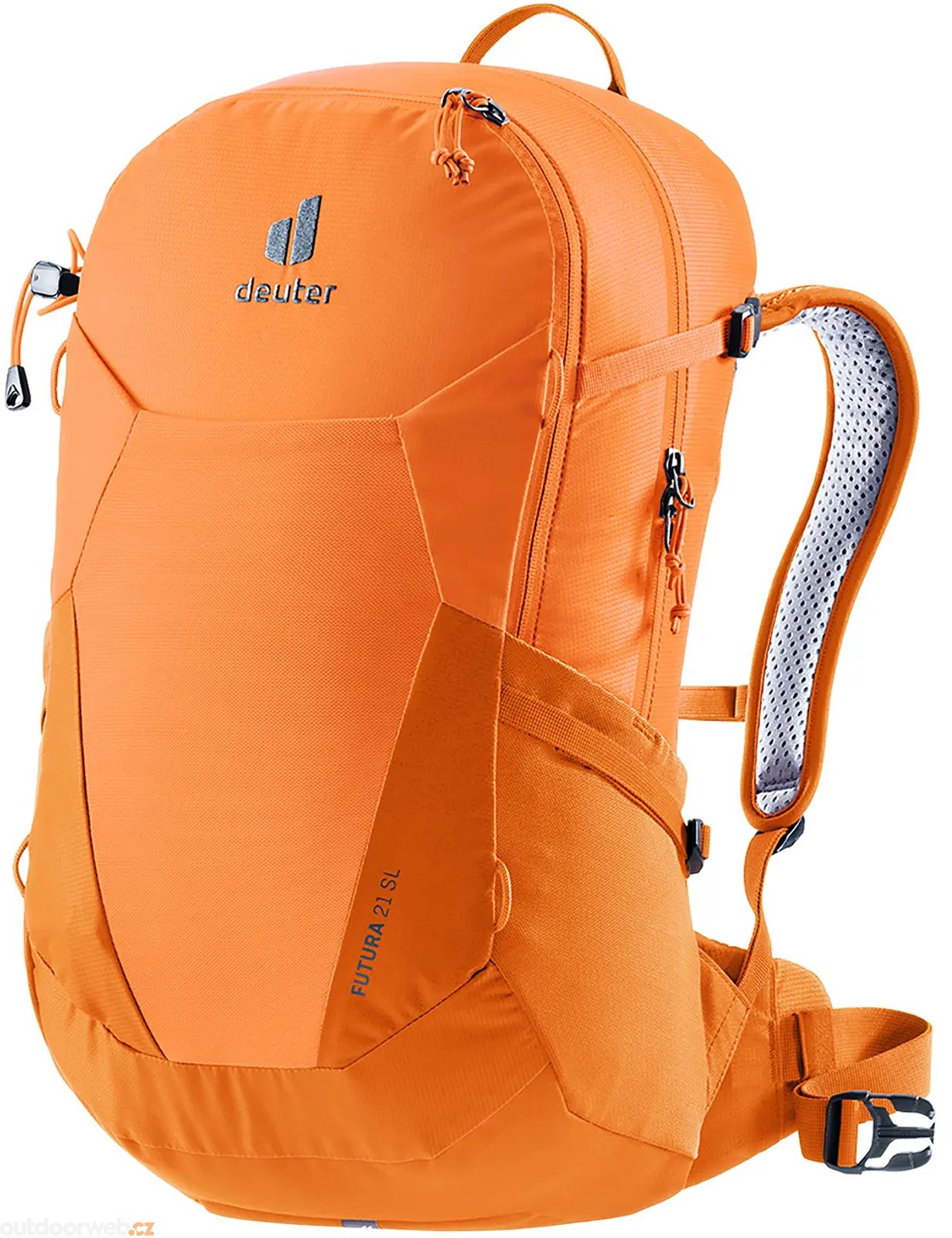
Leave large luggage at your lodge or in the safari vehicle. A light 15–25 litre backpack is usually sufficient for a standard tracking outing. Select a bag that fits closely and ideally has a rain cover or dry bags inside.
Keep your valuables protected from rain and condensation. The ranger will explain where food and drinks can be consumed; do not eat close to chimpanzees. The conditions and duration of your walk cannot be guaranteed, so ask your guide about the day’s route before setting off.
Planning a longer forest outing? Our Chimpanzee habituation experience explains why additional food, water and camera battery capacity may be worthwhile.
What to pack for game drives and boat safaris
Game drives are less physically demanding than chimpanzee trekking, but the weather can change noticeably between a cool dawn departure and the heat of midday. Pack clothing in layers and keep a few essentials beside your seat rather than buried in your main suitcase.


For a Kazinga Channel boat cruise or other water-based wildlife viewing, bring a hat with a secure fit, sunscreen and a camera strap. A light windproof layer can make an early-morning or breezy boat ride more comfortable.
If your itinerary combines forest trekking and several national parks, you can discuss suitable transport and stopovers through our Custom Uganda safari packages.
Small Adjustments for Dawn Drives, Boats and Evening Safaris
On a sunrise game drive, a light fleece can be useful while the vehicle is moving; by late morning you may prefer a breathable shirt and sunhat. Carry your sunglasses in a protective case, and keep a microfiber cloth handy to wipe dust from binoculars or lenses. For ideas about park environments, see Murchison Falls National Park and our guide to why visit Murchison Falls.
Boat cruises need slightly different preparation. A wind-resistant top, secured hat, sunscreen and a camera strap are more useful than heavy trekking boots. On the Kazinga Channel boat safaris, watch wildlife from the boat and protect phones from spray. Routes through Ishasha Sector wildlife viewing offer additional savannah wildlife viewing, while specialised Murchison Falls night game drives may call for warmer clothing after sunset.
Travellers particularly interested in giraffes can read about Uganda giraffe game drives. For wildlife photographs, binoculars and a moderate telephoto lens are often more useful than bulky equipment that is difficult to handle in a moving vehicle.
Travel plans can also include Lake Mburo game drives; the packing essentials are similar for most vehicle-based outings.
Health, documents and personal care
Keep your passport, visas where applicable, travel insurance information and necessary prescriptions in your hand luggage. Carry personal medicines in their original packaging, and consult a qualified travel-health professional well before departure about vaccinations, malaria prevention and other destination-specific advice.
A small first-aid kit can include blister dressings, antiseptic wipes and your usual pain relief, as appropriate for you. Insect repellent, sunscreen, lip balm and a refillable water bottle are useful for almost every day of the safari. If you wear contact lenses, consider bringing glasses for dusty drives.
Chimpanzees are susceptible to human infections. If you develop respiratory or other contagious symptoms, tell your operator before the trek and follow park staff instructions. Do not approach, feed, touch or use flash photography around chimpanzees. Further guidelines are covered in Solo vs group chimpanzee trekking.
Uganda Wildlife Authority guidance requires visitors to stay home from tracking if sick, keep at least 10 metres from chimpanzees, avoid flash photography and not eat, drink or smoke while tracking. Report symptoms before departure, and follow the park ranger’s directions. The current published Uganda Wildlife Authority tracking guidelines are the best reference for UWA-managed tracking areas.
Packing for wet and dry seasons
Drier periods: Approximately June–September and December–February often bring more manageable walking conditions. However, rainforest rain is possible in every month, so keep the waterproof jacket, boot grip and bag cover on your list.
Wetter periods: Approximately March–May and October–November can bring wetter, muddier tracks. Prioritise quick-drying clothing, two pairs of good trekking socks, a proper waterproof shell and dry bags for electronics. Allow time for damp footwear to dry between excursions.
Altitude, forest cover and local weather also influence conditions. Pack a light fleece or sweater for cool evenings and early departures, even if your itinerary takes place during a warmer month.
Camera and electronics: keep it simple
Chimpanzees can move rapidly, often among dark branches and foliage. A camera with dependable autofocus and good low-light performance is more useful than carrying excessive equipment. Bring a spare battery, sufficient memory and a waterproof bag; flash photography should not be used during primate encounters.
For game drives, binoculars and a modest zoom lens can be valuable. Include charging cables, a power bank permitted by your airline, and a travel plug adapter. Uganda and Rwanda commonly use different plug styles, so check which sockets your lodges provide. Keep power banks in cabin baggage according to airline rules.
Camera Protection, Charging and Flight Baggage
Bring a few spare memory cards and a second charged battery if photography is important to you. In shaded forest, stabilising your camera and choosing an appropriate shutter speed matter more than bringing many lenses. Avoid changing lenses in rain or dust, and keep the lens cloth inside a dry pouch. Do not use flash around chimpanzees.
Pack chargers where you can find them, then confirm the outlet types at every lodge on the route. Uganda commonly uses Type G sockets; Rwanda commonly uses Type C and J sockets. A quality multi-standard adapter may be useful, but verify the input voltage of your devices and the electrical supply at your accommodation.
When carrying power banks or spare lithium batteries, follow the airline’s current cabin-baggage rules. If your safari includes domestic flights, get the booked carrier’s baggage policy in writing. For a compact example of a combined wildlife and primate itinerary, see the chimpanzee and wildlife safari itinerary.
A practical packing list for a 5–10 day chimpanzee and wildlife safari
This is a starting point for a trip that includes one or two forest activities, several game drives and lodge stays. Adjust quantities based on your trip length, laundry arrangements and personal preferences.
Try to avoid overpacking. A soft-sided duffel or flexible suitcase can be easier to handle in safari vehicles and may be required for some small-aircraft journeys. If flying domestically, confirm your airline’s current baggage allowance rather than assuming the same limits as an international flight.
How Much Clothing to Pack for 3, 5 and 7–10 Days
For a three-day chimpanzee-focused trip, two quick-drying shirts, one or two pairs of long trousers, a waterproof jacket, hiking boots, socks and a clean change of clothes may be sufficient if the itinerary is compact. A five-day itinerary typically benefits from three or four shirts, two or three pairs of trousers and enough socks and underwear for the scheduled activities.
For seven to ten days, do not automatically double those quantities. Ask whether your lodges offer laundry, including drying times and any restrictions on delicate items. Four or five interchangeable shirts, three pairs of trousers and a few small accessories can be more useful than a separate outfit for every day. Add one smarter casual outfit only if your accommodation or onward plans call for it.
A longer combined itinerary may include both chimpanzee tracking and gorilla trekking, so allocate one reliably dry set of forest clothing for the second activity. Travellers considering an extended forest experience can compare their needs against our gorilla habituation packing guide and the gorilla trekking in Mgahinga guide.
For an example combining forest walks and game drives, consider this four-day Uganda safari.
What not to bring into the forest
Leave heavy suitcases, excessive camera equipment, strong fragrances and unnecessary valuables at the lodge. Avoid slippery footwear, shorts that expose your legs to nettles and thorns, and heavy jeans that stay wet for hours.
Do not carry food to share with wildlife, leave litter on the trails, or bring a drone without confirming the relevant park and aviation permissions. Stay with your ranger-led group at all times. Our guide to What does a chimpanzee safari include? explains how these activities fit into a wider holiday.
Packing advice for special itineraries
Chimpanzee habituation: Prepare for a longer day outdoors than on a standard chimpanzee track. Carry additional water, suitable packed food as instructed, spare batteries and comfortable rain protection. See our guide to Chimpanzee habituation and extended forest time.
Chimpanzees plus gorillas: The same long clothing, quality hiking boots, rain jacket and daypack can usually serve both activities. Gorilla routes may include steep, slippery terrain, so avoid footwear that works only for easy forest paths.
Family or mixed-ability safaris: Confirm the age restrictions and physical demands of every booked activity. Guests who do not participate in a forest trek may prefer birdwatching, a community visit or lodge activities. Explore Activities to add to a Kibale chimpanzee trek for ideas near Kibale.
Short safaris: A compact bag with two mix-and-match trekking outfits and one set of safari clothes is often enough for a short visit. See our 3-day Uganda chimpanzee safari for an example of a chimpanzee-focused itinerary.
FAQs About Chimpanzee and Safari Packing Guide
Can I wear trainers for chimpanzee trekking?
A well-gripped trail shoe may work on some easier paths, but broken-in hiking boots give better support and traction when conditions are muddy or slippery.
Do I need waterproof boots in Kibale?
Water-resistant or waterproof hiking footwear is strongly recommended. Rain and damp ground can occur throughout the year.
Should I wear shorts for chimpanzee trekking?
Long trousers are the more practical choice because forest vegetation, insects and nettles can scratch exposed legs.
What colours are best for a Uganda safari?
Muted greens, browns, khaki and neutral shades are practical and easy to combine. Avoid military camouflage clothing.
How much water should I carry?
About 1–2 litres is a useful starting point for a standard trek, but follow the ranger’s guidance and adjust to your needs and the expected outing.
Is rain gear needed during the dry season?
Yes. Tropical forest showers can occur even during drier months, so a lightweight rain jacket belongs in your daypack.
Can I take photographs of chimpanzees?
Yes, subject to ranger instructions. Avoid flash and protect your camera from humidity and rain.
Do I need binoculars for chimpanzee trekking?
They are optional but useful for spotting birds and chimpanzees high in the canopy. Binoculars are especially valuable on wildlife game drives.
Can I bring food on the trek?
You may bring suitable packed snacks if permitted, but park rules prohibit eating and drinking during chimpanzee tracking; follow the ranger’s instructions. Follow the ranger’s directions about appropriate places to eat.
What is the best luggage for a safari?
A manageable soft-sided bag and a smaller trekking daypack work well. Confirm any baggage requirements for domestic flights.
Should I bring warm clothing to Uganda?
Yes. A light fleece or sweater can be useful on early game drives, at higher elevations and during cool evenings.
Is a walking stick necessary?
Not always. It can be helpful on steep or slippery routes; ask your guide whether a suitable stick is available and appropriate for the planned trail.
What insect repellent should I pack?
Bring an effective personal insect repellent suitable for your skin, and use it according to the product instructions alongside covering clothing.
What if I become sick before chimpanzee trekking?
Tell your guide or safari operator immediately. Park authorities may restrict participation when a visitor has symptoms that could pose a risk to primates.
Can one packing list cover both chimpanzee trekking and game drives?
Yes. Use long, light clothing and layers for both, then add trekking boots and rain protection for the forest and a sunhat and binoculars for the savannah.
Ready to plan your chimpanzee and wildlife safari?
Safari Vacations and Travel Services can tailor a trip around chimpanzee trekking, gorilla encounters, game drives and relaxing lodge stays. We can also advise on suitable clothing and equipment for your specific route and travel month.




