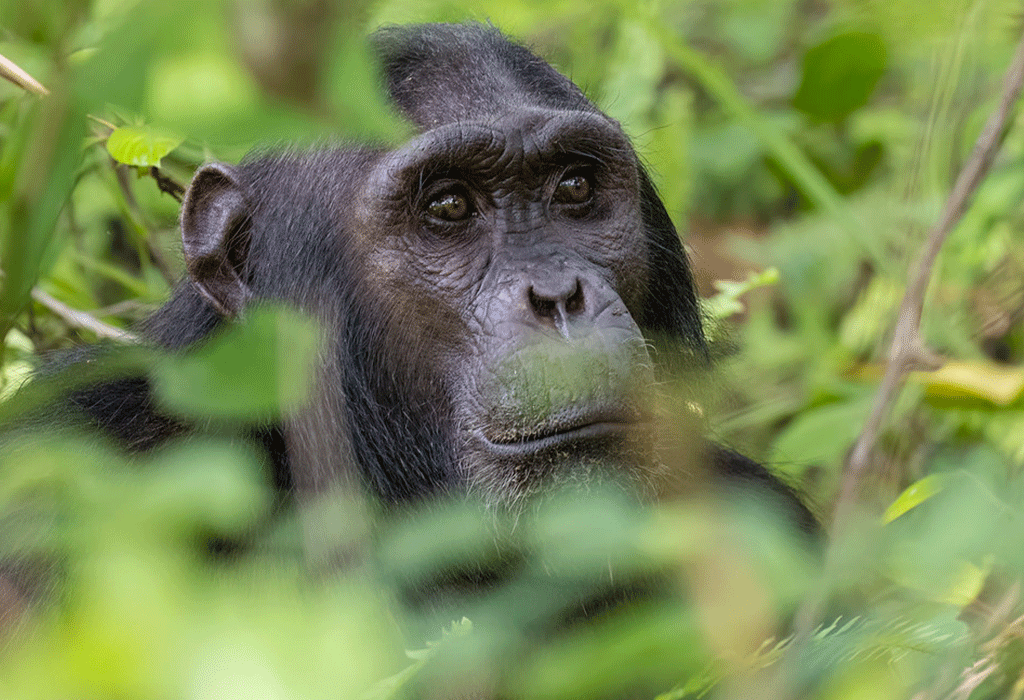
Spending More Hours with the Chimpanzees in Uganda

Spending More Hours with the Chimpanzees in Kibale National Park- What To Do.
Spending More Hours with the Chimpanzees in Uganda- Kibale National Park? Chimpanzee habituation is the best way of spending more hours with the chimpanzees in Kibale National Park. The Chimpanzee habituation experience offers tourists/trekkers to spend more time, full day, with the chimpanzees in the Kibale forest. Habituation refers to the slow study and introduction of chimpanzees to the presence of humans. This activity helps them to become comfortable with humans with time. The habituation process not only gives tourists a chance to spend more time with the chimpanzees. It also gives them a chance to trek the semi-habituated chimpanzees to learn more about the primates’ behaviors.
Most Popular Safaris
3 Days Uganda Chimpanzee Habituation Safari
5 Day Luxury Gorilla & Chimpanzee Habituation Safari
8-Day Uganda Safari via Kigali
5 Days Gorillas and Chimp Safari
3 Days Eastern Lowland Gorilla Trekking in Congo
5-day Nyungwe Chimps & Congo Lowland Gorillas.
9 Days Congo Lowland Gorilla and Masai Mara Safari
9-Day Uganda Rwanda Primates and Wildlife Safari
The entire process of habituating chimpanzees can take a period of two to three years before they are fully introduced to the public for trekking. When you join the habituation process, you will learn more about the chimpanzees as compared to the standard trek and have the chance to trek the chimpanzee families before they are officially introduced to the public.
Chimpanzee habituation experience
The habituation experience starts early morning after all trekkers have had breakfast. It starts with a briefing from the guides about what to expect during the experience. Visitors also learn the rules and regulations they need to adhere to. After the briefing, together with armed rangers and guides, the trek and search for the chimpanzees starts. It is easy to follow the chimpanzees if you look out for signs of their presence. These include the foliage they leave behind and follow the chimpanzee’s noise. This exercise can take the whole day so you need to prepare both physically and mentally.
Chimpanzee habituation in Kibale is more challenging as compared to the normal/standard trek, and this is because you are trekking chimpanzees that are not fully habituated; they live deeper in the villages and keep moving to new locations all the time. The exercise needs one to be patient and calm to be able to get the best safari experience out of the exercise.
The habituation experience is also one of the best ways to get the best chimpanzee photographs. This is because you get to spend more time with the primates. It also helps tourists and researchers identify the individual differences among the chimpanzees under study.
Chimpanzee habituation permits
Visitors purchase Chimpanzee habituation permits through a reliable tour operator. They are more expensive as compared to the normal chimpanzee trekking permits because you get to spend the whole day with chimpanzees during the habituation experience compared to the one hour with chimpanzee trekking. The cost of the chimpanzee habituation permit in Kibale is $300 for foreign non-residents. It also costs $250 for foreign residents and 250, 000UGX for East African citizens. visitors have to purchase permits in advance because few are available per day.
The chimpanzee habituation permit includes park entrance fees for the day and guide fees. It also includes the whole day with the chimpanzees. The permit fees in conservation support, research purposes, and supporting the communities around the park. It, however, does not include transport, accommodation, snacks, porter fees, and personal purchases, among others.
Rescheduling of permits
Spending More Hours with the Chimpanzees- can I reschedule a chimpanzee habituation permit? Yes, it is possible to reschedule the permit but this needs to be done in advance and has several steps. In case you are not able to make it with genuine reasons for the chimpanzee habituation experience, you have to write a formal letter to the Uganda Wildlife Authority requesting to reschedule your permit to a later date and you have to attach evidence of why you cannot make it. Upon scrutiny and consideration from UWA, the reschedule is effected to a later date.
When you take part in the habituation experience in Kibale, you are playing an important role in the conservation of the chimpanzees. This ensures their continuous protection. The more people learn about the chimpanzees through the habituation exercise, the more they learn how to protect them.
Rules and Regulations for Chimp Habituation in Kibale National Park
While considering Spending More Hours with the Chimpanzees, there are rules to follow. Chimpanzee habituation comes with rules and regulations that visitors need to follow. The rules to follow during this period include;
- All groups of tourists have to maintain a distance of 7 meters from the chimpanzees at all times. This is because chimpanzees are vulnerable species. Diseases can easily wipe them out. T
- The age limit for participating in the habituation exercise and chimpanzee trekking is 12 years. UWA set it because older children and adults are easier to control during the habituation.
- A camera is essential during the chimpanzee habituation exercise. however, make sure that you turn off the flashlight when taking photos of the chimpanzees
- All sick trekkers with viral infections like flu and cough do not participate in the habituation exercise. This serves to protect the chimpanzees’ health.
- The park prohibits smoking when with the chimpanzees in Kibale National Park.
- No eating and drinking near the chimpanzees. Trekkers can only do so if they are 300 meters from the habituated and semi-habituated chimpanzees.
- When with the chimpanzees, avoid unnecessary movements because this disrupts the primates.
- Never mimic the chimpanzee noises because you will not be aware of what you are communicating with the chimpanzees.
- Feeding the chimpanzees is not allowed. This is to make sure that chimpanzees do not expect to be fed at all times, can hunt on their own during a crisis, and avoid poisoning the chimpanzees.
- Follow all the rules and guidelines that the guides and rangers give you.
- Never wander off in the forest from the group because the forest is home to other wildlife species.
What to pack for chimpanzee habituation in Kibale
Below is a list of items that you have to bring when going for a chimpanzee habituation in Kibale National Park.
- Lightweight pants and long-sleeved shirts with neutral colors
- Waterproof rain jacket
- Gaiters and socks
- Sweater, ponchos, and anything that can keep you warm
- Waterproof backpack
- Insect repellent, sunscreen, refillable water bottle, snacks, and first aid kit
- Hike boots
- Garden gloves
- A camera
- Binoculars
Other Activities to Do in Kibale National Park
Chimpanzee Trekking
Chimpanzee tracking is the main activity that takes place in Kibale Forest National Park. Chimpanzees are the main tourist attraction in Kibale. The park is however home to other 12 different primate species. These include L’hoest monkeys, baboons, red-tailed monkeys, black and white colobus monkeys, and blue monkeys, among others. Chimpanzee trekking takes place all year round. however, the best time is during the dry season, between December and February, and June to September. To participate, one has to purchase a chimpanzee trekking permit through a tour operator from the Uganda Wildlife Authority. The permit gives you an hour with the primates and the trek starts as early as 6:00 am with a briefing session.
The cost of the chimpanzee permits in Kibale National Park: The chimpanzee trekking permit is a legal document that the Uganda Wildlife Authority issues. It grants tourists access to the chimpanzees in their natural habitat. The permits that are purchased are used for a maximum of one hour where you can study and get to meet the different chimpanzee families in Kibale National Park. The cost of a chimpanzee permit in Kibale is $250 for foreign non-residents. It also costs $200 for foreign residents and UGX180,000 for East African citizens.
Bird watching
Besides Spending More Hours with the Chimpanzees, you can go birding in Kibale National Park. Kibale is home to over 375 recorded bird species which include both local and international bird species. Bird watching is best carried out in the rainy season from November to February and March to May when the migratory birds are around escaping the harsh winters. With the help of a guide and good equipment, you will be able to spot bird species like the Great Blue Turaco, Tiny Sunbird, White-collared olive back, Black Billed Turaco, Purple headed starling, Black be-eater, Grey-throated Tit Flycatcher, Abyssinian Ground Thrush, Nahans Francolin, Black Bishop, Green Breasted pitta, White Naped pigeon, Black Bishop, Slender-billed weaver, African Pitta and Blue Breasted Kingfisher among others.
Cultural trips
There is no better way to learn more about the local people than going for a cultural trip to the nearby villages. This is the best way to know about the lifestyle of the local people and interact with them. you also get a chance to purchase some souvenirs as a way of supporting the community. The local communities that live around Kibale National Park are mainly Batooro and Bakiga. The local people formed a group to unite them known as the Kibale Association For Rural Environment Development (KAFRED) and through this association, the locals sell their merchandise to tourists improving their living standards, they also entertain visitors with traditional songs and dance, serve traditional dishes and visitors also get to see the Crater Lakes, Tea plantations, Vanilla plantations and the Rwenzori Mountains.
A visit to the Bigodi Wetland
Bigodi Sanctuary Wetland is outside the national park about 6 km south of Kibale Park, in Magombe Swamp. The Bigodi Sanctuary Wetland is under the management of the Community around the park and is used to support eco-tourism around the park. Bigodi is home to over 138 bird species and 8 primate species. These primates include red colobus monkeys, vervet monkeys, baboons, and blue monkeys, among others. It is also home to other wildlife species including bushbucks, warthogs, and mongoose. The guided nature walk around Bigodi takes about 2 to 4 hours. During this period, tourists get to enjoy the beautiful scenery around the wetland and interact with the local communities.
Night walks
Kibale has guided night forest walks, and these are to be booked in advance. The night forest walks start around 7:30 pm, giving tourists a chance to spot nocturnal animals like nightjars, bush babies, pottos, and forest cats, among others. The night walks can only be carried out with an experienced guide and with the help of a spotlight, tourists can easily spot the wildlife in the forest. You have to be able to follow all the rules and guidelines. These mainly include communicating in low tones, turning off your phones and never leaving the vehicle at all times.
Spending More Hours with the Chimpanzees in Uganda- Where To Stay During Chimpanzee Habituation Tour
Accommodation within and outside Kibale National Park is in three categories. These are; budget, mid-range, and luxury accommodation facilities. These can be booked in advance and with the help of your guide, you will be able to choose the best facility that fits into your budget and needs. Some of the accommodation facilities that you can check out include Kibale Forest Guest House, Nyinabulitwa Country Resort, Primate Lodge Kibale, Chimps Nest, Kibale Forest Camp, Kyaninga Lodge, Rwetera Safari Park, Papaya Lake Lodge, Chimpanzee Forest Guest House, Kanyanchu River Camp, Isunga lodge, Kibale Safari Lodge and Mountains of the Moon Hotel among others.
When to visit Kibale Forest Park
Spending More Hours with the Chimpanzees- when to go for Chimpanzee habituation. Kibale Forest National Park is an all-year-round safari destination, but the best time to go is from June to October when the trek routes are easy to use and the chimpanzees are easy to spot. The dry season is the best time to visit Kibale, but it is also a peak season and an expensive time to travel. The rainy season from March to May is a good time to visit Kibale when traveling on a budget, but note that there will be showers of rain that might hinder the trekking exercise because the trails will be muddy, slippery, and wet. Contact our team for your bookings and more information.