Cheapest Way to See Gorillas: 7 Amazing Budget Tips

Cheapest Way to See Gorillas: The Complete Budget Trekking Guide
Travel smarter, protect gorillas, and spend on what matters. Compare legitimate Uganda and Rwanda permit rates, affordable routes, and honest safari cost examples before making a booking.
Cheapest Way to See Gorillas: What Budget Travelers Need to Know
The Cheapest Way to See Gorillas is usually to trek in Uganda, travel during an eligible low-season month, share transport with other guests, and stay in a simple lodge close to the correct trailhead. It is tempting to compare only a permit price, but the real decision involves a full itinerary. Transport, accommodation, meals, border formalities, porter support, and unused travel days can easily outweigh a small advertised discount. This guide explains how to compare genuine value without compromising safety, conservation, or the experience itself.
For a foreign non-resident visitor, Uganda’s published standard mountain gorilla tracking fee is US$800. A February 2026 Uganda Wildlife Authority notice also introduced a US$600 low-season rate for eligible trekking dates in April, May, and November; conditions apply and the discounted permit cannot be rescheduled. Rwanda’s standard international permit is US$1,500, although some verified residency or citizenship categories qualify for different rates. The figures are permit-only, not complete travel quotations. A detailed gorilla permit price comparison helps separate government charges from operator services.
The financially sensible approach to budget gorilla trekking starts with a firm trekking date and an honest transportation plan. Most travelers can reduce the total more by sharing a reliable vehicle and avoiding unnecessary overnight stops than by choosing the absolute cheapest room. The trailhead matters: a lodge that appears inexpensive on a booking platform may be hours from the particular Bwindi sector assigned on your permit.

1. Compare Uganda, Rwanda, and Congo Before Spending
Uganda has two established mountain gorilla destinations: Bwindi Impenetrable National Park and Mgahinga Gorilla National Park. Both use Uganda Wildlife Authority permits, and both can deliver the core one-hour encounter when tracking conditions allow. Bwindi has several distinct visitor sectors, which makes careful matching of accommodation and permits important. Mgahinga offers a different volcanic landscape and a smaller trekking operation. Travelers considering gorilla trekking in Uganda and Rwanda should compare their complete route rather than assuming the lower permit fee settles everything.
Rwanda can still be practical for people with very little time. Volcanoes National Park is comparatively accessible from Kigali by road, and travelers already visiting Rwanda may save on long transfers. Yet a lower transport bill does not automatically offset the much higher standard international permit. Compare a Rwanda-only short break with a Uganda trip beginning in Kigali, keeping visa, cross-border, vehicle, and accommodation costs in the same currency. Our Uganda versus Rwanda gorilla comparison is particularly useful when both countries are realistic options.
Some older blogs advertise the Democratic Republic of Congo as the least expensive option. Do not budget around those historical prices: Virunga National Park’s main tourism notice says gorilla and Nyiragongo treks are closed until further notice. Eastern DRC also has serious security concerns and travel restrictions. A theoretically cheaper permit that cannot safely or reliably be booked is not a genuine bargain. Ask for a written, date-specific statement of availability before any commitment to a cross-border itinerary.
| Option | Published standard international permit | Budget interpretation |
|---|---|---|
| Uganda: Bwindi or Mgahinga | US$800 foreign non-resident | Usually the strongest base for an affordable trip |
| Uganda: eligible low-season months | US$600 foreign non-resident | Potential saving; non-reschedulable conditions |
| Rwanda: Volcanoes National Park | US$1,500 standard foreign visitor | Shorter transfers may help certain itineraries |
| DR Congo: Virunga | No currently bookable public trek assumed | Do not budget using historical permit quotes |
These comparisons focus on foreign visitors paying the stated standard category. Citizens and legal residents may be eligible for much lower, documentation-dependent fees in one or both countries. Never assume that a friend’s resident rate applies to you; the booking office can reject a mismatched category when identification is checked. This is one reason a transparent written quotation is more useful than a bold advertisement promising the cheapest permit in Africa.
2. Use Uganda’s Low-Season Permit Only When Dates Are Firm
The most direct saving for an eligible foreign non-resident is the difference between the published US$800 regular permit and US$600 for selected dates in April, May, or November. That is US$200 per person on the permit alone. Two eligible travelers could potentially save US$400 before changing any lodge or vehicle arrangement. The discount comes with a serious qualification: the notice states that these low-season permits cannot be rescheduled. Confirm availability, payment terms, and the precise travel date before paying. Review the best time to trek mountain gorillas against your flexibility and tolerance for wetter conditions.
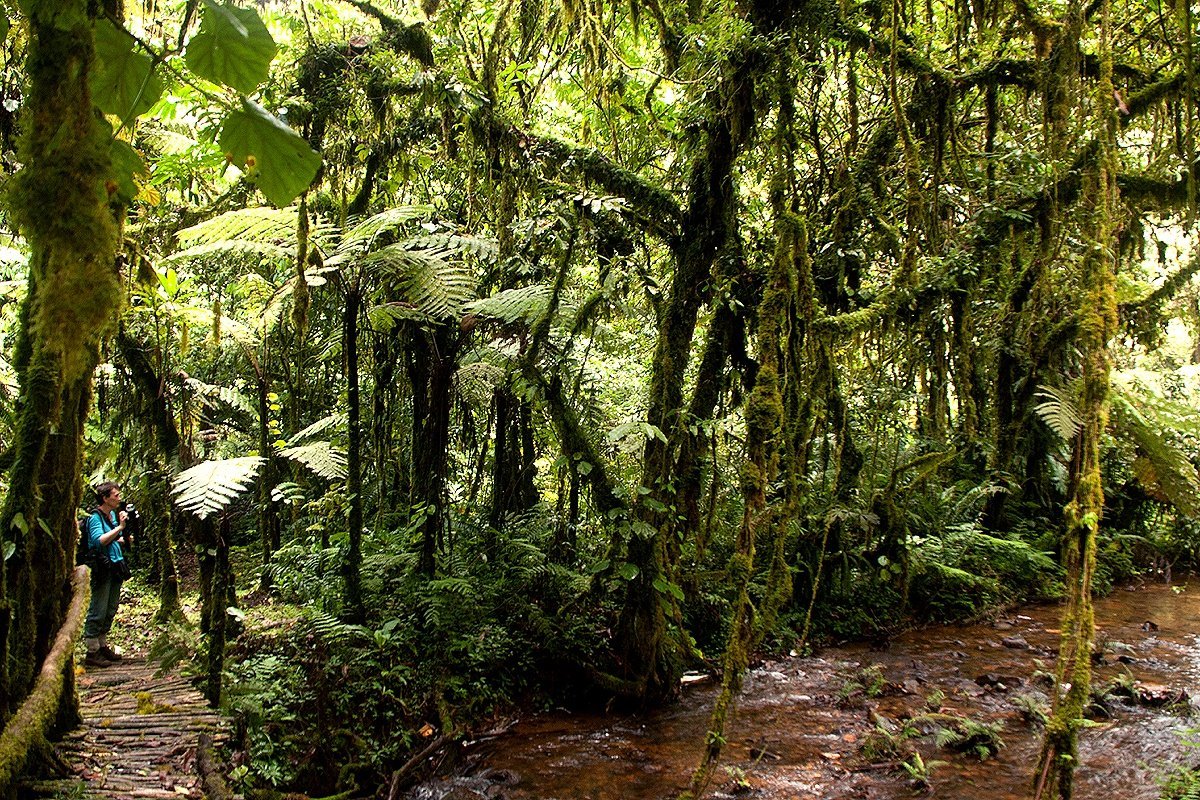
April and May often bring substantial rain in southwestern Uganda. November can also be wet, though conditions vary by week, altitude, and local weather patterns. Muddy trails can make the hike harder and road transfers slower; it does not follow that gorillas vanish in the rainy season. They remain in their forest habitat year-round. Pay attention to Bwindi forest weather conditions when deciding whether a cheaper permit is worth the tradeoff.
If your schedule might change because of international flights, work commitments, or health uncertainties, a flexible standard-rate permit may be the better value. Saving US$200 loses its appeal if the whole permit becomes unusable. A responsible affordable gorilla safari is based on the money you realistically expect to spend, not the theoretical minimum price printed in an advertisement. Always obtain the operator’s cancellation and refund policy in writing.
3. Choose Bwindi or Mgahinga Based on Logistics
Bwindi: More Sector Choices, but Plan the Trailhead
Bwindi is not a single small park entrance. Buhoma, Ruhija, Rushaga, and Nkuringo serve different trekking areas, and roads between them can take far longer than a simple map suggests. Permit allocation determines the sector you must report to. Travelers who confirm the best Bwindi trekking sector before booking rooms avoid expensive early-morning transfers, emergency vehicle hire, or missed check-in times. This is an unglamorous but powerful way to protect a budget.
Buhoma has an established lodge network; Ruhija can offer an appealing forest atmosphere; Rushaga and Nkuringo are useful for routes through the south. None is universally the cheapest because prices depend on date, room type, transfer distance, and availability. When comparing rooms, calculate the total night cost including breakfast, possible packed lunch, and transport to the briefing point. The cheapest quoted bed can become the most expensive option once logistics are added.
Bwindi also hosts specialist gorilla habituation experiences, but these are not the standard inexpensive way to view gorillas. Their permits cost more and the format differs. Travelers chiefly interested in one close, professionally guided encounter usually receive better value from normal tracking. The differences are explained in gorilla trekking versus habituation. Do not pay for the longer experience simply because a package describes it as exclusive.
Mgahinga: A Strong Alternative When the Route Works
Mgahinga Gorilla National Park lies near Kisoro and the Virunga volcanoes. It may fit particularly well if you are already staying around Kisoro, Lake Mutanda, or southwestern Uganda. The Mgahinga gorilla trekking experience follows the same broad conservation principles as Bwindi, but trail terrain, visitor numbers, and the day’s group location are different. Request real permit availability before committing to a particular lodge or date.
A bargain package sometimes claims Mgahinga is automatically easier, cheaper, or closer. These are not dependable rules. The correct comparison includes the city where you start, the accommodation location, planned border crossing if any, vehicle costs, and the ranger briefing time. Tracking the Nyakagezi family is an experience, not a guarantee of a short, effortless walk. Always allow room for variable trekking duration.
4. Calculate the Entire Uganda Gorilla Trekking Cost
The Uganda gorilla trekking cost is the sum of several distinct charges, not just the tracking permit. Ask for an itemized quote showing government permit, transport, fuel, driver-guide, accommodation, meal plan, local transfers, border costs where relevant, and any optional services. Tips, porters, insurance, visas, souvenirs, and personal beverages may be excluded. A properly detailed quotation lets you cut costs without discovering surprise bills at the park gate.
The table below illustrates a planning example, not a live offer. It assumes two adults share a vehicle and twin room for a short three-day Uganda trek, with the foreign non-resident low-season permit used only when eligible. The values for services other than the permit are hypothetical budgeting allowances, not verified vendor prices. Actual road distance, pick-up location, lodge category, date, and local taxes can materially change the result.
| Illustrative item | Per-person allowance | Important caveat |
|---|---|---|
| Low-season gorilla permit | US$600 | Only eligible dates and categories |
| Shared road transport | US$170–280 | Estimate for two sharing; route dependent |
| Two nights simple accommodation | US$90–180 | Illustrative, not a lodge quotation |
| Meals and minor logistics | US$50–100 | Depends on included meal plan |
| Porter, tips, incidentals | US$25–60 | Voluntary or circumstance dependent |
| Illustrative total | US$935–1,220 | Excludes international flights and some formalities |
With a standard US$800 permit, add US$200 to that particular low-season illustration. A solo traveler paying for a dedicated vehicle should expect a substantially higher transport cost per person, while a larger, well-organized group may share more efficiently. These ranges deliberately leave room for variation rather than falsely promising a fixed package price. Travelers comparing the cost of a three-day gorilla safari should insist that competing quotes cover the same nights and inclusions.
Request an Itemized Budget Gorilla Quote →

5. Share Transport Wisely Instead of Chasing the Cheapest Car
Road travel is often the main flexible expense after the permit. Sharing a suitable vehicle with family, friends, or other travelers can reduce the per-person cost considerably. Agree on luggage capacity, seat comfort, pickup point, driving hours, fuel, and the driver’s accommodation before confirming. A very low quote might exclude fuel, national park transfers, or a return airport journey. An experienced driver also matters because southwestern Uganda has steep, winding routes and variable road conditions.
Starting from Entebbe or Kampala usually means a long road transfer to Bwindi or Mgahinga, commonly planned across most of one day. Travelers focused on saving time sometimes investigate a Kigali starting point and drive to southern Bwindi, though a cross-border trip needs the right visas and entry eligibility. The gorilla trekking from Kigali approach can make geographical sense for certain international flight plans, but it is not always the cheapest after all border and private vehicle costs are counted.
If several people share an itinerary, the vehicle cost spreads further. Yet splitting costs is not a reason to accept an overcrowded car, unsafe driving hours, or uncertain insurance. It is better to pay for a realistic schedule than to lose a trekking day because of vehicle trouble. A two-day Uganda gorilla trek from Kigali can be practical for some travelers; compare it with a relaxed three-day alternative rather than deciding on headline duration alone.
Domestic flights to southwestern Uganda are available on some routes and can save a long drive. They usually increase the direct cost and should be evaluated separately from the lowest-budget road plan. Airport transfers and the journey from an airstrip to the actual lodge remain necessary. Travelers buying an Uganda fly-in gorilla safari for convenience should not mistake it for a reliable budget strategy.
6. Book Simple Lodges Close to Your Assigned Sector
Accommodation is one of the easiest costs to adjust without changing the core gorilla encounter. A comfortable budget guesthouse, a community-run property, or a modest safari lodge can meet the essential needs: clean bedding, secure storage, food, hot water where available, and transport access. Book close to the trekking sector stated on your permit. A room described as near Bwindi can be far from the briefing gate on roads that are difficult before dawn.
Ask the lodge whether breakfast can be ready before departure and whether a packed lunch is available. Trekking days can be physically demanding and unpredictable in duration, so staying fed and hydrated matters more than luxury extras. A low room price that excludes meals or adds an expensive shuttle may not save anything. Check the location against a reliable Buhoma gorilla trekking guide or the corresponding sector information before paying.
When comparing accommodation in the south, consider whether your trip also includes Lake Mutanda or Kisoro. A scenic lakeside base can be memorable, but a gorilla trekking morning needs a practical transfer. Pick the lodge for the trekking date first, and add leisure nights afterward if your budget allows. That simple ordering helps make an economical trip feel relaxed rather than rushed.
7. Book the Right Permit Through the Proper Channel
Uganda Wildlife Authority issues the permits and manages their allocation. Its published guidance says foreign non-residents must buy gorilla and chimpanzee tracking permits through Uganda Tourism Board–licensed tour operators. Eligible foreign residents and East African Community citizens may have direct purchase arrangements with UWA under the authority’s rules. Verify that your operator is properly licensed, and ask for the visitor category, trekking date, park, and sector in writing. Booking Bwindi gorilla permits requires more care than simply paying for an attractive online package.
A legitimate quote should identify when the permit is actually secured and whether payment is refundable or movable. Low-season discounted permits have stricter change rules. Beware advertisements for cheap gorilla trekking permits that seem far below the government fee. Do not hand over cash to an unknown seller, and do not rely solely on an unsigned screenshot. The online gorilla permit booking process is safest when your name, details, and documents match the confirmed reservation.
Permit categories are not interchangeable. Residents may need valid permits or documentary proof; citizens must meet applicable nationality requirements. Rwanda also checks identity documents at the park. Travelers qualifying for lower regional rates can genuinely pay less, but only after their status is confirmed. For most international tourists, the realistic strategy is reducing travel overhead, not attempting to claim a rate meant for a different category.
The standard gorilla trek usually includes a guided search followed by up to one hour near a habituated gorilla family, subject to ranger directions. It does not guarantee a particular family, trail duration, or photographic pose. A gorilla trekking permit in Uganda is a conservation-managed visitor authorization, not a private wildlife performance.
Ask About Permit Dates and Real Availability →
What Happens on the Trekking Day?
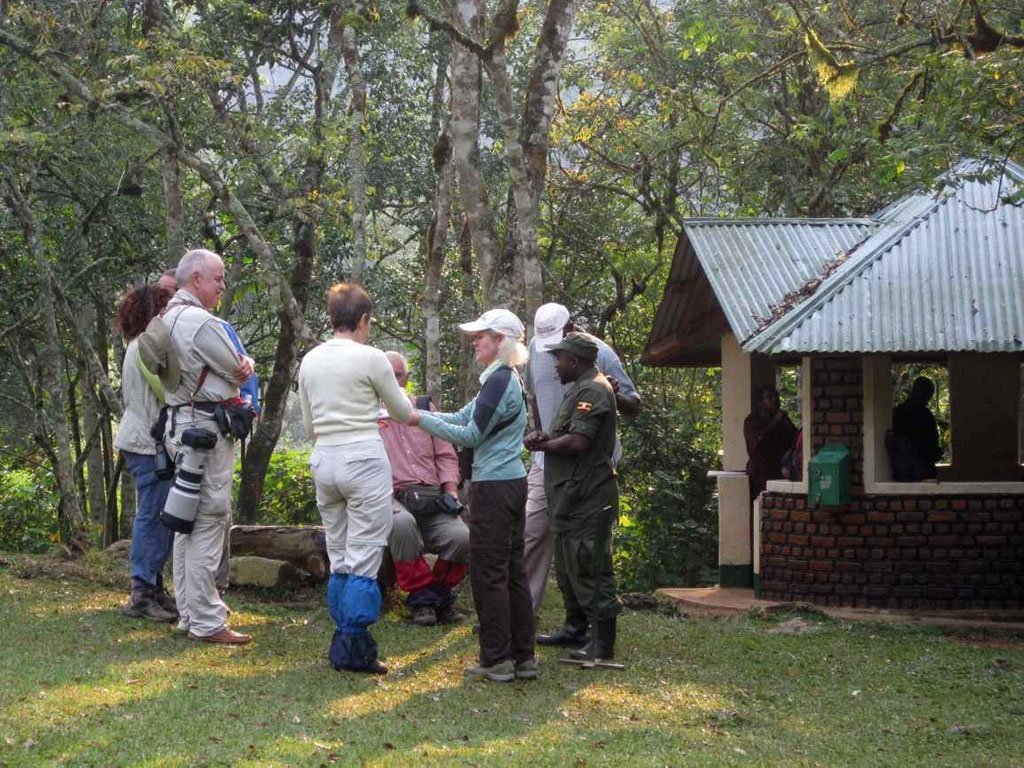
An early start is normal. At the park briefing point, rangers explain gorilla etiquette, health rules, group allocation, and the terrain. You may then travel to a trailhead and walk through forest with an experienced team. A mountain gorilla tracking experience involves variable hiking time because gorilla families move through wild habitat. Some hikes are relatively short; others are steep, wet, and physically demanding.
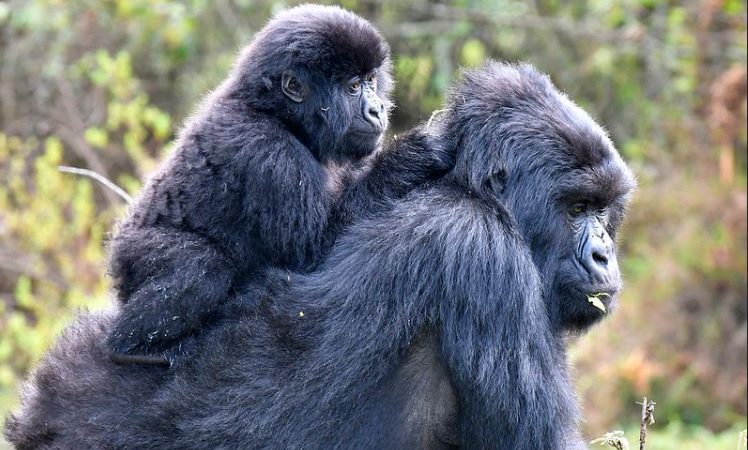
Once the trackers locate the assigned gorilla group, your viewing time is limited and strictly managed to reduce disturbance. You may watch a silverback feed, youngsters play, or family members rest quietly. Visitors should follow ranger instructions on spacing, masks where required, noise, and movement. The aim of ethical gorilla trekking is to allow carefully controlled tourism while protecting endangered gorillas and supporting conservation and local communities.
If you are not very fit, discuss your concerns before booking. Hiring a porter can make carrying a daypack easier and help with difficult footing; it also creates a valuable local job. A walking stick and appropriate footwear are worthwhile. Travelers dealing with mobility limitations can explore gorilla tracking for older visitors and sector-specific options. No operator should promise a flat trail or a guaranteed easy family assignment.

Packing Light Can Save Money Without Sacrificing Safety
You do not need expensive expedition equipment for a standard gorilla trek, but ordinary casual shoes are often inadequate. Wear boots with reliable grip, long trousers, a long-sleeved top, and a rain layer. Carry water, a packed lunch, sun protection, a small first-aid kit, and a waterproof pouch for documents or electronics. A practical gorilla trekking packing list can help you use clothes and equipment you already own rather than buying specialist items unnecessarily.
Borrowing or reusing appropriate gear is generally more sensible than purchasing an expensive new wardrobe for a single morning. Some lodges can advise about walking sticks, gaiters, or other locally available items, but check in advance. Whatever you save on gear should not come at the cost of injury. The detailed what to wear for gorilla trekking guidance helps distinguish useful protection from optional extras.
A small daypack is enough for most visitors. Keep valuables dry and avoid bulky camera bags if they will slow your progress on narrow trails. Portable power, spare batteries, and protective covers are more useful than large amounts of photographic equipment. Follow the park rules on flash photography and wildlife distance. The gorilla trekking photography tips focus on respecting the animals while getting meaningful images in challenging forest light.
A Practical 3-Day Budget Gorilla Safari Itinerary
Day 1: Arrive in the Gorilla Region
Depart from the agreed starting point after breakfast and travel toward southwestern Uganda. A road itinerary from Entebbe or Kampala generally consumes much of the day; routes from Kigali may be shorter on the map but require international border formalities. Build in comfort stops, adequate daylight, and contingency time. Check in near the correct Bwindi sector or in the Mgahinga region, review permit documents, and arrange your early breakfast. The three-day Uganda gorilla trekking itinerary is a useful frame, but your confirmed park and arrival city dictate the exact timing.
Day 2: Trek the Gorillas
Begin before sunrise if your briefing point requires an early road transfer. Eat breakfast, pack water and lunch, and carry proof of permit and identification. At briefing, follow the ranger team’s instructions and discuss any fitness issues. Trekking length is uncertain, so keep the remainder of the day flexible. After returning, rest at your lodge and enjoy the forest atmosphere. A modest room and a memorable gorilla encounter often make a stronger experience than an elaborate room followed by a rushed departure.
Day 3: Return or Extend Your Journey
After breakfast, return to your departure city using a safe schedule that accounts for road conditions and airport check-in requirements. Do not book a tight international flight connection after a very long overland journey. If you have more time, extending by one night can reduce fatigue and provide a more relaxed end to the trip. The three-day Uganda gorilla tour format is common, but it should never force unrealistic driving times or same-day flight risks.
A shorter itinerary can sometimes lower accommodation expenditure, yet rushing creates a different kind of cost: missed connections, exhaustion, and higher logistical risk. Compare a two-day road trip, a three-day standard trip, and a four-day relaxed trip using the same permit price and transparent transport assumptions. The cheapest final number is worthwhile only when the itinerary is genuinely feasible.
Plan My Affordable 3-Day Gorilla Trek →
How to Make a Solo Gorilla Trekking Trip More Affordable
Solo travelers face a common disadvantage: vehicle hire, fuel, and driver expenses are not shared. If your travel dates are flexible, ask whether a reputable operator has a scheduled departure with space available. A well-run group trip may reduce the per-person cost without limiting the essential ranger-guided encounter. However, joining a departure must not mean accepting unverified availability or losing control over essential travel documents.
Group sizes on the actual gorilla viewing activity are managed by park regulations; the number of people sharing your road vehicle is a separate question. Look at how many nights are included, whether the advertised price assumes two people sharing a room, and whether single supplements apply. The gorilla trekking for solo travelers market often quotes attractive per-person prices that are valid only with a minimum number of participants.
Another strategy is to organize international flights around a confirmed shared departure. Although this reduces spontaneity, it can prevent expensive last-minute private transfers. Never buy nonrefundable flights before knowing whether a suitable permit is available for the required date. A solo visitor may reasonably spend more than a pair of travelers but still obtain fair value from a simple, transparent itinerary.
Common Budget Mistakes That Make a Gorilla Safari More Expensive
First, travelers sometimes reserve the cheapest lodge before obtaining a permit, then discover that the assigned trekking sector is far away. Second, they compare one company’s permit-only price with another company’s full package. Third, they assume the rainy season guarantees a discount on everything, even when transport and lodging prices differ by operator. Fourth, they skip the cost of border documentation. Fifth, they arrange a return journey with no buffer for weather, traffic, or border processing.
A further mistake is buying an enticingly cheap permit from an unlicensed intermediary. The government permit price is not a negotiable street-market item. If the package price is implausibly low, ask what exactly is included and how the booking is secured. Check whether operator payments are made to the actual business and whether you receive a proper receipt. Gorilla tracking information should be part of the written pre-trip briefing, not something discovered only after arrival.
Finally, trying to save money by skipping proper clothing, drinking too little water, or declining all physical support can make trekking unnecessarily difficult. A porter is optional but often worthwhile, especially on muddy terrain. A strong budget travel plan protects health, local employment, and conservation standards. Those values are not luxury extras.
When Is Rwanda Worth the Extra Money?
Despite a higher standard international permit, Rwanda may fit someone already flying into Kigali, attending a conference, or combining a short mountain gorilla visit with other Rwanda activities. The relatively direct Kigali-to-Volcanoes route can mean fewer road days. Decide based on total expenditure and your time constraints, not only on the government fee. A Rwanda gorilla trekking guide is helpful for estimating the practical schedule.
Rwanda’s official booking system lists preferential rates for certain categories, including qualifying citizens and residents, but rates and promotional windows must be checked against the date of travel. Carry the proper evidence and do not assume an advertised reduced rate automatically applies. The Rwanda versus Uganda safari comparison becomes even more important for anyone who genuinely qualifies for regional pricing.
For most foreign non-residents seeking the cheapest workable gorilla visit, Uganda remains a compelling starting point, particularly where the US$600 low-season permit is available and transport can be shared. But a traveler with only two days and an established Rwanda itinerary may reasonably choose convenience instead. Value is not solely the smallest possible invoice.
Frequently Asked Questions About Cheap Gorilla Trekking
What is the Cheapest Way to See Gorillas with a real permit?
For many foreign non-residents, an eligible low-season Uganda permit plus shared road transport and a simple lodge is the most affordable credible combination. Verify the date, the permit category, and its non-reschedulable conditions before payment. If your date is not eligible, use the published standard permit amount in the budget. It is never sensible to rely on a closed trekking destination merely because an older article quotes a smaller fee.
Can I see gorillas without buying a trekking permit?
Not through an authorized standard mountain gorilla tracking activity in Bwindi, Mgahinga, or Volcanoes National Park. The permit is fundamental to regulated access and contributes to conservation management. You may see gorillas in other settings, such as certain accredited zoological institutions, but that is a different experience and should not be confused with trekking wild mountain gorillas.
Is the gorilla sighting guaranteed?
Habituated families are monitored by trained trackers, and sightings are often successful, but wildlife remains unpredictable. Weather, conditions, visitor health, and management decisions can affect the day. Treat any promise of a guaranteed exact family or effortless hike with skepticism. The gorilla trekking FAQs cover common expectations and visitor responsibilities.
Are budget gorilla safaris safe?
Budget accommodation and shared transport do not automatically make a trip unsafe. The key questions concern reputable operators, vehicle condition, realistic driving hours, trained rangers, insurance, health rules, and honest itineraries. Check current government travel advice and personal medical guidance before departure. The safety of gorilla trekking in Uganda deserves attention regardless of how much you spend.
How far in advance should I book?
Book as soon as you have dependable travel dates, especially for popular holiday periods or a specific sector. Permit numbers are limited and depend on actual availability. If a low-season discount is your priority, check eligible dates early because a discounted permit is of no use once allocation is sold out. A flexible traveler can sometimes choose available dates first and book flights afterward, provided other travel constraints allow.
Should I choose the lowest-priced tour operator?
Choose the lowest-priced credible and comparable offer. Verify licensing, confirmed permit category, sector, accommodation location, transport standard, meals, exclusions, and the refund policy. A transparent operator that costs slightly more can protect you from large unexpected expenses and logistical problems. Ask for the full breakdown before paying rather than relying on a headline package price.
Final Advice: Save on Logistics, Not on Conservation
The Cheapest Way to See Gorillas is not a secret unregulated trail or a bargain purchased from an unknown seller. It is a correctly issued permit, a sensible travel date, economical accommodation near the assigned trailhead, reliable shared transport, and a plan that respects the animals. The strongest savings usually come from removing unnecessary travel nights and sharing fixed costs, with legitimate low-season permit rates adding a further opportunity for eligible visitors.
Set your maximum total budget, confirm the month you can genuinely travel, and request a written quote broken into permit, road transport, lodge, meals, and optional expenses. If your travel date is uncertain, think carefully before buying a discounted non-reschedulable permit. When the numbers and logistics match, an affordable Uganda gorilla trekking itinerary can deliver the same extraordinary one-hour wildlife encounter that draws visitors from around the world.