
Why Most Visitors Prefer Bwindi Over Mgahinga for Gorilla Trekking
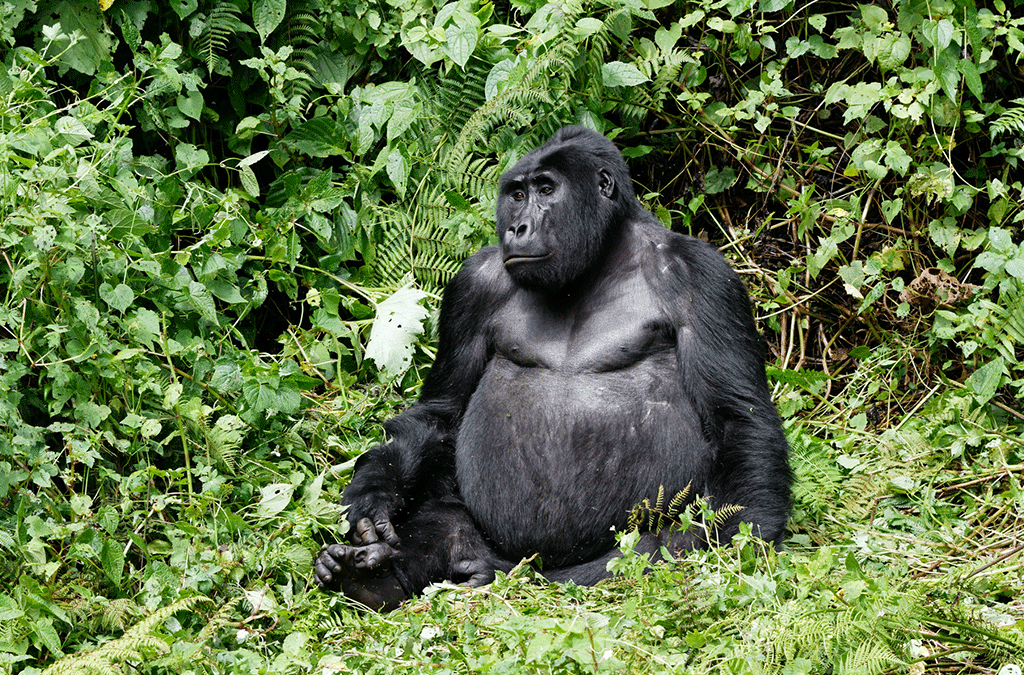
Bwindi vs Mgahinga Gorilla Trekking
Understand the real reasons Bwindi is more frequently chosen and discover when quieter Mgahinga may be the better fit for you.
Why Is Bwindi the More Popular Gorilla Trekking Choice?
Most visitors gravitate toward Bwindi Impenetrable National Park because it has more habituated gorilla families, four trekking sectors, more overall permit choices, a broad network of lodges and greater flexibility for combining gorilla trekking with other Uganda safari highlights. Mgahinga Gorilla National Park is not an inferior gorilla destination: it is a smaller, scenic alternative with the Nyakagezi family, golden monkeys and extraordinary Virunga volcano landscapes.
The difference is largely practical. A traveller searching for a permit on specific dates, accommodation in a chosen price range and a logical overland route may find several workable Bwindi solutions. Someone who wants mountain scenery and an intimate multi-primate escape may be happier in Mgahinga. These are different strengths, not a contest about which gorillas are more impressive.


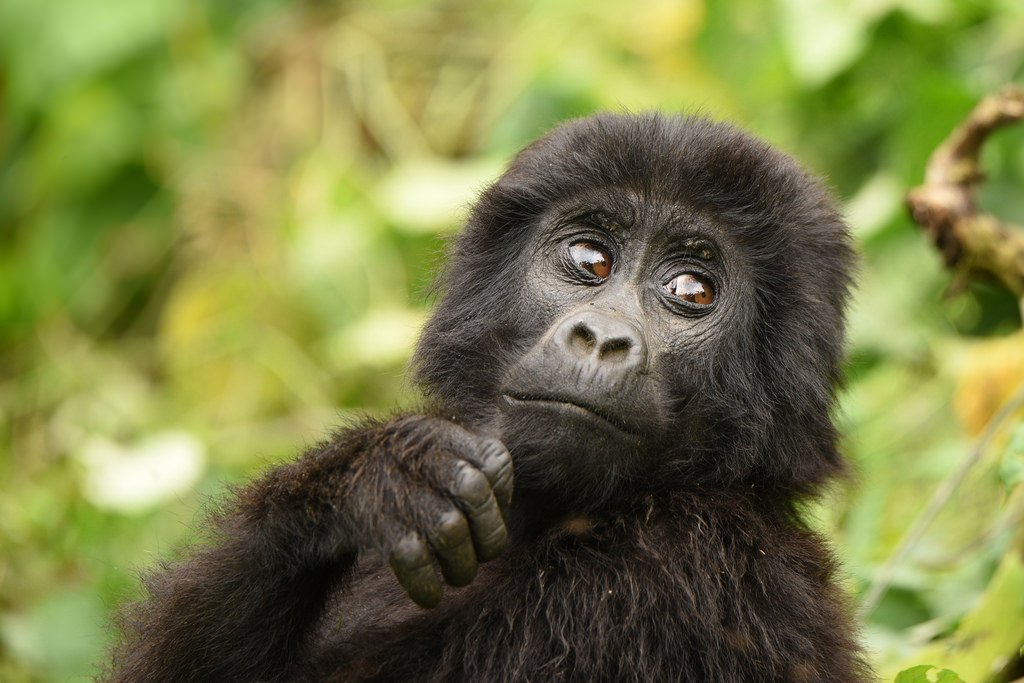
Bwindi vs Mgahinga: Quick Comparison
| Consideration | Bwindi | Mgahinga |
|---|---|---|
| Trekking access | Four main sectors | One principal gorilla trekking base |
| Habituated families | Multiple tourism families | Nyakagezi family |
| Daily permit selection | Larger overall capacity | Very limited daily allocation |
| Typical landscape | Dense rainforest and steep wooded ridges | Virunga slopes, bamboo and montane habitats |
| Accommodation | Broad budget-to-luxury selection across sectors | Smaller selection around Kisoro and nearby lakes |
| Special activities | Gorilla Habituation Experience in southern Bwindi | Golden monkey trekking and volcano hikes |
| Best fit | Flexible gorilla itineraries and classic Uganda circuits | Volcanic scenery and multi-primate mountain trips |
Permit inventory, designated families and trekking arrangements may change. Confirm the official allocation before making non-refundable travel bookings.
1. More Habituated Gorilla Families Mean More Booking Options
The most practical reason many visitors choose Bwindi is the larger number of gorilla families habituated for tourism. Bwindi supports trekking across Buhoma, Ruhija, Rushaga and Nkuringo. Each sector has its own allocated families and permits, creating more opportunities to match a traveller’s preferred date and itinerary. Mgahinga’s regular tourism encounter centres on the Nyakagezi family, with a much smaller daily visitor allocation.
A larger pool of permits does not mean that a place is guaranteed on any particular day. Popular dates can sell out and individual sectors have their own availability. Nevertheless, it provides travel planners with more combinations to investigate. This matters especially for couples celebrating a fixed anniversary, families arranging a school-holiday trip, or guests connecting their trek with international flights.
Many people begin with the steps for booking a Uganda gorilla safari and only then choose accommodation. That order prevents a common mistake: reserving a beautiful lodge before confirming the corresponding trekking sector. A gorilla permit is linked to the approved date and trekking location; one should never assume that a booking for Buhoma can simply be used in Rushaga.
2. Four Trekking Sectors Offer Different Routes and Landscapes
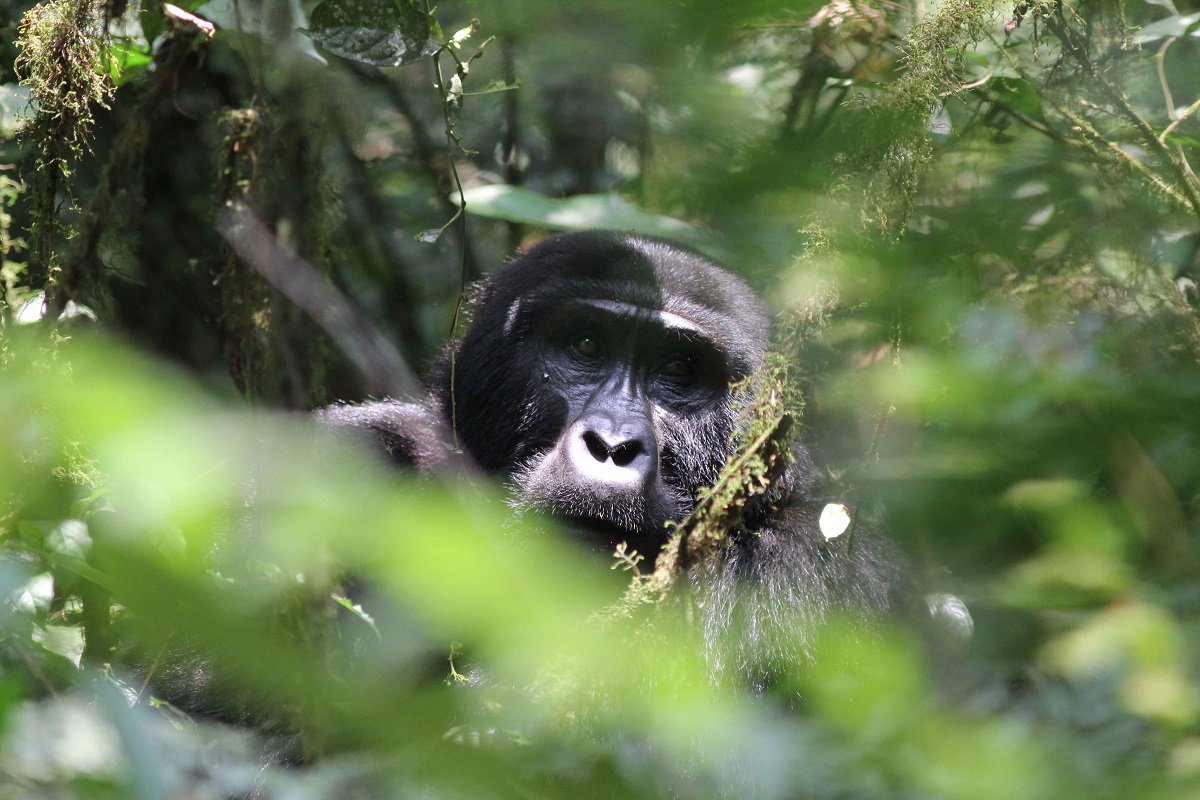
Bwindi’s four trekking sectors are an important advantage for travellers who want their gorilla day to fit naturally into a wider safari. Buhoma lies to the north and has a long-established tourism infrastructure; Ruhija occupies the high eastern part of the forest. Rushaga and Nkuringo serve southern Bwindi, with striking hillside scenery and access from the Kisoro side of southwestern Uganda.
These sectors are not interchangeable trailheads. Travel between them can take substantial time on winding rural roads, and accommodation should be selected for the permit location rather than simply for a property’s description as “near Bwindi.” The guide to accessibility in Bwindi’s sectors helps explain why this geographic detail is so important.
Because visitors enter from different sides, Bwindi can suit several routes: from Queen Elizabeth National Park toward Buhoma, from Kabale toward Ruhija, or from Kisoro and the Rwanda border toward the southern sectors. Mgahinga offers a superb experience too, but its gorilla trekking is concentrated around one main park arrival point.
3. A Wider Range of Lodges for Different Budgets
Accommodation flexibility is another reason Bwindi appears more often in Uganda gorilla safari proposals. Its established tourist areas provide a broad mix of simple guesthouses, comfortable midrange lodges, and high-end forest retreats. The right selection depends on the trekking sector, road conditions, room availability, and how much comfort matters after a demanding hike.
A couple celebrating a honeymoon may prefer a lodge with atmospheric forest views and attentive service. A group of friends may be more interested in twin rooms, reliable meals and a sensible transfer time to briefing. Families might prioritize room arrangements and practical support. Bwindi’s geographic spread creates room to match these different needs, rather than requiring everyone to select from a smaller local accommodation market.
Mgahinga travellers can stay around Kisoro and nearby lakes, including properties with beautiful volcanic views. Those stays can be highly rewarding, especially when exploring Mgahinga beyond gorilla trekking. The important distinction is variety, not an assumption that Bwindi has universally superior lodges.
4. Easier Integration With Classic Uganda Safari Circuits
Many travellers do not fly to Uganda for gorillas alone. They also want chimpanzees, savannah wildlife, boat cruises, cultural visits, scenic lakes and time in the countryside. Bwindi often fits well into these multi-stop itineraries, particularly routes combining Queen Elizabeth National Park, the Ishasha area and the southwestern highlands.
A typical journey may move from a wildlife safari toward the northern edge of Bwindi, continue with a gorilla trek and finish beside Lake Bunyonyi or in the southern highlands. Another route starts in Kigali, crosses into Uganda and reaches southern Bwindi. The exact order depends on road conditions, border requirements and the location of permits.
Mgahinga can fit these routes too, particularly for guests heading toward Kisoro. But for a gorilla-focused holiday with multiple possible entry and exit points, Bwindi’s sectors offer more route permutations. That flexibility is one reason safari operators frequently recommend it in short Uganda gorilla safari planning as well as longer primate-and-wildlife journeys.
5. The Gorilla Habituation Experience Is a Distinctive Bwindi Option

Standard gorilla trekking and the Gorilla Habituation Experience should not be confused. Ordinary trekking normally permits up to one hour of observation once the allocated habituated family is found. The specialist habituation activity in southern Bwindi, by contrast, allows a longer observation period with a group undergoing the habituation process, subject to the rules and conditions of the programme.
This makes Bwindi especially appealing to keen wildlife photographers, repeat gorilla visitors and travellers who want an extended educational encounter. The experience has separate permits, limited participation and a different price from standard trekking; it is not an automatic upgrade included in a normal trekking permit.
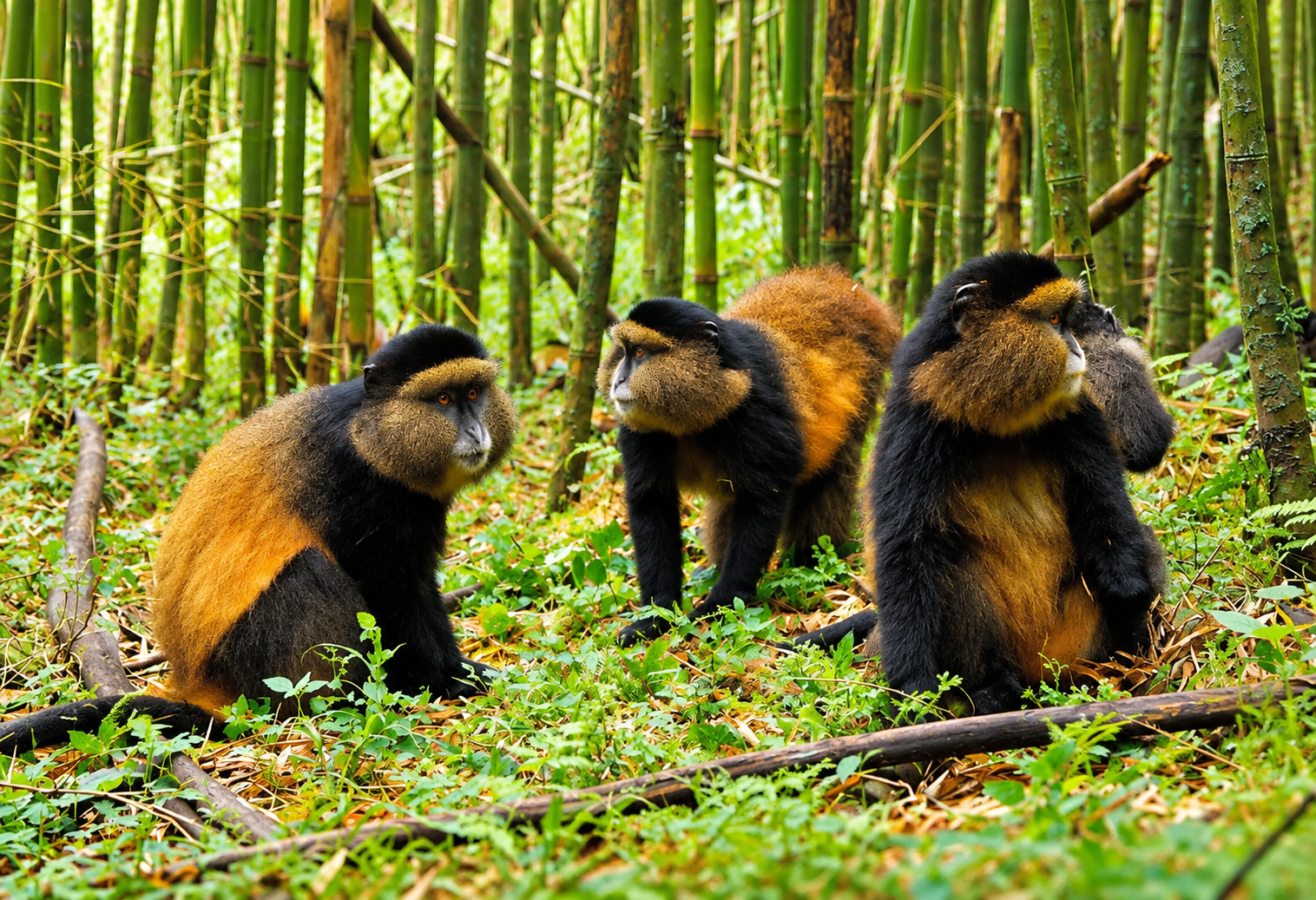
Mgahinga’s major complementary primate activity is golden monkey trekking, rather than a regular tourist gorilla habituation programme. Therefore the best park partly depends on the type of primate experience the traveller values. Our broader Uganda primate safari guide can help put these options into perspective.
6. Bwindi’s Reputation, History and Travel Awareness
Bwindi is internationally recognized as one of Africa’s iconic mountain gorilla trekking destinations. Its history of organized gorilla tourism, broad lodge network, guiding services and familiar names means many visitors encounter Bwindi first when researching Uganda. Tour itineraries, travel photographs and recommendations from previous guests reinforce that awareness.
This recognition is not evidence that a gorilla sighting in Mgahinga is less special. Both parks protect the same endangered mountain gorilla subspecies and use regulated encounters led by Uganda Wildlife Authority staff. Rather, people planning a once-in-a-lifetime trip often feel more comfortable booking a destination with more publicly documented options.
For a traveller new to the experience, the first-timer’s gorilla trekking guide and information about family gorilla trekking in Uganda can be just as helpful as choosing the park itself. Good guidance, expectations and realistic preparation usually matter more than a destination’s popularity.
7. Why Mgahinga Still Wins for Some Visitors
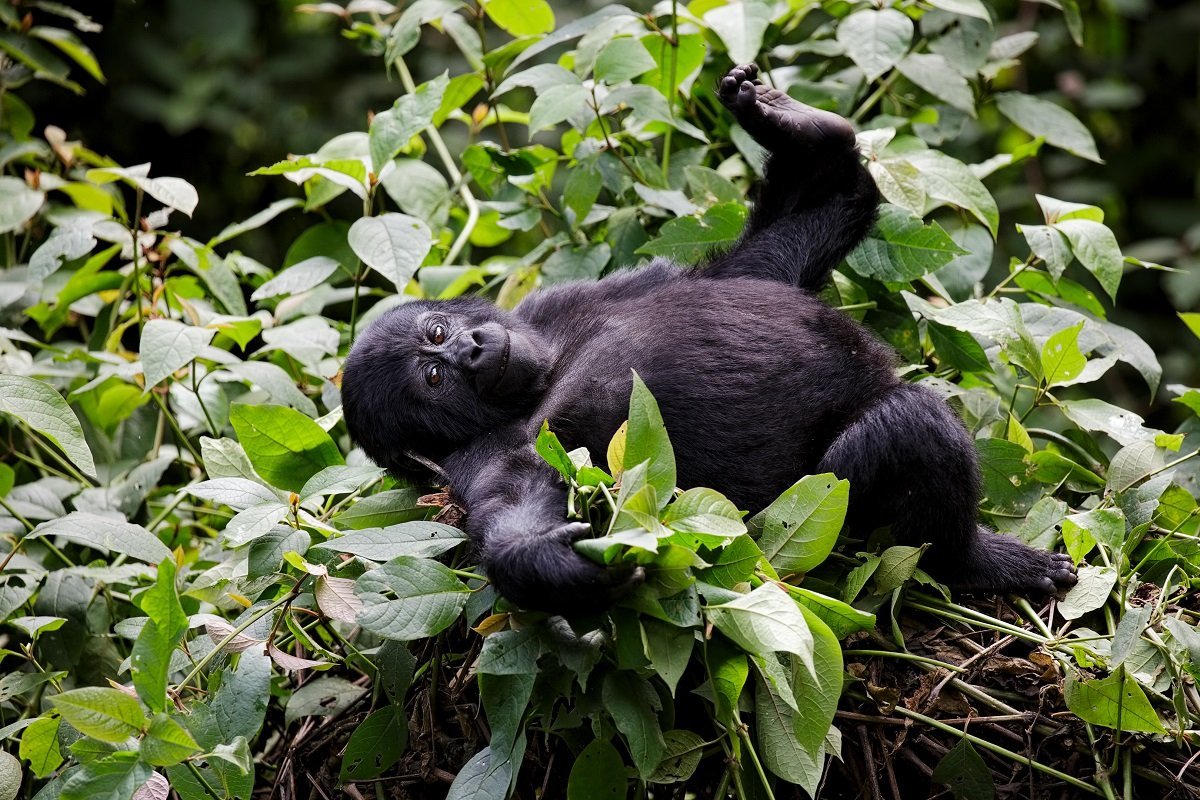
Choosing Bwindi automatically would overlook some of Uganda’s most remarkable primate and landscape experiences. Mgahinga sits in the Virunga volcanic landscape and offers a powerful combination of bamboo habitat, montane forest and views of the surrounding peaks. The journey feels distinctive from Bwindi’s deep rainforest, even though both parks provide authentic mountain gorilla encounters.
Mgahinga is especially attractive if you want to pair a gorilla trek with golden monkey tracking, arrange a guided volcano hike, or spend several days around Kisoro without moving lodges constantly. Its smaller daily gorilla trekking allocation can also create a quieter atmosphere at the gorilla briefing area, although group size around a gorilla family is regulated at both parks.
Read why travellers visit Mgahinga and why Mgahinga has only one regular habituated gorilla family before making your decision. A wildlife enthusiast who cares most about the Virunga volcanoes and golden monkeys may reasonably prefer Mgahinga over Bwindi.
8. Trekking Difficulty: Is One Park Actually Easier?

It is tempting to describe Mgahinga as easy and Bwindi as difficult, but this oversimplifies how gorilla trekking works. Gorillas move around their forest habitats; the distance, elevation gain, undergrowth and conditions encountered can vary considerably from one day to the next. Even two people trekking in the same sector on different days can have very different experiences.
Bwindi can involve steep, slippery slopes and thick vegetation. Mgahinga can include uneven mountain trails and altitude-related effort. Neither destination guarantees a short or gentle walk. Visitors concerned about fitness should discuss their needs during the morning briefing, travel with suitable footwear, and consider hiring a local porter for the day.
A traveller with mobility limitations may need more tailored planning, including confirmation of what support arrangements are genuinely available. Booking early helps the tour operator coordinate expectations, but no operator can promise the precise position of a wild gorilla group.
9. Gorilla Permits and the Real Cost Comparison
For a standard international visitor, the Uganda Wildlife Authority’s 2024–June 2026 published tariff listed the same US$800 foreign non-resident gorilla trekking permit price at Bwindi and Mgahinga. Permit rates, seasonal promotions, residency categories and effective dates can change, so visitors booking for late 2026 or 2027 should request a fresh official quote rather than relying on a historical price.
The total safari price can nevertheless differ. Transfers, lodge category, number of nights, number of travellers sharing a vehicle and extra activities all affect the final cost. A trip built around golden monkeys and Mgahinga may cost more or less than a two-night Bwindi visit depending on the itinerary. Neither park is inherently the budget option solely because of its name.
See the Uganda gorilla trekking cost guide and the Mgahinga permit booking guide for the components to check. Ask for a written quotation that distinguishes permit fees, accommodation, transport and optional services rather than comparing package totals without reviewing the inclusions.
10. How to Choose the Right Park for Your Safari
Start with your travel dates and how flexible they are. If a gorilla encounter must occur on one particular day, checking all suitable Bwindi sectors may create more viable choices. If you can adjust your schedule and your heart is set on the Virunga Mountains, checking Mgahinga’s limited permits may be worth the effort.
Next, decide what you want beyond the gorillas. Select Bwindi if the wider itinerary points toward Queen Elizabeth National Park, if you value a broad accommodation selection or if you are interested in the special habituation programme. Select Mgahinga if you prioritize golden monkeys, volcano trails and a quieter, compact mountain experience.
Finally, evaluate the actual transfer route and confirmed permits together. An available permit in a distant sector can result in extra road travel and less time enjoying the lodge. Safari Vacations and Travel Services can compare options without treating one park as automatically better for every traveller. Our detailed Bwindi versus Mgahinga comparison offers a useful additional overview.
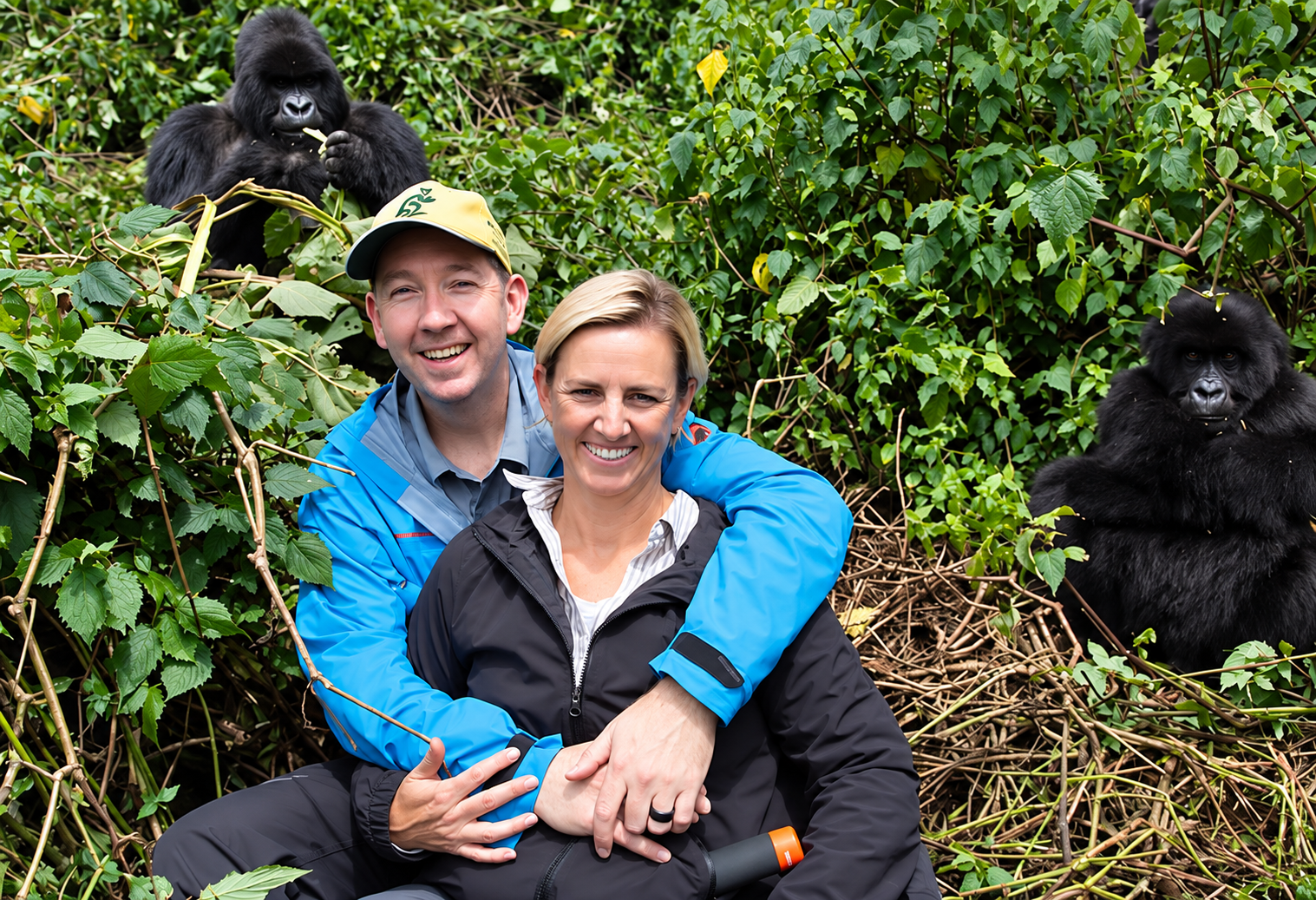
Three Safari Experiences Worth Considering

Frequently Asked Questions About Bwindi vs Mgahinga Gorilla Trekking
These answers address the most common questions people ask when choosing between Uganda’s two gorilla trekking parks.
Why do more tourists book gorilla trekking in Bwindi?
Bwindi has more habituated gorilla families, four trekking sectors, greater overall permit capacity and a wider range of accommodation and itinerary combinations.
Is Bwindi better than Mgahinga for seeing gorillas?
Not necessarily. Both parks offer regulated encounters with mountain gorillas. Bwindi mainly provides more choices for booking and logistics, while Mgahinga offers a different setting.
How many trekking sectors does Bwindi have?
Four principal sectors: Buhoma, Ruhija, Rushaga and Nkuringo. Permits and lodge locations should be planned for the relevant sector.
Which gorilla family is trekked in Mgahinga?
Mgahinga’s regular tourism trekking centres on the Nyakagezi gorilla family.
Which park has more gorilla permits?
Bwindi has substantially more overall daily permit capacity because several habituated families are available across its sectors. Mgahinga normally has a very small allocation, often described as eight permits for the Nyakagezi family per day.
Is Mgahinga less crowded than Bwindi?
Mgahinga usually has fewer gorilla trekking visitors overall. However, the number of tourists observing a single habituated gorilla family is restricted in both parks.
Is it easier to trek gorillas in Mgahinga?
No park guarantees easier hiking. Gorilla location, altitude, rain, terrain and personal fitness determine the effort required on a particular day.
Can I do gorilla habituation in Mgahinga?
The regular tourist Gorilla Habituation Experience is associated with southern Bwindi, not Mgahinga. Check current official programme arrangements before booking.
Can I see golden monkeys in Bwindi?
Golden monkey trekking is a signature primate activity at Mgahinga, not a standard Bwindi visitor activity.
Are Bwindi and Mgahinga gorilla permits the same price?
The published 2024–June 2026 standard UWA foreign non-resident rate was the same in both parks. Always confirm the tariff applying to your exact future travel date.
Which park is best for a first-time visitor?
Bwindi is a practical default because of its permit and itinerary choices. Mgahinga can be equally rewarding for a first-timer who values scenery and additional primate activities.
Can I visit both parks on one safari?
Yes. With enough time and confirmed permits, an itinerary can combine a Bwindi gorilla trek with Mgahinga golden monkeys, hiking or a second gorilla trek.
How far ahead should I book gorilla permits?
Book as early as practical, especially for fixed dates, peak travel periods or larger groups. Availability must be checked for the actual date and park.
Do I need a porter in either park?
A porter is optional for most travellers but often very useful for carrying a daypack and assisting on uneven trails. Hiring porters also supports nearby communities.
Final Verdict: Should You Choose Bwindi or Mgahinga?
Choose Bwindi if you want the broadest choice of trekking sectors, dates, lodges and routes, or you are interested in a specialist gorilla habituation activity. Choose Mgahinga if golden monkeys, volcanic scenery, guided mountain hikes and a smaller destination appeal more strongly to you. Both can deliver unforgettable gorilla encounters when permits, logistics and expectations are carefully matched.
For further planning, explore our comparison of affordable African gorilla trekking and full Mgahinga destination guide. The most suitable park is the one that works with your actual dates, confirmed permits and personal interests—not simply the one with the most visitors.
Plan Your Uganda Gorilla Safari With Us
Safari Vacations and Travel Services can help you compare Bwindi and Mgahinga permits, select the right trekking location, choose comfortable accommodation and build a private Uganda safari around your priorities.





