Bwindi Gorilla Trekking Uganda Experience: 7 Amazing Tips

Bwindi Gorilla Trekking Uganda Experience: A Complete Forest Safari Guide
A Bwindi Gorilla Trekking Uganda Experience brings you into the cool, steep rainforest of southwestern Uganda to meet mountain gorillas under the guidance of trained park rangers. This guide explains the entire journey, from selecting a trekking sector and securing permits to choosing boots, arranging transport and preparing for the encounter itself.
Why Choose the Bwindi Gorilla Trekking Uganda Experience?
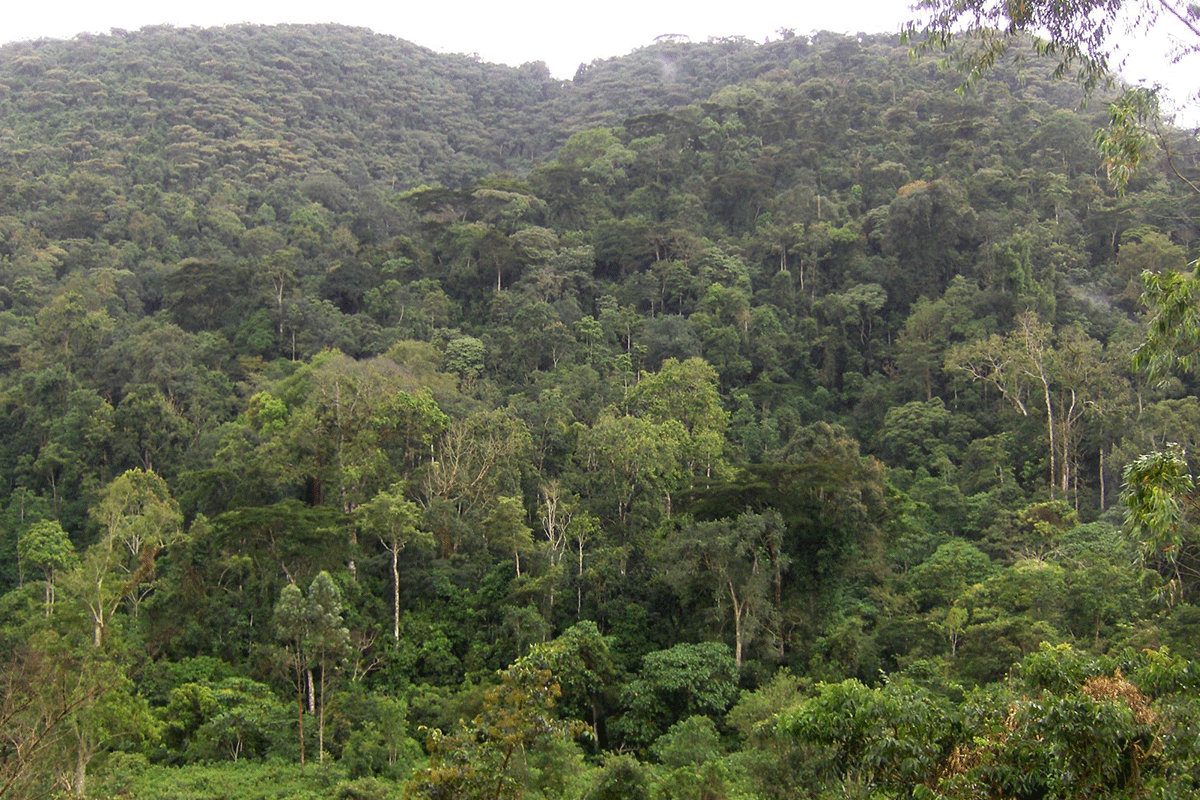
The Bwindi Gorilla Trekking Uganda Experience begins long before you see a gorilla. On the approach, terraced hills climb into folds of rainforest, farm paths disappear beneath hanging mist, and the air becomes noticeably cooler. This is not a drive-through wildlife encounter. You enter a protected forest on foot, follow trained trackers and rangers, and gradually discover what life looks like at the scale of the gorillas themselves. The uncertainty is part of the experience: an easy morning for one group can be a demanding hillside walk for another. The reward is watching real animals behave naturally, without staged feeding or performances.
Bwindi Impenetrable Forest is a UNESCO-listed landscape in southwestern Uganda, valued for its exceptionally rich biodiversity as well as its mountain gorillas. The conservation story matters because trekking fees help fund protected-area management and associated community contributions. Forest elephants, other primates, birds, butterflies and countless plants share this habitat, although a standard gorilla excursion does not guarantee sightings of any other species. When you approach quietly, the forest itself becomes memorable: damp leaves underfoot, unfamiliar birdsong and shafts of light across thick vegetation.
Unlike a conventional vehicle safari, this journey rewards patience rather than distance covered. Photographers learn to work with forest light. First-time visitors realize that even a short encounter can feel expansive when a silverback is resting nearby and young animals are busy exploring. A sensible plan combines realistic hiking expectations, good rain protection, the correct sector reservation and time to recover afterward. A successful gorilla trip is not simply about checking a famous species off a list; it is about experiencing the forest responsibly and leaving it undisturbed.
Where Is Bwindi and How Is Gorilla Trekking Organized?
Bwindi lies in Uganda’s southwestern highlands near the border region shared with Rwanda and the Democratic Republic of Congo. Roads wind through cultivated slopes, valleys and villages before reaching lodges near the park. There is no single universal gorilla trekking entrance. Visitors must report to the briefing point assigned to the permit, and accommodation needs to be chosen around that specific location. The Bwindi trekking sectors are not interchangeable on the morning of a trek; crossing from one side of the park to another can require many hours on winding roads.
The four established sectors are Buhoma, Ruhija, Rushaga and Nkuringo. All offer guided access to habituated gorilla families, but each has a different atmosphere, road approach and lodge selection. The ranger team assigns viewing groups using park procedures and the gorillas’ known movements. You cannot guarantee an encounter with a particular named family or a short route merely by requesting one. If accessibility or physical endurance is a concern, explain it to the operator before purchasing the permit and again at the briefing.
Build a buffer into arrival day rather than scheduling a tiring cross-country transfer and an early forest start back to back. Roads may be muddy after rain, and travel times are affected by traffic, weather and roadworks. Travelers flying into Entebbe should generally allow an overnight stop or use a planned domestic flight connection. Visitors arriving via Rwanda must also consider border operating arrangements, immigration formalities and the actual permit sector. This is why the most effective itinerary starts with permit availability, not with a lodge advertisement.
Choosing Between Buhoma, Ruhija, Rushaga and Nkuringo
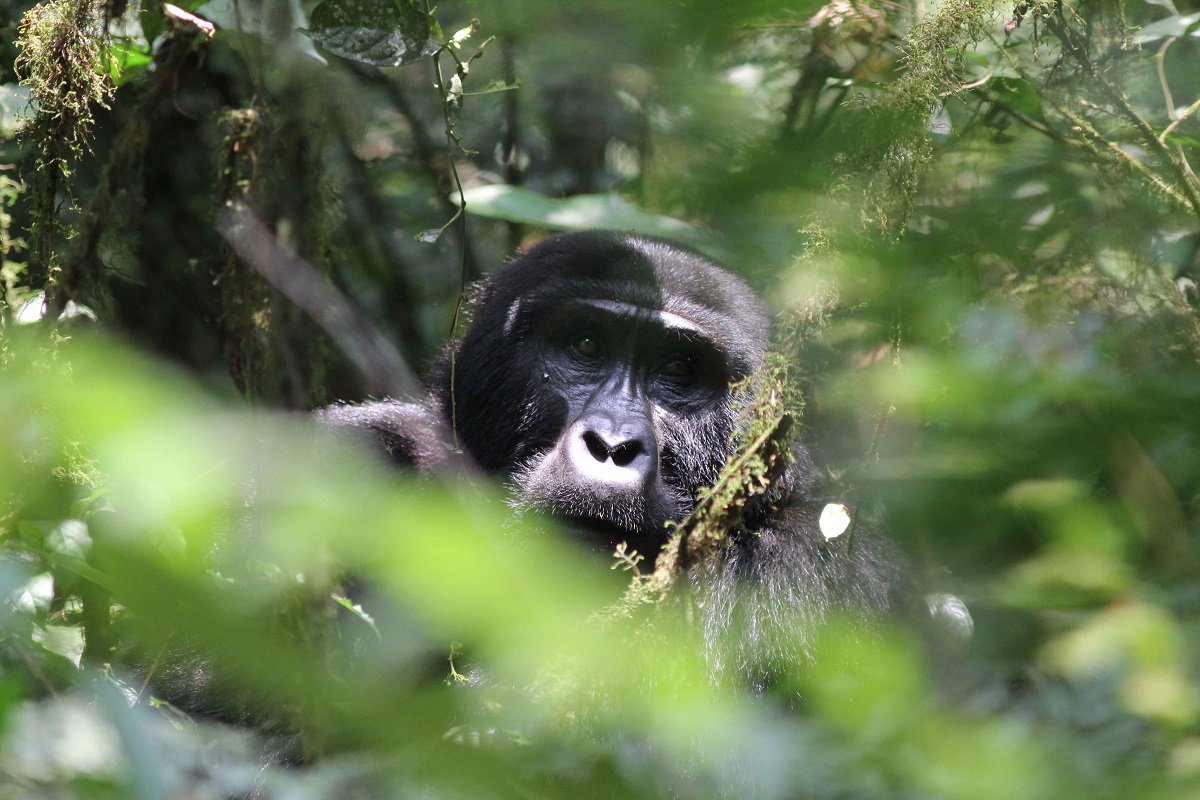
Buhoma sector is in the park’s northern area and is the historic starting point of gorilla tourism at Bwindi. It has a well-developed choice of accommodation and community activities. Travelers coming from Queen Elizabeth National Park often appreciate the northern approach. However, even when trails begin gently, gorillas can move into difficult vegetation, so Buhoma should never be advertised as a guaranteed easy trek. Ask about the actual route conditions and use a porter if carrying a daypack would reduce your energy.
Ruhija gorilla trekking takes place on the eastern highlands and suits visitors who enjoy a cool, misty atmosphere and an interest in birdwatching. The surrounding forest is particularly rewarding for patient observers, but altitude and slippery slopes can add exertion. Accommodation choices are fewer than in some other areas. If you are combining the trek with birding, leave enough time for a separate guided walk rather than expecting specialist bird sightings while your gorilla group is moving through the forest.
Rushaga sector is in southern Bwindi, commonly used for trekking trips linked with Kisoro and nearby lake stays. It also serves as a base for specialized habituation activities. Trails can rise and fall sharply, and families move independently, so reported trek lengths should be treated as possibilities rather than promises. This part of the park can work well when your onward journey includes Lake Mutanda or Lake Bunyonyi. Confirm the specific experience type before paying, because standard tracking and extended habituation are different products.
Nkuringo trekking is associated with steep highland scenery and dramatic views toward the Virunga landscape when weather permits. Some travelers deliberately choose the vigorous hiking challenge, while others prefer an alternative sector because of mobility needs. Neither the number of gorilla families nor the apparent distance from a lodge predicts the actual duration of the encounter. Discuss expectations with a knowledgeable operator, but remember that wild gorillas choose their own movements each day.
How the Gorilla Trekking Day Really Unfolds
Bwindi Gorilla Trekking Uganda Experience: The Ranger-Guided Encounter
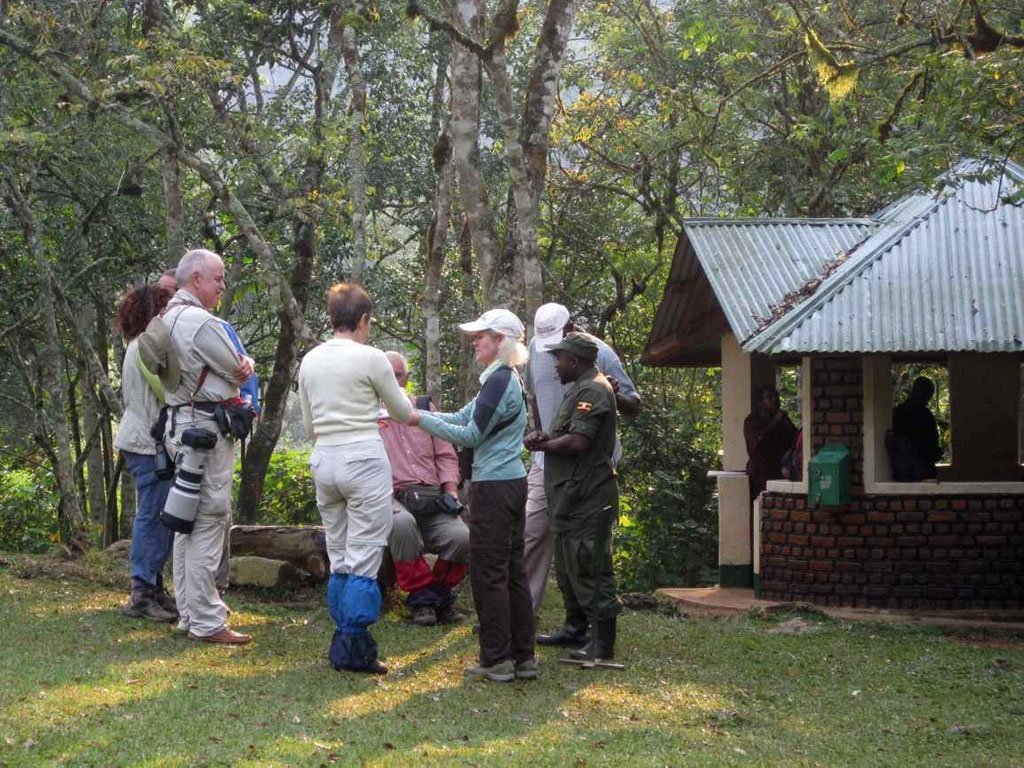
Most trekking days start with an early breakfast followed by transport to the correct ranger meeting point. After a permit and identity check, staff outline behavior around gorillas, health precautions, group formation and safety procedures. A ranger briefing is not a formality; it is your best opportunity to ask where to report discomfort, how the walking group will be paced and whether you should hire a porter. Travelers who arrive without a suitable water bottle or sturdy footwear should solve that problem before entering the forest.
Experienced trackers usually begin assessing the gorillas’ last known movements before the visitor group sets off. You then follow your ranger on trails that may become steep, narrow or slippery. Some sections can involve stepping over roots, holding branches or carefully descending damp earth. Rest stops may be possible, but the final approach to the family is controlled by the guide. The search may take a relatively short time or several hours; treat the day as a major outdoor excursion rather than assuming you will be back for an early lunch.
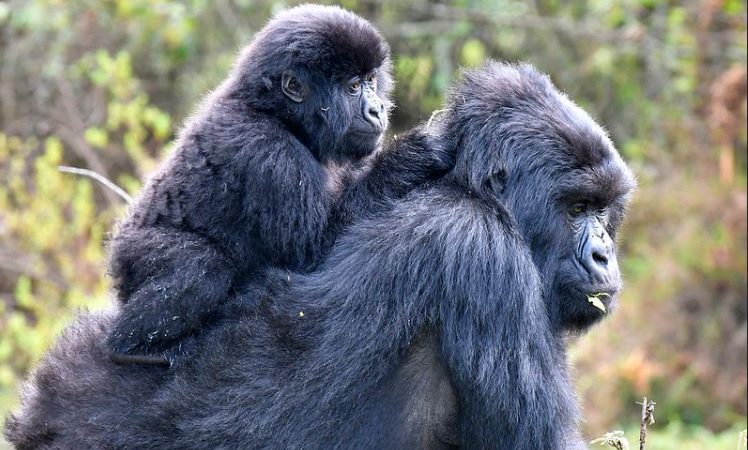
When the gorillas are located, the ranger explains where everyone should stand and how to approach without crowding the animals. Bags and walking sticks may be left at an appropriate point under instruction. Visitors generally receive up to one hour in the presence of a habituated gorilla family. That hour can reveal a silverback resting, a mother grooming an infant, juveniles playing or several animals feeding silently. Natural behavior is unpredictable, and you should never provoke movement or expect eye contact for photographs.
The return trek still requires energy. Visitors sometimes underestimate the downhill sections or discover that wet vegetation feels harder when tired. Walking poles or porter assistance can be helpful, but follow the ranger’s directions for all equipment. Plan a relaxed afternoon and an early evening rather than immediately committing to a long road transfer. A slower schedule also makes it easier to appreciate the forest encounter instead of remembering only the hurry to get somewhere else.
Bwindi Gorilla Permits: Prices, Rules and Booking
Know Your Permit Category Before You Pay
A valid permit is essential for entering a scheduled gorilla trekking group. Published Uganda Wildlife Authority baseline rates for standard tracking have listed US$800 for foreign non-residents, US$700 for foreign residents, US$500 for qualifying visitors from the rest of Africa, and UGX 300,000 for qualifying East African Community citizens. Some 2026 low-season offers have different terms, and future tariff changes may affect particular activities. Treat all figures as planning references until your operator or Uganda Wildlife Authority confirms the amount for your exact travel date and visitor category.
Start by checking gorilla trekking permits for your chosen dates, then finalize the sector and accommodation. For visitors organizing a trip from abroad, booking Bwindi gorilla permits through a properly licensed tour operator is often the most practical approach, and booking channels for particular visitor categories should be checked directly with Uganda Wildlife Authority. Ask for the permit confirmation, the sector and trekking date in writing. Understand cancellation or rescheduling restrictions before paying the balance of a safari, especially for promotional permits.
The standard gorilla tracking group is limited to a small number of visitors, commonly a maximum of eight per habituated family. The published gorilla tracking age limit is fifteen years. Rangers may exclude travelers with infectious symptoms because human illnesses pose a serious risk to gorillas. A permit does not guarantee that conditions will suit every individual or that an encounter will happen at a particular moment. Personal travel insurance should cover appropriate medical treatment, trip interruptions and any trekking activities you intend to undertake.
Budget for the full journey, not just the permit. Accommodation, long road transfers or domestic flights, meals, guiding services, drinks, personal equipment, porter fees and tips can contribute significantly to the final price. Request an itemized written quote and clarify which expenses are included. Avoid sending payment to an individual account merely because someone claims to hold a rare last-minute permit. Verify the business identity, the payment method and the written cancellation policy first.
How Difficult Is a Bwindi Gorilla Trek?

The phrase gorilla trekking difficulty describes a genuine range of physical effort rather than a fixed fitness category. Trails may be wet and steep, the rainforest understory dense, and the altitude noticeable if you usually live near sea level. You may walk for several hours, rest frequently or face a shorter approach depending on the family’s position that morning. Distance alone is a poor guide to effort: one steep kilometer in slippery forest can be harder than a longer walk on level ground.
A little gorilla trekking fitness preparation pays off. In the weeks before departure, build up regular hill walking, stairs and uneven-ground practice if your health allows. Break in your hiking boots and carry the sort of daypack you will use on the trek. Consider a medical consultation if you have a cardiac, respiratory, joint or mobility condition. Operators cannot guarantee a gentle route, but they can help you explain your needs to the ranger team and consider appropriate support arrangements.
Some travelers inquire about gorilla tracking for elderly visitors. Age by itself need not be the decisive factor for an adult visitor; stamina, balance, personal health and the support available matter much more. A porter can carry your pack and offer practical assistance at difficult steps. In some circumstances special assisted carrying arrangements may be available, but they require advance coordination, additional cost and confirmation. Never treat a porter or carried seat as a guarantee of forest access for every medical condition.
Pace yourself during the trek, tell the guide if you feel unwell and avoid comparing your progress with another visitor’s. A strong group member can find the slope difficult on a rainy day, while a carefully prepared first-timer may handle it comfortably. Your best strategy is honest preparation, realistic expectations and respect for the ranger’s safety decisions.
What to Pack and Wear in Bwindi Forest
Knowing what to wear on a gorilla trek is one of the easiest ways to improve comfort. Choose supportive hiking boots with good grip, long trousers and long sleeves that protect against nettles, insects and branches. Gaiters or long socks can keep mud and debris out of footwear. Carry a light waterproof jacket even during months described as dry, because Bwindi is a rainforest and showers can arrive quickly. Comfortable layers are more useful than heavy clothing that becomes damp and difficult to manage.
A best gorilla trekking packing list also includes drinking water, a packed snack for before or after the viewing period, required medication, sun protection, a small first-aid kit and a waterproof cover for a camera or phone. Pack only what you can carry safely or arrange for a porter. Make sure your boots are already worn in. Thick gardening-style gloves can help when you need support from vegetation, but avoid grabbing unfamiliar plants without ranger guidance.
Bring a camera that performs well in low light, but do not let equipment dominate the experience. gorilla trekking photography tips usually focus on stable hands, high enough shutter speed for movement and the ability to work without flash. A large lens is not essential when subjects can sometimes be relatively near, although you must always obey the required distance. Store memory cards and batteries in dry pouches. Never change position or step closer simply to clear a branch from a frame.
For the lodge, pack comfortable evening clothes, a warm layer for cool highland nights, chargers and personal toiletries. Binoculars are useful for birds around the forest edge, while a notebook helps capture details you may forget in the excitement after the trek. The simplest equipment choice is the one that helps you listen, walk securely and stay present when the gorillas appear.
Gorilla Safety, Etiquette and Responsible Viewing

gorilla trekking safety depends on both professional park management and visitors following instructions consistently. The ranger team controls the route and the encounter; do not split from the group, approach animals on your own or wander off to photograph vegetation. Uganda Wildlife Authority rules govern viewing distance, and published distances can differ across older tourism websites. Follow the current ranger briefing and keep back whenever instructed. If a gorilla approaches, remain calm and let the guide direct your response.
Do not trek when you are unwell with a potentially infectious illness. Gorillas are biologically close enough to humans to be vulnerable to some of our diseases. The ranger may require protective precautions, and health restrictions should never be treated as optional. Keep voices low, avoid flash photography, do not smoke or eat near gorillas, and carry every item of litter back out of the forest. Do not attempt touching, feeding or mimicking their calls.
Good gorilla tracking information should explain that gorillas are wild animals, not pets trained for visitors. A silverback’s posture, an infant’s curiosity or a family’s movement can change rapidly. Your task is to observe without interfering. Ask questions afterward if you are uncertain about something that happened; avoid interpreting every sound or movement as aggression. Maintaining a respectful distance protects visitors and reduces disturbance to the animals.
A responsible safari also benefits the surrounding communities when travelers choose legitimate operators, respectful cultural activities and locally staffed accommodation. Ask how park-related community funds operate, support fair porter services and avoid photographs of people without permission. The forest’s long-term protection depends on more than one successful morning of sightseeing; it depends on maintaining value for wildlife, habitat and neighbors over time. A Uganda gorilla safari is most worthwhile when its conservation benefits are treated as part of the journey.
Gorilla Habituation Versus Standard Trekking
The gorilla habituation experience differs from a standard trek because it involves a specially managed visit to a family that is still becoming accustomed to the presence of trained observers. It is generally marketed with a longer observation period and smaller visitor allocation, subject to UWA operating rules. It requires its own permit and may not take place from every sector. Do not confuse its headline duration with the total length of the walking day, which still varies with the gorillas’ movements and forest conditions.
When comparing gorilla trekking versus habituation, think about your interests and energy rather than choosing solely on the number of hours. Standard trekking is often the best introduction for someone who wants a memorable, structured first encounter. Habituation may appeal to committed primate enthusiasts or photographers prepared for an extended field experience. The gorillas are not required to sit in the open for visitors, so extra time does not guarantee better photographs.
Permit pricing for habituation is distinct and is subject to its own tariff dates. Some schedules published for travel from January 2027 list a higher foreign non-resident habituation price than older tariffs. Ask for the current official quotation before putting the activity into a safari budget. Families with younger children, travelers with limited stamina and visitors on tight schedules should also check the suitability of the activity before committing.
When Is the Best Time for Gorilla Trekking?

The best time to trek mountain gorillas is partly a question of personal tolerance for weather. Many visitors prefer Uganda’s comparatively drier periods, often around June to August and December to February, because roads and paths may be more manageable. Yet Bwindi receives rain throughout the year, and a dry-season reservation does not eliminate slippery ground or fog. Gorilla viewing depends on the animals’ movements and park operations, not on a calendar promise.
gorilla trekking in December can fit well into a festive holiday, but accommodation and permits should be booked early when demand rises. Travelers visiting during wetter months may enjoy richer green scenery, quieter lodge surroundings or particular offers, though muddy conditions can make the forest more demanding. If you are considering a discounted low-season permit, read the conditions carefully: limited rescheduling may be a significant trade-off for travelers whose flights are not flexible.
Photographers may appreciate the softer light after rain, but waterproof protection is essential. Birdwatchers may prefer to combine the trek with dedicated morning walks when forest bird activity suits their objectives. Whatever your dates, reserve one full day for the gorillas and give yourself a sensible travel buffer. The season should shape packing and logistics, not create unrealistic expectations of a dry, effortless hike.
Getting to Bwindi From Entebbe, Kampala and Kigali
From Entebbe or Kampala, the common road itinerary is a long journey across southwestern Uganda, often taking most of a day with comfort stops and variable traffic. Many safari planners recommend an overnight stay near the correct forest sector before trekking. If you also want savannah wildlife, consider building in Queen Elizabeth National Park or another suitable stop rather than driving through several attractions without time to enjoy them. Route choices depend on the exact trekking sector and the road conditions.
A fly-in safari to Bwindi can reduce time spent on the longest road sections. Scheduled or chartered domestic flights may use Kihihi or Kisoro, followed by a ground transfer to the selected lodge. However, a short flight does not necessarily mean a short final transfer; some lodges are still reached over slow mountain roads. Air services, baggage limits and sector connection times should be confirmed before booking, especially when your international arrival is on the same day.
gorilla trekking from Kigali is another popular approach for travelers who want a relatively short cross-border journey into southern Bwindi. Actual driving time depends on the border crossing, traffic, the chosen sector and immigration requirements. Check visa eligibility, passport validity and entry rules for both countries; do not assume a tour quote automatically includes visas. Time zones also differ between Uganda and Rwanda, so every border itinerary should state local departure and meeting times clearly.
A well-planned transfer day includes snacks, drinking water, washroom stops and enough daylight for difficult approach roads. Travelers who arrive exhausted may not enjoy the forest walk even when their permits are secured. Build an itinerary around one core activity per day when possible, and let the scenery become part of the journey rather than a delay to endure.
Choosing Lodges and Setting a Realistic Budget

budget gorilla trekking is possible in the sense that guesthouses and modest lodges can reduce accommodation costs, but the conservation permit remains a major fixed expense. Compare packages on a like-for-like basis: some include all meals and transport, while others leave park fees, porter support or drinks as extras. A cheaper room far from the assigned sector can create an expensive early-morning transfer and unnecessary stress. Check whether the lodge is actually close to your briefing point, not simply advertised as being near Bwindi.
A luxury gorilla trekking safari may provide private transfers, distinctive architecture, forest views, spa treatments and a higher level of personal service. These comforts can be valuable after a wet, strenuous day, but a luxury stay does not change the park’s conservation regulations or guarantee a particular gorilla family. The essentials are still the correct permit, professional transport, suitable equipment and a schedule that does not rush the encounter.
Before paying a deposit, request a written breakdown of the permit, vehicle, guide, accommodation, board basis, domestic flights where relevant, border expenses and exclusions. Ask whether a porter is prepaid or paid locally and how gratuities are handled. Confirm the cancellation terms with both the operator and any suppliers where possible. This transparency is particularly important when travel dates are several months away and schedules may change.
Consider adding an extra night at the forest edge if the budget allows. The additional time can make room for a community visit, a quiet afternoon with birds around the lodge or simple rest. Visitors frequently spend heavily on a single hour with gorillas while giving themselves almost no time to appreciate the wider landscape. Even modest additional time can transform a rushed excursion into a richer safari.
Planning for Couples, Families, Seniors and Solo Travelers
gorilla trekking with children requires careful attention to the minimum trekking age. Travelers under fifteen are generally not permitted to join standard gorilla viewing groups, so parents need suitable alternative activities and responsible childcare arrangements. Family safari planning works best when the adults understand exactly which days children can join the experience and which days are reserved for age-restricted activities. Do not rely on an assumption that a well-behaved younger child will be allowed into the forest.
Uganda versus Rwanda gorilla trekking is a useful comparison for couples or small groups deciding how much travel time and permit expense to allow. Rwanda can offer convenient proximity to its trekking headquarters from Kigali, while Uganda provides several Bwindi sectors and opportunities to pair gorillas with a broader wildlife route. Neither choice is automatically better. The right itinerary depends on available dates, how comfortable you are with long drives, your interests and your overall budget.
gorilla trekking for solo travellers can work smoothly when an operator arranges shared transport or a private journey suited to the budget. Solo visitors still join park-organized trekking groups rather than hiking alone to the gorillas. Ask whether the quote includes a single-room supplement and whether a transfer is shared. A small-group arrangement can help control costs, but confirm all guests’ schedules and the destination sector before paying.
For older travelers, prioritize a lodge with convenient access, realistic pacing and good communication with the ranger team. For honeymooners, schedule downtime after the trek rather than trying to fit every possible attraction into a three-night stay. For photographers, consider an extra forest-side morning for nature observation. Personalizing the journey usually creates more value than collecting extra place names on an itinerary.
A Practical Three-Day Bwindi Gorilla Safari Itinerary

Day one is the approach to Bwindi. Start early from your Uganda gateway or travel from Kigali under a carefully planned cross-border arrangement. Stop for meals and viewpoints where practical, and reach the lodge with enough daylight to settle in and prepare equipment. Check your permit information, passport, water, walking shoes and meeting point. The evening is best kept quiet, with a substantial meal and an early night. A three-day gorilla trekking safari works only when the first day is designed around realistic transfer times.
Day two is the main trekking day. Eat breakfast, carry the required documents and travel to your assigned sector office for the ranger briefing. Join the guided search for the gorillas, take breaks when needed and use your viewing time quietly. Keep the camera ready without allowing it to distract from the animals. After the hike, return to your accommodation to rest, clean muddy equipment and share impressions. Avoid booking a strenuous afternoon hike simply because the first trek might finish early.
Day three is the return journey. If your departure flight is from Entebbe, compare the available road or domestic-flight options and allow a generous safety margin. For a Kigali departure, account for the border and the possible delays on mountain roads. Travelers with more time can add Lake Bunyonyi, Lake Mutanda, a community experience or a longer Uganda wildlife circuit. Three days is a useful minimum for a focused journey, but an extra day often makes the whole experience more comfortable.
Common Questions About Bwindi Gorilla Trekking
Is seeing gorillas guaranteed? Rangers and trackers have extensive experience locating the habituated families, but the animals remain wild, so operators should not promise a precise sighting time, location or photographic opportunity. A fair description is that guided viewing is highly sought after and well managed, yet subject to wildlife behavior, safety conditions and park decisions.
How long will I walk? Some groups encounter gorillas after a comparatively short hike while others spend hours on challenging slopes. Prepare for a full outdoor day even if a friend completed the trek in two hours. Weather, fitness, the chosen family and terrain all matter. Ask for gorilla trekking tips for first-time visitors if this is your first highland rainforest hike, and practice using your boots and rain gear beforehand.
Can I choose the easiest gorilla family? Operators can pass along legitimate mobility concerns, but no family can be guaranteed to remain in a convenient location. Rangers use current tracking information and management rules when assigning groups. It is better to prioritize your preparedness and porter support than to plan around an advertised easiest route.
Can I take pictures? Photography is normally allowed under ranger instructions, but flash is prohibited and viewing-distance rules apply. Low-light conditions make a steady technique helpful. Never block another visitor or move closer to an animal for a better angle. The most memorable moments are sometimes better experienced with the camera lowered.
Is one day in Bwindi enough? One full day inside Bwindi can provide the main gorilla encounter, but getting to the park and returning safely takes additional planning. A compact itinerary typically devotes the surrounding days to transfers. Visitors seeking birding, community walks or slower travel should extend the visit rather than packing every option into the same day.
How to Make Your Bwindi Gorilla Encounter Count
A memorable Bwindi Gorilla Trekking Uganda Experience is built through thoughtful choices before you arrive. Confirm the correct permit and trekking sector, choose a nearby lodge, prepare for uneven ground and pack for rain regardless of the forecast. Book a reputable local team and allow the ranger to lead the encounter. The strongest travel stories often come from small observations: a young gorilla tugging at leaves, the group pausing to listen to forest sounds, or the quiet moments as mist drifts between the trees.
Try to travel with an open mind about the walking route. A difficult climb is not proof that the trip went wrong; nor does a short trek make the experience less authentic. Ask questions, be considerate of fellow trekkers and take only photographs and memories away from the forest. Remember that every visitor is a guest in an ecosystem with its own rhythms, rules and limits.
If you are planning this journey now, start with the dates you can travel and the permit category that applies to you. Then choose a sector, accommodation and transfer schedule that genuinely fit your needs. With a little preparation, Bwindi can offer an extraordinary encounter that feels intimate without compromising the welfare of the gorillas or the forest communities that help protect them.
Planning note: Rates, sector allocations, trekking regulations and border formalities can change. Reconfirm your exact permit, date and travel arrangements with Uganda Wildlife Authority and your licensed operator before payment. Editorial destination guidance was checked against Uganda Wildlife Authority materials and published Bwindi visitor guides in November 2026. The image URLs are provided by the project media library; their live availability was not independently confirmed.