
Booking Bwindi Gorilla Permits: 7 Amazing Insider Tips

Booking Bwindi Gorilla Permits: Prices, Sectors and Booking Guide
A practical, current guide to prices, licensed booking channels, the four Bwindi sectors and how to secure the right permit before arranging your Uganda safari.
Booking Bwindi Gorilla Permits: Start with Dates, Not Hotels
A gorilla encounter in Bwindi Impenetrable National Park is one of Uganda’s most memorable wildlife experiences, but the permit is the piece that determines whether the trip can actually happen. Booking Bwindi Gorilla Permits should therefore be your first practical decision, before selecting a lodge, paying for flights, or fixing a driver’s schedule. A permit is issued for a particular date and a specific trekking sector; it is not an open ticket that can be used anywhere in the forest. Those details shape the rest of a well-designed itinerary.
The most reliable approach is to confirm the number of travelers, the nationality or residency category of each person, a range of possible trekking dates, and your likely entry point into Uganda. Then request a live availability check through an authorized booking channel. Your travel planner can fit gorilla trekking in Bwindi around the confirmed permit rather than hoping space will appear later. This guide explains the steps, expenses, regional choices, safeguards, and mistakes that matter to first-time visitors.
What Exactly Does a Bwindi Gorilla Permit Include?
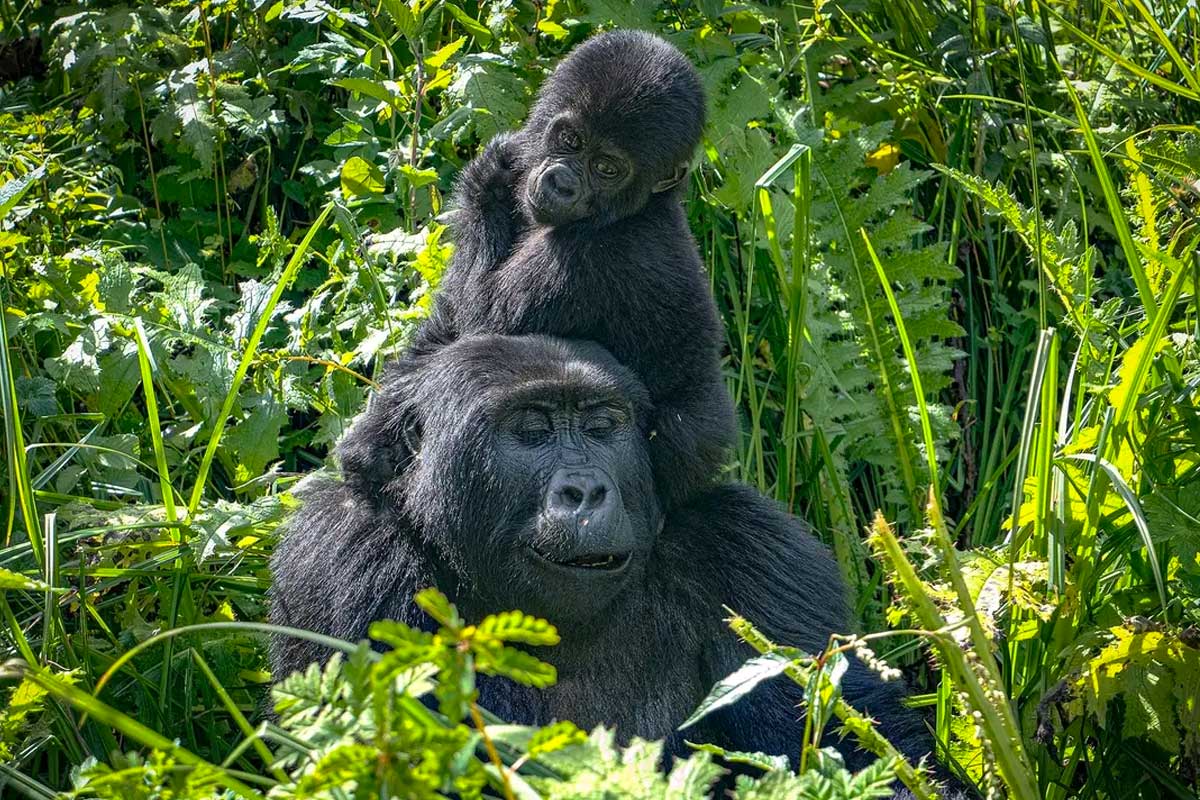
A standard gorilla tracking permit gives one eligible visitor the opportunity to join a ranger-guided trek to a habituated mountain gorilla group on the allocated date. Groups typically have a maximum of eight visitors, and once the gorillas are located the permitted viewing period is generally one hour. That viewing hour does not include the walk through the forest, which may take much longer depending on where the family has traveled. Gorilla movements, trail conditions, visibility, and fitness all influence the day.
The permit normally covers the guided tracking activity and park access for that trekking day under the relevant Uganda Wildlife Authority tariff. It is not an all-inclusive holiday. Transfers, accommodation, porter fees, tips, travel insurance, meals away from the lodge, and other park activities should be budgeted separately. A practical gorilla trekking permit in Uganda quotation will separate the government permit cost from the operator’s transport, accommodation, and planning services so you can see what you are paying for.
Booking Bwindi Gorilla Permits: Who issues them?
Uganda Wildlife Authority, commonly called UWA, manages permits and the protected areas where the activity takes place. The authority publishes rules and controls the official reservation process. Foreign non-resident visitors are required by its published tracking guidelines to purchase through a Uganda Tourism Board–licensed tour operator. Foreign residents and eligible East African Community citizens have different provisions for direct purchasing. Do not assume every online seller is officially permitted to make the transaction. A professional operator will explain its registration, booking procedure, and documentation before collecting money.
Bwindi Gorilla Permit Cost in 2026 and Beyond
Pricing is based on the traveler’s eligibility category, the kind of experience, and sometimes the travel month. The established standard gorilla tracking baseline communicated in current 2026–2027 industry reporting is US$800 for a foreign non-resident, US$700 for a foreign resident, US$500 for an eligible rest-of-Africa visitor, and UGX 300,000 for an eligible East African Community citizen. These are per-person permit amounts, not total safari prices. Always request written confirmation of the rate that applies to your exact date and documents before you make a payment.
UWA’s February 2026 tariff communication also introduced reduced standard tracking rates for specified low-season months: US$600 for foreign non-residents and US$500 for foreign residents in April, May, and November, subject to the stated conditions. Importantly, promotional permits may not be reschedulable. The source documents and policy updates should be checked again at the point of sale. A trustworthy cost of a gorilla permit in Uganda and Rwanda comparison must distinguish visitor categories, eligibility, travel season, and trekking versus habituation rather than advertising a single universal amount.

Standard trekking versus the habituation experience
Some visitors specifically want a longer encounter and confuse the two activities. Standard trekking normally permits one hour near the assigned gorilla family after it is located. The gorilla habituation experience is a separate, more limited activity generally associated with the Rushaga area, with a longer permitted encounter under a specialist team. It requires a different permit and is not automatically available on the date or sector of a standard booking. Reported habituation pricing changes in January 2027; obtain a date-specific official quote instead of assuming an older advertised price still applies. The gorilla habituation experience deserves separate planning because its availability, costs, and physical demands differ.
How to Book Gorilla Permits: A Safe Step-by-Step Process
First, collect each traveler’s full passport name, citizenship, relevant residency evidence, and intended trekking date. Check the date on the passport and the category under which the person qualifies, especially if the party includes residents and visitors from different countries. Second, choose whether your trip starts at Entebbe or Kigali and identify the Bwindi region that best fits the arrival route. Third, ask a licensed operator to check current permit availability rather than treating a website calendar or old quotation as proof of space.
Fourth, ask for a written breakdown showing the permit fee, sector, date, exchange assumptions, and the operator’s service charges. Fifth, review cancellation, amendment, and refund rules before paying. Sixth, pay only through the operator’s verified company channel or an official UWA channel applicable to your eligibility, and keep the invoice and receipt. Seventh, request a booking confirmation with the correct names and trip details, then align flights, accommodation, and ground transport around it. Online gorilla permit booking is convenient when administered by a legitimate supplier, but the confirmation and authority behind the reservation matter more than the checkout interface.
What documents should you prepare?
Most travelers need passport details that match their booking and an identity document when they report for trekking. Visitors seeking a special residency or regional rate need the relevant evidence accepted by UWA. The precise documentation can change, so ask the booking office to state the category and proof in writing. Give the operator accurate information; misclassified nationality or residency can mean additional payment or trouble at check-in. If your passport will be renewed before departure, tell the operator early so they can advise how changes should be handled.
How to spot a trustworthy permit seller
Check whether the company has an active Uganda Tourism Board license, whether its name and contact details match its documents, and whether the invoice identifies the actual service being sold. Avoid unofficial payment requests to personal accounts, pressure tactics claiming that a permit is yours before confirmation, and screenshots presented as proof of a completed government purchase. UWA warns visitors to use its published official contacts and to verify operators. The allocation of gorilla tracking permits follows established reservation procedures, not informal promises from a person at a lodge gate.
Bwindi Gorilla Trekking Sectors: Which One Should You Choose?
Bwindi has four principal trekking areas: Buhoma in the north, Ruhija in the east, Rushaga in the south, and Nkuringo in the southwest. These are not interchangeable entrances to one conveniently connected visitor center. Road journeys between regions can take several hours, sometimes on rough mountain roads. Accommodation booked near the wrong sector can create an exhausting predawn transfer or put the traveler at the wrong trailhead. The right permit sector should be selected together with lodge location, the direction of arrival, and the overall circuit.
Before paying for accommodation, confirm exactly which area the permit relates to. An operator who understands the gorilla sectors in Bwindi should be able to explain the route on a map and recommend realistic driving times, while accounting for rain and roadworks. The specific gorilla family is generally allocated according to park procedures rather than guaranteed by a lodge or agent. The walking difficulty cannot be predicted perfectly just because a visitor picks one sector over another.
Buhoma: established northern gateway
Buhoma has long been an important tourism gateway and works especially well for itineraries continuing from the Ishasha part of Queen Elizabeth National Park. It offers a range of accommodation and forest-based community activities. Travelers wanting a northern approach may benefit from a Buhoma sector permit, but the correct choice still depends on available dates and the operator’s route. Do not book a Buhoma hotel merely because a brochure says “Bwindi” if your permit eventually comes through a southern sector.
Ruhija: eastern highland forest
Ruhija is known for its highland setting and rich birdlife. It may be a useful choice for people traveling from the eastern approaches or for keen birdwatchers wanting extra forest time. Roads can be winding and conditions vary with weather, so build in a reasonable margin when arriving. Even a short-looking distance on a map can involve slow driving. If your group wants to combine the trek with a guided birding walk, ask whether both activities fit your arrival and departure schedule rather than assuming you can add them on the same afternoon.
Rushaga: southern gateway and habituation options
Rushaga is especially useful for travelers coming through Kisoro or from Rwanda, subject to border procedures. It is associated with a broad range of trekking opportunities and the separate habituation activity. The Rushaga gorilla sector in Bwindi is a strong candidate when your itinerary includes Lake Mutanda or Mgahinga, but permits should still be checked for the exact activity requested. Some accommodation marketed as convenient for Rushaga may involve significant travel time; ask for the actual distance and morning transfer plan.
Nkuringo: dramatic southwestern ridges
Nkuringo rewards visitors with mountain scenery and a quieter sense of the highlands. Its steep slopes can mean demanding walking conditions, although no operator can guarantee the difficulty of a particular gorilla trek. Some travelers love the challenge and views; others prefer to seek an alternative sector with suitable lodge access. A thoughtful tracking Nkuringo gorilla family plan takes account of fitness, footwear, and the travel time required after leaving the forest.
When Should You Reserve Your Gorilla Trek?
Permit availability is limited because tracking groups are intentionally small, so early planning is particularly valuable for school holidays, Christmas and New Year, and popular dry-season windows. Six to twelve months of lead time is a sensible planning benchmark for fixed dates, large groups, or special accommodation preferences, although space sometimes exists closer to travel. Booking well in advance is not a promise of availability; it simply gives you more flexibility when choosing sectors and lodges.
For April, May, and November, rain can make paths wetter and roads slower. Promotional permit terms may be less flexible than standard booking terms, so the cheapest date is not automatically the best option for uncertain travel plans. The best time of the year to trek gorillas depends on whether you value typically drier walking, fewer visitors, overall affordability, or a wider Uganda wildlife itinerary. No month eliminates the possibility of rain in this tropical montane forest.
Should you book before buying flights?
Yes, when the gorilla encounter is the primary purpose of the trip and your dates can still move. Request available permits first, choose the trekking day and sector, and then coordinate flight arrival, road transfers, and lodge nights. International connections, delayed bags, and the distance from Entebbe make arriving on trekking morning a poor plan. A sensible itinerary includes at least one overnight stay near the permit sector before the trek. If you already have nonrefundable flights, share their exact timings so the operator can work within those limits.
Paying for Your Permit Without Booking Mistakes
Paying a deposit for a safari package does not always mean that the permit has already been issued. Ask the operator whether the permit component is fully paid and confirmed, and what document will demonstrate that. UWA’s published purchase advice emphasizes official channels, approved operators, and a proper invoice rather than ad hoc payments at the park. Keep copies of correspondence, receipts, booking confirmations, and passport details in one accessible folder. If the agency quotes a combined price, ask how much is attributable to the permit and how much to other services.
Booking Bwindi Gorilla Permits involves nontrivial financial commitment, so read the terms before transferring money. Confirm the currency, bank charges, payment deadlines, refund terms, and treatment of changes caused by illness or interrupted travel. Ask what happens if government policy or prices change before the trekking date. A reputable provider will explain what it controls and what is governed by UWA. The gorilla permit updates page can be useful background, but a current written quotation and official documentation must prevail over older posts.
Can you change or cancel a booking?
Change and refund rules depend on the ticket type and current UWA policy. Some standard permits may be amendable when sufficient notice and availability exist, with fees or limits under the applicable schedule. Discounted low-season permits introduced in 2026 were described as non-reschedulable, making their reduced price a trade-off against flexibility. Never assume a date change is free or that a canceled trek will automatically lead to a full refund. Ask the operator to send the policy relevant to the exact permit being purchased before you authorize payment.
Booking Bwindi Gorilla Permits from Kigali or Entebbe
Entebbe is Uganda’s main international air gateway and works well for visitors building a longer national parks circuit. The overland journey to Bwindi is substantial and normally requires a full travel day, sometimes longer depending on sector and routing. Domestic flights to an appropriate southwestern airstrip can reduce some road time, but onward transfers are still required. A fly-in safari to Bwindi is worth considering for visitors short on time, provided flight schedules, weather contingencies, and the final lodge road transfer are understood.
Kigali can be a practical alternative gateway for southern Bwindi sectors. Driving through Rwanda and crossing into Uganda can produce a shorter overall journey than starting at Entebbe for some itineraries. However, border formalities, visa eligibility, operating hours, and the exact crossing route must be checked before travel. A 2-day Uganda gorilla tracking from Kigali itinerary is possible in some circumstances, but a longer journey often feels more comfortable and allows breathing room if flights or road conditions change.
Planning a three-day itinerary around your permit
A classic three-day plan gives day one to the transfer and lodge check-in, day two to the ranger-guided gorilla trek, and day three to the return journey. Travelers arriving through Entebbe must account for the long drive, while Kigali-based departures need a realistic border and road plan. Those with extra days can enjoy forest birding, community visits, or a second wildlife destination. A 3-day gorilla trekking in Uganda itinerary should name the booked sector rather than vaguely promising a trek anywhere in Bwindi.
What Happens on Gorilla Trekking Day?
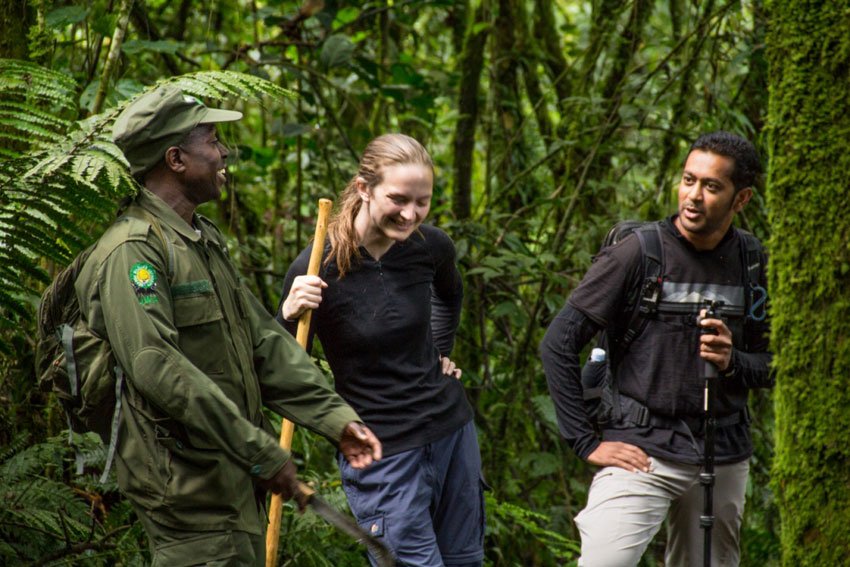
Your lodge normally arranges an early breakfast or packed meal before the drive to the appropriate briefing point. Rangers explain the rules, group assignments, conservation expectations, and safety guidance. You then travel on foot with trained guides and, where needed, trackers and porters. Trails can be muddy, steep, and slippery; the trek may pass through dense undergrowth, open slopes, and uneven forest floor. Some groups reach gorillas relatively quickly, while others walk for hours. Allow the day to unfold without planning a tight afternoon connection.
When the gorillas are located, visitors follow the ranger’s positioning instructions, avoid flash photography, and keep the required distance whenever possible. Gorillas may approach on their own, but you should never attempt to touch them or step closer for a photograph. If you are unwell with a potentially contagious illness, report it before the trek so the rangers can apply current health protocols. Responsible ethical gorilla trekking protects a highly vulnerable population and makes the experience more meaningful than a rushed collection of photographs.

How difficult is the walk?
There is no universal easy gorilla family, and the location of animals changes. Fitness, weather, altitude, terrain, and the pace of the group all matter. The detailed what to wear on a gorilla trek checklist is useful when planning for wet trails. Pack sturdy waterproof footwear, a rain layer, gloves if useful, long trousers, water, and a small daypack. Ask your outfitter about arranging a porter, especially if you prefer not to carry your own supplies over steep ground. The gorilla trekking difficulty discussion is more useful than a promise of a short trek because it helps you prepare for a realistic range of conditions.
Age Limits, Health and Trekking Etiquette
The published minimum age for gorilla trekking in Uganda is 15 years. Families traveling with younger children need another activity or separate childcare arrangements for the trekking day; a lodge reservation does not override the park rule. Older visitors can participate if their health and mobility are appropriate, but the operator should discuss the potential demands honestly. Medical conditions, medications, altitude sensitivity, and physical limitations are best raised privately during trip planning, before permits become nonrefundable.
Respect rangers, local communities, and forest wildlife throughout the visit. Leave no litter, do not feed animals, and avoid unnecessary noise near the gorillas. Phones should be silent, and photography should never interfere with viewing instructions. Trekking while sick can place great apes at risk from human pathogens. If traveling with someone who needs additional support, explore gorilla tracking for elderly logistics early, including porter assistance and realistic expectations rather than assuming every need can be solved on arrival.
Where to Stay After Securing Your Permit
Your lodge should be chosen primarily for access to the exact permit sector, followed by comfort level, budget, and the activities you want to enjoy. Buhoma, Ruhija, Rushaga, and Nkuringo have different road approaches. A property described as “near Bwindi” may still be far from your morning briefing. Ask for a route-specific transfer time in normal and wet conditions. Verify whether the nightly rate includes meals, laundry, a packed trekking lunch, and any shuttle to the briefing point.
Budget guesthouses can be perfectly comfortable for visitors focused on the forest, while high-end camps offer additional space, service, and views. Neither accommodation category guarantees that gorillas will be easier to find. Travelers comparing budget gorilla trekking safaris with a luxury gorilla trekking safari should focus on the real differences in lodging and transport, because the government-issued permit gives access to the same conservation-managed activity under the appropriate booking category.
Budgeting Beyond the Permit Fee
A complete trip budget includes the permit, transfers from your entry airport, lodge nights, food and drink, porter fees, staff gratuities, visa costs where applicable, and travel insurance. Additional services such as domestic flights, private guides, laundry, or extra forest experiences can change the total substantially. For many short gorilla itineraries, the permit is the single largest fixed cost, but road travel and accommodation still matter. Compare packages by inclusions rather than choosing the smallest headline price.
Families considering gorilla trekking fitness requirements should discuss their abilities before adding other hikes. If you plan to extend the trip, Queen Elizabeth National Park can provide savanna wildlife and boat-based viewing, while Lake Bunyonyi offers a relaxed highland setting after demanding trekking. Travelers interested in primates beyond mountain gorillas might add chimpanzee tracking in Kibale when their time and budget allow. These additions should be decided before final transport commitments so the overall route remains efficient. Good sequencing is usually a better way to save money than cutting necessary transfer time.
Booking for Families, Groups and Solo Travelers
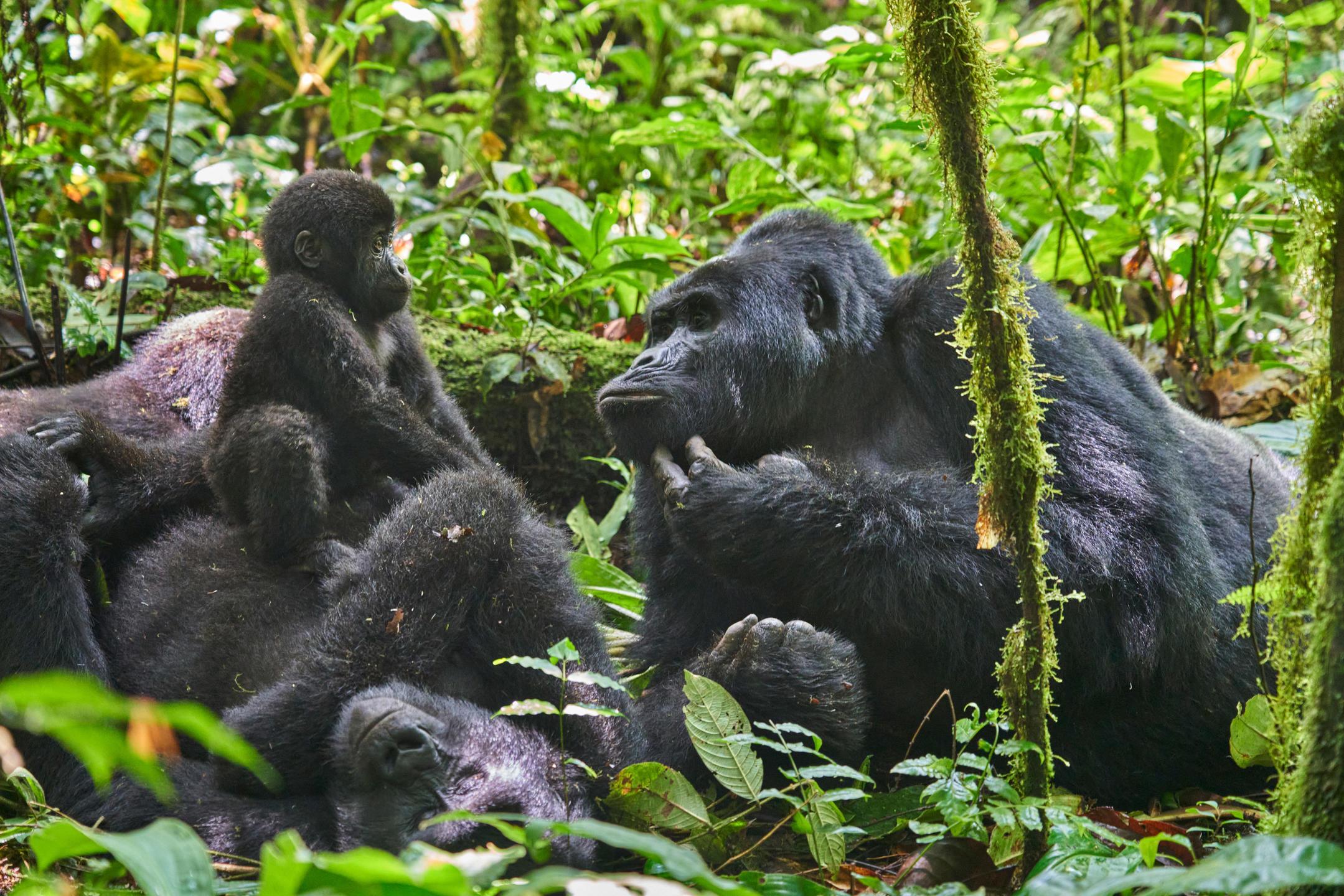
An organized gorilla trekking tour can simplify transfers without changing the government allocation rules. Group bookings need coordinated permit availability for every participant, not simply one available space. Because daily trekking numbers are capped, it may be difficult to place a larger party on the same date and in the same sector, especially when booking late. If you want to trek together, state that clearly at the beginning and ask what can be confirmed. Even visitors booked for the same day should not assume that the park will allocate them to a particular gorilla family or that every preference can be guaranteed.
Solo travelers can still make the journey, though private vehicle and guiding costs are often higher per person. Joining an established departure may reduce ground-transport costs where the operator can genuinely accommodate it. If one member of the party is too young or chooses not to trek, plan a suitable lodge-based or community activity rather than leaving that person waiting at a trailhead. For a more ambitious wildlife holiday, Uganda gorilla trekking and wildlife safari packages combine forest trekking with other protected areas over a longer period.
Seven Mistakes to Avoid When Reserving a Bwindi Permit
The first mistake is booking a lodge before confirming the trekking sector. The second is confusing a request for availability with a confirmed paid permit. Third is assuming that a lower price is available to every nationality or residency category. Fourth is buying through a seller whose credentials cannot be checked. Fifth is forgetting that road transfers can be lengthy and unpredictable. Sixth is treating the standard trekking permit as though it includes habituation, transport, or lodging. Seventh is ignoring amendment rules when selecting promotional dates.
These mistakes are avoidable with a written checklist and one responsible point of contact. Compare your passport details with the reservation, save the permit confirmation, map the correct briefing location, and ask the operator to confirm your last-night accommodation. A gorilla tracking information briefing from experienced planners should answer concrete questions about time, location, documents, and fees, not simply repeat promotional slogans. For groups, nominate one person to verify all participant names and details before the final confirmation is issued.
Frequently Asked Questions About Booking Bwindi Gorilla Permits
The questions below reflect the issues visitors most often need settled before paying. Because official tariffs and terms can change, treat any quoted fee or procedure as information to confirm against the authority’s current policy, not an unconditional guarantee. A valid booking is one that matches your eligibility, confirmed date, and assigned sector.

Can I buy a permit at the park gate?
Do not plan on buying a tracking permit on arrival at the park gate. UWA’s published purchase guidance says permit payments at park level are not accepted and directs buyers to authorized reservation channels. For foreign non-residents, use a Uganda Tourism Board–licensed operator. This is especially important because daily capacity is intentionally limited. Arriving without a confirmed reservation risks traveling to a remote part of Uganda without the activity that motivated your journey.
Does the permit guarantee I will see gorillas?
Wild gorillas move freely, so a permit does not promise a sighting or a particular family. Trained trackers and rangers work to locate the groups, and encounters are commonly successful, but circumstances can differ. Ask the booking provider about current UWA rules if a full tracking day does not result in a sighting. Do not confuse a high likelihood with an absolute guarantee, and avoid operators that market the encounter as entirely risk-free.
Is a passport copy enough to confirm the reservation?
Passport information is necessary for identifying eligible travelers, but supplying a copy does not by itself mean that a permit exists. Ask for documented confirmation that the reservation has been paid for and secured through the proper process. Also verify the name, travel date, permit type, and sector. This is one reason Uganda gorilla trekking permits should be handled through an established booking channel rather than an informal message exchange.
Should I choose Bwindi or Mgahinga?
Both Ugandan parks offer mountain gorilla trekking, but they differ in landscape, practical access, and the number of habituated groups available to visitors. Bwindi’s multiple trekking sectors create more routing choices, while Mgahinga can suit travelers combining Kisoro and Virunga volcano landscapes. Availability for a specific day decides what is feasible. If the dates for Bwindi are fully booked, Mgahinga Gorilla National Park may be worth discussing as an alternative rather than assuming the two parks share one permit allocation.
What if my travel dates are uncertain?
Ask for the current change policy before paying and avoid a non-reschedulable promotional permit when changes are likely. It may be wiser to hold off until your trip dates are clearer than to save on a permit that cannot move. Choose flexible lodging where possible and insure against covered disruptions. Distinguish between policies set by the park authority and those set by the tour company; they may differ and both can affect your financial exposure.
Final Booking Checklist for a Successful Bwindi Safari
Before final payment, verify the exact trekking date, sector, activity type, traveler names, eligibility categories, and price in the relevant currency. Confirm which party is responsible for the government reservation and when the permit becomes fully secured. Match the lodge to the sector, protect at least one night before trekking, and allow realistic time for the journey from Kigali or Entebbe. Read cancellation clauses and ask what documentary proof you will receive. Save your booking records offline in case mobile coverage is weak in the highlands.
Booking Bwindi Gorilla Permits is easier when decisions happen in the right order: verify eligibility, check capacity, secure the permit, and design the surrounding journey. The forest experience itself should be the focus once you arrive, not last-minute uncertainty about paperwork or transport. With reliable advice and a correctly matched itinerary, a Bwindi gorilla trek can become the centerpiece of a rewarding and respectful Ugandan safari.





