Accessing Gorilla Tracking from Kigali
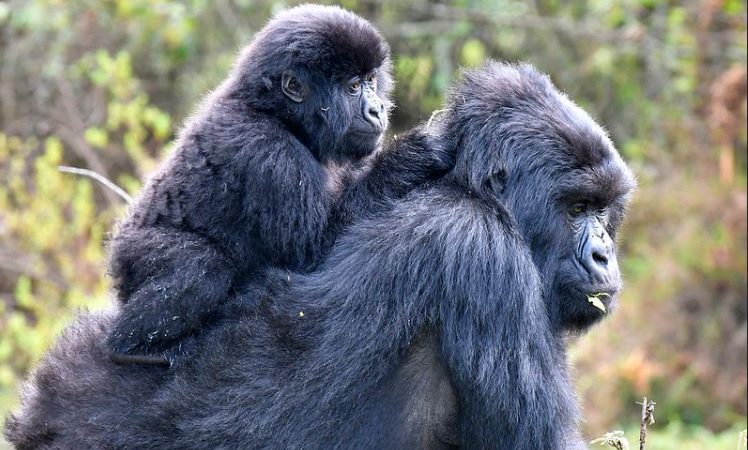
Accessing gorilla tracking from Kigali requires careful planning and preparation, as visitors cannot trek mountain gorillas directly within Rwanda’s capital city. Kigali serves as the primary gateway for gorilla trekking adventures in Volcanoes National Park, located approximately 2-3 hours northwest of the bustling capital. This strategic positioning makes Kigali an ideal starting point for gorilla encounters, offering excellent accommodation, dining, and logistical support before embarking on life-changing wildlife experiences. Successful gorilla tracking from Kigali demands advance permit booking, appropriate transportation arrangements, and thorough preparation for the physical and emotional rewards of encountering mountain gorillas in their pristine natural habitat within Rwanda’s premier conservation area.
Strategic Trip Planning from Kigali: Accessing Gorilla Tracking from Kigali
Essential Permit Acquisition
Securing gorilla trekking permits represents the most critical step in accessing gorilla tracking from Kigali. These mandatory permits cost $1,500 per person for non-residents, reflecting Rwanda’s high-value, low-impact tourism strategy that prioritizes conservation funding and sustainable community development. The premium pricing helps ensure gorilla protection while limiting daily visitor numbers to minimize environmental impact.
Daily permit availability remains strictly limited to protect gorilla families from over-exposure to human contact. Park authorities issue only eight permits per habituated gorilla family per day, creating intense competition for available slots. Peak season months, including June through September and December through February, experience particularly high demand, making booking essential for guaranteed access.
The Rwanda Development Board website provides official permit booking services, though many visitors prefer working with registered tour operators who handle entire logistics packages. These professionals understand permit availability patterns, can suggest optimal travel dates, and often maintain allocation relationships that improve booking success rates during high-demand periods.
Seasonal Considerations and Discounts
Permit pricing occasionally features promotional discounts for specific visitor categories or during designated low-season periods. Rwandan citizens and East African Community residents typically qualify for reduced rates, while visitors combining gorilla trekking with extended stays in other Rwandan parks may access package discounts during slower tourism periods.
Low season months, particularly March through May and November, often provide better permit availability and potentially reduced accommodation costs in surrounding areas. However, these periods coincide with Rwanda’s rainy seasons, creating muddy, slippery trekking conditions that increase physical demands while potentially enhancing forest beauty through lush vegetation and active wildlife.
Transportation Options: Accessing Gorilla Tracking from Kigali
Professional Tour Operator Services
Tour operators provide comprehensive packages combining transportation from Kigali to Volcanoes National Park, accommodation arrangements, and gorilla trekking permits in convenient, all-inclusive offerings. These services handle complex logistics, including border procedures, park regulations, and accommodation bookings, while providing experienced guides familiar with local conditions and gorilla family locations.
Professional operators maintain relationships with quality accommodation providers near Volcanoes National Park, ensuring comfortable lodging within easy reach of early morning departure points. Many operators offer multi-day packages incorporating additional activities such as golden monkey trekking, cultural village visits, or Dian Fossey tomb visits that enhance overall Rwanda experiences.
Operator services typically include experienced driver-guides who understand mountain driving conditions, park access requirements, and emergency procedures. These professionals provide valuable insights into Rwandan culture, history, and conservation efforts during scenic drives through Rwanda’s famous “thousand hills” landscape.
Private Vehicle Rental Options
Independent travelers can rent 4×4 vehicles in Kigali for self-drive adventures to Volcanoes National Park. The journey follows well-maintained paved roads for most of the route, though final approaches to park headquarters benefit from four-wheel-drive capability, particularly during rainy season conditions when roads become muddy and potentially challenging.
Self-drive options provide flexibility for photography stops, cultural site visits, and personal scheduling preferences during the scenic journey through Rwanda’s mountainous terrain. However, visitors must understand local driving regulations, carry appropriate insurance coverage, and possess confidence navigating mountain roads that may become challenging during adverse weather conditions.
Rental agencies in Kigali offer various vehicle options from basic 4x4s to luxury safari vehicles equipped with photography equipment and communication devices. Rates typically include insurance coverage, though visitors should verify policy details and emergency support procedures before departing Kigali.
Budget-Friendly Public Transportation
Cost-conscious travelers can access gorilla trekking through public transportation, combining bus services from Kigali to Musanze town, followed by private taxi transfers to Kinigi park headquarters. Nyabugogo Bus Station in Kigali provides regular departures to Musanze, though journey times extend longer than private transportation due to multiple stops and passenger boarding procedures.
From Musanze, visitors must arrange private taxi services to reach Kinigi park headquarters, as public transportation doesn’t extend directly to park facilities. This final segment requires negotiation with local taxi drivers and may involve coordination challenges, particularly for early morning departures required for gorilla trekking schedules.
Public transportation options require additional planning time and flexibility, as schedules may vary based on weather conditions, vehicle availability, and passenger demand. However, this approach provides authentic local travel experiences while significantly reducing transportation costs compared to private alternatives.
Day of Trek Procedures
Early Morning Requirements
Successful gorilla tracking from Kigali demands early departure to reach RDB Tourism & Conservation offices in Kinigi by 7:00 AM for mandatory pre-trek briefings. This timing requirement means most visitors must depart Kigali by 4:30-5:00 AM, depending on transportation method and accommodation location relative to departure points.
Early arrivals provide opportunities for registration procedures, equipment checks, and porter arrangements before official briefings begin. Arriving significantly early also allows buffer time for unexpected delays such as weather conditions, transportation issues, or documentation requirements that might otherwise compromise trek participation.
Comprehensive Briefing Sessions
Park rangers conduct detailed briefings covering gorilla behavior, safety protocols, photography guidelines, and environmental protection measures. These sessions assign visitors to specific habituated gorilla families based on fitness assessments, family locations, and group dynamics to optimize both visitor experiences and gorilla welfare.
Family assignments consider various factors, including recent gorilla movements, terrain difficulty, weather conditions, and individual visitor capabilities. Rangers explain specific family characteristics, recent behavioral observations, and expected trek durations to help visitors prepare mentally and physically for upcoming encounters.
Guided Trek Experiences
Professional guides lead groups of a maximum of eight visitors into Volcanoes National Park’s bamboo forests and volcanic slopes to locate assigned gorilla families. Trek durations vary dramatically from 30 minutes to several hours, depending on gorilla locations, which change daily based on feeding patterns, weather conditions, and family social dynamics.
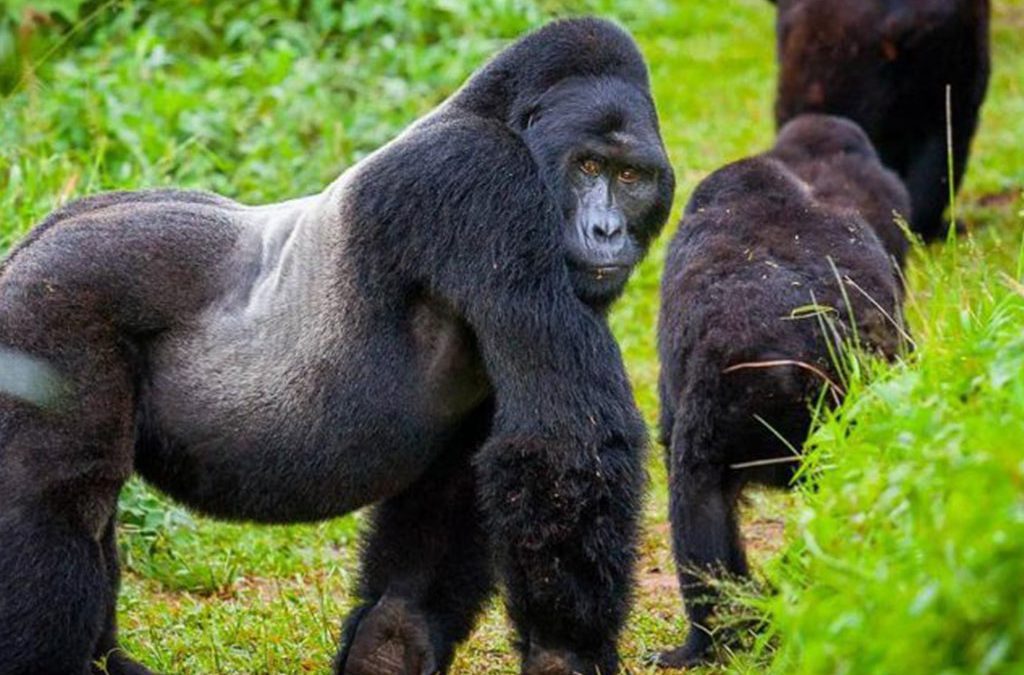
Successful gorilla encounters provide one precious hour for observation, photography, and quiet appreciation of these magnificent creatures in their natural habitat. Guides ensure respectful distances, interpret gorilla behaviors, and manage group dynamics to maximize meaningful encounters while protecting gorilla welfare and visitor safety.
Essential Preparation Requirements
Proper Equipment and Clothing
Successful gorilla trekking requires appropriate gear, including sturdy hiking boots with ankle support, waterproof rain gear, long-sleeved shirts and trousers for protection against vegetation and insects, and gardening gloves for gripping assistance on steep terrain. Water bottles and energy snacks provide necessary sustenance during potentially lengthy forest navigation.
Community Support Services
Porter services available at trailheads provide gear carrying assistance and physical support during challenging terrain navigation for modest fees that directly benefit local communities. These services prove particularly valuable for visitors carrying camera equipment, extra clothing, or those requiring stability assistance on steep, potentially slippery forest paths.
Health and Safety Considerations
Medical restrictions protect gorillas from human illnesses, requiring health declarations and potential exclusion for visitors exhibiting cold, flu, or other contagious symptoms. Park authorities maintain strict health protocols recognizing mountain gorillas’ susceptibility to human diseases that could devastate entire family groups.
Visitors must demonstrate basic fitness levels appropriate for forest hiking at altitude, though accommodation exists for varying physical capabilities through porter assistance and family assignment considerations that match individual abilities with appropriate trek difficulties.