Why Gorilla Trekking in Uganda Is an Unforgettable Adventure

Why Gorilla Trekking in Uganda Is an Unforgettable Adventure
If you’re seeking a truly unique and memorable African adventure, gorilla trekking in Uganda should be at the top of your list. Home to more than half of the world’s remaining mountain gorillas, Uganda is a leader in conservation. It offers some of the most awe-inspiring encounters with these majestic primates. Spending an hour in the presence of a wild gorilla family is far more intimate and moving than simply observing wildlife from a safari vehicle—it’s an emotional and immersive experience. It’s no surprise that thousands of travelers visit Uganda each year to be part of this extraordinary adventure.
So, what makes gorilla trekking in Uganda a must-do experience? Here are six powerful reasons this wild jungle expedition deserves a spot on your travel bucket list.
1. Watching Half of the World’s Mountain Gorillas in Their Natural Habitat
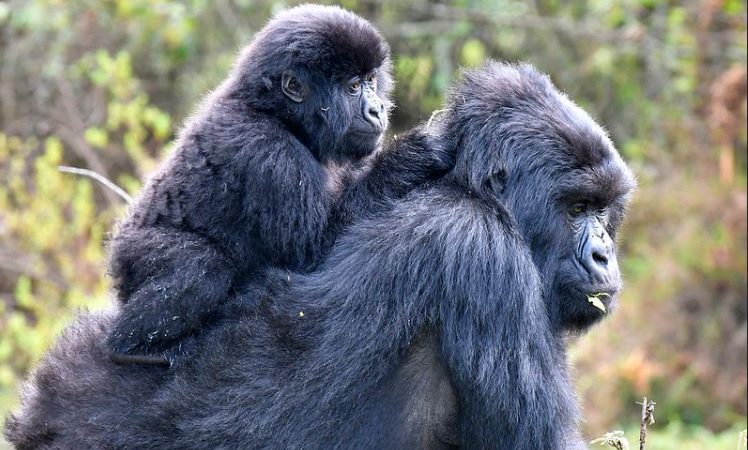
Did you know there are just over 1,080 mountain gorillas left in the world? These critically endangered primates live exclusively in a small mountainous region in East Africa, specifically within the Virunga Mountains. These span Uganda, Rwanda, and the Democratic Republic of Congo. Uganda’s Bwindi Impenetrable National Park is the park with the highest number of mountain gorillas.
Uganda offers the best chance to encounter these gentle giants, as it protects more than half of the global population across two national parks: Bwindi Impenetrable National Park and Mgahinga Gorilla National Park. While Mgahinga forms part of the larger transboundary Virunga conservation area with Rwanda and the DRC, Bwindi stands out as a UNESCO World Heritage Site popular not only for its gorillas but also for its lush virgin forest, rich biodiversity, and over 120 other mammal species.
Mgahinga, though smaller, is equally captivating. It sits at the base of three dramatic volcanic peaks—Mount Muhabura, Mount Gahinga, and Mount Sabinyo. It offers a chance to combine gorilla trekking with mountain hiking for a more adventurous experience.
Together, Bwindi and Mgahinga host 20 habituated gorilla families spread across five gorilla trekking regions. Four of these trekking regions are found in Bwindi. If you’re dreaming of a face-to-face encounter with mountain gorillas in the wild, Uganda is undoubtedly the top destination to make it happen.
2. Your Visit Directly Supports Gorilla Conservation and Local Communities
Gorilla trekking in Uganda isn’t just an unforgettable adventure—it’s also a meaningful way to contribute to conservation and community development. While a Uganda gorilla permit costs $800 per person, that fee plays a vital role in protecting the endangered mountain gorillas and their fragile rainforest habitat.
The funds go toward anti-poaching efforts, veterinary monitoring, habitat preservation, and ranger salaries. Thanks to such tourism-driven conservation programs, mountain gorilla populations have rebounded from the brink of extinction to just over 1,000 individuals today—an extraordinary success story in wildlife conservation.
Your trip also has a powerful impact on the people who live near these protected areas. When you book your safari with responsible local operators like Safari Vacations and Travel Services, you’re supporting employment, education, and sustainable community projects. Safari Vacations, for example, hires staff from nearby villages and runs initiatives that uplift women, children, and low-income families.
Even small choices—like hiring a porter for around $20 during your trek—can make a big difference. That modest fee can support an entire family living on less than a dollar a day.
By choosing to trek gorillas in Uganda, you’re not just witnessing a rare and beautiful species—you’re helping to safeguard its future while empowering the people who share the land with them. It’s one of the most successful ecotourism models in the world, and your participation keeps it thriving.
3. Gorilla Trekking in Uganda Is More Affordable Than Elsewhere
When gorilla tourism began in Uganda in the 1990s, it became the country’s main strategy for funding the protection of these endangered primates. To preserve the gorillas’ natural behavior and minimize human impact, Uganda adopted a strict permit system, limiting the number of visitors allowed each day.
Today, a gorilla trekking permit in Uganda issued by the Uganda Wildlife Authority costs $800 per person, less by 45% the price of Rwanda’s permit. This cost difference is one of the main reasons travelers opt for Uganda as their gorilla trekking destination. Despite the lower price, the experience is just as rewarding, if not more so, thanks to Uganda’s untouched rainforest landscapes and rich biodiversity.
Due to high demand and limited daily permits, it’s essential to book well in advance. Groups are limited to eight trekkers per gorilla family, guided by expert trackers and escorted by armed rangers. Once you locate the gorillas, you’ll spend an unforgettable hour in their presence.
For adventurous travelers, Uganda even offers an extended trekking experience where you can spend up to four hours with a wild, semi-habituated gorilla family—a heart-pounding experience for those looking to go deeper into the jungle and witness more natural behaviors.
If you’re looking for a more budget-friendly yet equally thrilling way to encounter mountain gorillas, Uganda is the clear choice. Not only will you save money, but you’ll also support vital conservation work while experiencing one of Africa’s greatest wildlife encounters.
4. Gorilla Trekking is an Authentic Raw Experience
Driving through the terraced green hills of southwestern Uganda is breathtaking on its own. However, the real adventure begins when you set out into the dense rainforest in search of mountain gorillas. Trekking to see these elusive primates isn’t a walk in the park. It’s a physically demanding journey through rugged terrain at altitudes of 8,000 to 13,000 feet, offering a truly wild and authentic African jungle experience.
For adventure seekers, this is the real deal. In Bwindi Impenetrable Forest, true to its name, there are no paved trails or easy shortcuts. You’ll hike steep slopes, cross muddy patches, and push through thick, misty vegetation. A local guide, often using a machete, leads the way as you follow fresh signs of gorilla activity. Every step brings you deeper into the untouched wilderness.
It may be challenging, even exhausting at times, but the payoff is extraordinary. One moment you’re struggling through tangled vines, and the next, a silverback emerges silently from the shadows, surrounded by its family. The contrast between the raw difficulty of the trek and the peaceful presence of these gentle giants is what makes the experience so deeply moving.
This isn’t just about ticking an item off your bucket list—it’s about earning the moment and connecting with nature in one of the most profound ways possible. If you’re ready for a real adventure, gorilla trekking in Uganda offers a rare and unforgettable encounter with both nature and yourself.
5. You Encounter Even More Primates Along the Way
Uganda isn’t just a destination for gorilla trekking—it’s a primate lover’s paradise. It offers encounters with a wide variety of species across its lush forests and national parks. Uganda is one of the few countries where you can see two of the world’s four great apes—mountain gorillas and chimpanzees—along with over a dozen other primate species.
While trekking through the bamboo-covered slopes of Mgahinga Gorilla National Park, you might cross paths with the endangered golden monkey, a small, energetic primate known for its striking coat and playful nature. Found only in the Virunga Mountains, these monkeys share habitat with gorillas and are relatively easier to track, making them an ideal add-on to your gorilla adventure.
In Bwindi Impenetrable Forest, the diversity deepens. Here, you can spot up to 11 different primate species during a nature walk, including black-and-white colobus monkeys, L’Hoeist’s monkeys, blue monkeys, red-tailed monkeys, and even unhabituated chimpanzees. The forest’s ancient trails offer rich, immersive hikes ranging from 4 to 9 hours, each full of wildlife surprises and dense, tropical beauty.
For an unforgettable encounter with chimpanzees, a trip to Kibale Forest National Park is a must. Home to over 1,500 wild chimps, including several habituated groups, Kibale is one of the best places in Africa to observe our closest relatives up close. Most Uganda itineraries include a stop here for chimp tracking, and with good reason—it’s a thrilling, emotional experience that rivals even gorilla trekking.
From the treetops of Bwindi to the jungle floors of Kibale, Uganda offers a rich, unmatched primate experience that goes far beyond gorillas. It’s a full-spectrum wildlife adventure for anyone with a passion for nature and biodiversity.
6. Uganda Offers Incredible Wildlife Safaris Beyond Gorillas
While Uganda is renowned worldwide for its mountain gorilla encounters, it also offers some of Africa’s finest classic safari experiences, making it a uniquely diverse destination for wildlife enthusiasts. Combining primate trekking with savannah game drives, river cruises, and bird-watching provides travelers with an unbeatable all-around safari adventure.
Just next door to Bwindi Impenetrable Forest lies Queen Elizabeth National Park, Uganda’s most iconic safari park. Here, you can embark on game drives across open plains teeming with elephants, buffalo, antelopes, and tree-climbing lions. The park’s Kazinga Channel is a highlight, where boat cruises offer up-close views of hippos, giant crocodiles, and a dazzling variety of birdlife.
Venture further north, and you’ll discover Murchison Falls National Park—famous for the thunderous waterfall that gives the park its name and home to large populations of giraffes, lions, leopards, and chimpanzees. Even more remote is Kidepo Valley National Park, a rugged, untamed wilderness that’s perfect for spotting rare species like cheetahs, wild dogs, caracals, and greater kudu—animals you won’t find elsewhere in the country.
Uganda also appeals to birders, with opportunities to spot the elusive shoebill stork, one of Africa’s most sought-after avian sightings, in wetlands across the country.
So while gorilla trekking might be your main reason for visiting, Uganda’s variety of ecosystems—from misty forests to golden savannahs—ensures a rich, multi-layered safari experience. The best part? You can tailor your gorilla trekking safari to include these unforgettable game viewing adventures, turning your trip into a once-in-a-lifetime African journey.
Plan Your Gorilla Trekking Safari with Safari Vacations and Travel Services
At Safari Vacations and Travel Services, your adventure is in the hands of a passionate team of safari experts who live and breathe the African wilderness. With years of firsthand experience exploring the savannahs, jungles, and local communities of Uganda, Rwanda, Kenya, and Tanzania, these specialists are here to help you craft the perfect journey.
Whether you’re planning a once-in-a-lifetime gorilla trekking expedition, a Big Five safari, or a trip infused with community connection, conservation, and sustainability, this team provides the expert guidance and personal insight to make your adventure seamless and unforgettable.
From the forests of Bwindi to the vast plains of the Serengeti, they know the land, the people, and the wildlife—because they spend their free time exploring it themselves.
Ready to start planning? Click here to connect with one of our safari planners and begin crafting your dream East African experience today.