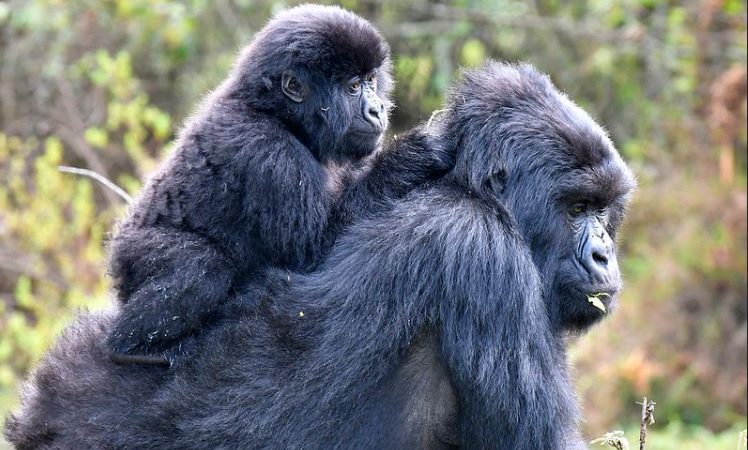
How Beneficial is Gorilla Trekking to Conservation?
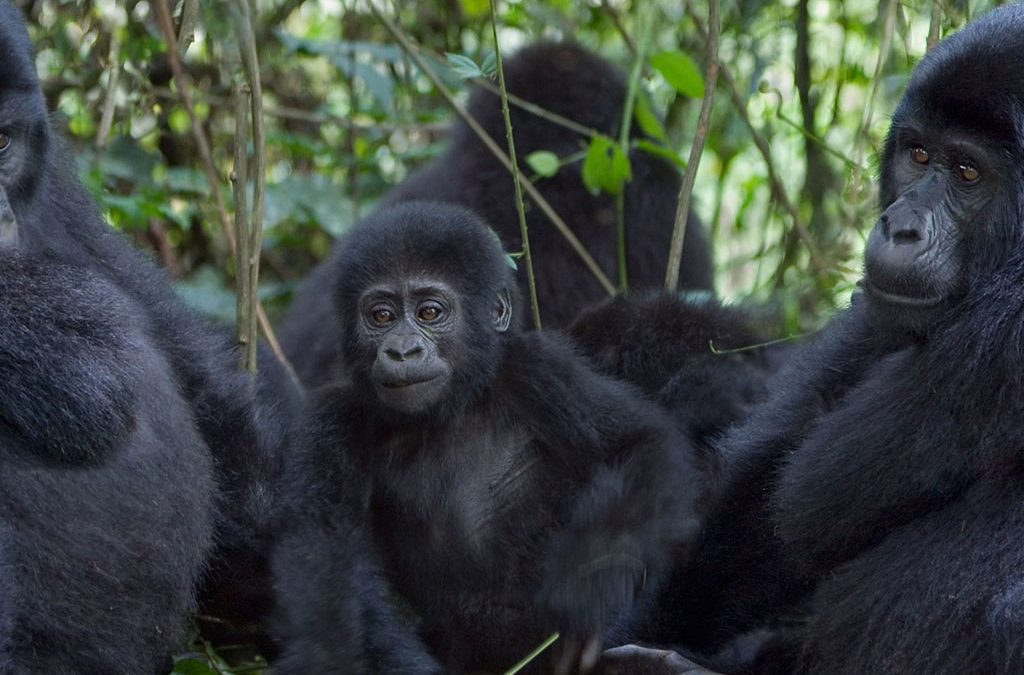
How Beneficial is Gorilla Trekking to Conservation?
How Beneficial is Gorilla Trekking to Conservation? Gorilla trekking is a crucial eco-adventure that plays a significant role in conservation by funding protective initiatives and increasing awareness about endangered mountain gorillas. This extraordinary wildlife experience has contributed immensely to the survival of these primates and the preservation of their habitat.
With a population of just over 1,000, mountain gorillas remain endangered. However, amidst this fragile reality, gorilla trekking has emerged as a unique and effective form of tourism that offers renewed hope for the survival of these great apes. This exceptional wildlife activity allows tourists to observe mountain gorillas in their natural environment. They do so while directly supporting conservation efforts. Extensive research and expert insights highlight the significant impact of gorilla trekking in ensuring the long-term protection of these remarkable primates and their ecosystems.
How Gorilla Trekking is Financially Beneficial to Conservation
Gorilla trekking serves as a vital financial pillar for conservation efforts, generating essential funding to protect mountain gorillas and their habitats. Tourists pay for permits through the Uganda Wildlife Authority in Uganda and the Rwanda Development Board in Rwanda. These allow them to participate in these treks, and the revenue collected is directly invested in various conservation initiatives. In Rwanda, a trekking permit costs $1,500, while in Uganda, it is $800, and in the Democratic Republic of Congo (DRC), it is $400. The value of these permits has increased over time due to the rising demand for this rare wildlife experience and a strong commitment to sustainable conservation practices. For instance, in the first half of 2022 alone, Rwanda’s Volcanoes National Park generated $11 million solely from gorilla trekking permits. This revenue supports key conservation activities, such as:
Anti-poaching patrols
Permit fees help finance the hiring, training, and deployment of wildlife rangers. These are responsible for patrolling gorilla habitats. These rangers play a crucial role in preventing poaching and other illegal activities that threaten gorillas. These activities include hunting for bushmeat, the illegal pet trade, or the sale of valuable body parts.
Habitat restoration
Funds from gorilla trekking contribute to reforestation projects and promote sustainable land use practices among local communities. They also help to protect gorilla habitats from human encroachment. By preserving and restoring forests, conservationists ensure that gorillas have a safe and thriving environment.
Gorilla monitoring and research
Permit revenues support primatologists and conservationists who closely monitor gorilla groups to assess their health, behavior, and overall well-being. This includes routine health checks, disease surveillance, and ecological research to refine conservation strategies and address any emerging threats.
Community development projects
A portion of the revenue from gorilla trekking is allocated to improving the livelihoods of communities living near gorilla habitats. This funding supports initiatives such as education, healthcare, clean water supply systems, and infrastructure development like roads and hospitals. By involving local communities in conservation efforts and ensuring they benefit from gorilla tourism, the program fosters goodwill and reduces human-wildlife conflicts.
The sustainable funding generated through gorilla trekking plays an instrumental role in ensuring the long-term survival of mountain gorillas and their ecosystems. Additionally, it provides economic incentives for local communities to actively participate in conservation efforts while discouraging harmful activities like poaching and habitat destruction.
How beneficial is gorilla trekking to Conservation? – Raising Awareness
Beyond its financial contributions, gorilla trekking plays a crucial role in raising awareness about primate conservation. Tourists who embark on these treks gain firsthand insight into the lives of mountain gorillas in their natural habitat. This immersive experience fosters a deeper appreciation for these great apes and the challenges they face, from habitat loss to poaching. By observing their social interactions, daily behaviors, and the delicate balance of their ecosystem, visitors develop a stronger connection to conservation efforts. This awareness often translates into greater public support for policies and initiatives aimed at protecting gorillas and their environment.
The global spotlight on mountain gorilla conservation was first illuminated in the 1960s by American primatologist Dian Fossey. Her groundbreaking research and unwavering dedication to gorilla protection exposed the threats these primates faced particularly poaching. Thanks to her efforts, the importance of gorilla conservation gained international recognition, paving the way for sustainable tourism initiatives like gorilla trekking. Before these conservation measures were implemented, mountain gorillas were on the verge of extinction due to widespread poaching and habitat destruction.
Gorilla trekking is not only one of Africa’s most thrilling eco-adventures but also a powerful tool for conservation advocacy. Many travelers return from their experience inspired to share their encounters and the lessons they have learned. This helps to further raise awareness about the urgent need to protect these endangered creatures. Their stories often spark curiosity and encourage others to learn more about the issues affecting gorillas, leading to increased engagement in conservation efforts. Ultimately, gorilla trekking serves as an educational journey that fosters global support for primate conservation. It also ensures the continuous survival of these magnificent animals.
Rules and Regulations of gorilla trekking
How Beneficial is Gorilla Trekking to Conservation?- Regulations for gorilla trekking. Strict rules and guidelines are in place to ensure that gorilla trekking supports conservation efforts while minimizing any negative impact on the gorillas and their habitat. These regulations are standardized across all trekking locations and are carefully enforced to promote responsible tourism.
- A key measure is the issuance of a limited number of permits each day. This restriction helps control visitor numbers, ensuring that gorillas are not overwhelmed by human presence. By maintaining a manageable number of trekkers, authorities allow the gorillas to continue their natural behaviors with minimal disturbance.
- To further safeguard the primates, the minimum age for trekkers is set at 15 years. This rule prevents young children from interacting with large and potentially intimidating animals like gorillas. Since young children may react unpredictably, their presence could create unnecessary stress for the gorillas.
- Health screenings may also be conducted to prevent trekkers from carrying contagious diseases that could harm the gorillas. Since humans and gorillas share over 98% of their DNA, diseases can easily be transmitted, making this precaution essential for protecting the primates from potentially fatal infections.
- Another crucial guideline is maintaining a safe distance of at least 10 meters (32 feet) from the gorillas. This buffer helps prevent unnecessary stress on the animals and reduces the risk of transmitting diseases. Additionally, the time spent in the company of the gorillas is strictly limited to one hour per visit. This restriction minimizes disruptions to their daily routines, ensuring that they can continue their natural activities without prolonged human interference.
- Trekkers are also given a detailed briefing on appropriate behavior before the trek. They are advised to avoid sudden movements, loud noises, and direct eye contact, all of which could startle or provoke the gorillas. These guidelines help foster a safe and respectful interaction between humans and wildlife.
These regulations are essential for maintaining gorilla trekking as a sustainable and responsible tourism activity. By adhering to these measures, visitors contribute to the protection of mountain gorillas while also supporting the communities that coexist with them.
Involvement of Local People in Conservation
Gorilla trekking plays a crucial role in involving local communities in conservation efforts by offering economic opportunities and benefits. By directly linking tourism with community development, it creates strong incentives for locals to protect gorillas and their natural habitat. Additionally, gorilla tourism encourages local governments to prioritize primate conservation.
This engagement takes various forms, including employment opportunities. Many community members find sustainable jobs as guides, porters, trackers, and lodge staff, providing them with a reliable source of income. This helps reduce dependence on environmentally harmful activities such as poaching and deforestation.
Another key aspect is community-based tourism projects. Residents can establish and manage initiatives like cultural tours, handicraft sales, and homestays. These ventures allow them to generate income while promoting conservation efforts, fostering a sense of ownership over wildlife protection.
Revenue-sharing programs further strengthen community involvement by allocating a portion of the funds from gorilla trekking to local development projects. These funds often support essential services such as schools, healthcare centers, and infrastructure improvements, enhancing the overall well-being of people living near gorilla habitats.
By actively engaging local communities in conservation efforts, gorilla trekking instills a sense of pride and responsibility in protecting these endangered primates. This approach provides a sustainable alternative to traditional activities like hunting or logging, which threaten the ecosystem. Organizations such as the Karisoke Research Center and the International Gorilla Conservation Programme (IGCP) have implemented various conservation initiatives to benefit both wildlife and nearby communities.
How Research contributes to gorilla Conservation
Research plays a crucial role in understanding gorillas’ needs and improving conservation efforts. Scientists conduct various studies to gather insights into gorilla behavior, health, and social dynamics. This valuable data helps develop effective conservation strategies, ensuring the long-term survival of these remarkable primates.
One notable study focused on the socio-economic benefits of mountain gorilla tourism. It examined how gorilla tourism positively impacts local communities while emphasizing the importance of innovative management practices for sustainable tourism. This research highlights how conservation efforts can benefit both the gorillas and the people living near their habitats, creating a mutually beneficial relationship.
Potential Negative Impacts and Mitigation Strategies
While gorilla trekking greatly supports conservation, it also has potential drawbacks. Acknowledging these challenges and implementing effective mitigation strategies is crucial for sustainability.
Negative Impacts
- Habitat disturbance: The presence of tourists can disrupt gorillas’ natural behavior, causing stress and affecting their feeding patterns and social interactions.
- Disease transmission: Gorillas are highly susceptible to human diseases, and close encounters with visitors increase the risk of transmission. Even common human illnesses can be fatal to these primates.
- Environmental degradation: Infrastructure development for tourism, such as roads and lodges, can lead to habitat fragmentation and pollution, negatively affecting the gorillas’ environment and the broader ecosystem.
Mitigation Strategies
To minimize these risks, various strategies have been put in place:
- Strict regulations and guidelines: Limiting visitor numbers, enforcing safe distances, and regulating tourist behavior help reduce disturbance and prevent disease transmission.
- Health protocols: Trekkers receive health briefings, are encouraged to wear masks, and must avoid trekking if unwell to prevent spreading diseases to gorillas.
- Sustainable tourism practices: Eco-friendly lodges and responsible trekking guidelines help reduce the environmental impact of tourism activities.
- Community engagement: Local communities are actively involved in conservation through initiatives like anti-poaching patrols, gorilla monitoring, and educational programs, fostering a sense of responsibility for protecting gorillas and their habitats.
Conclusion
Gorilla trekking has proven to be a vital tool in the conservation of these endangered primates. This unique eco-adventure generates essential funding, raises awareness, and actively engages local communities in protecting mountain gorillas. While certain risks exist, they are effectively managed through strict regulations, health protocols, and sustainable tourism practices. When conducted responsibly, gorilla trekking can continue to support the long-term survival of both the gorillas and their natural habitats.
This success highlights the importance of ethical and responsible tourism. By respecting gorillas and their environment, we ensure that this extraordinary experience benefits both wildlife and the surrounding communities. The future of gorilla trekking relies on ongoing conservation efforts and sustainable practices. Let’s embrace the adventure while safeguarding these magnificent creatures for generations to come!
Contact us today for more information about gorilla trekking in Uganda, Rwanda, and DR Congo.