Your guide to Kenya and Uganda most unique African Animals

Wild & Wonderful: Your Guide to Kenya & Uganda’s Most Unique African Animals
East Africa is a treasure trove of unique and captivating wildlife. Your guide to Kenya and Uganda’s most unique African Animals delves into the remarkable animals, highlighting the distinct characteristics that make them extraordinary. Join Safari Vacations and Travel Services as we embark on an adventure through these breathtaking landscapes.
Discovering East Africa’s Evolutionary Marvels
Understanding What Makes African Animals Unique
The uniqueness of African animals lies in their extraordinary adaptations and behaviors, which enable them to thrive in varied environments—from lush rainforests to arid deserts. These adaptations are essential for survival, allowing species to navigate the challenges posed by their habitats.
How Geography Shaped Unusual Adaptations
East Africa’s diverse geography, encompassing mountains, forests, and savannas, has significantly influenced the evolution of its wildlife. Animals have developed unique traits tailored to their specific environments, resulting in a rich tapestry of biodiversity that showcases nature’s ingenuity.
The Role of Isolation in Species Development
Isolation is a critical factor in the evolution of distinct species. In East Africa, isolated habitats such as mountain ranges and dense forests have fostered the independent evolution of various animals, leading to the emergence of rare and unique species. This phenomenon highlights the importance of conservation efforts in preserving these isolated ecosystems.
Notable Wildlife Highlights
- Cheetahs: Renowned for their speed, cheetahs are the fastest land mammals, capable of reaching 60 miles per hour in just three seconds. Their unique hunting strategies and social behaviors make them fascinating subjects for wildlife enthusiasts.
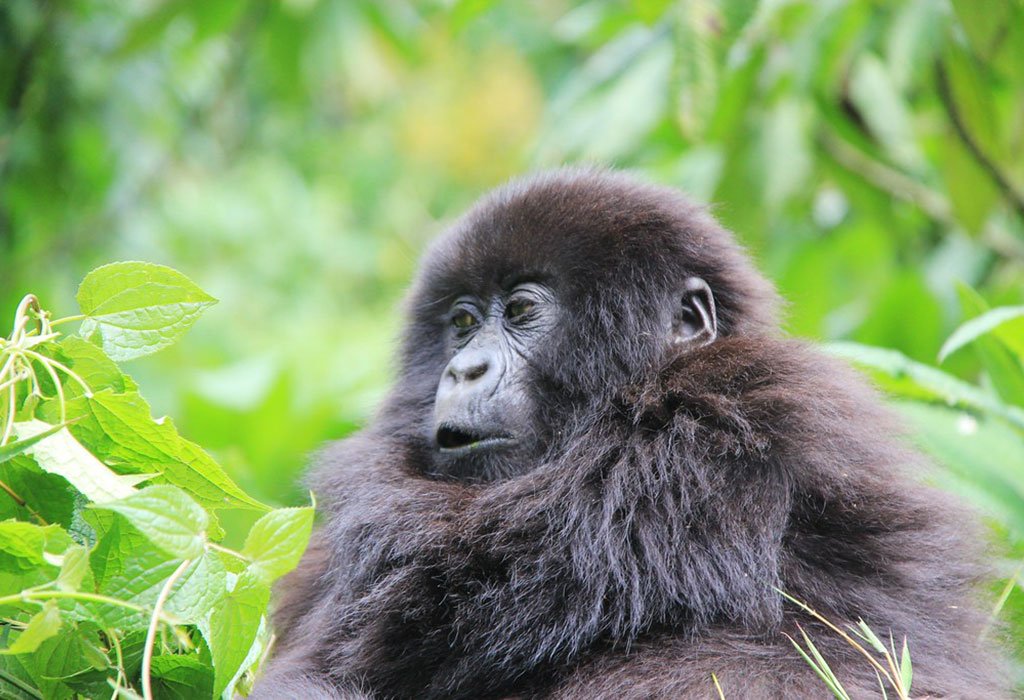
- Mountain Gorillas: Found primarily in Uganda’s Bwindi Impenetrable National Park, these gentle giants are critically endangered. Their social structures and behaviors provide insight into primate evolution and conservation.
- Golden Monkeys: Endemic to the Virunga volcanic mountains, golden monkeys are known for their striking golden-orange fur and social dynamics within large groups. Their habitat is crucial for their survival.
- Bat-eared Foxes: With large ears adapted for hearing insects, bat-eared foxes exemplify how specific adaptations can enhance survival in arid environments.
- Dik-diks: These small antelopes have evolved to survive in dry regions by obtaining moisture from their food. Their ability to camouflage among vegetation helps protect them from predators.
Rare Primates of Uganda’s Forests
Mountain Gorillas and Their Unique Social Structures
Mountain gorillas inhabit the lush forests of Uganda and are renowned for their intricate social structures. These majestic creatures live in family groups, typically led by a dominant male known as a silverback. The silverback plays a crucial role in maintaining group cohesion and protecting family members, which often include several adult females and their offspring. Strong familial bonds are evident within these groups, where nurturing and grooming behaviors are common. Unfortunately, mountain gorillas are critically endangered, making their conservation a pressing priority for wildlife organizations and also governments alike.
Golden Monkeys of the Virungas
Another remarkable primate found in Uganda is the golden monkey, native to the Virunga Mountains. Recognizable by their striking golden fur, these playful monkeys thrive in social groups and rely heavily on the bamboo forests for sustenance. Their lively behavior and unique adaptations to their environment make them a captivating subject for researchers and wildlife enthusiasts. Conservation efforts are essential to ensure their survival, as habitat loss poses a significant threat to their populations.
Unusual Primate Behaviors and Adaptations
Uganda’s primates exhibit a fascinating array of behaviors and adaptations that enhance their survival in diverse environments. For instance, some species demonstrate tool use to access food sources, showcasing their intelligence and problem-solving skills. Additionally, various primates have developed distinct vocalizations that facilitate communication within their groups. These behaviors not only reflect the adaptability of Uganda’s primates but also highlight the importance of preserving their habitats to maintain these unique evolutionary traits.
Kenya’s Desert Specialists
Unique Adaptations for Arid Environments
In the arid regions of northern Kenya, wildlife has evolved remarkable adaptations to thrive in harsh conditions. Many animals possess the ability to survive extended periods without water, utilizing specialized physiological traits that minimize water loss. For instance, some species have highly efficient kidneys that produce concentrated urine, while others can extract moisture from the food they consume. Additionally, structural adaptations such as lighter body colors and specialized fur help these animals cope with extreme heat, allowing them to maintain their body temperature in the sweltering sun.
Rare Species of Northern Kenya
Northern Kenya is home to several rare and endangered species, including the Grevy’s zebra and the Somali ostrich. These unique animals have adapted specifically to their desert habitats, showcasing fascinating evolutionary traits. The Grevy’s zebra, for example, has a distinctive pattern of stripes that not only aids in camouflage but also helps regulate its body temperature. Meanwhile, the Somali ostrich has developed a diet that allows it to thrive on sparse vegetation, making it an excellent example of adaptation and survival in a challenging environment.
Survival Strategies in Extreme Conditions
To navigate the extreme conditions of Kenya’s deserts, animals have developed a variety of survival strategies. Many species are nocturnal, becoming active during the cooler nighttime hours to avoid the intense heat of the day. Others have specialized diets that enable them to obtain moisture from their food sources, reducing their dependence on water from external sources. For example, some herbivores can extract sufficient hydration from the plants they consume, while carnivorous species may rely on their prey for moisture. These strategies highlight the incredible resilience and adaptability of Kenya’s desert wildlife in one of Earth’s most unforgiving environments.
Unusual Nocturnal Creatures
Strange Night Hunters of East Africa
East Africa is home to a variety of unusual nocturnal creatures that become active after dark. These animals have evolved unique adaptations that enable them to hunt and thrive in the shadows, showcasing the incredible diversity of life in this region.
Rare Bat Species and Their Behaviors
Bats are among the most intriguing nocturnal inhabitants of East Africa. The region boasts several rare bat species, each exhibiting distinct behaviors and adaptations. Many bats utilize echolocation to navigate and locate prey in complete darkness, while others have specialized diets that encompass insects, fruit, and small vertebrates. This diversity in feeding habits illustrates the adaptability of bats to various ecological niches.
Unique Adaptations for Nighttime Survival
Nocturnal animals possess a range of adaptations that enhance their survival during nighttime hours. Key adaptations include:
- Enhanced Senses: Many nocturnal species have developed improved night vision and acute hearing, allowing them to detect movement and locate prey in low-light conditions.
- Camouflage: These animals often exhibit muted or patterned coloration that helps them blend into their surroundings, providing an advantage when hunting or avoiding predators.
- Stealthy Movement: Nocturnal creatures frequently employ slow and deliberate movements to evade detection. For instance, leopards have padded paws that enable silent stalking, while owls possess specialized feathers that allow for nearly silent flight.
East Africa’s Endemic Species
East Africa is rich in endemic nocturnal species, each uniquely adapted to their environment. Notable examples include:
- Bushbabies (Galagos): These agile primates are equipped with large eyes for excellent night vision and keen hearing, enabling them to forage for insects and fruits.
- African Civets: With their distinctive markings and elusive nature, civets are primarily nocturnal scavengers that play a vital role in the ecosystem.
- Springhares: Resembling miniature kangaroos, these rodents emerge at night to forage for roots and stems, using their powerful hind legs for jumping.
The adaptations of these unusual nocturnal creatures not only highlight the wonders of evolution but also emphasize the importance of conserving their habitats to ensure their continued survival.
Animals Found Nowhere Else on Earth
East Africa is a remarkable region, home to numerous endemic species that exist nowhere else on the planet. These unique animals have evolved in isolation, resulting in fascinating adaptations and also behaviors that are finely tuned to their specific environments.
Evolution in Isolation
The process of isolation has been instrumental in shaping the evolution of East Africa’s endemic species. Animals residing in secluded habitats, such as coastal forests and mountainous regions, have developed distinct traits that enhance their survival in these specialized ecosystems. For example, the Tana River red colobus monkey and the Zanzibar red colobus are both adapted to their forested environments, showcasing unique dietary preferences and social structures.
Conservation Challenges for Endemic Species
Conserving East Africa’s endemic species presents significant challenges. Habitat loss due to deforestation, agricultural expansion, and urban development threatens these unique animals. Additionally, climate change exacerbates these issues by altering habitats and food availability. Human activities, including poaching and wildlife trafficking, further endanger these species. As a result, concerted conservation efforts are crucial to ensure the survival of these irreplaceable animals. Initiatives aimed at habitat restoration, legal protection, and community engagement are essential for safeguarding East Africa’s rich biodiversity for future generations.
Notable Endemic Species
- Grevy’s Zebra: This striking zebra is critically endangered due to habitat loss and competition for resources.
- African Wild Dog: Known for their social structure and hunting prowess, these dogs face significant threats from habitat fragmentation.
- Tana River Mangabey: An endangered primate found only in the Tana River region of Kenya, highlighting the importance of forest conservation.
- Pemba Flying Fox: A rare bat species endemic to Pemba Island, it plays a vital role in pollination and seed dispersal.
The preservation of these endemic species not only protects unique wildlife but also maintains the ecological balance of East Africa’s diverse environments.
Extraordinary Animal Behaviors
Unique Hunting Techniques
East Africa’s wildlife displays a remarkable array of unique hunting techniques that reflect their adaptations to the environment. For instance, some predators employ stealth and camouflage, allowing them to surprise their prey effectively. Others, like lions and wild dogs, hunt in coordinated groups, enhancing their chances of a successful kill through teamwork and strategic planning. This collaborative approach not only increases efficiency but also exemplifies the social dynamics within these species.
Strange Mating Rituals
The mating rituals observed in East Africa’s wildlife can be quite extraordinary. Many species engage in elaborate displays to attract mates, such as the intricate dances performed by birds of paradise or the vibrant plumage of male peacocks. In contrast, some animals resort to fierce battles for dominance, with males competing for the right to mate through displays of strength and aggression. These diverse behaviors not only highlight the complexity of animal reproduction but also provide fascinating insights into the evolutionary pressures that shape these rituals.
Unusual Social Structures
The social structures of East Africa’s animals are as varied as the species themselves. From the intricate hierarchies found within primate groups to the tightly-knit packs of predators like hyenas and wild dogs, these social systems play a crucial role in survival. For example, elephants are known for their matriarchal societies, where older females lead herds and pass down knowledge essential for finding food and water sources. Similarly, meerkats exhibit cooperative behavior by taking turns as sentinels while others forage for food, showcasing the importance of teamwork in their survival strategy.
Conclusion
East Africa’s wildlife is a testament to the incredible diversity and adaptability of nature. From the rare primates of Uganda’s forests to the desert specialists of northern Kenya, these unique animals offer a glimpse into the wonders of evolution. As we continue to explore and also protect these remarkable species, we ensure that future generations can experience the wild and wonderful world of East Africa.