Why Trek Mountain Gorillas? 10 Unforgettable Reasons

Why Trek Mountain Gorillas? 10 Unforgettable Reasons
Why trek mountain gorillas? Few wildlife journeys compare with following expert trackers through the highland forests of Uganda or Rwanda and quietly observing a wild gorilla family. The reward is not simply a rare photograph. It is the privilege of discovering natural behaviour in a remarkable ecosystem, with trained rangers protecting the animals and guiding every step. This guide explores ten reasons to go, what the experience feels like, where to travel, how permits work and how to plan responsibly.
What Makes Mountain Gorilla Trekking So Special?
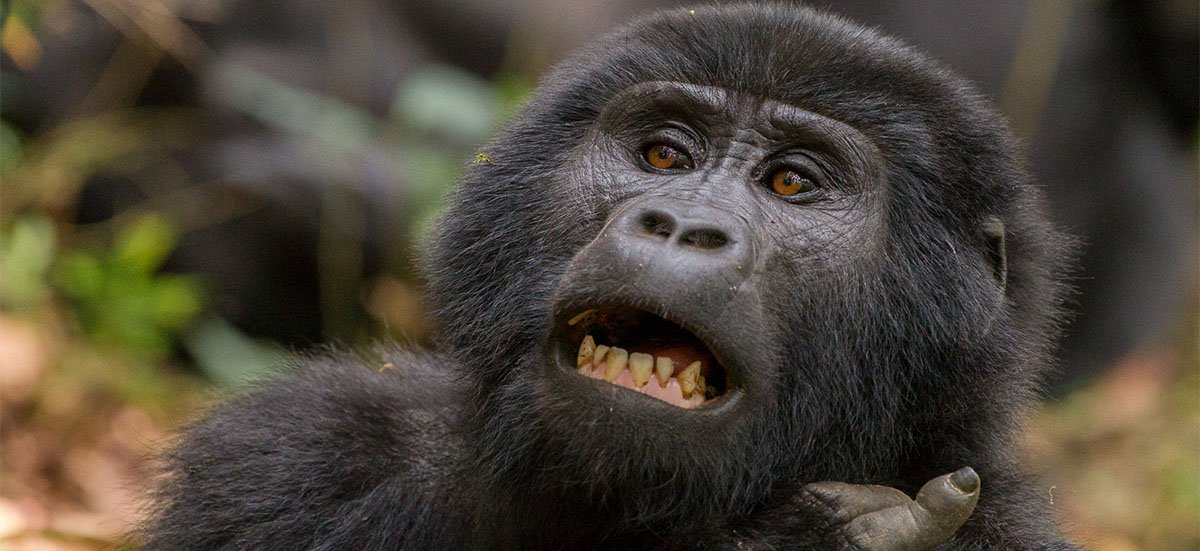
A gorilla trek begins long before the first animal appears. You wake in a mountain village while mist sits above steep cultivated hills, meet the ranger team, and step into an ecosystem where visibility changes every few metres. Forest sounds replace the familiar engine noise of a game drive. A tracker may notice bent vegetation, a fresh feeding site or a trail through giant herbs. By the time your group reaches a habituated gorilla family, the journey itself has made the encounter feel earned.
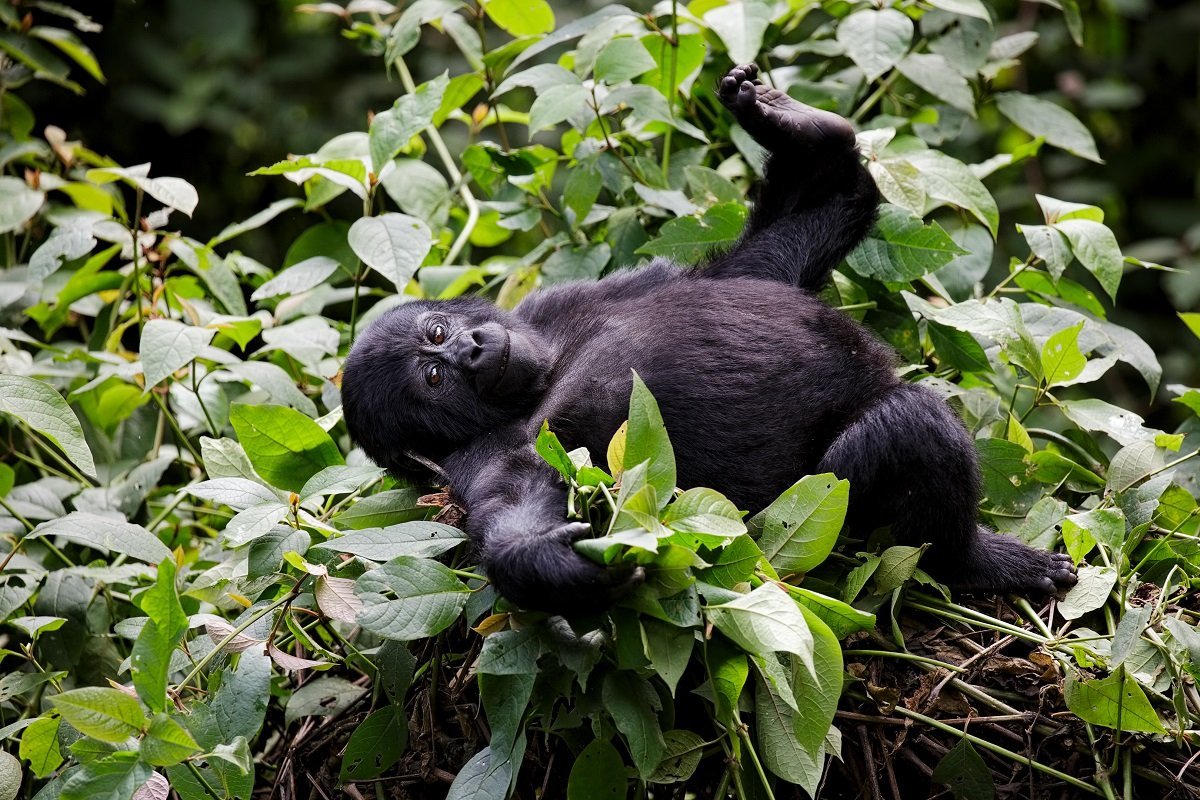
The defining difference is proximity to wildlife behaving naturally in its own habitat. You are not watching an arranged performance or entering an enclosure. A silverback may sit quietly while youngsters climb and tumble; another adult may feed with extraordinary concentration. Rangers manage viewing distances and time, and the gorillas decide how they spend that hour. This makes the experience intimate without turning the animals into attractions that must entertain visitors.
Why trek mountain gorillas rather than simply see photographs of them? Photographs can preserve a moment, but they cannot recreate the sounds, cool air, scale and subtle movement of a living forest. The best reason is not a guaranteed dramatic display. It is the chance to be present, respectfully, with an endangered great ape and to return with a deeper sense of its place in the world.
1. Meet One of the World’s Most Remarkable Great Apes
Why trek mountain gorillas for this experience?
Mountain gorillas are a subspecies of the eastern gorilla found in a limited area of east-central Africa. Their dense fur helps them live in cool upland habitat; their powerful bodies and expressive faces inspire curiosity at first sight. Although gorillas can look imposing, most of the time spent watching a habituated family involves remarkably ordinary activities: feeding, resting, grooming and caring for young. Those quiet details are often what visitors remember.
Encountering a family makes it easier to see individual animals rather than a generic image of “a gorilla.” A cautious youngster may stay close to its mother, while an adolescent experiments with the freedom of climbing nearby vegetation. A silverback’s role within the group can become clearer through how others respond to him. None of this should be described as human behaviour in disguise; gorillas have their own complex social lives worth observing on their own terms.
An experienced ranger interprets signs and behaviour while keeping the group calm and respectful. Rather than asking for the closest possible photograph, watch how the animals share space, choose food and respond to one another. This is the heart of the mountain gorilla tracking experience: an hour that rewards attention more than speed or expensive camera equipment.
2. Witness Family Bonds in the Forest
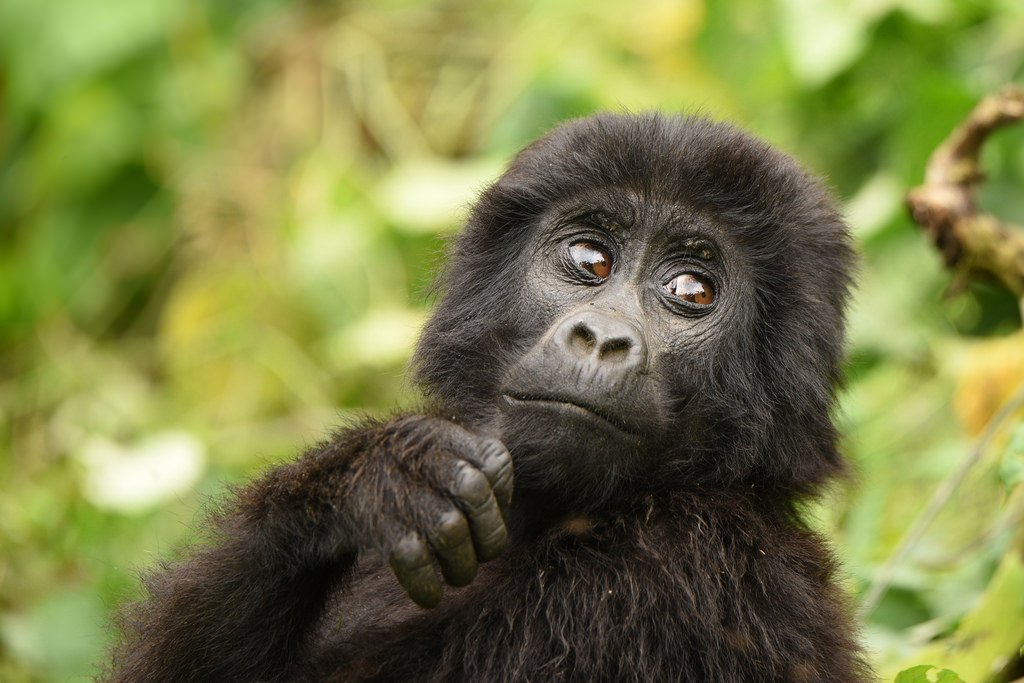
A gorilla family is not a static collection of animals posing together. It is a social group whose members move, forage and interact throughout the day. Some moments are unmistakably tender, such as a mother holding an infant or an older youngster resting beside an adult. Other moments are lively and unpredictable. Young gorillas may chase one another through vegetation while adults continue feeding just metres away.
The sight of a silverback often captures the imagination, but visitors who focus only on him miss the group’s many smaller stories. Listen for low vocalisations, notice how youngsters maintain contact with their mothers and observe the pauses between bursts of activity. Because gorillas move freely, there is no guarantee that every individual will be visible or that the family will be active. Even a quiet visit can be compelling.
For travellers deciding between different wildlife encounters, this social dimension is distinctive. A classic savannah safari can show dramatic hunting and large herds; gorilla trekking invites you to pay attention to the daily life of one great-ape community. Understanding gorilla families in Uganda also helps explain why permits, visitor numbers and access are carefully managed.
Plan a Thoughtful Gorilla Trek
Share your travel month, preferred park and group size to discuss permit arrangements, realistic transfers and a route that fits your pace.
Email: info@ugandarwanda-safaris.com
3. Explore an Extraordinary Mountain Rainforest
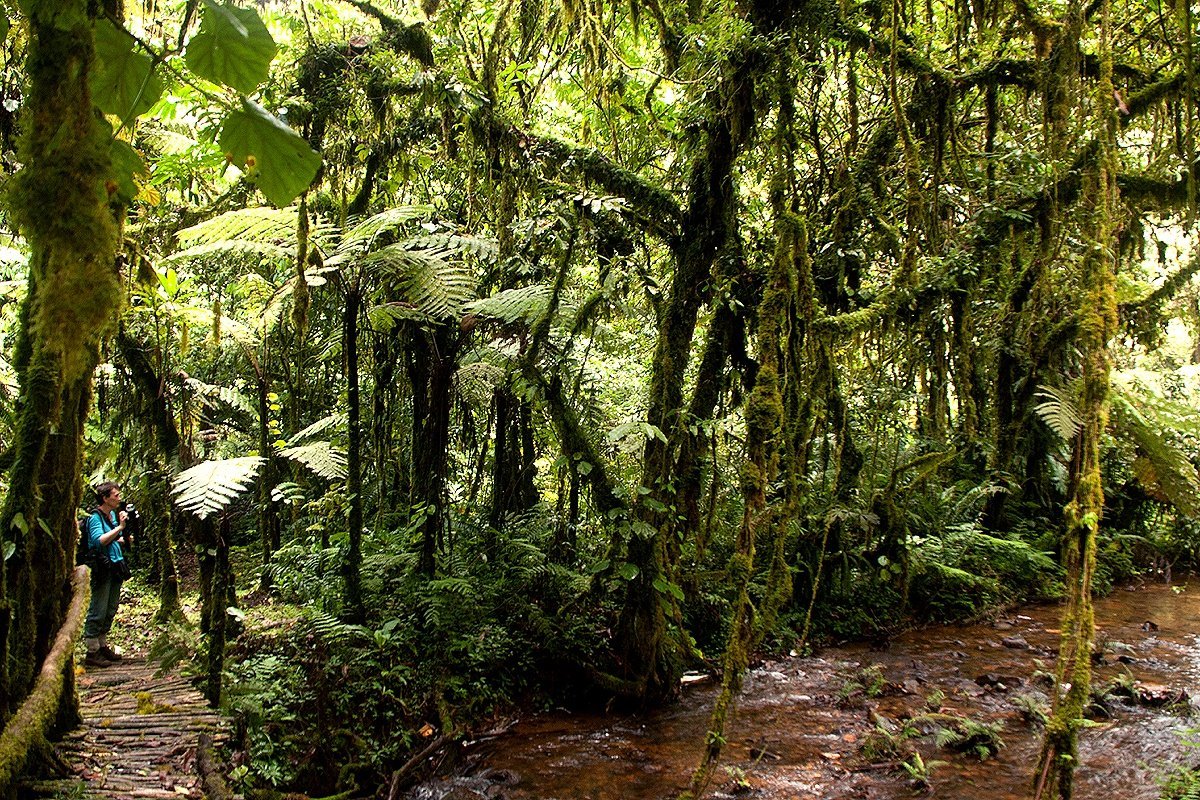
Gorilla trekking is also an immersion in some of Africa’s most atmospheric forest landscapes. Trails may cross tangled roots, bamboo stands, damp clearings and slopes carpeted with ferns. Sunlight arrives in patches through a dense canopy. Depending on the trekking location, views can open to layered hills or volcanic peaks before the path bends back into deep green shade. The landscape is not merely scenery behind the main attraction; it is essential to the gorillas’ survival.
Uganda’s Bwindi Impenetrable Forest is known for its remarkable biodiversity and complex mountainous terrain. Mgahinga’s volcanic environment has a different feel, while Rwanda’s Volcanoes National Park introduces hikers to the Virunga slopes. A traveller who enjoys botany, birds or walking outdoors may find the forest hours as satisfying as the wildlife encounter itself. Guides can point out the subtle signs that a casual visitor would pass without noticing.
Trekking conditions change with rainfall, altitude, trail maintenance and the location of the gorilla family that morning. Mud and steep gradients are normal possibilities even during drier months. Instead of expecting a neat nature trail, approach the day as a guided forest expedition with a meaningful destination and enough flexibility to appreciate discoveries along the way.
4. Support Conservation Through Regulated Tourism
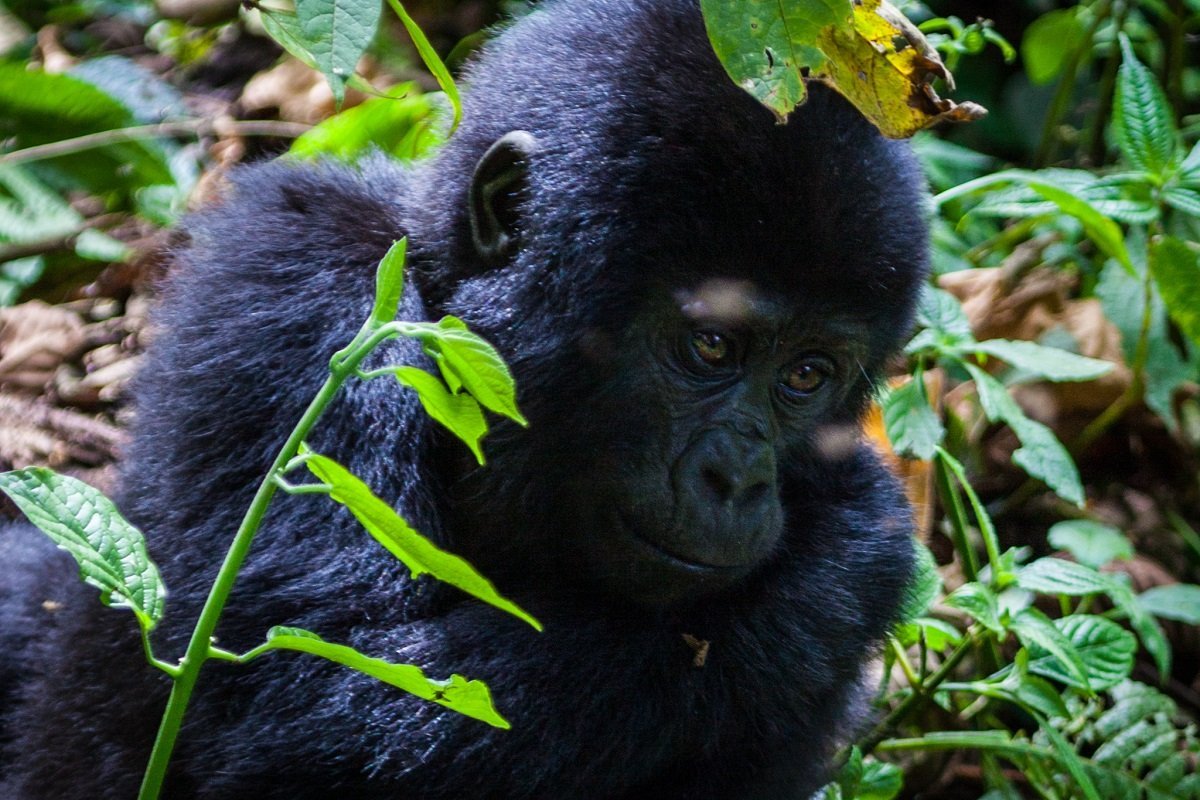
Mountain gorilla conservation requires protected habitat, trained staff, monitoring, veterinary capacity, community relationships and sustained funding. Responsible tourism can contribute financially to that wider work through permits and associated visitor spending. The connection is not automatic or perfect: park authorities must manage crowding, disease risk and the distribution of benefits. Nonetheless, a carefully regulated trekking programme can give living gorillas and intact forests long-term economic value.
This is why ethical gorilla trekking is different from treating wildlife as a product that can be purchased without limits. Groups are small, visits are short, and rangers establish rules designed to reduce disturbance. If an animal moves away, the right response is to let it go. If a visitor feels unwell, they should disclose symptoms rather than risk transmitting an infection to a highly vulnerable ape population. Conservation begins with everyday conduct in the field.
Visitors can strengthen the positive impact by choosing responsible local guides, respecting local employment, following lodge sustainability practices and avoiding promises of guaranteed physical closeness. Ask an operator how permits are obtained and what community activities are included. The best conservation story is not a dramatic marketing claim; it is a well-managed system in which wildlife, habitat and neighbouring residents benefit over time.
5. Create a Wildlife Memory That Feels Personal
Many travellers arrive with a familiar image in mind: a massive silverback looking directly toward the camera. The actual encounter may be gentler and less theatrical. It might involve watching a youngster struggle with a branch, hearing foliage rustle around an unseen animal, or noticing the quiet confidence of a mother moving through dense plants. Those small, unscripted moments can remain more vivid than the photograph you planned to take.
A gorilla trek also creates a shared experience among people who have walked the same demanding route. Your group may arrive muddy, tired and exhilarated. The ranger calls for a quiet approach, cameras are lowered, and everyone notices a different detail. Back at the lodge, conversations tend to revolve around behaviour, movement and the surprises of the day rather than simply ticking an item off a travel list.
This is one reason gorilla trekking tours appeal to couples, solo travellers and small groups with very different travel styles. You do not need advanced wildlife knowledge to appreciate the encounter. Curiosity, patience and willingness to respect boundaries matter more. A meaningful journey leaves space to reflect afterwards instead of rushing immediately into a long transfer.
Plan a Thoughtful Gorilla Trek
Share your travel month, preferred park and group size to discuss permit arrangements, realistic transfers and a route that fits your pace.
Email: info@ugandarwanda-safaris.com
6. Combine Adventure With a Clear Sense of Achievement
Mountain gorilla trekking: practical perspective
Trekking can be a physical challenge, but difficulty varies substantially. One group might reach gorillas after a relatively short approach, while another may walk for hours on uneven slopes. Weather and animal movements can change the route with little warning. The sense of achievement comes from navigating real terrain and adapting to the forest, not from proving that you can endure an unnecessarily punishing hike.
Good preparation makes the day more enjoyable. Build walking stamina before departure, test boots on hills and carry enough water for the route. Tell your operator about mobility limitations and medical concerns early. At the briefing, explain your comfort level to rangers; they can consider available information about the groups, although no easy or short trek can be guaranteed. A porter can make a substantial difference by carrying a pack and helping at difficult sections.
Gorilla trekking fitness is therefore about readiness and realistic expectations, not elite athletic ability. Plan for muddy shoes, variable temperatures and a potentially tiring return journey. People who pace themselves, accept help and listen to the ranger often enjoy the forest more than those who rush to reach a presumed finish line.
7. Discover Uganda and Rwanda Beyond the Famous Trek
A gorilla permit can become the anchor of a much broader holiday. In western Uganda, visitors may combine the forest with chimpanzee tracking, a boat trip on the Kazinga Channel, crater landscapes or relaxed time near Lake Bunyonyi. Rwanda allows a compact circuit around Kigali, Volcanoes National Park and Lake Kivu, with options to extend toward Nyungwe or Akagera. The best combination depends on available days and whether you enjoy varied ecosystems or a slower pace.
Each additional destination should bring a genuine contrast. Chimpanzees are often quicker and noisier than gorillas, making a gorilla vs chimpanzee comparison especially interesting in person. Savannah wildlife introduces elephants, buffalo, hippos, antelope and predators where local conditions allow. Community-led cultural experiences can help visitors learn how people live alongside protected forests, provided the hosts welcome the visit and receive transparent benefit. Local porters can assist with backpacks and difficult terrain, and hiring one supports nearby households.
Avoid treating a regional safari as a race across national parks. Roads are winding, trekking start times are fixed and international borders take time. Two nights close to a gorilla trekking sector often create more confidence than a rushed arrival followed by a dawn start. A thoughtful Uganda and Rwanda route can balance intense wildlife days with rest and meaningful landscape experiences.
8. Appreciate the Work of Local Rangers and Trackers
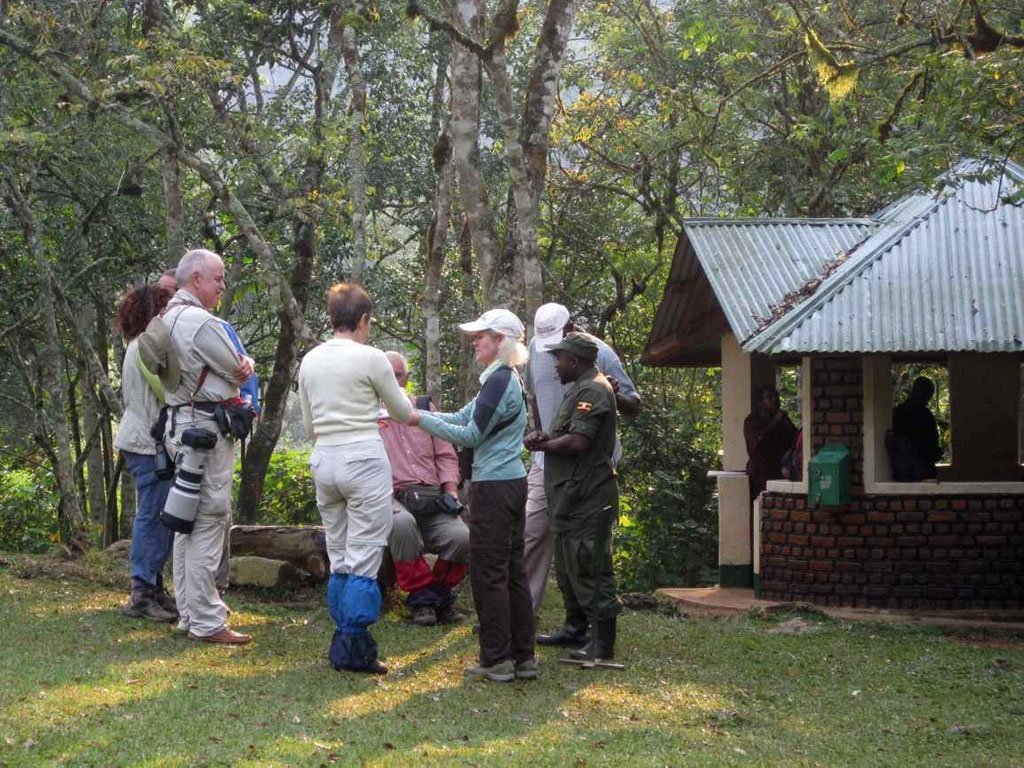
A successful trek is the product of many people’s expertise. Trackers study the movement of gorilla families and help guide teams locate them without turning the forest into a free-for-all. Rangers conduct the briefing, assess conditions and manage visitor behaviour. Porters help travellers handle difficult terrain while providing locally valued employment. Lodge teams and drivers coordinate early breakfasts, transport and time-sensitive arrangements behind the scenes.
Ask questions during the walk. A ranger may explain why a particular plant has been eaten, how fresh signs differ from older ones or what a quiet vocalisation could mean. Their interpretation can transform a first-time visit into a fuller understanding of conservation. It also reinforces that a gorilla encounter is carefully managed rather than a casual wander through forest until an animal happens to appear.
Tipping, where appropriate, should be discussed with your operator, and compensation should be handled respectfully. Hiring an available porter is a practical option rather than an admission of weakness. When you understand how the ranger and tracking network works, the cost and structure of the experience become easier to appreciate.
9. Experience a Different Kind of Wildlife Photography
Forest photography requires a different approach from open-plains game drives. Light levels may be low, vegetation can interrupt a clear view and animals are constantly changing position. Flash is prohibited. Photographers benefit from knowing their camera settings before they enter the viewing area because the encounter is time-limited and constantly adjusting equipment can distract from what is happening.
Bring equipment you can comfortably carry, protect it from rain and avoid heavy bags that make steep terrain frustrating. A flexible zoom lens may be more practical than multiple changes of equipment in damp conditions. Include wider environmental frames as well as portraits: the forest, distance and foliage are part of the story. Observe guide instructions before moving for a better angle and never push through vegetation to force a close-up.
Gorilla trekking photography tips can help with preparation, but no image is worth distressing an animal or breaking minimum-distance rules. Put the camera down for part of the hour. Hearing the forest and observing behaviour directly are as much a part of the journey as taking home photographs.
Plan a Thoughtful Gorilla Trek
Share your travel month, preferred park and group size to discuss permit arrangements, realistic transfers and a route that fits your pace.
Email: info@ugandarwanda-safaris.com
10. Turn a Dream Trip Into a Thoughtful Conservation Journey
A mountain gorilla expedition can change how travellers think about wildlife tourism. The permit does not buy ownership of an animal or guarantee an ideal scene. Instead it grants tightly controlled access to a sensitive habitat for a brief period. That arrangement asks visitors to accept inconvenience, uncertainty and rules in exchange for a chance to witness something extraordinary without undermining its future.
The lessons continue after leaving the forest. You may look more closely at how conservation is funded, how local livelihoods intersect with national parks, or why wildlife must be protected beyond a single species. Sharing accurate experiences with friends can encourage respectful travel, while supporting reputable conservation initiatives can extend the trip’s influence. The encounter is powerful precisely because mountain gorillas remain wild.
So why trek mountain gorillas? Because the experience unites wildlife observation, physical adventure, natural history and an important conservation responsibility. No two trekking days are identical, and that unpredictability is part of their value. When approached with humility and good planning, the journey can be both personally unforgettable and compatible with responsible protection.
Where Can You Trek Mountain Gorillas?

Mountain gorilla trekking: practical perspective
In Uganda, the two established destinations are Bwindi Impenetrable National Park and Mgahinga Gorilla National Park. Bwindi has several trekking sectors, and your permit and lodge should be coordinated around the correct sector. Mgahinga lies in the Virunga landscape and provides a different volcanic setting. Both require a dedicated permit and an early morning briefing, and neither should be treated as interchangeable with any accommodation labelled simply “near Bwindi.” For a closer look at Uganda’s sector-based approach, gorilla trekking in Bwindi requires matching the lodge to the allocated trailhead.
Rwanda’s Volcanoes National Park is accessed from the Musanze area and is frequently chosen by travellers building a shorter itinerary around Kigali. This does not mean every trek is easy. The animals move, and trail conditions depend on weather and altitude. Comparing Uganda vs Rwanda gorilla trekking is most useful when you consider total itinerary cost, travel time, preferred scenery, accommodation and other experiences rather than permit price alone. The gorilla trekking sectors determine where you should stay and where the morning briefing begins.
Mountain gorillas also live in the wider Virunga Massif crossing into the Democratic Republic of the Congo. Access and security circumstances there require current official advice and operator assessment; never assume a cross-border trekking route is available simply because the animals inhabit the area. For most first-time visitors, Uganda and Rwanda are the straightforward places to begin the planning comparison.
How the Gorilla Trekking Day Actually Works
Expect an early start and a scheduled park briefing, followed by assignment to a ranger-led group. Guides explain safety rules, group behaviour and how to respond if a gorilla approaches. Trackers provide updates from the field. The approach trek can be brief or long, and you should be ready for roots, thick growth, slopes and wet ground. Carry necessary medication, water, rain protection and a snack for before or after the viewing period.
Once the rangers locate the family, visitors normally have up to one hour with the gorillas. Keep the required distance, remain calm, use no flash and do not eat around the animals. The forest is not a studio: a gorilla might move behind a tree or the whole family might feed in dense vegetation. Follow instructions rather than trying to control the scene. If contact seems close because an animal moves toward you, remain still and let your guide manage the situation.
After the encounter, the trek continues back to the trailhead. The return can be physically demanding too, especially after rainfall. A balanced itinerary leaves the afternoon flexible. Some travellers enjoy a leisurely lodge lunch, while others may have a community activity, but avoid assuming that the gorilla portion occupies only an hour of the day. The complete activity can require most of a morning or longer.
Plan a Thoughtful Gorilla Trek
Share your travel month, preferred park and group size to discuss permit arrangements, realistic transfers and a route that fits your pace.
Email: info@ugandarwanda-safaris.com
Permits, Costs and What Your Money Covers
Gorilla permits control access to habituated groups and are essential to planning. As of November 2026, Rwanda’s official booking portal lists the standard foreign visitor permit at US$1,500, with category-specific promotional rates and eligibility conditions. Uganda has commonly charged US$800 for a foreign non-resident standard permit under its recent tariff, but rates, seasonal offers and effective dates must be confirmed directly with the Uganda Wildlife Authority or an authorised booking partner when paying. Gorilla trekking in Rwanda has a distinct cost and access profile that should be compared against the total trip budget.
A permit is only one component of the total cost. Allow for accommodation, private or shared transport, fuel, guide services, meals, porter costs, tips, travel insurance and any additional park activities. Longer distances can make a seemingly cheaper permit part of a more expensive itinerary. The practical way to compare offers is to request the same trip duration and clearly itemised inclusions, not to compare two package headlines that contain different services. A separate gorilla habituation activity can offer a different format in designated Ugandan areas, subject to its own rules and permit.
The right time to arrange gorilla trekking permits is before locking in expensive flights or non-refundable lodging. Confirm the traveller names, date, nationality or residency category, relevant park and sector. Make sure you understand cancellation rules. Booking through a reputable operator can simplify coordination, but you should still ask for permit confirmation rather than assuming availability from a proposed itinerary.
Best Time to Trek and Weather Expectations
Gorilla trekking is generally possible through the year in Uganda and Rwanda, but weather influences comfort and access. Many visitors favour relatively drier periods, often around June to September and December to February, because sections of trail may be less slippery. Rain is possible in every month in montane forest. Heavier rainfall can bring mud and challenging footing but also beautiful foliage and a quieter travel atmosphere.
A dry-season date does not guarantee an easy trek or clear photographs. Gorillas decide where to feed and rest, and cloud cover changes quickly in the hills. Rainy-season visits are not inherently inferior, particularly for travellers comfortable with wet conditions and flexible plans. Accommodation pricing and permit demand can vary by period and nationality, so discuss the actual travel month rather than relying on broad labels alone.
The best time to trek mountain gorillas is the time that balances your schedule, comfort, available permits and other safari priorities. If you are adding chimpanzees or open-savannah game viewing, look at their seasonal patterns too. Give yourself a full night near the trailhead before the trek instead of risking a missed briefing after a long road journey.
Is Gorilla Trekking Safe, Ethical and Suitable for You?

Mountain gorilla trekking: practical perspective
Trekking is conducted with trained rangers, but it takes place in wild terrain and cannot be entirely risk-free. Responsible operators explain physical demands, guide instructions and what to do near animals. The minimum age for standard gorilla trekking is generally 15 in Uganda and Rwanda. There is no universally guaranteed easy route, so travellers with mobility limitations should discuss possible assistance, porters and suitable arrangements well in advance.
Health rules protect gorillas as well as visitors. Great apes are vulnerable to human infections, so anyone with a cold, flu or another contagious illness should alert the operator and park staff. Respect the park’s currently stated minimum viewing distance and any mask requirements because these can differ by authority and change over time. No touching, feeding, flash photography or pursuing gorillas is appropriate. The ranger’s instructions always take priority. Current gorilla tracking guidelines should always override outdated advice circulating online.
Before booking, investigate whether the trip uses legitimate park permits, responsible guiding and sensible visitor limits. Is gorilla trekking in Uganda safe? The useful answer depends on the route, current advisories, your physical readiness and the operator’s procedures. Ethical practice is also part of safety: an undisturbed gorilla family and a group following guidance are far better conditions for everyone.
Plan a Thoughtful Gorilla Trek
Share your travel month, preferred park and group size to discuss permit arrangements, realistic transfers and a route that fits your pace.
Email: info@ugandarwanda-safaris.com
What to Wear and Pack for the Forest
Choose sturdy walking boots with grip, long trousers, long sleeves and a light waterproof jacket. Clothing should protect against nettles, branches, insects and rapidly changing temperatures rather than serve as a safari costume. Gaiters or high socks can help with mud, while gardening-style gloves may be useful when grabbing vegetation on steep paths. A breathable base layer and a spare dry top are practical in humid conditions.
Bring water, compact food as permitted for the trek, personal medication, a small first-aid kit and a waterproof bag for electronics. Binoculars are optional but can be enjoyable for birds and forest details. A hiking pole or locally supplied walking stick helps on slippery slopes. Keep valuables minimal and carry only photography equipment you can manage for an unexpectedly long approach and return. Reliable gorilla trekking boots are especially useful on muddy roots and steep paths.
If you are uncertain what to wear on a gorilla trek, aim for comfortable protection from rain and rough vegetation. Try all footwear before departure rather than wearing new boots on trekking morning. Your guide can advise how to organise an optional porter, where to leave your larger bag and how to pack for the likely weather without carrying too much.
How to Plan a Short Gorilla Trekking Safari
A focused three-day itinerary can work well when travel distances and flight connections are planned carefully. Day one normally involves arrival and transfer to a lodge close to the correct trekking area; day two centres on the briefing, forest trek and rest; day three allows the return journey. Attempting to compress those elements can produce an exhausting schedule or increase the risk of missing a fixed permit date.
For visitors entering through Kigali, a Uganda gorilla safari from Kigali may offer a convenient cross-border route, subject to current immigration requirements and realistic transfer times. Flying into Entebbe can be sensible for a longer Uganda circuit, with scheduled domestic flights potentially reducing time on the road. A Rwanda itinerary can be built around Kigali and Musanze with extensions for additional nature or cultural experiences. A fly-in safari can reduce a long road transfer where flight schedules and budgets permit.
Do not judge trip quality only by the number of days in an advertisement. Ask which lodge is used, how far it is from the assigned briefing point, how border formalities are managed and whether the permit is already secured. A shorter gorilla excursion in Bwindi can feel relaxed when the basics are correct, while a longer programme can still be poorly designed if it changes bases every night.
Gorilla Trekking for Couples, Families and Older Travellers
Couples may appreciate a quiet lodge and a free afternoon after the trek, especially when the experience forms part of a honeymoon or anniversary. Solo travellers often find the ranger-led group sociable without needing to join a full multi-day group tour. For families, the minimum age is a deciding factor; a younger child cannot simply accompany the trekking party into the encounter. Plan another activity and suitable supervision for anyone ineligible.
Older travellers should not assume that a birthday determines their ability to participate. Fitness, balance, stamina and relevant health conditions matter more. Some locations offer locally arranged porter assistance or specialised mobility support, but these services need advance discussion and may involve significant additional costs. Conditions still vary daily, and no operator should promise a universally flat or effortless route. The gorilla trekking age limit should be confirmed against the trekker’s age on the booked date.
A thoughtful honeymoon gorilla experience or multigenerational journey prioritises realistic pacing, accessible accommodation and clear communication. Let the planner know about walking pace, recent injuries, dietary requirements and preferred comfort level. The objective is not for every member of a party to trek identically; it is for each eligible participant to enjoy the adventure safely and respectfully.
Plan a Thoughtful Gorilla Trek
Share your travel month, preferred park and group size to discuss permit arrangements, realistic transfers and a route that fits your pace.
Email: info@ugandarwanda-safaris.com
Frequently Asked Questions About Why Trek Mountain Gorillas
Is it worth trekking for only one hour with the gorillas? For many visitors, yes: the limited viewing period is precisely what helps reduce prolonged intrusion into the animals’ lives. The forest approach, ranger interpretation and time spent watching natural behaviour are all part of the value. A short encounter should not be mistaken for a brief total excursion.
Will I definitely see a silverback or a baby? Habituated family visits are planned using skilled trackers, but wildlife sightings, positioning and behaviour cannot be guaranteed. The group may be resting or feeding behind foliage. Arrive ready to appreciate the family you encounter rather than demanding a specific animal or photographic pose.
Do I need to be extremely fit? Not necessarily, but prepare for uneven ground and a variable trek duration. Can I do two treks? Subject to separate permits and scheduling, many travellers choose more than one trek for a different forest day and family experience. Is the visit suitable for children? The usual minimum age is 15. Can I touch the animals? No: distance, no-contact and illness rules protect gorillas and people.
Final Thoughts: Why Trek Mountain Gorillas?
The strongest reason to trek is not a promise of adrenaline or the perfect image. It is the unusual chance to enter a protected mountain forest, follow experienced guides and observe the daily life of a wild great-ape family without demanding that the animals perform. The encounter makes conservation tangible, turning a distant species into individual living creatures within a functioning ecosystem.
Plan the journey around confirmed permits, the correct trekking sector and sufficient recovery time. Choose the country and park that fit the rest of your holiday, prepare for wet and uneven conditions, and accept that gorilla behaviour is unpredictable. With that mindset, why trek mountain gorillas becomes more than a travel question: it becomes an invitation to experience one of Africa’s most meaningful forms of responsible wildlife tourism.