What You Need to Know About Gorilla Trekking
What You Need to Know About Gorilla Trekking
What You Need to Know About Gorilla Trekking. Gorilla trekking is one of the most sought-after wildlife experiences in Africa. It offers travelers a chance to encounter the endangered mountain gorillas in their natural habitats. This unique primate adventure is available in five key destinations across East and Central Africa. These include Bwindi Impenetrable Forest National Park and Mgahinga Gorilla National Park in southwestern Uganda, Volcanoes National Park in northern Rwanda, as well as Virunga and Kahuzi-Biega National Parks in the Democratic Republic of Congo.
Naturally, many travelers have questions before embarking on this once-in-a-lifetime experience. To help you prepare, Safari Vacations and Travel Services has compiled answers to some of the most frequently asked questions about gorilla trekking, covering everything from permits and packing lists to the best time to visit and what to expect during the trek.
What is Gorilla Trekking?
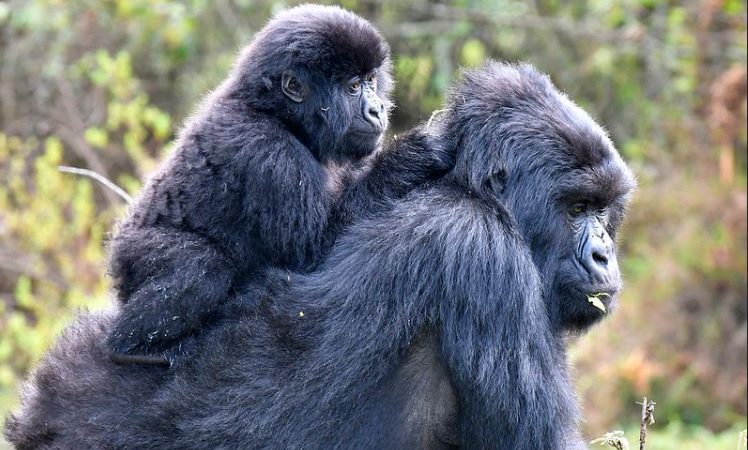
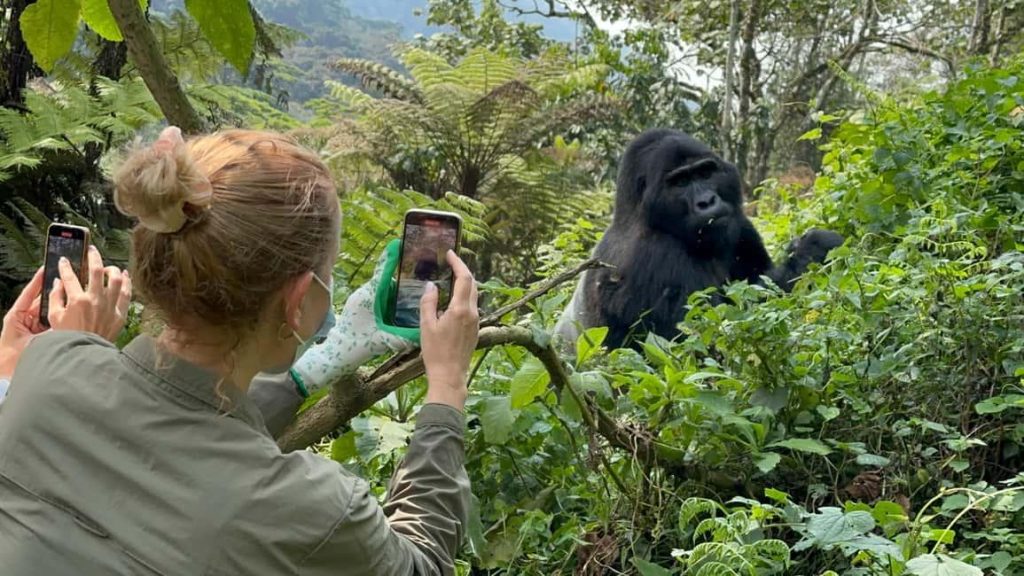
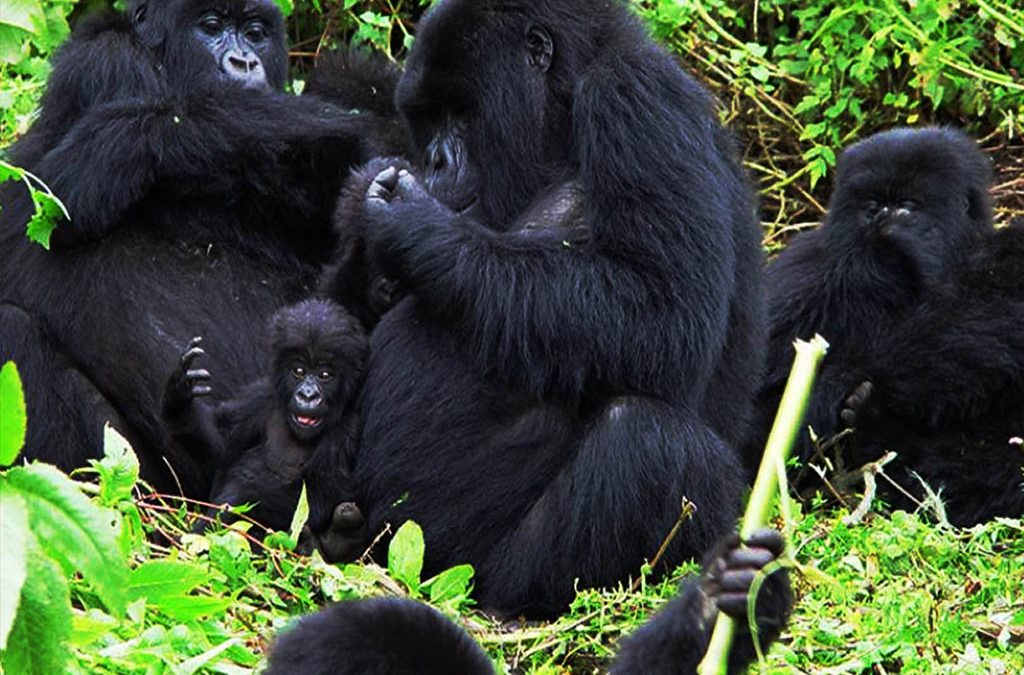
Gorilla trekking is a thrilling wildlife activity that involves hiking through dense forests in search of endangered mountain gorillas in their natural habitat. It is available to visitors aged 15 and above. It typically takes place in the misty rainforests of Uganda, Rwanda, and the Democratic Republic of Congo. Once visitors locate a gorilla family, they spend one unforgettable hour observing and photographing these incredible primates. They also witness how they go about their daily lives. The experience offers a rare and intimate glimpse into the behavior and social structure of one of humanity’s closest relatives.
Where to Trek Mountain Gorillas From
Mountain gorilla trekking is available in only three countries in the world. These are: Uganda, Rwanda, and the Democratic Republic of the Congo. In Uganda, you can trek mountain gorillas in Bwindi Impenetrable Forest National Park and Mgahinga Gorilla National Park. Both parks are in the southwestern part of the country. Rwanda offers gorilla trekking in Volcanoes National Park, in the Virunga Mountains in the north. In the Democratic Republic of the Congo, gorilla trekking takes place in Virunga National Park. The park is one of Africa’s oldest and most biologically diverse protected areas. Each of these destinations offers a unique setting and experience while providing a chance to see these majestic primates in their natural habitat.
How Much Is a Gorilla Trekking Permit?
The cost of a gorilla trekking permit is one of the things you need to know about gorilla trekking. The price of seeing gorillas varies by country and experience. In Uganda, a gorilla permit costs $800 for foreign non-residents and $700 for foreign residents. The permit also costs $500 for African citizens and UGX 300,000 for East African citizens. In Uganda, you can also partake in the gorilla habituation experience. This activity aims to help semi-habituated gorillas get used to human presence. The gorilla habituation permit costs $1500 for foreign non-residents and 1000 for foreign residents. It also costs $1000 for the rest of the African citizens and Ugx750,000 for East African citizens.
In Rwanda, the permit costs $1500 for foreign non-residents and 1000 for foreign residents. It also costs $1000 for the rest of the African citizens and $250 for East African citizens. Meanwhile, in the Democratic Republic of the Congo, gorilla trekking is the most affordable, with permits costing $400. These fees contribute directly to gorilla conservation efforts and support the local communities surrounding the parks.
When Can I Book a Gorilla Trekking Permit?
Visitors should ideally book Gorilla trekking permits for Bwindi Impenetrable Forest National Park, Mgahinga Gorilla National Park, Volcanoes National Park, and Virunga National Park 3 to 6 months in advance. These permits are highly on demand, particularly during the peak seasons. These run from June to September and December to February. Therefore, they tend to sell out quickly. Early booking ensures you secure your spot for this once-in-a-lifetime wildlife encounter.
Where Can I Purchase a Gorilla Trekking Permit?
You can obtain a gorilla trekking permit through various official channels depending on the destination. In Uganda, permits are issued by the Uganda Wildlife Authority (UWA) in Kampala. You should, however, book through a registered tour operator like Safari Vacations and Travel Services. In Rwanda, you can acquire them from the Rwanda Development Board (RDB). For treks in the Democratic Republic of Congo, permits are available from the Virunga tourism office near the Goma border.
For convenience and ease of planning, you can secure your permit through a reputable tour operator such as Safari Vacations and Travel Services. Simply provide your travel date, month, and year for the trek. We’ll assist in arranging the permit along with any additional logistics for your safari experience.
How Many People Are Allowed to Trek the Gorillas?
What You Need to Know About Gorilla Trekking- The number of people that visit a gorilla family. A maximum of 8 visitors can trek each gorilla family in Africa per day. This rule applies across all gorilla trekking destinations, including Bwindi Impenetrable Forest National Park, Mgahinga Gorilla National Park in Uganda, Volcanoes National Park in Rwanda, as well as Virunga National Park and Kahuzi-Biega National Park in the Democratic Republic of Congo.
This limited group size helps minimize disturbance to the gorillas, reduces the risk of disease transmission, and allows for a more intimate and rewarding experience. It also ensures visitors have more opportunities to take photographs, ask questions, and fully engage with their guides during the trek.
How Much Time Can I Spend with the Gorillas?
What You Need to Know About Gorilla Trekking- the amount of time to stay with the gorillas. Visitors can only spend a maximum of one hour with the gorillas after locating them in the forest. This one-hour time limit applies at all gorilla trekking destinations — including Uganda, Rwanda, and the Democratic Republic of Congo.
During this hour, you’ll have the chance to observe the gorillas’ behavior and ask your guide questions. You can also take photographs (without using flash) and soak in the incredible experience of being close to one of the world’s most endangered primates. This time limit is strictly enforced to minimize stress on the gorillas and to support ongoing conservation efforts.
However, Uganda offers a more immersive experience, the gorilla habituation experience. This experience allows visitors to spend four hours in the presence of the mountain gorillas in Bwindi Impenetrable National Park.
What Is the Minimum Age for Gorilla Trekking?
What You Need to Know About Gorilla Trekking- the age limit for gorilla tracking. The minimum age for gorilla trekking in Uganda, Rwanda, and DR Congo is 15 years old.
This age limit is there to ensure the safety of both the visitors and the gorillas. This is because younger children may find the trek physically demanding. They may also not respond appropriately in the presence of wild animals. Additionally, this regulation helps minimize risks such as the transmission of human diseases to the gorillas, who are highly susceptible to infections.
How Long Does Gorilla Trekking Take?
What You Need to Know About Gorilla Trekking- the length of a gorilla trek. Gorilla trekking typically lasts between 2 to 7 hours, depending on where the gorilla family spent the last night. This includes the time spent hiking through the forest in Bwindi Impenetrable Forest National Park, Mgahinga Gorilla National Park, Volcanoes National Park, Virunga National Park, or Kahuzi Biega National Park, as well as the one hour allocated for observing the gorillas once they are found.
How Close Can I Get to the Mountain Gorillas?
Trekkers should maintain a distance of 7 meters (approximately 21 feet) from the gorillas to minimize stress and the risk of disease transmission. However, since gorillas are wild and curious animals, they may sometimes approach you. Even if this happens, touching them is strictly prohibited as they are highly vulnerable to human illnesses. Maintaining this distance helps ensure both your safety and the gorillas’ well-being.
Are the Gorillas Dangerous?
Gorillas are generally not dangerous animals and are known for their gentle nature. However, they should be treated with respect and caution. If they feel threatened or cornered, gorillas may display warning signs such as pounding their chests, grunting, or roaring. These are clear signals that you should step back calmly and slowly. Always follow the guidance of your guide to ensure a safe and respectful encounter with the gorillas.
When is the Best Time to Trek Gorillas?
Gorilla trekking can be done year-round, but the best months are from June to August and December to February, during the dry season. These months offer more favorable conditions for trekking as the roads to the national parks remain passable, and the trekking trails are dry. This makes the trek smoother and more enjoyable compared to the rainy season when the trails can be muddy and slippery. Additionally, the dry season brings shorter grass in the jungle, making it easier to spot the gorillas and capture clearer photographs.
Can Disabled People Trek Mountain Gorillas?
Yes, individuals with disabilities can trek gorillas in Uganda’s Bwindi Impenetrable Forest National Park and Mgahinga Gorilla National Park. These parks offer special provisions where disabled visitors can be transported to the gorilla habitats using stretcher beds carried by porters, ensuring they can still enjoy the experience of seeing mountain gorillas in their natural environment.
Where to Stay During a Gorilla Trekking Safari?
When planning a gorilla trekking safari, one of the most frequently asked questions is about where to stay. There are a variety of accommodation options available within and around gorilla trekking sites, offering choices for all budgets. Depending on your preference, you can find luxury, midrange, and budget hotels, lodges, and camps.
These accommodations often feature comfortable rooms, laundry facilities, room service, free Wi-Fi, swimming pools, well-stocked bars, and a selection of both traditional and international cuisine. Many lodges also offer relaxing gardens, ensuring that visitors can unwind after their trek in a peaceful and scenic environment. Whether you’re seeking a more luxurious experience or a more affordable stay, there are plenty of options to make your visit to the gorillas comfortable and memorable.
What to Pack for a Gorilla Trekking Safari?
- Hiking Shoes: Comfortable shoes are crucial for mobility, as the terrain is often damp and uneven in the forest.
- Garden Gloves: These will protect your hands from thorns and bacteria while navigating the forest’s vegetation for support.
- Long-Sleeved Shirt and Pants: Long sleeves and pants will keep you warm and protect your body from prickly plants and trees.
- Insect Repellent: Forests are home to many insects, including mosquitoes and tsetse flies, so a good repellent is essential.
- Energy Snacks: Pack water, packed meals, and biscuits to keep your energy up during the unpredictable trek, which can last from 2 to 6 hours or longer.
- Camera: A camera is essential for capturing the unforgettable moments and photographs of the gorillas.
- Binoculars: Binoculars are great for birdwatching, as all gorilla trekking locations are also known for birdlife.
- Backpack: A small, sturdy backpack is ideal for carrying your essentials like snacks, a camera, and repellent.
- Waterproof Rain Jacket: The weather can change quickly, so a waterproof jacket will keep you dry if it rains during the trek.
Packing these items ensures you’ll be well-prepared for a memorable and comfortable gorilla trekking experience!.
Rules and Regulations for Gorilla Trekking
- Leave No Trace: Carry all your belongings back with you; do not leave any trash in the forest.
- Stay Quiet and Stay Together: Keep your voices low and stay with your group to avoid getting lost in the bush.
- No Smoking, Eating, or Drinking Near Gorillas: Avoid smoking, eating, or drinking near gorillas as food particles may fall and increase the risk of disease transmission.
- Respect the Gorillas: Do not provoke or frighten the gorillas, as they are wild animals.
- Use Low Flash Cameras: When photographing, use cameras with minimal or no flash to avoid disturbing the gorillas.
- Follow the Guide’s Instructions in Case of a Charge: If a gorilla charges, follow the guide’s advice: do not stare into its eyes, do not attempt to run, crouch down gently, and move away slowly.
- Maintain a Safe Distance: Keep at least a 7-meter (21 feet) distance from the gorillas to prevent transmission of human diseases.
- Health Consideration: If you are unwell, you must stay at home, and your permit fee will be refunded, as gorillas are susceptible to human infections.
- Using the Restroom in the Forest: If necessary, the guide will dig a 30 cm deep hole for you and cover it afterward to maintain hygiene.
These rules are essential to ensuring a safe and responsible gorilla trekking experience for both you and the gorillas.
Other Activities to Do Before or After Gorilla Tracking
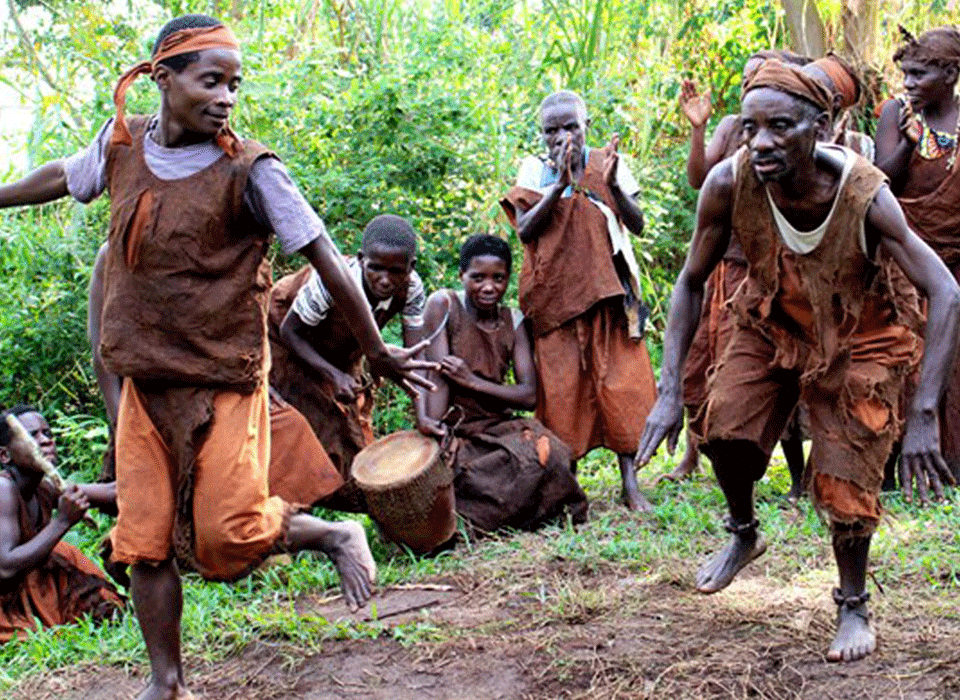
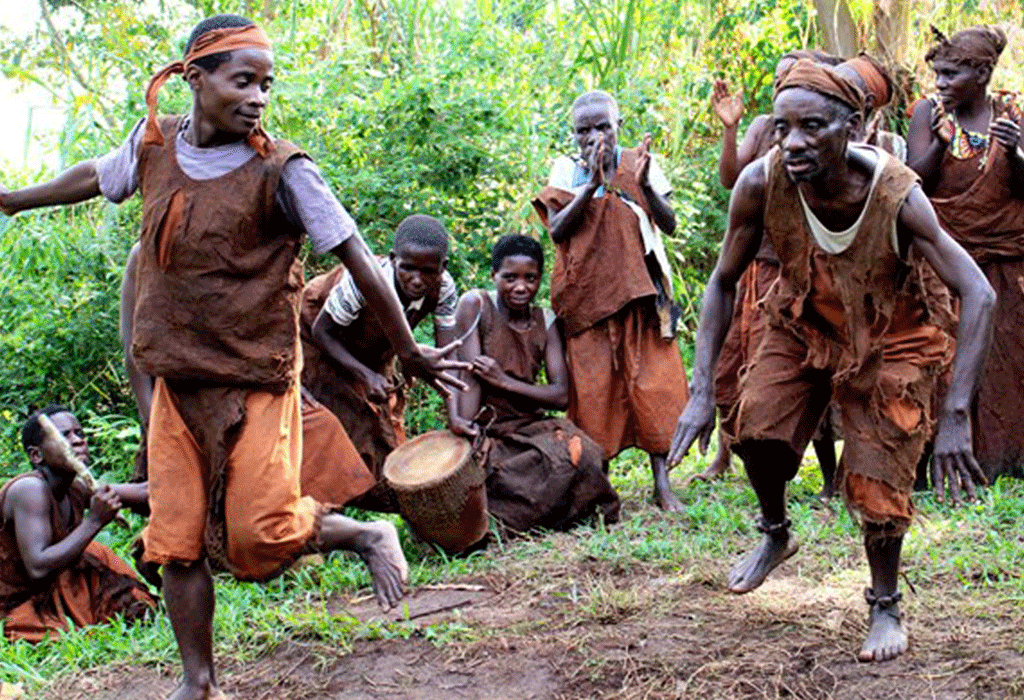
Apart from gorilla trekking, there are numerous other activities you can enjoy in the various national parks. In Bwindi Impenetrable Forest National Park, you can engage in bird watching, nature walks, and the Batwa Trail experience. In Mgahinga Gorilla National Park, activities such as golden monkey trekking, mountain climbing, bird watching, nature walks, and the Batwa Trail are available. Volcanoes National Park offers opportunities for Musanze caves exploration, golden monkey trekking, and visiting the Ibyi’wacu cultural village.
In Virunga National Park in the Democratic Republic of Congo, you can take part in chimpanzee trekking, nature walks, landscape viewing, and Nyiragongo hiking. Kahuzi Biega National Park also offers nature walks, mountain climbing, and bird watching. Additionally, you can visit the Lwiro Rehabilitation Centre in DR Congo to learn about wildlife rehabilitation efforts.
These extra activities provide even more ways to enrich your safari experience, ensuring a thrilling and memorable adventure.
Conclusion
For more details on gorilla trekking and other activities, feel free to contact us at Safari Vacations and Travel Services. Our expert tour advisors are available to assist you via email, phone calls, or by browsing the informative blogs on our website.