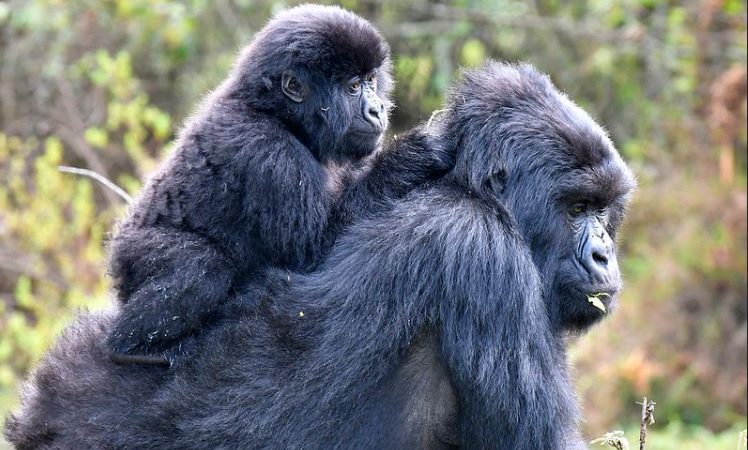
What to Expect on a Gorilla Trek

What to Expect on a Gorilla Trek: A Comprehensive Guide to Gorilla Trekking
Introduction to Gorilla Trekking
Gorilla trekking is often the highlight of any safari, but there are some basic things to know about what to expect on a gorilla trek. In this blog, you’ll find out what gorilla trekking is and how to book your trek, how to prepare for your gorilla trek, what to take with you on the trek, what happens on the trek, how much time you’ll get with the gorillas once you find them, and what you can expect it to be like.
Gorilla trekking is the highlight of Ugandan, DR Congo, and Rwandan safaris. Every visitor to the area should take the time to visit these gentle giants, and lucky for us, we had the opportunity to do just that. During the main rainy season, we visited the gorillas in Uganda and Rwanda in November. To date, this has been our absolute favorite wildlife encounter, so is there anything you should know about before heading out on your gorilla trek?
Importance of Gorilla Conservation
Gorilla trekking tourism has naturally contributed to the survival of the critically endangered mountain gorillas in Bwindi Impenetrable National Park and Mgahinga Gorilla National Park in southwestern Uganda. These gorillas are not inhabitants of the zoo. They have had no base camps and do not seem to thrive well in captivity.
Efforts to breed them have often come to a dead end even though several have been captured for that purpose. Their breeding may only thrive in the wilderness environment of the national park, far away from traps and without the potential destruction of human interference. Close monitoring and conservation activities, like the creation of strategic buffer zones, precise census data, the continued investment in the welfare of local communities along with anti-poaching treks, have enabled the mountain gorillas to exceed the limit of 1063 individuals and continue the very trend of increasing their number.
The miracle of the recovery of the mountain gorilla population sets Uganda apart as the very emblem of all primates over the planet and as one of the critically endangered species on earth. Their largest world population is found in Uganda. Known as the gentle giant of the forest, mountain gorillas are the largest primate and the most appealing. Gorilla trekking in Uganda is an unforgettable experience that every lucky person should be able to experience in their lives with the hope of ensuring the existence of these beast-like and yet very gentle creatures in the same family tree as humans. It may be the friend whom we may share and closely follow in the wilderness.
Choosing a Gorilla Trekking Destination
When planning a gorilla trekking adventure, selecting the right destination is crucial. The most popular countries for gorilla trekking are Uganda, Rwanda, and the Democratic Republic of Congo. Each destination offers unique experiences, landscapes, and opportunities to observe gorillas in their natural habitats.
Uganda is home to Bwindi Impenetrable National Park and Mgahinga Gorilla National Park, where visitors can find over half of the world’s remaining mountain gorillas. Bwindi, in particular, is renowned for its rich biodiversity and stunning scenery.
Rwanda’s Volcanoes National Park is another premier destination, famous for its well-established trekking infrastructure and conservation efforts. The park offers breathtaking views of the Virunga Mountains and a chance to see the majestic silverbacks.
The Democratic Republic of Congo, particularly Virunga National Park, provides a more adventurous experience, with fewer tourists and the opportunity to explore diverse ecosystems. However, travelers should consider safety advisories when choosing this destination.
Ultimately, the choice of destination will depend on personal preferences regarding accessibility, level of adventure, and the type of experience desired. Each location promises an unforgettable encounter with one of nature’s most incredible creatures.
Popular Gorilla Trekking Countries
The most sought-after countries for gorilla trekking are Uganda, Rwanda, and the Democratic Republic of Congo.
- Uganda: Known for its rich biodiversity, Uganda offers two key parks for gorilla trekking: Bwindi Impenetrable National Park and Mgahinga Gorilla National Park. Bwindi is particularly famous for its dense forests and the variety of gorilla families available for trekking. With over 400 mountain gorillas, it provides a unique opportunity to see these animals in their natural habitat.
- Rwanda: Home to Volcanoes National Park, Rwanda is celebrated for its stunning landscapes and well-organized trekking experiences. The park is part of the Virunga Mountain range and offers a chance to see the famous Susa group, known for its large silverback. Rwanda’s commitment to conservation and community involvement makes it a popular choice for eco-conscious travelers.
- Democratic Republic of Congo: Virunga National Park is the oldest national park in Africa and offers a more rugged and adventurous trekking experience. With fewer tourists, it allows for a more intimate encounter with the gorillas. However, travelers should stay informed about safety conditions, as the region has faced political instability.
Each of these countries provides a unique experience, and the choice often depends on personal preferences regarding accessibility, conservation efforts, and the overall trekking experience.
Preparation and Planning
Preparation is key to a successful gorilla trekking experience. Start by securing your trekking permit well in advance, as these are limited and in high demand. Depending on the country, permits can range from $700 to $1,500, and booking early ensures you get the desired dates.
Next, consider the best time to trek. The dry seasons, typically from December to February and June to August, are ideal for trekking due to easier hiking conditions. However, the rainy seasons can also offer unique experiences, such as fewer tourists and lush landscapes.
Packing the right gear is crucial. Essential items include sturdy hiking boots, moisture-wicking clothing, a rain jacket, and a hat for sun protection. A good camera is also essential for capturing the unforgettable moments with the gorillas. Additionally, a small backpack for water, snacks, and personal items will make your trek more comfortable.
Health precautions are vital. Ensure you are up-to-date on vaccinations and consider taking malaria prophylaxis. A basic first aid kit, insect repellent, and sunscreen will also be useful during your trek. Lastly, travel insurance is highly recommended to cover any unforeseen circumstances during your adventure.
Physical Fitness and Health Requirements
Gorilla trekking can be physically demanding, requiring a reasonable level of fitness. Trekkers should prepare for varying terrain, which includes steep slopes, muddy paths, and dense vegetation. Regular cardiovascular exercises, such as hiking, jogging, or cycling, can help build stamina and endurance.
Health requirements are also critical for both the trekkers and the gorillas. Before embarking on a trek, health screenings are conducted to prevent the transmission of diseases. Visitors may undergo temperature checks, and those showing signs of illness may be restricted from trekking. It is essential to disclose any health concerns during the screening process.
Vaccinations are another important consideration. Commonly recommended vaccinations include yellow fever, hepatitis A and B, typhoid, and tetanus. Consult with a healthcare provider at least six weeks before your trip to ensure you are adequately protected.
In addition to physical fitness and vaccinations, trekkers should be mindful of altitude considerations, as some trekking routes may involve elevation changes. Those with pre-existing medical conditions should consult their healthcare provider for personalized advice.
The Gorilla Trekking Experience
The gorilla trekking experience begins early in the morning with a briefing at the park headquarters. Here, experienced guides provide essential information about gorilla behavior, safety guidelines, and what to expect during the trek. This briefing sets the tone for the adventure ahead and ensures that trekkers are well-prepared.
Once the briefing is complete, groups are formed, and the trek begins. The duration and difficulty of the trek can vary significantly, depending on the location of the gorilla family. Trekkers may find themselves hiking for anywhere from 30 minutes to several hours through dense forests and rugged terrain. The excitement builds as the guides use their expertise to track the gorillas, often listening for their vocalizations or following fresh signs of their presence.
Upon reaching the gorillas, visitors are granted one hour to observe these incredible creatures. This hour is a magical experience, allowing trekkers to witness gorilla interactions, such as grooming, feeding, and playing. The opportunity to see a silverback in its natural habitat is awe-inspiring and often leaves a lasting impression on visitors.
Throughout the trek, trekkers are encouraged to respect the gorillas’ space and follow the guidelines set by the park authorities. This ensures a safe and enjoyable experience for both the animals and the visitors.
Guided Hikes in the Jungle
Guided hikes are an integral part of the gorilla trekking experience, providing trekkers with the knowledge and expertise of experienced guides. These guides are not only trained in navigating the dense jungles but also possess extensive knowledge about gorilla behavior, ecology, and the surrounding environment. Their expertise enhances the trekking experience, allowing visitors to gain a deeper understanding of the ecosystem.
During the hike, guides lead trekkers through various terrains, including steep slopes, muddy paths, and thick vegetation. They ensure that the group stays on designated trails, minimizing the impact on the environment and reducing disturbances to wildlife. Guides also share fascinating insights about the flora and fauna encountered along the way, enriching the overall experience.
Safety is a top priority during guided hikes. Guides are trained in first aid and are equipped to handle any emergencies that may arise. They also monitor the group’s health and fitness levels, ensuring that everyone is comfortable and able to continue the trek.
Additionally, guided hikes promote responsible tourism practices. By following the guidelines set by park authorities and respecting the natural environment, trekkers contribute to the conservation of gorillas and their habitats. This collaborative approach fosters a sense of stewardship among visitors, encouraging them to appreciate and protect the natural world.
Interacting with Gorillas
Interacting with gorillas during a trek is a profound experience that leaves a lasting impact on visitors. Once trekkers reach the gorilla family, they are given a unique opportunity to observe these magnificent creatures in their natural habitat. This encounter allows visitors to witness the intricate social dynamics within gorilla groups, including grooming behaviors, playful interactions among juveniles, and the protective nature of silverbacks.
While the experience is exhilarating, it is essential to adhere to strict guidelines to ensure the safety and well-being of both the gorillas and the trekkers. Visitors are required to maintain a safe distance of at least 7 meters (about 23 feet) to minimize the risk of disease transmission. Direct eye contact should be avoided, as it can be perceived as a challenge or threat.
Photography is encouraged, but trekkers must be mindful of their movements and avoid using flash, which can startle the gorillas. The guides will provide instructions on when it is safe to take photos and how to behave during the encounter.
The interaction with gorillas is not just about observation; it fosters a deep connection between humans and wildlife. This experience often inspires a commitment to conservation efforts, as visitors leave with a greater appreciation for these endangered animals and the challenges they face in the wild.
Gorilla Behavior and Etiquette
Understanding gorilla behavior and etiquette is crucial for a successful and respectful trekking experience. Gorillas are social animals that live in family groups, typically led by a dominant silverback. Observing their interactions provides insight into their complex social structures, including grooming, feeding, and play behaviors. When encountering gorillas, trekkers should follow specific etiquette to ensure the safety of both the animals and themselves. This includes maintaining a safe distance, avoiding direct eye contact, and refraining from making loud noises or sudden movements. If a gorilla approaches, trekkers should crouch down to appear smaller and less threatening.
It is essential to avoid feeding or attempting to touch the gorillas, as human contact can transmit diseases and cause stress to the animals. Additionally, trekkers should refrain from surrounding the gorillas, allowing them space to move freely and comfortably.
Following the guidance of experienced park rangers is vital. These professionals are trained to manage interactions with gorillas and ensure that visitors adhere to the established rules. By respecting gorilla behavior and practicing proper etiquette, trekkers contribute to the conservation of these magnificent creatures and their habitats.
In conclusion, gorilla trekking is a transformative experience that requires preparation, respect for wildlife, and adherence to conservation principles. By understanding what to expect and following the guidelines, visitors can enjoy a safe and memorable encounter with one of nature’s most incredible species.