
How to visit Rwanda on a Budget Safari

Rwanda on a Budget: 11 Smart Safari Secrets for an Amazing Trip
Rwanda on a budget is realistic when you separate fixed wildlife fees from the parts of the trip you can control. The country is often marketed through premium lodges and private vehicles, yet independent-minded travelers can still build a rewarding route by sharing transport, choosing simple guesthouses, eating locally, limiting unnecessary transfers and deciding carefully which paid wildlife experiences deserve the largest share of the trip fund. This guide is designed for tourists who want gorillas, savannah wildlife, rainforest, Kigali and Lake Kivu without paying for luxury they do not need. Pairing Nyungwe and Lake Kivu can soften a forest-heavy itinerary with a slower lakeside finish and reduce the temptation to add another distant park. Nyungwe chimpanzee trekking is most worthwhile when the forest experience itself is a priority rather than an activity added simply to fill a day. A Lake Kivu fishermen experience can add local character to a relaxed stay without turning the lakeside portion into another rushed sightseeing checklist. Kigali museums and cultural stops are easy to fit around arrival or departure times, which can make otherwise unused hours more rewarding.
The central planning question is not whether Rwanda is a cheap destination. It is how to make Rwanda safari costs work for your priorities. A Rwanda budget safari becomes much easier to price when you know which costs are fixed, which are shared, and which can be replaced by lower-cost alternatives. For many visitors, the single largest decision is whether to include gorillas; after that, accommodation level, private versus shared transport and the number of national parks shape the total.
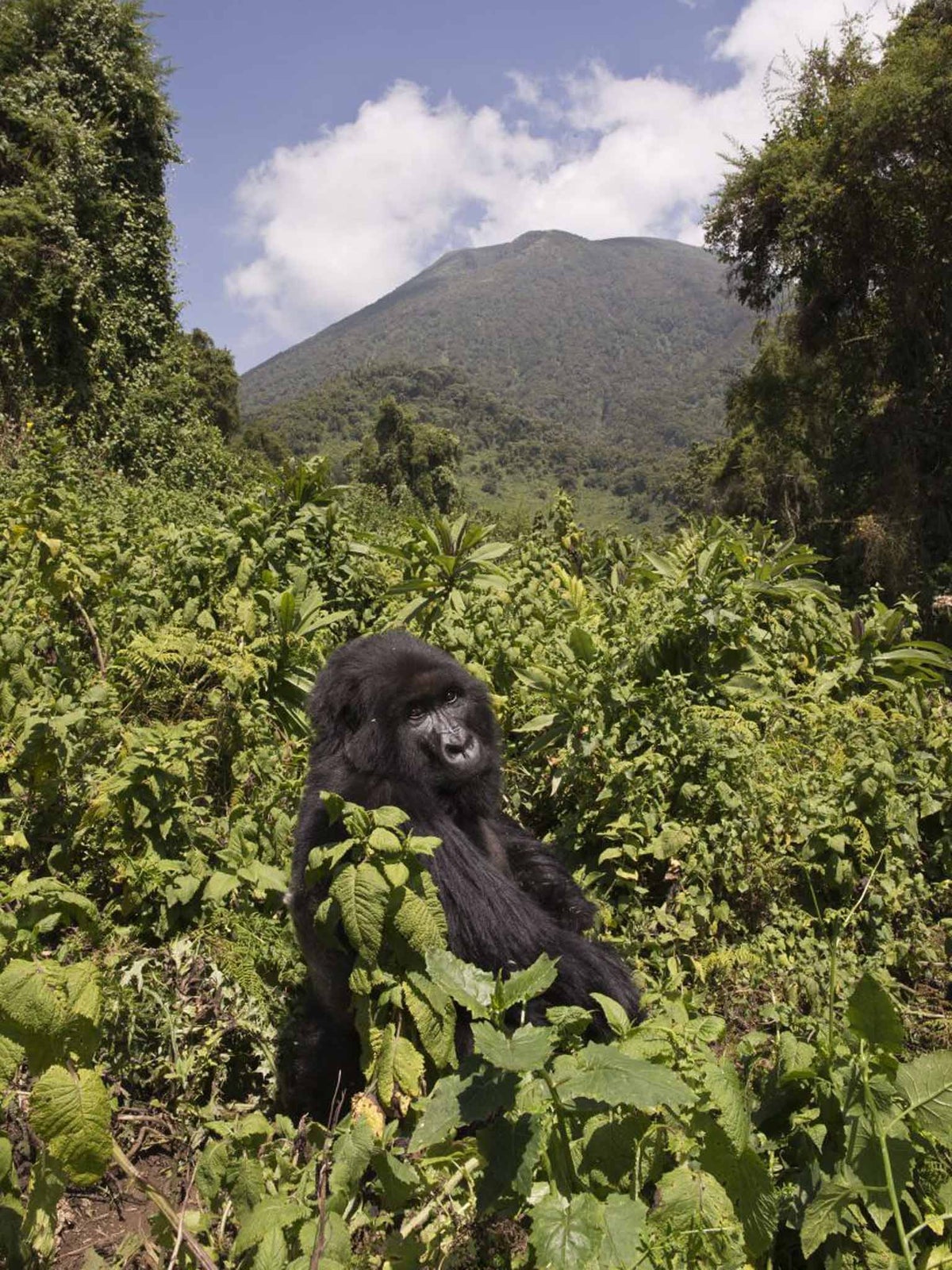
Can You Really Visit Rwanda on a Budget?
Yes, but the phrase needs a realistic definition. To visit rwanda on a budget does not mean every day is inexpensive. Current search results consistently show that a standard international gorilla permit is the dominant fixed expense in a gorilla-focused trip, while trips without gorillas can be built much more cheaply. That makes budget gorilla trekking less about finding a discounted permit and more about reducing lodging, transport and add-on costs around a fixed headline activity. A one-day gorilla trek can work for travelers with very limited time, but it creates a tighter schedule and leaves less room for delays. one-day Rwanda gorilla trekking
A sensible Rwanda budget safari therefore starts with priorities. If gorillas are non-negotiable, protect that money first and simplify the surrounding days. If gorillas are optional, Akagera National Park can deliver Big Five-style game viewing, while Nyungwe offers forest hiking and primate activities at different price points. Kigali and Lake Kivu add flexible days where spending can be controlled more easily. This mix is why Rwanda on a budget works best as a planning method rather than a promise of rock-bottom prices. Combining gorillas with Akagera wildlife can make sense when both primates and classic game viewing are priorities, especially when transfers are planned as one continuous route. gorillas and Akagera wildlife If you have more than a game drive in mind, compare the things to do in Akagera before deciding how much time the park deserves.
What “budget” means in Rwanda
Budget travelers should think in tiers. The first tier is fixed or semi-fixed: permits, park entry and certain guided activities. The second is shareable: vehicle, driver-guide and some transfers. The third is flexible: lodging, meals, nightlife, souvenirs and optional activities. When you calculate Rwanda safari cost, mark every item by tier. That simple exercise shows where negotiation and substitution can actually matter, and it prevents wasting time hunting for discounts on regulated fees.
Rwanda Safari Cost: Build the Budget Before the Itinerary
The most useful way to estimate Rwanda safari cost is line by line. Start with international flights, then add permits and park fees, transport, accommodation, food, tips, insurance, visas if applicable, and a contingency. Search results for 2026 budget travel show a wide spread because some published totals include gorillas and others do not. For Rwanda on a budget, compare like with like: a five-day wildlife route without gorillas cannot be fairly compared with a three-day gorilla trip whose permit alone represents a major share of the total.
Use Rwanda travel guide for broader destination planning, but keep your own spreadsheet simple. Write a “must pay” column and a “can change” column. A Rwanda budget safari improves quickly when two travelers split a vehicle, when a guesthouse replaces a premium lodge, or when one long private transfer is replaced by a scheduled or shared option. Conversely, squeezing food or skipping a porter may save little compared with the comfort or local benefit you lose.
| Budget line | Flexibility | Best saving tactic |
|---|---|---|
| Gorilla permit | Low | Decide early whether it earns a place in your trip |
| Vehicle & guide | Medium | Share with compatible travelers |
| Accommodation | High | Choose clean guesthouses outside premium properties |
| Meals | High | Mix lodge meals with local restaurants |
Want a Costed Route, Not a Vague Package?
Share your dates, group size, must-see wildlife and approximate total budget. A route can then be built around the experiences you value most.
Ask for a Budget Safari Plan →
Email: info@ugandarwanda-safaris.com
Budget Gorilla Trekking: The Big Decision
For many first-time visitors, budget gorilla trekking is the hardest part of the plan because the permit is substantial. The practical strategy is to treat the trek as the trip’s premium day rather than trying to make every component premium. Stay in a comfortable but simple property, avoid unnecessary private extras, pack correctly, and arrive near the park with enough time to protect the trek from transport delays. Read the project guide to gorilla trekking in Rwanda and confirm permit conditions before paying non-refundable travel costs.
If you are pursuing Rwanda on a budget, do not assume a luxury lodge improves the gorilla encounter itself. The forest, ranger system and habituated gorilla group are the core experience. Your room affects comfort before and after the trek, but the wildlife encounter is not sold in hotel tiers. That is the logic behind budget gorilla trekking safaris: spend where access is scarce, save where comfort is optional.
How to reduce the trip cost around the gorilla permit
Choose accommodation for location and cleanliness rather than brand prestige. Compare a shared transfer from Kigali with a private vehicle. Travel with a companion if that allows vehicle costs to be split. Carry the clothing recommended in what to wear on a gorilla trek so you are not buying emergency gear near the park. Understand gorilla trekking rules before trekking, and budget for a porter if you want physical support; that is usually a better place to spend than decorative upgrades at a lodge. These choices make budget gorilla trekking more coherent without pretending the permit itself is a bargain.

Akagera Safari on a Budget: Rwanda’s Savannah Value
An Akagera safari is the natural answer for travelers who want elephants, giraffes, buffalo, zebra, antelope, predators and wetland scenery in the same country as the gorillas. For Rwanda on a budget, Akagera is especially useful because a group can divide vehicle and guide costs. The park can be visited as a long day from Kigali, but an overnight stay can create better wildlife hours and reduce the feeling that the day is dominated by driving. Compare affordable Akagera safaris with longer private options before deciding.
The cheapest-looking Akagera safari is not always the best value. A rushed day can mean early departure, long road hours and less time in productive wildlife areas. A two-day plan may cost more in lodging but can provide a calmer game drive, an optional boat experience and more useful dawn or late-afternoon viewing. Travelers building a Rwanda budget safari should calculate cost per meaningful safari hour, not only cost per calendar day.
Share the vehicle, not your priorities
Group travel is one of the strongest savings tools in Rwanda, but only when interests align. A birder who wants to stop for every kingfisher may frustrate travelers chasing big cats, while photographers often want longer at sightings. Before joining two-day Akagera safari, ask about group size, seating, departure time, route and whether a boat trip is included. Good matching can make an Akagera safari both affordable and enjoyable.

Kigali on a Budget: Use the Capital as a Smart Hub
Kigali is more than an arrival point. It is the best place to organize SIM cards, cash, laundry, local meals and onward transport, and it can absorb a flexible day between expensive park sectors. Travelers doing Rwanda on a budget can use Kigali to slow the pace instead of paying for a vehicle and lodge inside a park every day. The city also gives cultural and historical context that a wildlife-only itinerary misses.
Arriving through Kigali International Airport makes a hub-and-spoke plan possible. Rather than keeping a private safari vehicle for the entire trip, you can arrange transport only for the sectors that need it. Walkable neighborhoods, local restaurants and a focused Kigali city tour can fill time without the daily burn rate of a full safari. This is a major reason a Rwanda budget safari should include at least one strategically simple city night.

Nyungwe on a Budget: Forest Time Without Luxury Excess
Nyungwe Forest National Park adds a very different landscape: montane rainforest, primates, birdlife and hiking. It also adds distance, so transport planning matters. For Rwanda on a budget, Nyungwe makes most sense when you genuinely value forest activities rather than adding it simply to collect another national park. Choose one or two priority experiences, stay in practical accommodation, and avoid paying for a long transfer only to spend too little time in the forest.
The Nyungwe canopy walk is a recognizable option, while chimpanzee trekking appeals to travelers who want another great-ape experience. Compare the emotional value of each activity against your remaining budget. A Rwanda budget safari does not need every famous attraction. It needs a clear hierarchy: one premium experience, several strong-value experiences, and enough unstructured time that transport does not consume the holiday.
Gorillas or chimpanzees when money is tight?
The choice is personal. Gorilla trekking is the iconic Rwanda experience for many travelers, while chimpanzee trekking is typically a different style of encounter with faster-moving, more vocal primates. Read the comparison of gorilla versus chimpanzee trekking and decide which story you want to take home. When Rwanda safari cost is under pressure, choosing one major primate trek can be wiser than booking both and then cutting every other day too aggressively.
Lake Kivu: A Low-Pressure Finish for Rwanda on a Budget
After early starts and trekking, Lake Kivu can work as a slower finish. The budget advantage is flexibility: you can spend time walking, resting, eating locally and enjoying views without paying a park fee every day. For Rwanda on a budget, that matters because not every memorable day needs a formal wildlife activity. The lake also fits naturally between western Rwanda and the Volcanoes region depending on the route. Before adding another paid excursion, review the activities available around Volcanoes National Park and choose only those that genuinely improve the trip. Volcanoes National Park activities
Accommodation varies widely, so compare Lake Kivu hotels by location rather than assuming the most expensive waterfront room is necessary. A simple guesthouse within walking distance of restaurants can reduce taxi costs and give you more choice over meals. This is where a Rwanda budget safari can breathe: one relaxed day protects energy and money before the next transfer.

7-Day Rwanda Budget Safari Itinerary
A week is enough for a focused route if you resist the temptation to include every park. The following plan targets common search intent around a seven-day Rwanda budget safari and balances Kigali, gorillas, Akagera and Lake Kivu. It is deliberately modular: remove the gorilla trek for a much lower total, or replace Lake Kivu with Nyungwe if rainforest activities matter more.
Day 1: Arrive in Kigali
Use the arrival day for cash, SIM setup, a local meal and rest. Avoid paying for a full guided day when flight timing is uncertain.
Day 2: Kigali to Volcanoes region
Travel north, check in to a simple guesthouse and keep the afternoon light. Prepare gear and sleep early.
Day 3: Gorilla trek or golden monkeys
Use the premium day for gorillas, or choose a golden monkey experience if the permit does not fit your total.
Day 4: Lake Kivu
Transfer west for a slower afternoon. Keep paid activities optional and let the lake function as a recovery day.
Day 5: Return through Kigali
Break the route in Kigali, eat locally and prepare for the eastern safari sector.
Day 6: Akagera
Join a shared Akagera wildlife experience where possible. Stay overnight if the budget allows.
Day 7: Final game drive and departure
Use the morning for wildlife if flight timing permits, then return to Kigali with a realistic airport buffer.
Turn These 7 Days Into Your Own Route
Tell us whether gorillas, Akagera, Nyungwe, Kigali or Lake Kivu matter most and which costs you want to keep under control.
Email: info@ugandarwanda-safaris.com
How to Save on Transport Without Wasting Safari Time
Transport is one of the biggest adjustable parts of Rwanda safari cost. Rwanda is compact by regional standards, but a map can still hide slow mountain roads, park tracks and city traffic. A private vehicle offers convenience, yet paying for it on days when you are simply resting in Kigali or beside Lake Kivu can be unnecessary. For Rwanda on a budget, hire the right transport for each segment rather than one expensive solution for the entire holiday.
Shared safari departures are especially useful for solo travelers and couples. Public transport can work between major towns for confident independent travelers, but it does not replace a suitable safari vehicle inside wildlife areas or the logistics needed for very early activity starts. A good budget-minded Rwanda safari uses cheap transport where it is practical and professional transport where timing, terrain or park rules make it valuable.
Budget Accommodation: Where to Save and Where Location Matters
Accommodation is the easiest line to adjust after fixed fees. Guesthouses and modest hotels can make Rwanda on a budget substantially easier, especially in Kigali, Musanze and Lake Kivu towns. The key is to check what a lower room rate does to transport. A cheap property far from a trekking start, park gate or bus connection can create a taxi bill that erases the saving.
For a budget-minded Rwanda safari, prioritize clean bedding, secure storage, hot water where important to you, reliable breakfast before early starts and a location that reduces transfers. Spend more on a room only when it buys something operationally useful: proximity to a park, included meals in a remote area, a very early packed breakfast or a transfer that would otherwise be costly.
Food, Cash, Tipping and Small Costs That Add Up
Food is a flexible part of Rwanda safari cost. Local restaurants and casual cafés can keep everyday spending manageable, while remote lodges may bundle meals because there are few alternatives nearby. Before booking accommodation, ask whether breakfast and dinner are included and whether you can realistically walk to other food options. For Rwanda on a budget, a room that includes a substantial early breakfast can be better value than a cheaper room that forces you to buy food and transport separately.
Keep a small contingency for tips, porters, bottled or filtered water where needed, laundry, snacks and unexpected transfers. These are not glamorous lines, but they determine whether a budget-minded Rwanda safari feels controlled or constantly short of cash. Carry more than one payment method and confirm current payment practices with your operator or accommodation shortly before travel.
Best Time to Visit Rwanda on a Budget
The best month for Rwanda on a budget depends on what you are willing to trade. Drier periods can make trekking and road travel more comfortable, but demand can be stronger. Wetter periods can bring greener landscapes and potentially more availability, although trails may be muddier and some travelers prefer to avoid heavier rain. Use the guide to the best time to trek mountain gorillas as one input rather than assuming one season is perfect for every activity.
If your dates are flexible, compare room availability and package pricing across several weeks. Do not chase a small hotel discount if it forces you into expensive last-minute transport or poor flight timing. The smartest budget-minded Rwanda safari is usually built around the total trip, not the cheapest single component.
20 Search Questions This Guide Helps You Answer
Common Budget Mistakes to Avoid
The first mistake is trying to see too much. Every added park can create another transfer, another activity fee and another night positioned for logistics rather than enjoyment. The second is booking the cheapest room without checking location. The third is comparing packages with different inclusions. The fourth is leaving permits until late. The fifth is assuming that Rwanda on a budget means refusing every paid convenience, even when a porter, well-timed transfer or extra night protects a major experience.
The better approach is value engineering. Spend on scarce access, safety, good guiding and sensible timing. Save on room prestige, unnecessary private transfers, overpacked activity lists and expensive meals when good local alternatives exist. That balance makes Rwanda safari cost easier to control and keeps the trip enjoyable.
Responsible Budget Travel in Rwanda
Saving money should not mean pushing costs onto guides, porters or communities. Read the project guidance on responsible travel and treat fair tipping, park rules and community-hosted experiences as part of the travel budget. A lower-cost trip can still support conservation and local livelihoods when you use legitimate operators, respect protected-area rules and buy services directly from local businesses.
For Rwanda on a budget, responsible choices can also be practical choices: refill water where safe systems are provided, carry reusable gear, stay longer in fewer places and avoid unnecessary vehicle mileage. A well-paced budget-minded Rwanda safari can be both cheaper and lower-impact than a frantic itinerary that crosses the country repeatedly.
Frequently Asked Questions About Rwanda on a Budget
Is Rwanda a cheap safari destination?
Not in the sense of very low park and permit fees. However, Rwanda on a budget is achievable when you control lodging, transport and the number of premium activities.
Can I do a Rwanda safari without gorillas?
Yes. An Akagera safari, Kigali, Lake Kivu and selected Nyungwe activities can form a strong trip without the gorilla permit.
Is budget gorilla trekking really possible?
Budget gorilla trekking means keeping the surrounding trip simple while accepting the permit as the major fixed cost. Compare Volcanoes budget gorilla treks and simple accommodation rather than expecting a deeply discounted permit.
How many days are enough?
Five days can cover two main regions; seven days gives a more balanced budget-minded Rwanda safari; eight to ten days is better if you want all three major parks plus Lake Kivu.
Should I self-drive?
Self-drive can suit experienced travelers, but compare vehicle rental, insurance, navigation, park rules and guide value before assuming it will reduce Rwanda safari cost.
What should I book first?
Book scarce permits and date-sensitive wildlife experiences first. Then build transport and accommodation around them. This sequence is essential for Rwanda on a budget because it prevents costly itinerary changes.
Can solo travelers save money?
Yes. Shared departures are often the strongest tool for solo visitors because vehicle costs are difficult to absorb alone. Ask about group size and interests before joining.
Where should I spend more?
Spend where timing and access matter: permits, a reliable transfer before an early trek, competent guiding and accommodation in the right location. Save on prestige extras.
Ready to Plan Rwanda Around Your Real Budget?
Send your travel month, group size, must-see experiences and approximate budget. The goal is a practical route with clear trade-offs, not a generic luxury package.
Start My budget-minded Rwanda safari →
Email: info@ugandarwanda-safaris.com
Final Strategy: Spend on Access, Save on Everything Else
The best way to experience Rwanda on a budget is to decide what you would regret missing and fund that first. For one traveler that is a mountain gorilla encounter; for another it is two days of wildlife in Akagera; for another it is forest hiking, Kigali culture and a slow Lake Kivu finish. Once the anchor is clear, the rest of the route becomes easier to simplify.
A successful budget-minded Rwanda safari is not the trip with the lowest daily number. It is the trip that spends deliberately. Use shared transport when interests match, choose practical rooms, eat locally when convenient, avoid backtracking, leave breathing room between expensive activities and verify current fees before paying. With that discipline, Rwanda on a budget can still deliver the experiences that make the country exceptional without turning every night, meal and transfer into a premium purchase.
Booking sequence
Start with the date-sensitive experience, then confirm the town or park area for the night before it, then solve transport, and only then add flexible sightseeing. This order reduces expensive changes and keeps the itinerary understandable. Ask every supplier what is included, what is payable locally, and what happens if weather or transport delays affect the plan.
Group-size math
Two or four travelers can often divide vehicle and guide expenses more efficiently than a solo traveler. Before accepting a group departure, check whether everyone has a window or clear viewing position, how luggage is handled, and whether the daily schedule matches your interests. A low price is poor value if the group format prevents the wildlife experience you came for.
Packing to avoid surprise spending
Bring broken-in walking shoes, rain protection, sun protection, a reusable bottle, a small daypack, charging equipment and enough personal medication. Correct packing reduces last-minute purchases and helps you handle both cool highland mornings and warmer lowland afternoons. Keep valuables and essential documents in carry-on luggage when flying.
Insurance and contingency
Travel insurance is not a place to cut blindly. Read the policy for trekking, medical evacuation, cancellation and delays, and make sure the activities in your itinerary are covered. Keep a contingency reserve separate from your daily spending money so a missed connection or necessary transfer does not force you to cancel a priority experience.
Book direct versus package
Independent booking can expose each line item and give you control, while a local package can simplify permits, early starts and park logistics. Compare the same inclusions. A package that looks more expensive may include transfers, meals and fees that an independent estimate forgot. The useful comparison is the final trip total plus the amount of coordination you are comfortable handling yourself.
Photography and electronics
Wildlife photography can create hidden expenses through extra batteries, memory cards and charging needs. Bring what you already own rather than renting or buying specialized equipment unless photography is a major purpose of the trip. Binoculars often add more value than another camera accessory, especially for birds and distant wildlife.
Local time versus transfer time
A route should be judged by useful hours, not only kilometers. A cheaper hotel can be a false economy if it adds two taxi rides each day, and a cheaper transfer can be poor value if it consumes most of a day you could have spent in a park. Put estimated transfer hours beside every itinerary day before you book.



