Understanding Maasai Culture and Wildlife
Understanding Maasai Culture and Wildlife
In the heart of East Africa, where endless savannas stretch beneath infinite skies, a remarkable story of coexistence unfolds daily. The Maasai people have shared these lands with lions, elephants, zebras, and countless other species for over a millennium, creating one of the world’s most successful examples of human-wildlife coexistence. Yet today, this ancient partnership faces unprecedented challenges—and offers profound lessons for modern conservation.
The Living Heritage of East Africa
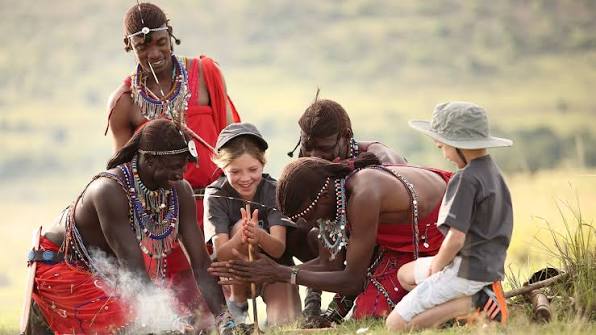
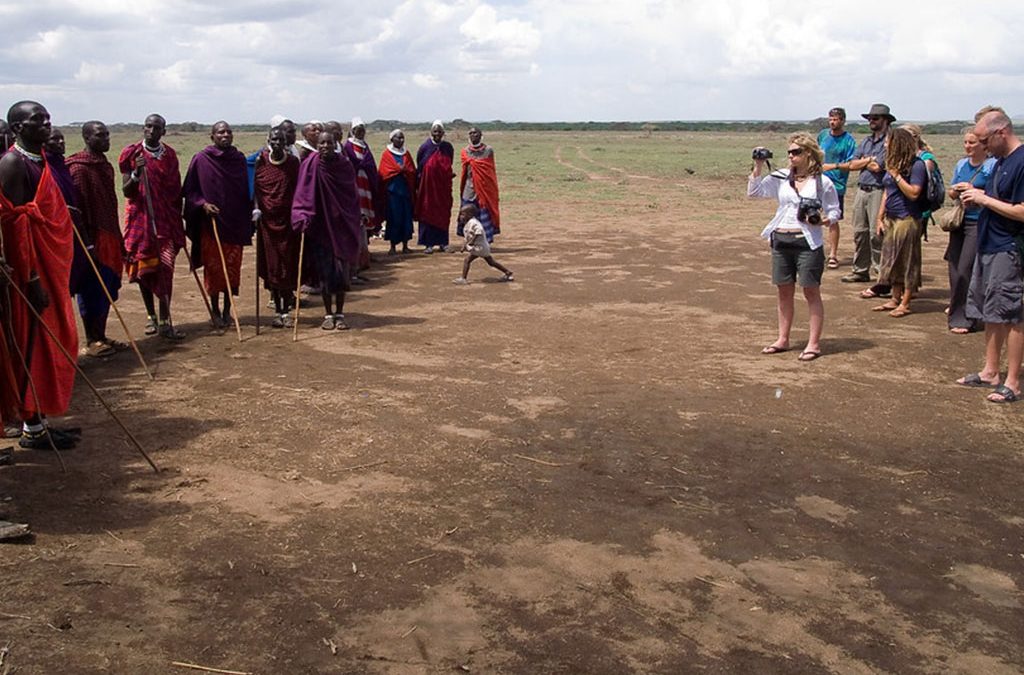
The red-robed figures moving gracefully across Kenya and Tanzania’s vast landscapes represent more than just a photogenic cultural tradition. The Maasai people embody a living system of wildlife conservation that predates modern national parks by centuries. Their pastoral lifestyle, centered around cattle herding and seasonal migration, has shaped some of Africa’s most biodiverse ecosystems.
Across Kenya’s Maasai Mara, Amboseli, Kajiado, and Narok regions, and Tanzania’s Ngorongoro Conservation Area, northern Serengeti, and Arusha regions, approximately 1.5 million Maasai people continue their ancestral way of life. These territories encompass some of East Africa’s most critical wildlife habitats, where the Great Migration thunders through traditional grazing lands and predators hunt alongside pastoral communities.
The Maasai lands stretch across 160,000 square kilometers of some of Africa’s most pristine wilderness areas. From the acacia-dotted plains of the Maasai Mara to the volcanic highlands surrounding Ngorongoro Crater, these territories represent a living laboratory where traditional ecological knowledge has sustained both human communities and wildlife populations for generations.
Traditional Ecological Wisdom Built Over Millennia
The Philosophy of Sacred Coexistence
At the core of Maasai culture lies a fundamental belief that humans, livestock, and wildlife are interconnected parts of a greater whole. This worldview, refined over generations through careful observation and spiritual connection to the land, has created practical systems that benefit all species. The Maasai concept of “Enkishon” encompasses this holistic understanding of nature, where every element of the ecosystem has its role and purpose.
The traditional Maasai creation story tells of Ngai, the god of both sky and earth, who gave cattle to the Maasai people while leaving wildlife to roam freely across the same lands. This spiritual foundation creates a framework where wildlife is not seen as competition for resources, but as a natural part of the same ecosystem that supports pastoral life. “Our culture is fully connected to the diversity of our land. All of our traditional songs and stories are about our animals. Over the centuries, we have learning many lessons through observing them which our Elders have passed on to future generations until this day.”
Traditional Maasai society operates on principles that naturally support biodiversity conservation. The age-set system ensures that knowledge passes from elders to younger generations, maintaining continuity in environmental management practices. Seasonal ceremonies align with wildlife breeding cycles and migration patterns, creating natural periods of reduced human disturbance during critical times for wild animals.
Rotational Grazing Systems That Sustain Ecosystems
The Maasai’s success in conserving their environment without threatening the existence of the region’s wildlife can be attributed to pastoralism itself. Most pastoralists lived on marginal land largely unsuitable for agriculture. Like hunter-gatherers, pastoralists migrate over a large territory, allowing vegetation to recover and preventing soil degradation.
This sophisticated system involves moving cattle herds between wet and dry season grazing areas following ancient routes that allow grasslands to recover naturally. During the wet season, communities move to higher ground and areas with seasonal water sources, leaving the permanent water points and lower valleys to rest. When dry seasons arrive, herds return to areas near permanent water while avoiding overuse of any single location.
The temporary settlements, known as bomas, can be quickly constructed and abandoned as communities follow their herds. These circular enclosures, built from acacia thorns and local materials, leave minimal environmental impact when abandoned. The mobility of these settlements prevents the soil degradation and habitat destruction that often accompanies permanent human settlements in fragile ecosystems.
Traditional grazing patterns follow routes that complement rather than compete with wildlife movements. The Maasai understanding of seasonal grass quality and water availability aligns closely with the migration patterns of wildebeest, zebras, and other ungulates. When livestock move to wet season pastures, they often follow the same routes used by wildlife, creating a natural system where domestic and wild animals share resources without overexploiting them.
Sacred Natural Sites as Wildlife Sanctuaries
All the traditional events, praying and sacrifices offered to God, are done in the forests, usually thick forests. The houses they live in are all built using forest products: wood for walls, doors, windows, and all the furniture, and grasses for thatching. This deep connection to forests has created a network of protected areas that function as crucial wildlife habitats.
Oltepesi, the sacred ritual forests, are protected groves where traditional ceremonies take place. These areas, ranging from small clusters of trees to extensive forest patches, are strictly protected by traditional law. No cutting, grazing, or disturbance is allowed in these sacred spaces, creating natural wildlife refuges where animals can find shelter, food, and breeding sites undisturbed by human activities.
Water sources hold particular significance in Maasai traditional beliefs. Springs, seasonal pools, and riverine forests are considered sacred places where spirits dwell. This spiritual protection ensures that these critical habitats remain intact and available for wildlife use. During dry seasons, these protected water sources often provide the only available water for both wildlife and livestock, creating natural gathering places where coexistence must be carefully managed.
Burial grounds and ceremonial sites scattered across Maasai territories create additional protected spaces. These areas, marked by fig trees or other sacred vegetation, are left undisturbed for generations. Over time, they develop into important microhabitats that support diverse plant and animal communities. The taboos surrounding these sites ensure their protection even during times of resource scarcity.
Traditional Knowledge Integration in Modern Science
Modern conservation increasingly recognizes the value of indigenous ecological knowledge. Traditional enclosures and pastoral mobility are among the important indigenous practices used for rehabilitation of degraded rangelands and conservation of fragile ecosystems. Scientists and conservationists are learning to combine traditional observations with modern monitoring techniques.
Participatory research includes Maasai knowledge in scientific studies, creating more comprehensive understanding of ecosystem dynamics. Traditional ecological indicators, such as the behavior of certain bird species or the flowering patterns of specific plants, are being documented and integrated into modern environmental monitoring systems. This approach recognizes that Maasai elders possess detailed knowledge of environmental patterns that scientists are only beginning to understand.
Cultural mapping projects document sacred sites and traditional practices, creating formal recognition of indigenous conservation areas. These maps help conservation planners understand the cultural landscape and identify areas that require special protection. They also provide legal documentation that can support community land rights and cultural preservation efforts.
Youth education programs teach traditional knowledge alongside modern conservation science, ensuring that valuable indigenous knowledge is not lost as communities modernize. These programs create space for elders to share their knowledge with younger generations while also exposing youth to career opportunities in conservation and natural resource management.
Research partnerships between universities and Maasai communities create mutual learning opportunities. Students and researchers gain access to traditional knowledge and long-term environmental observations, while communities benefit from formal documentation of their practices and scientific validation of traditional approaches to environmental management.
Traditional Clothing Reflects Sustainable Resource Use
The iconic red shuka (traditional cloth) and elaborate jewelry worn by Maasai people reflect sustainable relationships with natural resources and demonstrate cultural values that support environmental conservation. These traditional items connect Maasai identity to the natural world while showcasing sustainable use of available materials.
Natural dyes used in traditional textiles come from plants and minerals found in Maasai territories, creating economic incentives to protect the habitats where these resources occur. Red ochre, the source of the characteristic red color associated with Maasai clothing, is collected from specific geological sites that communities protect and manage sustainably.
Traditional jewelry incorporates materials such as beads made from seeds, shells, and metals obtained through trade networks that span East Africa. The preference for natural materials over synthetic alternatives reflects cultural values that prioritize authentic connections to the natural world over modern convenience.
Ceremonial dress features patterns and designs representing different animals and natural phenomena, reinforcing cultural connections to wildlife and environmental processes. These artistic traditions ensure that knowledge about wildlife behavior and ecological relationships is preserved and transmitted. This is through visual culture as well as oral traditions.
Seasonal clothing changes reflect traditional understanding of environmental cycles and weather patterns. Different garments and decorations are worn during wet and dry seasons, demonstrating cultural adaptation to environmental variability and climate patterns.
Wildlife Species Thriving in Maasai Territories
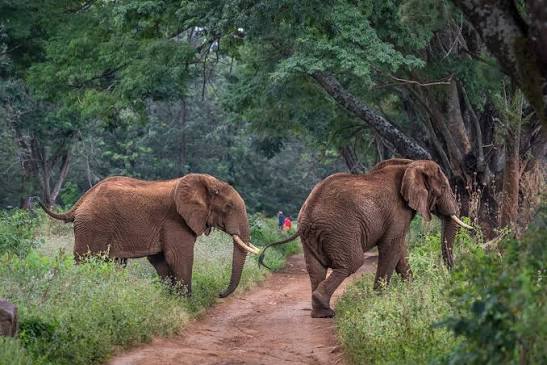
African elephants
Elephants represent one of the greatest conservation successes in areas where traditional Maasai practices continue alongside modern conservation efforts. Large herds migrate through Maasai territories following traditional routes that have been used for thousands of years. The Amboseli ecosystem, managed collaboratively by Maasai communities and conservation organizations, supports over 1,600 elephants. Therefore, this is one of the largest populations in East Africa.
Traditional water sources
Sources maintained by Maasai communities provide critical resources for elephant herds during dry seasons. These water points, often improved through community labor and traditional engineering techniques, benefit both livestock and wildlife. The cultural practice of sharing water resources during droughts has prevented many potential conflicts between elephants and human communities.
Despite their size and potential for crop damage, elephants hold special significance in Maasai culture. That is as symbols of wisdom and strength. Traditional stories and songs celebrate elephants as teachers and guides, creating cultural foundations for tolerance and coexistence. Modern compensation programs build on these traditional values to address current conflicts over crop damage.
Lions
Lions face perhaps the greatest challenges in Maasai territories. This is where they historically played important roles in traditional warrior culture but now threaten livestock livelihoods. The transformation of young Maasai men from lion hunters to lion protectors represents one of the most remarkable conservation achievements in modern Africa.
Current lion populations struggle due to habitat loss and retaliatory killing, but community conservancy programs are reversing these trends. The Ewaso Lions project works with Maasai communities to monitor lion populations. Also, to reduce conflicts through improved livestock management and compensation programs. Traditional respect for lions as symbols of courage and strength provides cultural foundations for these conservation efforts.
Leopards
Leopards, with their secretive nature and solitary habits, create fewer conflicts with pastoral communities. However, they face challenges from habitat fragmentation and prey depletion. Their ability to adapt to modified landscapes makes them important indicators of ecosystem health in areas where traditional and modern land uses overlap.
Black rhinoceros
Black rhinoceros populations have recovered dramatically in some community conservancies where intensive protection programs combine modern security with traditional knowledge. The Ol Pejeta Conservancy and other community-managed areas have become safe havens for rhinos. This demonstrates how traditional land tenure systems can support specialized conservation needs.
Cultural taboos historically protected rhinoceros through traditional beliefs that associated these animals with spiritual power and ancestral protection. Modern conservation programs build on these traditional foundations while addressing contemporary threats such as poaching for international markets.
Cape buffalo
These represent successful adaptation to shared landscapes where large herds graze alongside livestock in traditional pastoral systems. Their role as important prey species supports predator populations. While also creating management challenges related to disease transmission between wild and domestic animals.
Beyond the Big Five: Diverse Wildlife Communities
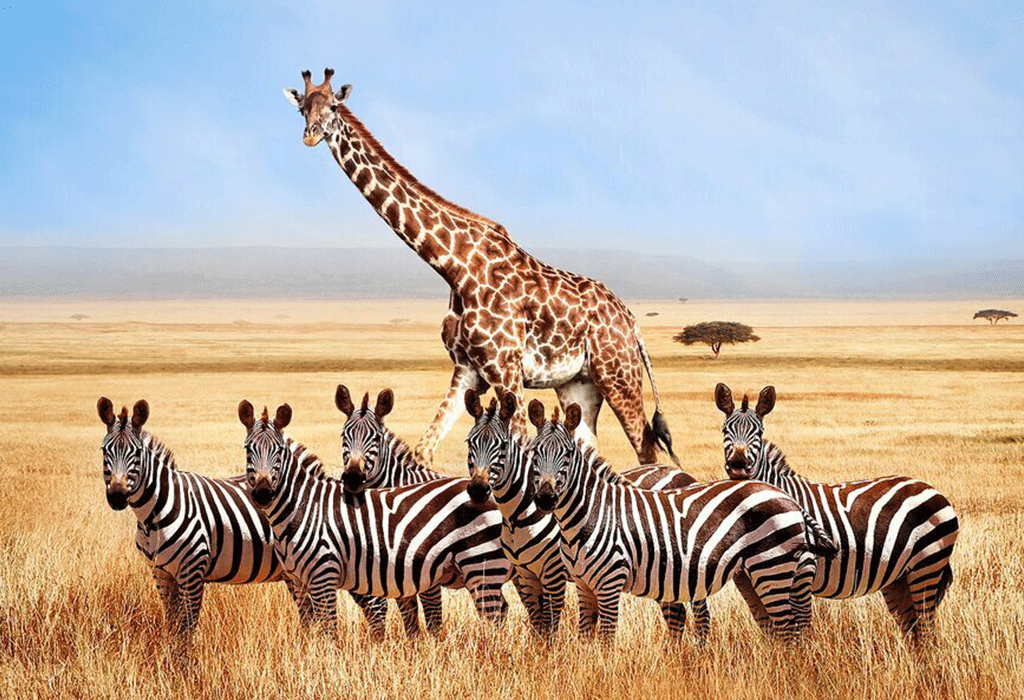
Reticulated giraffes
In northern Kenya, conservancies demonstrate how traditional pastoral systems can support specialized species with unique habitat requirements. These distinctive giraffes, only in northern Kenya, Somalia, and southern Ethiopia, thrive in areas where Maasai communities maintain traditional land use patterns.
The tall acacia trees that giraffes depend on for food. This is protected through traditional practices that value trees for livestock shade and cultural significance. Community conservancies have become strongholds for reticulated giraffes, with populations increasing as communities receive economic benefits from wildlife-based tourism.
Zebras and wildebeest
These populations demonstrate the success of maintaining large-scale migration systems across traditional Maasai territories. The Great Migration, one of the world’s most spectacular wildlife phenomena. It depends on the continuation of traditional grazing patterns and seasonal movement between different areas.
Migration routes through Maasai lands remain intact because traditional pastoral practices complement rather than conflict with wildlife movements. Seasonal movements of livestock follow similar patterns to wildlife migrations, creating shared use of resources across large landscapes.
Small carnivores
These include wild dogs, cheetahs, and smaller cats require specialized habitat management that benefits from traditional knowledge of ecosystem processes. These species serve as indicators of ecosystem health and demonstrate the success of community conservation approaches.
Wild dogs
Africa’s most endangered large carnivore has found refuge in community conservancies. This is where traditional tolerance for predators combines with modern conservation management. Cheetahs, requiring large territories and minimal human disturbance, benefit from the extensive areas managed by Maasai communities for multiple uses