Reasons to Visit Tanzania for a Safari


Why choose Tanzania for your next African safari?
Tanzania has a way of changing what you expect from a safari. A morning may begin with lion calls somewhere beyond your tent, then unfold into hours of watching elephants move beneath baobab trees or cheetahs scan the open grasslands. The landscapes feel enormous, yet some of the most memorable moments happen quietly: a giraffe bending to drink, a family of warthogs trotting past, or an African fish eagle calling over a waterhole.
There are many reasons to visit Tanzania for a safari, but the greatest is variety. In one carefully planned trip, travelers can explore the Serengeti, descend into Ngorongoro Crater and discover the contrasting habitats of Tarangire and Lake Manyara. Our complete Tanzania safari planning guide helps turn those possibilities into a realistic holiday.
Tanzania works for first-time safari travelers, returning wildlife enthusiasts, couples, families and photographers. The important choice is not simply whether to visit; it is when to travel, which areas to prioritize and how much time to allow in each place.
Three experiences that make Tanzania special
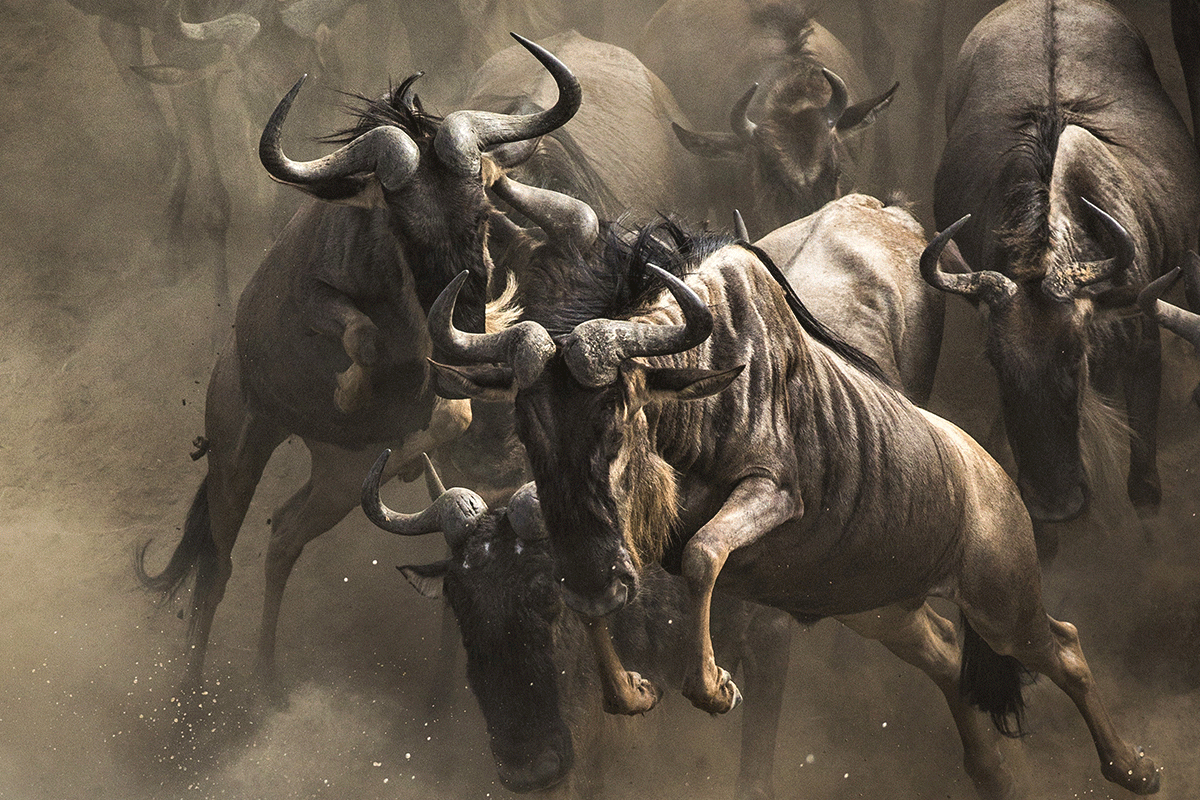
The Great Migration
Follow vast herds across the Serengeti ecosystem.

Ngorongoro Crater
Explore remarkable wildlife habitats in a volcanic caldera.

Tarangire Elephants
See elephant families among giant baobab trees.
12 reasons to visit Tanzania for a safari
The Serengeti offers a truly iconic African safari
The Serengeti’s appeal is immediate: a horizon stretching across grassland, scattered kopjes, acacia woodland and wildlife moving without fences between distant ecosystems. This is one of the places where the idea of an African safari comes vividly to life. Lions rest on rocky outcrops, gazelles gather in open clearings and giraffes browse trees with the plains spreading endlessly behind them.
Different Serengeti regions offer different experiences. Central Serengeti is widely valued for resident wildlife, while the southern, western and northern regions become especially important at various stages of the migration. Instead of trying to cover all corners of the park in two days, plan around your interests. Start with our first-time Serengeti safari guide and then explore Serengeti safari planning advice to choose your region sensibly.
The Great Migration is one of nature’s unforgettable journeys
Every year, enormous herds of wildebeest, accompanied by zebras and other grazers, move through the wider Serengeti–Mara ecosystem in pursuit of rain, grass and water. This is a continuous natural cycle, not a single event that takes place on one fixed date. Some travelers hope to witness dramatic river crossings; others prefer to watch herds spread across green plains or gather near predators.
For northern Serengeti crossings, our seven-day Serengeti river-crossing safari shows how a dedicated itinerary differs from a conventional game-drive holiday. Exact crossings cannot be predicted or guaranteed, which makes careful camp positioning and several nights in the area important. Consult the best time to visit the Serengeti before choosing your travel month.
Calving season reveals a different side of the wilderness
Between roughly January and March, the southern Serengeti and Ndutu plains often become a landscape of new life. Wildebeest calves appear in large numbers, mothers move across short grass and predators respond to the changing abundance of prey. The scene can be both beautiful and intense, revealing the delicate balance between survival and renewal.
If new life, predators and green landscapes interest you more than river crossings, explore our Ndutu calving-season safari guide. The wider wildebeest migration experiences also explains why the best migration experience depends on which part of the cycle you hope to see. Travelers with limited time can use a six-day Tanzania migration safari as a starting point, with routing tailored to actual travel dates.
Tanzania is exceptional for big cats and classic wildlife
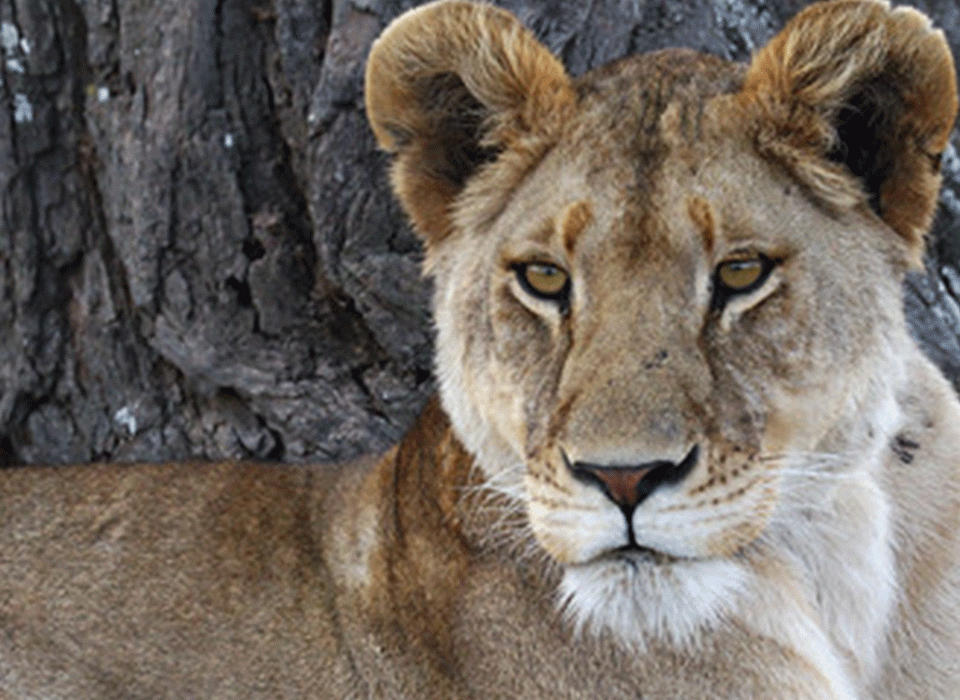
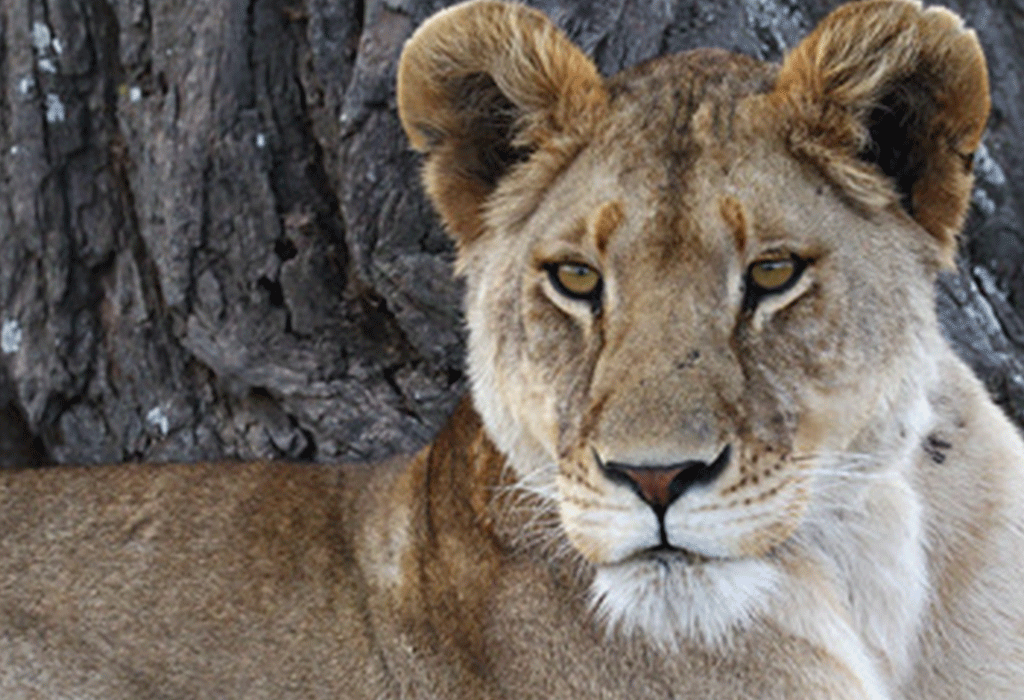
Lions, leopards and cheetahs are among Tanzania’s most sought-after sightings. Each prefers different situations: cheetahs often hunt in relatively open country, leopards may rest in trees or dense cover, and lions use everything from grasslands to rocky kopjes. A knowledgeable guide helps interpret tracks, behavior and the best places to search while giving animals plenty of space.
Wildlife sightings are never guaranteed, but time spent in suitable habitats improves the experience. Read our guide to best destinations for big cats for a closer look at predator country. Beyond the cats, travelers may see elephants, buffaloes, giraffes, zebras, hippos, hyenas and numerous antelope species. Our Tanzania wildlife safari guide gives a broader picture of the country’s wildlife diversity.
Ngorongoro Crater feels like a world of its own
Few safari landscapes are as dramatic as the approach to Ngorongoro Crater. From the forested rim, you look down into a sweeping volcanic caldera containing grassland, wetlands, woodland and lakes. Descending into this remarkable landscape brings you into habitats where buffaloes, zebras, wildebeest, hyenas, lions, elephants and hippos may be encountered.
The crater is also an important place to look for endangered black rhinos, although these animals can be distant and elusive. A crater visit adds an entirely different atmosphere to the Serengeti’s open plains. If you are short on time, consider the four-day Ngorongoro Crater safari, which combines several northern highlights into an efficient route.
Tarangire’s elephants and baobabs are extraordinary
Tarangire delivers an unmistakable sense of place. Ancient-looking baobab trees stand across the landscape, while elephant families move through woodland, riverine habitats and seasonal gathering areas. In drier months the Tarangire River becomes a particularly valuable water source, bringing animals closer to predictable wildlife-viewing areas.
For an introduction to the country’s best-known parks, follow the Northern Tanzania safari circuit. This circuit links different habitats without requiring travelers to fly between entirely separate regions. One practical example is our six-day Tarangire, Serengeti and Ngorongoro safari, which connects Tarangire with the Serengeti and Ngorongoro.
One holiday can include very different landscapes
Tanzania is not one continuous grassland. Around Lake Manyara, groundwater forest, lake-edge habitats and Rift Valley scenery offer a change from Tarangire’s dry woodland. The Ngorongoro Highlands bring cooler air, farms and panoramic viewpoints; farther south, Ruaha and Nyerere offer different bush landscapes and safari styles altogether.
That variety is why a well-ordered itinerary matters. Our six-day complete Northern Circuit itinerary demonstrates how to combine the most popular northern destinations without treating each national park as a hurried photo stop. Travelers wanting more time to settle into each location may prefer the seven-day Tanzania experience.
Tanzania rewards both keen birders and casual observers
From ostriches crossing the plains to colorful bee-eaters, raptors, storks, hornbills and flamingos in suitable wetland areas, birdlife enriches virtually every Tanzanian safari. Birdwatching is especially rewarding for travelers who enjoy slowing down and noticing behavior beyond the Big Five. Green-season habitats can be particularly attractive as migrant birds arrive and resident species become more active.
A longer route such as our eight-day Tanzania safari creates room for wildlife, landscapes and community experiences. The best guide will balance your interest in birds with mammals rather than rushing between sightings.
There is a safari style for almost every traveler
A Tanzania safari can be comfortable without becoming excessively expensive. Budget-minded visitors may choose simpler lodges or camping, while midrange safaris offer appealing tented camps, personal service and well-located accommodation. Higher-end itineraries can include private conservancy-style experiences where available, premium camps and flights that reduce road journeys.
Our Tanzania safaris and tours outlines the range of tours, while Tanzania safari holiday options provides a wider comparison of safari options. The ideal choice depends less on a luxury label than on where your camp is located, how many game-drive hours you have and whether your itinerary leaves space to enjoy them.
A safari can include meaningful cultural encounters
Wildlife should be the centerpiece of many trips, but Tanzania’s people and cultures deserve time too. Thoughtfully arranged community visits may offer opportunities to learn about Maasai traditions, local farming, food, crafts and everyday life around the northern circuit. Some travelers also include experiences around Lake Eyasi, organized with community partners and respectful interpretation.
Choose visits that are welcomed by hosts, compensate participants fairly and avoid treating people as tourist attractions. Our step-by-step Tanzania safari booking guide is useful when comparing itinerary inclusions, arranging optional cultural stops and confirming the details of a booking. For more background on the destination’s appeal, read why Tanzania ranks among Africa’s top safari destinations.
It combines beautifully with other East African adventures
Not every safari has to end at the Tanzanian border. Some visitors wish to pair open-savannah wildlife with the entirely different experience of mountain gorilla trekking in Uganda. Others link Tanzania with Rwanda, Kenya or a restorative beach stay on Zanzibar. These are rewarding combinations, provided you allow realistic time for regional flights, border formalities and transfers.
Our Uganda gorilla and Serengeti safari illustrates the contrast between the Serengeti and Bwindi’s rainforest. For a shorter concept, see the Serengeti and gorilla trekking combination, then discuss the practical travel time and sequencing before booking permits and accommodation.
The quiet moments can be as memorable as the sightings
A safari is more than a checklist of animals. It is breakfast before sunrise, the scent of rain on dry earth, birds gathering around camp and the conversation with your guide after a memorable game drive. Staying two or three nights in a productive area often leads to a richer experience than covering more parks at high speed.
Our article on what happens on a typical safari day explains how mornings, afternoon drives and evenings usually unfold. You can also browse Tanzania safari articles for fresh planning inspiration, Tanzania destination stories for destination reading and Great Migration resources for further Great Migration resources.
Where should you go on a first Tanzania safari?
For most first-time visitors with around six to eight days, the Northern Circuit is an excellent introduction. Begin with Tarangire for elephants and baobabs, continue to the Serengeti for open plains and predator sightings, and finish with a Ngorongoro Crater game drive. Lake Manyara can fit into a longer or carefully timed route, but it is better to reduce stops than to rush every park.
If you prefer a longer and more relaxed journey, add a night or two to the Serengeti. Your travel month should determine whether those extra nights are best placed in the central, northern or southern area. Look through our Tanzania safari itineraries to compare starting ideas, or see Tanzania travel updates for broader destination updates.
4–5 days
A focused introduction to two or three northern attractions.
6–8 days
A balanced classic safari with enough wildlife-viewing time.
9–12+ days
A slower safari, migration focus or safari-and-beach combination.
Where to stay in Tanzania
Tanzania Safari Accommodation: From Tented Camps to Luxury Lodges
The right place to stay adds another layer to your safari. Tanzania offers comfortable mid-range lodges, intimate tented camps and beautiful luxury retreats. We choose accommodation based on your budget, preferred level of comfort and—most importantly—the wildlife areas you plan to explore.


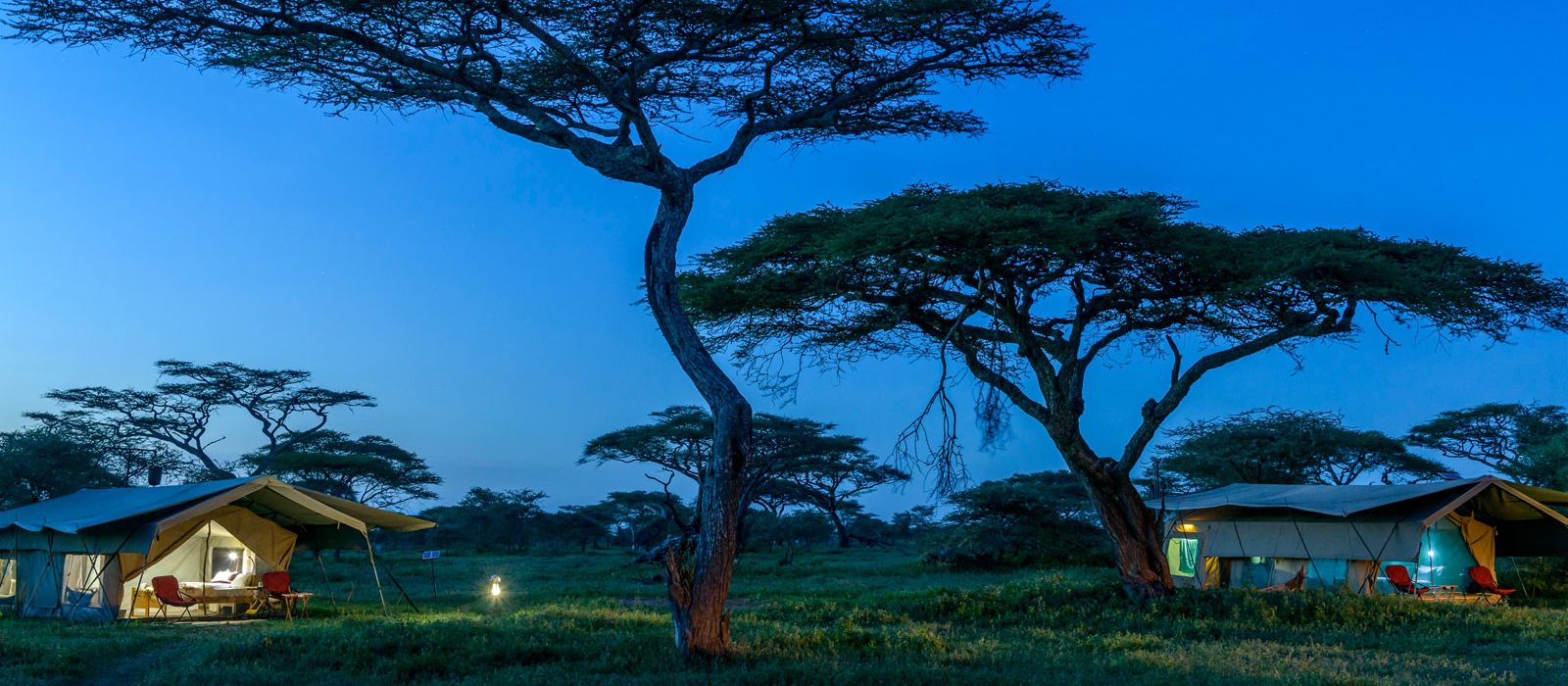


How we select your safari lodges
A beautiful lodge is only useful if it fits your route. We consider driving time to park gates, your travel season, room configuration and availability. Accommodation choices are examples, not confirmed inclusions; your final itinerary will list the lodges and room basis reserved for your trip.
Best time to visit Tanzania for a safari
There is no single perfect month for every wildlife experience. June to October generally brings drier conditions and accessible game viewing across many parks. January and February can be particularly rewarding for migration calving in the southern Serengeti and Ndutu region. November to March brings green scenery and rewarding birdwatching in many areas, while April and May may involve heavier rain, muddy roads and seasonal lodge closures.
| Period | Best for | What to consider |
|---|---|---|
| January–March | Southern Serengeti and Ndutu calving; green landscapes | Plan around newborn wildlife and possible rain |
| April–May | Lush scenery, fewer visitors and potentially better value | Rain may affect some routes and camp operations |
| June–October | Dry-season game viewing; seasonal northern migration | Popular accommodation and guides should be booked early |
| November–December | Birdlife, fresh scenery and a changing migration pattern | Short rains and herd movements vary by year |
Seasonal migration movements are approximate, and specific wildlife sightings or crossings are never guaranteed.
Practical tips for planning a rewarding Tanzania safari
Choose your wildlife priorities before choosing your camps. If lions and cheetahs are most important, allocate time to productive open savannah habitats. If elephants and baobabs are a dream, include Tarangire. And if you hope to see a river crossing, concentrate time in the right Serengeti region rather than trying to include every northern park.
Use an experienced driver-guide, bring binoculars and neutral comfortable clothing, protect yourself from the sun and keep a warm layer for early game drives. Ask about park fees, lodging standards, vehicle exclusivity, internal flights, meals and optional activities before paying a deposit. For more trip design ideas, our request a personalized safari quotation gives you a direct way to explain your dates, preferred experience and budget.
Tanzania delivers adventure, but it also rewards patience and flexibility. The best wildlife moments do not happen on command, and a thoughtfully paced trip gives you the freedom to enjoy them.
What makes a Tanzania safari feel truly special?
A great guide transforms ordinary moments
A guide does far more than identify an animal through binoculars. Good guiding means knowing when to stop the vehicle, noticing alarm calls, understanding what a herd’s behavior might mean and explaining the relationships between wildlife and landscape. Sometimes the reward is a spectacular predator encounter. At other times, it is learning why a small bird follows grazing mammals or watching a herd of elephants work together around its youngest member.
Travelers often remember those quieter explanations because they turn an impressive sighting into a deeper understanding of the ecosystem. Before booking, discuss whether you prefer intensive photography, broad wildlife viewing, relaxed family travel or a combination. Your guide can then shape the pace of individual game drives around what matters to you.
Accommodation location matters more than a long list of luxuries
Where you sleep directly influences how much time you spend enjoying wildlife. A comfortable camp close to your chosen game-drive area may be a better choice than a more luxurious property requiring lengthy transfers each morning. For migration-focused itineraries, seasonal positioning is particularly important. A lodge in central Serengeti can be excellent for resident wildlife, but it may be too far from northern river-crossing areas for someone hoping to spend several days there.
Ask your safari planner to explain the reason behind each overnight location. It should match the route, season and experience you want, not simply appear on an attractive hotel list. Staying multiple nights in a good location also reduces the repeated packing and unpacking that can make a holiday unnecessarily tiring.
Choose activities that complement game drives
Game drives remain central to most Tanzania wildlife holidays, but other experiences can add variety. A sunrise balloon safari above the Serengeti offers a very different perspective when available and suitable for your budget. Guided walks operate in designated areas under appropriate rules, while community visits can introduce local livelihoods and conservation relationships. In southern Tanzania, boat-based experiences may be available in suitable wildlife areas.
Not every optional activity belongs in every itinerary. A short safari usually benefits from prioritizing time with wildlife rather than filling each hour with extras. Ask about safety requirements, age limits, additional costs and whether the activity genuinely fits the places you will visit.
Build in room for the unexpected
The appeal of the wilderness is precisely that it cannot be scripted. A pride of lions might remain asleep all morning, only to begin moving when the light changes. Elephants may disappear into woodland, while a sudden rain shower transforms an ordinary plain into a dramatic landscape. Some days produce extraordinary sightings in the first hour; others reward a slower approach.
A good safari schedule therefore balances ambition with flexibility. It makes room to watch animal behavior unfold, take photographs without rushing and return to camp at a comfortable hour. Whether you choose a five-day introduction or an extended adventure, Tanzania is most rewarding when you give the destination enough time to surprise you.
Frequently asked questions
Is Tanzania good for a first safari?
Yes. Its northern safari circuit brings world-famous wildlife areas into a logical route, making it especially suitable for first-time visitors with five to eight days.
Can you see the Big Five in Tanzania?
Tanzania offers opportunities to encounter lions, leopards, elephants, buffaloes and black rhinos. No individual sighting can be guaranteed.
How many days do I need for Tanzania?
About six to eight days works well for a classic Northern Circuit safari. Longer journeys allow a more relaxed pace, extra Serengeti time or Zanzibar.
When can I see the Great Migration?
The migration occurs throughout the year, but its location changes with rainfall and grazing. Northern river-crossing opportunities often occur in the dry season; southern calving usually peaks around February.
Can I combine Tanzania with Uganda gorilla trekking?
Yes. The contrast between open savannahs and rainforest gorilla trekking is excellent, but regional flights, transfer times and gorilla-permit dates need careful coordination.
Is Tanzania suitable for families and honeymooners?
Yes. Private vehicles, flexible schedules and accommodation choices make it suitable for many families and couples, subject to the age rules of particular activities and properties.
Make Tanzania your next safari story
Tell us when you would like to travel, how many people are coming and whether your priority is the Great Migration, big cats, beautiful landscapes or a relaxed family holiday. We will shape the route around your interests and budget.
Request a QuoteWhatsApp Our Team
Organized by Safari Vacations & Travel Services.