Understanding Gorilla Behavior

Understanding Gorilla Behavior: Insights for Tourists and Conservationists
Gorillas are among the most fascinating and intelligent primates on the planet. As a private tour operator in Kabale, Uganda, Safari Vacations and Travel Services Limited recognizes the importance of understanding gorilla behavior. Understanding these majestic creatures not only enhances the trekking experience but also promotes responsible tourism and conservation efforts. This blog will delve into various aspects of gorilla behavior, their social structures, communication methods, and the impact of human interaction.
Social Structure of Gorilla Troops
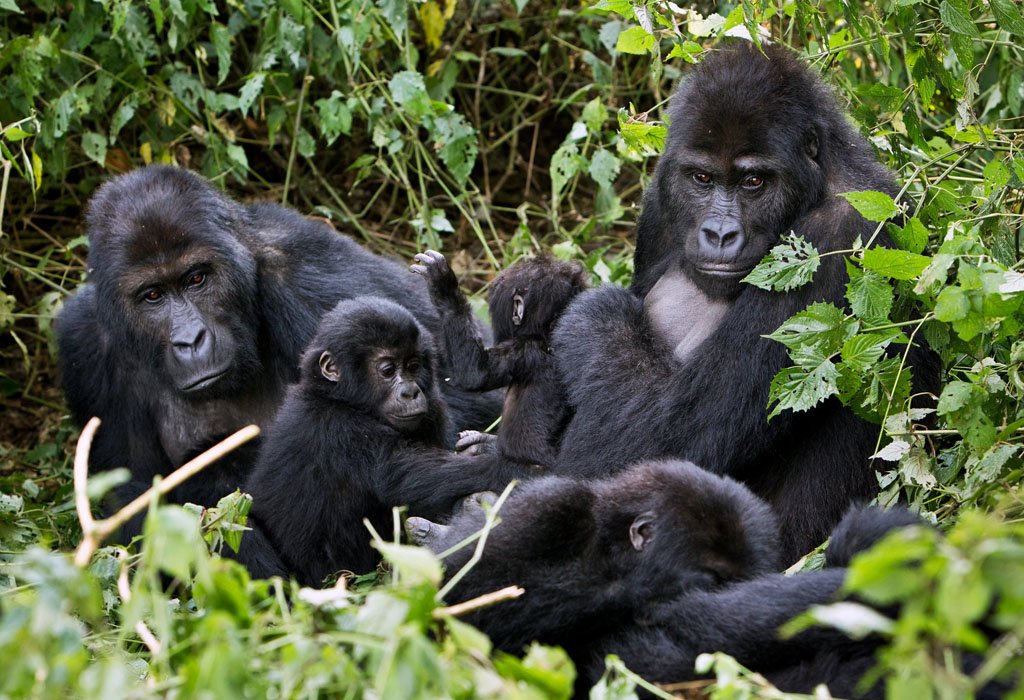
Mountain gorillas typically live in family groups known as troops, which consist of a dominant adult male, referred to as the silverback, several adult females, and their offspring. The silverback plays a crucial role in the troop’s dynamics, making decisions about movement, food, and safety. He is responsible for protecting the group from external threats and mediating conflicts among members.
- Family Dynamics: A typical troop may include one silverback, multiple females, and their young. Occasionally, there might be more than one adult male, leading to a complex social hierarchy. When a silverback dies, the females and their young face the challenge of finding a new troop for safety and stability.
- Maturity and Group Changes: As gorillas mature, they often leave their natal groups. Females are more likely to disperse than males, who may either stay and become subordinate to the silverback or leave to establish their troops. This dynamic ensures genetic diversity and social stability within the population.
Communication Among Gorillas
Mountain gorillas communicate with each other through a complex system of vocalizations, facial expressions, body postures, and gestures. Understanding these communication methods is essential for appreciating their social interactions and ensuring responsible wildlife tourism.
Vocalizations
Mountain gorillas have a rich vocal repertoire, utilizing approximately 25 distinct sounds to convey various emotions and messages. These vocalizations play a crucial role in their social structure and daily interactions.
- Grunts and Barks: Commonly used during movement through dense vegetation, grunts, and barks help group members maintain contact and coordinate their movements. These sounds are vital for socializing and establishing discipline within the group.
- Roars and Screams: Predominantly made by the dominant silverback, these vocalizations serve as alarms or warnings when danger is perceived. They help alert the troops to potential threats.
- Belches: A unique form of communication, deep and rumbling belches indicate contentment among gorillas, often heard during feeding or resting periods.
- Crying and Whimpering: Infant gorillas use these sounds to attract their mothers’ attention, signaling their needs and emotions.
Facial Expressions
Facial expressions are another critical aspect of gorilla communication. They can convey a range of emotions and intentions.
- Play Face: This expression, characterized by an open mouth and relaxed lips, indicates playfulness and is often displayed by juvenile gorillas. It resembles laughter and signals a friendly interaction.
- Smiling and Yawning: Smiling, which involves showing teeth, can indicate submission or appeasement, while yawning is often a sign of dominance or distress, particularly in males.
Body Postures and Gestures
Body language is integral to how mountain gorillas communicate, often complementing vocalizations and facial expressions.
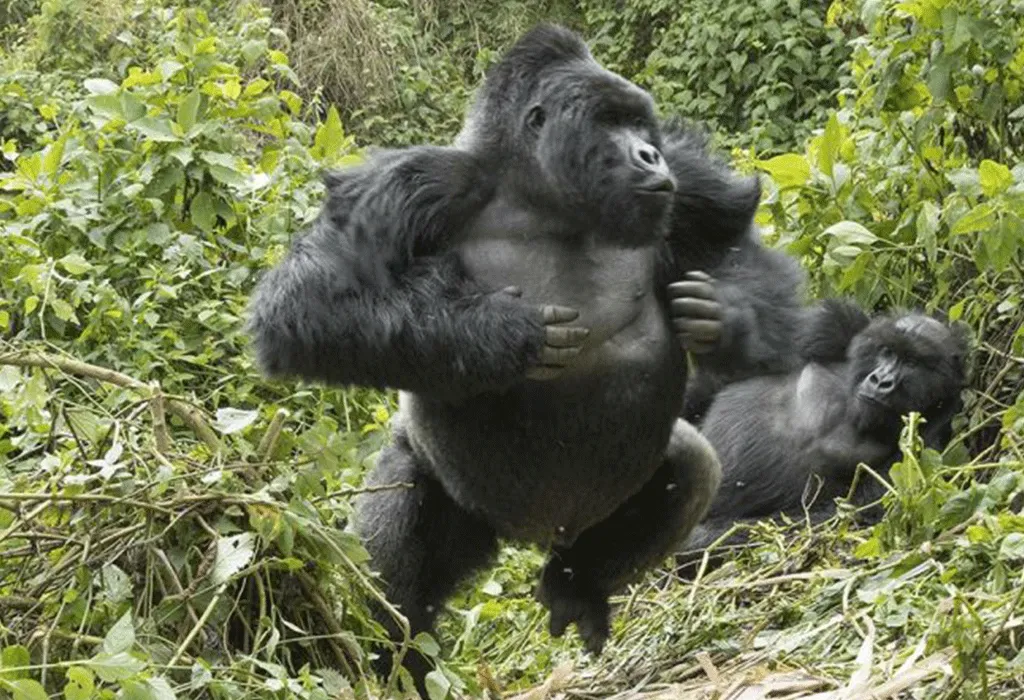
- Chest Beating: This behavior is commonly performed by silverbacks as a display of strength and dominance. It can also serve to attract females and establish mating readiness.
- Postures: Gorillas use various postures to convey moods and intentions. For example, a stiffened stance with a puffed chest can signal aggression or a warning to perceived threats.
- Ritualized Displays: During conflicts, gorillas may engage in ritualized charge displays, which include loud noises and physical gestures designed to intimidate without actual aggression.
Social Interactions
Mountain gorillas are social animals that live in family groups, typically consisting of one dominant silverback, several females, and their offspring. The dynamics within these groups are heavily influenced by communication.
- Conflict Resolution: Gorillas often prefer non-violent methods to resolve disputes. They may use displays of strength or vocalizations to assert dominance or appease others, reducing the likelihood of physical confrontations.
- Bonding and Grooming: Social grooming is a vital aspect of gorilla life, reinforcing bonds and facilitating communication. It is often accompanied by soft vocalizations and relaxed body postures.
Understanding how mountain gorillas communicate enriches the experience of observing these magnificent creatures in their natural habitat. Tourists and conservationists alike benefit from recognizing the nuances of gorilla behavior, which can enhance wildlife encounters and promote responsible tourism practices. By respecting their communication methods and social structures, we can contribute to the conservation of these endangered species and ensure their survival for future generations.
Gorillas use body postures to communicate
Mountain gorillas utilize a variety of body postures to communicate their emotions, intentions, and social status within their groups. Understanding these postures is crucial for appreciating their complex social interactions and behaviors.
Dominance and Submission
- Dominance Displays: The dominant male, or silverback, often exhibits specific postures to assert his authority. This includes puffing up his chest and standing tall, which makes him appear larger and more intimidating to both rivals and group members. Such displays can deter potential threats and reinforce his position within the troop.
- Submissive Postures: Conversely, subordinate gorillas may adopt crouching or lowered postures to signal submission. This behavior helps to avoid conflict and shows respect toward the dominant individual. Submissive postures can include lowering the head and avoiding direct eye contact, which indicates a willingness to comply with the silverback’s authority.
Aggression and Threats
- Aggressive Postures: When a gorilla feels threatened or is preparing to confront another, it may display aggressive postures. This can include stiffening its body, raising its arms, and making loud vocalizations. Such behaviors are intended to intimidate opponents and establish dominance without resorting to physical confrontation.
- Ritualized Charge Displays: Mountain gorillas often engage in ritualized displays that mimic aggression without actual fighting. This can involve a series of movements, such as charging forward, beating their chests, and throwing vegetation. These displays serve to communicate strength and resolve while minimizing the risk of injury.
Social Interactions and Bonding
- Playful Postures: Juvenile gorillas frequently exhibit playful behaviors that include relaxed body postures, rolling around, and engaging in mock fighting. These interactions are vital for social bonding and help younger gorillas learn social cues and behaviors.
- Grooming Postures: Grooming is a significant aspect of gorilla social life, and the postures adopted during grooming reflect the bond between individuals. Gorillas often sit close together, with one grooming the other, which reinforces social ties and communicates affection.
Emotional Expressions
- Relaxed Postures: When gorillas are content, they display relaxed body language, such as lounging or resting with limbs sprawled out. This indicates a state of comfort and safety within the group.
- Tension Indicators: On the other hand, a gorilla may exhibit signs of tension through stiffened posture, raised hair, or rapid movements. These indicators suggest stress or anxiety, often in response to perceived threats or social conflict.
All in all, body postures are a vital component of mountain gorilla communication, conveying a range of messages related to dominance, aggression, social bonding, and emotional states. Understanding these non-verbal cues enhances our appreciation of gorilla behavior and is essential for responsible wildlife tourism. By respecting their social structures and communication methods, we can contribute to the conservation of these remarkable creatures and their habitats.
Gorilla’s conflict resolution within their groups
Gorillas handle conflicts within their groups through a combination of non-aggressive behaviors, social rituals, and reconciliation strategies. Understanding these mechanisms is crucial for both researchers and tourists who wish to observe these magnificent animals in their natural habitats.
Social Structure and Conflict Dynamics
Gorilla groups, known as troops, typically consist of one dominant male (the silverback), several adult females, and their offspring. The social dynamics within these groups can lead to conflicts, particularly over resources such as food and mating opportunities. Conflicts often arise between rival males competing for dominance or between females vying for the attention of the silverback.
Conflict Resolution Strategies
chest-beating
- Non-Aggressive Displays:
- Gorillas often engage in non-aggressive displays to resolve conflicts. This includes vocalizations, chest-beating, and posturing to assert dominance without physical confrontation. For instance, the silverback may use loud vocalizations and physical displays to intimidate rivals and restore order within the troop.
- Affiliation and Reconciliation:
- After a conflict, gorillas tend to engage in reconciliation behaviors. Research has shown that former opponents often seek proximity to each other, which helps to re-establish social bonds. This behavior may include grooming or simply sitting close together, indicating a desire to mend relationships after a dispute.
- Consolation Behavior:
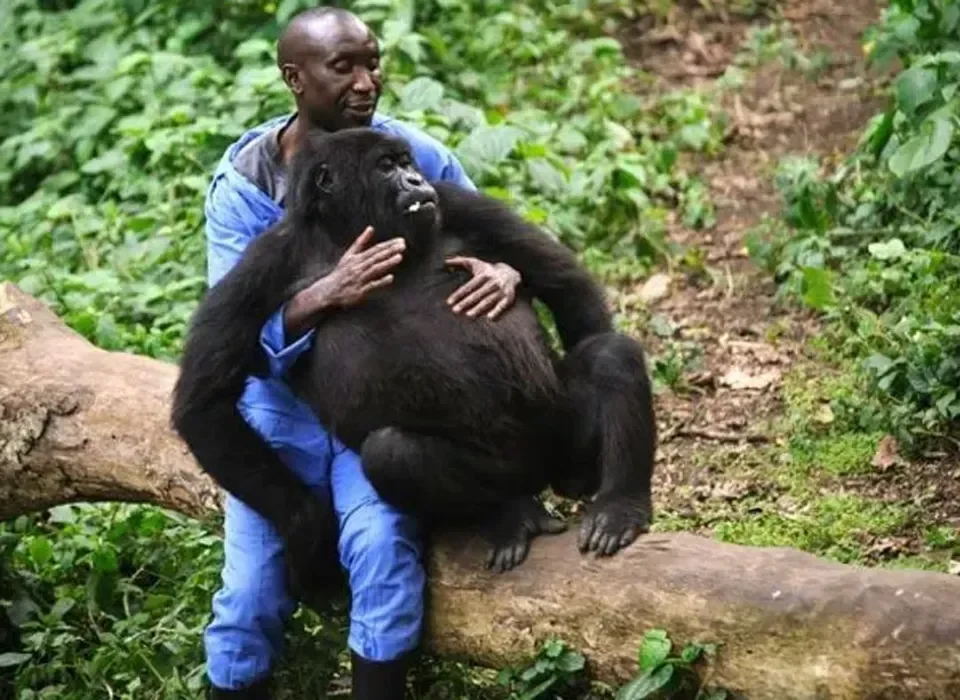
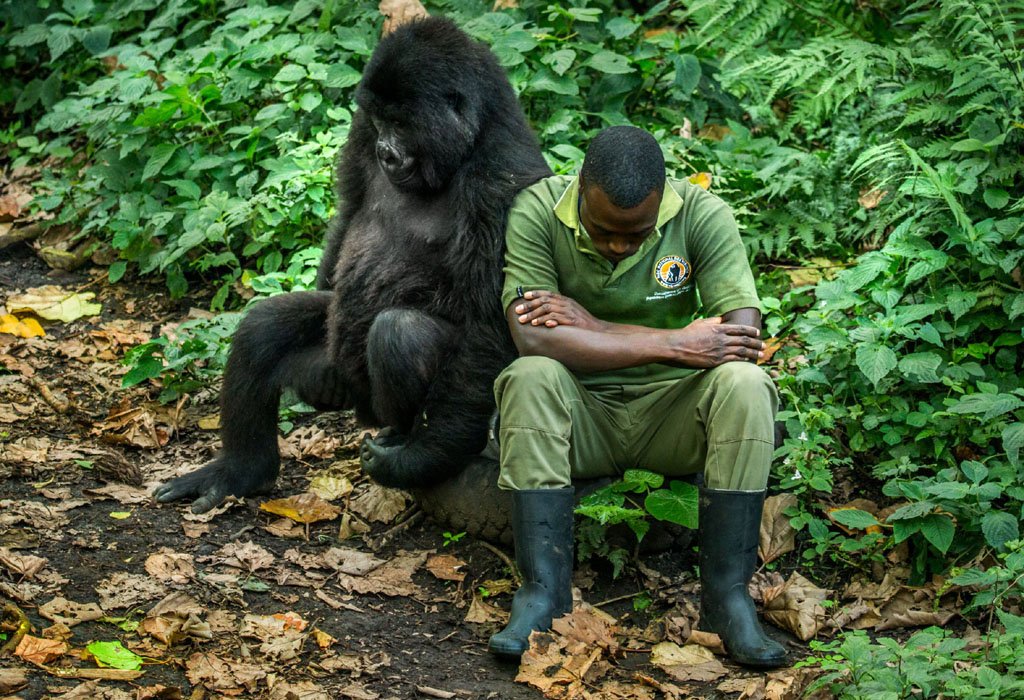
- Consolation behaviors are also observed, where a third-party gorilla may comfort a victim of aggression through physical closeness or grooming. This behavior not only helps the victim recover from the stress of the conflict but also reinforces social bonds within the group.
- Social Grooming:
- Grooming is a critical aspect of gorilla social life and serves as a mechanism for conflict resolution. It promotes social cohesion and helps to alleviate tension following conflicts. The act of grooming can soothe individuals and reinforce alliances, making it an essential behavior for maintaining harmony within the troop.
The Role of the Silverback
The silverback plays a pivotal role in managing conflicts within the group. As the protector and leader, he is responsible for making decisions that affect the troop’s dynamics. His presence often deters aggressive behavior among group members, as his authority is well recognized. When conflicts arise, the silverback may intervene to mediate disputes, using his size and strength to assert control without resorting to violence.
Gorillas exhibit a range of sophisticated behaviors to handle conflicts within their groups. Through non-aggressive displays, reconciliation, and social grooming, they maintain social harmony and strengthen bonds among troop members. Understanding these conflict resolution strategies enhances our appreciation of gorilla behavior and underscores the importance of responsible wildlife tourism that respects their social structures and natural behaviors. By observing these interactions, tourists can gain insights into the complex social lives of gorillas while contributing to their conservation.
Behavioral Adaptations to Human Interaction
The presence of tourists can significantly influence gorilla behavior. Research indicates that human interaction may lead to increased social cohesion among gorillas as they perceive tourists as potential threats.
- Tourism Impact: Studies have shown that gorillas exhibit changes in social behavior when tourists are nearby. Increased proximity to humans can lead to heightened stress levels, indicated by behaviors such as self-scratching and increased grooming among group members. This suggests that gorillas may engage in more social bonding as a coping mechanism in response to perceived threats.
- Habituation Process: The habituation of gorillas to human presence is a delicate process. While it allows for more intimate wildlife viewing experiences, it also carries risks, such as the potential for disease transmission. Tourists must adhere to strict guidelines, including maintaining a distance of at least 7 meters from the gorillas, to minimize stress and health risks.
- Conservation Implications: Understanding the behavioral changes induced by tourism is crucial for conservation efforts. By promoting responsible tourism practices, such as limiting group sizes and enforcing distance regulations, tour operators can help ensure the long-term survival of gorillas in their natural habitats.
Cultural Traits and Learning in Gorillas
Recent research has suggested that gorillas may exhibit cultural traits, indicating a capacity for social learning and behavioral variation across different populations.
- Behavioral Variability: Observations have revealed that certain behaviors, such as foraging techniques and social interactions, can vary significantly among gorilla groups. Ecological factors, social learning, and cultural transmission within groups may influence this variability.
- Innovative Behaviors: Some gorillas have been observed engaging in unique behaviors that appear to be learned rather than instinctual. For example, specific foraging methods or tool use may be passed down through generations, showcasing the cognitive abilities of these primates.
- Implications for Conservation: Recognizing the potential for cultural traits in gorillas highlights the importance of preserving their habitats and social structures. Conservation efforts must consider the social dynamics and learning capabilities of gorillas to ensure the survival of these intelligent creatures.
Conclusion: The Role of Tourists in Gorilla Conservation
As tourists embark on gorilla trekking adventures, understanding gorilla behavior enhances their experience and fosters a deeper appreciation for these magnificent animals. By respecting the social structures, communication methods, and the impacts of human interaction, visitors can contribute to the conservation of mountain gorillas.
Tour operators like Safari Vacations and Travel Services Limited play a vital role in educating tourists about understanding gorilla behavior. By promoting adherence to guidelines and emphasizing the importance of conservation, the tourism industry can help protect these endangered species while providing economic benefits to local communities.
In summary, understanding gorilla behavior is not just an academic exercise but essential for fostering a sustainable relationship between humans and gorillas. By prioritizing education, responsible tourism, and conservation efforts, we can ensure that future generations will continue to marvel at the beauty and complexity of these incredible primates.