Relationship Between Gorillas and Humans
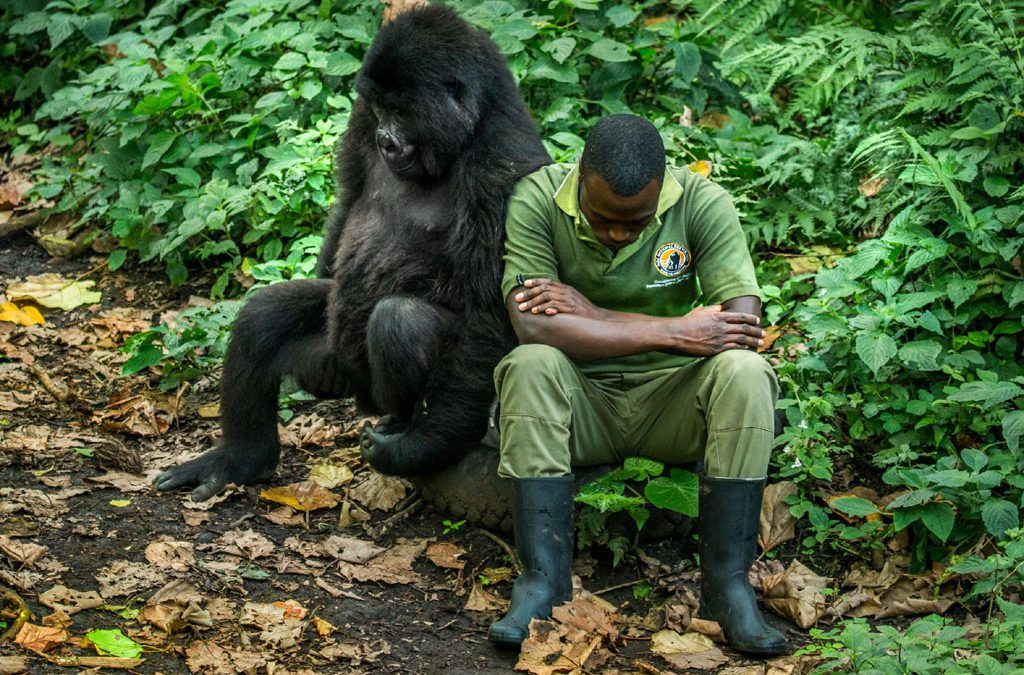
The Relationship Between Gorillas and Humans
Evolutionary History of Gorillas and Humans
Gorillas and humans share a common ancestor that lived around 10 million years ago. This evolutionary connection places gorillas alongside chimpanzees as one of our closest relatives. Studying their history helps us understand how humans evolved and what traits we share with these majestic creatures. Both species are primates, and our DNA is about 98% identical, highlighting this close relationship between gorillas and humans.
The evolutionary history between gorillas and humans underscores a complex web of genetic connections and divergences that have shaped both species over millions of years. Continued research into both genetic data and fossil records will further illuminate our understanding of where we come from and how we relate to these remarkable creatures.
Physical and Behavioral Similarities
Gorillas and humans exhibit a range of striking physical and behavioral similarities, reflecting their shared evolutionary heritage as primates.
Physical Similarities
- Opposable Thumbs: Both gorillas and humans possess opposable thumbs, which allow for grasping and manipulation of objects. This anatomical feature is crucial for tool use and fine motor skills.
- Skeletal Structure: The skeletal structure of gorillas is similar to that of humans, with adaptations that support both bipedalism in humans and quadrupedal movement in gorillas. Notably, gorillas have longer arms relative to their height, which aids in climbing.
- Facial Features: Both species have forward-facing eyes, which provide depth perception essential for navigating their environments. Additionally, the outer ear structure is remarkably similar between the two.
- Gestation Period: The gestation period for gorillas is approximately 8.5 months, closely mirroring the 9-month gestation period in humans, highlighting similarities in reproductive biology.
Behavioral Similarities
- Emotional Expression: Gorillas display a wide range of emotions akin to those of humans, including happiness, sadness, grief, and even jealousy. Instances of gorillas mourning deceased group members have been documented, showcasing their emotional depth.
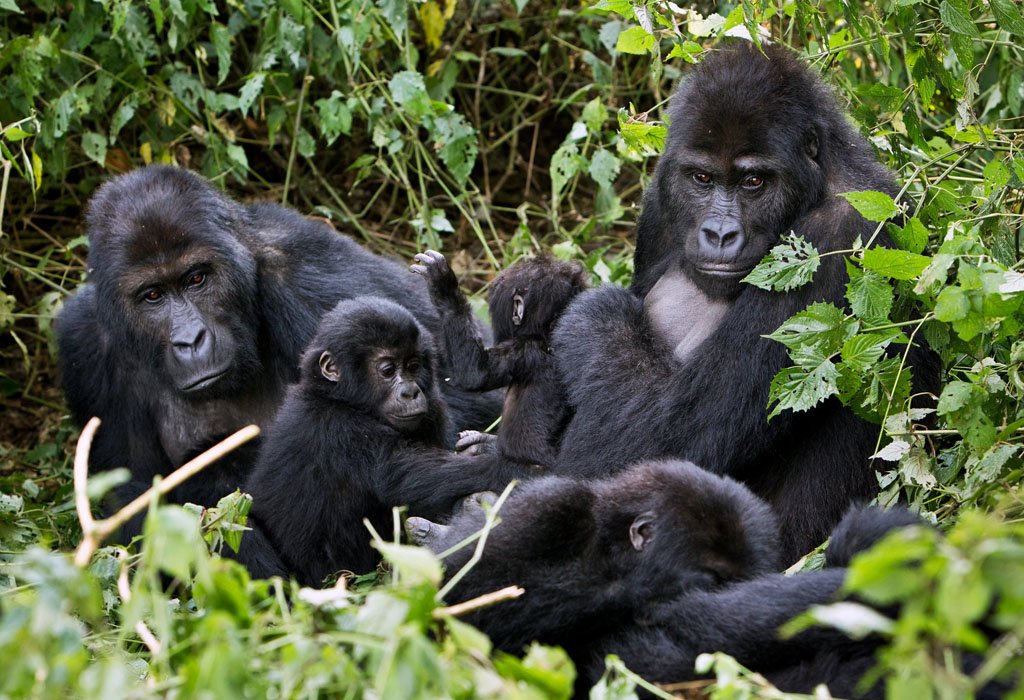
- Social Bonds: Both species form strong social connections within their groups. Gorillas engage in cooperative care of the young, with females often sharing parenting responsibilities. This nurturing behavior parallels human familial structures and communal child-rearing practices.
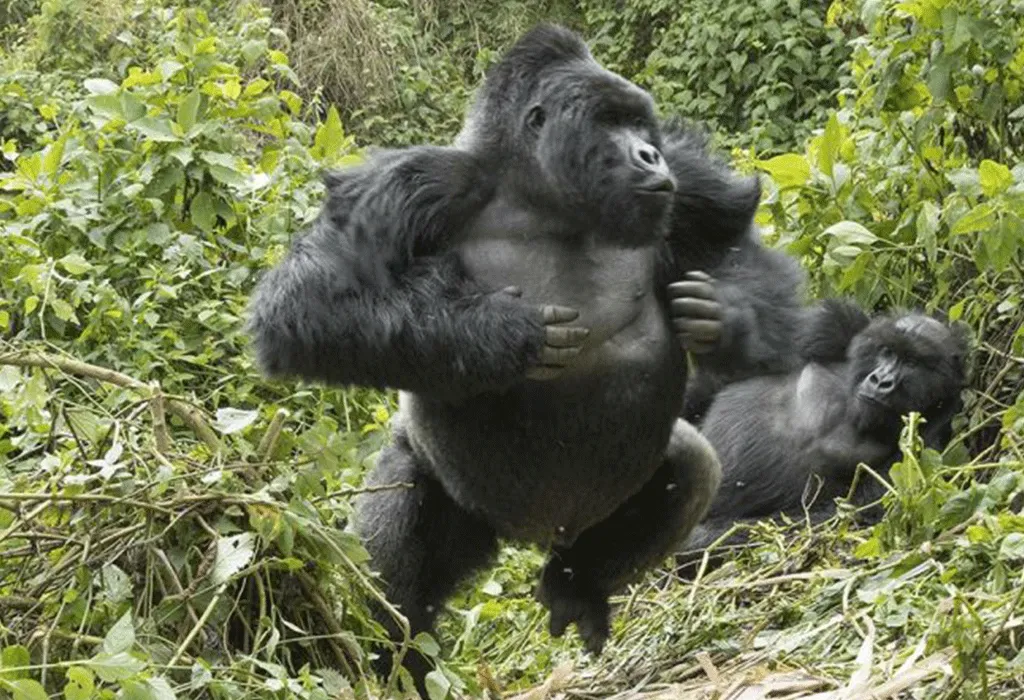
- Communication: While lacking spoken language, gorillas communicate through a variety of vocalizations and gestures. They use specific sounds to express emotions or alert others to danger, similar to how humans utilize nonverbal cues and vocalizations in social interactions.
- Tool Use: Gorillas have been observed using tools in their natural habitats, such as sticks to test water depth or leaves as sponges. This behavior indicates a level of cognitive function and problem-solving abilities that reflect human-like intelligence.
The physical and behavioral similarities between gorillas and humans underscore the close evolutionary relationship shared by these two species. Understanding these parallels not only enhances our knowledge of primate behavior but also enriches our appreciation for the complexity of gorilla societies.
Gorillas in Indigenous Cultures
In many African cultures, gorillas are respected and often regarded as symbols of strength, wisdom, and protection. Some indigenous communities believe gorillas possess spiritual qualities, and they feature in folklore as guardians of the forest. These cultural beliefs have influenced how gorillas are perceived and sometimes protected in their native habitats.
Conservation Efforts for Gorillas and Their Habitats
Conservation programs aim to protect gorillas from threats such as habitat destruction, poaching, and diseases. National parks and reserves in countries like Uganda, Rwanda, and the Democratic Republic of Congo play a vital role. Community-based initiatives and revenue-sharing from tourism help local populations support gorilla conservation.
Gorillas in Popular Culture
Gorillas have become iconic figures in popular culture, appearing in movies, books, and documentaries. Famous examples include King Kong and the gorilla characters in Disney’s “Tarzan.” These portrayals often highlight their strength and gentle nature, raising awareness about their conservation.
Communication and Interaction Between Gorillas and Humans
Gorillas communicate using a variety of sounds, facial expressions, and body movements. In captivity, some gorillas have learned sign language, demonstrating their ability to understand and use symbolic communication. Interaction between humans and gorillas, when done responsibly, provides insights into their intelligence and emotional depth.
Research and Studies on Gorilla Cognition
Studies on gorilla cognition reveal their ability to solve problems, use tools, and exhibit self-awareness. For example, Koko, a gorilla who learned sign language, showcased their intellectual capabilities and emotional complexity. Research like this helps bridge the gap between humans and gorillas, emphasizing our shared traits.
Zoos and Sanctuaries for Gorillas
Zoos and sanctuaries provide safe environments for gorillas, especially those rescued from poaching or habitat loss. These facilities also serve as educational centers, teaching visitors about gorillas and their conservation needs. However, ethical practices in their management are essential to ensure the well-being of these animals.
Threats to Gorilla Survival
Gorillas face significant threats, including deforestation, poaching, and diseases like Ebola. Mining for minerals used in electronics also destroys their habitats. Conservation efforts focus on combating these threats through stricter laws, anti-poaching patrols, and disease prevention measures.
The Role of Gorillas in Ecosystems
Gorillas play a crucial role in their ecosystems as seed dispersers. By eating fruits and excreting seeds in different locations, they help regenerate forests. These forests are vital for carbon storage, benefiting both wildlife and humans by mitigating climate change.
Gorilla Tourism: Benefits and Challenges
Gorilla tourism has emerged as a significant driver of economic growth and conservation efforts in regions where these magnificent animals reside. Tourists pay substantial fees for guided treks to observe gorillas in their natural habitats, generating critical revenue that supports both local communities and conservation initiatives. However, the management of this tourism must be approached with care to mitigate potential negative impacts on gorilla populations and their ecosystems.
Benefits of Gorilla Tourism
- Economic Revenue: Gorilla tourism contributes significantly to local economies. For instance, in Uganda, tourists pay around $600 per person for gorilla trekking permits, with a portion of this revenue directed to local communities. These funds are used to support infrastructure development, including schools, hospitals, and roads, thereby improving living conditions for residents near gorillas.
- Conservation Funding: The income generated from gorilla tourism is crucial for conservation efforts. It helps finance anti-poaching initiatives and the hiring of park rangers who protect gorillas from illegal hunting and habitat encroachment. This financial support has been instrumental in increasing the population of mountain gorillas in regions like Bwindi Impenetrable National Park.
- Community Development: Gorilla tourism fosters community involvement by creating jobs for local guides, trackers, and other service providers. This engagement not only provides income but also encourages locals to participate actively in conservation efforts, as they directly benefit from the protection of gorillas.
- Cultural Exchange: Tourists visiting gorillas often engage with local cultures, promoting cultural exchange and understanding. This interaction can lead to increased interest in preserving local traditions and environments.
Challenges of Gorilla Tourism
- Disturbance to Gorillas: While tourism can provide economic benefits, it also poses risks to gorilla populations. Regular human interaction can disrupt natural behaviors and routines, leading to stress among the animals. Studies have shown that tourist presence can alter feeding patterns and increase anxiety within gorilla groups.
- Disease Transmission: The proximity between tourists and gorillas raises concerns about disease transmission. Pathogens from humans can pose serious health risks to these endangered animals. Instances of tourists failing to adhere to safety guidelines—such as maintaining a minimum distance—have been documented, highlighting the need for stricter enforcement of health protocols.
- Resource Competition: Communities living near national parks may experience conflicts over resources as wildlife encroaches on agricultural land. Crop raiding by wild animals can lead to resentment among locals who feel the costs of conservation outweigh the benefits they receive from tourism revenue.
- Sustainability Concerns: The rapid growth of gorilla tourism can strain local infrastructure and resources if not managed sustainably. Overcrowding in popular trekking areas may degrade the environment and diminish the quality of the visitor experience if proper measures are not implemented.
Gorilla tourism presents a unique opportunity to support both conservation efforts and local economies. While it generates vital revenue that benefits communities and helps protect endangered species, careful management is essential to mitigate its challenges. By ensuring that tourism practices prioritize the well-being of gorillas and their habitats, stakeholders can create a sustainable model that balances economic development with ecological preservation.
Medical Research and Discoveries Inspired by Gorillas
Studying gorillas has led to medical insights, particularly in understanding diseases that affect both species. Research on gorilla genetics and immune systems has contributed to advancements in medicine, including treatments for conditions shared by humans and gorillas.
Ethical Considerations in Gorilla Research and Conservation
Ethical questions arise in gorilla research and conservation, such as balancing scientific study with animal welfare. Researchers must ensure their work does not harm gorillas or disrupt their natural behaviors. Ethical ecotourism and conservation programs prioritize gorilla well-being and the needs of local communities.
Gorilla Intelligence and Problem-Solving Abilities
Gorillas are intelligent animals capable of solving problems and adapting to challenges. They use sticks to test water depth and create comfortable sleeping nests. This problem-solving ability underscores their cognitive complexity and highlights their similarities to humans.
The Future of Gorilla-Human Coexistence
As human populations grow, coexistence with gorillas becomes increasingly important. Sustainable development, habitat protection, and community involvement are essential to ensure both species thrive. Education and awareness play key roles in fostering harmony between humans and gorillas.
Gorilla Symbolism in Art and Literature
Gorillas have inspired art and literature for centuries, symbolizing strength, family bonds, and resilience. From ancient carvings to modern novels, their depiction reflects our fascination and respect for these remarkable creatures.
Educational Programs and Outreach Initiatives
Educational initiatives play a crucial role in raising awareness about gorillas and the importance of their conservation. Through various programs offered by schools, zoos, and wildlife organizations, individuals gain valuable insights into gorilla behavior, ecology, and the threats these magnificent creatures face. These efforts not only inform the public but also inspire future generations to take action to protect gorillas and their habitats.
Key Components of Educational Initiatives
- Curriculum Development: Many educational programs incorporate gorilla conservation into school curricula, providing students with a comprehensive understanding of primate biology, ecology, and the challenges faced by endangered species. By integrating these topics into science and social studies classes, educators can foster a sense of responsibility and stewardship among young learners.
- Zoo and Wildlife Center Programs: Zoos and wildlife organizations often host interactive programs that allow visitors to learn about gorillas up close. These programs include guided tours, educational talks by zookeepers, and hands-on activities that engage participants of all ages. Such experiences help demystify gorillas and highlight their intelligence and social structures.
- Community Outreach: Many conservation organizations conduct outreach initiatives in local communities to raise awareness about gorilla conservation. These programs often include workshops, presentations, and community events that engage local populations in discussions about the importance of protecting wildlife and natural habitats.
- Digital Education: With the rise of technology, online educational resources have become increasingly popular. Websites, webinars, and social media campaigns provide accessible information about gorillas and conservation efforts. Virtual tours of national parks or live-streamed events featuring gorilla behavior can reach a global audience, spreading awareness far beyond local communities.
Educational programs and outreach initiatives are vital for raising awareness about gorillas and their conservation needs. By providing engaging learning opportunities through schools, zoos, and community outreach efforts, these initiatives inspire individuals to take an active role in protecting gorillas and their habitats. Ultimately, fostering a culture of awareness and responsibility is essential for ensuring the survival of these incredible creatures for generations to come.
Technological Innovations in Gorilla Research
Technology has revolutionized gorilla research, with tools like camera traps, drones, and GPS tracking providing new insights. These innovations allow scientists to monitor gorilla populations and their habitats more effectively, aiding conservation efforts.
Gorilla Parenting and Social Structure
Gorillas live in close-knit family groups led by a dominant silverback. Parenting is a shared responsibility, with mothers providing most care and the silverback offering protection. This social structure mirrors human families in many ways, emphasizing the deep bonds within gorilla groups.
Gorilla Myths and Misconceptions
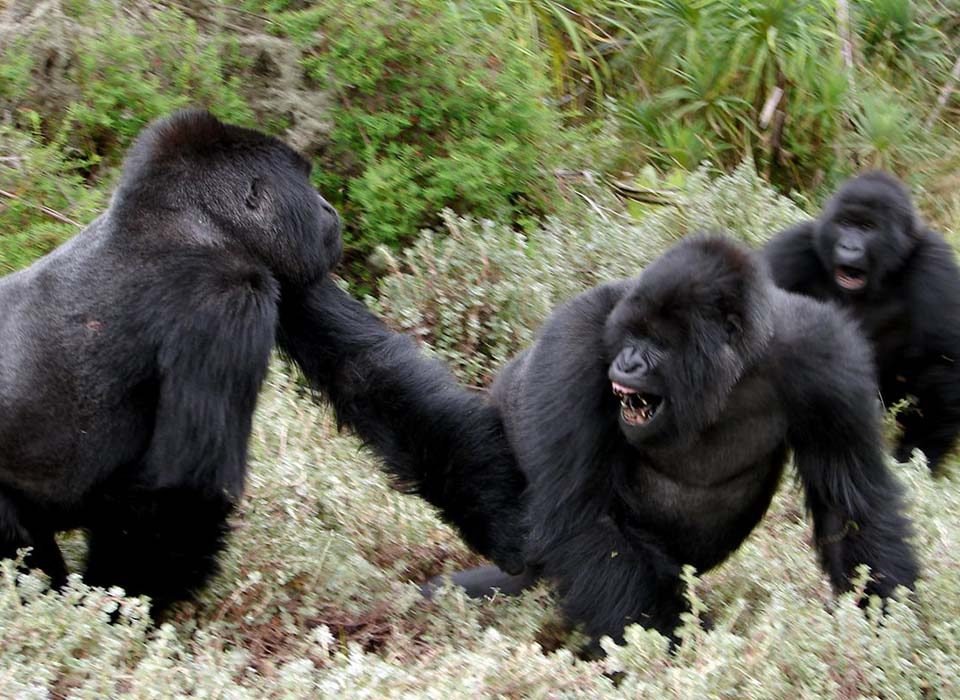
Gorillas are often misunderstood as aggressive animals, but they are generally gentle and shy. Misconceptions fueled by media portrayals overlook their true nature as peaceful and intelligent beings. Dispelling these myths is crucial for fostering respect and understanding.
Lessons Learned from the Gorilla-Human Relationship
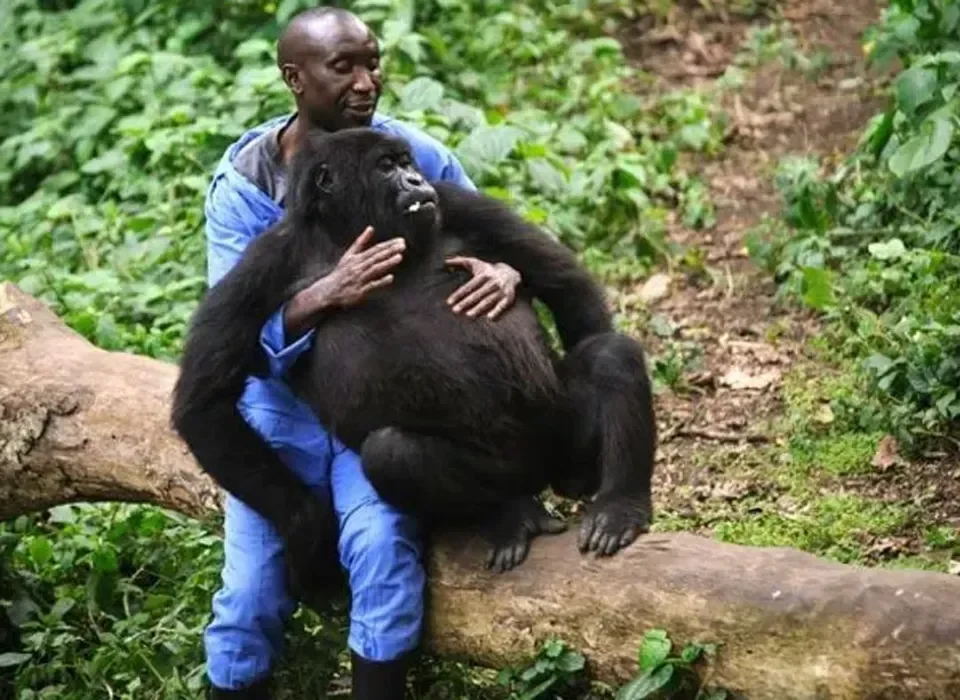
The relationship between gorillas and humans teaches us about empathy, conservation, and coexistence. By protecting gorillas, we also safeguard the ecosystems they inhabit, benefiting the planet as a whole. These lessons highlight the interconnectedness of all life forms.
This exploration of the relationship between gorillas and humans underscores our shared traits, mutual benefits, and the importance of conservation. By understanding and respecting these magnificent creatures, we pave the way for a harmonious coexistence that enriches both species.