Uganda safari in March: 7 Amazing Green-Season Tips

Uganda safari in March: 7 Amazing Green-Season Tips
A Uganda safari in March offers a revealing side of East Africa: emerald forests, changing skies, active birdlife and the possibility of mountain gorilla encounters alongside classic savannah drives. March begins a wetter transition in much of the country, yet regional differences matter enormously. This practical guide explains what to expect from weather, trekking, animals, costs and routes, and how to design a holiday that remains rewarding even when a shower changes the schedule.
Why travel to Uganda in March?
March sits between Uganda's relatively dry start of the year and the wetter months that follow. It is a transition rather than a switch that flips on a particular date. A morning might begin bright, move into humid cloud and end with a short intense shower. Another day may remain sunny. Travelers comparing months should understand that the weather differs across the country: the southwest has humid mountain forests, the west has lakes and savannah, and the north and northeast follow somewhat different rainfall patterns. A Uganda safari in March works best for people who value green scenery, flexible plans and a mix of experiences rather than insisting on dry roads every day.
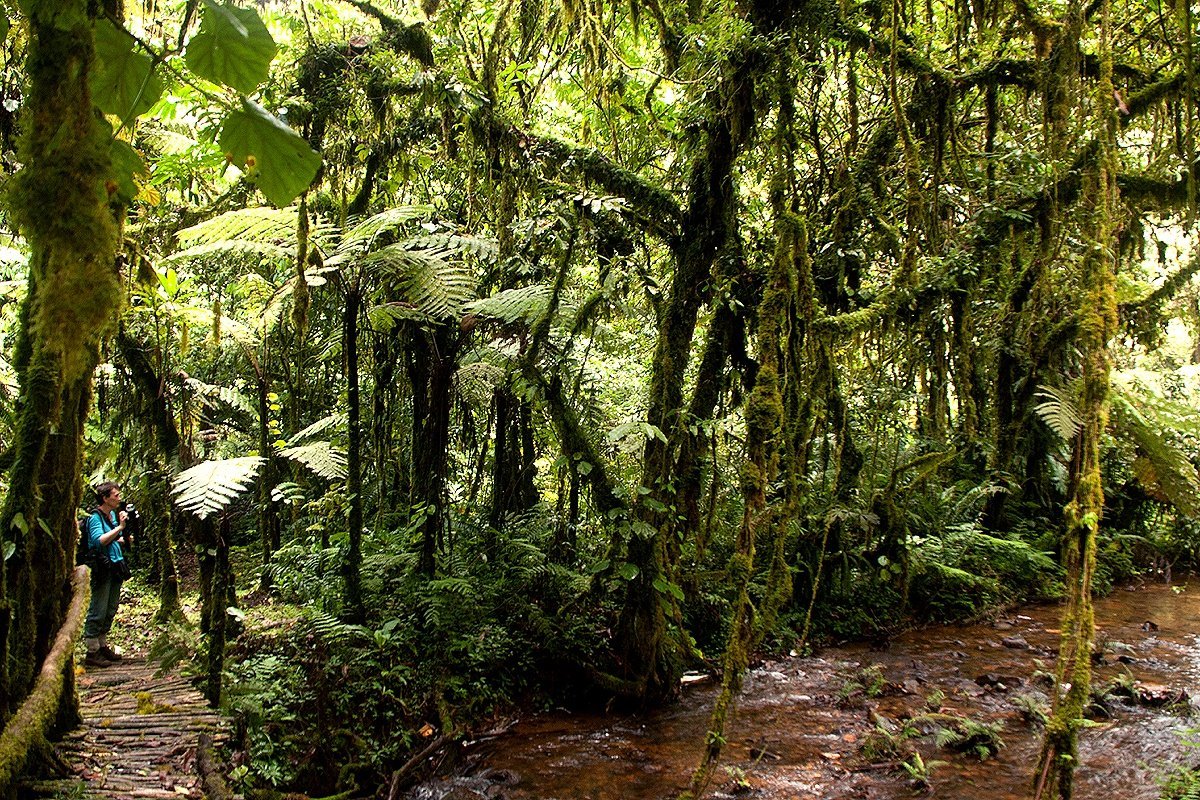
The main rewards are contrast and atmosphere. Fresh grass spreads across plains, flowering plants attract insects and birds, and the forests of Bwindi and Kibale feel deeply alive. Expect occasional muddy tracks, moisture on camera equipment and longer driving times after heavy rain. These are manageable trade-offs with a knowledgeable guide and a sensible route. A Uganda safari in March is not automatically the cheapest trip or the wettest month; individual lodge offers and actual rain patterns vary. Think of it as an opportunity to experience both wildlife and Uganda's dramatic landscapes with a little more weather awareness.
What is the weather like in March?
Uganda lies near the equator, but altitude matters more than a simple national forecast. Lowland savannahs can feel warm in the afternoon, while places near Bwindi, the Rwenzori foothills and higher sections of Mgahinga may feel cool in the morning and evening. March commonly brings the beginning of the longer rainy period in much of southern Uganda, although timing and intensity change from year to year. Rather than asking whether it rains in Uganda in March, ask how much of each day's schedule depends on dry trails, reliable road access and clear views. Short showers need not disrupt a boat cruise or a guided drive; persistent rain can.
A useful planning habit is to check weather forecasts for the actual park and nearby town shortly before travel. Kampala, Fort Portal, Kasese, Kisoro and Gulu can have noticeably different conditions on the same day. Cloud cover can be an advantage for wildlife photography because it softens harsh midday light, but mist may obscure mountain panoramas. Pack for changing conditions without assuming that March means uninterrupted rainfall. Your operator should also have a backup plan for a particularly wet transfer day.
When comparing options, ask what happens if the weather changes the order of activities. A good answer should explain realistic alternatives instead of offering a blanket guarantee. For example, a game drive may shift to a later hour, while a confirmed trekking permit has much less flexibility. Travel insurance, cancellation rules and the location of the next lodge affect what can be changed. A clear plan keeps changes manageable.
Early March versus late March
Early March can sometimes retain more of the dry-season feel, especially in northern wildlife areas, while the possibility of sustained showers generally increases as the month progresses in several southern regions. Neither half of the month comes with guaranteed weather. If your schedule is fixed, prioritize park choice and logistical flexibility over trying to predict one completely rain-free week. A Uganda safari in March at the start of the month is not automatically better than one at the end: wildlife movements, your preferred Accommodation and available trekking permits can matter more.
Visitors whose main priority is easy walking in the forest may favor travel dates closer to the preceding drier months. Travelers who enjoy vivid foliage and birdlife may find later dates appealing, provided that they are comfortable with wet trails. Parents with children, photographers carrying substantial equipment and visitors with mobility limitations should be especially careful about how much steep walking is included. Whatever your dates, build at least one unhurried night close to the most important activity instead of arriving exhausted just before a trek.
Is March good for gorilla trekking?
Uganda safari in March: preparing for the forest
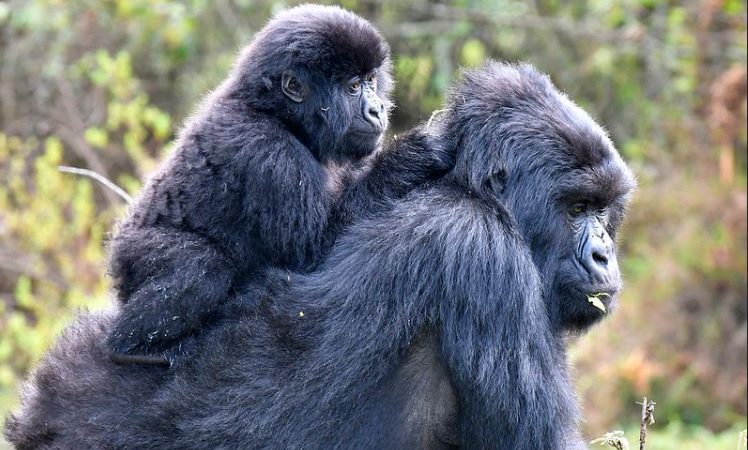
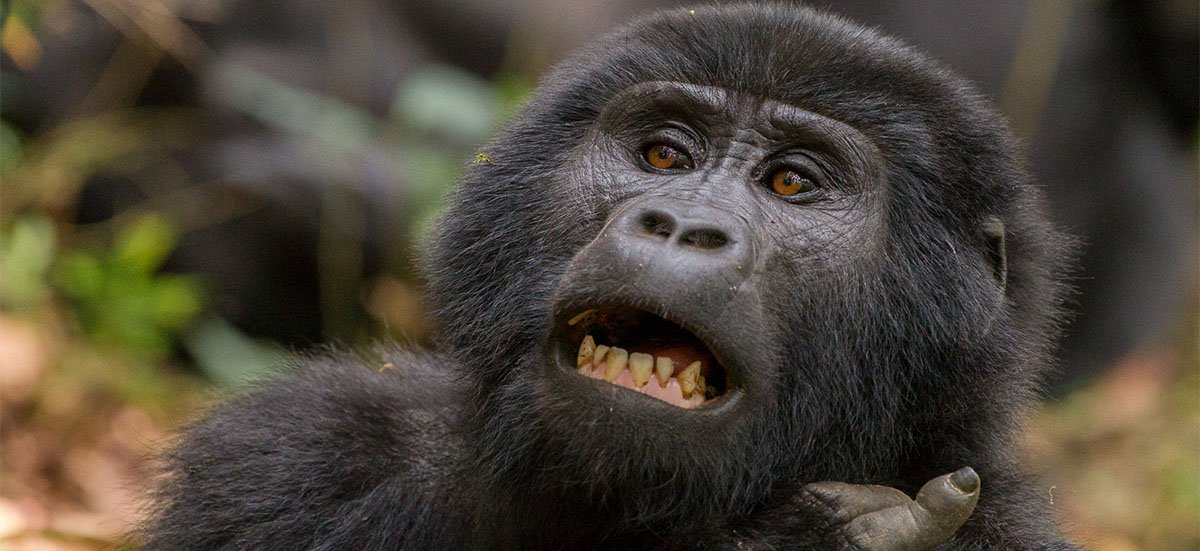
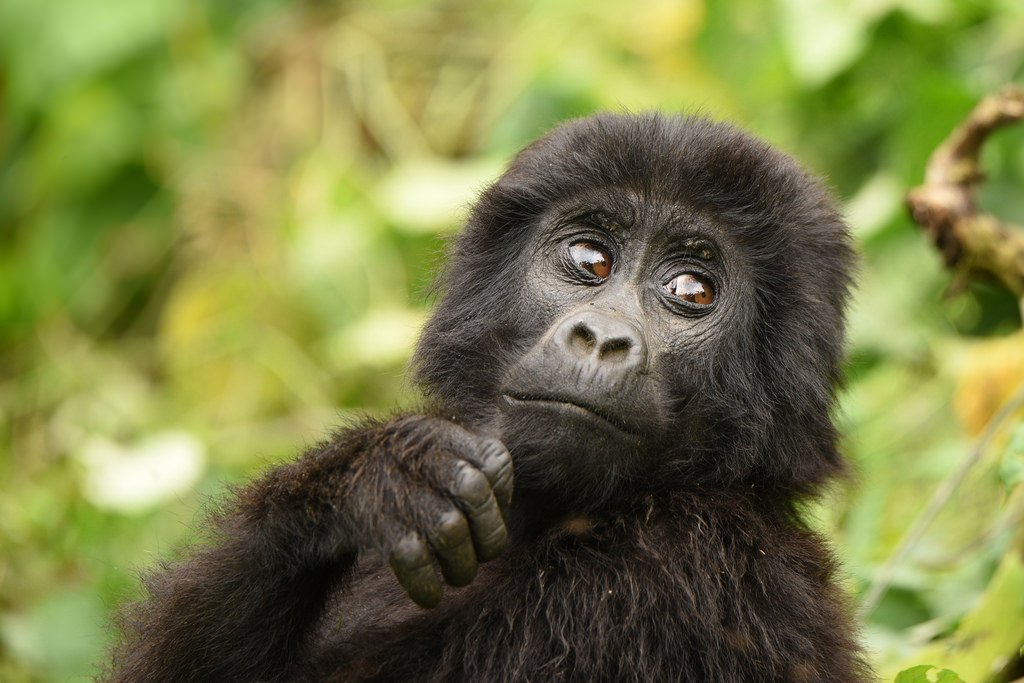
Yes. Gorilla trekking operates through the year in Bwindi Impenetrable National Park and Mgahinga Gorilla National Park, subject to park operations and permit availability. The challenge in March is underfoot. Wet leaves, clay paths, exposed roots and steep slopes can make the approach more demanding, particularly after repeated rain. It is wise to use boots with good grip, carry rain protection and consider hiring a local porter. A Uganda safari in March can therefore include an extraordinary mountain gorilla encounter, but the physical effort should be taken seriously.
Trek length depends on where a habituated gorilla family is located, the terrain, ranger decisions and the group's pace. It cannot be promised in advance. Guides brief visitors about safe behavior and viewing limits, and anyone who feels unwell should follow the park's health guidance to protect the apes. Bring a waterproof pouch for documents and camera batteries. Leave time afterward to rest and dry clothes. The forest experience is about observation and respect, not getting the perfect photograph at any cost.
Choosing Bwindi or Mgahinga
Bwindi covers a complex mountain landscape with multiple trekking sectors. Where you sleep matters: a lodge convenient for Buhoma may be far from a trek beginning in Rushaga or Nkuringo. Confirm the permit's exact sector before choosing accommodation, and do not assume that all Bwindi lodges are interchangeable. Mgahinga, in the Virunga region, offers a different volcanic setting and can combine naturally with golden monkey tracking where available. For a Uganda safari in March, choose the location that matches confirmed permits, physical ability and sensible road connections.
The steepest or most remote-feeling options are not necessarily right for every traveler. A porter can help with a daypack and balance on slippery stretches, and a walking stick may provide additional support. Some travelers will enjoy a longer forest hike; others prefer to minimize exertion. It is important to explain medical, mobility and fitness concerns before paying deposits. Regardless of the park, plan to arrive in the area the previous day, not on the morning of an early ranger briefing.
Wildlife remains wild throughout the year. No operator can promise a lion sighting, the position of a gorilla family or the appearance of a shoebill on a particular outing. Guides improve the chances through local knowledge and careful observation, but the most memorable moments are often unexpected: a fish eagle calling above a channel, elephants moving between patches of grass, or the deep sound of a chimpanzee community hidden in the trees. Build time for those surprises.
Check trekking permits and plan your forest route
Share your travel dates, group size and most important experiences for a route that accounts for actual weather and realistic transfers.
info@ugandarwanda-safaris.com
Chimpanzees in Kibale Forest
Kibale Forest National Park is one of Uganda's flagship chimpanzee destinations and fits naturally into a western circuit. March's leafy forest creates a memorable sensory experience: you may hear calls echoing through the canopy before you see a group. Chimpanzees can move quickly, and sightings depend on their behavior, the forest and conditions on the day. Even when visibility is limited, the experience of tracking with trained guides can be absorbing. Include sturdy shoes, a quiet approach and suitable rainwear, just as you would on a mountain gorilla trek.
Combining chimpanzees and gorillas gives a Uganda safari in March a distinctive primate theme. Travelers should secure activity permits, check minimum ages and confirm whether particular encounters have additional rules. Do not schedule a long cross-country road journey immediately before a forest trek. If possible, stay an extra night around Fort Portal to explore nearby landscapes at a comfortable pace. An itinerary centered on great apes can still include savannah game viewing without trying to fit every Ugandan park into one week.
Queen Elizabeth National Park
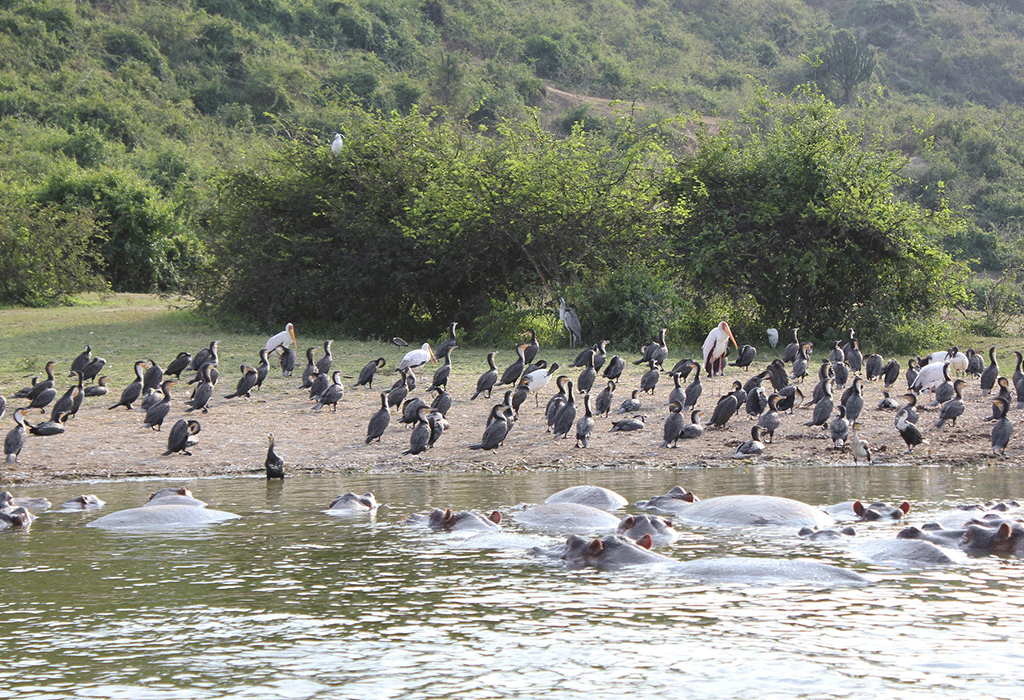
Queen Elizabeth National Park provides a useful contrast to the highland forests. Game drives can reveal elephants, buffalo, antelope and predators, while the Kazinga Channel offers water-based viewing of hippos, crocodiles and birds. A March wildlife drive may take place amid greener, taller vegetation than visitors see during a drier period. That can make distant animals harder to spot, but it also creates rich landscape photographs. A Uganda safari in March with both Queen Elizabeth and Bwindi should allow realistic transfer time and enough nights for a morning drive and a boat outing.
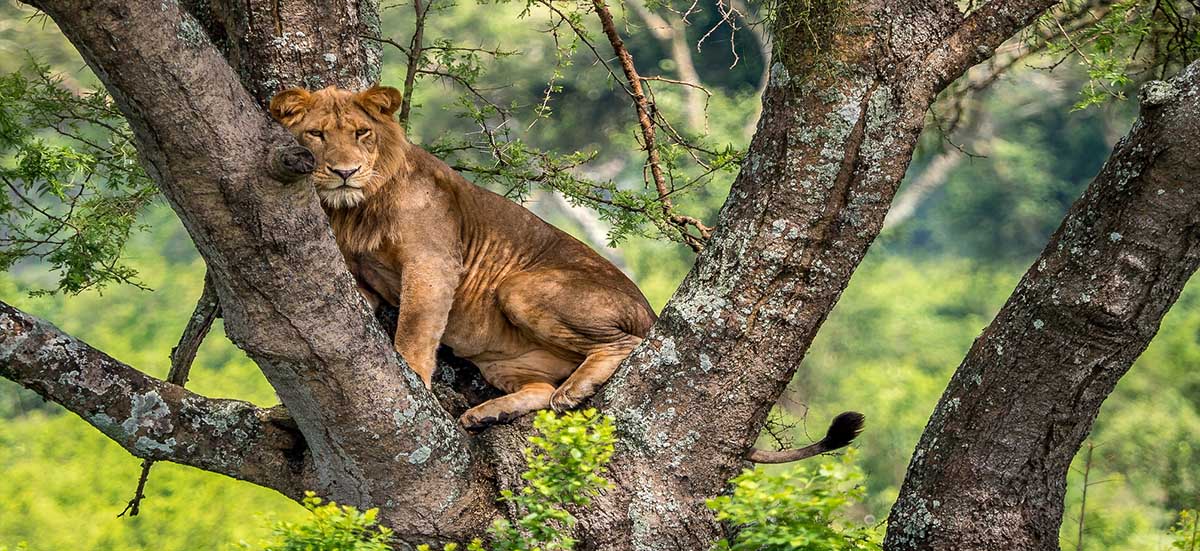
The Ishasha sector is associated with tree-climbing lions, although sightings are never guaranteed. Rather than racing from one sighting to another, give an experienced guide time to watch tracks, listen to alarm calls and identify productive habitats. Water levels and boat schedules should be checked locally, especially after significant rain. A slow morning on the channel can be just as rewarding as a dramatic predator encounter, particularly for travelers interested in birds and animal behavior.

Murchison Falls and the Victoria Nile
Murchison Falls National Park is a strong option for visitors interested in elephants, giraffes, buffalo, birdlife and the river itself. Its northern position can make March conditions different from the wetter southwest, although showers remain possible. A boat cruise toward the falls reveals riverbank wildlife and gives the itinerary variety after several vehicle drives. The waterfall is a spectacular geological sight; access arrangements, boat services and viewpoints should be confirmed for the planned date. A Uganda safari in March that emphasizes game drives may work especially well here when road and park conditions cooperate.
Do not underestimate the distance between Entebbe, Murchison Falls and the western primate parks. Some routes require long days and should be broken with overnight stops if comfort is a priority. Early game drives can be rewarding, but sightings depend on conditions rather than month alone. Keep a light rain jacket in the vehicle even on a sunny morning. If photography is central to the trip, let the guide know whether you prefer landscape views, birds or patient observation of large mammals.
Travelers sometimes confuse rainfall averages with a forecast for their exact dates. Monthly averages describe broad patterns, not whether a morning activity will be interrupted. Elevation, prevailing winds and local terrain produce meaningful differences even within the same national park. Use the averages to select a suitable region, then review near-term weather with your accommodation and guide. Keeping your rain layer within reach is more useful than trying to predict every shower several months ahead.
Kidepo Valley and the northeast
Kidepo Valley National Park lies in northeastern Uganda and has a distinctive semi-arid landscape. It is often considered by travelers wanting a remote-feeling plains safari, with mountain backdrops and broad valleys. Its seasonal pattern differs from the southern highlands; March can be a transition as the wet period approaches. Because the park is distant from the popular western loop, Kidepo is usually best as the focus of a dedicated northern route or a carefully budgeted flight-and-road combination rather than an improvised detour.
A Uganda safari in March should never add Kidepo merely to increase the number of parks on a checklist. First consider how many full wildlife-viewing days the travel time will leave. Road conditions, domestic flights and accommodation options need checking for the actual dates. Travelers with a short trip may prefer Murchison Falls or Queen Elizabeth. Those with more time can value Kidepo precisely because its scenery and sense of space are different from the forest-heavy southwest.

Lake Mburo and shorter itineraries
Lake Mburo National Park can be a convenient stop on certain road routes between Kampala or Entebbe and southwestern Uganda. It features rolling woodland, wetlands, zebra and other plains wildlife, with activities dependent on park permissions and local availability. A short visit can break up a long transfer and introduce travelers to a different ecosystem before the gorilla region. When planning a Uganda safari in March, however, be wary of adding a one-night stop that creates more packing and driving than actual wildlife time.
If the route has enough space, explore guided walking opportunities, boat activities or morning drives with an authorized guide. Wet weather can affect the surfaces of some tracks, and activities should be selected for the conditions on arrival. Its value lies in relaxed observation, landscape detail and a gentler rhythm.
Design a route through Uganda’s wildlife parks
Share your travel dates, group size and most important experiences for a route that accounts for actual weather and realistic transfers.
info@ugandarwanda-safaris.com
Birdwatching in March
March can reward birdwatchers with fresh vegetation, active resident species and seasonal visitors, although the exact species present depend on locality and migration timing. Forest birding around Kibale or Bwindi is very different from watching waterbirds on the Kazinga Channel. Wetlands, open savannah and river edges support still other communities. A Uganda safari in March can suit travelers who appreciate birds as much as mammals, especially when a specialist guide is booked and enough time is reserved at productive habitats.
The shoebill is a famous target, but a sighting should never be promised. Birders may need an early departure, a permitted wetland excursion and patience in variable visibility. Bring binoculars and a field guide or offline identification app; a camera is useful but not essential. Birding is more satisfying when the route follows habitat diversity rather than a rushed species checklist. Wet mornings may require waterproof notebooks and protective covers for optics. Give a guide your priority species list before the journey starts.
Photography in the green season
A Uganda safari in March can produce beautiful photographs under changing skies: fresh grass, dark rain clouds, reflective channels and mist over mountains. Overcast light often reduces hard shadows on animals, while the interval after a shower can produce rich color. The drawback is moisture, slippery footing and dense vegetation that conceals small animals. A Uganda safari in March is therefore excellent for photographers willing to adjust expectations rather than demanding uninterrupted golden-hour sunshine.
Keep a dry bag or rain cover handy, use lens cloths carefully and protect spare batteries from dampness. Avoid changing lenses in a dusty or rainy vehicle. Ask the driver to stop safely before using a long lens and never pressure guides to leave authorized tracks or crowd wildlife. For portraits of local people, request consent. Your best frames may include the surrounding habitat rather than only a tightly cropped animal. A rain shower can become part of the story of a journey, not merely a disruption to the schedule.
Practical comfort matters. A small towel, a dry pair of socks and somewhere to air boots after a trek can transform the following day. Lodges may have different drying arrangements, so ask about laundry turnaround rather than assuming that wet clothes will be ready overnight. In a vehicle, keep your daypack organized so binoculars, drinking water and a rain jacket remain reachable. Simple habits make a green-season journey feel considerably smoother.
How many days should you allow?
For a first visit, seven to ten days allows a balanced western Uganda route when transfer times are considered carefully. A typical pattern links Entebbe, Kibale, Queen Elizabeth and Bwindi, possibly including Lake Mburo if distances and priorities make sense. Shorter trips work when you focus on one or two areas, while eleven to fourteen days gives room for Murchison Falls or more rest. A Uganda safari in March benefits from an itinerary that can absorb the occasional slow drive without jeopardizing a confirmed permit or departure flight.
Do not treat a park arrival as equivalent to a full activity day. Check how many uninterrupted mornings and afternoons are actually available after transfers, permit briefings and hotel check-ins. A gorilla trek deserves a nearby overnight stay before the activity and ideally a calm evening afterward. Build your route around the least flexible activity first.
Sample eight-day March itinerary
Day one is for arrival at Entebbe, a relaxed meal and an overnight stay. On day two, travel toward Fort Portal and Kibale, stopping when conditions and daylight permit. Day three is for chimpanzee tracking and a quieter afternoon. Day four connects the forest region to Queen Elizabeth National Park, leaving time to enjoy the landscape. Day five combines an early game drive with a planned boat excursion if services and conditions allow. Day six continues toward the Bwindi trekking sector assigned to your permit.
Day seven is reserved for the mountain gorilla encounter, followed by rest. Day eight is a transfer or departure day only if the road and flight timings are genuinely realistic; otherwise add a ninth day. A Uganda safari in March with this outline should be customized to actual park sectors, individual fitness, accommodation locations and the possibility of wet roads. If you want Murchison Falls or Kidepo, add days rather than compressing the route. A careful schedule gives the guide more scope to adjust to weather without losing the holiday's essential experiences.
Sample five-day focused itinerary
Five days is enough for a narrower trip, not a compressed national tour. A practical option may involve arrival, a dedicated transfer toward Bwindi, one gorilla trekking day, another night nearby and a return journey, provided transport details are confirmed. Alternatively, a northern itinerary can devote several days to Murchison Falls and the Nile rather than rushing to the far southwest. The choice should reflect whether the traveler values primates, traditional game drives, landscapes or river wildlife most.
A Uganda safari in March on a short timetable must protect buffer time. Heavy rain is not a reason to cancel every activity, but a single slow transfer can affect connections when each day is tightly packed. If using a domestic flight, inspect its actual schedule and luggage limits before booking the lodge. A short trip can feel wonderfully complete when it pursues one strong theme, whereas chasing four parks in five days mostly creates a memory of roads.
Safari prices and March value
Prices depend on the trip length, accommodation, vehicle arrangement, group size, permits, park charges and whether domestic flights are included. Some lodges may offer lower rates outside the busiest travel periods, but travelers should never assume every March booking is discounted. Gorilla permits and other regulated fees have their own rules, and availability can change. Request a written quote that separates accommodation, transport, park entry, guide services, meals, trekking permits and optional activities.
A Uganda safari in March can deliver good value when the itinerary avoids excessive flights and costly backtracking. A private vehicle may cost more for a couple than a small group but creates useful flexibility in uncertain weather. Compare the number of full activity days and the location of lodges before choosing the lowest package price. Also inspect cancellation terms, particularly when permits or flights are nonrefundable. Price should be weighed against safe logistics, guide quality and a realistic pace.
For a mixed-interest group, discuss priorities before booking. One person may want to stop for every colorful bird, while another hopes to spend more time searching for big cats. Both can enjoy the same journey if the guide understands the balance and the schedule leaves enough room for different activities. Long transfers magnify small disagreements, so decide whether a private vehicle or a smaller number of destinations will improve the experience for everyone.
Request a clear March safari quotation
Share your travel dates, group size and most important experiences for a route that accounts for actual weather and realistic transfers.
info@ugandarwanda-safaris.com
Permits and advance booking
A gorilla trekking permit is separate from general park entry, accommodation and national immigration permission. Chimpanzee activities may also require advance permits or reservations. Arrange these through the appropriate authority or a reputable operator, and confirm the names, date and location on each booking. Even if March is quieter than peak periods, availability cannot be assumed. The best practice is to secure your most important activity before finalizing all hotels and flights.
A Uganda safari in March should also include checks for current park regulations and any temporary changes to road or activity access. Confirm the intended briefing point, expected meeting time and the transfer from the lodge. Keep secure offline copies of permits and contacts. Do not rely on generic internet fee lists: rates, discounts, payment requirements and eligibility categories can change. An accurate itinerary states what is included and which arrangements remain subject to confirmation.
What to pack for March
Pack lightweight, breathable clothing for warm afternoons and a fleece or warm layer for cool highland mornings. Bring a proper rain jacket, a compact cover for your daypack and quick-drying clothing. For trekking, sturdy boots with traction, long trousers and long sleeves protect against mud, scratches and insects. A walking stick and gloves may be useful when recommended by your guide. Neutral colors work well for game drives, while a wide-brimmed hat, sunscreen and refillable water bottle help in exposed areas.
A Uganda safari in March needs practical rather than excessive luggage. Include spare socks, a small torch, binoculars, insect repellent and protective storage for electronics. Soft luggage can be helpful for vehicle loading and may be required on some small flights; check the actual baggage rules. Pack medication in original packaging with any necessary documentation. A small dry bag for passport copies and camera batteries can make wet-weather days far more comfortable. Avoid relying solely on umbrellas during forest treks where your hands may be needed for balance.
Health, hygiene and safety
Before travel, consult a qualified travel-health professional about vaccination requirements, malaria prevention and personal medical needs. Entry rules may depend on passport nationality, travel history and transit countries, so use current official advice rather than an old blog post. Carry suitable insurance covering your planned activities and medical evacuation where relevant. Clean drinking water, sun protection and insect-bite prevention are important regardless of season. Anyone with a respiratory or other communicable illness should follow ranger instructions around great apes.
A Uganda safari in March requires the usual wildlife precautions plus some awareness of wet surfaces and road conditions. Never leave a vehicle where prohibited, approach animals on foot without authorization or walk around an unfenced camp after dark without guidance. Follow your guide's instructions during boat cruises and on steep paths. Confirm weather-related route changes before undertaking long transfers. A good operator makes adjustments based on safety and actual conditions rather than trying to follow a printed schedule at all costs.
Responsible trekking and local communities
Gorillas and chimpanzees are vulnerable to human disturbance and disease. Maintain the distance set by rangers, avoid flash where prohibited and never try to touch or feed an animal. Keep voices low, follow viewing-time restrictions and carry out everything brought into the forest. Hiring local porters and guides can support livelihoods while making challenging paths easier to navigate. Choose operators who respect park rules even when a dramatic photograph seems tempting.
A Uganda safari in March can include community-led experiences near forest parks, local food, crafts or guided cultural walks. Select activities that are invited and organized by participating communities, and ask permission before photographing anyone. Weather can affect paths to village meeting places as well as wildlife trails, so build flexibility into arrangements. Thoughtful tourism is not only about leaving no litter; it also means respecting hosts, paying fair prices and allowing enough time for genuine exchange rather than rushing through a staged stop.
Travel routes and driving conditions
Most international visitors arrive through Entebbe, then use a private road vehicle, domestic flight or a combination. Uganda's road distances are easy to underestimate, particularly when a destination lies across hills, passes or park tracks. Traffic, local roadworks, rain and stops can all change the journey. Ask your operator for realistic driving-hour estimates and which route they normally use in wet conditions. A longer but more reliable main road may be preferable to a shorter scenic shortcut after heavy rain.
A Uganda safari in March should avoid very tight same-day combinations of a long drive and an international departure. Domestic flight services and road transfers need coordination, and small aircraft may have baggage limits. When traveling between Queen Elizabeth and Bwindi, the precise trekking sector matters for timing. Give yourself a buffer for a late arrival and keep snacks, water and essentials accessible in the vehicle. The journey becomes easier when logistics are designed for actual conditions rather than ideal weather on a map.
Responsible operators should explain what is confirmed, what is provisional and what can change with park guidance. Before paying a deposit, request the lodge names, included meals, exact permit types, transfer mode, vehicle arrangement and the conditions for altering the itinerary. Review the final departure details again shortly before traveling. This is especially useful when several activities depend on ranger schedules, road access and weather across different regions.
Accommodation during the rainy transition
Choose a lodge for its location, access and reliable service rather than only its room photographs. A comfortable property close to the gorilla briefing point can save a stressful early drive. In savannah parks, proximity to a gate or a productive game-viewing sector may create more wildlife time. Ask about heating or warm bedding in higher areas, reliable hot water, laundry or drying facilities and the state of the approach road after rainfall. Families may particularly appreciate a property with covered communal space.
A Uganda safari in March can include misty forest camps, classic lodges and smaller guesthouses. Compare prices only after checking which meals, park transfers and activities are included. An apparently cheaper hotel may sit much farther from the planned activity, adding hours on a wet morning. Some travelers enjoy listening to rain on a lodge roof; others prioritize a solid building and easy access. Match the accommodation style to the people traveling, not to the most dramatic marketing picture.
Discuss your preferred pace and travel dates
Share your travel dates, group size and most important experiences for a route that accounts for actual weather and realistic transfers.
info@ugandarwanda-safaris.com
Who will enjoy a March safari?
March suits adaptable travelers who appreciate scenery, birdlife and wildlife behavior as much as a flawless forecast. It can be attractive for photographers, experienced hikers and visitors comfortable carrying waterproof gear. It may be less suitable for someone with limited balance who wants the easiest possible forest trails, or a family whose schedule cannot absorb any delay. That does not mean these travelers must avoid the month; it means the route and activities need more careful selection.
A Uganda safari in March can work well for couples, friends, families with age-appropriate activities and independent-minded travelers using a qualified guide. Anyone combining gorilla trekking with walking or boating should discuss fitness, accessibility and weather limits in advance. A private vehicle provides more flexibility, while a carefully organized small group can reduce costs. Keep expectations balanced: the month offers memorable wildlife opportunities, not guaranteed clear skies, guaranteed discounts or guaranteed sightings.
Frequently asked questions
Is Uganda too wet for a safari in March? No. March often begins a wetter period in many regions, but conditions vary by place and year. Some activities continue between showers, and northern parks may differ from the southwest. Is gorilla trekking possible? Yes, with permits and appropriate fitness, although trails can be slippery. Is March good for big mammals? It can be, especially with experienced guides; taller vegetation may affect visibility and water-dependent concentrations differ from very dry months.
Are there fewer travelers? Some properties and activities may see less demand than in peak dry-season periods, but no particular lodge or permit can be guaranteed available. Do you need waterproof boots? For forest trekking they are strongly advisable, together with a rain jacket and dry storage. Are the prices always lower? No: request actual quotes. Can you combine gorillas and chimpanzees? Yes, with careful transfer planning. A Uganda safari in March is most rewarding when these questions are answered for the specific trip rather than through broad seasonal promises.
Planning your Uganda safari in March
Start by choosing the encounter that matters most: mountain gorillas, chimpanzees, savannah mammals, birds or a mix. Fix its location and any required permit first. Then add nearby experiences that bring a genuinely different habitat, allowing at least one flexible period around a major transfer. Review likely wet-weather challenges with your guide, choose lodges near key activities and check current official entry and health information. This sequence is more effective than beginning with a long list of famous parks.
The best Uganda safari in March is a thoughtfully paced journey that treats rain as one possible part of the landscape rather than the definition of the holiday. Forest mist, green hillsides, elephants on open grassland and birds beside the Nile can all belong to the same trip. By matching expectations to geography, using a knowledgeable operator and leaving room for weather, you can enjoy Uganda's remarkable variety while traveling respectfully and safely.