12 Unmissable tourists attractions in congo: Amazing Sights

Around 250 tourists a month climbed to the top of Mount Nyiragongo, Africa's most active volcano, in the eastern Democratic Republic of Congo, in 2915, lured by the chance to see the world's largest lava lake. At 3470m above sea level, the lip of the crater also offers spectacular dawn views to the seven other volcanoes in the virunga range.
12 Unmissable tourists attractions in congo: Amazing Sights
tourists attractions in congo introduces a remarkable range of natural and cultural places, but any DRC travel must be evaluated against current official advisories.
The expression tourists attractions in congo often appears in searches for rainforests, gorillas, volcanoes and the enormous Congo River. This guide concentrates on the Democratic Republic of the Congo, also called DR Congo or Congo-Kinshasa, rather than the separate Republic of the Congo, whose capital is Brazzaville. Travelers should treat this page as a carefully qualified destination overview, not a promise that listed attractions are currently accessible. Research proposed excursions before booking. Reconsider best places to visit in DR Congo whenever conditions change. Understand tourists attractions in congo before choosing a route. Explore tourists attractions in congo through reliable information. Compare best places to visit in DR Congo without ignoring regional risks.
The country stretches from Atlantic mangroves through the Congo Basin to mountain forests and volcanic landscapes near the Great Lakes. Consider national parks in the Democratic Republic of Congo through a conservation lens. An effective itinerary chooses a defined region, confirms access with dependable local partners, and makes security the first decision rather than an afterthought. Review tourists attractions in congo with realistic expectations.
Travel safety and current access come first
As of November 2026, United States and Australian authorities advise against travel to the Democratic Republic of the Congo. The United Kingdom and other governments also warn strongly about specific DRC regions, with particularly serious risks in the east. The risks include armed conflict, kidnapping, violent crime, disrupted transport and health emergencies. A national park being famous or historically promoted for tourism does not overrule current official advice. If your government advises against a route, reconsider the journey and check insurance exclusions. Review gorilla trekking in the Democratic Republic of Congo with realistic expectations. Discuss gorilla trekking in the Democratic Republic of Congo with qualified specialists.
Virunga National Park currently states that gorilla and Mount Nyiragongo treks are closed until further notice. Do not purchase a supposed guaranteed departure from an independent seller based on old promotional content. Kahuzi-Biega, the Okapi Wildlife Reserve and other remote conservation areas likewise need independent, date-specific verification about park operations, road safety, permits and whether visitor movement is authorized. An appealing photograph of a forest road says nothing about present-day access. Travelers considering the region should read official notices close to departure and avoid unofficial border crossings.
Virunga National Park: a spectacular but restricted landscape
Why tourists attractions in congo require extra care
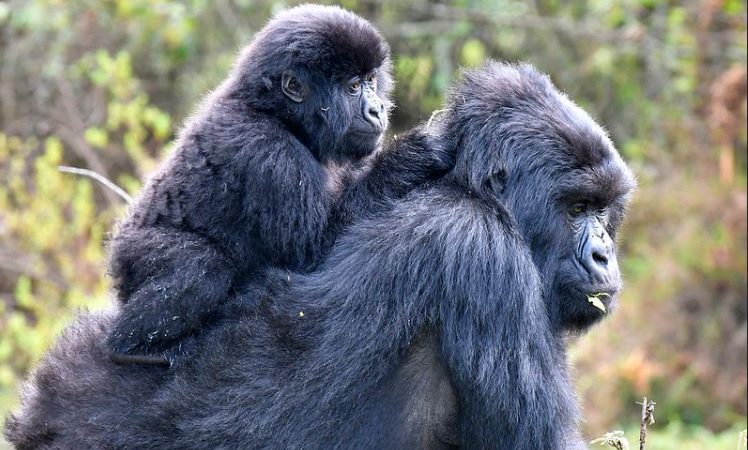
Virunga National Park is the iconic eastern DRC landscape of volcanic slopes, lakes, grasslands and mountain forest. It is one of the five natural World Heritage properties listed by UNESCO for the country. In conservation writing, Virunga is associated with mountain gorillas, rare habitats and a long history of ranger protection. Historic tourism included guided gorilla tracking and access to the Nyiragongo volcanic zone. Neither experience should be advertised as currently bookable while the park maintains its closure notice for those treks. Approach the best things to do in DR Congo with informed caution. Treat national parks in the Democratic Republic of Congo as a planning topic. Investigate the best things to do in DR Congo with care and patience.
Geography explains the appeal. Virunga extends through different altitudes and vegetation zones, so a single protected area encompasses extraordinary ecological contrasts. It also lies in a region where conflict and shifting control can make itineraries unsafe or impossible. A serious travel writer must separate why the landscape matters from what visitors can actually undertake. Readers interested in Virunga should prioritize official conservation updates, reputable security information and the experience of park-linked professionals rather than generic packages promising a fixed departure date.

Mount Nyiragongo and the volcanic Virunga Mountains
Mount Nyiragongo is one of Central Africa’s most recognizable volcanoes. Images of its crater and past lava-lake activity made the mountain famous far beyond the DRC, while its eruptions have also brought devastating consequences for nearby communities. The volcano is not a casual viewpoint or a self-guided day hike. The terrain, altitude, volcanic hazards and regional security situation all require specialist oversight even when any access is officially authorized. Approach tourists attractions in congo with informed caution. Research best places to visit in DR Congo before booking. Investigate tourists attractions in congo with care and patience. Consider tourists attractions in congo within local conditions. Understand best places to visit in DR Congo before choosing a route.
Before making any travel plans, consult the latest status of both volcanological hazards and park operations. Virunga presently indicates Nyiragongo trekking is closed until further notice. Accordingly, descriptions of camping at the crater rim belong to the history of tourism in the area, not a current booking recommendation. Anyone keen on the geology of the Albertine Rift can learn about the tectonic setting through museums, reputable scientific resources and guided experiences in destinations that are currently cleared for travel. Reconsider tourists attractions in congo whenever conditions change.

Ask About Current Park Access
Discuss park status and travel advisories before considering any excursion.
Email: info@ugandarwanda-safaris.com
Kahuzi-Biega National Park and eastern lowland gorillas
Kahuzi-Biega National Park, west of Lake Kivu near Bukavu, protects mountain and lowland forest and is known especially for Grauer’s gorilla, often called the eastern lowland gorilla. These great apes are distinct from the mountain gorillas traditionally associated with Virunga, Rwanda and Uganda. Forest walks have historically provided visitors with opportunities to encounter habituated groups under ranger supervision. Activities, however, must be confirmed directly with the responsible authority, and travel to this eastern region is subject to serious government warnings. Reconsider gorilla trekking in the Democratic Republic of Congo whenever conditions change.
The park also protects exceptional botanical diversity and habitats ranging from cooler highland forest to warmer low-elevation ecosystems. That variation makes it important for conservation research as well as wildlife photography. For responsible wildlife tourism, the practical questions are whether a licensed activity is operating, whether the route and surrounding area are considered safe, and whether health rules for visiting great apes can be met. Avoid choosing a tour solely because an online itinerary lists a low permit price or a rapid crossing from Rwanda.

Okapi Wildlife Reserve: the Ituri Forest
The Okapi Wildlife Reserve is named for the elusive forest mammal related to the giraffe, recognizable by its striped hindquarters and woodland adaptations. Set in the Ituri Forest of northeastern DRC, this UNESCO property protects a complex ecological community of forest animals, birds and plants. It also overlaps with the home areas and knowledge systems of Indigenous and local forest communities, whose rights and perspectives are central to any responsible conservation discussion. Explore national parks in the Democratic Republic of Congo through reliable information. Evaluate the best things to do in DR Congo against current advisories. Review national parks in the Democratic Republic of Congo with realistic expectations. Treat the best things to do in DR Congo as a planning topic.
Unlike a conventional open-vehicle safari, forest wildlife watching involves dense vegetation, patient observation and specialist local knowledge. The reserve is remote, and security conditions have affected conservation work and movement. Do not assume that a conservation project or published visitor account means ordinary tourists can enter. Research the protected area as an ecological landmark and consult current official advice before considering any field visit. The okapi is a remarkable species even for travelers who experience it through conservation education rather than an on-site encounter.

Salonga National Park: the immense central rainforest
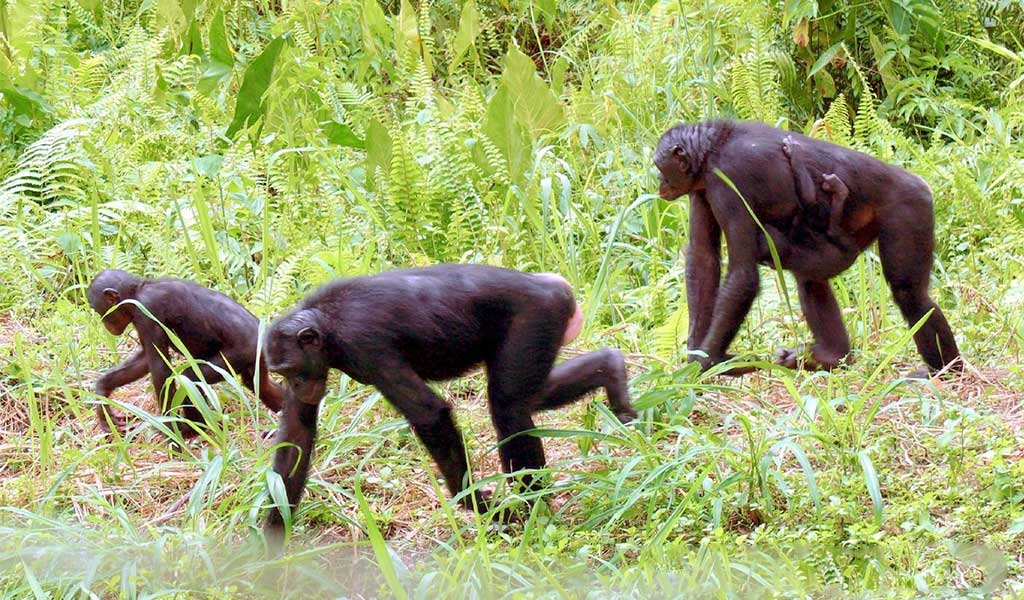
Salonga National Park spans a vast area of central Congolese rainforest and is another UNESCO World Heritage property. Its significance comes less from visitor facilities than from the scale of its intact habitat, forest waterways and exceptional biodiversity. Salonga is associated with the bonobo, a great ape native to the Democratic Republic of the Congo, alongside other forest-dependent species. Remote research and conservation operations are not equivalent to a developed public tourism circuit. Evaluate tourists attractions in congo against current advisories. Approach best places to visit in DR Congo with informed caution. Treat tourists attractions in congo as a planning topic. Assess tourists attractions in congo using verified information. Investigate best places to visit in DR Congo with care and patience.
Access can be extraordinarily complex because river transport, logistics and permissions require careful coordination. Rather than treating Salonga as a quick add-on to Kinshasa, recognize the park as a long-term conservation landscape whose wildlife is best approached through legitimate scientific and protected-area information. A well-informed traveler should ask whether a journey is appropriate at all, not merely whether a transfer can be arranged. Supporting credible conservation efforts can sometimes have more value than seeking a difficult or risky personal visit.
Garamba National Park and northern savannah conservation
Garamba National Park lies in northeastern DRC, where woodland, grassland and river habitats create a different scenery from the dense equatorial forest. The landscape has played an important role in African megafauna conservation. Its history includes northern white rhinos, although that historic association must not be confused with a present opportunity to see wild northern white rhinos there. The park faces enduring security and conservation challenges. Research gorilla trekking in the Democratic Republic of Congo before booking.
UNESCO recognizes Garamba among the DRC’s natural heritage sites. Readers interested in landscape diversity can compare Garamba’s open habitats with the swamp forests of Salonga or the mountainous terrain of Virunga. However, a destination’s ecological importance does not imply tourist readiness. Any claim about present game drives, aircraft access or Accommodation needs confirmation from current authorized sources, along with official travel advice. In volatile areas, conservation reporting is a more appropriate source of interest than speculative vacation bookings.
Upemba National Park: lakes, escarpments and highlands
Upemba National Park in the southeastern part of the country is notable for its varied scenery: lakes, wetlands, grassy plateaus and more elevated landscapes. The region illustrates how the DRC extends well beyond the popular image of an uninterrupted jungle. Birdlife and habitat diversity help make Upemba significant to natural history, while its remote location and changing conditions call for especially careful planning. Consider national parks in the Democratic Republic of Congo within local conditions. Explore the best things to do in DR Congo through reliable information. Reconsider national parks in the Democratic Republic of Congo whenever conditions change. Review the best things to do in DR Congo with realistic expectations.
Travelers should research the exact entry region, available professional guiding, current road conditions and any applicable restrictions before considering this park. A map pin alone cannot establish that a route is usable, and transport connections should never be estimated from straight-line distance. For now, Upemba is best presented as part of the country’s environmental story, with a potential visit dependent entirely on verified operations and a satisfactory security assessment.
Kinshasa: music, contemporary art and river life
Kinshasa is the capital of the Democratic Republic of the Congo and one of the most dynamic cultural centers in Central Africa. Its music traditions, art spaces, food, architecture and markets reveal an urban experience very different from the forest parks. The Congo River separates Kinshasa from Brazzaville, the capital of the neighboring Republic of the Congo. Looking across the water therefore also offers a memorable geography lesson about two distinct countries sharing a river name. Explore tourists attractions in congo through reliable information. Evaluate best places to visit in DR Congo against current advisories. Review tourists attractions in congo with realistic expectations. Discuss tourists attractions in congo with qualified specialists. Treat best places to visit in DR Congo as a planning topic.
Visitors interested in city culture should select experienced licensed local assistance, arrange transport in advance and avoid photographing security installations or individuals without permission. Neighborhood conditions can vary, and official security guidance for the wider country still applies. Instead of treating a street market or busy nightlife district as an automatically safe tourist activity, ask about daytime visits, respectful photography and reliable transport. Kinshasa’s appeal lies in its people and creativity, not in racing through as many stops as possible.
Explore a Culture-Focused Route
Share your interests and request guidance on legitimate cultural activities, subject to current security advice.
Discuss Congo Cultural Travel →
Email: info@ugandarwanda-safaris.com
Lola ya Bonobo and conservation education
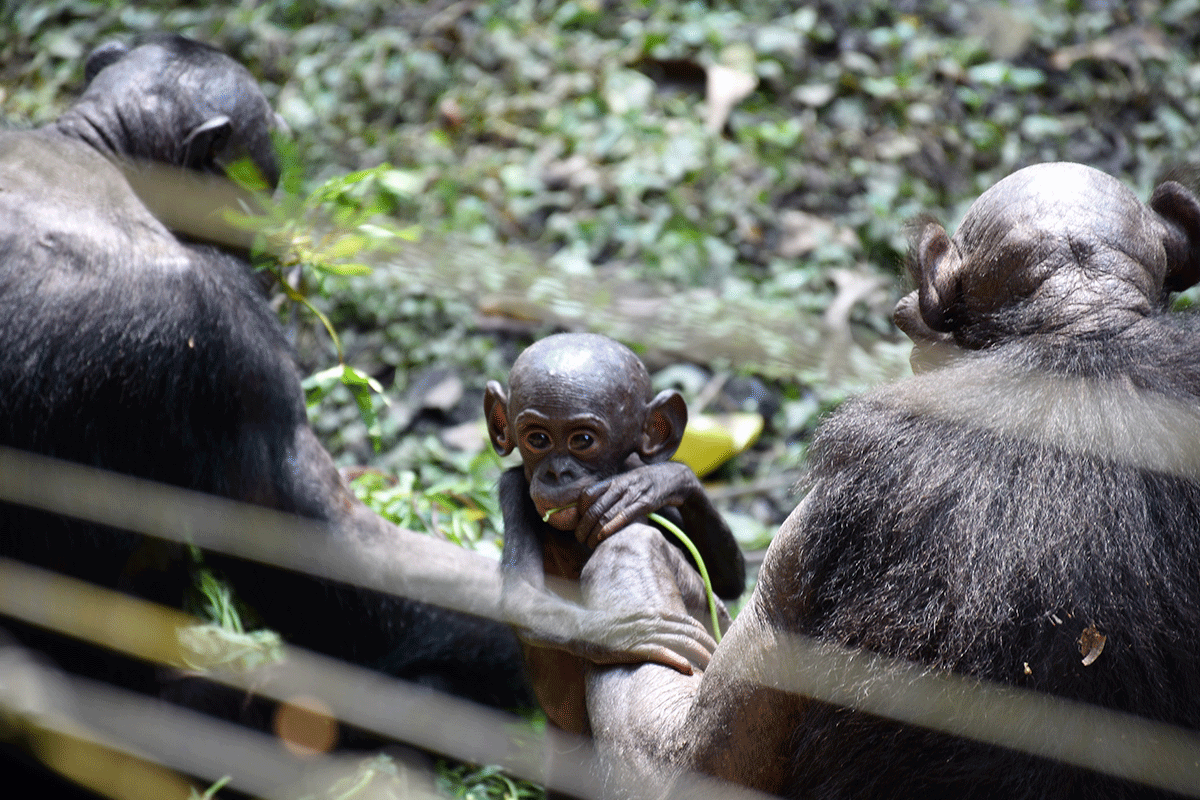
Lola ya Bonobo is well known as a sanctuary associated with the rescue and care of bonobos, a species found naturally only in the DRC. Its work has helped introduce visitors and global audiences to an ape whose social behavior differs in interesting ways from chimpanzees. The broader conservation message includes habitat protection, wildlife trafficking prevention, animal welfare and public education. Discuss gorilla trekking in the Democratic Republic of Congo with qualified specialists. Approach gorilla trekking in the Democratic Republic of Congo with informed caution.
Potential visitors should check official sanctuary information for current visiting conditions, access and any restrictions before planning an excursion. Do not expect a wild bonobo trek or direct animal contact at a sanctuary. Well-run rescue facilities are for animal welfare, not unrestricted photo opportunities. Learning why bonobos need protection adds a meaningful dimension to any discussion of the country’s forest habitats and wildlife attractions.
Congo River and Kisangani: a landscape shaped by water
The Congo River system is fundamental to transport, livelihoods, ecology and cultural history. Around Kisangani, waterways and riverine environments reveal a side of the country that differs from the capital’s broad urban riverfront. The Boyoma Falls are a series of cataracts associated with the upper Congo River near Kisangani, rather than a single classic vertical waterfall. Fishing traditions and river communities are a major part of the area’s identity. Assess national parks in the Democratic Republic of Congo using verified information. Consider the best things to do in DR Congo within local conditions. Research national parks in the Democratic Republic of Congo before booking. Reconsider the best things to do in DR Congo whenever conditions change.
Travel by river can be slow and risky, with water conditions, vessel standards and regional security complicating logistics. Do not arrange independent boat trips casually or rely on old online schedules. Travelers fascinated by the river can begin with maps, history and local cultural accounts, then consider any actual excursion only after verifying professional arrangements and official advice. Rivers are working environments, so visitors should always respect local activities and ask before photographing people at landings or fishing locations.
Inga Rapids and the power of the lower Congo
The lower Congo River is famous for powerful rapids and dramatic energy, with the Inga area especially associated with hydroelectric development. These features are important from both a geographical and engineering perspective. They should not be confused with a managed recreational rafting destination; strong currents, restricted infrastructure and complex access can make casual visits inappropriate. Consider tourists attractions in congo within local conditions. Explore best places to visit in DR Congo through reliable information. Reconsider tourists attractions in congo whenever conditions change. Compare tourists attractions in congo without ignoring regional risks. Review best places to visit in DR Congo with realistic expectations.
Anyone considering a viewpoint or infrastructure-related visit needs explicit local permission and dependable, current advice about roads and security. The broader river story is fascinating even without approaching restricted facilities. Its enormous flow influences ecology, transport and settlement patterns across multiple countries. For travel planning, distinguish a naturally striking feature from a tourist service that is officially open, guided and suitable for the public.
Lake Kivu and the eastern lakeshore
Lake Kivu occupies the border region between the Democratic Republic of the Congo and Rwanda. It is a visually striking highland lake, surrounded by communities and steep green landscapes. The Congolese shore includes the Goma and Bukavu areas, which have repeatedly been affected by insecurity. The fact that the Rwandan side may offer established lake tourism must not be used to imply that the Congolese shore is equally accessible or safe. Compare gorilla trekking in the Democratic Republic of Congo without ignoring regional risks. Evaluate gorilla trekking in the Democratic Republic of Congo against current advisories.
Lake landscapes reward slow travel, but in a border region the first consideration is current security and crossing permissions. Visitors should not use informal crossings or attempt to continue a leisure itinerary into a restricted area merely because the destination is visible across the water. If the goal is lake scenery rather than a specific Congolese experience, choosing a destination with clearer official travel guidance can be the sensible alternative.
Gorilla experiences: species, permits and ethical standards
Approach gorilla trekking in the Democratic Republic of Congo with caution. The DRC is associated with both mountain gorillas in the Virunga region and Grauer’s gorillas in eastern lowland forests. The experience of encountering either great ape should never be reduced to a guarantee of sightings. Tracking depends on park operating status, habituated-group regulations, ranger direction, visitor fitness and rules designed to reduce disease transmission. It is especially important not to confuse old tourism adverts with current permission to enter protected areas. Discuss national parks in the Democratic Republic of Congo with qualified specialists. Assess the best things to do in DR Congo using verified information. Approach national parks in the Democratic Republic of Congo with informed caution.
When evaluating gorilla travel products, request written confirmation of the exact park, activity date, issuing authority, refund terms, and route. Compare the country’s current travel advisories with the operator’s claims. For travelers primarily seeking a legal, established mountain gorilla trek, Uganda and Rwanda provide alternatives that should be assessed on their own current guidance and permit rules. Wildlife welfare comes before close-up images: keep the prescribed distance, avoid trekking when ill and follow staff instructions.

Best time to appreciate Congo landscapes
There is no single dry season that describes every corner of the DRC. The country crosses the equator and spans rainforest, highlands and more seasonal southern environments. Rainfall patterns therefore vary substantially by region and elevation. For forest observation, wet conditions can occur in any month; muddy tracks and humidity are part of the setting, not an exceptional surprise. A good local specialist should explain weather for the exact destination rather than offer a universal national forecast. Investigate best places to visit in DR Congo with care and patience. Assess tourists attractions in congo using verified information. Consider best places to visit in DR Congo within local conditions. Research tourists attractions in congo before booking. Understand tourists attractions in congo before choosing a route.
Even if a month has comfortable average conditions, safety and park closure notices remain more important than weather. The right time to visit a specific attraction is a date when it is legitimately operating, reachable and consistent with official advice. Travelers interested in photography should remember that cloud cover can create soft forest light, while heavy rain can disrupt transport. Seasonal claims in package advertisements need careful checking against actual access and current climate information.
Compare Responsible Gorilla Alternatives
If DRC routes are restricted, consider whether authorized options in Uganda or Rwanda fit your priorities.
Discuss Gorilla Alternatives →
Email: info@ugandarwanda-safaris.com
Transport, flights and distance planning
The DRC is an immense country, and its roads, rivers and air links do not function like those of a compact safari destination. Kinshasa, Kisangani, Lubumbashi, Goma and Bukavu are far apart, and practical travel times may be much longer than a map suggests. Domestic flying may be necessary for some routes, but schedules, reliability and operating conditions must be verified with reputable providers. Avoid assuming that a flight appearing online will operate on the exact date you need. Understand gorilla trekking in the Democratic Republic of Congo before choosing a route. Explore gorilla trekking in the Democratic Republic of Congo through reliable information.
For any potential trip, consider the complete chain: international arrival, immigration, ground transfer, local security assessment, park entry and return journey. Ask which segments depend on charters, boats or roads vulnerable to weather. Build substantial contingency time and have a cancellation strategy. Cross-border itineraries deserve special scrutiny because a crossing shown on a commercial map can be closed or unsuitable for tourism. No reputable itinerary should hide major logistical uncertainty behind phrases such as quick transfer or easy day trip.
Visas, health requirements and insurance
Visa requirements depend on passport nationality, reason for travel and entry point. A tourist visa for the Democratic Republic of the Congo is not a visa for the Republic of the Congo, and neither should be confused with regional arrangements involving Uganda and Rwanda. Check the relevant government mission and official immigration sources before paying for flights. Requirements for vaccination documentation, border screening and entry procedures can change with public health conditions. Compare national parks in the Democratic Republic of Congo without ignoring regional risks. Discuss the best things to do in DR Congo with qualified specialists. Evaluate national parks in the Democratic Republic of Congo against current advisories.
Travel health advice is individual. Consult an appropriate travel-medicine professional about vaccination, malaria prevention, food and water precautions and any current outbreak-related rules. Review insurance exclusions carefully, particularly where an official warning advises against travel. Medical evacuation and reliable emergency care can be difficult in remote regions. Keep scanned and offline copies of identity papers, emergency contacts and confirmed bookings, and avoid using unlicensed intermediaries who promise to resolve documentation problems at the border.
Responsible travel and communities
The Congo Basin is home to diverse peoples, languages and livelihoods. Forest communities should never be presented as attractions to be photographed without consent. Respect local leadership, property, cultural practices and the conditions under which visitors are welcomed. Where any legitimate visit occurs, seek locally led experiences that offer transparent compensation and allow hosts to decide what they share. Avoid language implying that communities exist unchanged outside modern life. Treat best places to visit in DR Congo as a planning topic. Discuss tourists attractions in congo with qualified specialists. Assess best places to visit in DR Congo using verified information. Approach tourists attractions in congo with informed caution. Investigate tourists attractions in congo with care and patience.
Wildlife tourism should support rangers, habitat protection and responsible local employment. Never buy wildlife products, request direct handling of animals or pressure guides to break rules for a better photograph. In areas where insecurity prevents ordinary tourism, the ethical choice may be to support conservation organizations remotely rather than pursue risky access. Conservation is not just a backdrop for adventures; it is a long-term effort involving people, land rights, research and difficult management decisions.
A practical itinerary decision framework
Evaluate the best things to do in DR Congo against official advice. Start with one question: is a leisure trip to the intended DRC region consistent with current official safety advice? If the answer is no, postpone the journey or choose another destination. If conditions change in the future, identify one geographic base instead of attempting to combine distant parks in a short holiday. Ask about the precise entrance, operating authority, licensed guiding, transport method and which costs are refundable if access changes. Investigate gorilla trekking in the Democratic Republic of Congo with care and patience. Consider gorilla trekking in the Democratic Republic of Congo within local conditions.
Then separate your wish list into cultural experiences, landscape photography and specialized wildlife activities. A Kinshasa cultural visit has different requirements from a remote scientific conservation expedition or a ranger-led forest walk. Price comparisons are meaningful only when the quoted services are actually operating and include suitable safety measures. Keep copies of the official advice reviewed during planning and verify changes shortly before every nonrefundable commitment. Flexibility is far more valuable than a crowded itinerary.
What about Congo-Brazzaville?
The neighboring Republic of the Congo has its capital in Brazzaville and offers a different tourism geography. Its celebrated natural areas include Odzala-Kokoua National Park and Nouabalé-Ndoki National Park, both associated with Congo Basin forest ecosystems and western lowland gorillas. Brazzaville has arts and architectural landmarks, while Pointe-Noire anchors an Atlantic coastal region. Those places should not be confused with Virunga or Kahuzi-Biega, which lie in the Democratic Republic of the Congo. Reconsider the best things to do in DR Congo whenever conditions change. Understand national parks in the Democratic Republic of Congo before choosing a route. Compare the best things to do in DR Congo without ignoring regional risks. Explore national parks in the Democratic Republic of Congo through reliable information.
For travelers keen on rainforest wildlife but unable to visit the DRC, researching the Republic of the Congo as a separate destination may be useful. It still requires its own visa check, current regional security assessment, specialist wildlife arrangements and realistic budgeting. The distinction between eastern lowland gorillas, western lowland gorillas and mountain gorillas matters when comparing countries. Accurate geography prevents misleading itineraries and helps tourists understand exactly what they are booking.
Plan Only With Verified Conditions
Share your intended route and ask what needs independent confirmation before any reservation.
Email: info@ugandarwanda-safaris.com
Costs and booking questions that matter
Published prices for specialist forest travel can be misleading because a package might omit private transfers, regional flights, security arrangements, permits or even an operating park activity. Ask for a dated and itemized proposal before comparing costs, and check whether each component is refundable if a route becomes inaccessible. A low headline figure may describe an older itinerary that cannot presently be operated. Conversely, a high price cannot establish that an itinerary is safe. Price, legitimacy and access are separate questions. Review best places to visit in DR Congo with realistic expectations. Compare tourists attractions in congo without ignoring regional risks. Evaluate tourists attractions in congo against current advisories. Discuss best places to visit in DR Congo with qualified specialists. Treat tourists attractions in congo as a planning topic.
Reputable providers should explain exactly who issues an activity permit, who operates each vehicle, which accommodation is confirmed and which partner manages emergencies. Do not transfer money to an individual claiming to sell an official permit without independent confirmation. Avoid nonrefundable payments until travel warnings, current operations and insurance have been reviewed. An operator’s willingness to discuss cancellation terms and uncertainties is often more informative than a glossy photograph or a confident promise of sightings.
Frequently asked questions
Is the Democratic Republic of the Congo the same as Congo-Brazzaville? No. The former has Kinshasa as its capital and the latter has Brazzaville. They share a border and the Congo River but have different entry rules and protected areas. Are Virunga gorilla treks currently open? The official Virunga tourism website says gorilla and Nyiragongo treks are closed until further notice. Can a traveler visit every UNESCO-listed park on one holiday? That is not a practical assumption; some areas are remote and affected by security risks. Treat gorilla trekking in the Democratic Republic of Congo as a planning topic. Assess gorilla trekking in the Democratic Republic of Congo using verified information.
Which animals make the DRC special? The country is particularly important to conservation of bonobos, okapi and eastern gorillas, along with many other forest and savannah species. Is wildlife guaranteed? No. Even in an open, well-managed area, ethical wildlife encounters depend on conditions and animal movements. Should you book a Congo adventure before checking advisories? No. Official travel advice, current park status and suitable insurance should come before deposits or confirmed travel arrangements.
Final planning perspective
Compare best places to visit in DR Congo by practical access. The most useful guide to tourists attractions in congo respects both the country’s exceptional heritage and its present constraints. Virunga, Kahuzi-Biega, Salonga, Garamba and the Okapi Wildlife Reserve deserve attention because they protect environments and species of global importance. Kinshasa and the Congo River add music, city life, history and geography to the picture. Yet a responsible travel decision starts with what is safe, authorized and realistic, not the number of famous names that fit on a map. Research the best things to do in DR Congo before booking. Investigate national parks in the Democratic Republic of Congo with care and patience. Understand the best things to do in DR Congo before choosing a route.
If you are considering a future journey, gather current information from park authorities, official government travel advice and appropriately licensed local specialists. Avoid buying supposedly available gorilla or volcano trips while relevant operations remain closed. Meanwhile, learning about Congolese heritage and conservation gives the landscapes meaning without forcing a risky itinerary. A great travel article should expand your understanding as much as it inspires your next trip.