The Unfiltered Reality of Primate Trek
Beyond the Postcard: The Unfiltered Reality of Primate Trek
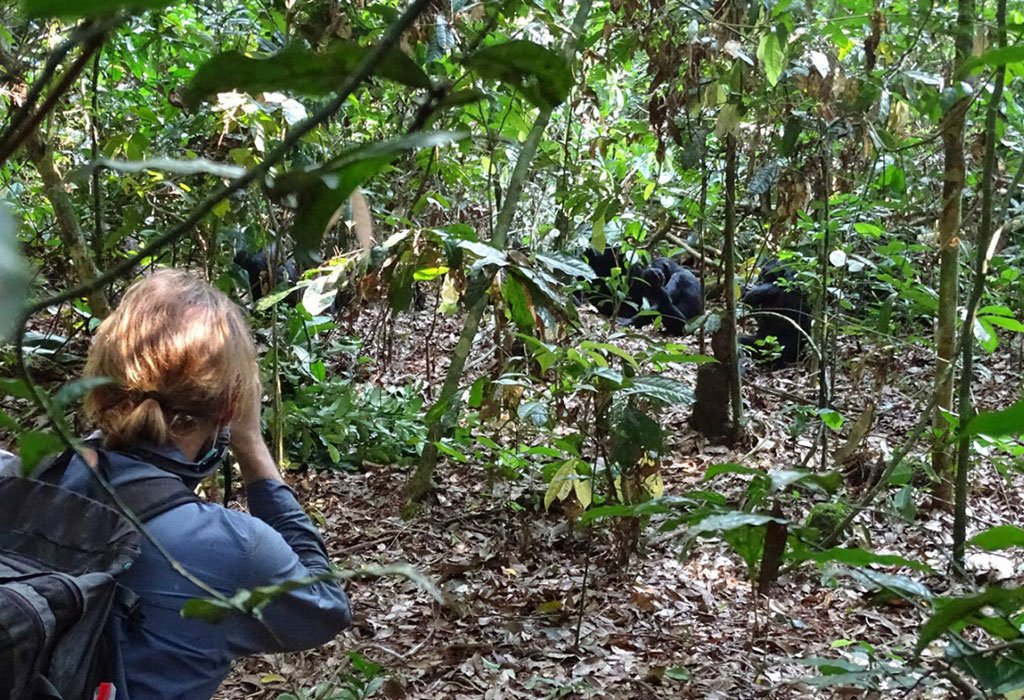
The brochures often depict serene hikers gazing at gorillas amidst gentle foliage. While that moment exists, it’s the culmination of a journey far more demanding than typically portrayed. Understanding the unfiltered reality of the primate trek itself is crucial for setting realistic expectations and truly appreciating the achievement of the encounter. Forget manicured paths; prepare for an immersion into the wild heart of the forest, a challenge that tests both body and mind.
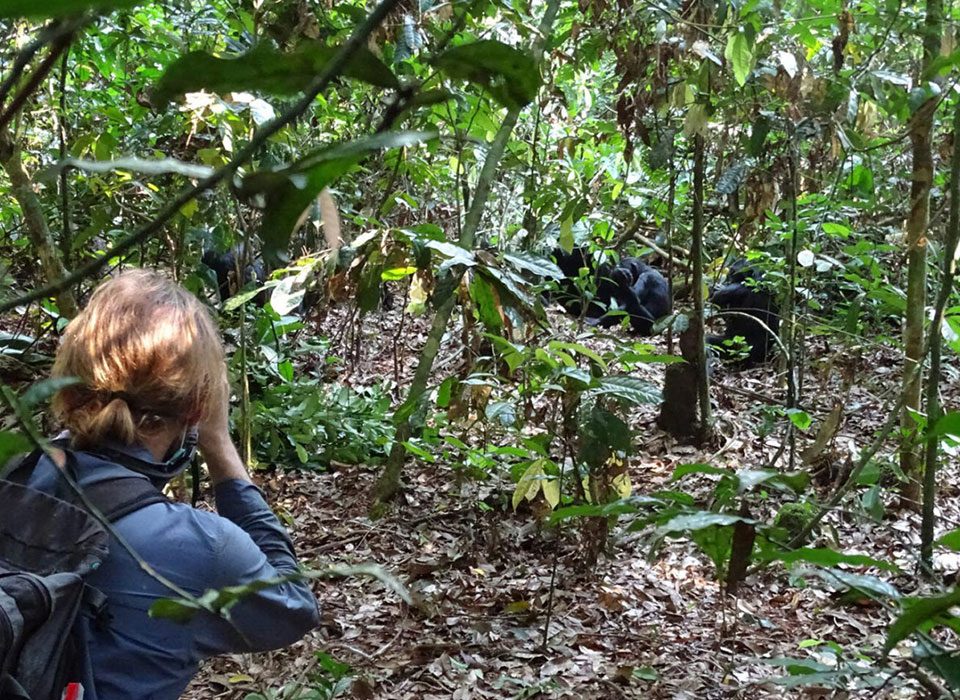
The physical aspect is often understated. Terms like “moderate fitness” barely scratch the surface. The terrain in places like Bwindi Impenetrable National Park lives up to its name. You won’t be strolling; you’ll be navigating steep, often muddy slopes where footing is precarious. Dense undergrowth snags at clothing, vines trip the unwary, and trails, where they exist, can be slick and treacherous, especially after rain. As noted by Safari Vacations & Travel Services, navigating this rugged terrain requires significant physical exertion. River crossings might involve precarious log bridges or wading through cool, fast-flowing water.
The altitude, particularly in the Virunga Massif region (Mgahinga), adds another layer of challenge, making breathing harder and exertion more taxing. Uganda’s equatorial climate means high humidity is a constant, clinging to you even when the sun isn’t beating down. And the weather? Utterly unpredictable. Rain can sweep in suddenly, transforming dusty paths into slippery mudslides, even during the designated ‘dry’ seasons. True ‘moderate fitness’ here translates to solid cardiovascular endurance to handle hours of hiking, good balance to navigate uneven ground, and leg strength for the relentless climbs and descents. It’s less about speed and more about stamina and resilience.
Beyond the physical, the trek is a significant mental marathon. Patience isn’t just a virtue; it’s a necessity. Trackers might pick up signs early, or you might hike for several hours through dense forest before locating the primate family. Maintaining morale during these stretches, especially when tired or uncomfortable, requires mental fortitude. Resilience is key – pushing through the discomfort of humidity, persistent insects, aching muscles, and perhaps soaking rain, all while staying focused on the goal. It’s vital to manage expectations. This is not a zoo; the gorillas and chimpanzees are wild animals moving freely within vast territories. The length and difficulty of your trek are entirely dictated by their location on that specific day, not by a predetermined schedule. Some treks are relatively short, others can extend for the better part of a day. Accepting this unpredictability is fundamental to the experience.
The wild factor permeates every aspect. The primates’ movements are influenced by food availability, weather, and complex social dynamics within and between groups. Trackers are incredibly skilled, but they are following clues in a dynamic environment. There’s always the possibility of an exceptionally long or arduous trek. While sightings are highly probable, the ease of that sighting is never guaranteed. Embracing this unpredictability, the physical exertion, and the mental challenge is part of what makes the eventual encounter so profoundly rewarding. It’s an earned privilege, a testament to your commitment to meeting these incredible creatures in their untamed world.
The Emotional Tsunami You Weren’t Expecting
While the physical challenge of a primate trek is significant, it often pales in comparison to the unexpected wave of emotions that washes over you during and after the encounter. Brochures might hint at wonder, but they rarely prepare you for the sheer intensity and complexity of the feelings involved. It’s a journey that engages the heart and soul as much as the body, leaving an indelible mark long after you’ve left the forest.
The lead-up to the trek itself is often a potent cocktail of emotions. There’s the undeniable thrill and bubbling excitement of approaching a lifelong dream. This is coupled with keen anticipation, fueled by images and stories. Yet, beneath the surface, a current of anxiety often flows. Concerns about the physical demands, the significant financial investment (gorilla permits alone cost USD 800 in Uganda as of recent updates), the pressure of the limited one-hour viewing time, and the simple fear of the unknown can create a nervous tension. This blend of hope and apprehension sets the stage for an experience that transcends simple wildlife viewing.
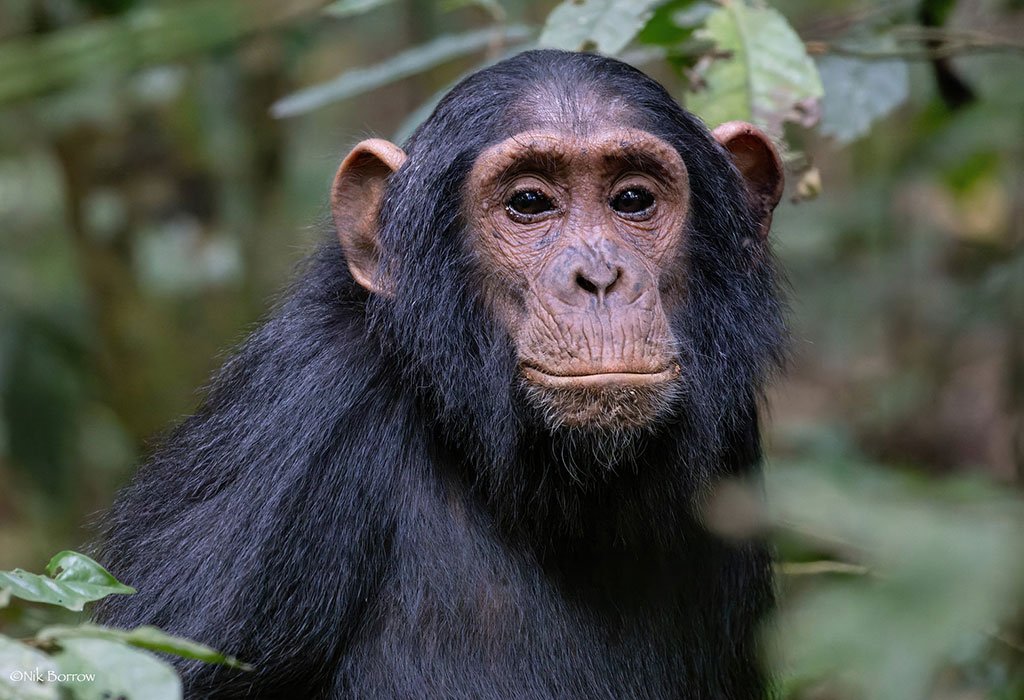
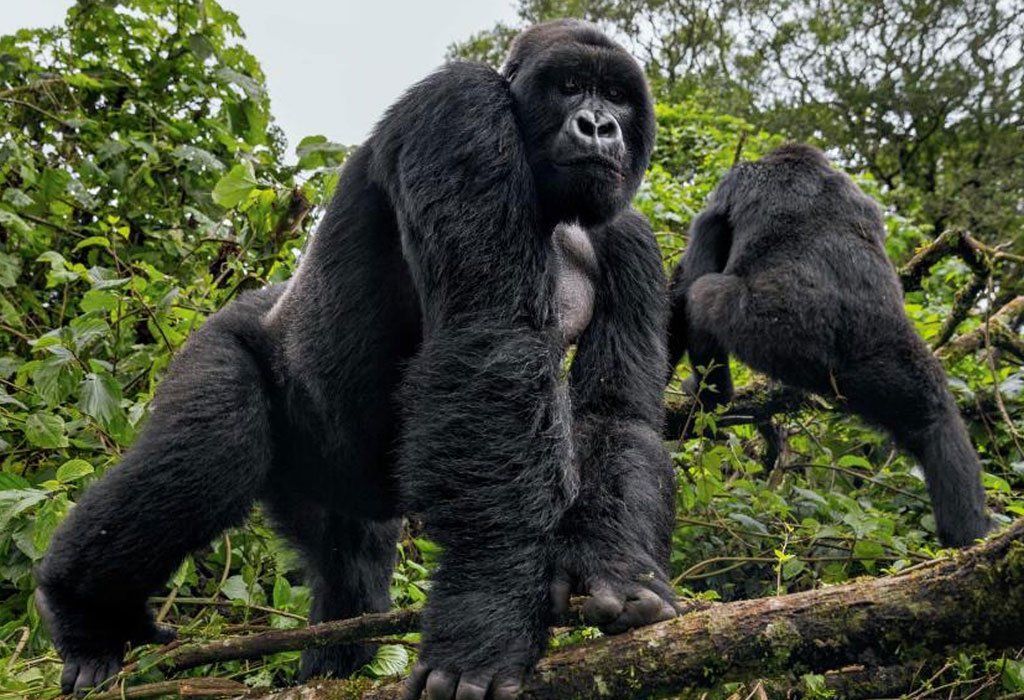
Then comes the encounter itself. When you finally stand in the presence of a gorilla family or a troop of chimpanzees, the world shifts. It’s more than just seeing; it’s a profound, almost visceral connection. An overwhelming sense of awe and humility overtakes many visitors; they feel incredibly small yet privileged in the face of such raw, natural majesty. Visitors frequently use words like “spiritual” and “life-changing,” not as hyperbole, but as genuine attempts to capture the depth of the feeling. There’s a stillness, a quiet intensity, that settles over the group. Perhaps one of the most arresting aspects is what some call the “gorilla gaze.” Locking eyes with a gorilla, or observing the intelligent, calculating look of a chimpanzee, is an unnerving and deeply moving experience. You feel seen, recognized not just as an observer but as another being.
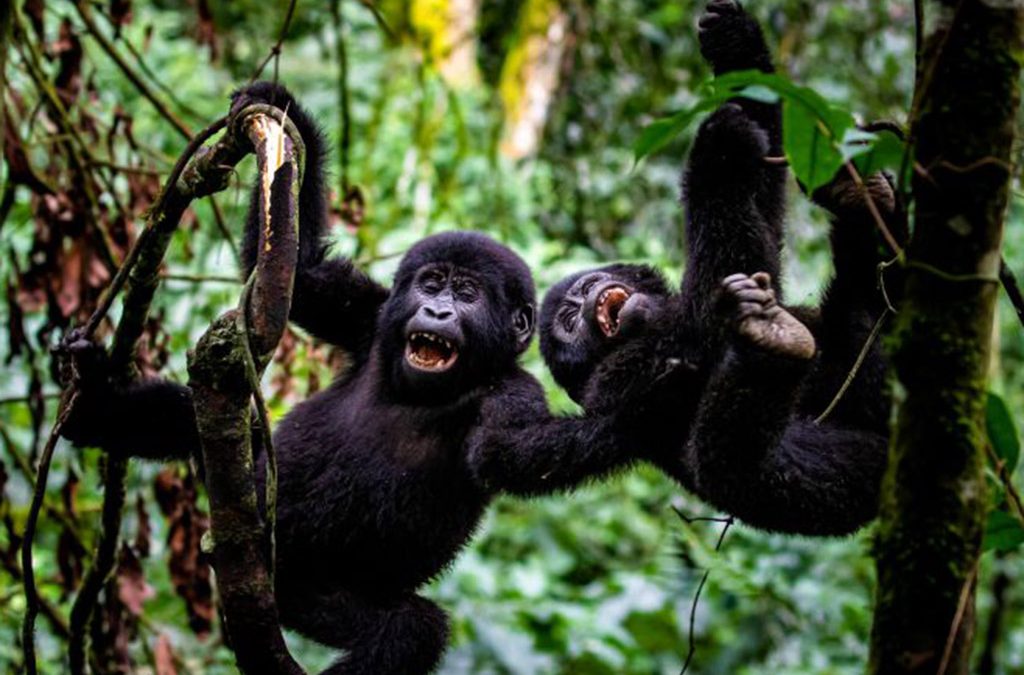
It shatters any illusion of human separateness and fosters a powerful sense of kinship, reminding us that we share 98% of our DNA with these creatures. Beyond the individual connection, you become a silent witness to their intricate social lives. Observing the tender care of a mother grooming her infant, the playful antics of juveniles tumbling through the vegetation, the quiet authority of the silverback overseeing his family, or the complex political maneuvering within a chimpanzee troop offers a glimpse into a world governed by instincts, relationships, and emotions that feel startlingly familiar. It’s raw, unfiltered nature playing out just meters away.
The emotional impact doesn’t end when the hour is up. The trek back is often undertaken in contemplative silence, processing the intensity of what was just witnessed. The experience demands reflection. Many find that the encounter fundamentally shifts their perspective – on the natural world, on the importance of conservation, and even on their own place within the grand scheme of life. The memory isn’t just a visual snapshot; it’s an emotional resonance that lingers, a powerful reminder of the beauty, fragility, and interconnectedness of life on Earth. This profound emotional journey is perhaps the most significant aspect that nobody truly prepares you for.
Conservation Up Close – The Delicate Balance
Beyond the personal experience, however profound, lies a complex reality: primate tourism in Uganda is inextricably linked to conservation. Your trek is not just an adventure; it’s an interaction with a fragile ecosystem and critically endangered species. Understanding this delicate balance is essential for appreciating the true significance of your visit and the responsibilities that come with it. What brochures often gloss over is the ongoing struggle and the vital role that well-managed tourism plays in tipping the scales towards survival.
First, it’s crucial to acknowledge the remarkable success story, particularly concerning mountain gorillas. Not long ago, their numbers had dwindled perilously close to extinction. Thanks to intensive conservation efforts, dedicated anti-poaching patrols funded significantly by tourism revenue, and cross-border collaboration, the mountain gorilla population has surpassed 1,000 individuals. This is a testament to what can be achieved, a beacon of hope in the often-bleak landscape of conservation. It proves that focused effort, supported by responsible tourism, can make a tangible difference.
However, this success story unfolds against a backdrop of persistent and evolving threats. The lush forests that gorillas and chimpanzees call home are under increasing pressure. Human populations bordering the parks are growing, leading to encroachment for agriculture and settlement, effectively squeezing the available habitat. This proximity increases competition for resources and the potential for conflict. Poaching remains a significant danger, even if primates aren’t always the primary target. Snares set for bushmeat-like duikers can indiscriminately injure or kill gorillas and chimpanzees, causing immense suffering and disrupting social groups. Perhaps the most insidious threat, and one directly relevant to tourists, is disease. Primates, sharing so much of our DNA, are highly susceptible to human respiratory illnesses – the common cold, flu, and viruses like COVID-19 can be devastating, even fatal, to a gorilla population.
This vulnerability is the critical reason behind the strict health protocols, mandatory mask-wearing (when required), and the non-negotiable rule that anyone feeling unwell cannot trek. Adding to these pressures are the subtle but significant impacts of climate change, which can alter rainfall patterns, affect the availability of crucial food plants, and potentially increase the incidence of certain diseases.
This is where tourism becomes a double-edged sword. On one hand, it is the financial engine driving much of the conservation work. The substantial permit fees (USD 800 for gorillas, with variations for chimpanzees and habituation experiences) directly fund the Uganda Wildlife Authority (UWA), paying for ranger salaries, anti-poaching patrols, veterinary care, monitoring programs, and community outreach initiatives. Without this revenue stream, protecting these vast, challenging landscapes would be significantly harder, if not impossible. On the other hand, tourism inherently involves bringing humans into close proximity with vulnerable wildlife. This necessitates stringent regulations, not as mere bureaucratic hurdles, but as vital conservation tools.
The minimum distance (usually 7-10 meters), the strict one-hour time limit with each group, the prohibition on eating or drinking near the primates, age restrictions, and the absolute necessity of reporting any illness are all designed to minimize stress on the animals and drastically reduce the risk of disease transmission. Adhering to these rules isn’t just polite; it’s an ethical imperative. Even the process of habituation – gradually acclimating primate groups to human presence so that tourism is possible – carries risks if not managed carefully, potentially altering natural behaviors or increasing vulnerability. Responsible tourism, therefore, requires a constant balancing act: maximizing the financial benefits for conservation while minimizing the inevitable human impact.
The Human Dimension – Communities on the Edge of the Forest
Primate encounters in Uganda don’t happen in a vacuum. The lush forests of Bwindi and Kibale are bordered by villages and communities whose lives are deeply intertwined with the parks and the tourism they attract. What often remains untold in the excitement of planning a trek is the crucial human dimension – the stories of the people who guide you, support your journey, and live alongside the wildlife you’ve come to see. Understanding their role, the benefits they receive, and the challenges they face adds another layer of depth to the experience and underscores the importance of responsible travel choices.
Your primary connection to this human landscape will likely be through your guides and porters. The Uganda Wildlife Authority (UWA) guides who lead your trek are more than just navigators; they possess an intimate knowledge of the forest ecosystem, honed over years of experience. They can interpret subtle signs, predict animal behavior, and share fascinating insights into the flora and fauna you encounter. They are often from the local area, carrying generations of forest wisdom. Equally vital, though sometimes overlooked, are the porters. Hiring a porter (or two) is highly recommended, not just for convenience but as a direct way to support the local economy. These individuals, often from communities adjacent to the park, carry your daypack, freeing you to focus on the challenging terrain.
More importantly, they provide invaluable physical assistance, offering a steadying hand on slippery slopes or a helpful push up a steep incline . Their strength and familiarity with the forest are remarkable, and the fee you pay (typically around USD 15-20 per day, plus optional tip) goes directly to them and their families. Engaging with guides and porters, listening to their stories, and acknowledging their crucial role enriches the trek immeasurably.
Beyond the immediate trekking team, responsible tourism aims to engage with and benefit the broader community. Many tours offer opportunities for cultural encounters, such as visiting Batwa communities near Bwindi. The Batwa pygmies are the traditional forest-dwellers who lived in Bwindi for centuries before the park’s establishment led to their displacement. These encounters can offer insights into their unique culture, traditional skills like hunting and gathering (demonstrated outside the park), music, and dance.
However, it’s important to approach these visits with sensitivity, recognizing the complex history and the potential for experiences to feel staged rather than wholly authentic. Choosing tour operators like Safari Vacations and Travel Services, who prioritize genuine, respectful interactions and ensure fair compensation, is crucial. Supporting the local economy extends to choosing lodges that employ local staff and source local produce, purchasing handicrafts directly from artisans (ensuring fair prices), and generally being mindful of how your tourist dollars impact the area. The goal is for tourism revenue to ripple outwards, providing tangible benefits beyond just employment for a few.
Despite the positive potential, challenges remain in ensuring that tourism truly benefits the communities living on the park’s edge. While permit fees fund conservation, mechanisms for direct revenue sharing with communities can be complex and sometimes fall short of expectations. Ensuring that benefits extend beyond low-wage jobs in lodges or pottering requires ongoing effort and commitment from both the government and tour operators. Furthermore, living alongside a national park filled with wildlife isn’t always easy. Human-wildlife conflict, such as primates raiding crops, is a significant issue for farmers living near the park boundaries . Finding solutions that protect both wildlife and local livelihoods is an ongoing challenge that conservation and community development initiatives strive to address. Recognizing these complexities allows tourists to appreciate that their visit is part of a larger socio-economic and ecological system, making mindful and ethical choices even more important.
Gearing Up & Getting Ready – The Nitty-Gritty They Forget
Preparation for a Uganda primate trek extends far beyond booking flights and ensuring basic fitness. While standard packing lists cover the basics, truly understanding why certain items are crucial and preparing mentally and ethically can significantly enhance your experience and minimize your impact. Often, it’s the details omitted from generic advice that make the difference between a smooth trek and unnecessary hardship or unintended consequences.
A deep dive into your packing list reveals the logic behind specific recommendations. Sturdy, broken-in hiking boots are a given, but gaiters are equally essential. These coverings wrap around your lower legs, preventing mud, water, and, crucially, biting insects like safari ants from getting into your boots and trousers – a small item offering immense comfort and protection. Similarly, simple gardening gloves might seem odd, but they are invaluable for gripping muddy branches, pushing aside thorny vegetation, and protecting your hands from stinging nettles without hesitation. When it comes to rain gear, don’t settle for merely ‘water-resistant’; invest in truly waterproof, breathable layers for both top and bottom.
Ugandan downpours can be intense, and being soaked through not only makes you cold and miserable but can also increase health risks. Lightweight, quick-drying clothing in neutral colors is standard advice, but also consider bringing biodegradable toiletries to minimize environmental impact. Camera gear requires specific thought. The forest canopy creates low-light conditions, making photography challenging. A lens with a wide aperture (low f-stop number) is beneficial, and a good zoom lens is crucial for capturing details from the required distance without disturbing the animals. Remember, flash photography is strictly forbidden as it startles and stresses the primates. Protecting your equipment from relentless humidity and potential rain is paramount; bring waterproof bags or covers and plenty of lens cloths. Managing battery life is also key, as charging opportunities may be limited.
Preparation, however, goes beyond physical gear. Mental readiness is just as important. Spend time visualizing the trek, not just the highlight reel but the potential challenges – the steep climbs, the mud, the long hours. Mentally rehearsing how you’ll handle discomfort can build resilience. Crucially, manage your expectations regarding the ‘magical hour.’ While profound, it is just sixty minutes. Prepare to be fully present, absorbing the experience rather than solely focusing on capturing the perfect photograph. Understanding and adhering to health protocols is non-negotiable. Recognize the real risk of zoonotic disease transmission. Practice meticulous hygiene, washing hands frequently and using sanitizer, especially before the trek. Never trek if you feel even slightly unwell – a minor cold for you could be lethal for a gorilla. Inform your guide immediately if you develop any symptoms. This isn’t just a rule; it’s a critical conservation measure.
Finally, choosing wisely is perhaps the most impactful preparation step. Your choice of tour operator significantly influences the ethical and sustainable nature of your trip. Opt for companies like Safari Vacations and Travel Services that demonstrate a clear commitment to conservation principles, ensure fair wages and treatment for their guides and porters, and actively support local community initiatives. Look for transparency in how they operate and contribute back. Don’t just shop for the lowest price; investigate the values behind the itinerary. And, as stressed before, plan well in advance.
Primate permits, especially for gorillas, are strictly limited and sell out months, sometimes even a year, ahead of time, particularly during peak seasons. Securing your permit early through a reputable operator is the foundational step upon which all other preparations rest. This thoughtful approach to gearing up – encompassing gear, mind, health, and ethics – ensures you arrive ready not just to see, but to truly experience and respect the incredible world of Uganda’s primates.
Conclusion: Answering the Call Responsibly
Embarking on a primate tour in Uganda is undoubtedly one of the most powerful wildlife experiences available on our planet. It offers an unparalleled opportunity to connect with creatures remarkably like ourselves, set against the backdrop of some of Africa’s most stunning and ancient landscapes. As we’ve explored, however, this journey is far more complex and demanding than the glossy brochures often suggest. It’s an undertaking that tests your physical limits, challenges your mental resilience, and plunges you into unexpected emotional depths. It brings you face-to-face not only with gorillas and chimpanzees but also with the intricate realities of conservation and the lives of the communities who share their forest home.
What nobody typically tells you is the sheer grit required for the trek – the slippery slopes, the dense vegetation, the unpredictable weather. They don’t fully prepare you for the emotional tsunami – the potent mix of anxiety and exhilaration, the profound awe of the encounter, the lingering sense of connection that can genuinely shift your perspective on life. The brochures celebrate the conservation success but might understate the ongoing threats – habitat loss, poaching snares, the ever-present danger of disease – and the critical importance of your adherence to strict protocols. They highlight cultural interactions but may not delve into the complexities of community benefit sharing or the historical context of groups like the Batwa.
Understanding these untold truths doesn’t diminish the magic; it enhances it. It transforms a potential tourist into a conscious traveler, prepared to embrace the full spectrum of the experience – the arduous trek as well as the breathtaking encounter. This fosters respect for the environment, the animals, and the local people. It underscores the significance of choosing responsible tour operators, like Safari Vacations and Travel Services, who prioritize ethical practices, conservation support, and genuine community engagement. Answering the call of Uganda’s wild primates means accepting the challenges alongside the rewards. It means treading lightly, listening deeply, and recognizing that your presence has an impact. By doing so, you not only gain an unforgettable, life-altering memory but also become a vital part of the ongoing effort to ensure these magnificent creatures continue to thrive in their emerald kingdom for generations to come. The forests are calling – answer responsibly.