Can I Volunteer After My Gorilla and Chimpanzee Safari in Uganda?

Volunteering After Your Gorilla and Chimpanzee Safari in Uganda?
Can I Volunteer After My Gorilla and Chimpanzee Safari in Uganda? By choosing to volunteer during your gorilla and chimpanzee trekking safari in Uganda, it’s important to identify your area of interest, especially if you are not directly connected with an organization. At Safari Vacations and Travel Services, we can help you find suitable volunteer opportunities that match your passion. These may range from working in a wildlife center to contributing to social, educational, or even religious sectors.
When applying for a volunteering placement in Uganda, it is essential to provide brief personal details along with credible scanned copies of documents that validate your qualifications and interests. These documents serve as valuable references when introducing your request, especially if Safari Vacations and Travel Services will be your ground handler. Including a well-prepared cover letter is equally important, as it introduces you to the organizations you wish to work with.
Most Ugandan organizations have specific criteria and requirements for volunteers, so be prepared to share these documents and meet any conditions they may request. Patience is key, as responses may sometimes take longer due to organizational protocols. This is why we recommend applying early to allow ample time for processing and to avoid disappointment.
While planning your volunteering journey, you can also combine it with incredible adventures. Gorilla trekking in Uganda takes place in Bwindi Impenetrable National Park and Mgahinga Gorilla National Park, with gorilla permits limited to eight visitors per gorilla family per day. Chimpanzee trekking is equally rewarding and is available in Kibale National Park, Kaniyo Pabidi Forest, Kyambura Gorge, Budongo Forest, and Ngamba Island Chimpanzee Sanctuary. Permit costs vary depending on the destination, making early booking essential.
Some Popular Safaris to Think About
3 Day Express Gorilla Safari in Bwindi
3 Days Gorilla Flying Safari to Bwindi (Luxury Gorilla Tour)
4-Day Uganda Gorillas & Golden-Monkey Tour
5 Day Gorilla and Whitewater Rafting Tour
6-day Rwanda gorillas and wildlife
6 Days Gorilla & Masai Mara Gorilla and Wildebeest Safari
6-day Uganda Gorilla and Tree-climbing Lions Safari
7-Day Uganda Rwanda Gorilla Trekking and Wildlife
8-Day Primates and Wildlife Safari.
Where to Volunteer in Uganda
Volunteering After My Gorilla and Chimpanzee Safari in Uganda. If you’re interested in volunteering in a wildlife-related setting, it’s important to first seek permission from the Uganda Wildlife Authority, especially for placements that bring you close to wild animals. In some cases, you may also need to take certain vaccinations before beginning your work.
For those looking to combine volunteering with gorilla or chimpanzee trekking in Uganda, opportunities extend beyond wildlife centers. You can reach out directly to the relevant organizations, or let Safari Vacations and Travel Services assist you in finding a placement that matches your interests.
To make the most of your experience, it’s advisable to organize your volunteering arrangements in advance. This ensures everything is in place, helps avoid delays, and saves you from last-minute stress.
Where Does Gorilla Trekking Take Place in Uganda?
Bwindi Impenetrable National Park
Uganda offers two prime destinations for gorilla trekking. These are: Bwindi Impenetrable National Park and Mgahinga Gorilla National Park. Both destinations are in the country’s southwestern region. Bwindi, a UNESCO World Heritage Site, is particularly famous and has four trekking regions: Buhoma, Ruhija, Nkuringo, and Rushaga.
It’s important to note that the location of your gorilla trekking permit in Bwindi determines where you should book your accommodation. Staying within or near the sector of your permit ensures easy access to the briefing point on the morning of your trek.
Beyond the unforgettable encounter with mountain gorillas, Bwindi is a biodiversity haven. The forest shelters nine other primate species, over 350 bird species, 88 types of butterflies, and more than 200 tree species. As one of Africa’s most ancient forests, estimated to be over 25,000 years old, Bwindi offers not only a rare wildlife experience but also a journey back in time through its prehistoric ecosystem.
Mgahinga Gorilla National Park
Mgahinga Gorilla National Park, in southwestern Uganda, is another historic stronghold of the endangered mountain gorillas. Although currently only one habituated gorilla family is open for trekking, the park provides a truly unique and intimate experience. Its landscape is largely mountainous, and visitors often find gorillas roaming the highlands. Sometimes, they spend part of their day in high areas.
Beyond the mountain gorillas, Mgahinga is also famous for being a haven for golden monkeys, another endangered primate species. With only about 4,000 individuals remaining worldwide, Mgahinga offers a rare opportunity to see these striking primates, easily recognizable by their golden-brown fur and sturdy body structure.
The park is equally appealing to adventure seekers. It offers hiking excursions on three of the six Virunga Volcanoes—Mount Gahinga, Mount Sabyinyo, and Mount Muhavura. Each climb provides breathtaking scenery and unforgettable encounters with nature. To undertake these hikes, visitors must be accompanied by a ranger guide, ensuring both safety and enriched knowledge of the area.
Where to Go Chimpanzee Trekking in Uganda
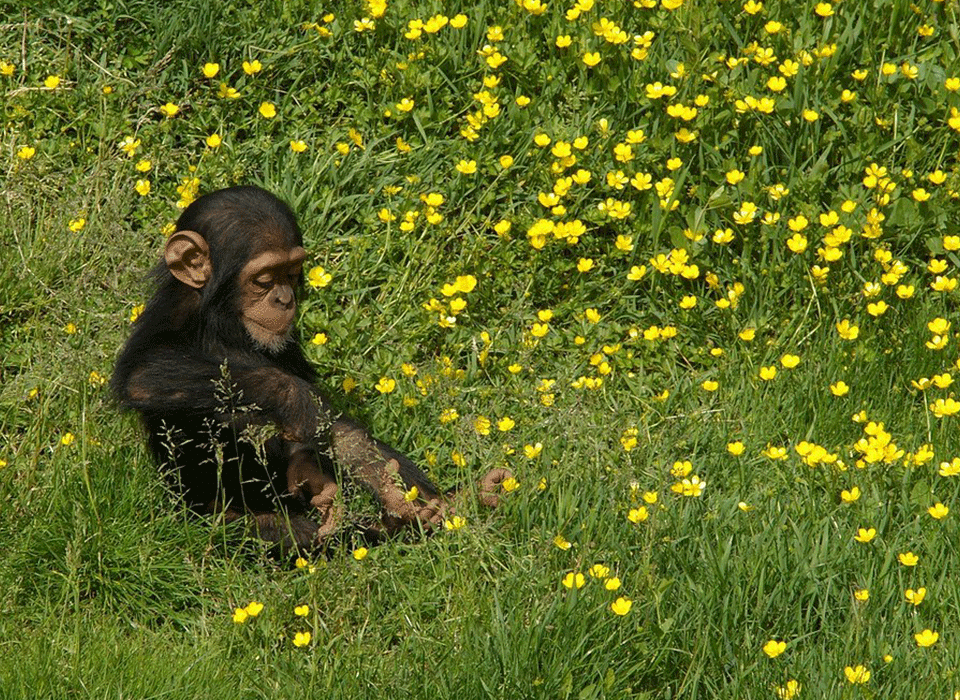
Uganda is one of the best places in Africa to see chimpanzees in their natural habitat. According to the most recent population census, the country is home to an estimated 5,000 chimpanzees. This makes it a stronghold for these endangered primates. Sharing about 98% of human DNA, chimpanzees are our closest relatives in the animal kingdom. This makes encountering them in the wild an especially profound and moving experience.
Chimpanzee trekking in Uganda not only offers a chance to watch these intelligent creatures up close. But also, it supports conservation efforts that aim at protecting them and their fragile ecosystems.
Kibale National Park
Popular as the primate capital of East Africa, Kibale National Park is home to about 13 primate species. These include roughly 1,500 chimpanzees. Of these, around 12 communities are open for tourism. Visitors can choose between a chimpanzee trekking safari or the more immersive chimpanzee habituation experience. Both require permits that the Uganda Wildlife Authority issues. Kibale is also rich in biodiversity, hosting bush babies, grey-cheeked mangabeys, blue monkeys, vervet monkeys, L’Hoest’s monkeys, and black-and-white colobus monkeys, alongside more than 325 recorded bird species. Those interested in volunteering within the park must seek prior approval from the Uganda Wildlife Authority.
Kyambura Gorge in Queen Elizabeth National Park
Located in the Great Rift Valley, Kyambura Gorge shelters a community of chimpanzees in its lush forested floor. Trekking here is adventurous and requires hiking steep terrain, making physical fitness an advantage. Treks are available in the morning or afternoon under the guidance of ranger guides who help locate the sensitive chimpanzees. Afterward, visitors can enjoy game drives or boat trips on the Kazinga Channel. Queen Elizabeth National Park is also a birding paradise, with more than 605 species recorded.
Budongo Forest
Famous for its research programs, Budongo Forest also welcomes tourists for chimpanzee trekking and habituation experiences. Trekking here offers opportunities to encounter black-and-white colobus, grey-cheeked mangabeys, red-tailed monkeys, and blue monkeys in addition to chimpanzees. Birdwatchers are also at an advantage, as the forest hosts a remarkable diversity of species. The habituation experience, in particular, provides extended time with semi-habituated chimpanzees, allowing for a deeper understanding of their behavior.
Kaniyo Pabidi Forest – Murchison Falls National Park
Located about 8 kilometers from Kicumbanyobo Gate in Murchison Falls National Park, Kaniyo Pabidi Forest is another excellent chimpanzee trekking destination. Visitors can choose between morning and afternoon treks. While searching for chimpanzees, you may also encounter other primates. These include black-and-white colobus monkeys, red-tailed monkeys, and olive baboons. The forest is also a haven for bird enthusiasts, with a variety of species that you can commonly see in its lush environment.
Kalinzu Forest
On the outskirts of Queen Elizabeth National Park lies Kalinzu Forest, primarily popular as a research site for chimpanzees. It has also become a great alternative for trekking, especially when permits for other destinations are sold out. Chimpanzee trekking in Kalinzu offers an equally rewarding experience, with immersive encounters in a serene natural setting.
Ngamba Island Chimpanzee Sanctuary
Situated on Koome Island in Lake Victoria, Ngamba Island Chimpanzee Sanctuary provides a safe home for rescued chimpanzees that cannot be released back into the wild. These include orphans, community rejects, and those abandoned or displaced. Visitors can take a morning or afternoon trip to the island, where they can observe the chimpanzees from the feeding platform or participate in unique experiences such as “Chimpanzee Up-Close” and “Keeper for a Day.” This sanctuary is not only a refuge for the primates but also an educational hub that highlights the importance of conservation.
Best Time To Combine Volunteering with Your Gorilla and Chimpanzee Trekking in Uganda
Can I Volunteer After My Gorilla and Chimpanzee Safari? The best time to combine gorilla and chimpanzee trekking with volunteering in Uganda is during the dry seasons, which run from June to September and December to early February. These months make it easier to move around the country, whether by vehicle or on foot. This is because the trails and roads are less muddy. Because both gorilla and chimpanzee trekking take place in the forest, a drier environment makes the experience more comfortable and rewarding.
Volunteering during the dry season is also more convenient, as outdoor community or conservation work can be carried out with fewer disruptions. However, keep in mind that the dry season attracts many tourists, so you should expect larger crowds at popular destinations.
On the other hand, the wet seasons—March to May and November—are also suitable for gorilla trekking, chimpanzee trekking, and volunteering. While trails can be slippery and travel slightly slower, this period often offers a more exclusive experience with fewer tourists around. For travelers seeking solitude and uninterrupted time at the destinations, the wet season can be a rewarding choice.
How Safe is Volunteering After Gorilla and Chimpanzee Trekking in Uganda?
Gorilla and chimpanzee trekking, as well as volunteering in Uganda, are generally very safe experiences. The activities are carefully managed by well-trained ranger guides from the Uganda Wildlife Authority (UWA) and supported by other security agencies. Before entering the forest, every visitor attends a mandatory briefing session, where guidelines and safety rules are clearly explained. Following these instructions is key to ensuring both your safety and the well-being of the wildlife.
When volunteering, your safety remains a priority. Keep your valuables secure, carry identification documents with you at all times, and avoid unnecessary risks. For treks, never venture into the forest without a ranger guide, and avoid leaving your lodge at night since wildlife is active in the area. Always use the recommended trekking gear to protect yourself against the forest’s rough terrain.
During both gorilla and chimpanzee trekking, it’s essential to stay in a group and avoid straying from your companions—you don’t want to get lost in the wilderness. While volunteering in local communities or moving through town centers, be mindful not to display or count large sums of money in public, as this could attract unwanted attention.
In short, with the right precautions, gorilla trekking, chimpanzee trekking, and volunteering in Uganda are safe, enjoyable, and rewarding adventures.
Who Is Eligible for Gorilla and Chimpanzee Trekking in Uganda?
In Uganda, children aged 15 years and 12 years and above are eligible to take part in gorilla and chimpanzee trekking, respectively. This age limit is set for good reason—the treks take you deep into the jungle, where trails can be steep, muddy, and blocked by thick undergrowth, vines, and creepers. Such conditions can be too challenging for younger children to handle.
Another key factor is the strict set of trekking rules. These are taken very seriously to protect both visitors and the primates. Children under the minimum age may struggle to follow the rules for the required time in the forest, which could put them and others at risk.
The emotional aspect also matters. Coming face to face with mountain gorillas or chimpanzees can be an intense moment—even adults feel a rush of adrenaline. For a younger child, fear or sudden reactions could be misinterpreted by the curious and sensitive primates.
Additionally, the duration of the trek is unpredictable. Finding the gorillas or chimpanzees can take hours, and patience is essential—something young children find difficult to manage.
When it comes to volunteering in Uganda, the age limit is generally more flexible. Most programs are open to a wide range of participants, though specific wildlife-related activities may have age restrictions.
Why Choose Gorilla Trekking, Chimpanzee Tracking, and Volunteering in Uganda
Can I Volunteer After My Gorilla and Chimpanzee Safari? Uganda is one of the few places on earth where you can encounter endangered primates in their natural habitat. The country is home to mountain gorillas—among the last remaining in the world—as well as thriving chimpanzee populations spread across several destinations. Trekking to find these primates is an adventure in itself, and along the way, you’re likely to encounter other fascinating species such as black-and-white colobus monkeys, blue monkeys, olive baboons, and more.
Uganda’s forests also double as a birder’s paradise, with countless bird species filling the treetops where gorillas and chimpanzees coexist. This makes every trek a rewarding experience, even before you meet the primates.
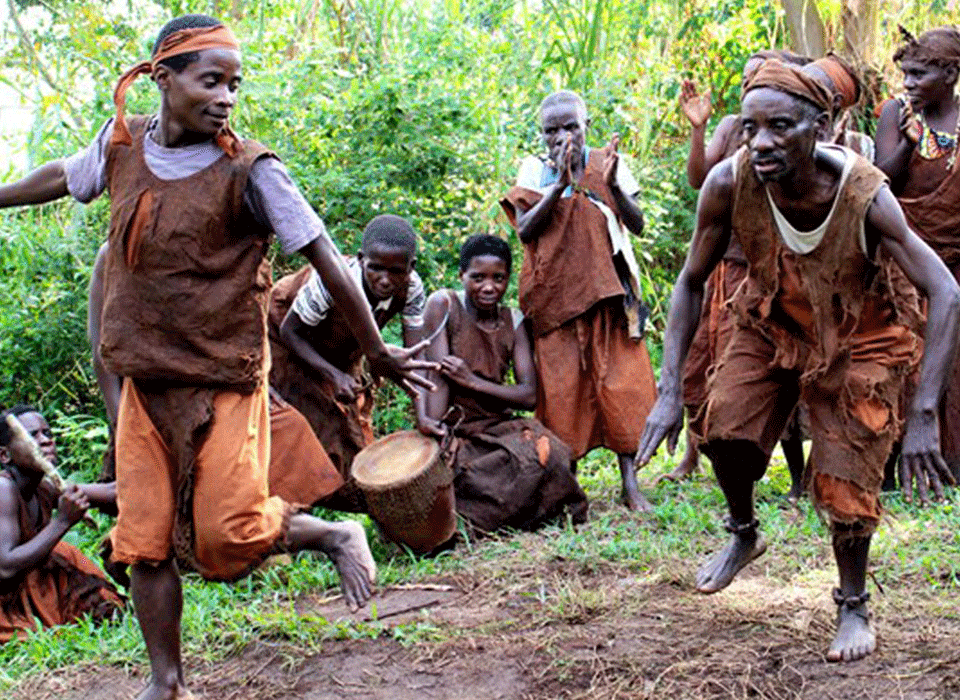
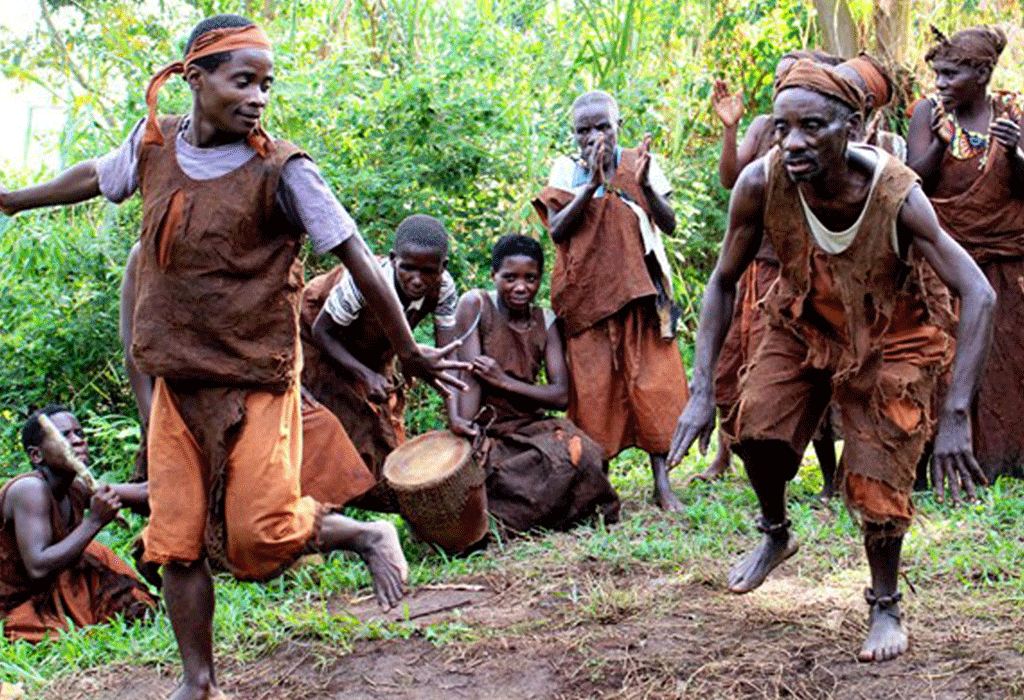
Beyond wildlife encounters, volunteering in Uganda offers a chance to connect with warm and welcoming communities. Ugandans are known for their friendliness, and a simple smile is part of everyday life. While engaging in community work, you’ll not only give back but also learn from the culture and lifestyle. Of course, like anywhere, it’s wise to remain mindful of your personal belongings.
Choosing Uganda means combining the thrill of primate trekking with the fulfillment of meaningful community service—an unforgettable blend of adventure and impact.
Get in touch with our team for more details on how to plan this once-in-a-lifetime experience.