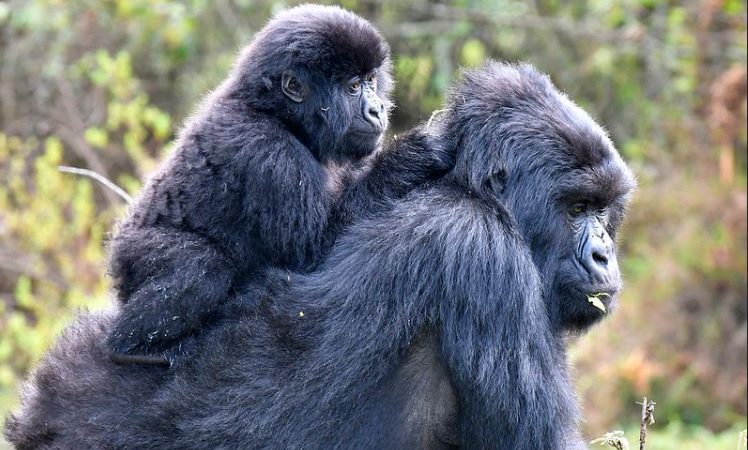
The Importance of Gorillas in Ecosystems

The Importance of Gorillas in Ecosystems
Gorillas play an important role in maintaining the health of forests and supporting other species in their ecosystems. These great apes are more than just fascinating creatures; they contribute to the balance of the environment through their behaviors and interactions. Understanding the importance of gorillas helps us appreciate why their conservation is essential for both biodiversity and human well-being.
Introduction to Gorillas
Gorillas are the largest primates and are known for their intelligence, strength, and social behavior. They are part of the great ape family, which includes chimpanzees, orangutans, and humans. Gorillas live in groups called troops or bands, led by a dominant male known as a silverback. These animals are mostly found in the dense tropical forests of Africa.
Despite their strength, gorillas are gentle animals that spend most of their time eating, resting, and grooming each other. They communicate using vocalizations, facial expressions, and gestures, showing their intelligence and social complexity. Understanding gorillas is vital for conserving them and the environments they live in.
Gorilla Species and Habitats
Gorillas are divided into two main species: Eastern Gorilla (Gorilla beringei) and Western Gorilla (Gorilla gorilla), each with two subspecies.
Species and Subspecies
- Eastern Gorilla (Gorilla beringei)
- Mountain Gorilla (G. beringei beringei): Found in the high-altitude forests of the Virunga Mountains and Bwindi Impenetrable Forest in Uganda, Rwanda, and the Democratic Republic of the Congo. They are critically endangered, with fewer than 800 individuals remaining.
- Eastern Lowland Gorilla (Grauer’s Gorilla) (G. beringei graueri): This subspecies inhabits the lowland tropical rainforests of the eastern Democratic Republic of the Congo and is also endangered, with an estimated population of fewer than 5,000.
- Western Gorilla (Gorilla gorilla)
- Western Lowland Gorilla (G. gorilla gorilla): The most numerous subspecies, found in a variety of habitats including tropical rainforests across Cameroon, Central African Republic, Gabon, Congo, and Equatorial Guinea. They are critically endangered due to habitat destruction and hunting.
- Cross River Gorilla (G. gorilla diehli): The rarest subspecies, with fewer than 300 individuals remaining, located in a small area between Nigeria and Cameroon. They are critically endangered due to habitat loss and poaching.
Habitats
Gorillas inhabit diverse forest environments across Central and East Africa:
- Mountain Gorillas thrive in high-altitude forests that provide cooler temperatures and abundant vegetation.
- Eastern Lowland Gorillas prefer lowland tropical forests rich in fruit and other vegetation.
- Western Lowland Gorillas inhabit tropical lowland forests, swamps, and secondary forests.
- Cross River Gorillas are found in montane forests along the Cross River, where they face significant threats from human activities.
Protecting these habitats is crucial for the survival of all gorilla species, as they provide essential resources such as food and shelter necessary for their thriving populations. Conservation efforts must focus on habitat protection, anti-poaching measures, and community engagement to ensure a future for these remarkable primates.
Gorilla Ecology
Gorillas are highly adaptable animals that play a crucial role in their ecosystems. They significantly influence forest structure through behaviors such as breaking branches, spreading seeds, and creating pathways in dense vegetation. These actions not only benefit gorillas but also help other plants and animals thrive in their habitats.
Ecological Contributions
- Seed Dispersal: Gorillas primarily consume fruits, and when they eat, they disperse seeds throughout the forest. This process is vital for forest regeneration, as it allows seedlings to grow and replenish the ecosystem, supporting biodiversity.
- Forest Structure: By foraging for food, gorillas create clearings in the foliage, which allows light to reach various plant species, promoting a diverse plant community.
- Food Chain Balance: As large herbivores, gorillas help maintain the natural balance of the food chain. Their grazing habits contribute to the health of the vegetation and support other wildlife that shares their habitat.
Social Structure
Gorillas live in social groups known as troops or families, which are essential for their survival and reproduction. A typical group consists of one dominant silverback male, several females, and their offspring. This social structure provides safety and enhances their ability to find food. Family dynamics are critical for nurturing young gorillas and ensuring the group’s stability.
Importance of Understanding Gorilla Ecology
Understanding gorilla ecology is vital for researchers and conservationists as it aids in developing effective strategies for their protection. By recognizing the ecological roles that gorillas play, conservation efforts can be better tailored to address the specific needs of these animals and their habitats. Protecting gorillas ultimately supports broader environmental health, benefiting both wildlife and human communities that rely on healthy ecosystems for resources
Diet and Foraging Behavior
Gorillas are primarily herbivores, feeding on leaves, stems, fruits, and bark. Their diet depends on the availability of food in their habitat. For instance, mountain gorillas eat more leaves and stems because fruits are scarce in high-altitude forests, while lowland gorillas consume more fruits.
Gorillas spend much of their day foraging, moving through the forest to find food. Their large size and appetite mean they need a lot of food to sustain themselves. By feeding on a wide variety of plants, they help shape their environment and promote the growth of new vegetation.
Gorillas as Keystone Species
Definition and Role in Ecosystems
A keystone species is an animal or plant that has a significant impact on its ecosystem. Gorillas are considered keystone species because their activities influence the structure and health of forests. By spreading seeds and clearing pathways, they create conditions for other plants and animals to thrive. Without gorillas, the balance of their ecosystems would be disrupted.
Interactions with Other Species
Gorillas interact with many species in their habitats. They share their environment with other primates, birds, and small mammals, often competing for resources or indirectly benefiting each other. For example, the seeds they scatter help regenerate plants that provide food and shelter for other animals. These interactions highlight their importance in maintaining biodiversity.
Seed Dispersal and Plant Regeneration
Gorillas play a vital role in seed dispersal. As they eat fruits, seeds pass through their digestive systems and are deposited in different parts of the forest. This helps new plants grow in areas far from the parent trees, increasing forest diversity. By regenerating forests, gorillas also combat climate change by supporting habitats that absorb carbon dioxide.
Conservation Efforts
Threats to Gorillas
Gorillas face many threats, including habitat loss, poaching, diseases, and climate change. Human activities like deforestation and mining destroy the forests they depend on, while poaching reduces their populations. Diseases like Ebola also pose a significant risk. These threats make gorilla conservation urgent.
Economic and Ecotourism Value
Gorillas are a major attraction for ecotourism, especially in countries like Uganda, Rwanda, and Congo. Gorilla trekking brings visitors from around the world, generating income for local communities and funding conservation efforts. This economic value provides an incentive to protect gorillas and their habitats.
Conclusion and Future Outlook
The importance of Gorillas is essential for healthy ecosystems and biodiversity. Protecting them benefits not only wildlife but also humans who rely on forests for resources and climate regulation. Continued conservation efforts, including habitat protection, anti-poaching measures, and community involvement, are necessary to secure a future for gorillas. By working together, we can ensure these remarkable animals continue to thrive in the wild.