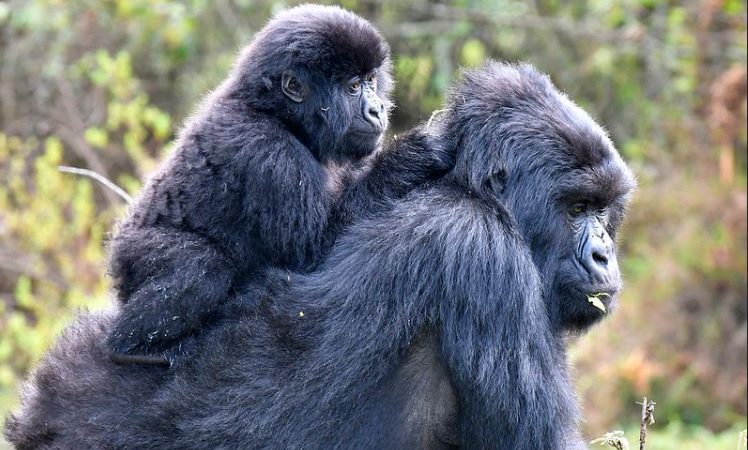
The Best Gorilla Tours

What are The Best Gorilla Tours in Africa?
The best gorilla tours in Africa are centered around Uganda’s Bwindi Impenetrable Forest and Rwanda’s Volcanoes National Park, where the highest concentrations of mountain gorillas reside and well-established trekking programs are in place. Travelers on a budget will likely find better offers in Uganda, starting from Kisoro, or in Rwanda, with departures from Kigali. For those eager to extend their trip, it’s very feasible to combine gorilla trekking with other East African wildlife experiences in destinations like the Masai Mara or the Serengeti, adding even more adventure and value to their itinerary.
How Much Is a Gorilla Trekking Permit?
The cost of a gorilla trekking permit varies by country. In Uganda, a gorilla permit costs $800 for foreign non-residents and $700 for foreign residents. It also costs $500 for the Rest of African Citizens and UGX 300,000 for East African citizens. In Rwanda, the permit costs $1500 for foreign non-residents and $1000 for foreign residents, then $200 for East Africans. Meanwhile, in the Democratic Republic of the Congo, gorilla trekking is the most affordable, with permits costing $400. These fees contribute directly to gorilla conservation efforts and support the local communities surrounding the parks. In Uganda, the Uganda Wildlife Authority is in charge of selling and issuing gorilla permits, and the Rwanda Development Board does the same work in Rwanda.
When Can I Book a Gorilla Trekking Permit?
Gorilla trekking permits for Bwindi Impenetrable Forest National Park, Mgahinga Gorilla National Park, Volcanoes National Park, and Virunga National Park should ideally be booked 3 to 6 months in advance. These permits are highly sought after, particularly during the peak seasons (June to September and December to February), and they tend to sell out quickly. Early booking ensures you secure your spot for this once-in-a-lifetime wildlife encounter.
Where Can I Purchase a Gorilla Trekking Permit?
You can obtain a gorilla trekking permit through various official channels depending on the destination. In Uganda, permits are issued by the Uganda Wildlife Authority (UWA) in Kampala. In Rwanda, you can acquire them from the Rwanda Development Board (RDB). For treks in the Democratic Republic of Congo, permits are available from the Virunga tourism office near the Goma border.
Alternatively, for convenience and ease of planning, you can secure your permit through a reputable tour operator such as Safari Vacations and Travel Services or Anthill Gorilla Safaris. Simply provide your preferred date, month, and year for the trek, and we will assist in arranging the permit along with any additional logistics for your safari experience.
How Many People Are Allowed to Trek the Gorillas?
Only 8 people per day can visit each gorilla family in Africa. This rule applies across all gorilla trekking destinations, including Bwindi Impenetrable Forest National Park, Mgahinga Gorilla National Park in Uganda, Volcanoes National Park in Rwanda, as well as Virunga National Park and Kahuzi-Biega National Park in the Democratic Republic of Congo.
This smaller group size helps minimize disturbance to the gorillas and reduces the risk of disease transmission. It also allows for a more intimate and rewarding experience. It also ensures visitors have more opportunities to take photographs, ask questions, and fully engage with their guides during trekking.
How Much Time Can I Spend with the Gorillas?
Visitors can only spend a maximum of one hour with the gorillas once they locate them in the forest. This one-hour time limit applies at all gorilla trekking destinations. These include Uganda, Rwanda, and the Democratic Republic of Congo.
During this hour, you’ll have the chance to observe the gorillas’ behavior and ask your guide questions. You can also use this time to take photographs (without using flash). You can also soak in the incredible experience of being close to one of the world’s most endangered primates. The parks strictly enforce this time limit to minimize stress on the gorillas and to support ongoing conservation efforts.
What Is the Minimum Age for Gorilla Trekking?
The minimum age for gorilla trekking in Bwindi Impenetrable Forest National Park, Mgahinga Gorilla National Park, Volcanoes National Park, Virunga National Park, and Kahuzi Biega National Park is 15 years old.
This age limit is set to ensure the safety of both the visitors and the gorillas. This is because younger children may find the trek physically demanding and may not respond appropriately in the presence of wild animals. Additionally, this regulation helps minimize risks such as the transmission of human diseases to the gorillas, who are highly susceptible to infections. Also, children may be intimidated by the first glance at the gorillas, hence their reaction may not be pleasant to the gorillas.
How Long Does Gorilla Trekking Take?
Gorilla trekking typically lasts between 2 to 7 hours, depending on where the gorilla family is located on that particular day. This includes the time spent hiking through the forest in Bwindi Impenetrable Forest National Park, Mgahinga Gorilla National Park, Volcanoes National Park, Virunga National Park, or Kahuzi Biega National Park, as well as the one hour allocated for observing the gorillas once they are found.
How Close Can I Get to the Mountain Gorillas?
Trekkers are required to maintain a distance of 7 meters (approximately 21 feet) from the gorillas to minimize stress and the risk of disease transmission. However, since gorillas are wild and curious animals, they may sometimes approach you. Even if this happens, touching them is strictly prohibited as they are highly vulnerable to human illnesses. Maintaining this distance helps ensure both your safety and the gorillas’ well-being.
Are the Gorillas Dangerous?
Gorillas are generally not dangerous animals and are popular for their gentle nature. However, visitors should treat them with respect and caution. If they feel threatened or cornered, gorillas may display warning signs such as pounding their chests, grunting, or roaring. These are clear signals that you should step back calmly and slowly. Always follow the guidance of your guide to ensure a safe and respectful encounter with the gorillas.
When is the Best Time to Trek Gorillas?
Visitors can do gorilla trekking year-round, but the best months are from June to August and December to February, during the dry season. These months offer more favorable conditions for trekking as the roads to the national parks remain passable. The trekking trails are also dry, allowing easy movement in the forest while searching for the gorillas. This makes the trek smoother and more enjoyable compared to the rainy season, when the trails can be muddy and slippery. Additionally, the dry season brings shorter grass in the jungle. This makes it easier to spot the gorillas and capture clearer photographs.
Can Disabled People Trek Mountain Gorillas?
Yes, individuals with disabilities can trek gorillas in Uganda’s Bwindi Impenetrable Forest National Park and Mgahinga Gorilla National Park. These parks offer special provisions where disabled visitors can be transported to the gorilla habitats using stretcher beds carried by porters, ensuring they can still enjoy the experience of seeing mountain gorillas in their natural environment.
Where to Stay During a Gorilla Trekking Safari?
When planning a gorilla trekking safari, one of the most frequently asked questions is about where to stay. There are a variety of accommodation options available within and around gorilla trekking sites, offering choices for all budgets. Depending on your preference, you can find luxury, midrange, and budget hotels, lodges, and camps.
These accommodations often feature comfortable rooms, laundry facilities, room service, free Wi-Fi, swimming pools, well-stocked bars, and a selection of both traditional and international cuisine. Many lodges also offer relaxing gardens, ensuring that visitors can unwind after their trek in a peaceful and scenic environment. Whether you’re seeking a more luxurious experience or a more affordable stay, there are plenty of options to make your visit to the gorillas comfortable and memorable.
What are the Tips for first-time Travelers to See Gorillas in Uganda and Rwanda?
Book in Advance
To ensure a seamless gorilla or chimpanzee trekking experience in Uganda, it’s essential to book your permits well in advance. For gorilla trekking, especially during peak seasons from June to September and December to February, it’s advisable to secure your permit 6 to 12 months ahead. During the low season (March to May and October to November), while availability may be better, early booking is still recommended to guarantee your preferred dates and trekking sector.
For chimpanzee trekking, particularly in popular destinations like Kibale Forest National Park, it’s best to book your permit 2 to 3 months in advance, especially during peak periods. While last-minute permits may be available in less frequented areas such as Kalinzu Forest or Kyambura Gorge, securing a permit early ensures a smoother and more flexible travel experience.
Booking through a licensed tour operator like Safari Vacations and Travel Services or Anthill Gorilla Safaris can streamline the process, as they handle permit reservations and logistics, allowing you to focus on preparing for your unforgettable adventure.
Pack Appropriately
For a successful gorilla or chimpanzee trekking experience in Uganda, it’s crucial to pack appropriately. Essential items include sturdy, waterproof hiking boots with ankle support, long-sleeved shirts and trousers in neutral colors to protect against vegetation and insects, and a light rain jacket or poncho for sudden showers. Gardening or leather gloves are recommended for hand protection when navigating dense foliage. A wide-brimmed hat and sunglasses will shield you from the sun, while insect repellent and sunscreen are vital for skin protection. A small, waterproof daypack should carry essentials like water, snacks, a camera (without flash), and a basic first aid kit. Additionally, consider wearing gaiters or tucking trousers into socks to prevent safari ants from crawling up your legs.
Prepare Physically
Gorilla and chimpanzee trekking in Uganda is a physically demanding adventure that requires adequate preparation. The treks involve navigating steep, uneven terrain and high altitudes, which can be challenging even for those in good physical condition.
To enhance your trekking experience, it’s advisable to engage in regular cardiovascular exercises such as brisk walking, jogging, or cycling for at least 30–45 minutes, 3–4 times a week. Incorporate strength training focusing on legs and core muscles through activities like squats, lunges, and step-ups. Additionally, practicing hiking on varied terrains with a loaded backpack can simulate trekking conditions and improve endurance.
Hiring a local porter is highly recommended. Porters assist with carrying your gear and navigating challenging sections, making the trek more manageable. Their services not only ease your journey but also support the local community. Porters are familiar with the terrain and can provide valuable assistance, ensuring a safer and more enjoyable trekking experience.
By adequately preparing physically and considering the assistance of a porter, you can ensure a more comfortable and rewarding primate trekking experience in Uganda.
Stay Hydrated
Staying hydrated is crucial during your safari in Uganda, especially during physically demanding activities like gorilla and chimpanzee trekking, as well as game drives. The warm climate and strenuous terrain can lead to dehydration, which may cause fatigue, dizziness, or headaches. To maintain optimal energy levels and ensure a safe experience, it’s advisable to carry at least 2 liters of bottled water per person. Reusable water bottles are recommended to minimize plastic waste and are often provided by tour operators. Remember to drink regularly throughout the day. You should do so even if you don’t feel thirsty, to prevent dehydration. Additionally, avoid drinking tap water; instead, opt for bottled or boiled water to reduce the risk of waterborne illnesses.
Respect Local cultures
Engaging with Uganda’s local communities offers a rich cultural experience that enhances your safari journey. Learning a few basic phrases in local languages, such as “Oli otya?” (How are you?) in Luganda can foster goodwill and deepen your connection with the people. Ugandans are known for their warmth and hospitality, and showing interest in their customs and traditions is often met with appreciation. Participating in cultural activities, like traditional dances or village tours, provides insight into the country’s diverse heritage. Always approach interactions with respect and an open mind to appreciate the richness of Uganda’s cultural tapestry fully.
Be flexible
Flexibility is essential when planning a safari in Uganda. Wildlife movements, weather conditions, and other factors can lead to unexpected changes in your itinerary. For instance, gorilla trekking in Bwindi Impenetrable Forest National Park may involve varying hike durations due to the terrain and the locations of the primates. Similarly, game drives in parks like Queen Elizabeth or Murchison Falls may require adjustments to optimize wildlife viewing opportunities. To accommodate such uncertainties, it’s advisable to include buffer days in your schedule. These extra days provide flexibility to adapt to unforeseen circumstances, ensuring a more relaxed and enjoyable experience. Consulting with local tour operators can also help tailor your itinerary to current conditions, enhancing your safari adventure.
What are some of the Recommended Best Gorilla Tour packages for first-time travelers?
Recommended Uganda Safari Packages for First-Time Travelers. For first-time visitors, the most compelling safari packages skillfully blend the premier primate experiences. These include chimpanzee tracking in Kibale or Kyambura Gorge, and mountain gorilla trekking in Bwindi, along with classic savanna adventures. These well-rounded itineraries often include wildlife game drives and boat cruises in Queen Elizabeth or Murchison Falls National Parks. Game drives offer sightings of lions (even tree‑climbing lions in Ishasha), elephants, hippos, buffalo, and rhinos. Ranging typically from six to twelve days, they usually feature expert guides, park permits, private 4×4 transfers, full‑board lodging from mid‑range to luxury camps, and extra options like wetland walks, cultural visits, and scenic nature cruises.
Short Gorilla Trekking Safaris (3-5 days)
Recommended Uganda Safari Packages. This highly popular safari is tailored for first-time visitors, offering a seamless mix of Uganda’s most iconic highlights. You’ll venture into the gorilla habitat in either Bwindi Impenetrable Forest National Park or Mgahinga Gorilla National Park, both brimming with endangered mountain gorillas. Your trek begins with a scenic road transfer—departing from either Kampala or Entebbe, or, for a shorter journey, starting from Kigali, Rwanda, which is a favored launch point for Bwindi-based gorilla safaris.
On the day of trekking, you’ll be briefed at the park headquarters early in the morning, then set off into the forest. After tracking gorillas—an experience lasting a few hours—you might have time for optional cultural activities like visiting the Batwa community, if your itinerary allows. This format is especially ideal for travelers working with limited time, those fitting Uganda into a broader East African itinerary, or anyone seeking a more budget-friendly option: fewer days translate to lower overall costs, despite the fixed permit fee.
Primate and Wildlife Safari (7-10 Days)
Recommended Uganda Safari Packages. This is one of the most popular safari options for first-time visitors to Uganda, offering a perfect blend of the country’s top highlights. It combines unforgettable primate encounters with classic savanna wildlife experiences, making it an ideal introduction to Uganda’s rich biodiversity.
The journey typically includes Bwindi Impenetrable Forest National Park, where you’ll embark on a once-in-a-lifetime mountain gorilla trekking experience. To participate, travelers must secure a gorilla trekking permit, which currently costs around USD 800 per person per trek.
Next is Kibale Forest National Park, famously known as the “Primate Capital of the World.” It offers the best chimpanzee trekking in Africa. Permits for this activity cost USD 250 per person per trek. They grant visitors the opportunity to track these intelligent primates in their natural habitat.
Recommended Uganda Safari Packages. The itinerary also covers Queen Elizabeth National Park, popular for its diverse wildlife and dramatic landscapes. Highlights include game drives through the Ishasha sector, where the rare tree-climbing lions can be spotted, as well as sightings of elephants, buffalo, antelopes, and Uganda kobs. A boat cruise along the Kazinga Channel offers close encounters with hippos and crocodiles, as well as fantastic birdwatching and shoreline game viewing.
Together, these destinations offer a well-rounded, immersive experience for anyone venturing on their first Ugandan safari.
Ultimate Uganda Gorilla Tours (10+ Days)
Recommended Uganda Safari Packages. This all-encompassing safari package is perfect for travelers who are eager to experience Uganda’s exceptional biodiversity, blending primate encounters, Big Five game drives, and cultural exploration into one seamless itinerary.
You’ll begin your adventure in Bwindi Impenetrable Forest National Park, home to endangered mountain gorillas in their lush natural habitat. Gorilla trekking here is an unforgettable experience, secured through a permit-hot ticket activity.
Next, head to Kibale National Park, widely regarded as Africa’s Primate Capital, for an immersive chimpanzee trekking experience. Here, visitor permits provide close encounters with these fascinating great apes.
Your journey continues into the expansive Murchison Falls National Park, Uganda’s largest, where powerful waterfalls plunge into the Nile and diverse wildlife roams the savannah. Enjoy a scenic boat cruise along the Nile and game drives to track Uganda’s iconic Big Five species.
The itinerary further includes a guided trek at Ziwa Rhino Sanctuary, the only place in Uganda where you can observe rhinos on foot in the wild. This conservation-driven stop provides rare close-up views of these massive mammals.
Finally, experience the thrill of Jinja, at the source of the White Nile. Here you can choose adventure activities such as white-water rafting, kayaking, quad biking, and more, adding an adrenaline-packed finale to your safari.
This itinerary combines Uganda’s signature primate treks, Big Five wildlife viewing, rhino encounters, and vibrant adventure at the Nile’s source—a rich tapestry of natural wonders and active exploration.
Final Thoughts
Embarking on your first Gorilla Tour? Uganda and Rwanda offer an unbeatable introduction to the continent’s rich wildlife and vibrant cultures. From the misty forests of Bwindi, where you can trek to see endangered mountain gorillas, to the savannahs of Queen Elizabeth National Park, home to the famous tree-climbing lions, Uganda provides diverse and unforgettable experiences. You can also engage with local communities, learn about their traditions, and immerse yourself in the warmth of Ugandan hospitality. With the right preparation and a thoughtfully curated itinerary, your journey with Safari Vacations and Travel Services promises to be a once-in-a-lifetime adventure. Whether you’re seeking thrilling wildlife encounters or cultural immersion, Uganda stands as an exceptional choice for first-time safari travelers.
Contact us today to start planning.