Tailor made Safaris in uganda

Private safari planning
Tailor-Made Safaris Uganda: Design Your Perfect Private Adventure
Track gorillas, cruise the Nile and enjoy a private Uganda journey shaped around you.
Tailor-Made Safaris Uganda: What Makes a Trip Personal?
Custom Uganda safari tours start with your interests, not a fixed departure date. You decide whether your happiest travel day means photographing elephants at sunrise, hiking to a mountain gorilla family, following birds through papyrus wetlands, or simply spending a quiet afternoon overlooking a crater lake. Your travel designer turns those priorities into a route that fits your available nights, accommodation preferences, mobility, appetite for adventure, and total budget. The important difference is not a fancy label: a custom journey makes clear trade-offs in your favor. You can keep more time for the animals you love and remove excursions that do not appeal.
Private Uganda safari tours are particularly rewarding because this compact-looking country contains landscapes that travel very differently. Misty southwestern forests, the open savannah of the western Rift Valley, the Nile corridor, volcanic slopes and northeastern wilderness cannot all be seen properly in a hurried week. A thoughtful plan selects a few regions and allows enough time to enjoy them. If your dates are fixed, the operator works backward from flights and trekking permits. If your dates are flexible, you can choose a season that suits the wildlife, weather and price of your preferred journey.
Why Uganda Works Brilliantly for a Customized Safari
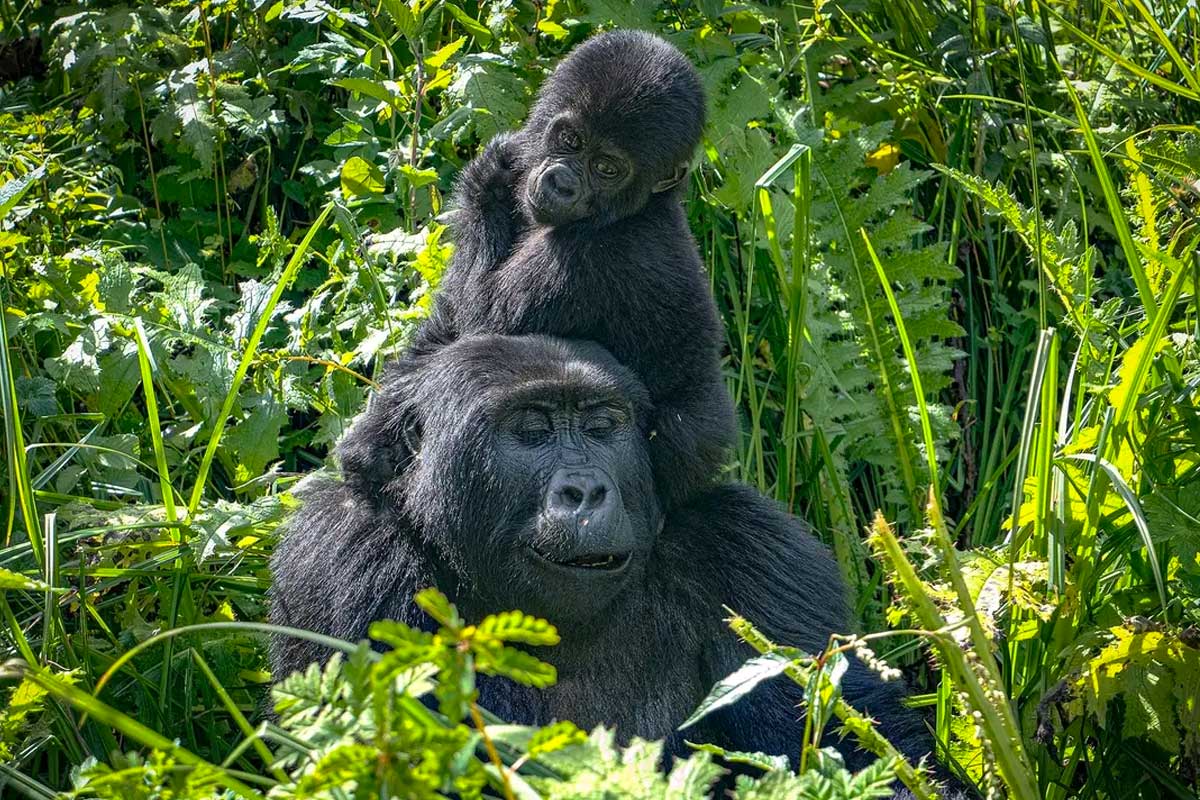
Uganda offers unusually strong variety in one holiday. You can track mountain gorillas in Bwindi, look for chimpanzees in Kibale, watch buffalo and lions in Queen Elizabeth, take a boat toward Murchison Falls, and meet local hosts through thoughtfully arranged community visits. Each environment asks something different of the traveler. Forest trekking is active and intimate; savannah game drives are patient and observational; a river cruise gives a relaxed view of hippos, crocodiles and waterbirds. Your ideal combination depends on your energy, interests and travel companions.
Unlike a fixed circuit, customized Uganda safari packages can balance headline experiences with unexpected discoveries. A keen photographer might want three nights in one wildlife area rather than one night in three parks. Birders may start before breakfast and spend an hour watching a single rare species. A family may prefer a lodge with space to swim and shorter drives. Couples may select a beautiful lakeside ending. As you compare itineraries, ask not only which destinations are included but how many complete activity days you will actually spend in each one. Those details define the quality of your safari.
How Your Safari Is Designed, Step by Step
Begin with a short brief: travel month, number of guests, approximate budget per person, preferred comfort, mobility considerations, and three non-negotiable experiences. A knowledgeable planner should explain what is realistic rather than simply promise every park on your list. Next come route design, estimated drive times, lodge options, seasonal activities and a transparent quotation. If gorilla or chimpanzee trekking is important, availability of the correct permits should be checked before other nonrefundable arrangements are finalized. The location of your trekking sector also affects where you sleep.
Review the proposal day by day. Look for sensible departure times, breathing room after long road transfers, clearly named accommodations and a detailed list of included meals, park fees and activities. Ask whether the quoted safari vehicle and guide are private, whether domestic flights are necessary, and what happens if an activity becomes unavailable. A final itinerary should be more than a list of attractions: it should show how the holiday feels in practice. Good tailor-made safaris Uganda planning leaves space for wildlife surprises without sacrificing essential bookings.
Gorilla Trekking: Build the Journey Around the Permit
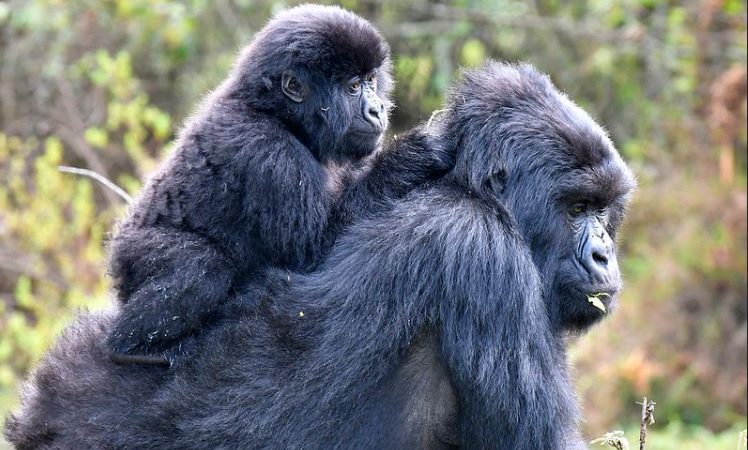
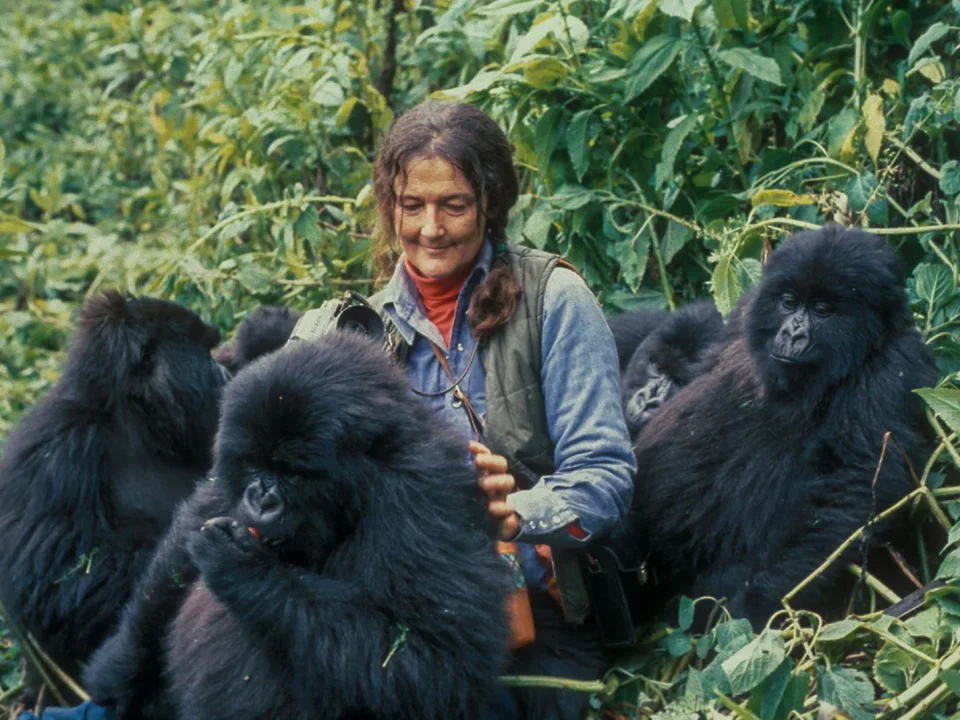
For many travelers, gorilla trekking is the defining moment of a Uganda safari. Bwindi Impenetrable National Park protects several trekking sectors, while Mgahinga Gorilla National Park offers an alternative setting in the Virunga landscape. The hike can involve slippery paths, steep gradients and variable distances before trackers locate a habituated family. Once the group is reached, ordinary trekking permits generally allow a limited viewing period under ranger supervision. The terrain and timing cannot be promised in advance, which is why realistic expectations matter more than ambitious marketing claims.
Reserve the permit for the correct date and sector before choosing a distant lodge. A guest staying on the wrong side of Bwindi may face a difficult predawn transfer. Discuss your fitness and any mobility constraints frankly with the safari organizer, and ask about porter support where available. Bring sturdy boots, waterproof outerwear, long trousers, gloves and drinking water. Gorillas are vulnerable to human infections, so health screening, distance rules and ranger instructions are essential. With careful planning, a gorilla encounter becomes a meaningful part of a broader itinerary rather than an exhausting logistical gamble.
Chimpanzee Tracking for Energetic Forest Explorers
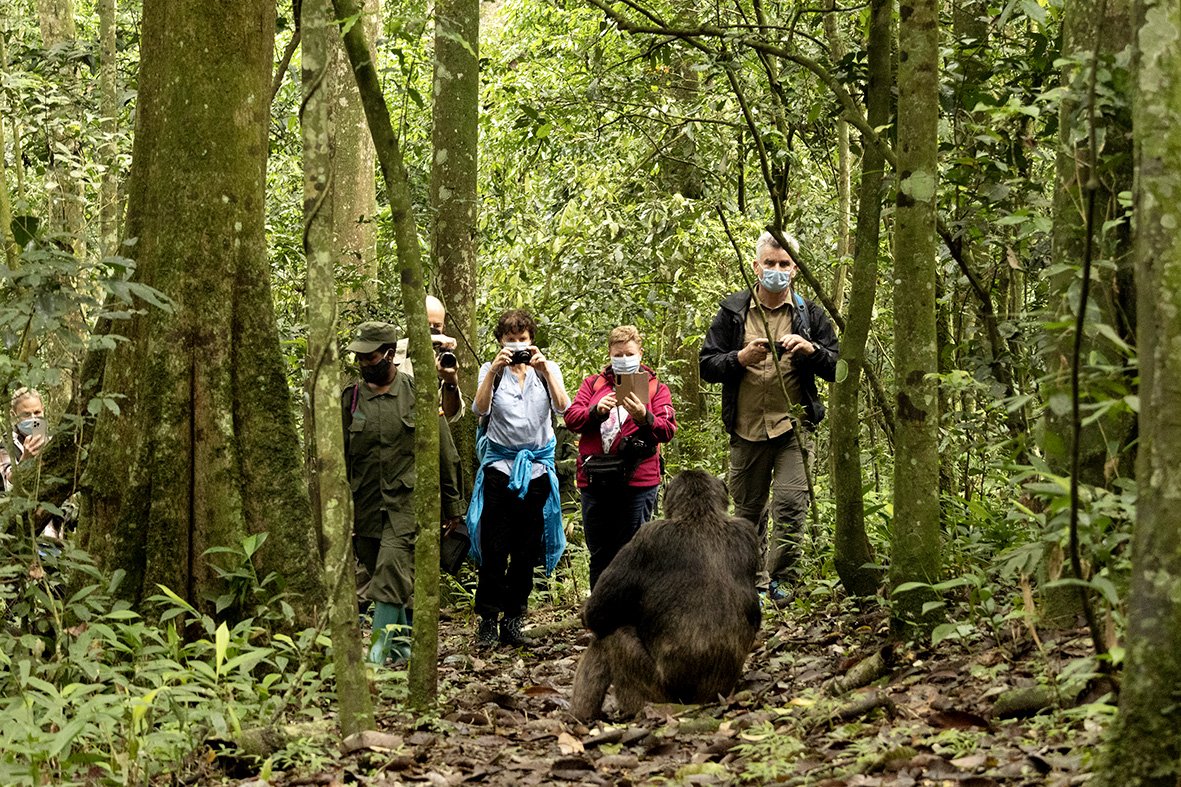
Chimpanzee trekking adds a completely different rhythm to a tailor-made Uganda safari. In Kibale Forest, visitors often hear calls reverberate through the canopy before seeing the animals. Chimpanzees may feed in trees, rest on the forest floor or move quickly, meaning the experience can be lively and physically demanding. Ask about the particular tracking activity, permitted viewing duration and whether an extended habituation-style experience is offered on your dates. A professional guide can also introduce smaller primates, forest birds and the ecology of this remarkable habitat.
Travelers who love primates can pair chimpanzees with gorillas, but these should not be treated as interchangeable activities. A gorilla visit often centers on a relatively settled family encounter; chimpanzees may be noisier and far more mobile. Add time around the Kibale region for crater-lake scenery or village-based experiences rather than racing directly to the next park. If trekking is not suitable for every member of your group, ask the operator about alternative activities while others are in the forest. A custom itinerary should make the day rewarding for everyone.
Queen Elizabeth National Park: Savannah and Waterways
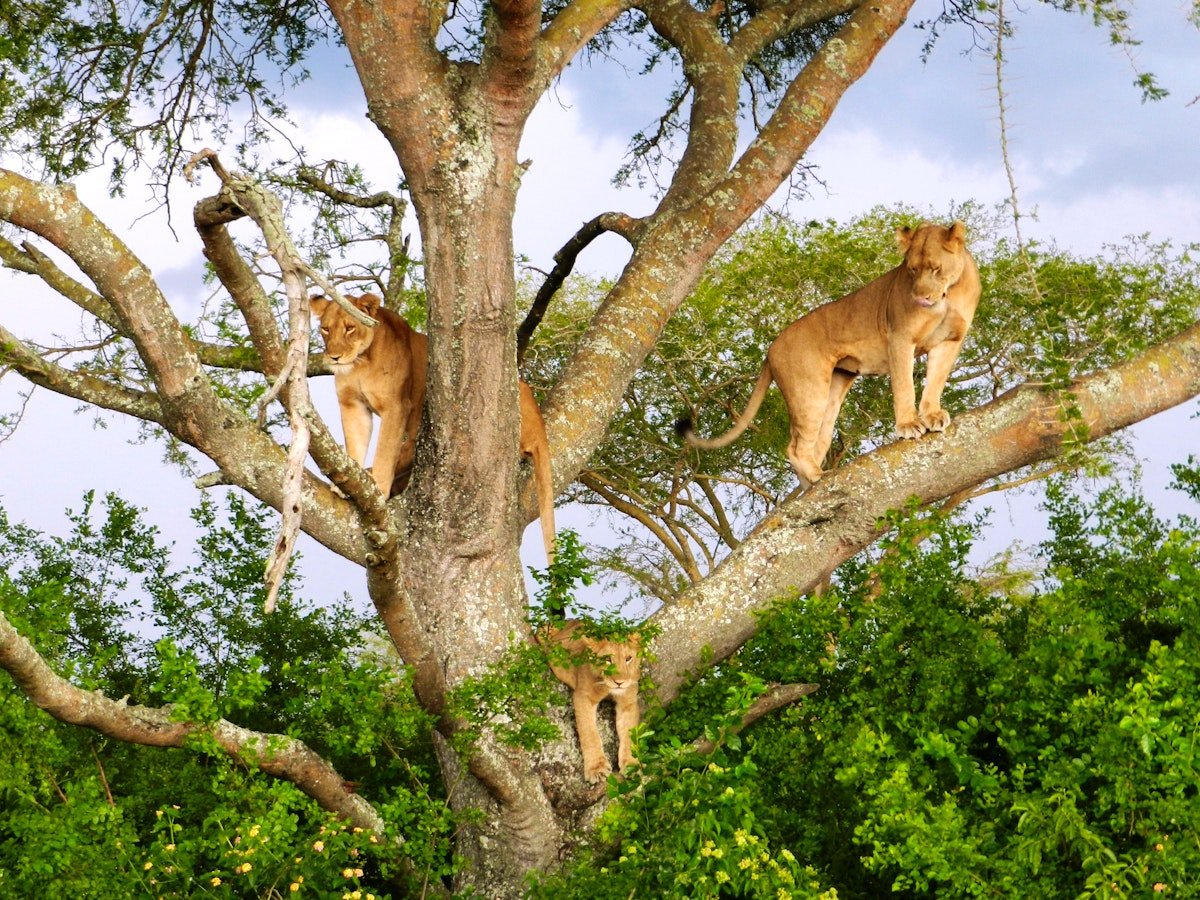
Queen Elizabeth National Park is a natural bridge between Uganda’s primate forests and open-country wildlife. Its varied habitats include grassland, acacia woodland, crater landscapes and the Kazinga Channel. Game drives can reveal buffalo, elephants, Uganda kob, warthogs and, with luck, lions or leopards. The Ishasha sector is famous for the possibility of seeing lions resting in trees, but this remains a wild encounter rather than a guaranteed attraction. A custom safari can devote extra time to one region instead of rushing through both in a single afternoon.
Consider combining a morning game drive with a boat cruise on the Kazinga Channel, where hippos, crocodiles, waterbirds and mammals along the banks create an entirely different perspective. Photographers should tell their guide whether they prefer long stationary sightings or broad species coverage. Depending on the route, a lodge near the chosen game-drive sector may be more useful than one with a luxury label but an inconvenient location. Time of day, driving distance and patient guiding often influence sightings more than the number of attractions advertised on a brochure.
Murchison Falls: A Classic Nile Safari
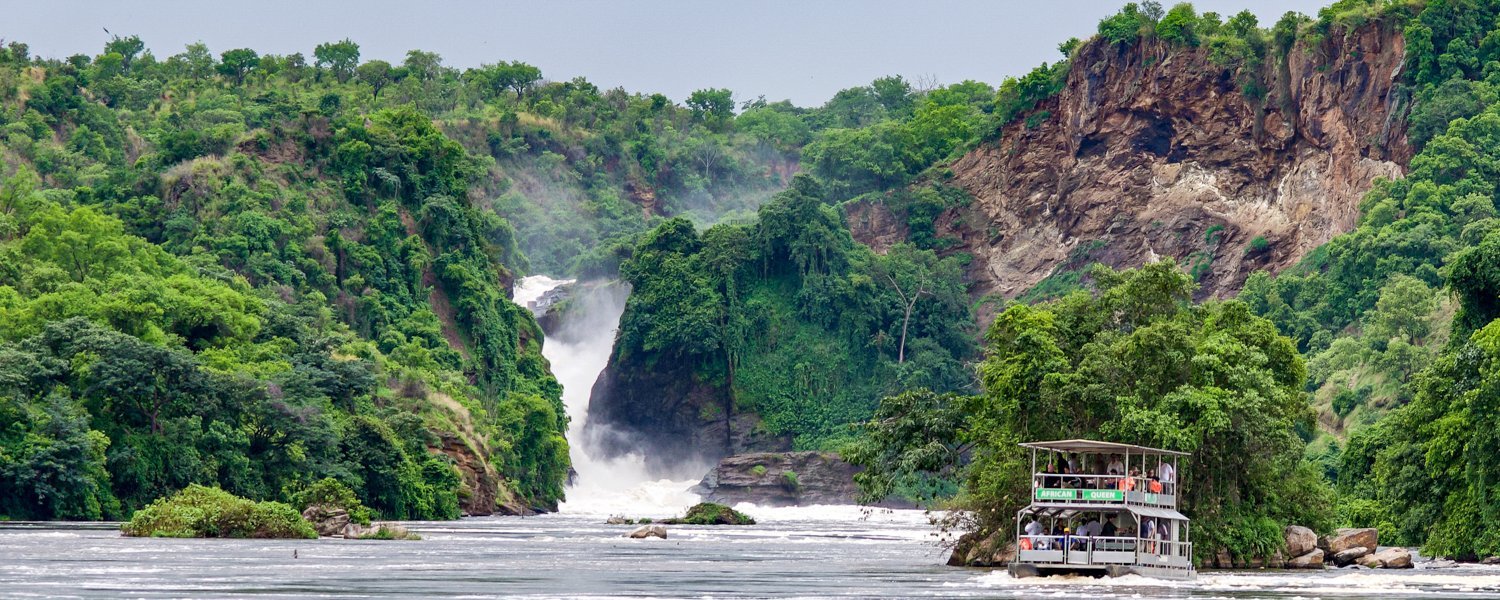
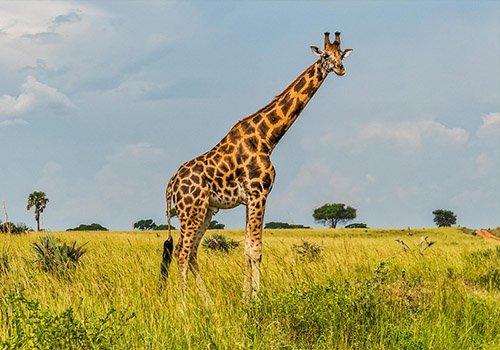
Murchison Falls National Park combines broad wildlife landscapes with the drama of the Victoria Nile. The river forces its way through a narrow rocky cleft before dropping into a powerful waterfall. A boat excursion offers the chance to observe hippos, crocodiles, birdlife and sometimes elephants or other animals at the water’s edge. On land, game drives may reveal giraffes, buffalo, elephants, antelopes and predators. Because the park is large, your accommodation location and the arrangement of boat departures matter greatly.
For a well-paced itinerary, allow enough nights to enjoy both river and savannah activities without sacrificing them to road transfers. Some routes also include Ziwa Rhino Sanctuary as a separate stop on the journey north, subject to current opening conditions and operating arrangements. Whether to add this experience depends on time and interest; it should not force a rushed drive after dark. Guests who prioritize photography might choose sunrise game drives, while families may prefer a relaxed boat trip and an earlier return to camp. The best Uganda wildlife safari balances different viewpoints of the same ecosystem.
Lake Mburo: A Gentle Introduction or Final Stop
Lake Mburo National Park fits well into some southwestern circuits because it can break up a long return to the Entebbe area. Open grassland, woodland, lakes and wetlands offer opportunities to see zebra, impala, buffalo, hippos and an array of birds. Guided walks, boat activities and selected night drives may be available through approved arrangements. It is especially attractive to travelers who want a change from vehicle-only wildlife viewing, although activities depend on local regulations and availability.
As a first-night stop, Lake Mburo can ease visitors into the safari pace. As a final stop, it can interrupt an otherwise tiring road journey from gorilla country. A personalized route might include a guided nature walk for active adults, a relaxed afternoon at the lodge for others, and a shared evening meal to compare sightings. Tell your designer whether this park is a destination in its own right or a practical overnight break. The distinction helps determine how much time to assign and whether another night would add genuine value.
Kidepo Valley for Remote Wilderness Seekers
Kidepo Valley National Park in northeastern Uganda appeals to repeat visitors, wilderness photographers and travelers who value distance from the better-known western circuit. Wide valleys, rugged hills and seasonal wildlife concentrations create a different atmosphere from the rainforest south-west. The remoteness can be a strength, yet it adds logistical complexity. An efficient journey may require a domestic flight, a longer road adventure or an itinerary with several additional days. Road conditions and seasonal access should be assessed before committing.
Do not add Kidepo simply to increase the number of parks on your trip. Its value comes from having sufficient time to absorb its landscapes and explore with knowledgeable guides. A custom Uganda safari can pair it with the Nile region for a northern-focused expedition or set it apart as a special extension. Accommodation choice, fuel planning, flight availability and guide experience deserve particular attention. Travelers with only seven nights may gain more from a focused western circuit; those with two weeks or longer can consider this remote landscape with less pressure.
Birding, Shoebills and Slow Wildlife Observation
Uganda is a compelling destination for bird enthusiasts because forests, grasslands, wetlands, lakes and agricultural margins support very different bird communities. A dedicated birding safari may prioritize species lists, specialist guides and extended time in productive habitats. Travelers interested in the shoebill often consider wetland excursions where sightings are possible, but the bird is elusive and never guaranteed. Families with mixed interests can reserve selected mornings for birding while others choose a gentler lodge-based activity.
Successful bird photography requires patience, quiet and an understanding of habitat. Ask whether your guide has particular expertise in identification by call, and whether boat excursions or early starts are appropriate. Carry binoculars even if you own a telephoto lens. A custom safari should also consider the weather and light, since dense forest can feel very different from a sunny open savannah. Rather than promising a list of rare birds, a good proposal explains where the best opportunities lie and preserves enough hours for unhurried observation.
Culture, Communities and Meaningful Encounters
A safari can include cultural experiences without reducing communities to an attraction. Uganda is home to many languages, food traditions, crafts and livelihoods. Depending on your route, a local host may introduce you to farming, storytelling, music, cooking or craft practices through a visit organized with community consent. Around the southwest, some visitors choose Batwa-led experiences, while northeastern routes can include engagements with Karamojong hosts. Ask who organizes the activity and how the community benefits from the fees paid.
Respectful cultural travel means asking permission before taking photographs, paying agreed prices and following a local host’s guidance on etiquette. Avoid handing out money or gifts directly to children. Travelers who enjoy food might request a cooking session or local market walk; history lovers may choose heritage visits; others may prefer a simple conversation over tea. The goal is a genuine exchange that fits naturally into the day’s route, not an intrusive stop added for the sake of filling a schedule. Thoughtful tailor-made travel creates space for listening.

Add Lake Bunyonyi or a Crater-Lake Retreat
After several dawn departures and a demanding forest trek, a restful lake stay can be the most memorable design decision. Lake Bunyonyi in southwestern Uganda offers island-dotted scenery, quiet accommodation and opportunities for boat trips, walks or enjoying the view. Around Fort Portal and other western landscapes, crater lakes provide alternative places to slow down. The best choice depends on where your final trek ends and the road or flight you will use to depart.
A lake extension is not compulsory. Guests with few days may prefer a comfortable lodge beside a national park rather than another hotel move. But honeymooners, photographers and families frequently appreciate a night or two without a fixed timetable. Ask about the suitability of particular water activities, local safety guidance, and what is actually included at the lodge. Custom travel means recognizing that rest is part of the experience. It can turn a packed wildlife checklist into a holiday that feels spacious, balanced and deeply personal.
Best Time for Tailor-Made Safaris Uganda
Uganda welcomes visitors across the year, but different seasons can change trekking conditions, road access, scenery and lodge availability. June through September and December through February are often favored for relatively drier conditions in several major safari regions. March through May and parts of October and November can bring heavier rainfall, greener landscapes and muddy forest trails. Patterns vary by location and year, however, so the best travel window depends on what you most want to do rather than a single national calendar.
If gorilla trekking is your priority, consider both the chance of wet conditions and how busy your preferred dates may be. For birding, flowering and seasonal bird movements may influence choices; photographers might enjoy the lush scenery of wetter months. School holidays and popular travel periods can affect lodging and permit demand. Ask for two alternative date windows if you have flexibility. A well-designed plan weighs weather against price, crowds and experiences, then explains why a particular period is a good fit for you.
How Long Should Your Uganda Safari Be?
Three to five days can work for one tightly focused experience, particularly a gorilla trek paired with nearby accommodation and appropriate transfers. Six to eight days can combine gorillas with a second wildlife region, although the route needs careful pacing. Nine to twelve days allows a stronger western Uganda circuit with chimpanzees, savannah game drives, boat activities and gorillas. Two weeks or more opens the door to Murchison Falls, more relaxed lodge stays, additional forest time or extensions to remote destinations.
The key question is not simply how many days you have off work but how many nights you will spend in Uganda after international travel. Arrival days may involve fatigue and immigration formalities. Departure days may leave little room for activities. A long transfer is not equivalent to a full safari day, however attractive the scenery along the way. Ask your planner to identify total driving time and complete activity days separately. Fewer destinations often means richer encounters and better value from an expert guide.
A Seven-Day Personalized Western Uganda Idea
Short Uganda safari itineraries can begin in Entebbe with a relaxed overnight stay before heading west. Days two and three can explore Queen Elizabeth National Park with a game drive, scenic stops and a Kazinga Channel boat outing. Days four and five focus on the Bwindi region, including time to arrive comfortably and a reserved gorilla trek. Day six can provide a slower stop near Lake Bunyonyi or another suitable area. Day seven is reserved for the planned return or onward travel, with realistic transfer buffers.
This is an illustration, not a fixed package. Some travelers would rather replace Queen Elizabeth with Kibale chimpanzee tracking, while others prefer to skip the lake stop and stay longer near the forest. Exact day order depends on your start and end points, road conditions, confirmed trekking sector and activity availability. Flying one leg may improve comfort at additional cost. Ask for a side-by-side quotation showing which activities are retained in each variation. The purpose of the sample is to make choices clearer, not to imply that every combination fits without compromise.
A Ten-Day Gorilla, Chimpanzee and Wildlife Route
Personalized Uganda safari packages can begin in Entebbe, continue to Kibale for chimpanzees, then cross the crater-lake landscape to Queen Elizabeth for game drives and a boat safari. The itinerary can extend south toward Bwindi for gorilla trekking before returning by a practical route, with a Lake Mburo or lakeside break if time allows. A well-planned version assigns rest and transfer time explicitly rather than treating each day as an unlimited number of available hours.
The same ten days could be reshaped for a birding couple, a first-time family group or a serious photographer. Birders might trade an extra game drive for forest-edge observation; families might select shorter daily journeys and fewer early starts; photographers may spend an additional night in the most productive savannah sector. Your planner should provide realistic activity choices and explain what has been omitted. This is the most useful test of personalization: the final trip should reflect your priorities, not merely rearrange the order of a standard brochure.

A Fourteen-Day Grand Uganda Journey
With fourteen days, you can explore the Nile corridor, primate forest and southwestern savannah more comfortably. A possible outline starts in Entebbe, visits the Murchison Falls region, continues toward Kibale, explores Queen Elizabeth, and ends with Bwindi and a relaxing southwestern stop before departure. Where transfers are long, add breaks or a domestic flight rather than pushing every day to the limit. The extra time can also permit an unhurried second game drive or an additional forest excursion.
Another fourteen-day journey could focus on Kidepo, the Nile and northern landscapes rather than following the usual western loop. A third could emphasize wildlife photography, community visits and lesser-known habitats. The best route follows a story you are excited to experience. Ask what you will see during each transfer and whether seasonal road conditions might cause delays. A grand tour is not necessarily the one with the greatest mileage. It is the one that leaves you with a strong sense of Uganda’s different ecosystems and enough energy to enjoy them.
Safari Prices and What Actually Drives Cost
The cost of private Uganda safaris depends on group size, duration, lodging, season, park fees, trekking permits, transport and optional flights. A couple sharing a vehicle will usually have a different per-person cost from a larger family or a solo traveler. Lodge location matters: a cheaper room far from an activity can add repeated transfers. Likewise, an expensive fly-in connection may save a valuable day that would otherwise be spent driving. It is more useful to compare detailed proposals than advertisements quoting a single low daily rate.
Ask the operator to itemize gorilla and chimpanzee permits, entrance fees, lodging, meals, beverages, vehicle, fuel, guide, boat activities and any domestic aviation. Clarify what you must pay independently, including international flights, visas, insurance, tips, laundry and personal purchases. Permit charges and booking policies can change, so request current authority-confirmed figures for your nationality and dates before paying. A truly transparent quote should state the cancellation schedule and whether substitutions require your approval. Good value means investing in experiences you care about, not automatically selecting the lowest total.
Budget, Mid-Range and Luxury Safari Styles
A budget-conscious private itinerary can still deliver outstanding guiding and wildlife by selecting comfortable simpler lodges, reducing flights and limiting unnecessary backtracking. Mid-range safaris often balance good accommodation, private transport and a sensible set of activities. Luxury journeys may prioritize premium locations, intimate camps, exceptional service and additional transfer convenience. None of these labels has a universal meaning across every property, so ask for the exact room type, meal plan and location rather than relying on categories alone.
Think about where extra spending will genuinely improve your journey. A photographer might favor a private vehicle with fewer passengers over a more expensive bathroom. A family may value connecting rooms and flexible mealtimes. A honeymoon couple might invest in a special two-night lodge near the end of the trip. Some travelers choose a premium forest lodge for comfort around a demanding gorilla trek and simpler accommodation on transfer nights. Customized Uganda safari packages should let you choose those priorities openly instead of upselling the same features to everyone.
Private Vehicles, Guides and Domestic Flights
The driver-guide is central to a Uganda wildlife safari. They navigate roads, interpret wildlife behavior, help manage your daily rhythm and often connect you with local history and landscapes. Ask whether your group has a dedicated vehicle, how many guests share each row, what roof configuration is provided for game viewing and how luggage is accommodated. An experienced guide’s ability to read tracks and remain patient at a promising sighting may have more impact than an overcrowded itinerary with many named stops.
Domestic scheduled or charter flights can be worth considering when time is tight or a route includes distant parks. They are not automatically the best choice: airport transfers, flight schedules, baggage limits and cost must be included in the comparison. Road travel can be rewarding when it is broken into manageable segments and includes interesting stops. Your itinerary should provide approximate driving windows, not misleadingly precise promises. Allow contingency time before international departures, particularly if an onward journey follows a trek, domestic flight or long transfer.
Families, Couples, Solo Travelers and Specialist Groups
Families need to verify minimum ages for trekking and other activities before falling in love with a route. Children may enjoy short wildlife drives, nature interpretation, lodge pools and relaxed meal schedules more than repeated full-day transfers. Couples may want privacy, a memorable view and a slower final stretch. Solo travelers can benefit from a private guide but should understand that vehicle and room costs may be higher per person. A mixed-age group needs a plan that offers meaningful alternatives on more demanding activity days.
Special interests deserve equal attention. Birders need early starts and expert identification. Photographers may request particular vehicle seating and time to wait for behavior. Walkers may prefer ranger-led trails, while visitors interested in food or community history need well-organized local hosts. Tell the operator about dietary requirements, accessibility, pace and any concerns before paying a deposit. It is easier to design an inclusive itinerary from the outset than to improvise inaccessible lodge paths or unsuitable hikes after arrival. Tailor-made safaris Uganda work best when the planner understands the people, not just the parks.

Conservation and Responsible Safari Choices
Uganda’s protected areas are living ecosystems, not outdoor zoos. Keep appropriate distances, never ask a guide to chase wildlife, and observe rules about roads, quiet and vehicle positioning. During gorilla and chimpanzee encounters, follow health and disease-prevention instructions closely. The protected status of animals does not make encounters guaranteed. A responsible operator will explain these limits clearly and support guides who put animal welfare before dramatic photographs. This approach often produces calmer, more authentic sightings.
Responsible travel also extends to people and resources. Ask lodges about local employment, water use, waste management and how communities benefit. Choose cultural visits organized with consent, and purchase crafts directly from makers where possible. Carry a refillable bottle when practical, respect park waste rules and avoid inappropriate gifts to children. You do not need a perfect itinerary to make thoughtful choices. A custom trip simply offers room to select suppliers and activities whose practices match your values, making tourism more beneficial to the landscapes and communities you came to appreciate.
Packing, Health and Practical Travel Preparation
Packing for Uganda is about layers. A hot afternoon in the savannah can be followed by a chilly evening near the forest. Bring breathable neutral clothing, a warm layer, a rain jacket, a sunhat, insect repellent, comfortable shoes and binoculars. Gorilla and chimpanzee treks call for firm hiking footwear, long sleeves, long trousers and a small daypack. Keep camera gear protected from dust and moisture, and carry spare batteries or a power bank where appropriate. Domestic flights may restrict luggage weight and bag shape.
Consult a qualified travel-health professional about malaria prevention, vaccinations and other advice appropriate to your personal circumstances and route. Check official visa, passport and entry requirements for your nationality before booking nonrefundable travel. Carry insurance that covers planned activities and medical evacuation where appropriate. Keep digital and offline copies of your documents, including permits, accommodation details and emergency contacts. Communications may be less reliable in remote areas, so tell family when you expect to be offline. Your guide’s safety instructions should take precedence during wildlife activities and while staying in unfenced camps.
Questions to Ask Before You Confirm Your Booking
A reliable quote names the actual safari dates, park sectors, accommodation choices and room categories. It specifies whether your guide and vehicle are private, lists the activities included and identifies those that remain optional. You should know who is arranging trekking permits, when their status is confirmed and what refund or rescheduling rules apply. Ask how the operator manages changed flight schedules, poor weather or lodge substitutions. A reputable proposal should make those uncertainties understandable rather than burying them in small print.
Also ask how many full days you have for wildlife, which transfers are most demanding and what alternatives exist if a guest cannot participate in a trek. Confirm accessible room requirements, dietary requests and children’s eligibility before paying. Check whether boat excursions, ranger fees, park entrance, water and meals are included. Understand the deposit, balance due date and payment method. Good preparation makes your tailor-made trip more relaxing once it begins because everyone knows the plan, the inclusions and the reasonable limits of flexibility.
Frequently Asked Questions About Custom Uganda Safaris
Are tailor-made safaris Uganda more expensive than fixed tours?
Not necessarily. A private vehicle and guide can raise the per-person cost for one or two travelers, but thoughtful routing may eliminate activities you do not want and avoid wasteful transfers. The most useful comparison is a like-for-like quote including permits, park fees, lodging and transport. Value depends on your priorities, not just the advertised starting price.
Can I combine mountain gorillas and chimpanzees in one trip?
Yes. Bwindi or Mgahinga and Kibale are often combined in longer western Uganda itineraries. Allow sufficient nights for transfers and forest activity days, and confirm the relevant permits before fixing accommodations. If you have a limited number of days, a planner can explain the trade-offs between including both primates and adding a savannah safari.
Can my itinerary start in Kigali and finish in Entebbe?
A cross-border trip may be possible depending on nationality, entry requirements, operator logistics, permit dates and transfer arrangements. Kigali can be a useful gateway for some southwestern Uganda routes. Confirm the exact border sequence and visas directly with relevant official authorities before purchasing flights. Never assume a vehicle or one visa works automatically in every country.
Is a gorilla sighting guaranteed on a custom safari?
No wildlife sighting can be guaranteed. Tracking teams and rangers greatly improve the opportunity to locate habituated gorillas, but weather, terrain, animal movement and park rules shape the experience. Ask about the applicable official permit conditions and follow ranger guidance. Operators should never advertise direct control over wild animal behavior.
How far ahead should I request my itinerary?
As early as practical, especially for peak travel months, limited trekking permits and lodges with few rooms. If dates are flexible, share several options. Last-minute trips may still be possible, but the ideal trekking sector or accommodation might not be available. Ask for a quote based on your exact group and dates instead of relying on an old online price.
Start Planning a Safari That Feels Like Yours
The most rewarding Uganda trip is not the one that checks every attraction before sunset. It is the one that creates room for the moments you care about: the sound of a chimpanzee call in the forest, the first sight of a gorilla family, elephants reflected in a river, a knowledgeable guide explaining animal tracks, or a quiet dinner overlooking a lake. A personalized itinerary uses these priorities to choose the right parks, transfers, rooms and pace.
Share your travel month, number of travelers, preferred trip length, approximate budget and favorite experiences with a safari planner. Ask for a day-by-day proposal with permits, transfers and inclusions clearly explained. Then refine it until it reflects your interests instead of a generic checklist. Whether you are planning a honeymoon, family holiday, photography journey or first wildlife adventure, the right tailor-made safaris Uganda plan can transform a promising itinerary into a deeply memorable visit to the Pearl of Africa.