Reasons to Trek Gorillas in Uganda
Reasons to Trek Gorillas in Uganda
For good reason, Uganda is popular as one of the top sites in the world for gorilla trekking. In Uganda, one can partake in gorilla trekking in Mgahinga Gorilla and Bwindi Impenetrable National Parks. If you’re thinking of going gorilla trekking, here are 10 strong reasons why Uganda should be your final destination. The reasons to trek gorillas in Uganda are satisfying as you can see below.
Encounter Mountain Gorillas in the Wild
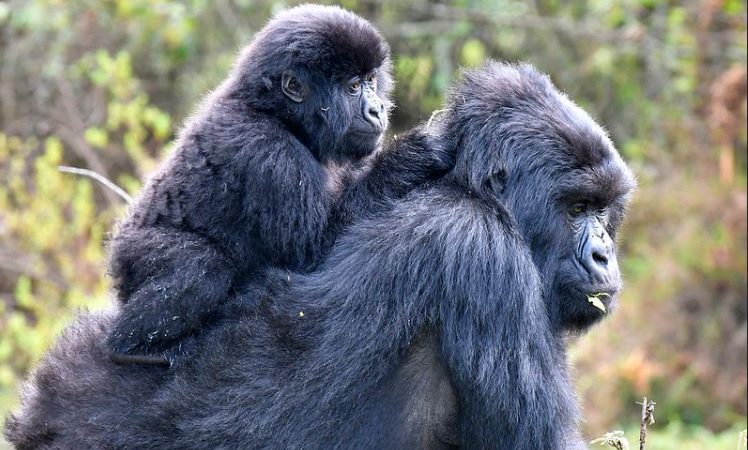
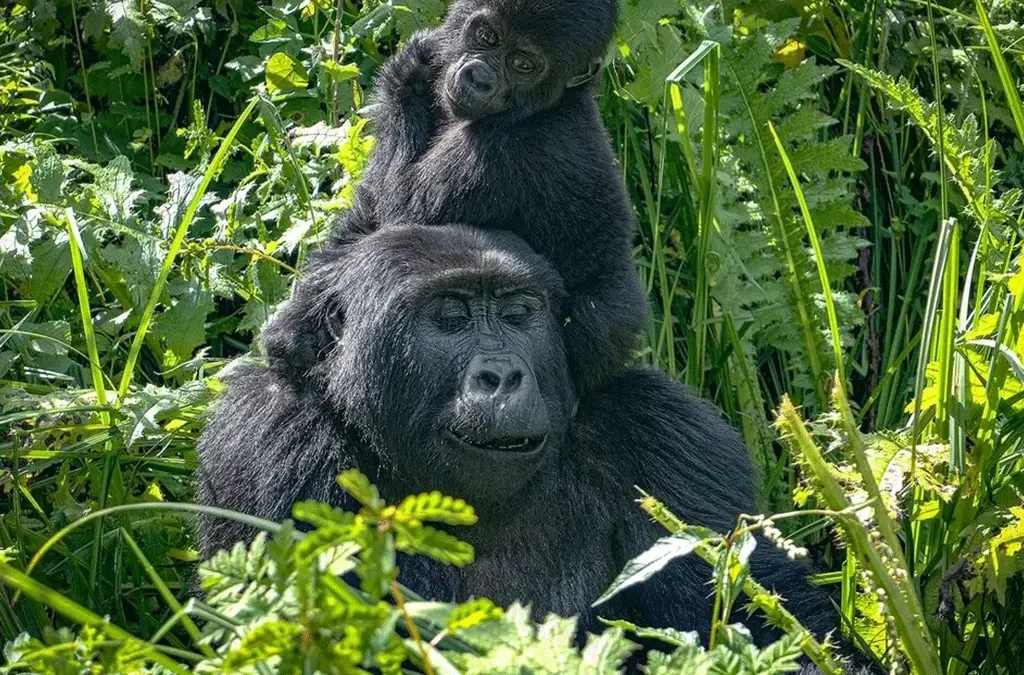
Gorilla trekking in Uganda offers a rare opportunity to encounter endangered mountain gorillas in their natural habitat. Witness these gentle giants up close and observe their behavior, social interactions, and familial bonds. This activity includes heading to the park headquarters after breakfast for a briefing. After, the rangers assign you a gorilla group to trek, whom you follow to the forest. After finding the gorillas, you have one hour to spend with the mountain gorillas. take as many pics as possible as you also monitor their behavior. Then, head back to the lodge or any other activity depending on your program.
Pristine Wilderness of Bwindi Impenetrable Forest
Bwindi Impenetrable Forest National Park, one of Uganda’s most iconic destinations for gorilla trekking, is a lush and enchanting rainforest. Trek through dense vegetation, meandering streams, and towering trees to reach the gorillas.
Gorilla Habituation Experience
In Uganda, you can participate in gorilla habituation experiences. The procedure is the same as trekking, though more rewarding. Here, a group of researchers leads you to the forest instead of ranger guides. Again, the time you spend is 4 hours with the mountain gorillas. The habituation process aims to make gorillas used to human presence. Spend several hours observing and learning about these magnificent creatures.
Incredible Scenic Beauty
The landscapes surrounding gorilla trekking locations are stunning. Towering mist-covered mountains, dramatic valleys, and lush vegetation create breathtaking backdrops for your trekking adventure.
Rich Wildlife Diversity
While gorillas are the show’s stars, Uganda’s national parks are teeming with diverse wildlife. Keep an eye out for forest elephants, chimpanzees, various monkey species, and numerous bird species. Also, Bwindi Impenetrable and Mgahinga National Parks are a haven for lepidopterists. The parks are home to thousands of butterfly species in the world hence favoring butterfly viewing.
Unique Trekking Adventures
Beyond gorilla trekking, Uganda offers various trekking experiences. These range from hiking in the Rwenzori Mountains to exploring the lush jungles of Kibale National Park.
Birdwatcher’s Paradise
Uganda boasts over 1,000 bird species, making it a paradise for birdwatchers. Capture images of vibrant turacos, shoebills, and other exotic avian species while on your trek. before you see gorillas, different bird species will keep you company in the jungle.
Cultural Immersion
Engage with local communities, such as the Batwa Pygmies, and learn about their traditional way of life. Gain insights into their customs, songs, dances, and how they coexist with the gorillas and forests. You can partake in this cultural encounter in the evening after a fascinating gorilla trek.
Conservation and Sustainability
Gorilla trekking in Uganda contributes directly to conservation efforts. The funds generated from trekking permits play a pivotal role in protecting gorilla populations and preserving their natural habitat. A percentage of the funds also goes to local community projects like farming to reduce the dependence of locals on the forest.
Ethical and Responsible Tourism
Uganda places a strong emphasis on ethical and responsible tourism practices. Strict guidelines are enforced to minimize the impact on gorillas and their environment. This ensures an enriching and sustainable experience.
The excitement of wildlife encounters, cultural experiences, and the beauty of pure nature combine to make gorilla trekking in Uganda a memorable journey. It’s an opportunity to reconnect with distant relatives, contribute to conservation initiatives, and create lasting experiences in the heart of Africa.