Places to Visit for Cultural Tours in Uganda

Uganda • People • Heritage • Living Traditions
Places to Visit for Cultural Tours in Uganda
Meet the people, explore the kingdoms, hear the stories and discover the community experiences that make Uganda unforgettable.
Discover Uganda beyond the wildlife
Uganda is celebrated for gorillas, chimpanzees and abundant wildlife, yet its living heritage is just as memorable. The most rewarding cultural tours introduce you to communities, royal histories, music, craft traditions, farming practices and the ways people shape their landscapes. This guide highlights the best places to visit for cultural tours in Uganda and helps you connect them logically with a safari route. Start with our wider Uganda culture guide and explore how cultural tourism in Uganda brings a different dimension to a wildlife holiday.
Cultural encounters are not performances staged in isolation. The best experiences involve knowledgeable local hosts, honest conversation and respectful participation. We prioritise community-based tourism opportunities where community partners guide visits, explain their own traditions, and receive direct value from tourism. All visits should be arranged with permission; ceremonies, sacred spaces and private homes are not automatically open to visitors.

Royal heritage and cities
Discover royal burial grounds, historic palaces, cultural museums, craft workshops and evening performances in Kampala.

Forest communities
Hear Batwa accounts of forest heritage and explore community-led experiences around Bwindi and Kibale.

Northern traditions
Spend time with knowledgeable hosts in Karamoja and near Kidepo to learn about pastoral life and local crafts.
1. Kampala: Uganda’s royal and urban heritage

Kampala is the most practical introduction to the country’s history because many important sites lie within or near the capital. A half-day or full-day guided trip can connect the capital’s markets, historic buildings and places of worship. See our guide to Kampala city attractions if you want to build a route around your arrival or departure schedule.
Kasubi Tombs
The Kasubi Tombs are the royal burial site of four kings of Buganda and a UNESCO World Heritage Site. The site is both a place of remembrance and a living spiritual centre for the kingdom. Its historic thatched architecture, royal symbolism and oral histories make a guided tour particularly meaningful. Respect the rules set by custodians, and verify visitor access to individual buildings ahead of the trip.
Kabaka’s Palace and the Royal Mile
At Mengo, the Lubiri palace grounds and nearby Buganda Parliament at Bulange help explain the kingdom’s political history. Selected tours also discuss Uganda’s difficult post-independence years, including the former detention chambers linked to the Amin era. These are sensitive sites deserving thoughtful interpretation; consider pairing them with other Kabaka and Kampala heritage experiences rather than treating the visit as quick sightseeing.
Ndere performances, markets and crafts
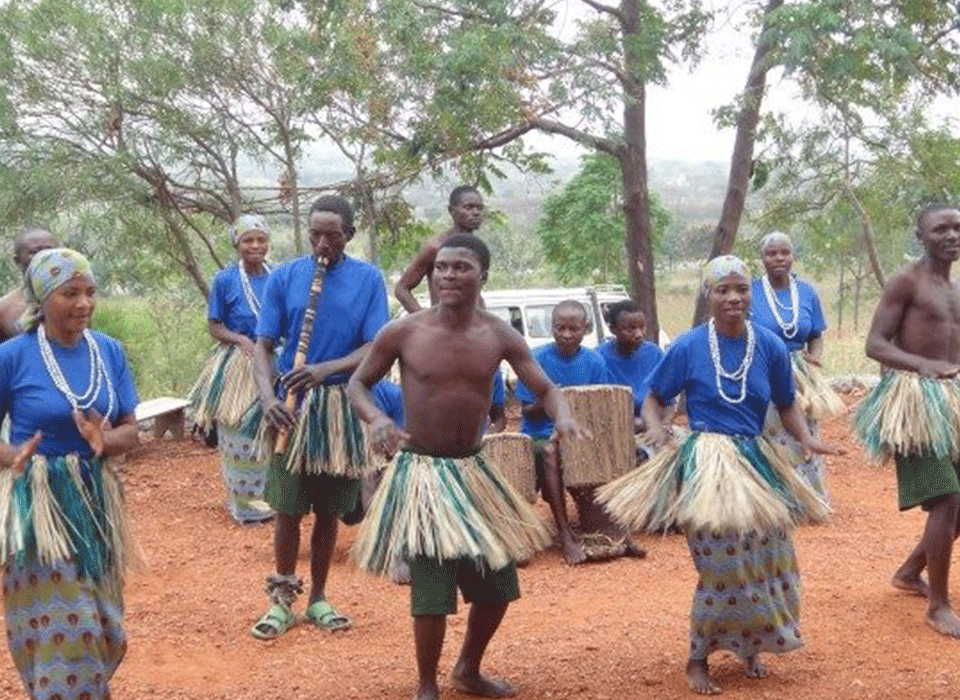
An evening at the Ndere Cultural Centre introduces traditional drumming, storytelling, singing and dance styles from different Ugandan communities. Performance dates vary and should be confirmed before travel. During the day, explore arts and crafts in Kampala and workshops to browse woven baskets, barkcloth, jewellery, drums and contemporary art while speaking directly with the makers.

2. Mbarara and Ankole: Long-horned cattle and kingdom history

Mbarara sits along a popular southwestern safari route, making it a natural location for cultural discovery. The Igongo Cultural Centre interprets Ankole history, home life, farming, food and the important place of cattle in the region’s identity. It is a useful stop for guests travelling between Kampala and the national parks of western Uganda.
Look beyond the museum displays to appreciate the variety of communities and livelihoods associated with the region. Depending on availability, cultural activities may include traditional food, storytelling, craft displays and conversations about long-horned Ankole cattle. Travellers interested in a deeper regional perspective can explore our selection of Ankole cultural attractions. Visits involving farms or homesteads must be arranged beforehand and should not interrupt daily work.
A cultural stop pairs conveniently with Lake Mburo community experiences as well as game drives or nature walks in Lake Mburo National Park. This combination creates a varied day without excessive backtracking, particularly for families or first-time visitors.
3. Fort Portal, Tooro and Bigodi: Community walks and storytelling

Fort Portal is a strong base for exploring the cultural landscape of the Tooro region. Historical interpretation around the kingdom, tea-growing communities, village markets and local food can be mixed with attractive crater-lake scenery. These Fort Portal travel experiences are especially appealing when you have two nights in the Kibale area rather than rushing through after a primate trek.
One of the most accessible community-led experiences is a guided village walk near Bigodi. On Bigodi cultural walks, hosts may explain farming, local crops, food preparation, traditional medicinal-plant knowledge, small businesses and the conservation benefits of responsible tourism. The precise route and activities depend on the local operator and the community’s availability.
Nearby Bigodi Wetland Sanctuary is also known for birdwatching, monkeys and wetland ecology. Combining village encounters with Kibale chimpanzee trekking allows you to compare the forest ecosystem with the livelihoods and community initiatives around it. For visitors who enjoy conversation and photography, it is often worth reserving an unhurried afternoon.
4. Bwindi and Mgahinga: Batwa forest heritage
In southwestern Uganda, Batwa cultural encounters introduce travellers to the history and lived experiences of Batwa communities whose ancestors depended on the region’s forests. Activities may include guided storytelling, demonstrations of traditional skills, songs, crafts and conversations about how displacement and conservation policies changed the community’s way of life. Different Batwa groups offer different programmes, so avoid assuming that every visit follows the same format.
Selecting community-led Bwindi cultural encounters matters. Look for activities in which Batwa guides speak for themselves, visitor fees benefit participating people fairly and photography is undertaken with consent. Not all Batwa families share the same experiences or views. A respectful visit should make space for contemporary realities as well as ancestral forest knowledge.
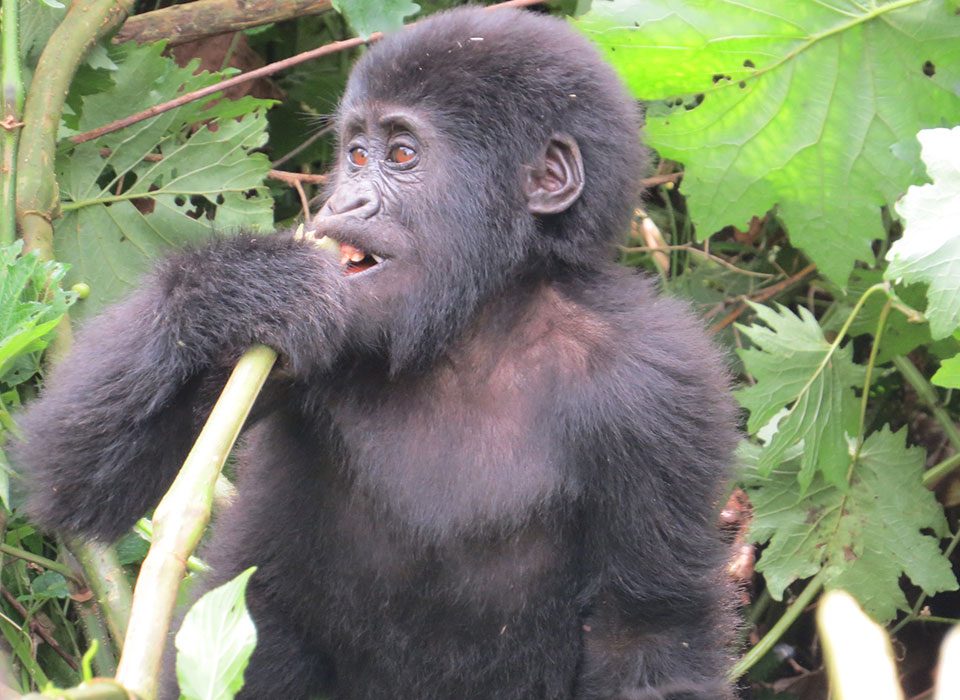
This experience can take place alongside a gorilla trek in Bwindi Impenetrable National Park, or as part of a stay near Mgahinga. Travellers drawn to nature and local history can consider Mgahinga and Echuya cultural trails for a broader exploration of the highland landscape. Allow time for a relaxed discussion with hosts rather than hurrying directly to the next activity.
5. Lake Bunyonyi and Kabale: Highland communities and island stories

Lake Bunyonyi offers a calmer cultural stop at the end of an active gorilla safari. The terraced hills, small islands, canoe routes and village paths help visitors understand life in the southwestern highlands. Our guide to Lake Bunyonyi experiences covers ways to balance relaxation with local discovery.
Guided Lake Bunyonyi island hopping can introduce local stories linked to particular islands, lake transport, fishing traditions and daily village life. Some communities also offer craft demonstrations, food experiences or walks through cultivated hillsides. Stories about Punishment Island and other historic places should be presented sensitively and with their historical context, rather than as entertainment.
A two-night stay is ideal if you wish to combine a guided canoe or boat outing, a community visit and meaningful rest. Guests should ask before photographing people, homes, ceremonies or children.
6. Karamoja and Kidepo: Pastoral traditions in northeastern Uganda
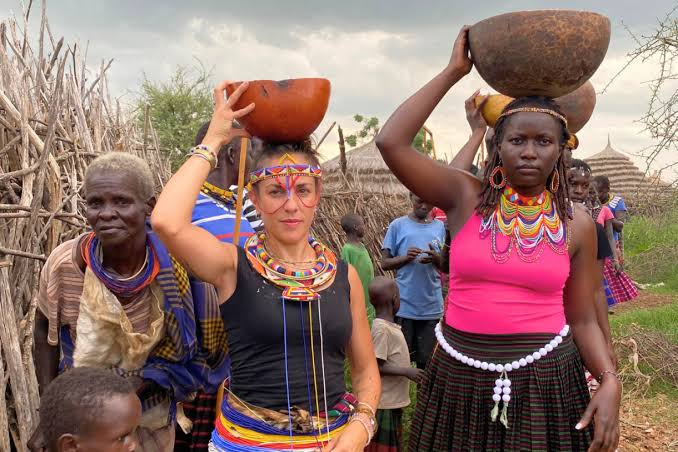
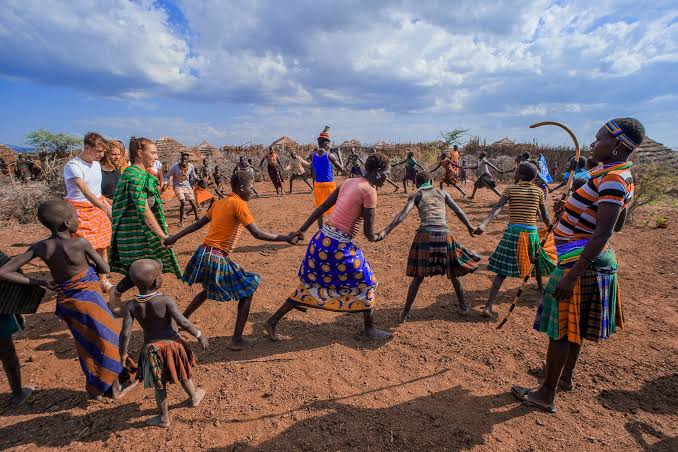
Karamoja is one of the most distinctive cultural regions in Uganda. Its communities have varied identities, histories and livelihoods, including cattle keeping, agriculture, craftwork and trading. A properly organised visit can introduce local architecture, food traditions, beadwork and community perspectives on change. Read more about Karamojong cultural tours to appreciate why context and trusted guides are important.
In and around the Kidepo region, Kidepo cultural tours may include discussions with hosts about pastoral livelihoods, traditional homesteads and local craftsmanship. Activities should be agreed in advance, not treated as walk-in attractions. Photography, cultural demonstrations and any village entry should be conducted on the community’s terms.
For more specialised trips, an Ik community encounters near the Morungole area may be possible with experienced local guides and suitable fitness. These are not casual roadside visits; they require planning, community consent and an understanding that access conditions can change. A Kidepo Valley safari adds superb landscapes and wildlife to the itinerary.
7. Further places to discover across Uganda
The Bomu women’s community initiative near the Murchison Falls region is another useful example of a visitor experience centred on local livelihoods, crafts and home life. Consider the Bo omu community tours during a northern safari when the group is operating and available.
In the Queen Elizabeth region, community projects and guided cultural visits can be included around park activities. Our Queen Elizabeth cultural tours guide explains how local encounters can accompany wildlife excursions without overloading the day.
History enthusiasts can add Nyero Rock Paintings near Kumi, the archaeological earthworks of Bigo bya Mugenyi in western Uganda, or sacred and royal places associated with the Buganda, Tooro and Bunyoro kingdoms. The Uganda Museum can provide a useful national overview, although public access and exhibition availability should be checked before including it. Religious heritage sites such as Namugongo Martyrs Shrine also form an important part of Uganda’s cultural landscape.
Near Jinja and eastern Uganda, local food walks, village experiences and cultural interpretation can complement Nile-based activities. Sipi-area communities may offer coffee-farming and mountain-livelihood visits, subject to local arrangements. Choose one or two well-run activities that suit your interests rather than trying to visit every possible attraction.
How to choose the right cultural tour
The right experience depends on where your safari takes you, how much time you have and what interests you most. For kingdom history and museums, choose Kampala and Mbarara. For living traditions and community interaction, consider Bigodi, Batwa-led encounters, Karamoja or Lake Bunyonyi. Travellers interested in music and performance may enjoy Ndere, while craft enthusiasts can spend more time in workshops and local markets.
Most cultural visits fit into a two- to four-hour programme, although a full day allows more genuine interaction. Road conditions, guides, opening arrangements and community calendars affect what is realistic. Ask your operator about any accessibility needs, guide language, photography expectations and whether meals are included. For remote regions, build in travel days rather than squeezing visits into long driving schedules.
For a dedicated culture-first journey, consider a Uganda cultural safari itinerary. If wildlife, primates and cultural experiences matter equally, a longer Uganda cultural and wildlife safari can bring them together in a practical route.
Suggested 7-day Uganda cultural safari route
| Day | Destination | Cultural focus |
|---|---|---|
| 1 | Kampala | Arrival, orientation and evening cultural show |
| 2 | Kampala | Royal heritage sites, crafts and guided city history |
| 3 | Mbarara | Igongo stop and Ankole traditions |
| 4 | Fort Portal / Kibale | Tooro heritage and local scenery |
| 5 | Bigodi / Kibale | Community walk and optional wetland nature experience |
| 6 | Bwindi | Batwa-led cultural encounter and village visit |
| 7 | Lake Bunyonyi | Island stories, canoe excursion and relaxation |
This is an illustrative cultural-focused route. It does not include every possible wildlife activity or the return transfer, and the itinerary should be adjusted for flight arrangements, available guides and personal pace. Kidepo and Karamoja are better suited to a longer northern itinerary rather than being added to this seven-day southwest circuit.
What to expect from a guided cultural visit
Meet people, not performances alone
The most memorable cultural visits are built around conversation. A local host may explain family traditions, show how household crafts are made, or introduce community projects. Some programmes include music and dance; others are quieter walks through neighbourhoods, farms or historical compounds. The aim is not to treat everyday life as a spectacle, but to understand the people and places behind a safari destination.
Food, language and everyday traditions
Depending on the community and the arrangements made in advance, visitors may learn about preparing matooke, millet bread or other regional dishes, see how traditional baskets are woven, or hear greetings in a local language. Uganda is culturally diverse, so a practice seen in Buganda should not be assumed to represent Ankole, Tooro, Acholi or Karamoja. A knowledgeable guide can explain the differences without reducing a culture to a single dance or costume.
Choose the pace that suits you
A cultural experience can be a relaxed two-hour visit or an entire day with several stops. Kampala heritage sites can be paired with a museum and an evening performance. Around Kibale or Bwindi, a shorter community-led activity often fits best on a day without a demanding forest trek. In remote northern and northeastern areas, allow additional travel time and flexible scheduling; road conditions and local arrangements may affect the programme.
Cultural tour etiquette: visit respectfully
Ask before photographing
Always ask permission before taking photographs of individuals, homes, ceremonies or children. Some royal, sacred and museum locations restrict photography or charge an additional fee. Respect a declined request even when the scene would make a compelling photograph. Your guide can help explain what is appropriate in each setting.
Support community-led experiences
Choose visits where hosts, local guides, artisans and community groups clearly benefit. Pay agreed guiding or entrance fees, consider buying locally produced crafts at fair prices, and avoid giving money to children for photographs. If you want to make a donation, ask a trusted community organisation how it can be used effectively. A good cultural encounter should be valuable to hosts as well as visitors.
Dress and behave appropriately
Comfortable modest clothing and practical walking shoes work for most visits. Religious buildings and sacred sites may have specific dress or conduct requirements. Listen to the local guide before entering a home or taking part in a demonstration. Not every activity is suitable for every visitor, and respectful participation is always a choice, never an obligation.
Planning cultural experiences alongside a Uganda safari
Combine activities by region
For a short journey, it makes sense to choose cultural visits close to the national parks already on the route. Kampala is an easy starting point after arrival. Fort Portal and Bigodi pair naturally with Kibale, Ankole stops can be made on southwestern routes, and Batwa-led encounters suit an itinerary involving Bwindi or Mgahinga. A Karamoja visit works better as a deliberate northern extension than as a quick detour from southwestern Uganda.
Allow realistic travel time
Distances on the map do not always reflect driving time. City traffic, road surfaces and weather can influence the day’s schedule, while some community experiences begin at pre-arranged times. Avoid crowding a long transfer day with too many stops. Our team can identify which visits are practical for the route and which deserve their own afternoon or overnight stay.
Understand what is included
Cultural programmes may have separate guiding, community contribution, museum entry, transport or performance fees. Ask what the experience covers before confirming, particularly for private visits, special performances or remote village tours. Travellers can request a shorter introductory encounter, a photography-conscious heritage day or a longer itinerary focused on history and local livelihoods. All arrangements remain subject to local availability and permissions.
Frequently asked questions about Uganda cultural tours
What is the best place for a first cultural tour in Uganda?
Kampala is a convenient introduction because it has royal heritage sites, performances and craft markets. If you are already travelling for gorilla trekking, a Batwa-led experience in the Bwindi region may fit your route better.
Can cultural experiences be combined with gorilla trekking?
Yes. A community visit can be planned on a separate afternoon before or after trekking, subject to your trekking sector, energy level and guide availability.
How much time should I allow for a cultural visit?
A shorter guided experience may take two to four hours. Museum visits, long village walks and remote community encounters can require a full day or longer.
Are photographs permitted in villages and cultural sites?
Photography rules vary. Ask your guide or host and obtain consent before photographing people, especially children, spiritual activities and private homes.
When is the best time for cultural tours in Uganda?
Cultural experiences are available in many places year-round, though rain and road conditions can affect access. Festivals and scheduled dance performances must be checked for your exact dates.
How can I make sure my visit benefits local communities?
Choose community-led activities with clear arrangements for guide fees and local participation, follow hosting rules and buy crafts directly from makers when appropriate.
Are cultural tours suitable for families and older visitors?
Many city, museum, craft and shorter village visits can be adapted to different ages. Remote hikes, steep trails and uneven village paths require additional planning.
Should I book cultural experiences in advance?
Advance booking is recommended, particularly for guided village activities, performances, special-interest visits and trips to remote areas such as Karamoja.
Build a Cultural Safari Around Your Interests
Safari Vacations & Travel Services creates privately guided itineraries that connect Uganda’s living heritage with gorilla trekking, chimpanzees, wildlife, scenic lakes and time with local hosts.