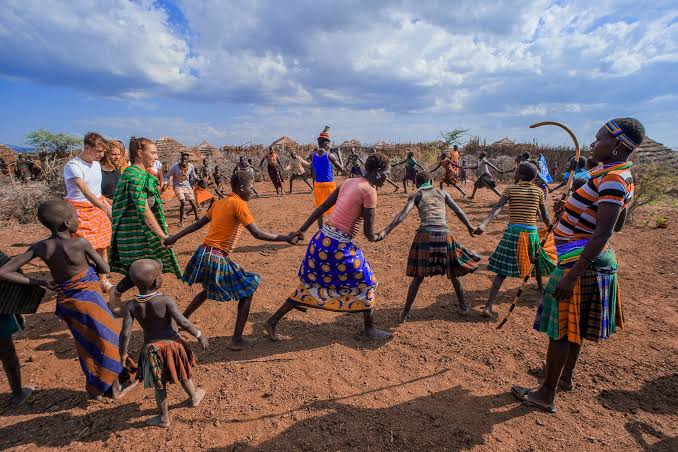
Discovering the Batwa Cultural Experience in Uganda

Location
Experience
Duration
Best season
Discovering the Batwa Cultural Experience in Uganda: A Journey into Forest Heritage
Deep in the green mountains of southwestern Uganda, where ancient rainforests meet cultivated hillsides, lives a community whose history is closely connected to the forests of the Albertine Rift. The Batwa people have an extraordinary cultural heritage shaped by generations of traditional forest knowledge, storytelling, hunting and gathering practices.
For travelers visiting Uganda, a Batwa cultural experience offers something quite different from conventional wildlife tourism. Rather than focusing only on animals and landscapes, it introduces visitors to the people whose lives were historically intertwined with the forests now protected as national parks.
Today, Batwa community members share aspects of their heritage through guided walks, traditional demonstrations, storytelling, music and cultural conversations. These experiences also provide opportunities to understand the realities of displacement, changing livelihoods and cultural preservation.
Most visitors combine Batwa cultural activities with gorilla trekking in Bwindi Impenetrable National Park or a visit to Mgahinga Gorilla National Park.
At Safari Vacations and Travel Services, we believe a meaningful cultural experience should leave visitors with a better understanding of both the past and present lives of their hosts. It should also respect the community’s dignity, choices and contributions.


Who Are the Batwa People of Uganda?
The Batwa are an Indigenous people of the African Great Lakes region. Historically, many Batwa communities relied on forests for food, shelter, traditional medicine and cultural practices. Their knowledge of plants, wildlife and the natural environment developed through generations of lived experience.
In southwestern Uganda, Batwa history is especially connected to Bwindi Impenetrable Forest and the forests of the Virunga Mountains. Families traditionally used the forest for hunting, collecting honey, gathering edible plants and maintaining social and spiritual traditions.
However, Batwa communities are not simply representatives of an ancient lifestyle. They are contemporary people with different occupations, educational aspirations and views about their cultural identity.
Some work as cultural guides, farmers, craftspeople and community leaders. Others participate in organizations addressing land access, education, healthcare and livelihoods.
For additional cultural background, explore our guide to Uganda’s people and traditional communities.
The Batwa’s Historical Connection to the Forest
For generations, the forest represented far more than a collection of trees. It provided food, shelter, medicines, materials for everyday objects and places associated with cultural traditions.
Batwa communities developed detailed ecological knowledge. Understanding the seasons, animal movements, forest plants and different habitats was essential for daily life.
Traditional knowledge was frequently passed between generations through practical teaching, observation, stories and shared activities.
On a guided cultural visit, travelers may learn about these practices directly from Batwa guides and elders. Our separate article on the Batwa community experience in Rushaga explains another way visitors can engage with this history.
How Conservation Changed Batwa Communities
The establishment of Bwindi and Mgahinga as protected national parks in 1991 brought major changes to Batwa communities who had historically used these forests.
Restrictions on forest access and displacement from ancestral territories disrupted traditional livelihoods and cultural practices. Many families faced serious challenges related to land ownership, employment and access to essential services.
Forest conservation has played an important role in protecting mountain gorillas and biodiversity. Nevertheless, the Batwa story also illustrates why effective conservation must consider the rights and wellbeing of Indigenous communities.
Today, community organizations, conservation partners and tourism initiatives support different approaches to cultural preservation and economic participation. Their outcomes vary, and cultural tourism alone cannot solve every challenge.
A respectful Batwa experience allows visitors to hear these perspectives instead of viewing the community only through historical demonstrations.

What to Expect During a Batwa Cultural Experience in Uganda
A Batwa cultural encounter is normally led by local community guides or hosts. The exact activities depend on the location, the hosting organization and the type of experience booked.
Some visits involve walks through forest-edge environments. Others take place in community spaces where demonstrations and cultural conversations are organized.
1. Discover Traditional Forest Knowledge
One of the most interesting parts of a Batwa cultural walk is learning how people historically understood the forest environment.
Guides may explain how particular plants were identified, how forest materials were used and how different natural signs helped people navigate their surroundings.
Visitors often discover that the forest contains a much greater variety of useful plants than they initially imagined.
Traditional medicinal knowledge may also be discussed. These explanations should be understood as cultural and historical knowledge rather than recommendations for medical treatment.
2. Watch Traditional Fire-Making Demonstrations
Fire-making is another memorable element of many Batwa experiences. Traditionally, people used locally available natural materials and practiced techniques requiring skill and patience.
During a demonstration, guides may show visitors how friction can be used to generate heat and ignite suitable dry material.
The demonstration is often interactive, giving interested guests an opportunity to appreciate the difficulty involved.
3. Learn About Historical Hunting and Gathering Techniques
Batwa guides may explain how traditional bows, arrows, traps and other tools were used to obtain food in the forest.
These activities are generally presented as demonstrations of historical knowledge rather than actual hunting.
Visitors can learn how different materials were selected and how knowledge of animal behavior influenced traditional hunting practices.
Similar cultural demonstrations form part of the Batwa Trail Cultural Experience.
4. Experience Traditional Music, Dance and Storytelling
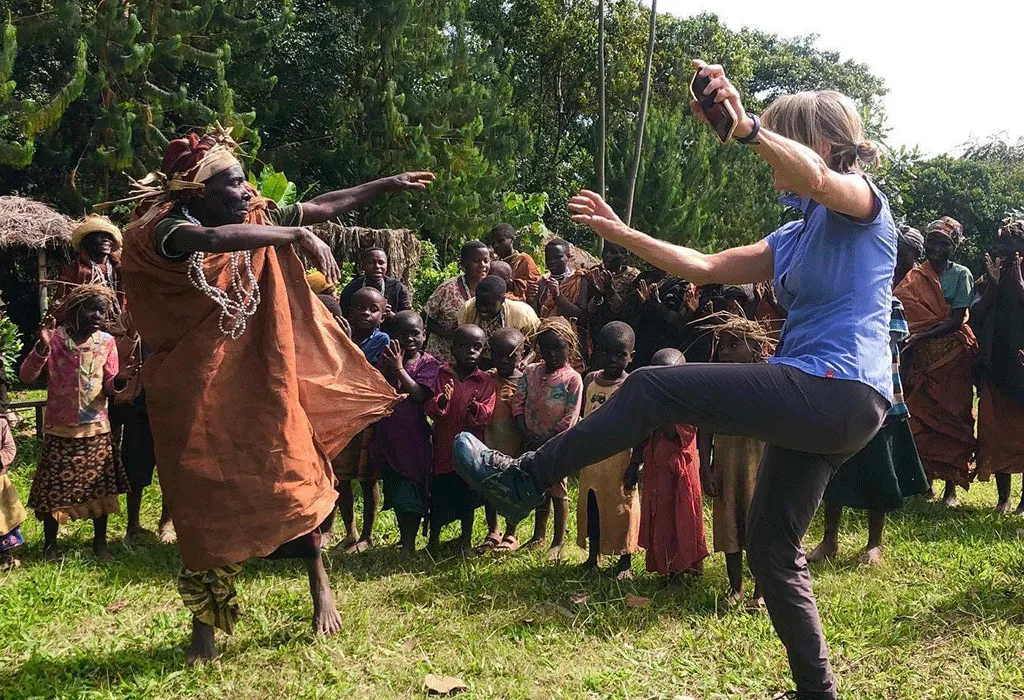
Music and storytelling are important ways of sharing community identity and cultural history. During some Batwa visits, guests have an opportunity to listen to songs, observe traditional dances and hear stories shared by community members.
Stories may explore forest life, family traditions, cultural values or the experiences of communities following their displacement.
Rather than treating every performance as entertainment alone, visitors are encouraged to listen to the meaning behind the songs and the circumstances in which traditions developed.
5. Discover Traditional Shelters and Everyday Objects
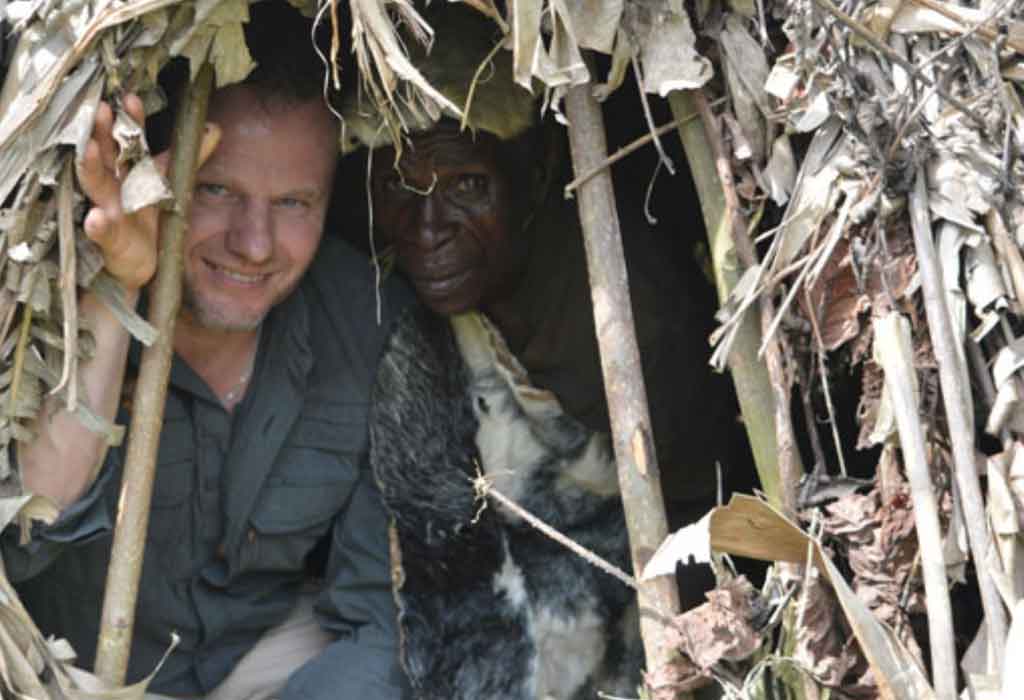
Depending on the program, visitors may see examples of shelters built using natural materials or learn about traditional household objects.
Guides may explain how materials were collected and how simple tools supported cooking, gathering and other daily tasks.
These reconstructed demonstrations offer historical context. They should not be mistaken for a complete representation of how all Batwa families live today.
6. Meet Community Members and Learn About Contemporary Life
One of the most valuable elements of a well-organized cultural encounter is the opportunity to learn about present-day community life.
Travelers may hear about education, farming, family responsibilities, traditional skills and community development projects.
Such conversations help visitors appreciate the Batwa as a living community rather than treating their culture as something belonging only to the past.
Visitors interested in other community traditions can also read our guide to cultural experiences across Uganda.
Best Places to Experience Batwa Culture in Uganda
Southwestern Uganda is the main destination for travelers interested in Batwa forest heritage. The most suitable location depends on your accommodation, existing safari route and the kind of experience you wish to enjoy.

The Batwa Trail in Mgahinga Gorilla National Park
The Batwa Trail in Mgahinga offers one of Uganda’s most distinctive combinations of cultural heritage and nature-based tourism.
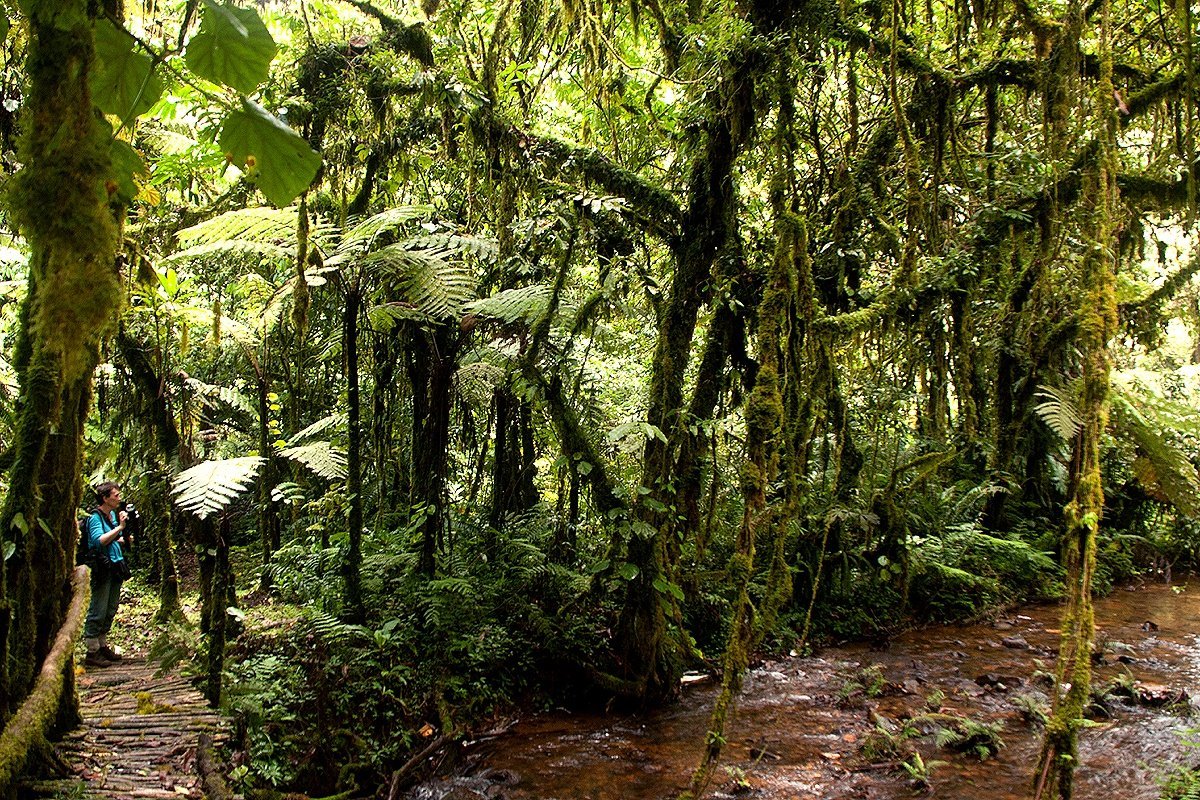
Located near Kisoro, Mgahinga protects part of the Virunga volcanic landscape. Its bamboo forests, montane vegetation and dramatic mountain scenery create a remarkable setting for learning about Batwa history.
On the trail, Batwa guides introduce visitors to traditional knowledge relating to the forest environment. Depending on the selected route, demonstrations may include fire-making, plant identification and historical gathering techniques.
The trail is also associated with Garama Cave, a site of historical and cultural importance in Batwa oral tradition. Access to specific sections and caves depends on the currently approved route and visitor arrangements.
How Long Does the Mgahinga Batwa Trail Take?
The experience is commonly planned as a half-day activity, although walking duration varies according to the route, group pace and weather conditions.
We recommend allocating sufficient time to listen to your guides, ask appropriate questions and appreciate the landscape without rushing.
Travelers staying longer can combine their Batwa visit with golden monkey tracking in Mgahinga, another memorable forest experience.
For ideas on building a varied itinerary, explore activities to combine with golden monkey trekking.
Visitors interested in a longer holiday can also consider our 7-day Mgahinga exploration safari, which includes cultural and mountain adventures.
Batwa Cultural Experience in Bwindi vs. Mgahinga
| Feature | Bwindi Region | Mgahinga Region |
|---|---|---|
| Main experience | Community visits and forest heritage walks | Batwa-led forest trail |
| Setting | Communities and forest areas around Bwindi; selected approved trails inside the park | Protected forest and volcanic surroundings |
| Physical demands | Easy to moderate; depends on the program | Moderate walking on some routes |
| Typical duration | About 2–4 hours | Approximately half a day |
| Best paired with | Bwindi gorilla trekking | Golden monkeys, gorillas and volcano hiking |
Note: Program lengths and access arrangements are approximate and should be confirmed when booking.
Why the Batwa Cultural Experience Matters
Supporting Cultural Preservation
Cultural tourism can create opportunities for Batwa elders and guides to share their knowledge with visitors and younger generations. Storytelling, music, language and traditional skills are important parts of cultural continuity.
When thoughtfully organized, tourism can recognize this knowledge as valuable rather than treating it as a curiosity.
Creating Local Economic Opportunities
Community-based tourism may create paid work for guides, performers, craftspeople and other local service providers.
However, not every cultural program distributes its revenue in the same way. Responsible travelers should favor experiences with clear community participation and fair payment arrangements.
Understanding the Human Dimension of Conservation
Uganda’s gorilla conservation achievements are internationally important. The Batwa experience adds another perspective by showing how protected-area management can affect people with historical ties to conservation landscapes.
This deeper understanding can make a Uganda safari more meaningful.
Visitors interested in primate conservation can explore our broader guide to mountain gorilla trekking in Uganda.
Building Respectful Connections
Personal conversations can challenge stereotypes and create opportunities for learning. Cultural visits are most rewarding when travelers approach their hosts with curiosity, humility and a willingness to listen.
It is important to remember that a short tourism encounter cannot represent the full experience of an entire community.
Planning Your Batwa Cultural Experience in Uganda
Best Time to Visit
Batwa cultural experiences can generally be arranged throughout the year. Nevertheless, seasonal weather can influence walking conditions.
June to August and December to February are commonly considered favorable months for outdoor activities because trails are often relatively drier.
March to May and parts of September to November may bring heavier rainfall. The scenery remains beautiful, but some forest paths can become muddy or slippery.
For visitors combining culture with gorilla trekking, the best travel date should also take into account available gorilla permits and accommodation.
What Should You Wear?
Comfortable outdoor clothing is usually sufficient for most community visits. For forest walks, we recommend closed walking shoes or hiking boots, long trousers, lightweight long-sleeved clothing and a waterproof jacket.
Carry drinking water, insect repellent, sunscreen, a small backpack and a camera. A walking stick may help on steeper trails.
How Much Does the Experience Cost?
Batwa cultural experience prices depend on the location, organizing community, type of walk, visitor category and whether national park entrance fees are required.
Community experiences outside protected areas may have different charges from official Uganda Wildlife Authority activities within national parks.
For this reason, we recommend requesting a current quotation rather than relying on older published rates. At booking, we can clarify what is included and whether park entrance, transport or guiding charges are additional.
Is the Batwa Experience Suitable for Families?
Many shorter cultural visits are suitable for families, including children, provided the host community and chosen program can accommodate them.
Children often enjoy learning about natural materials, traditional fire-making, storytelling and cultural music.
For older travelers or guests with reduced mobility, we can help identify a shorter community-based experience rather than a more demanding forest walk.
How to Combine Batwa Culture with Gorilla Trekking in Uganda
A Batwa experience is an excellent addition to a gorilla safari. However, we generally recommend allowing enough time for both activities, particularly because gorilla trekking can finish later than expected.
Travelers interested in a short trip from Rwanda can begin with our 3-day gorilla trekking safari from Kigali.
Day 1: Kigali to Bwindi Impenetrable National Park
Meet your driver-guide in Kigali and travel through Rwanda’s beautiful countryside toward southwestern Uganda. After completing border formalities, continue to your lodge near Bwindi.
Enjoy the afternoon relaxing, appreciating the surrounding landscape and preparing for the following day’s gorilla adventure.
Day 2: Gorilla Trekking and Optional Cultural Visit
After breakfast, proceed to the designated park briefing point. Uganda Wildlife Authority rangers explain the trekking regulations before your group enters the forest.
When the gorillas are located, visitors normally spend one hour observing them from the permitted distance.
After returning to your lodge, rest and enjoy lunch. If the trek finishes early enough, an afternoon cultural encounter may be possible. Otherwise, we recommend scheduling the Batwa experience separately.
Our 3-day Uganda Gorilla and Batwa Safari is designed around these two experiences.
Day 3: Batwa Cultural Experience and Return Journey
Where the itinerary allows, begin the morning with a guided Batwa community experience. Listen to your hosts explain aspects of their heritage and learn about traditional forest skills.
Afterward, continue toward Kigali or extend your holiday elsewhere in southwestern Uganda. Return timing should be planned carefully because border formalities and road conditions can vary.
For a more relaxed schedule, consider adding another night or exploring our 4-day Uganda gorilla safari from Kigali.
Other Experiences to Combine with a Batwa Cultural Safari
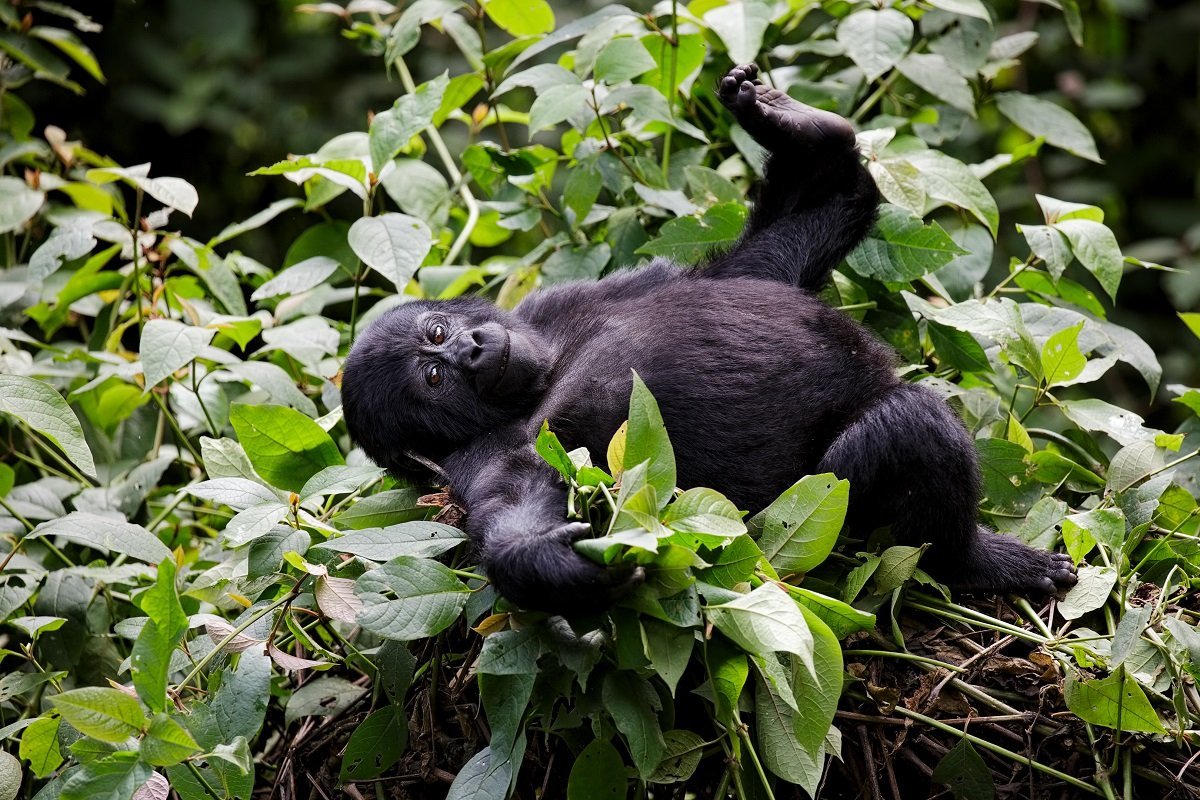


Visitors with additional time can explore other activities around Kisoro after gorilla trekking, including local walks, wildlife experiences and scenic excursions.
For travelers interested in combining volcanic scenery, primates and relaxation, our 5-day Mgahinga Gorilla, Golden Monkey and Lake Bunyonyi Safari provides further inspiration.
How to Visit Batwa Communities Respectfully
A responsible cultural encounter is about mutual respect. The people you meet are hosts sharing selected aspects of their lives and traditions, not exhibits for visitors.
- Choose experiences organized with meaningful Batwa community involvement.
- Ask permission before photographing or recording community members, particularly children.
- Listen respectfully to stories about displacement and other sensitive experiences.
- Avoid pressuring anyone to perform, pose or discuss personal circumstances.
- Purchase locally made crafts when you wish to support community artisans.
- Respect designated cultural sites and any restrictions established by your hosts.
- Ask your operator how guiding fees and other tourism revenue benefit the participating community.
For travelers planning photography or documentary projects, consult our guide to filming Batwa communities in Uganda, including the importance of consent and appropriate permissions.
Recommended Uganda Safaris with Cultural Experiences
Batwa cultural activities can be included in several different safari styles, from short gorilla holidays to longer wildlife and mountain adventures.
If time is limited, a 1-day Uganda gorilla trekking trip may suit your wildlife interests, although a dedicated Batwa visit normally requires extra time.
Travelers interested in spending several days around the Virunga Mountains can choose the Mgahinga gorillas and golden monkeys safari.
For those who enjoy hiking, our gorillas and Mount Sabyinyo hiking adventure combines primate encounters with volcanic mountain scenery.
Travelers wanting additional information about forest primates can also explore our guide to Mgahinga golden monkey tracking packages.
Before finalizing a gorilla itinerary, it is worth understanding the various trekking areas and their permit arrangements. Our article about gorilla families open to visitors in Bwindi offers further background, although the latest allocations must always be checked with the Uganda Wildlife Authority.
Frequently Asked Questions About the Batwa Cultural Experience in Uganda
Where can I experience Batwa culture in Uganda?
The most popular areas include communities near Bwindi Impenetrable National Park and the Batwa Trail in Mgahinga Gorilla National Park. Other cultural opportunities exist around Kisoro, Echuya Forest and Lake Bunyonyi.
How long does the Batwa cultural experience take?
Many community-based experiences take approximately two to four hours. Forest-oriented trails may take longer, often requiring around half a day. The duration depends on the selected program.
Can I combine a Batwa experience with gorilla trekking?
Yes. This is one of the most popular ways to include Batwa culture in a Uganda safari. However, because gorilla trekking durations vary, a separate activity period or additional day is preferable.
Is the Batwa cultural experience suitable for children?
Many shorter cultural programs are suitable for families. More demanding forest trails should be assessed individually, considering the child’s age, mobility and interests.
What activities are included in a Batwa cultural visit?
Activities may include storytelling, traditional music, forest walks, historical hunting demonstrations, fire-making and discussions of medicinal plant knowledge. The exact activities depend on the hosts and location.
What is the difference between the Batwa Trail and a Batwa community visit?
The Mgahinga Batwa Trail normally involves a guided experience within a protected forest landscape. Community visits near Bwindi may focus more on cultural demonstrations and conversations in community settings. Bwindi also has specific forest heritage trails, so the precise product should be confirmed before booking.
Can I take photographs during the experience?
Photography may be allowed, but permission should always be requested from community members and guides. Some ceremonies, sites or personal interactions may have additional restrictions.
Does a Batwa cultural visit require a gorilla trekking permit?
No. A gorilla trekking permit is separate from a Batwa cultural experience. However, official activities within national parks may require applicable park entrance fees or other permissions.
What is the best month for a Batwa cultural experience?
Visits can generally be organized throughout the year. June to August and December to February are often preferred for relatively drier walking conditions, though rainfall remains possible in Uganda’s mountain forests.
How can I book a Batwa cultural experience?
Contact Safari Vacations and Travel Services with your travel dates, number of visitors, preferred location and any mobility requirements. We can help you identify a suitable community-based experience and confirm the latest arrangements and charges.