Cultural Tours in Queen Elizabeth National Park

Culture Beyond the Game Drives
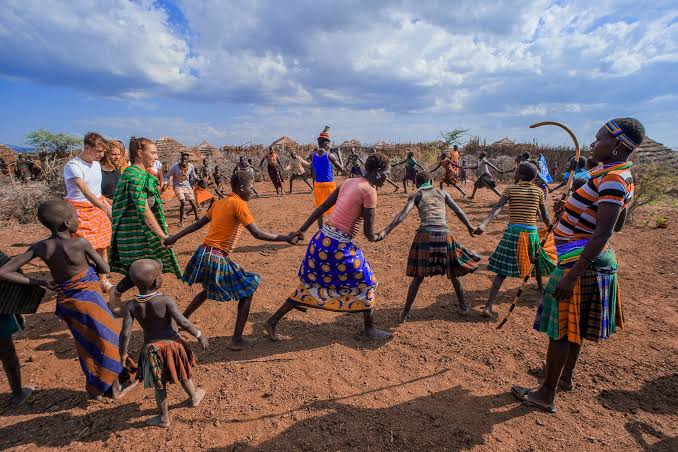
Queen Elizabeth National Park is best known for lions, elephants, crater lakes and the Kazinga Channel, but the surrounding settlements have stories of their own. Queen Elizabeth cultural tours introduce travelers to craftspeople, salt workers, farmers, fishing communities and locally guided heritage sites. These activities can make a safari more meaningful because the people living near the protected area share what everyday life involves: earning a living, preserving traditions and managing the challenges of living beside wildlife.
Many of the cultural visits take place in communities bordering the national park rather than inside its wildlife-viewing zones. Access, performance schedules and guiding arrangements vary; we organize them with local hosts rather than advertising every encounter as a daily guaranteed activity. For broader park information, see our Queen Elizabeth National Park guide.
A safari in Queen Elizabeth National Park is not only about watching elephants, buffaloes or lions. The communities around the park have rich traditions shaped by farming, fishing, pastoralism, craft-making and life beside wildlife habitats.
With Safari Vacations and Travel Services Ltd, you can combine local-led village walks, salt-harvesting demonstrations, cultural performances and craft workshops with classic game drives and a Kazinga Channel boat cruise. The best encounters are arranged in advance with community guides, so that visits are welcoming, respectful and rewarding for local hosts.
Culture varies across the region. Communities include Bakonzo, Basongora, Banyabindi and others, each with their own histories and customs. Rather than presenting them as one uniform culture, we help you encounter the particular traditions and daily life of the people you visit.
Top Cultural Experiences Around Queen Elizabeth National Park


More Ways to Connect With Local Culture
Muhokya and Leopard Village
Community initiatives near Muhokya have introduced visitors to traditional homesteads, cultural performances, handicrafts and discussions about living alongside wildlife. Availability and operating arrangements should be checked before including a specific community project in the itinerary. Conversations with residents may explore crop damage, livestock predation and why tourism and conservation need community participation.
Kasoga Community Experience
Near the Hamukungu fishing community and Lake George, Kasoga community experiences can focus on fishing traditions, birding, community walks and local pastoral practices. The precise programme depends on the guides and activities available on your travel date.
Kichwamba Escarpment Farm Walks
A local-guided visit on the escarpment introduces the region’s farming practices, useful plants, rural landscapes and the realities of sharing farmland with wildlife. This is a particularly thoughtful addition for travelers interested in conservation and everyday livelihoods.
Nyanz’ibiri Caves and Heritage
Where community tours are operating, a visit can pair crater-lake scenery with stories about the area’s cultural history, traditional exhibits and local conservation initiatives. Confirm access to individual sites and activities beforehand.
What Does a Cultural Tour Look Like?
Morning: Begin with a local-guided Lake Katwe tour, hearing how salt harvesting shapes life around the crater lake. If a homestead encounter has been prearranged, learn about cooking and daily routines.
Midday: Enjoy lunch, then proceed to a craft or cultural performance experience at Kikorongo, depending on group schedules.
Afternoon: Add a community walk or return to your lodge. Travelers with an extended schedule could dedicate the next day to a wildlife drive and Kazinga Channel boat cruise rather than trying to fit everything into one busy afternoon.
Illustrative programme only. Travel time, timing, site access and community availability affect the final route.
Combine Culture With a Wildlife Safari

A cultural visit works especially well alongside a Kasenyi game drive, an afternoon Kazinga Channel boat cruise or a journey between Queen Elizabeth National Park and Bwindi Impenetrable National Park. Allow at least two nights in the park if you would like wildlife activities and unhurried community encounters. Three nights offers greater flexibility for Ishasha, additional drives or longer community visits.
Cultural experiences are usually organized separately from Uganda Wildlife Authority park entry charges and safari activities. We confirm the activity fees, transport and guide arrangements in your customized quotation.
Planning Your Visit
When to go
Community visits can be arranged year-round. Drier walking conditions are common in June–August and December–February, although seasonal rainfall varies.
What to bring
Comfortable closed shoes, drinking water, sun protection, modest casual clothing and a little local currency for optional craft purchases.
Respectful travel
Ask permission before taking portraits, avoid entering work areas without guidance, and pay agreed community fees. Visits to schools or homes should only be made by invitation.
Choosing the Right Community Experience
Each visit reveals a different side of the Queen Elizabeth region. Rather than trying to visit every location, choose the activity that complements your wildlife plans and the part of the park where you are staying.
For crafts and music
Kikorongo is a strong choice for visitors who would enjoy weaving demonstrations, handmade souvenirs or arranged traditional dance and storytelling sessions. Ask in advance about the program and whether a craft workshop is running.
For working heritage
A locally guided Lake Katwe visit focuses on the history and process of salt extraction. It is an excellent opportunity to learn how a natural resource supports households while creating physically demanding work.
For village life and conservation
Muhokya-area community initiatives, Kasoga-area experiences and guided agricultural walks can offer opportunities to discuss farming, fishing, local livelihoods and coexistence with wildlife. The precise activities depend on local hosts.
How to Add Culture to a Queen Elizabeth Safari
Option 1: Wildlife and culture in one day. Begin with an early morning game drive on the Kasenyi plains, return for lunch, then arrange a Kikorongo craft or cultural session in the afternoon if its location fits your route. Finish the day at your lodge. This is particularly suitable if you have limited time and do not want an exhausting schedule.
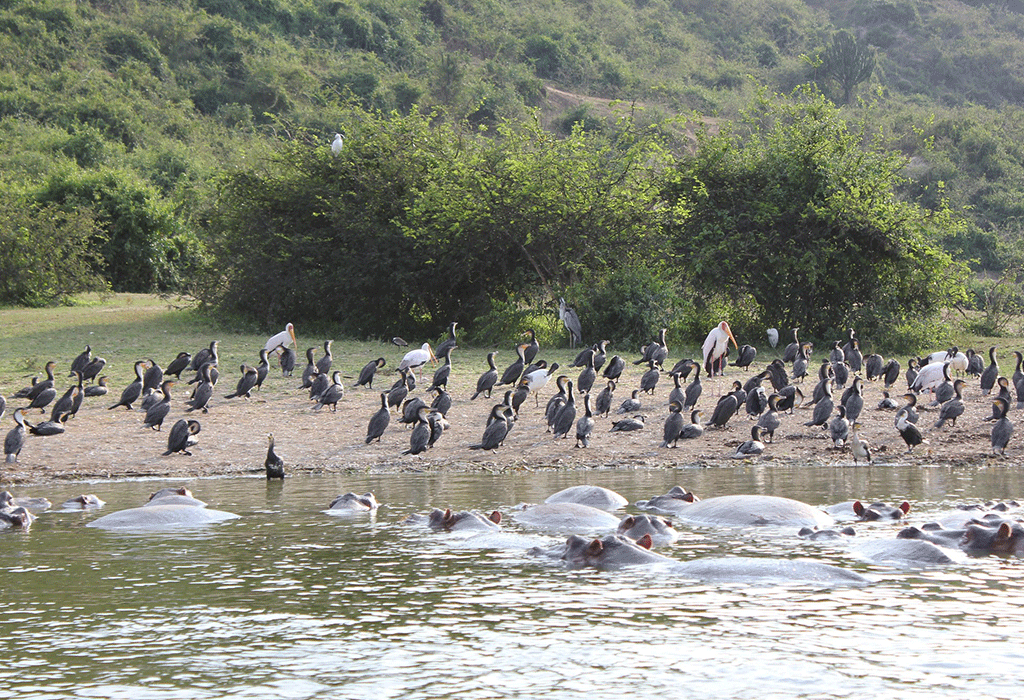
Option 2: Lake Katwe and Kazinga Channel. Visit Lake Katwe with a community guide in the morning to learn about salt mining. Later, enjoy a Kazinga Channel boat cruise, where hippos, crocodiles and waterbirds are often seen. Exact timings are tailored to your lodge, access arrangements and the available boat departure.
Option 3: A slower cultural day. Allow a half or full day for a community-led visit at Muhokya, a guided agricultural experience, or a Nyanz’ibiri heritage walk if available. This gives time for conversation rather than rushing through villages between game drives. It also works well as a rest day between longer wildlife excursions.
If you have several days, we can combine these visits with a Queen Elizabeth wildlife safari, chimpanzee tracking in Kyambura Gorge or a drive toward Bwindi for gorilla trekking. The route should be designed around where you stay, as not every attraction is close to every lodge.
Cultural Tour Costs, Timing and What Is Included
There is no single fixed price for every Queen Elizabeth cultural tour. Costs depend on the community project, whether a private local guide or performance is arranged, group size, transport, and whether the visit is bundled into a longer safari. Some activities are priced per guest while others have minimum group or performance fees. We confirm current fees before asking you to commit.
A short visit may take about one to two hours; a guided walk with conversations and demonstrations can take considerably longer. Park entry, community guiding and optional cultural activities are not automatically the same charge. Your written quotation will distinguish what is included and what is optional, including any separate Uganda Wildlife Authority charges when relevant.
We recommend booking ahead, particularly for scheduled performances or specialist community guides. During heavy rain, village tracks, lake margins or outdoor performances may need adjustment. Responsible operators will also avoid interrupting people at work simply to create a photo opportunity.
Travel Respectfully and Support Local Hosts
Responsible cultural tourism is a two-way encounter. Listen to your guide and hosts, ask permission before taking close-up portraits, respect private homes and sacred places, and make purchases at agreed prices without pressure. If you want to donate to a school or community initiative, ask the organizers what is genuinely helpful rather than handing gifts to children during an unplanned stop.
When possible, choose visits organized directly with community groups and buy crafts from the people who make them. Your spending can create an additional source of income beyond agriculture, fishing and other local livelihoods. However, the way revenue is shared differs from project to project; we do not claim that every tour fee goes entirely to the community.
Who Lives Around Queen Elizabeth National Park?
The Queen Elizabeth landscape is home to communities with different languages, histories and livelihoods. Among those represented in the wider area are the Bakonzo (Bakonjo), whose cultural ties extend to the Rwenzori foothills; Basongora pastoral communities with strong cattle-keeping traditions; and Banyabindi communities who contribute to the region’s varied heritage. Other families have moved into the area over generations to farm, trade and fish.
These labels describe living communities, not performances designed for tourists. Customs vary by household and village; no single short visit represents every member of a community. A local guide can help explain which language is spoken, how families make a living and what traditions residents themselves choose to share.
A Closer Look at the Cultural Experiences
Kikorongo: Crafts, Music and Storytelling
A Kikorongo visit can include a demonstration of basket and bowl weaving with natural fibres, or making colourful beads from recycled paper. Workshops offer more than a souvenir: they introduce the time, precision and creativity behind locally made items. When performances are arranged, music, dance or drama may be accompanied by explanations of the stories being shared. Ask whether your visit includes hands-on participation or a presentation only; neither should be assumed.
Lake Katwe: Understanding the Salt Economy
Lake Katwe is a crater lake where salt extraction has long contributed to local livelihoods. A community guide may describe the different types of salt produced, the seasonal nature of harvesting, and the work of maintaining small salt pans. Observe from designated paths and viewing points: harvesting areas can contain unstable, muddy ground and concentrated brine. Visitors should not enter the pans or handle equipment without explicit guidance. The experience is especially valuable for travelers who enjoy economic history and the relationship between geography and livelihoods.
Kasoga and Hamukungu: Fishing and Wetland Livelihoods
Near Lake George, locally organized visits may explain fishing methods, canoe construction or repair, the preparation and sale of fish, and the connection between wetland habitats and village incomes. Community birding and guided walks may also be available. Observe fishing activities respectfully: a landing site is a workplace, not a staged attraction. Ask your guide which areas are appropriate to visit and whether water-based activities are offered and safe on the day.
Kichwamba: Farming at the Edge of a Protected Area
On an agricultural walk around the Kichwamba Escarpment, a local host may discuss crops, livestock, indigenous or medicinal plants, seasonal rains and strategies for reducing damage from wildlife. A farm walk helps connect the food served at safari lodges with the land and labour behind it. The exact route, terrain and topics depend on participating farmers, weather and local access.
Muhokya and Nyanz’ibiri: Community Heritage
Where operational, Muhokya-area cultural projects can introduce village architecture, art and personal accounts of coexistence with wildlife. Nyanz’ibiri-related visits may combine local history, a cave or traditional artefacts with crater-lake scenery. These experiences need advance reconfirmation because community projects, access and guiding arrangements can change. We do not promise access to private homes, ceremonies or sacred places.
Hands-On Activities Worth Asking About
Craft making
Try basket weaving or bead making when a local artisan is available to teach. Allow time for an introduction, practice and optional purchases.
Traditional music and dance
Book performances through the community group, with an interpreter where possible. Ask about group fees and suitable times.
Local food and cooking
An invited homestead or cooking session may introduce foods such as matoke, millet preparations, beans or groundnut sauces. Menus vary by household and season; tell us about dietary needs in advance.
Conservation conversations
Discuss wildlife-related crop losses, fishing rules, grazing, tourism jobs and community initiatives with willing hosts rather than assuming everyone has the same experience.
Sample 2-Day and 3-Day Queen Elizabeth Cultural Safari Plans
These are planning examples, not fixed departures or guaranteed community schedules. Exact routing depends on your lodge, whether you enter from Kasese, Fort Portal, Bwindi or elsewhere, and when local guides are available.
Short stay
2 Days: Wildlife and Local Culture
Day 1: Arrive in the Queen Elizabeth area, take an afternoon community visit at Kikorongo or another suitably located project, and check in at your lodge. If traveling a long distance that day, keep the cultural stop flexible.
Day 2: Enjoy an early game drive, with the possibility of lions, elephants, buffaloes and antelopes; fit a Kazinga Channel cruise into the afternoon if your departure plans allow. A Lake Katwe visit can replace another activity if salt-mining heritage is your priority.
More complete
3 Days: Culture, Crater Lakes and Safari
Day 1: Arrive and enjoy a relaxed visit to a craft group or escorted farming community close to your route. Overnight near the park.
Day 2: Start with a game drive, enjoy the Kazinga Channel boat cruise later in the day, and return to your lodge.
Day 3: Visit Lake Katwe with a local guide, then add an appropriate crater-lake viewpoint or another community encounter before continuing your journey.
For a longer route, culture here can be linked with Queen Elizabeth National Park activities and a boat cruise in Uganda. Allow additional days for Bwindi gorilla trekking or Kibale chimpanzee trekking rather than squeezing major destinations into a single day.
Practical Guide: Access, Comfort and Accessibility
Location and transfers
Most activities are in settlements around the park, not all at one central visitor site. Distances from Mweya, Kasenyi, Katunguru and the Ishasha sector differ; we plan around your overnight location to minimize backtracking.
Mobility needs
Some visits involve uneven paths, loose stones, sun exposure or standing. Tell us if you need short walks, frequent rest breaks or step-free access; suitability must be checked with the particular host before confirmation.
Families and older guests
Craft sessions and performances can often be more flexible than long walks. Children should stay with their guide around fishing sites, road crossings and salt pans. For seniors, request a seated or shorter programme wherever feasible.
Seasons and weather
Activities may operate year-round but heavy rain can affect paths, access and outdoor demonstrations. Bring a hat, drinking water, closed shoes and light rain protection; expect strong sun even on cooler days.
What We Confirm Before You Book
A successful cultural encounter depends on making arrangements with the host community, not just driving to a village. When you request an itinerary, we check the following details and state them in your quotation:
- Activity and host: Which project is currently receiving visitors and the exact experience offered.
- Time and duration: Meeting point, proposed start time, approximate visit length and transfer requirements.
- Fees: Community guide charges, any performance or workshop fees, transport and any relevant park charges.
- Physical demands: Walking conditions, facilities, accessibility and suitable arrangements for children or older travelers.
- Participation rules: Photography permissions, dietary requests and whether hands-on workshops require advance notice.
- Contingencies: A suitable alternative if rain, a local event or host availability makes the chosen visit impractical.
To tailor the experience, tell us your travel date, number of travelers, lodge or starting point, and the cultural activity you prefer. We can propose a realistic route rather than add unnecessary driving between distant sites.
Photography, Buying Crafts and Being a Considerate Guest
Ask before photographing people, children, private courtyards, worship spaces or individuals at work. A guide can explain whether group photographs, demonstrations or filming are appropriate. Avoid giving money in exchange for unsolicited portraits; instead, agree on any fees through the host or community group.
If you enjoy the handicrafts, buying directly from participating makers is often a more meaningful memento than purchasing a generic souvenir. Allow artisans to explain their methods and prices; do not assume every object carries the same materials or history. Community visits should be an opportunity for mutual respect, not a checklist of photo stops.
Frequently Asked Questions
Can I add a cultural tour to a Queen Elizabeth game drive?
Yes. A short community visit can be planned around a game drive, while a more extensive programme is best given its own half day.
Are cultural tours suitable for children?
Many craft, dance and village-based experiences can be enjoyable for families. We select the activities according to children’s ages and the host community’s guidance.
Is the Lake Katwe visit included in park entry?
Do not assume so. Local guiding and community activities may require separate payment. We itemize these costs when preparing your safari.
How long should I allow for cultural experiences?
A short activity may take one to two hours; combining sites generally needs a half day or longer, plus transfer time. Ask us to tailor the timing to your lodge and safari route.
Do cultural tours benefit the local community?
Locally guided visits, agreed fees and direct craft purchases can support community income. We prioritize arrangements that pay participating guides, hosts and artisans fairly.
Are cultural performances available every day?
Not necessarily. Groups may perform by prior arrangement and may have other community or family commitments. We confirm availability before listing a performance as part of a booked itinerary.
Can I visit Lake Katwe without joining a salt-harvesting activity?
Yes. A locally guided educational visit can focus on viewpoints and explanations of salt production. Entering working salt pans is not required and should only happen if the guide explicitly permits it.
Are cultural tours accessible for people with limited mobility?
Some craft sessions and performances can be arranged with little walking, but village and lake routes may have uneven ground. Tell us your needs so we can ask the local host about suitable access.
Can I take photographs during a community visit?
Usually in agreed areas and with permission. Always ask before photographing individuals, homes, ceremonies or work activities; your local guide can help.
How far in advance should I arrange a cultural tour?
Advance notice is recommended, especially for group performances, workshops, special meal requests or visits requiring a specific guide. The exact lead time depends on the host.
Explore More Uganda Safari Ideas
Discover Queen Elizabeth National Park, plan a Kazinga Channel boat safari, or see how we arrange private Uganda safaris. Learn about our locally based safari team.
Discover the People Behind the Landscapes
Let Safari Vacations and Travel Services Ltd create a Uganda safari that connects remarkable wildlife encounters with meaningful, locally guided cultural experiences.