7 Amazing Mgahinga golden monkey packages for Uganda

7 Amazing Mgahinga golden monkey packages for Uganda
Mgahinga golden monkey packages bring travelers into the highland forests of southwestern Uganda, where bright golden-orange monkeys move through tall stands of bamboo beneath the Virunga volcanoes. A well-designed visit begins with realistic travel timing, a confirmed activity booking, and a comfortable base near Kisoro. Rather than chasing a generic safari bargain, choose an itinerary that leaves enough time for the forest walk and the landscapes around it.
This guide compares practical short breaks, extended wildlife-safari/” style=”color:#0f766e;font-weight:700;text-decoration:underline;text-underline-offset:3px;”>primate journeys, and combinations with mountain gorillas. It explains what is included in tracking, how permits affect the final quotation, which routes suit different arrival airports, and how weather changes the walking experience. The emphasis is on useful choices: where to sleep, how to reach the park, and what to ask before paying.

Why choose Mgahinga for golden monkey tracking?
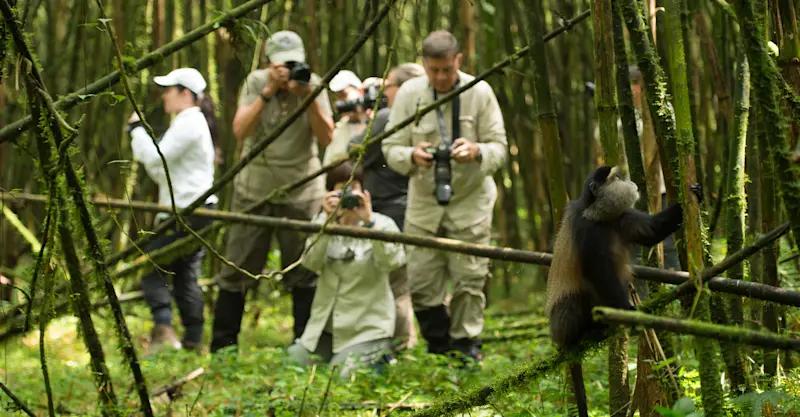
Mgahinga Gorilla National Park protects Uganda’s portion of the Virunga mountain ecosystem. In this compact protected area, the scenery changes from cultivated foothills to forest and higher volcanic vegetation. Golden monkeys are active, social primates, often feeding and springing between stems faster than a photographer can compose a shot. Watching their movement at close but regulated viewing distances feels markedly different from a game drive.
Travelers who already plan a gorilla safari can add a different primate without flying to another part of the country. Mgahinga is reached from the Kisoro region and can sit within routes through southern Bwindi, Lake Bunyonyi, or Rwanda. A short break focused on the monkeys avoids the extra costs of a multi-park safari, while longer itineraries create room for culture, hiking, and relaxation.
Travel pace is important because a late road arrival affects sleep, breakfast, and readiness for the forest. Build an overnight buffer when your route crosses a border or follows a full day of driving. You will appreciate time to settle, check equipment, and ask your guide about the next morning rather than rushing into a briefing with no rest.
The setting matters as much as the species. On clear mornings, volcanic peaks rise above villages and small farms. In the forest, soft light filters through bamboo, birds call from the canopy, and guides interpret signs of wildlife that visitors might miss. The experience is managed by the Uganda Wildlife Authority, so the final walking route depends on ranger direction and the animals’ location.
7 Mgahinga golden monkey packages to compare
These are adaptable itinerary concepts, not claims of live availability or fixed published tour prices. Exact departure points, Accommodation levels, and inclusion lists should be confirmed in an individual quote. For each option, allow for the possibility that weather or a long travel day may alter the order of activities.
1. One-day golden monkey excursion from Kisoro
For visitors already overnighting in Kisoro, an early transfer to the Ntebeko park entrance makes a focused day possible. After registration and the ranger briefing, follow the assigned forest trail, observe the group for the permitted viewing period, and return to town. This is the simplest choice for people who have arranged their own overnight stay, or whose existing itinerary has an open morning.
Its main strength is cost control: there is no additional hotel night required if you are already nearby. Its weakness is dependence on punctual transport and a confirmed permit. Do not attempt the day from a distant city without checking real road time. Have breakfast early, take water, and leave your luggage safely at the lodge.
2. Two-day Kisoro forest escape
Arrive in Kisoro on day one and use the afternoon for a gentle walk, nearby viewpoints, or rest after the road journey. Spend the second morning in Mgahinga for golden monkey tracking, then depart after lunch or stay another night if connections are tight. This balances the experience with a practical buffer, rather than racing directly from the airport to the gate.
A well-described package should make clear whether sightseeing is guided or self-directed. It should identify any separate community fees and explain what to do if a planned optional visit is not operating. Travel days also need clarity: a full day in a private vehicle is not the same as a full day of activities, even when both appear in a brochure.
Ask whether the quoted price covers both transfers, one night of accommodation, meals, the activity charge, park entry and any guide services beyond those supplied by the park. The two-day format suits couples, first-time Uganda visitors and anyone who prefers not to combine a pre-dawn transfer with a demanding road journey.
3. Three-day monkeys and Batwa heritage
A three-day stay can combine the monkey encounter with a separate, community-led cultural experience and an unhurried arrival or departure day. One day is reserved for the forest, while another allows time to understand local history, community perspectives, and the surrounding scenery. The cultural component should be chosen through a reputable host arrangement and priced transparently.
This trip is especially useful for visitors who want more than an animal sighting. Ask the operator about the exact cultural activity, where fees go, how long the visit lasts, and whether walking is involved. Avoid assuming that a cultural excursion and the wildlife trek can comfortably fit into one rushed morning.
4. Three-day golden monkeys and mountain gorillas
Spend the first day traveling to the southwest and settle near the allocated park sector. Use separate days for the golden monkeys and a mountain gorilla trek, with the order fixed around confirmed permits. Gorilla permits are independent of monkey activity charges and carry a substantially different price, so the final quotation must itemize both.
This combination works best when the gorilla allocation is in Mgahinga or a feasible southern Bwindi sector. Driving across Bwindi to an unsuitable lodge can erase hours of valuable rest. Ask for the precise sector and check whether the itinerary requires a different overnight base before confirming the package.
For families traveling together, consider how each person will experience the day. Different walking speeds, photography interests, and rest needs can influence the choice of activities. Someone not joining the forest outing should still have a safe, realistic arrangement at the lodge or with a local guide, not simply be left without a plan.
5. Four-day Virunga hiking and primates
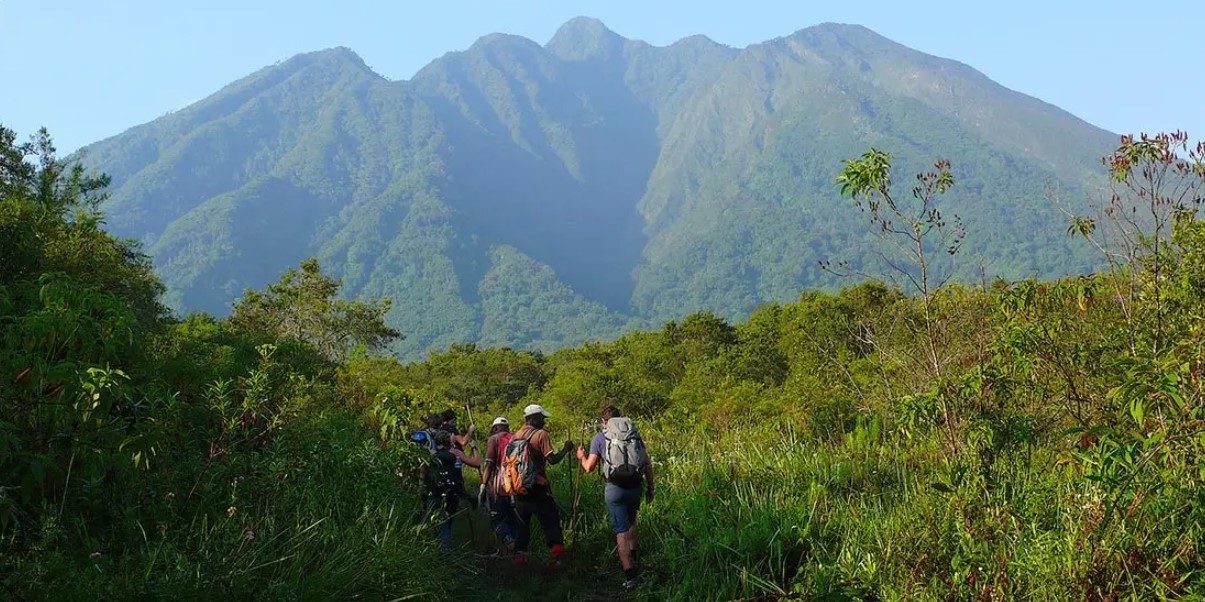
Outdoor enthusiasts can include a dedicated volcano hike on a separate day, keeping golden monkey tracking as the wildlife highlight. The Gahinga, Sabyinyo and Muhavura landscapes offer distinct routes and levels of exertion, and each mountain activity is subject to official guidance and conditions. This is an adventurous option rather than a casual sightseeing extension.
Confirm the exact volcano, anticipated hike duration, footwear needs, elevation challenge, guide arrangement and return time. Carry sufficient food and water and discuss fitness honestly before booking. The extra day gives space to recover after steep terrain and helps avoid compressing two physically demanding activities into a single schedule.
6. Four-day Kigali to Mgahinga getaway
Kigali can be a convenient gateway for travelers already in Rwanda or arriving on suitable flights. A transfer to Uganda requires the applicable border documents, formalities, and road-time allowance. Once based near Kisoro, the itinerary dedicates a morning to golden monkeys and retains a buffer for border travel or an additional local activity.
This package is not automatically possible as a same-day airport-to-forest excursion. Immigration requirements vary by nationality, and arrival delays happen. Choose flight times with enough margin, verify the border route in advance, and ensure the quote identifies which operator provides transport on each side of the border.
7. Five-day Bwindi and Lake Bunyonyi extension
Photographs tell only part of the story. The sound of stems shifting, the quick exchange of calls, and the muted light beneath the canopy often stay in memory long after the holiday. Guides may also identify birds, plants, and ecological changes along the way. Taking time to notice these details makes even the walk back from the monkeys worthwhile.
Longer packages can add a gorilla trek in a suitable Bwindi sector and a slower lakeside finish at Lake Bunyonyi. Travelers gain contrasting landscapes: bamboo forest, steep rainforest, and an open-water setting for relaxation. The five-day outline still needs careful routing; the exact gorilla sector determines where travelers should stay before their permit date.
This option is attractive to photographers and couples who want a less hurried trip. Lake activities depend on the chosen lodge and local safety arrangements, while the primate activities require separate bookings. Ask for a day-by-day breakdown that identifies each overnight location, not simply a headline list of destinations.
Build My Mgahinga Itinerary
Share your dates, departure point, group size and preferred number of days for a tailored quotation.
What a golden monkey tracking day looks like
Most itineraries aim to arrive at the Ntebeko visitor area in time for the morning briefing. Rangers explain the walking route, viewing etiquette, group arrangements and current forest conditions. The hike may move across uneven ground before reaching the habitat used by the monkeys. Walking time is not fixed: the animals move, and the route is affected by visibility, the weather and where trackers locate the group.
Once the habituated animals are found, standard tracking generally allows around one hour of viewing under ranger supervision. During that time monkeys may feed, chase each other, groom, or travel quickly between trees. Some are visible at eye level while others remain overhead. Sightings are wild and cannot be guaranteed on a commercial itinerary, even when guides work diligently to locate them.
Return times vary. Do not schedule a tightly timed international flight or an unavoidable border appointment immediately after the activity. A short lunch break, time to change wet clothes and a flexible afternoon make for a calmer day. Good itineraries protect this flexibility rather than promising a particular finish time.
When comparing departure airports, work backward from the morning briefing. Include baggage collection, transfers, potential delays, the final road approach, meals, and adequate sleep. An itinerary that appears cheaper because it uses a later arrival flight may require an extra night or a much more tiring morning. Ask for realistic transfer times rather than ideal driving estimates.
Standard tracking versus the habituation experience
Standard golden monkey tracking is designed around finding a habituated group and enjoying the ranger-managed viewing period. A habituation experience is a different booked activity, generally involving more time observing monkeys that are being accustomed to people. It can appeal to wildlife enthusiasts interested in extended behavior observation, but it should not be described as simply a longer standard permit.
The two activities have separate allocations, rules and price categories. Confirm precisely which one your operator has booked. For a first-time traveler, the regular experience may provide all the enjoyment needed; an enthusiast photographing behavior might prefer the longer option. A longer field session also means carrying enough water, snacks where allowed, and attention to walking stamina.

Golden monkey permits and current budgeting
The Uganda Wildlife Authority tariff published for July 2024 through June 2026 listed standard golden monkey tracking at US$60 for foreign non-residents, US$50 for foreign residents, and UGX 40,000 for East African Community visitors. The corresponding habituation activity was listed at US$100, US$80 and UGX 100,000. Subsequent published tariff summaries show those same activity figures, but travelers should request written current confirmation at booking.
Importantly, the tracking charge does not automatically cover every expense. Park entry can be charged separately, and a private tour quotation may add transfers, overnight accommodation, meals, driver-guides, parking, and other selected experiences. An apparently low tour price can therefore be misleading when key expenses appear later. Seek a line-by-line quote in the currency you intend to pay.
Quality of guiding deserves attention. A knowledgeable guide should explain park rules, anticipate wet terrain, communicate respectfully with rangers, and answer practical questions without exaggerating. The right guide helps travelers understand why some moments require silence or patience. Professionalism is more valuable than a promise that every photograph will be perfect.
Ask who holds the activity booking and what happens if a participant cancels, a border journey is delayed, or a trail becomes temporarily inaccessible. Permit terms are determined by the relevant authority, not by a blog description. Before paying, check the latest official tariff, traveler category, entry charge, transfer conditions and any refund or rescheduling rules. Treat quoted historical numbers as planning references, not a guaranteed present-day invoice.
Request an Itemized Price
Get the activity fee, entry charge, transfers and accommodation separated in a clear quote.
How to reach Mgahinga from Entebbe, Kigali and Kabale
From Entebbe or Kampala, the southwest is a substantial overland journey and should usually be treated as a travel day. Some itineraries use domestic flights to an appropriate southwestern airstrip followed by a road transfer, subject to schedules, luggage restrictions and ground arrangements. A fly-in option can preserve time but may cost significantly more than driving with a private guide.
Kigali is geographically useful for some routes to Kisoro, but crossing an international border introduces additional requirements. Verify which entry documents apply to each traveler, whether a visa must be secured in advance, and the opening arrangements of the intended crossing. Border queues, weather and traffic can all extend the journey, so precise door-to-door timing should come from the current operator.
Kabale is a useful regional road hub, but it is not the same as staying at the park gate. The last stretch to Kisoro and onward to the starting point still takes planning. Confirm the lodge location, wake-up time and vehicle suitability, particularly after rain. When comparing offers, a cheaper lodge farther from the gate may create a much earlier morning and extra transfer charges.
Where to stay: Kisoro and the park surroundings
A lodge near Kisoro can offer practical access to town services, meals and different excursion choices. Accommodation closer to Ntebeko may reduce the transfer on tracking morning, which is useful for families or travelers who prefer an unhurried breakfast. Choices range from simple guesthouses to more comfortable lodges, but advertised classifications are not consistent across every booking platform.
Those comparing a shared departure with a private journey should ask about waiting time and flexibility. Shared arrangements can reduce costs, but group members may have different walking speeds and activity priorities. Private road transport offers more control over stops and luggage. Neither is inherently better: the right choice depends on the travelers and the daily schedule.
Before reserving, ask how far the property is from the correct activity briefing point, whether hot water and reliable charging are available, and whether early breakfast is included. Confirm whether the room can accommodate your group, what happens during a power interruption, and whether there are steps or steep pathways that could affect mobility. In the highlands, warm blankets and an effective rain-drying arrangement may matter more than decorative amenities.
For combined gorilla tours, lodge positioning is even more important. A property marketed as near Bwindi may be many hours from a particular allocated sector. Always place the confirmed gorilla permit location on the itinerary before choosing hotels. The best accommodation is the one that supports both the experience and the next day’s realistic travel plan.

Best time to visit and how weather affects trails
Golden monkey activities are generally offered across the year, although mountain weather is changeable. Many travelers favor comparatively drier periods around June to August and December to February, when trails may be easier underfoot. Rain can still arrive unexpectedly because the forest and volcanic slopes retain their own microclimates. Clear skies are never part of a guaranteed tour product.
Wetter periods may offer lush vegetation, misty photographs and a quieter atmosphere, but slippery paths and slower road travel can be drawbacks. If traveling during rainy months, favor accommodation with a practical drying area and allow extra time for transfers. A good jacket and boots will make a greater difference than selecting a month on a simple dry-versus-wet label.
Seasonality also affects availability. Popular school holidays and peak gorilla periods can tighten the supply of desirable rooms and transport, even when monkey activity spaces remain possible. Secure your most constrained permits first, then reserve lodging and connecting journeys. Travelers flexible on weekdays and accommodation style may find more routing options than those locked to one short weekend.
Travelers returning to a city after the experience should consider where they will eat and whether there is time to wash and repack. Wet boots and dusty clothing can be uncomfortable during a long drive. A final overnight stay often turns a hectic departure into a pleasant end to the trip, especially when the route includes other wildlife areas.
Fitness, minimum ages and forest comfort
The experience often feels more approachable than a long gorilla search, but it is still a guided mountain-forest walk at altitude. Uneven paths, muddy slopes and sudden rain can make a relatively short distance demanding. Fitness needs vary by the location of the animals on the day. Let the booking team know about mobility limitations or medical concerns that might affect walking before paying for a permit.
Age restrictions and group rules should be confirmed directly for the specific activity. Do not assume monkey tracking follows the same age minimum as mountain gorilla trekking, or that the rules in Rwanda and Uganda are identical. For young families, ask about alternative daytime activities for companions who cannot take part, and choose lodges with comfortable waiting arrangements.
A slower itinerary is sometimes the most accessible solution. An additional night allows time to recover from long transport days, acclimatize to the cooler highland climate and avoid feeling rushed at breakfast. If walking may be difficult, discuss the nature of the trail and available assistance with park-authorized staff rather than trusting a guarantee that the trek will be easy.
What to pack for golden monkeys
Wear sturdy walking shoes or boots with good grip and comfortable socks that can handle damp conditions. Long trousers and long sleeves help when vegetation brushes against the trail. A lightweight waterproof outer layer, an extra warm layer, a hat, sunscreen and a compact daypack cover common needs. Carry drinking water and follow ranger instructions about food in the forest.
Photography demands patience because the monkeys move quickly in uneven light. A camera that performs well in shade, spare batteries and a protective cover for rain are useful. Avoid flash if prohibited, keep your distance and never pursue an animal away from the authorized group. Your most memorable observation may last only a few seconds, so watch with your eyes as well as through a viewfinder.
Advance communication avoids small surprises. Tell your operator whether you prefer a simple guesthouse, a midrange lodge, or a premium stay; whether you need adjoining rooms; and whether you have dietary restrictions. Ask who will meet you on arrival and whether the pickup contact works without mobile data. Clear practical details are a strong sign of good planning.
Bring personal medication, a small first-aid kit and securely stored travel documents. Travelers combining countries should keep passports and relevant authorizations readily accessible during transfer days. Luggage should remain manageable, particularly if using regional flights with stricter weight limits. Avoid packing bulky items that make a short forest outing uncomfortable.

Combine Mgahinga with gorillas, Lake Bunyonyi and cultural visits
Mgahinga is an excellent counterpart to a gorilla trek because the wildlife behavior is completely different. Gorillas are larger, slower-moving great apes, while the golden monkeys create a lively canopy-level encounter. The activities should be booked on separate days whenever feasible. Confirm the gorilla sector first, then use the monkey day to enrich the same regional route.
Lake Bunyonyi can add a restful end to several days of walking. The change in scenery—from misty volcanic slopes to a lake dotted with islands—helps a compact itinerary feel varied. Select lodge-based activities based on local conditions and operator safety standards, and ask whether boat rides, guided walks or transfers are included rather than assuming they are part of every quoted package.
Cultural experiences around the region can provide context on local livelihoods and forest history. Favor experiences led by willing community hosts, with clear fees and respectful photography practices. Ask permission before taking portraits and avoid treating a community visit as a staged substitute for meeting people. A thoughtful tour balances wildlife excitement with a meaningful understanding of the place.

How much should a complete package cost?
For a multi-stop trip, choose activities that complement rather than duplicate one another. A forest morning, a community-hosted visit, a volcanic viewpoint and a quiet lakeside afternoon offer distinct experiences. Adding more destinations without enough travel time does not create more quality. The best route leaves room to follow local recommendations when conditions allow.
There is no single reliable advertised total for a private package because transport, accommodation, activity category, traveler residency, group size, season and the number of nights change the calculation. A guest traveling from Kisoro with an existing hotel room pays for a very different arrangement from someone requesting a private vehicle from Entebbe or an international airport transfer from Kigali.
For a useful comparison, request one total for identical dates and inclusions across two or three operators. Confirm the vehicle arrangement, number of travelers sharing the cost, room type, meal plan, taxes, permits, park entry, porter or hiking services if selected, and cancellation terms. A lower headline may simply omit a permit or park fee that a more transparent proposal has included.
Ask whether a package is private or shared, how many people will be in the vehicle, and what flexibility exists if weather changes your sightseeing plans. Pay attention to the day-by-day order and total road hours. Good value means more time doing what you came for and fewer surprise charges, not necessarily the cheapest amount printed on a website.
Responsible viewing and safety rules
Follow the ranger’s directions about distance, group movement and the time permitted near the animals. Do not feed monkeys, touch them or move off the designated route to obtain a better photograph. Stay with your group and keep noise low. Wild primates may approach or change direction suddenly; visitors should not try to control the encounter.
Do not travel to the activity when you have an illness that might pose a risk to wildlife or other participants without seeking official guidance. Forest guides can advise on current health and park rules, which may change. Choose operators who respect park regulations and avoid promises of unauthorized close contact or guaranteed animal behavior.
Responsible bookings can also benefit the region when accommodation, guiding and cultural activities fairly support local workers and community partners. Ask who provides the services and whether environmental practices match the operator’s claims. Carry reusable water containers where practical, avoid litter, and leave natural objects in place.
Costs can change between the initial enquiry and booking, particularly when exchange rates or supplier policies shift. Ask how long the quote is valid, which payments are refundable and what confirmation documents will be issued. Never assume an informal message means an activity space has been secured. Retain receipts and read all terms before paying.

Booking checklist before you pay
First, identify your exact travel dates, arrival city, departure city, number of travelers and preferred comfort level. Then decide whether the priority is a one-hour tracking encounter, the longer habituation format, a gorilla combination or a hiking extension. These decisions determine which bookings must be secured and which travel days need to be protected.
Second, request written confirmation of the specific Uganda Wildlife Authority activity, park entry treatment, traveler category, day-by-day accommodation, transfer provider and cancellation conditions. For cross-border routes, confirm immigration steps independently using official sources. A good operator should explain what is not included as clearly as what is included.
Finally, check the practical details: briefing location, expected pickup window, breakfast plans, rain protection, vehicle space and the accommodation address. Share relevant mobility or dietary requirements in advance. Keep digital and offline copies of confirmations and retain a little flexibility for mountain weather. Planning these small details is what turns an attractive package description into a workable holiday.
Plan a Golden Monkey Safari
Tell us your travel month, preferred route and whether you would like to add gorillas or a volcano hike.
Frequently asked questions
Planning with conservation in mind also means accepting restrictions that protect wildlife. Viewing times, route instructions and group rules are part of the encounter, not obstacles to it. Never choose a provider who treats them as optional. A respectful visitor can enjoy energetic animal behavior without encouraging crowding, noise or feeding.
Can golden monkeys be seen in a single day?
Yes, for travelers already in or near Kisoro with the activity booked in advance. Long road transfers from distant arrival points make a one-day plan much less practical. Build your schedule around the ranger briefing and allow flexibility for the return.
Is a golden monkey permit the same as a gorilla permit?
No. They are different activities, priced and allocated separately. A combined safari must include the required bookings for each species and may need different park sectors or accommodation locations.
Are sightings guaranteed?
No wildlife encounter should be marketed as guaranteed. Rangers use current knowledge of habituated groups to improve the chance of an encounter, but animals move freely and forest conditions change.
Should I stay in Kisoro or at the park?
Both can work. Choose according to the confirmed starting point, room standard, transfer length and the rest of your itinerary. An early-morning pickup plan is essential whatever your lodging choice.
Finally, make time for the region itself. Around Kisoro, highland agriculture, views of the volcanoes and changing weather give the journey a character quite different from Uganda’s open savannah parks. A good driver-guide can explain the landscape without turning every stop into an additional sale. That sense of place is part of the value of the trip.
Can I travel from Kigali?
Yes, with appropriate immigration documents and enough time for border formalities and roads. Confirm the exact entry route and avoid an itinerary that depends on a tightly timed same-day connection.
What is the difference between tracking and habituation?
Standard tracking is a shorter guided visit with a habituated group; habituation is a separately booked, more extended activity. Confirm current viewing rules, availability and permits for the chosen type.
What is the best month to travel?
There is no guaranteed dry month in these mountains. Relatively drier periods can make walking easier, but visitors should prepare for rain in every season and select dates around their wider travel plans.
Mgahinga golden monkey packages work best when the itinerary is matched to the traveler rather than the other way around. Start with the animal experience, protect a sensible morning for the forest, add only the extensions you have time to enjoy, and ask for every important cost in writing. With the right logistics, a small park in the Virunga highlands can deliver one of Uganda’s most distinctive wildlife days.