Why Choose Golden Monkey Trekking in Uganda?
UGANDA PRIMATE SAFARIS
Why Choose Uganda Golden Monkey Trekking?
Discover Mgahinga’s rare golden monkeys, extraordinary volcanic scenery and unforgettable primate safari experiences.


What Makes Golden Monkey Trekking in Uganda Special?
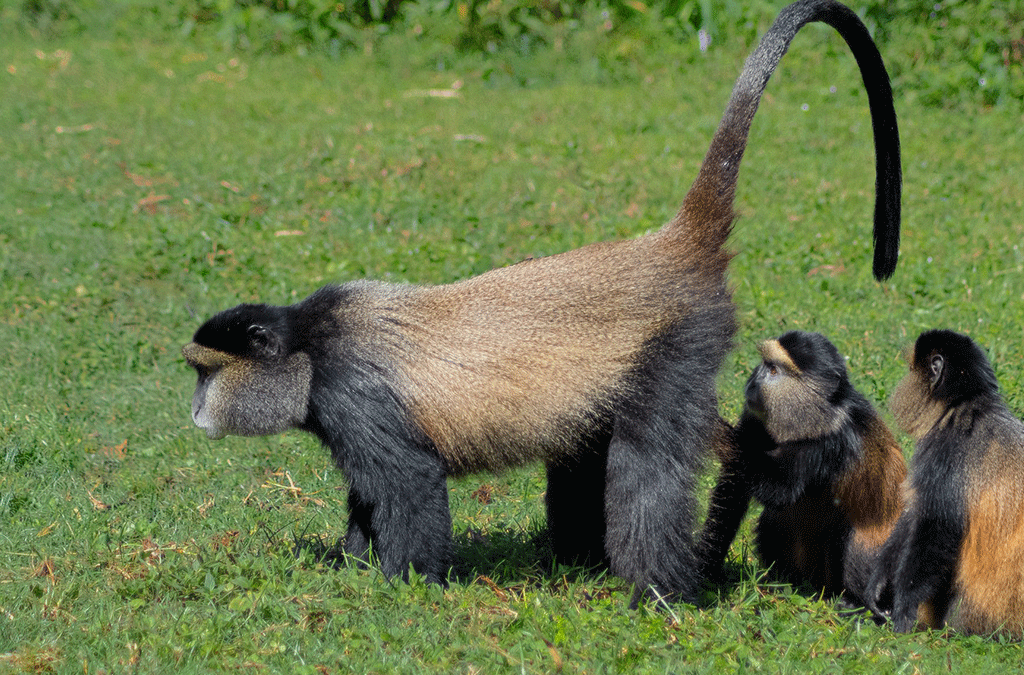
Golden monkey trekking in Uganda is an opportunity to walk into the Virunga highlands and encounter a rare, energetic primate in its natural home. Unlike a conventional game drive, this safari happens on foot, among bamboo stems, mountain vegetation and the sounds of an active forest. You follow experienced park guides as they locate a habituated group, then watch golden monkeys feeding, climbing, grooming and interacting from a respectful distance.
The attraction is not simply seeing a monkey with distinctive golden-orange fur. It is the combination of a threatened species, remarkable volcanic scenery and a comparatively compact wildlife experience. Many travellers arrive in southwestern Uganda primarily for mountain gorillas, yet leave describing the golden monkey encounter as one of their most entertaining moments. For anyone who appreciates animal behaviour, forest photography or less conventional safari activities, Mgahinga offers a compelling reason to extend the itinerary.
Choosing Uganda also means that a golden monkey trek can fit naturally alongside gorilla trekking, community visits, mountain hikes and stays near Lake Mutanda. Rather than arranging an entirely separate destination, travellers can build several different experiences around the same beautiful corner of the country.
Where Can You Trek Golden Monkeys in Uganda?
In Uganda, guided golden monkey trekking takes place in Mgahinga Gorilla National Park in Kisoro District, close to the borders with Rwanda and the Democratic Republic of the Congo. The park protects a portion of the Virunga volcanic landscape, including habitats associated with Mount Muhabura, Mount Gahinga and Mount Sabyinyo. These slopes create a dramatic backdrop even before the wildlife encounter begins.
Golden monkeys favour bamboo-rich habitats and adjoining vegetation, where food and shelter are available. Their movements depend on feeding opportunities and conditions on the day, so no particular sighting location should be promised in advance. Your ranger team will guide the walk according to current knowledge of the animals’ whereabouts and the park’s operating rules.
Mgahinga is particularly attractive for travellers using Kisoro as a base. The surrounding countryside contains cultivated hills, volcanic panoramas and small settlements that make the approach memorable. Travellers coming from Kigali can also plan a cross-border safari, allowing appropriate time for border procedures and local transfers.

Eight Reasons to Choose Golden Monkey Trekking in Uganda
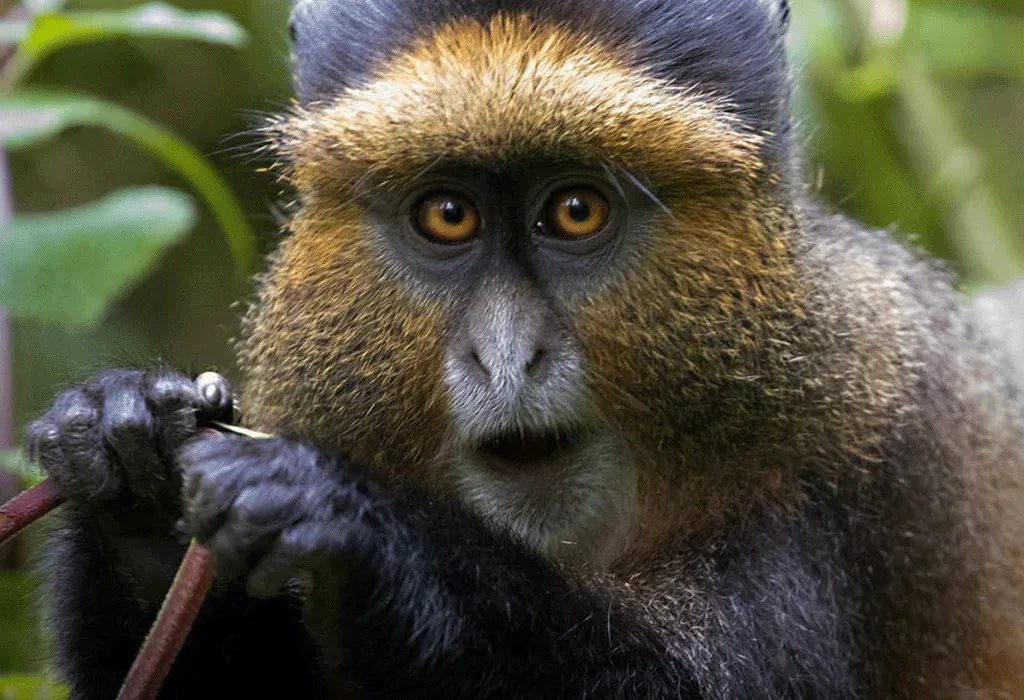
First, the animals themselves are an exceptional attraction. Golden monkeys have bright facial markings, orange-gold patches and expressive social behaviour. A feeding group can be wonderfully animated, with monkeys leaping between bamboo stems or investigating leaves only metres apart from one another.
Second, Mgahinga’s scenery is outstanding. The mountain environment gives visitors a different perspective from Uganda’s savannah parks. Mist, volcanic slopes and forest textures lend atmosphere to both a morning trek and the journey back to the lodge.
Third, the activity works beautifully as an addition to gorilla trekking. Observing gorillas often feels calm, focused and contemplative, while golden monkeys can be quick, playful and constantly moving. Experiencing both illustrates the diversity of primate behaviour within the same broader landscape.
Fourth, the standard golden monkey tracking fee is generally lower than the cost of a mountain gorilla permit. That makes it an appealing extra activity, although visitors must still budget for separate park entrance and other travel costs. Fees should always be confirmed for the intended travel dates.
Fifth, the trek provides a guided educational walk. Rangers explain the animals’ feeding patterns, their forest environment and the importance of protecting habitat. This is much more informative than spotting wildlife briefly from a vehicle.
Sixth, the adventure suits many styles of travel. Couples, solo explorers, wildlife photographers, small groups and families with eligible children may all find a place for it in their safari plans, provided participants can manage uneven terrain and comply with current age rules.
Seventh, Mgahinga offers interesting extensions. A traveller can add a Batwa cultural experience, birdwatching, a guided nature walk, a volcano hike where feasible or a restful night by Lake Mutanda.
Eighth, choosing a well-managed park experience helps sustain conservation-oriented tourism. Park visitation can contribute resources and attention to the protection of habitat and threatened wildlife, especially when guests follow the guidance of Uganda Wildlife Authority staff and travel responsibly.
What Happens During a Golden Monkey Trek?
A typical tracking day begins with travel to the designated Mgahinga park meeting point for registration and a ranger briefing. You will learn the applicable rules, receive guidance about movement in the forest and hear what to expect from the terrain. Start times and reporting arrangements should be reconfirmed before departure, because operational details can change.
After the briefing, your group enters the forest with trained guides. There may be muddy patches, bamboo thickets, exposed roots or sections of rising ground. Some days the animals are located relatively quickly; on other days, the search takes longer. It is therefore sensible to allow a flexible morning instead of assuming a fixed finishing time.
Once a habituated group is found, the focus shifts from hiking to observation. Visitors can watch social interactions and feeding while respecting the guide’s instructions, viewing distance and any photography restrictions. Standard tracking visits commonly allow around one hour with the animals, subject to park rules and welfare considerations. Return to the trailhead is part of the total duration, so allow extra time for the walk out.
Golden monkeys do not pose for photographs, and their quick movements can surprise visitors. Keep your camera ready, use quiet movements and enjoy the encounter directly rather than watching every moment through a screen.
Golden Monkey Trekking Versus Habituation
Standard golden monkey tracking is designed for travellers who want a guided walk and a focused period of viewing a habituated group. It is usually the easiest option to include in a broader Uganda safari, particularly where guests have a limited number of days or already have another primate trek planned.
The golden monkey habituation experience is a different activity, generally involving a longer period with researchers or habituation personnel and animals becoming accustomed to controlled human presence. Exact timings, group arrangements and availability are determined by the park authority. It may appeal to keen primate enthusiasts and photographers who prefer greater time for observation.
These options should not be confused when requesting a quote. Ask which experience is being booked, how much walking is expected, how long the group may spend near the animals, and what fees are included. Safari Vacations and Travel Services can structure either option into an itinerary after confirming operating arrangements and space.
Golden Monkey Trekking Costs and Permits
For the 2026–2028 tariff period, the published golden monkey tracking rate is US$60 for foreign non-residents, US$50 for foreign residents and qualifying visitors from the rest of Africa, and UGX 40,000 for East African citizens. The habituation experience is listed at US$100, US$80 and UGX 100,000 respectively. These are activity rates rather than complete holiday prices.
Importantly, golden monkey trekking fees exclude Mgahinga park entrance. Your complete cost may include the applicable park entry charge, private vehicle, driver-guide, accommodation, meals, cross-border arrangements where necessary and any other activities. Rates, eligibility and tax or administrative arrangements should be reconfirmed with Uganda Wildlife Authority before payment.
Booking ahead is advisable even if you are travelling outside the busiest months. Advance planning gives your operator time to align permits with accommodation and transfers. A good quotation should distinguish confirmed permits from estimated extras and explain what is included and excluded so there are no surprises on the trekking day.
Best Time for Golden Monkey Trekking in Uganda
Golden monkey trekking is possible during much of the year, subject to park operations and conditions. The relatively drier periods, often June through September and December through February, can be attractive because trails may be easier to negotiate and outdoor plans more predictable. These periods can also attract strong demand, particularly when combined with gorilla trekking.
March through May and October through November are frequently wetter. Rain can transform pathways into slippery tracks and may affect road travel, but it also makes the mountain environment exceptionally green. Wildlife encounters remain possible, and photography enthusiasts may appreciate the softer light and lush backgrounds.
Instead of relying only on seasonal averages, choose dates based on the wider safari route, your comfort with hiking and the permits available. Waterproof layers and good footwear are useful in every season. Mountain weather can change quickly, and a misty morning does not necessarily mean a disappointing trek.
How Difficult Is the Trek?
Golden monkey trekking is an active forest walk, not a roadside wildlife stop. Fitness requirements vary with the group’s location and the conditions of the trail. An accessible route on one day may be considerably more demanding after heavy rain or when the monkeys have moved farther into the vegetation.
Travellers should expect uneven ground, short climbs, vegetation and some altitude-related exertion. Comfortable walking ability is helpful, but speed is not the objective; park guides normally work to manage a safe group pace. Anyone with concerns about mobility, respiratory issues or other medical limitations should discuss their needs before paying for a permit.
For many visitors the activity feels less physically intense than a long gorilla search, but this is not a guarantee. The best preparation is to wear supportive boots, bring drinking water, follow ranger instructions and allow time to rest after the activity. Never pressure a companion to continue beyond their abilities.
What to Pack for the Experience
Pack for a damp mountain forest even when the morning begins with sunshine. Supportive hiking boots with grip, long trousers, a long-sleeved shirt, waterproof outerwear and a small daypack are practical essentials. Lightweight gloves can help when navigating rough vegetation, while gaiters may be useful on muddy trails.
Bring drinking water, a snack if permitted, insect repellent, sunscreen and any personally required medication. A camera with a fast shutter capability is useful for active monkeys; protect equipment against drizzle and humidity. Binoculars can enrich the forest walk, although many sightings occur close enough for direct observation.
Avoid large quantities of unnecessary equipment. Follow the park’s directions about food, flash photography, distance from wildlife and disposable waste. Keeping the forest clean is part of responsible primate tourism.
Three Golden Monkey Safari Ideas
A short Mgahinga escape can focus on golden monkey tracking with an overnight stay near Kisoro. Arrive the previous afternoon, enjoy a relaxed evening and begin the following morning without an exhausting pre-dawn transfer. This works well for travellers with limited time who want one standout wildlife encounter.
A combined gorilla and golden monkey safari allocates separate days to the two activities. The itinerary can include gorilla trekking in Mgahinga or Bwindi, depending on permits and accommodation location. Separating the treks creates a more comfortable pace and makes space for the scenery, photography and rest that turn a sequence of activities into a holiday.
A longer southwestern Uganda discovery trip may add Lake Mutanda, Lake Bunyonyi, local cultural experiences and further national parks. The right arrangement depends on travel direction, road conditions and personal interests. We recommend leaving room for quiet moments, particularly after demanding hikes, instead of treating every free afternoon as another transfer.


Where to Stay Near Mgahinga


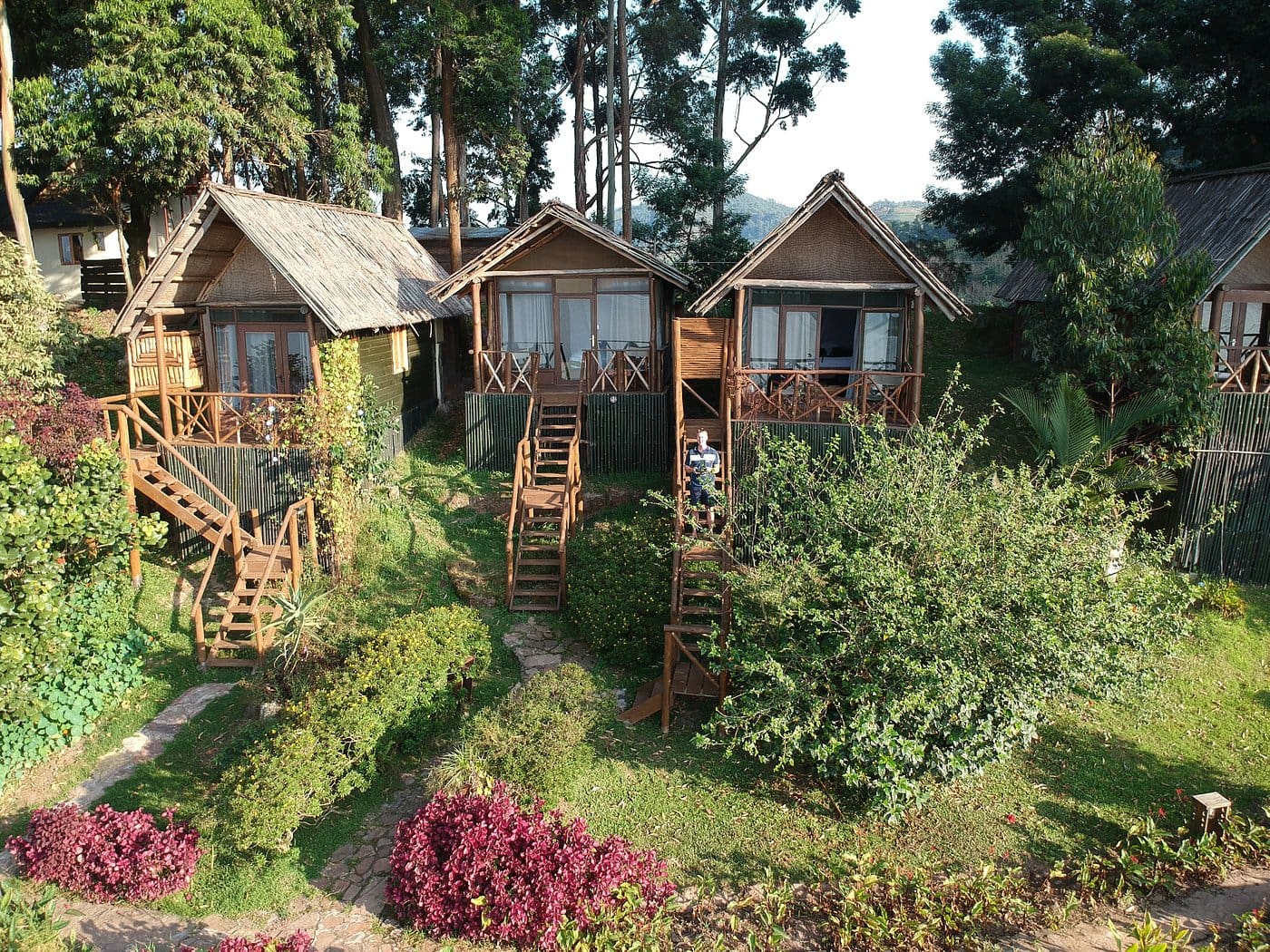
Kisoro town offers a practical base for accessing Mgahinga, with different accommodation standards and convenient access to local services. Staying near town can reduce the complexity of early transfers, especially if you have several activities in the park and want a clear daily schedule.
The Lake Mutanda area is another attractive choice, offering dramatic views and a slower lakeside atmosphere. Travellers often enjoy combining forest adventures with time to watch the changing light across the water. However, lodge location matters: a beautiful property can still involve a longer or rougher drive to the trekking meeting point.
Accommodation selection should consider budget, room requirements, road accessibility and whether you also intend to trek gorillas in a different sector. Safari Vacations and Travel Services can compare suitable stays and show the approximate daily route before a booking is finalised.
Getting to Mgahinga from Kampala or Kigali
Travelling from Kampala or Entebbe typically involves a substantial road journey into southwestern Uganda. Many itineraries break the drive with sightseeing or an overnight stop, especially when travellers are connecting to several parks. Domestic flights to Kisoro may be an option on appropriate schedules, followed by a road transfer, but flight availability and baggage conditions require advance verification.
For some travellers, Kigali provides a useful gateway. A cross-border itinerary can connect Rwanda’s capital with Kisoro and Mgahinga, provided the correct immigration documents are arranged. Exact driving times depend on border processing, traffic, weather and road conditions, so advertised travel durations should be treated as estimates rather than guarantees.
Whichever entry point you choose, spending the night near the park before tracking is usually the more comfortable approach. It reduces the risk of a long transfer interfering with check-in, briefing and your enjoyment of the experience.
Golden Monkey Trekking and Responsible Conservation
The golden monkey is an endangered primate with a limited regional distribution. According to Uganda Wildlife Authority’s 2026 State of Wildlife Resources report, Uganda’s golden monkeys are associated with Mgahinga and face serious conservation pressures. Protecting bamboo habitat and reducing disturbances are essential to their long-term survival.
Visitors play a role by choosing authorised treks, respecting wildlife distances, avoiding contact with animals and not feeding them. Primate tourism involves special health considerations because humans can transmit infections to wildlife. If you are unwell, tell your operator and park staff so they can advise you according to the current rules.
Responsible tourism also extends beyond the forest. Travel with respectful local guides, support community services when appropriate and avoid leaving litter on paths. A successful wildlife holiday should create positive memories without compromising the animals and landscapes that made the journey worthwhile.
Why Book with Safari Vacations and Travel Services?
Safari Vacations and Travel Services helps travellers turn a single golden monkey activity into a carefully connected Uganda safari. We can discuss arrival routes, suitable nights near Kisoro, transport preferences and whether to combine the experience with gorilla trekking, lakeside relaxation or cultural activities.
Our approach is to make the itinerary practical rather than crowded. We can outline each day’s principal activity, clarify which permits require advance reservation and distinguish park fees from transport, accommodation and optional extras. Couples, independent travellers and small private groups can ask for a trip shaped around their pace and interests.
If you already have travel dates, tell us the number of participants, preferred accommodation category and where your journey begins. If dates are still flexible, we can suggest a sensible number of days and explain the main choices. Clear planning helps protect the time you have set aside for the golden monkeys themselves.
Frequently Asked Questions
Open each question below for a concise planning answer.
Is golden monkey trekking worth it in Uganda?
Yes, especially for travellers interested in unusual primates, active wildlife behaviour and the scenery of Mgahinga. It is an engaging complement to gorilla trekking rather than a substitute for it.
Where does golden monkey trekking take place?
In Uganda it takes place in Mgahinga Gorilla National Park in Kisoro District, within the Virunga mountain landscape.
How much is a golden monkey trekking permit?
The published 2026–2028 activity rate is US$60 for foreign non-residents, US$50 for foreign residents and rest-of-Africa visitors, and UGX 40,000 for East African citizens. Park entrance is additional.
How long does a golden monkey trek take?
Total walking and tracking time varies with the monkeys’ position and trail conditions. Allow a flexible morning; standard visits generally provide around one hour near the animals once located.
Can I combine golden monkeys with gorillas?
Yes. Many travellers dedicate separate days to each activity in Mgahinga or pair Mgahinga golden monkey tracking with a Bwindi gorilla trek.
Is golden monkey trekking suitable for children?
Age restrictions may apply and should be checked directly with Uganda Wildlife Authority before making family bookings. Fitness and terrain should also be considered.
Are sightings guaranteed?
No wild animal sighting is absolutely guaranteed. Guides use local knowledge and tracking experience, but the animals remain free-ranging.
Do I need to book in advance?
Yes. Prior reservation is recommended, and the official tariff notes that advance booking is needed for the activity.
When is the best time to go?
The drier periods generally offer more comfortable trail conditions, although trekking can be rewarding in other months when the park is operating.
Is the habituation experience different?
Yes. Habituation is a separate, typically longer encounter with different arrangements and a higher activity fee than standard tracking.
Can I start the safari in Kigali?
Yes, with a properly organised road transfer, border formalities and suitable overnight arrangements near Kisoro.
What clothes should I wear?
Wear hiking boots with grip, long trousers, a long-sleeved top and a lightweight waterproof jacket. Carry water and protect camera equipment from rain.
Plan Your Uganda Golden Monkey Trekking Safari
Let Safari Vacations and Travel Services arrange the right trekking experience, accommodation and private transfers for your dates and budget.