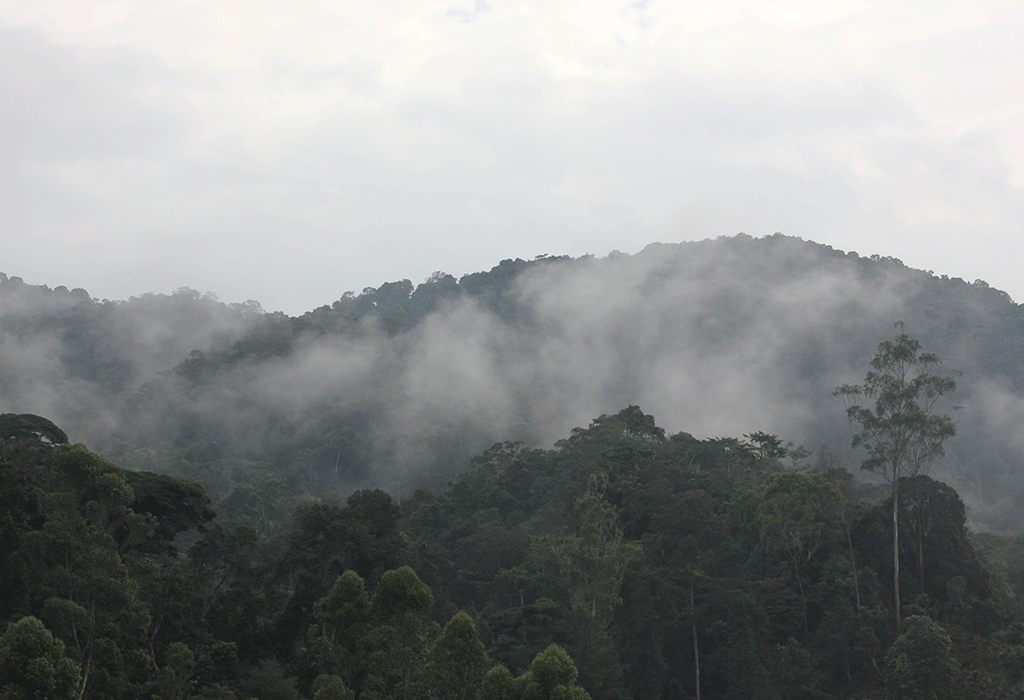
Kibiro Salt Gardens

The Kibiro Salt Gardens, located along the shores of Lake Albert in Uganda, are a unique cultural landscape and significant heritage site. Encompassing salt production sites, a pilgrimage shrine, fishing activities, and agricultural lands, Kibiro holds historical, spiritual, and economic importance for the Bakiga and Banyabindi peoples. On the other hand, the Bakiga, whose progenitor Nakanamwangu matriarchally links them to this landscape, embed the salt gardens, mostly situated in Kyankwanzi District, within a larger cultural landscape.
The salt springs, garden sites, and pilgrimage shrines are significant places within this cultural landscape. Since 2008, the Kibiro Salt Gardens Cultural Landscape has been nominated for World Heritage Site status by local custodians. However, the cultural landscape faces significant threats, including the insecurity of cultural practices, climate change impacts, and agricultural expansion. This investigation emphasizes the need to recognize and sustainably protect this vulnerable cultural heritage.
Geographical and Geological Context of Kibiro Salt Gardens
Kibiro Salt Gardens are located along the southeastern shore of Lake Albert in Uganda, within the Western Rift Valley. This region is characterized by its unique geological formations, which significantly influence the local environment and salt production practices. The area features sandy beaches and a topography shaped by volcanic activity, resulting in a landscape with limited agricultural potential due to rocky and shallow soils.
The geological context of Kibiro is defined by the North Toro-Bunyoro Fault (NTBF), part of the East African Rift System. This fault line contributes to the area’s geothermal activity, with several hot springs emerging from the ground, enriching the soil with saline minerals essential for salt production. The combination of these hot springs and saline soils creates an ideal environment for extracting salt, as the natural brine flows over mineral-rich substrates.
The climate in Kibiro is typically warm, with temperatures ranging between 22°C and 29°C throughout the year. However, the presence of the escarpment creates a rain shadow effect, leading to variations in rainfall that can impact local agriculture. The proximity to Lake Albert not only provides essential resources for the local population but also influences the ecological dynamics of the region, supporting diverse flora and fauna.
Historical Origins of Salt Production at Kibiro
Local communities, primarily the Alur and Jonam peoples, traced the origins of salt production at Kibiro back to the 14th century when they first discovered natural salt springs in the area. These communities initially utilized these springs for various purposes, including medicinal uses and food preservation, before evolving salt production into a significant economic activity. Over time, salt became a highly valued commodity, integral to trade routes across Africa.
Archaeological evidence suggests that Kibiro has been a center for salt production for over 500 years. Excavations conducted by archaeologist Graham Connah revealed extensive settlement deposits that indicate continuous habitation and industrial activities related to salt extraction. Kibiro’s historical significance further underscores its role in regional trade networks, where people exchanged salt for other goods and resources.
As salt production methods developed, they became deeply embedded in the cultural practices of local communities. People have passed down the traditional techniques employed today through generations, highlighting the importance of this craft in maintaining cultural identity and community cohesion.
Techniques and Methods of Salt Production at Kibiro
In Kibiro, people employ traditional methods of salt production, passed down through generations. This process begins with collecting brine from saline springs and channeling it into shallow clay pans. The sun’s heat evaporates the water, leaving behind crystallized salt. Local women predominantly carry out this labor-intensive process, showcasing their expertise as “saltmasters.” The technique involves careful management of brine flow and monitoring evaporation rates to ensure optimal salt yield.
Economic Importance of Kibiro Salt Gardens
The Kibiro Salt Gardens are crucial to the local economy, providing income for families who rely on salt production and trade. People distribute the salt produced here not only within Uganda but also across borders to neighboring countries. This trade sustains the livelihoods of many families in a region where agricultural opportunities are limited.
Social and Cultural Practices of the Kibiro Salt Harvesters
Salt harvesting in Kibiro is deeply intertwined with social and cultural practices. It is not merely an economic activity but also a communal event that fosters social bonds among workers. Traditional rituals and ceremonies often accompany the harvesting process, emphasizing respect for nature and gratitude for its resources.
Role of Kibiro Salt Gardens in Local and Regional Trade Networks
Kibiro has historically served as a hub for trade due to its unique salt production capabilities. People have transported the salt produced here via dugout canoes across Lake Albert to various markets, including those in northeastern Congo. This trade network has facilitated cultural exchange and economic interaction among different communities.
Impact of Colonialism on Kibiro Salt Gardens
Colonialism brought significant changes to Kibiro’s salt production practices and trade dynamics. European interest in African resources led to increased competition for control over salt production areas. Despite these challenges, local communities adapted by maintaining traditional practices while navigating new economic realities imposed by colonial authorities.
Contemporary Relevance and Preservation Efforts of Kibiro Salt Gardens
Today, there is a growing recognition of the cultural significance of Kibiro Salt Gardens as a heritage site. Efforts are underway to preserve traditional salt production techniques while promoting eco-tourism initiatives that benefit local communities. These initiatives aim to raise awareness about the importance of sustainable practices and cultural heritage conservation.
Comparative Analysis with Other Historical Salt Production Sites
We can compare Kibiro to other historical salt production sites globally, such as those in Salinas de Maras in Peru or the salt pans in France’s Camargue region. While each site has unique characteristics shaped by local geography and culture, they share common themes of traditional craftsmanship and economic reliance on salt production.
Conclusion and Future Research Directions
Kibiro Salt Gardens represents a living testament to Uganda’s rich cultural heritage and sustainable practices in resource management. Future research should focus on documenting traditional techniques, exploring their ecological impacts, and assessing the potential for eco-tourism development that respects local traditions while providing economic opportunities for residents.
In summary, Kibiro Salt Gardens stands as a vital cultural landscape that reflects the resilience and ingenuity of its people while contributing significantly to Uganda’s historical narrative and economic framework.