Kenya – Africa Destination

Kenya Africa Destination: The Complete Safari & Travel Guide
Kenya is an Africa destination that combines the drama of the Maasai Mara, the elephants of Amboseli, the wild north, the Great Rift Valley, Mount Kenya and the Indian Ocean coast. This comprehensive guide helps you choose the right places, timing, length and travel style for a first visit or a return safari. Use it to plan a trip that balances wildlife, culture, comfort and genuine time to enjoy each landscape.

Why Kenya Is One of Africa’s Most Rewarding Destinations
Kenya brings several African landscapes into one surprisingly varied holiday. A morning can begin beside lion tracks on open grassland, while another day unfolds among acacia woodland, volcanic hills, high-altitude forests or Indian Ocean palms. The appeal of Kenya as an Africa destination is not simply the number of famous animals. It is the opportunity to change scenery and activity without necessarily crossing an international border. Travelers can choose a traditional wildlife circuit, a culture-focused journey, a mountain challenge, a beach holiday or a measured combination of all four.
For a first safari, Kenya offers a particularly clear starting point. Nairobi is an important gateway, guiding services are established, and many celebrated reserves have accommodation options across different comfort levels. The best experiences still require decisions: do you prefer big cats or elephants, private conservancies or iconic reserves, road travel or short flights, a packed schedule or time to linger? The strongest itineraries make these choices deliberately. Think of Kenya wildlife safaris as an introduction to several ecosystems rather than a single endless game drive.
Kenya also works for travelers returning to the continent. After a first visit to the Mara, a second journey might focus on Samburu’s distinctive dry-country species, a Laikipia conservancy, the vastness of Tsavo or Mount Kenya’s alpine scenery. Those who want to broaden a holiday can compare African safaris across the region while retaining Kenya as the central destination. Match the place to the experience and you will get more from every night.
Choose your priorities before booking: a wildlife safari in East Africa can emphasize open-plains predators, primates or birdlife, but each needs a different route. Families considering family safaris in East Africa should also compare age limits, driving distances and camp suitability rather than starting with a park checklist.
Maasai Mara: Big Cats, Open Plains and Migration
Kenya Africa Destination Highlights: A Mara Safari
The Maasai Mara is the classic image that draws many travelers to Kenya. Its rolling grasslands, scattered trees, river corridors and resident wildlife create the possibility of memorable sightings throughout the year. Lions, cheetahs, leopards, elephants, giraffes, buffalo and numerous antelope species inhabit the wider ecosystem. A well-positioned camp and knowledgeable guide matter because the Mara is large, animal movements are dynamic and not every gate or accommodation location is equally convenient for the same viewing area.
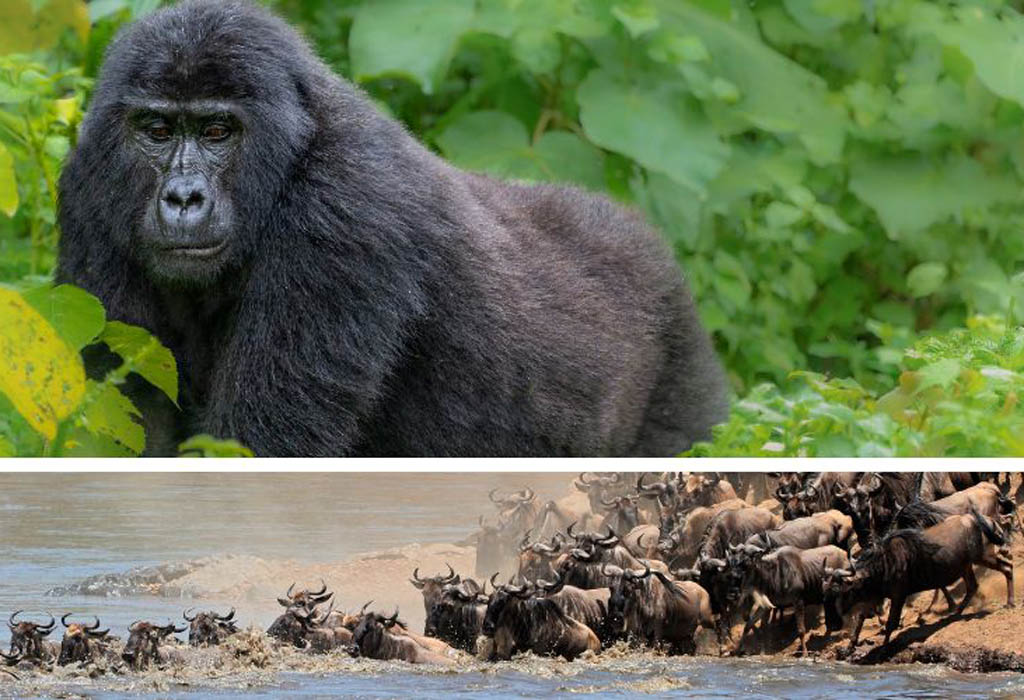
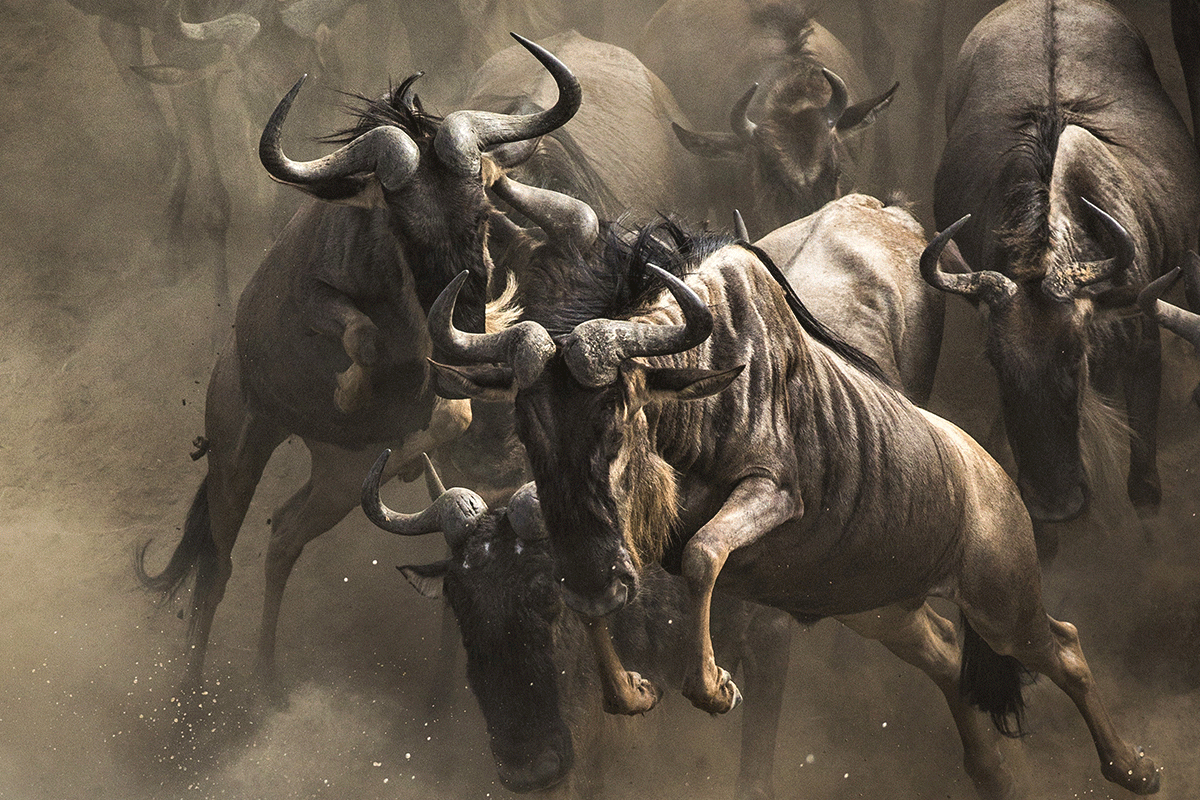
The annual Great Migration is especially compelling, although it never follows an exact schedule. Herds move across the Serengeti–Mara ecosystem with changing rain and grazing conditions. River crossings are dramatic and widely photographed, but they cannot be promised for an individual morning or even an entire visit. Plan several nights if this is your priority, and remember that resident predator viewing can be excellent when the migration herds are elsewhere. Read about Maasai Mara safari expectations before choosing the type of camp, vehicle and drive schedule.
The main reserve and adjoining conservancies offer different visitor experiences. Conservancies may provide quieter areas or specific guided activities according to local rules, while the reserve offers access to famous wildlife landscapes. Ask whether your package includes the relevant reserve or conservancy fees, how many passengers share the vehicle and what a full-day game drive actually entails. Photographers often gain more from patient observation of one pride or cheetah family than frantic movement between radio reports.

If you are comparing the plains across borders, the guide to Masai Mara and Serengeti explains how the ecosystems connect geographically, while the actual game-drive logistics require a separate plan. For a different perspective on the reserve, ask your operator whether hot air balloon safaris operate during your dates and what the optional excursion includes.
Amboseli: Elephants Beneath Kilimanjaro
Amboseli is an outstanding choice for visitors who love elephants and the dramatic geometry of a mountain skyline. The park’s wetlands and open terrain attract wildlife, and clear weather can reveal Mount Kilimanjaro rising across the border in Tanzania. That iconic view is never assured; clouds regularly hide the summit. Allow at least two nights if the mountain backdrop matters, because changing light and visibility can transform the landscape from one drive to the next.
Large elephant family groups are a signature attraction, but Amboseli also supports zebra, wildebeest, buffalo, giraffe, waterbirds and predators. Wetlands, dust flats and green patches make interesting photographic contrasts. Some visitors underestimate just how exposed this environment can feel, so carry sun protection, a warm early-morning layer and a camera dust cloth. Stay on approved tracks and allow elephants plenty of space, especially when calves are present.
Amboseli combines naturally with a Nairobi arrival or a southern Kenya circuit and may be paired with Tsavo for a different kind of elephant country. It is less sensible to bolt it onto a short Mara-only trip by road without checking transfer time. Compare actual driving hours, not map distance, and consider a flight when budget allows. A short, focused Amboseli stay is often more rewarding than adding an extra park simply to increase the itinerary count.
Your Mara & Amboseli Safari Starts Here
Share your dates, interests and preferred comfort level for a personalized itinerary designed around realistic transfers.
Email: info@ugandarwanda-safaris.com
Samburu, Buffalo Springs and the Northern Wildlife Circuit
Northern Kenya changes the color and texture of a safari. Samburu and nearby protected areas feature a drier landscape shaped by rocky hills, thorny vegetation and the Ewaso Ng’iro River. They are notable for wildlife associated with northern habitats, including Grevy’s zebra, reticulated giraffe, gerenuk, beisa oryx and Somali ostrich. These species give the region a distinct identity; seeing another giraffe or zebra here is not necessarily a repeat of what you saw in the Mara.
The river is an ecological focal point, and time spent watching crossings, drinking animals and birdlife can be as satisfying as looking for predators. Weather and river conditions affect access, especially in wetter periods. Choose a guide familiar with the local terrain and use two or three nights to allow sightings to develop. Samburu’s strong sense of place also makes it ideal for travelers who enjoy landscape photography and slower observations.
A northern safari can connect with Laikipia and Mount Kenya, creating a circuit built around contrasting habitats rather than simple distances. Community experiences should be arranged with consent, fair payment and knowledgeable local hosts. Visitors benefit from listening more than assuming they are attending a staged performance. For families, discuss journey length and opportunities to break up the road transfer with appropriate overnight stops.

Laikipia, Ol Pejeta and Rhino Conservation
Laikipia’s ranches and wildlife conservancies can provide a more intimate safari atmosphere than larger, busier parks. Different properties offer different activities, conservation programs and accommodation levels, so the exact conservancy matters. Depending on the property and regulations, opportunities may include guided walks, day and night drives or other carefully managed outdoor experiences. These are not universal inclusions; always verify what the chosen operator permits.
Ol Pejeta is particularly associated with rhinoceros conservation and offers another way to understand the challenges involved in protecting wildlife. A visit is more meaningful when guides explain habitat management, anti-poaching efforts and the wider relationship between wildlife and neighboring communities. Visitors who have already watched predators in the Mara may find conservation-focused stops especially worthwhile because they reveal a different side of safari tourism.
For practical routing, combine Laikipia with Samburu or the Mount Kenya region instead of repeatedly returning to Nairobi. Lodges vary from straightforward comfort to very exclusive experiences, and the price difference may reflect activities, setting, privacy and staff rather than room size alone. Ask about conservancy fees, age restrictions for walks and whether the activities you most want are offered on your travel dates.
Lake Nakuru, Naivasha and the Great Rift Valley
The Rift Valley is useful because it introduces lakes, escarpments and birdlife to a trip otherwise dominated by savannah game drives. Lake Nakuru National Park is well known for rhino viewing and woodland scenery, while flamingo concentrations change with water chemistry and conditions. Avoid expecting a permanently pink shoreline based on an old photograph. Guides can advise which lakes and viewing areas are productive when you arrive.
Lake Naivasha offers another pace entirely, with boat trips, waterside scenery and nearby activities that vary by location. Wildlife should be observed at appropriate distances, particularly hippos around shorelines and boats. Hell’s Gate is known for landscapes and permitted outdoor activities, but current park instructions determine which routes and approaches are safe. These destinations can be refreshing stops between Nairobi and the western safari circuit.
Do not treat the Rift Valley purely as a transit corridor. A relaxed overnight stop can break a long transfer and allow time for birds, scenery and an unhurried breakfast. However, if your main priority is several consecutive days of big-cat viewing, avoid diluting the Mara stay simply to tick off every lake. Choose a maximum of one or two Rift Valley experiences and give each enough time to matter.
Tsavo East, Tsavo West and the Road to the Coast
Tsavo appeals to travelers drawn to open space, varied terrain and a safari that feels less concentrated around one famous sighting. Tsavo East is often associated with wide landscapes and elephants dusted by red earth, while Tsavo West has rugged hills, volcanic scenery and a different sense of scale. Wildlife can be more dispersed, which makes patience, skilled tracking and realistic expectations important. You may cover more ground without encountering the dense animal concentrations sometimes seen in smaller reserves.
These parks are particularly attractive in a Kenya safari and beach itinerary because they fit a route between the interior and Mombasa coast. Yet the journey still requires planning around gates, access roads and lodge locations. A two-night stop is more worthwhile than a rushed drive-through when the goal is to appreciate the surroundings. Ask your driver to explain the ecological differences between the two sections instead of expecting identical viewing.
A photography-minded traveler should prepare for expansive landscapes, dramatic skies and chances to frame animals against striking backgrounds. Families may value the journey’s variety, but lengthy drives in heat can be tiring. Carry adequate water, protect electronics from dust and choose a camp that avoids unnecessary daily commuting. Wildlife is wild, and the slower rhythm is part of Tsavo’s appeal.

Build a Safari-and-Beach Escape
Share your dates, interests and preferred comfort level for a personalized itinerary designed around realistic transfers.
Email: info@ugandarwanda-safaris.com
Nairobi: The City That Can Start Your Safari
Nairobi is more than an airport connection. It is a lively capital with restaurants, cultural institutions, markets and a national park on its doorstep. For travelers landing after a long international flight, one well-planned night can make the start of the trip feel calmer. Nairobi National Park may suit visitors with limited time, while museums and selected cultural attractions provide context before heading into the bush. Booking transfers in advance is sensible, particularly when arriving late.
Do not schedule a long-distance road journey immediately after an overnight flight unless there is a convincing reason. Traffic, immigration procedures and fatigue can make the first day unpredictable. Select accommodation based on the airport you are using and the departure direction the following morning. Ask your operator whether the safari starts with a city pickup, a domestic flight or a meeting at another airport terminal.
If your flight schedule gives you half a day, choose one or two experiences instead of racing between attractions. Nairobi is also a practical place to check gear, withdraw reasonable cash amounts, buy essentials and confirm onward documents. It can anchor a short Kenya escape or the first step of a larger East African safari without demanding a lengthy urban stay.
Diani, Watamu, Mombasa and Lamu: Kenya’s Indian Ocean
Kenya’s coastline adds warmth, ocean activities and Swahili heritage after intensive safari days. Diani is associated with sweeping beaches and resort choices, Watamu with marine environments and a quieter coastal rhythm, and Mombasa with historical districts and a major transport hub. Lamu offers a distinctive cultural island experience, where architecture, boats and narrow streets create a different atmosphere from mainland beach resorts. Decide whether you want swimming, reef activities, history or genuine downtime.
Beach conditions depend on tides, seasonal wind, rainfall and the exact stretch of shore. An attractive photograph cannot tell you whether swimming will be suitable at a particular hour. Ask the hotel about access at low tide, supervised water activities and the likely wind conditions during your dates. Marine wildlife encounters should follow local conservation rules; avoid operators who chase animals or disturb reefs.
A coastal finish works beautifully after early starts in the Mara or Tsavo, especially for couples and families. Factor in the actual travel connection and do not assume that a short flight removes all airport and transfer time. For a short holiday, it may be better to choose one excellent beach base than to switch between Diani, Watamu and Lamu. This is where Kenya becomes more than an exclusively wildlife-focused Africa destination.

Mount Kenya, Highlands and Active Adventures
Mount Kenya introduces a striking high-altitude dimension to the country. Forest, moorland and alpine environments replace the familiar lowland savannah, and trekking itineraries can range from gentler foothill walks to serious multi-day routes. Altitude and weather are significant considerations, so never select a demanding route solely because it looks attractive in photographs. Guides, appropriate equipment, acclimatization and a realistic assessment of fitness matter.
Highland lodges and forest destinations can also appeal to travelers who do not want a summit-focused expedition. Birding, nature walks, scenic drives and quieter stays provide another way to experience Kenya’s landscapes. Temperatures may be chilly at night, especially at elevation, even when the coast is hot. Pack layers and ask about the specific conditions of your route rather than treating Kenya as one climate zone.
Mountain hiking safaris are most successful when given their own schedule, with weather margins and recovery time rather than squeezed between long transfers. For travelers combining trekking with a game drive, avoid overloading every day with strenuous activity. A rest day, an easy wildlife excursion or a slow lodge afternoon can make the wider holiday more enjoyable.

Best Time to Visit Kenya for Safari, Migration and Beaches
The most popular safari period broadly falls in the drier months from June through October. Conditions in many areas favor game viewing, and migrating herds may spend part of this period in the Mara ecosystem. January and February can also provide attractive safari conditions, with a different landscape and potentially a different visitor mix. However, rainfall varies by region, and there is no guarantee that a chosen week will be dry or that migration herds will be in a particular location.
The wetter periods often associated with March to May and parts of October to December bring greener scenery and may offer quieter experiences, but road access can become more difficult in some areas. Wildlife is still present; game viewing simply changes with vegetation and water availability. Some camps adjust their operations seasonally. A traveler focused on value or landscape photography might accept rain in exchange for fewer vehicles, while a traveler focused on specific crossings should prioritize likely herd location.
The coast follows its own rhythm of heat, humidity, wind and rain. Compare beach conditions independently from safari timing, especially if snorkeling, diving or calm water is central to the trip. Whenever possible, choose your dates around the experience with the least flexible season, then build other activities around it. Ask what is realistically likely rather than seeking a guaranteed animal encounter or perfect weather forecast months ahead.
Choose Your Best Travel Month
Share your dates, interests and preferred comfort level for a personalized itinerary designed around realistic transfers.
Email: info@ugandarwanda-safaris.com
If Kenya is part of a longer primate-focused holiday, the best time for gorilla trekking may influence the shared travel window. Gorilla trekking seasons and conditions are distinct from the changing movements of Kenya’s savannah herds.
How Long to Spend in Kenya: Five, Seven, Ten or Fourteen Days
Five days is sufficient for one strong wildlife focus when transfers are sensible. For example, a Nairobi arrival followed by several nights in the Mara can give time for multiple game drives without constant repacking. Seven or eight days permit a second ecosystem such as Amboseli or a Rift Valley stop. The goal is to increase the quality of safari hours, not the number of park names printed on an itinerary.
Ten days offers room for a northern circuit, a southern circuit or a few beach nights after a safari. Fourteen days can combine a classic wildlife park, a contrasting landscape and a meaningful coastal stay. Every itinerary should account for the first and last flight days, transfers and the difference between two nights in a park and two full days of game viewing. A lodge advertised as centrally located may still be far from your preferred park sector.
Travelers considering Kenya and Tanzania safari combinations or other cross-border routes should leave additional time for flight connections and guide handovers. Border crossings cannot always be treated as a brief stop, and park-to-park access is not necessarily direct. A well-paced route allows a delayed flight or slower morning without unraveling the entire trip.
When comparing route formats, tailor-made safaris can help you see the trade-off between a fast multi-park itinerary and fewer nights spent traveling. The right duration depends on what you hope to experience, not on fitting the maximum number of stops into a week.
What Does a Kenya Safari Cost?
The cost of a Kenya safari depends on when you travel, where you stay, how you move between parks, the vehicle arrangement and which fees are included. Peak-season camps in sought-after locations can cost substantially more than accommodation outside a reserve. A lower headline price may involve longer daily transfers or fewer hours near wildlife. Request a written itinerary that clearly specifies park entry fees, conservancy fees, accommodation, meals, flights, airport transfers and the number of passengers in the safari vehicle.
Shared small-group departures can reduce vehicle costs, while private trips offer more flexibility for families and photographers. Fly-in safaris cost more but may protect time that would otherwise be lost on long roads. Mid-range accommodation can be very comfortable, while luxury properties often charge for seclusion, superior location, personal service and exclusive activities rather than simply decorative extras. Budget safari ideas from other countries can help frame the questions, but Kenya park fees and seasonal costs must be calculated for the actual route.
Avoid relying on a universal daily price because two packages with similar totals may deliver very different experiences. Ask for cancellation conditions, deposit deadlines, currency rules, mandatory supplements and special activities to be itemized. A safari that includes better guiding and fewer unnecessary transfers can deliver higher value even when the purchase price is not the lowest.
How to Choose Lodges, Conservancies and Safari Transport
A permanent lodge may suit travelers who value larger rooms, pools and predictable facilities. A tented camp often emphasizes proximity to the landscape, sounds of the bush and a more intimate atmosphere. Neither format automatically guarantees superior wildlife viewing. The exact position of the property, access roads and guide quality usually matter more than whether you sleep under canvas or a conventional roof.
Road safaris offer landscape context and are practical for some circuits, but drive times can be long and road conditions change. Domestic flights are useful when distant parks must fit into a short holiday, though small aircraft may impose strict luggage limits. Confirm the operating airport, baggage allowance and ground transfer at both ends. Private 4×4 vehicles can provide better control over sighting duration, while shared vehicles need clear seating and window arrangements.
A thoughtful luxury safari planning process asks what you actually want to buy with a larger budget: privacy, prime location, specialist guides, family comfort or reduced transfer time. Communicate these preferences before booking. Do not pay for an expensive camp in a sector that does not match the wildlife experience you have come to see.
Wildlife, Photography, Birding and Responsible Viewing
Kenya’s celebrated animals include lions, leopards, cheetahs, elephants, buffalo, rhinoceroses, giraffes, zebras, wildebeest and many antelope species. Each protected area has its own ecological character. Rhino sightings are especially dependent on location, and encounters with big cats vary naturally. Guides may recognize tracks, behavior and recent movement patterns, but no responsible operator should guarantee a wild sighting.
Birders can enjoy raptors, flamingos where conditions are favorable, waterbirds, kingfishers and numerous savannah specialists. Bring binoculars even if you primarily photograph mammals. Early and late light can enhance wildlife photography safaris, but patience and behavior matter as much as camera equipment. Ask your guide to leave a respectful distance, not block animal movement and avoid flash or other intrusive practices where prohibited.
Responsible tourism also involves choosing operators that employ qualified guides, follow park rules, respect communities and manage waste. Never encourage off-road driving where it is not permitted. Do not feed animals or leave a vehicle without authorization. A quiet, unhurried observation of elephants can be more memorable than a rushed attempt to collect another species on a checklist.

Find Your Ideal Safari Style
Share your dates, interests and preferred comfort level for a personalized itinerary designed around realistic transfers.
Email: info@ugandarwanda-safaris.com
For visitors who want more time with birds, a specialist Uganda birding safari offers an interesting regional comparison, although Kenya itself has outstanding avian habitats. On any Kenya trip, plan unhurried safari game drives so your guide has time to interpret behavior instead of chasing sightings.
Culture, Food and Community Experiences
Kenya is home to many communities, languages and contemporary traditions. Nairobi’s urban culture, coastal Swahili heritage, the lives of pastoral communities and the country’s rich food scene all deserve attention alongside wildlife. The point of a cultural visit is not to reduce people to costumes or performances. Choose activities hosted by communities themselves and understand how the fees and purchases benefit local participants.
Ask permission before photographing people, especially children. Listen to local guidance on etiquette, places of worship and private spaces. Market visits, cooking experiences, guided heritage walks and conversations with knowledgeable hosts can be more rewarding than a hurried visit designed only for photographs. Learn a few Swahili greetings, while recognizing that Kenya is linguistically diverse and no single language represents every community.
On the coast, food traditions and historical architecture offer a different perspective from the highland and savannah regions. In towns and cities, try local dishes through reputable restaurants and guided experiences if unfamiliar with the setting. Leave generous space for genuine conversation and avoid assuming that one village, neighborhood or cultural event represents the whole country.
Practical Kenya Travel Essentials: Entry, Health and Safety
Entry requirements depend on nationality and status. Kenya uses an electronic travel authorization system for many visitors, but exemptions exist, including categories of regional travelers and other qualifying passport holders. Check the official government portal for the rules that apply to your passport before arranging non-refundable travel. Passport validity, onward travel documentation, accommodation details and any applicable health documentation should also be checked shortly before departure because requirements change.
Seek individualized pre-travel medical advice about malaria prevention, routine vaccines and any location-specific requirements. Pack sun protection, insect repellent for safari, prescribed medicines, sturdy footwear and clothes suitable for both warm afternoons and cool mornings. For mountain walks, additional warm layers and rain protection are vital. Travel insurance should cover the activities you intend to do, including remote medical assistance or evacuation when relevant.
Safari safety depends on following guides and park staff. Never approach wildlife on foot unless you are on an authorized guided activity, and do not walk around an unfenced camp after dark without an escort. Use reputable transfers, confirm your pickup arrangements and review current destination-specific travel advice, especially for remote or border areas. Keep offline copies of bookings, emergency contacts and documents.
A multi-country itinerary needs separate entry checks for each country. The East African Tourist Visa may be relevant to qualifying Uganda–Rwanda–Kenya travel, but do not assume it replaces Kenya’s entry requirements or applies to every nationality and border sequence.
How to Combine Kenya With Uganda, Rwanda or Tanzania
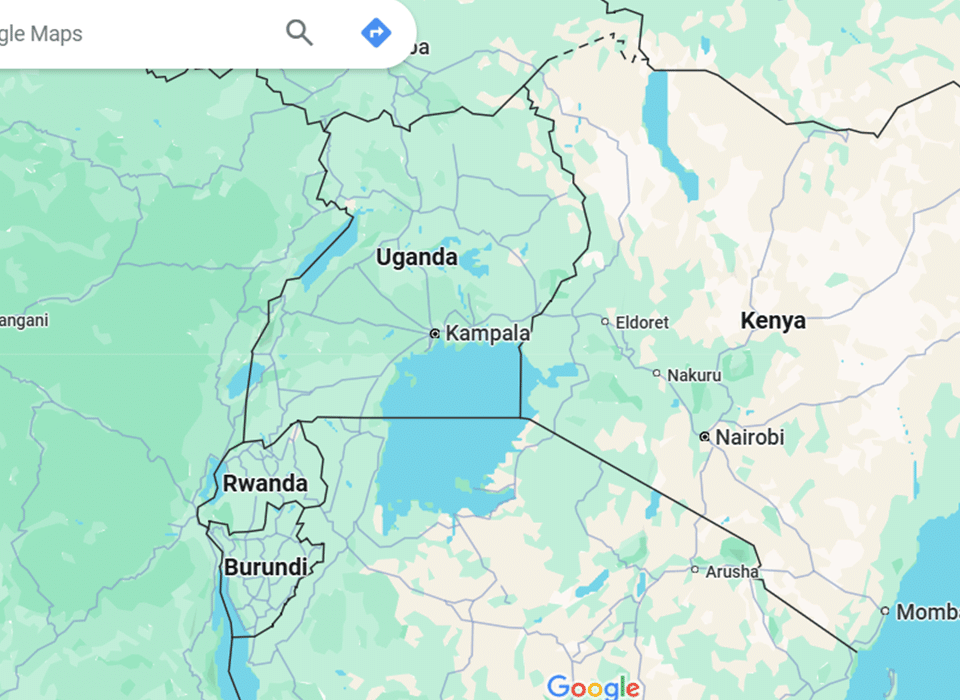
Kenya can form one half of a highly varied East African journey. The Mara pairs naturally in travelers’ imaginations with Tanzania’s Serengeti, because the two share a larger wildlife ecosystem. However, visiting both countries requires careful routing; game-drive roads do not necessarily connect directly across the border at the point you expect. A specialist can advise whether flying or traveling via established border routes suits your dates and budget.
Another distinctive combination pairs Kenya’s big cats with forest primates. Uganda safaris can add chimpanzees and mountain gorillas, while Rwanda safaris offer another route into highland primate habitats. These experiences use permits, trekking arrangements and different accommodation sectors, so confirm availability before fixing the rest of the trip. Compare gorilla trekking in Uganda and Rwanda on the basis of total routing, comfort, costs and accessibility rather than permit price alone.
A multi-country trip is most effective when each destination adds a genuinely different experience. If you have only a week, one excellent Kenya circuit is often wiser than three countries and continual transfers. With two weeks or more, Kenya and a primate-focused extension can become a memorable contrast between open plains and forest trails.
Create a Multi-Country Wildlife Adventure
Share your dates, interests and preferred comfort level for a personalized itinerary designed around realistic transfers.
Email: info@ugandarwanda-safaris.com
Visitors interested in rainforest wildlife can look at gorilla trekking locations before choosing a second country. A dedicated Uganda gorilla trekking safaris itinerary usually requires advance permits and separate forest logistics, so it should be planned as a substantial extension rather than a day trip.
For a more diverse Uganda extension, Queen Elizabeth National Park combines game viewing with waterways, and Kibale Forest National Park is known for chimpanzee tracking. If great apes are your central goal, Bwindi Impenetrable Forest is a major mountain-gorilla destination; allow enough days to make these places worthwhile.
A specialist chimpanzee trekking safari calls for a different pace from Kenya’s vehicle-based wildlife viewing. Rwanda-bound travelers may also consider Lake Kivu as a slower lakeside finish after highland trekking.
A Realistic Kenya Safari Planning Checklist
Start by writing down your three most important experiences. If migration crossings are first, center the route on the Mara and choose dates accordingly. If elephants against mountain scenery are essential, give Amboseli sufficient time. If beach relaxation matters equally, select the coast before locking in internal flights. These decisions prevent a trip from becoming a collection of unconnected attractions.
Next, check the exact locations of camps, transfer times, number of game drives, group size, vehicle arrangement and park or conservancy permissions. Confirm whether optional experiences such as a balloon flight, guided walk or boat excursion are available and included. Compare two or three proposals on identical inclusions rather than by package price alone. Ask operators for a day-by-day itinerary that states realistic travel time.
Finally, recheck entry rules, flights, park conditions, weather expectations, travel insurance and health advice close to departure. Prepare a small daypack with binoculars, a refillable bottle, sunscreen, documents and a warm layer. A flexible itinerary that leaves room for unplanned sightings is usually more rewarding than a rigid schedule that treats every animal as an appointment.
Frequently Asked Questions About Kenya
Is Kenya a good destination for a first African safari?
Yes. Kenya has established game-viewing circuits, professional guiding and many accommodation choices. A first-time traveler can spend several days in the Mara, add a contrasting park and still leave time for recovery. Choose quality time in wildlife areas rather than excessive hotel changes.
When can I see the Great Migration in Kenya?
Herds are often in the Mara ecosystem during part of the July-to-October period, but exact movement and river crossings depend on rainfall and grazing. Book multiple nights and value resident wildlife as well. No operator can guarantee a crossing.
Can I combine a Kenya safari with beach time?
Yes. Diani, Watamu, Mombasa and Lamu all offer different coastal experiences. Consider your preferred beach atmosphere, marine activities, local seasonal winds and the actual flight or road connection from the final safari stop.
How much time do I need for Kenya?
About seven to ten days is a useful starting point for a varied first visit. Four or five days can work for one focused safari, while two weeks opens up more options for the north, highlands or coast without constant rushing.
Do I need a visa or electronic travel authorization?
Requirements depend on nationality, residence and exemptions. Check Kenya’s official immigration and eTA services shortly before travel rather than relying on a generic statement that every visitor needs the same document.
Make Kenya Your Next Great African Journey
Tell us your dates, travel party, wildlife priorities and ideal level of comfort. We can help you shape a practical Kenya itinerary with the right mix of safari and coast.
Email: info@ugandarwanda-safaris.com