
Rwanda Gorilla Trekking: Is It Overrated?

Rwanda Gorilla Trekking: Is It Overrated?
Rwanda Gorilla Trekking offers a rewarding way to explore Volcanoes National Park, Rwanda when the route, people and expectations are planned carefully. This guide explains practical choices, responsible visitor conduct and the questions worth asking before booking. Conditions and official fees can change, so confirm time-sensitive details close to travel.
Rwanda Gorilla Trekking: planning essentials
Plan with confidence
Weighing Rwanda gorilla trekking value
Compare permit cost, travel efficiency and experience versus expectation when planning this particular experience. The details below address the choices travelers encounter most often.
Permit cost
Rwanda’s standard foreign-visitor gorilla permit is a major expense; confirm the current category and tariff before comparing.
Travel efficiency
Volcanoes National Park can be reached from Kigali more quickly than many Uganda gorilla sectors, which may suit short trips.
Experience versus expectation
A wild gorilla encounter remains unpredictable; premium lodging does not alter ranger rules or guarantee cinematic sightings.
What makes this experience distinctive
The best starting point for Rwanda gorilla trekkingis to choose the outings travelers value most. An impressive travel plan can nevertheless disappoint if it asks people to rush past the part they came to see. Rwanda’s premium permit fee attracts scrutiny, but value depends on travel time, budget and personal priorities. This makes the way the day is organized more crucial than a packed sightseeing schedule. Make space in the day to arrive, receive instructions and take in the setting without cramming every spare moment into another excursion.
A good plan is measured by what it makes possible, not just how many names appear on paper. A traveler should also ask what is actually optional, since the practical value of an extra stop depends on the time available and the interests of the group. An unhurried explanation from a local guide often gives more context than a fast transfer between unrelated attractions.
Before weighing packages, list the main activity, a manageable daily rhythm and the dates that genuinely work. For Volcanoes National Park, Rwanda, small logistical decisions often carry a larger consequence than another luxury upgrade. A guide can explain the trade-offs, but the traveler should know whether the main interest is close wildlife observation, peaceful scenery, photography or a cultural encounter. This creates a clear basis for choices and helps avoid paying for experiences that do not match the interests of the people traveling.
Location, access and the correct starting point
Geography affects the logistics that a map marker does not reveal. In Volcanoes National Park, Rwanda, a place name may describe a whole landscape rather than one entrance gate or meeting point. A single well-planned activity can be more rewarding than two hurried ones. Ask for the specific meeting point, the lodge location and the expected conditions of the last stretch of the transfer. A published travel estimate can be accurate for a town yet misleading for the final trailhead.
Keep separate approximations for the main highway, the smaller road and the last transfer so there is no surprise on the activity morning. A written confirmation is particularly useful for people organizing a journey from overseas. It creates a common understanding of the departure point, local contact, services included and decisions that still need to be made before the trip.
A useful map should show the night before the main outing, not just the airport and park boundary. Varied approaches can mean distinct road surfaces, weather exposure and times of day. For Rwanda gorilla trekking, verify whether the proposed base is chosen for convenience or simply because a room is available. In many cases it is wiser to stay close to the correct starting point and enjoy an unhurried breakfast than to pay less for a distant bed and begin the important day exhausted.
From the field

Seasonal conditions and when to go
Rainfall does not always rule out a landscape to travelers, but conditions can change substantially. The standard international gorilla permit is listed at US$1,500, substantially above Uganda’s commonly listed US$800. In forest country, wet foliage, slippery roots and mist may affect walking, while savannah areas can be greener and more atmospheric. Dry periods tend to make transfers easier, but they are also popular and may raise places to stay demand. The relevant question is not whether one month is universally best. It is which combination of comfort, availability and wildlife interest works for your dates and financial plan.
When planning Rwanda gorilla trekking, consider typical seasonal conditions as a guide rather than a certainty about any single week. Build a realistic buffer into long transfers and avoid tightly connecting an outdoor excursion with an international flight. For keen photographers, expect changing light throughout the day and keep equipment protected. If walking comfort matters most, be ready for wet conditions even outside the usual rainy seasons, because tropical and mountain weather rarely follows a neat itinerary.
Where arrangements rely on a weather window or wildlife activity, keeping the following hours flexible avoids unnecessary disappointment. The strongest itineraries protect the essential experience and treat every extra activity as a genuine choice rather than an obligation.
What is included—and what is not
A booking is valuable only when it states precisely what has genuinely been reserved. Confirm the actual meeting point rather than relying on a town name. A wildlife permit, a vehicle booking and a hotel confirmation are distinct confirmations, each subject to its own conditions. Ask which items are confirmed, which are requested and which can still change. Verify thoughtfully the date, participant details, park or sector and the cancellation terms. This is especially crucial when scarce outing permissions must be matched with rooms and transport over several days.
For Rwanda gorilla trekking, the operator should be able to explain the practical consequence of a changed flight, delayed arrival or missed briefing. Ask whether the quote includes entry fees, local guides, equipment, meals and tips, and keep a written version of the answer. Do not assume a premium package means every activity is private. Protected-area visits may be organized under common rules even when ground transport and lodging are exclusive to your party. Responsible travel also asks how the experience supports the people and landscapes visited. Paying for knowledgeable local guidance, following access restrictions and allowing time to listen can be more meaningful than adding a hurried attraction to the schedule.

How expert guiding changes the experience
Skilled guides do more than identify a species or point toward a view. The drive from Kigali to the Volcanoes area is shorter than many Entebbe-to-Bwindi road itineraries. They assess the local circumstances, explain the purpose of conservation rules and coordinate the small decisions that keep an itinerary realistic. Ask whether a specialist ranger, driver-guide and community host are separate roles. Where park staff control the excursion, the private tour guide may coordinate the day but not lead the protected-area encounter itself. Understanding those responsibilities avoids unrealistic expectations.
When comparing Rwanda gorilla trekking packages, ask for the actual experience of the people who will work with the group. Straightforward discussion helps: an expert should be willing to say that a sighting is uncertain, that a road may be slow or that an activity requires separate payment. These are signs of realistic service rather than shortcomings. Travelers can help by describing their interests and limits early, leaving guides free to adapt the day without last-minute pressure.
How to plan the experience
For weighing rwanda gorilla trekking value, the sequence below helps you place the most important arrangements before the optional additions.
Best for
Travelers prioritizing shorter road transfers and a compact high-comfort itinerary.
Consider Uganda
Travelers comparing multiple gorilla sectors, broader safari combinations or different total budgets.
Ask before buying
What exactly does the permit include, and what additional costs are excluded?
Choosing the right overnight base
For a practical comparison of overnight bases, review Accommodation before confirming the travel route.
An attractive nearby property may not be the most useful base for the schedule. The season affects conditions but does not guarantee any wildlife encounter. Examine the address, road access, meal timing, quietness, heating or cooling needs and available transfer plans. A room with a beautiful view can still be inconvenient if it adds a difficult predawn drive. Conversely, a modest property close to the correct departure point may be the smartest choice for a physically demanding outing. Confirm the included services rather than relying on broad labels such as luxury.
Ask for the booked activity date, contact telephone number and transport arrangements in the same written itinerary. For rwanda gorilla trekking, identify who will meet you, where that person will wait and what you should do if a connection changes.
For Rwanda gorilla trekking, Places to stay choice needs to match the pace of the journey. Think about whether guests need an early packed breakfast, a place to dry clothing, reliable charging points or a comfortable afternoon after a lengthy outing. Couples may prefer privacy; groups may prioritize shared space and coordinated meal service. If the lodge is remote, check how the staff will respond to travel delays and whether the next day’s logistics are confirmed.
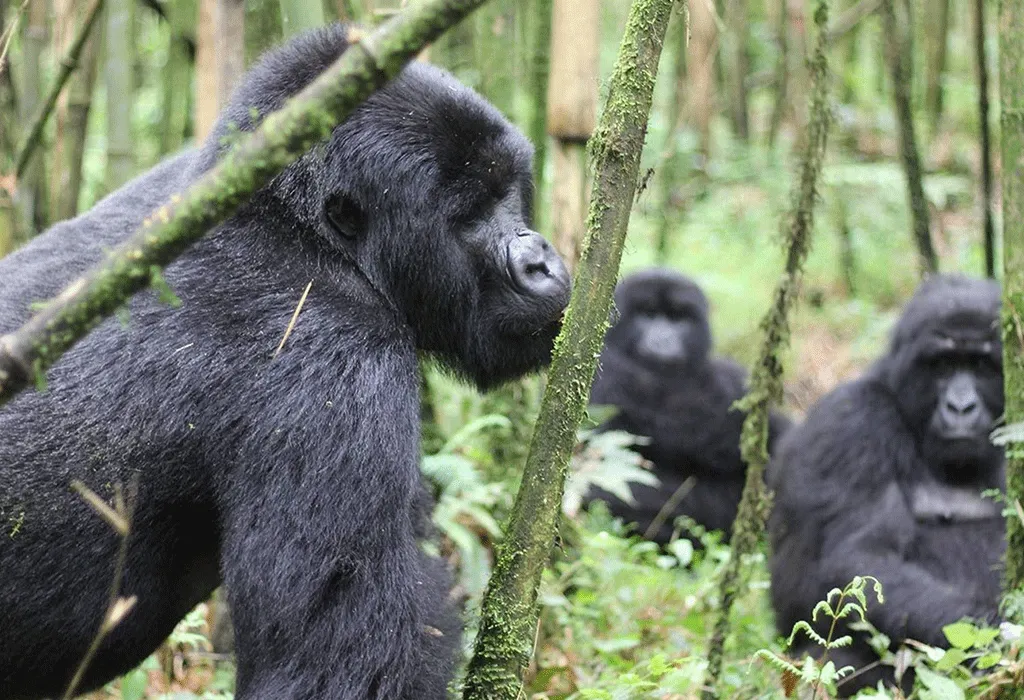
What to pack for this trip
Rwanda Gorilla Trekking: what to expect on the day
Your packing list should suit the actual setting, the actual conditions, not advertising imagery. The one-hour observation limit is set by wildlife management, not the lodge price. Forest walks call for protective clothing and grip; long road transfers reward light layers and a small day bag; wildlife photography requires weather protection as well as a useful lens. Guests should ask what equipment is supplied and what must be brought independently. A rental or porter service can help, but it should be booked rather than assumed available at the last minute.
A traveler should also ask what is actually optional, since the practical value of an extra stop depends on the time available and the interests of the group. An unhurried explanation from a local guide often gives more context than a fast transfer between unrelated attractions.
For Rwanda gorilla trekking, prioritize comfortable footwear, sun and rain protection, identification, a small medical kit and a way to keep records dry. Avoid taking more technology than you can manage during an active outing. When battery charging or internet service may be limited, plan accordingly. Pack expensive items safely on shared transfers. You do not need to buy specialized gear for every achievable activity; it is to carry a sensible kit that works for the booked plan.
Taking better photographs responsibly
The most meaningful pictures often come from noticing the surroundings instead of chasing a perfect pose. The written confirmation should distinguish included services from optional extras. Dim light, changing wildlife positions and showers are common challenges in East African habitats. Know your camera before departure, test simple settings and keep lenses protected from moisture. Do not use flash or disruptive behavior where park guidelines prohibit them. A clear view is never worth standing where a ranger has asked visitors not to stand.
Carry an offline copy of the booking documents, since mobile coverage can be unreliable away from the main towns. On a journey through Volcanoes National Park, Rwanda, a practical contact plan matters as much as the sightseeing timetable.
Travelers planning Rwanda gorilla trekking should consider whether photography is their main priority or one part of a wider holiday. This affects the number of nights, guide briefing and amount of spare time required. Carry spare batteries, but do not spend the entire outing looking at a screen. Ask permission before photographing local people, and avoid treating cultural visits as informal photo shoots. Respect makes both the memory and the resulting pictures better. For rwanda gorilla trekking, respectful visiting starts with following the rules established by local guides and protected-area managers. Rather than adding another long drive, consider a locally guided short walk or a well-timed rest period where permitted.
A closer look

Expenses to check before payment
A headline trip price rarely tells the whole story. Rangers assign groups based on daily conditions and cannot promise an easy route. Evaluate fees, rooms, meals, transport, permits, optional walks, tips and any required specialist equipment. Ask whether costs are per person or per vehicle, and whether a quoted rate assumes two guests sharing a room. Currency changes and updated park tariffs can influence the final total. An itemized proposal should make these possible adjustments understandable before a nonrefundable deposit is paid.
For Rwanda gorilla trekking, a helpful budget has three levels: essentials, optional comforts and contingencies. Essentials keep the core outing feasible. Comforts may include a private vehicle, upgraded accommodation or an extra rest day. Contingencies cover delayed flights or changed plans. Do not spend every spare dollar upgrading the lodge while leaving no flexibility for a disrupted transfer. The cheapest option and the most expensive option are both poor values if they ignore the way people actually want to travel.
Reserve a buffer after activities that depend on aircraft conditions, ranger decisions or the movement of wildlife. For rwanda gorilla trekking, confirm the one non-negotiable experience first and build the rest of the route around it.
Health and safety preparations
The right safety preparation varies by guest and itinerary. A long road transfer deserves its own realistic time allowance. A medical professional can advise on vaccinations, malaria prevention, altitude concerns and medication based on personal history. Travel insurance should be checked for the exact activities being booked, particularly walking in remote areas. Follow official entry and disease-control updates instead of relying on a dated packing list. Before departure, leave a copy of key documents and emergency contacts with someone trusted.
During Rwanda gorilla trekking, follow the guide’s local instructions about wildlife distance, road travel and staying with the group. Do not conceal illness before visiting vulnerable primates. Build hydration and rest into demanding days, and tell the guide early if someone is struggling. A good itinerary gives visitors permission to opt out of a strenuous extra excursion without feeling that they have spoiled the holiday. Safety and enjoyment should reinforce each other. A community visit should be by invitation or through an agreed local program, not an unplanned stop at a private home. Ask your host which activities genuinely benefit nearby residents and what contribution is included in the booking.

Accessibility and different fitness levels
Different travelers can or wants to travel at the same pace. Gorillas live freely, so no destination guarantees a perfect photograph. Before booking, describe actual mobility needs, not just broad words such as senior or fit. Ask about steps at the lodge, walking surfaces, vehicle access and the distance between accommodation and the departure point. Some areas have porter or carried-chair services, but availability and suitability fluctuate. These arrangements must be verified individually; they cannot be promised by a generic article.
Compare the extra activity with the time required for meals, rest and transfer to the next overnight stop. With rwanda gorilla trekking, leave time for the guide to explain what you are seeing rather than treating each stop as a photo opportunity.
For Rwanda gorilla trekking, thoughtful planning might mean splitting outings between members of a group, arranging extra rest or changing the overnight location. Families with children should verify minimum ages for each protected-area outing rather than assume all tours share one rule. A well-designed journey makes space for distinct preferences and abilities while keeping the group’s main goal achievable. The best choice is the one that is safe and easygoing for the actual guests.
A sensible day-by-day rhythm
Begin with an arrival day that allows time for transport, accommodation check-in and a clear briefing about the next morning. People differ in stamina, comfort and tolerance for uncertain schedules. Place the most important activity on a date that has been confirmed, then build the surrounding days to support it. A physically demanding outing deserves a flexible evening. A later scenic or cultural visit can add depth, but it should not pressure the group to rush.
Where an international flight is involved, preserve a transfer buffer rather than planning every minute around the advertised schedule. Before departure, compare the itinerary version with your permits, room reservations and the latest transport details. List what is already paid for and what must still be settled locally, including any optional activities.
For Rwanda gorilla trekking, the ideal pace is not necessarily the shortest duration sold online. Some holidaymakers can manage a compact itinerary; others benefit from an extra night to enjoy the lodge or adapt to conditions. Compare the number of nights with the number of true outing windows. A longer trip that leaves space for weather shifts and rest frequently offers more value than a tightly packed circuit in which one delayed arrival disrupts everything.
Questions to ask before paying
A compact list of clear questions is preferable to a lengthy exchange of vague promises. Some visitors value Rwanda’s concentrated short-trip logistics; others prefer Uganda’s broader wildlife circuit. Ask which activity permits have actually been secured, the exact place of reporting, the name or standard of accommodation and the planned transport. Confirm whether charges are refundable or transferable, especially when the journey involves a wildlife permit. Request the schedule in writing, including what happens if a planned excursion cannot proceed safely.
Remove any optional visit that would force an early departure or an arrival after dark on a challenging route. A single thoughtfully chosen activity can be preferable to several rushed visits that offer little time for questions.
When scheduling Rwanda gorilla trekking, read the exclusions just as carefully as the inclusions. Clarify tips, visa expenses, personal purchases, optional visits and any private guiding supplement. Verify whether the operator will assist during an airport delay and whether there is a local emergency contact. A credible provider should answer without inventing guarantees about animal sightings, perfect weather or a fixed walking duration.

Common planning mistakes
One frequent mistake is choosing rooms before confirming the main outing location. Free-ranging wildlife changes its location without regard for a visitor itinerary. Others include underestimating travel times, assuming permits cover unrelated outings and overlooking the physical demands of forest trails. A polished brochure can hide these particulars. Holidaymakers should verify each one because last-minute changes are expensive, especially during busy seasons. A travel plan that looks less impressive on paper may actually produce the calmer, more satisfying holiday.
Another preparation trap with Rwanda gorilla trekking is treating every optional outing as essential. The result can be repeated early mornings, extended road days and little time to appreciate the places visited. Make one or two experiences nonnegotiable and leave the rest flexible. Avoid a schedule that depends on an animal being in a particular location or a mountain flight operating in any weather. Realism is the basis for a successful adventure. When visiting Volcanoes National Park, Rwanda, respect local photography preferences and avoid disrupting wildlife or community activities. A calm viewing pace helps reduce pressure on guides to break park rules in search of a better photograph.
Questions to settle before you book
These are practical decisions for rwanda gorilla trekking in Volcanoes National Park, Rwanda, not assumptions that every operator, season or traveler is the same.
What should be confirmed before choosing dates?
Rwanda’s premium permit fee attracts scrutiny, but value depends on travel time, budget and personal priorities. Treat this as a question for the operator before paying, especially when a ranger briefing, flight, community host or park gate controls the timetable. A well-structured schedule makes the reason for each stop clear and gives visitors a way to compare two itineraries on equal terms.
How much time should the central experience receive?
The standard international gorilla permit is listed at US$1,500, substantially above Uganda’s commonly listed US$800. Leave a margin after the main outing so that a late finish does not immediately put the next transfer at risk. Travelers often remember the unhurried moments after an activity as vividly as the headline event itself.
Which details are worth comparing between offers?
The drive from Kigali to the Volcanoes area is shorter than many Entebbe-to-Bwindi road itineraries. Ask for the exact service, departure point and local contact in writing, rather than relying on a broad package label. The right question is not simply which offer costs less, but which essentials are included and which remain uncertain.
What could change the day’s plans?
The one-hour observation limit is set by wildlife management, not the lodge price. Rain, access conditions and operational decisions can all matter. A flexible plan protects the quality of the visit without promising a specific outcome. An experienced guide should describe these limits plainly, rather than treating the original itinerary as a guarantee.
How should a first-time visitor prepare?
Rangers assign groups based on daily conditions and cannot promise an easy route. Prepare according to the actual terrain, activity length and season. Comfortable clothing and a practical personal kit usually matter more than extra gadgets. This preparation can reduce avoidable discomfort while leaving the experience adventurous and authentic.
Which choices support responsible travel?
Gorillas live freely, so no destination guarantees a perfect photograph. Choose local providers who explain park rules, respect communities and avoid misleading guarantees about wildlife or cultural access. Such arrangements help protect the location and make the encounter more respectful for hosts and guests.
Where should the overnight stay be based?
Some visitors value Rwanda’s concentrated short-trip logistics; others prefer Uganda’s broader wildlife circuit. Use the correct trailhead, airstrip or activity meeting point to choose lodging; the nearest well-known town may not be the most convenient base. An early start is easier when the night before is planned around the actual meeting point.
What is a sensible alternative if plans change?
Conservation financing and community impacts are relevant when judging the permit rather than cost alone. Ask which paid activities are refundable, whether a substitute is possible, and how the change would affect transport and accommodation. It is better to understand the fallback before departure than negotiate important terms during an unexpected delay.
Choose an itinerary that fits your travelers
A successful plan for value, conservation and permit prices depends on matching real interests, available time and travel conditions.
A practical checklist
In the days leading up to travel, verify the weather forecast, official travel guidance and confirmed meeting points. Conservation financing and community impacts are relevant when judging the permit rather than cost alone. Store papers where they are easy to reach, verify luggage allowances and verify that the guide has the correct contact details. If a remote lodge will be expecting a late arrival, notify it rather than assuming reception will remain open. Pack medication and essential documents in a personal bag that stays with you.
On the evening before the main Rwanda gorilla trekking excursion, prepare clothing, water and camera batteries. Ask the guide when to be ready and how breakfast will work. Verify that any porter or accessibility arrangement is confirmed. In the morning, leave enough time for unexpected road conditions and listen thoughtfully at the briefing. These small habits do not remove every uncertainty, but they prevent many avoidable problems from distracting from the trip. Keep the next major connection separate from any outing whose finish time depends on the terrain or weather. If an optional stop adds pressure without improving the trip, remove it and use the time for recovery or photography.
Final advice for a smooth trip
Pick the outing first and fit the travel framework around it. The ranger team controls access, wildlife distances and responsible visitor behavior. A good operator should make the permit, travel route, lodge and day-by-day pacing work together rather than sell each piece independently. Recheck important details close to departure, particularly prices and travel requirements that can shift. Keep plans ambitious enough to be memorable but flexible enough to accommodate weather and human energy.
The central lesson of Rwanda gorilla trekking is simple: thoughtful preparation makes room for discovery. Build a journey with dependable logistics, straightforward expectations and respectful relationships with local guides and hosts. Do not confuse packed schedules with quality or expensive upgrades with exclusive wildlife access. When the essentials are secure, the most rewarding moments frequently arrive naturally, without being promised in advance.
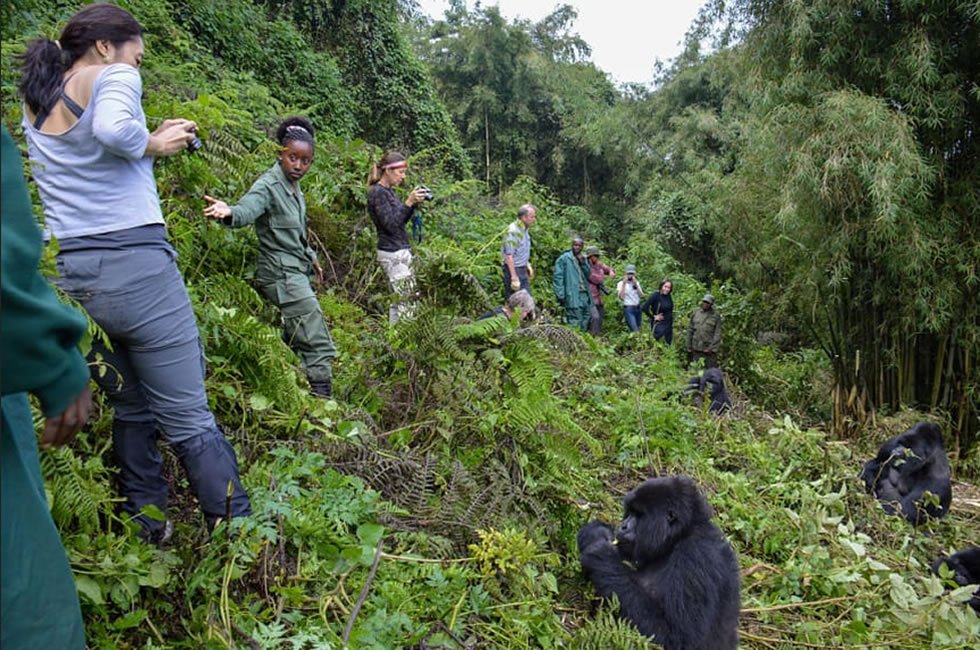
Frequently asked questions
Is Rwanda overrated for everyone?
No. Value depends on travel time, available budget and priorities.
Does the higher permit price guarantee more gorillas?
No. Gorilla encounters follow conservation rules and wildlife movements.
Does price include a private ranger?
Not generally. Check actual permitted inclusions instead of assuming exclusivity.





