Gorilla Trekking in Rwanda: 7 Amazing Ultimate Tips

Gorilla Trekking in Rwanda: The Complete Travel Guide
Gorilla Trekking in Rwanda is one of Africa’s most remarkable wildlife experiences: a guided walk into the misty Virunga mountains, followed by a carefully managed hour near a habituated mountain gorilla family. The experience takes place in Volcanoes National Park in northwestern Rwanda, a protected landscape of bamboo forest, volcanic slopes and high-altitude vegetation. The encounter is powerful precisely because it happens on the animals’ terms. Visitors travel with trained rangers, follow conservation rules and accept that every gorilla family moves freely through its habitat.
This guide explains where to trek, how to arrange Rwanda gorilla trekking permits, what the day feels like, how much to budget and which travel seasons suit different visitors. It is written for travelers comparing a short Rwanda escape with longer East African journeys. You will also find practical advice about physical preparation, photography, accommodation, health considerations and meaningful conservation. Booking the right permit before fixing flights matters more than choosing the fanciest lodge or collecting a long list of optional excursions.
Gorilla Trekking in Rwanda: Quick Facts and Essential Decisions
The trekking location is Volcanoes National Park, reached through the Musanze and Kinigi area north of Kigali. Rwanda’s tourism board describes up to twelve habituated groups available for tourism, with a maximum of eight visitors assigned to each group on a given day. A normal permit includes professional park guidance and up to one hour with the gorillas after they are found. The hike before that encounter varies widely, so the experience requires both emotional enthusiasm and practical flexibility.
The published standard international permit is US$1,500 per adult. There are different rates for certain nationality and residency categories, but these depend on proof of eligibility and date-specific rules. The official booking page lists the minimum trekking age as fifteen years and a morning meeting time of 7:00 a.m. You should not expect to purchase entry casually at the trailhead. Buying an official gorilla permit in advance is the first firm step in any realistic itinerary.

Why Gorilla Trekking in Rwanda Appeals to First-Time Visitors
Rwanda has a convenient capital-to-park route compared with some longer regional drives. You can arrive at Kigali International Airport, travel north through a landscape of green hills and spend the night close to the morning briefing point. The official tourism itinerary describes the journey as about three hours, although traffic, breaks and weather can change the actual time. This relative accessibility lets a traveler build a concentrated two- or three-night trip without combining several distant national parks. A shorter route should never be confused with an automatically easy trek once inside the forest.
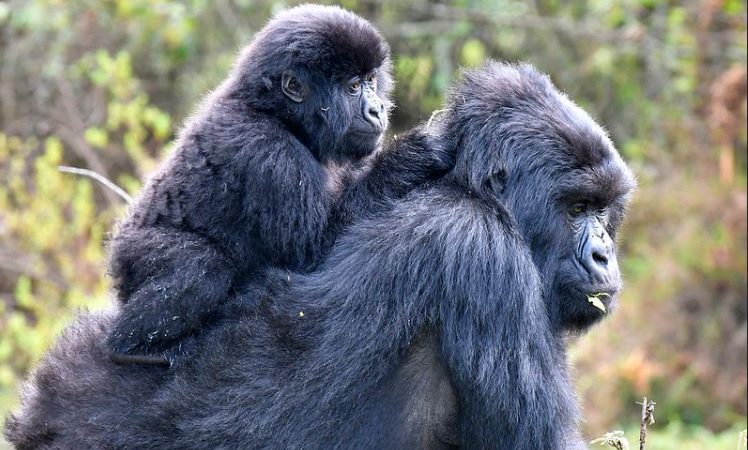
The strongest appeal is the intimacy of watching wild gorillas behave naturally. The silverback may be resting, young animals may be playing, or a family may be feeding while partially hidden in vegetation. No ethical company can choreograph the behavior or promise a particular photographic composition. Our Rwanda gorilla overview is useful background, but seeing the animals respectfully is very different from viewing them in a documentary. Time slows down when everyone becomes quiet and listens to the ranger explain what is happening nearby.
Where Does Gorilla Trekking Take Place in Rwanda?
All standard tourist gorilla treks in Rwanda are conducted in Volcanoes National Park, part of the Virunga massif near the borders with Uganda and the Democratic Republic of the Congo. The mountains rise above farms and villages, and the vegetation changes rapidly as the trail climbs. The park protects a mosaic of bamboo, montane forest, heath and volcanic habitats. This is not an open-vehicle safari: guests walk into a changing mountain landscape with experienced park staff, sometimes starting from trailheads reached after a drive from Kinigi.
The protected area is also known for golden monkeys, birdlife, conservation history and volcano scenery. The Volcanoes National Park gorillas are the central attraction of this protected mountain gorilla habitat, but an extra day can reveal a much richer picture of the ecosystem. Visitors interested in conservation can learn how ranger protection, monitoring and nearby communities contribute to the continued survival of an endangered great ape. An itinerary that allows time for the surroundings often feels more satisfying than one arranged only around the hour of viewing.
Understanding Gorilla Families and Trek Allocation
Gorilla families have names and recognizable histories, but they do not stay beside a fixed observation platform. Trackers monitor their movements and park staff organize groups each morning. You may hear about famous families online, but requesting a named group does not constitute a confirmed assignment. The final decision is made through the park’s operational process, considering the families’ locations and the needs of all visitors. A guide can relay your mobility concerns; they cannot responsibly guarantee an easy family or a specific individual gorilla.
The gorilla families of Rwanda vary in size, behavior and the landscapes they use. Some days a group might be located relatively near a trail; on others it is deeper into the forest. Trekking duration therefore changes even between visits to the same family. Focus on arriving prepared for a moderate-to-demanding outdoor walk rather than memorizing historical family descriptions. Listening to the lead ranger and respecting group pace are essential throughout the day.
Rwanda Gorilla Trekking Permits: Costs, Categories and Booking
The official Rwanda Development Board portal lists a US$1,500 standard rate for international foreign visitors. Its published 2026 table also shows promotional rates of US$500 for certain African citizens or eligible foreign residents and US$200 for Rwandan and East African citizens. Crucially, the portal states that these promotional rates are not applicable from June through October 2026. Future rules may differ. Eligibility documentation is verified at the park, so travelers must confirm the exact category, period and supporting papers before payment.
Make Your Rwanda Gorilla Trek Personal
Share your preferred dates, group size and comfort level for a detailed itinerary subject to confirmed permits.
A permit is an authorization for a particular date, not an all-inclusive holiday. It does not automatically include airport transfers, a safari vehicle, accommodation, meals, insurance or a porter. The Volcanoes gorilla permit booking process should come before nonrefundable flights, especially during busy holiday periods. A reputable operator may manage the application on your behalf, but ask for evidence of an issued permit rather than treating a preliminary quotation or reservation request as confirmation.
How to Secure Your Permit Without Mistakes
Choose your trekking date, verify availability through the official Rwanda Development Board system or an established tour operator, and submit the required identity details carefully. Passport names and identification should match the documents you will actually carry. Incorrect visitor categories or expired supporting paperwork can result in refusal at the park gate. Do not rely on a screenshot of an informal conversation or a promise to obtain permits later. Keep a secure copy of the booking confirmation and verify the reporting location with your guide before traveling north.
Read the fine print on Uganda permits only if you are also comparing destinations; the Ugandan procedure is not interchangeable with Rwanda’s. For Rwanda, use the Rwanda Development Board’s own terms. Ask how changes, cancellations, medical illness and booking errors are handled. Policies can vary by the circumstance and might not provide the refund a visitor expects. The safest approach is to settle the major booking rules in writing while you still have the flexibility to adjust flights and hotel reservations.
What Is Included in the Rwanda Gorilla Trekking Cost?
The permit is normally the largest fixed line in a gorilla-centered holiday, but total spending depends on the number of nights, lodge level, private vehicle, group size and optional activities. A simple guesthouse near Musanze can make a short journey more affordable than a premium property beside the mountains. Both travelers join park-managed gorilla tracking under the same conservation framework. The choice of hotel affects comfort and logistics, not the number of minutes permitted beside a family or the ability to control the wildlife.
When reviewing a quote, ask for a breakdown of permit fees, local transport, accommodation, meals, guide service, drinking water, porter costs and tips. The Rwanda and Uganda gorilla permit comparison is helpful for understanding regional price differences, but not a substitute for an itemized proposal. Hidden exclusions can make a cheap headline price misleading. Choose a transparent itinerary that explains who will meet you at the airport, where you will sleep, and what happens if a flight delay changes your arrival day.
What Happens on a Gorilla Trekking Day?

Expect an early breakfast and a drive to the designated park meeting area around Kinigi. You will check in, attend a ranger briefing and learn about distancing, health rules and conduct around gorillas. Small groups then travel to appropriate trailheads and begin walking with authorized guides and trackers. The pace follows the terrain, weather and group needs. Your driver should confirm the meeting time and location the night before, and your lodge should be able to arrange breakfast early enough for a calm start.
The forest changes from open edges to thick bamboo, tangled plants and steeper sections. Rain may fall even during relatively dry periods, and volcanic earth can become slippery underfoot. Some trails involve steps over roots or through wet vegetation, while others offer more manageable inclines. Details about gorilla trekking difficulty matter because the word “trek” can cover a wide range of real experiences. Bring water, take short breaks when permitted and let the guide know promptly if you are struggling.
The One-Hour Encounter With Mountain Gorillas
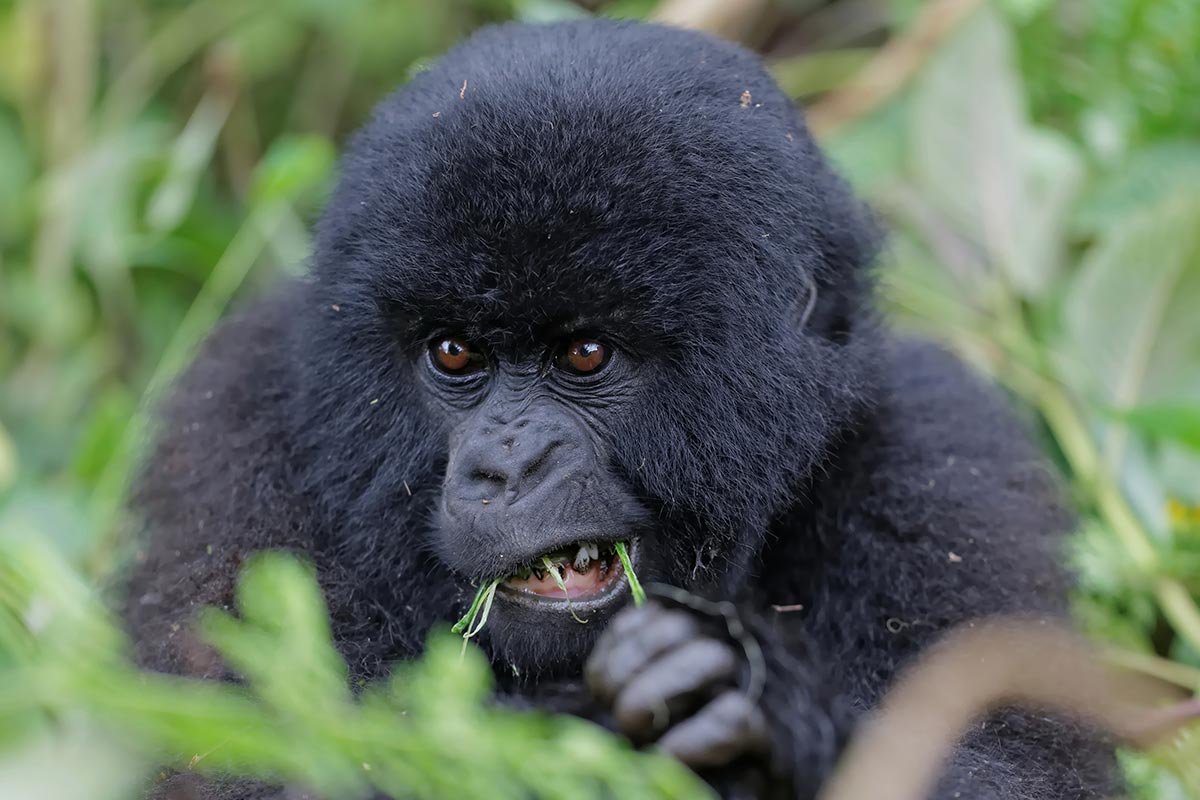
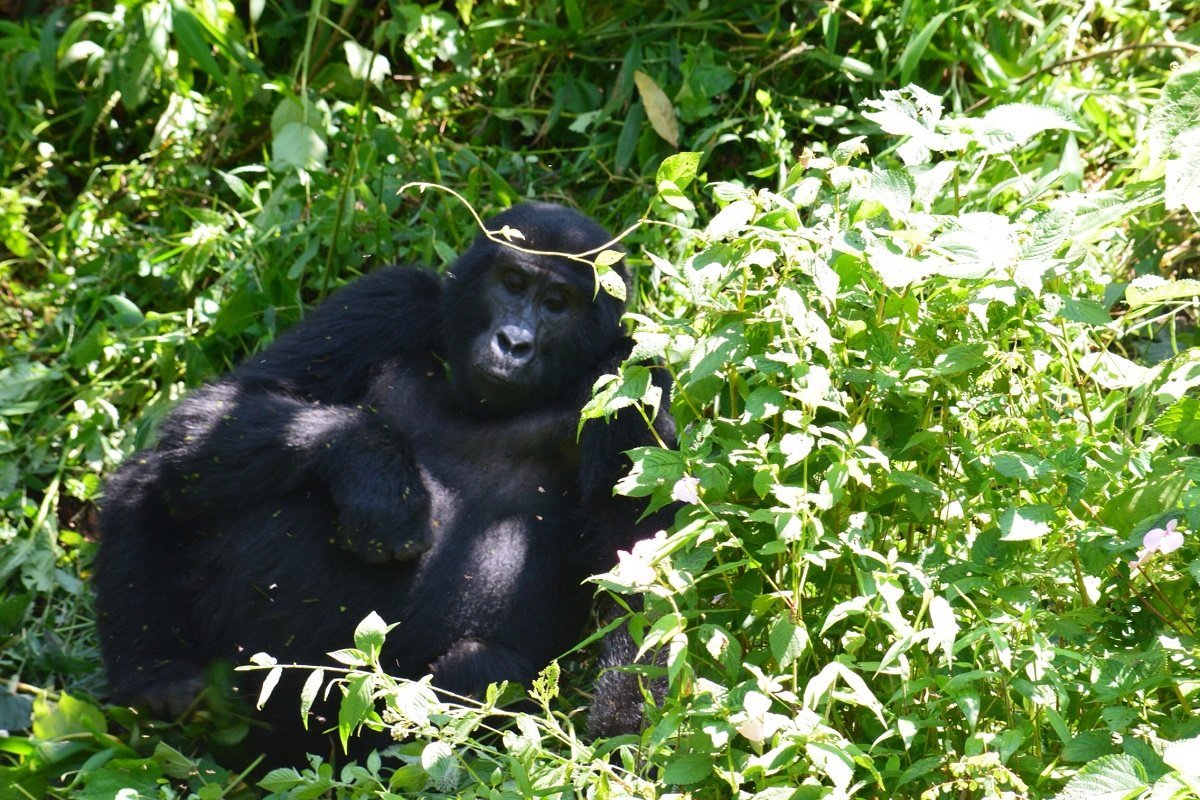
Once trackers locate the assigned family and the rangers say it is safe to proceed, visitors prepare cameras and leave unnecessary bags where instructed. The viewing period is limited to one hour. That hour may include a silverback quietly feeding, infants exploring or group members moving through foliage. You cannot choose the animals’ position or ask the ranger to stage an encounter. The mountain gorilla trekking experience works best when visitors remain calm, keep their voices low and allow natural behavior to unfold without interference.
Respect the required separation distance and follow any additional ranger direction when a gorilla moves closer unexpectedly. Do not touch an animal, attempt a selfie beside it or block its route. Flash photography is prohibited. If instructed to crouch, remain still or step back, act promptly. These rules protect visitors and reduce disturbance and disease exposure for the gorillas. Once the hour is over, you hike back with the group; the return may take substantial time, so avoid scheduling a tightly timed afternoon transfer.
How Long Will the Whole Excursion Take?
No responsible itinerary guarantees a precise end time. The outward hike may be short or may take several hours, depending on the family’s location and trail conditions. Add the viewing hour, rest stops and the return walk, and you can understand why a full morning or much of the day should be protected for the activity. The time needed for gorilla trekking is one of the most important questions for travelers planning a same-day flight or another scheduled excursion.
Reserve a relaxed afternoon and allow your guide to judge whether a short cultural stop is realistic. Many visitors feel pleasantly tired after the trek and prefer to shower, enjoy a leisurely meal or review photographs from their lodge. Trying to fit in a strenuous volcano climb the same afternoon often diminishes both experiences. If you are doing a two-day visit, an extra night around Musanze can be worth more than an ambitious list of attractions with no room for delays.
Make Your Rwanda Gorilla Trek Personal
Share your preferred dates, group size and comfort level for a detailed itinerary subject to confirmed permits.
Best Time for Gorilla Trekking in Rwanda
Gorilla trekking operates throughout the year, so the right season depends on how you balance trail conditions, rainfall, accommodation demand and your own travel dates. Relatively drier stretches are often associated with June through September and part of December through February. Rain remains possible at any time in a mountain forest. Wetter months can bring greener scenery, atmospheric mist and lower demand at some lodges, but more mud underfoot. Even a favorable monthly average is no guarantee of dry trails on your particular trekking day.
The best time to trek mountain gorillas is therefore not one universal answer. Photographers may enjoy soft cloud-filtered light; hikers who dislike slippery ground may prioritize a drier window. Travelers with fixed school holidays should concentrate on permits and lodging early rather than chasing a perfect weather forecast. Consider your flexibility, the cost of the complete trip and the level of physical effort you can comfortably manage in wet conditions. A thoughtful plan is more useful than a blanket claim that one month is always superior.
Is Gorilla Trekking in Rwanda Worth Doing in Rainy Season?
Yes, provided you are prepared and understand the tradeoffs. Rain can make paths muddy, reduce visibility and create extra work for camera protection. It can also make the forest feel especially alive, with dramatic cloud, rich greens and fewer visitors at some accommodation properties. The rainy-season gorilla trekking guide helps explain those conditions, but the final experience still depends on the trail, family movement and weather on the day. Wear waterproof layers rather than expecting to stay dry beneath a single umbrella.
A flexible schedule is valuable in wetter periods. Build in time for slower roads from Kigali and consider a second night near the park if the trip is otherwise extremely compressed. Avoid turning a mountain holiday into a series of nonrefundable transfers scheduled to the minute. Rain changes how long a group needs to cover uneven ground, and patient walking is safer than rushing for a vehicle. Even when your gorilla observation is magnificent, the walk back may feel longer when clothes and boots are wet.
Preparing Your Fitness and Packing for a Rwanda Gorilla Trek
You do not need to be a competitive athlete, but a basic level of walking fitness will help. Start preparing with regular hikes, stairs or uphill walks while carrying a small daypack. Practice on uneven ground if possible, and wear the same boots you intend to use on safari. The advice in gorilla trekking fitness is relevant because hills, altitude and muddy footing can challenge people who are otherwise comfortable walking several kilometers on a flat pavement. Consistent preparation improves confidence without pretending to control the trek’s difficulty.
Tell your operator about significant mobility limitations before purchasing a date-specific permit. Rangers may be able to consider fitness when organizing groups, but wild animals move and there are no guaranteed easy assignments. A porter can carry a daypack and provide helpful support where arrangements allow. Travelers interested in gorilla trekking for older visitors should seek individualized advice rather than assume age alone determines suitability. For anyone with an ongoing health condition, discuss altitude and strenuous activity with a qualified clinician before departure.
What to Wear and Carry Into Volcanoes National Park
Choose broken-in hiking boots with reliable grip, long trousers, long sleeves, gloves suitable for brushing against vegetation, and a lightweight waterproof jacket. Carry water, a packed snack if permitted, personal medication, sun protection and a small dry bag for valuables. Layers matter: the early morning can feel cool, the uphill effort may make you warm and the return can turn wet and breezy. The gorilla trekking gear checklist is more useful than fashionable safari outfits that cannot handle mud or nettles.

Do not overpack. Heavy camera lenses, spare shoes and bulky clothing quickly become a burden during an uphill walk. Bring spare batteries, weather protection for your camera and a microfiber cloth for moisture. If you hire a porter, keep essential water and any medication accessible even when your bag is carried. Appropriate gorilla trekking boots should be tested before you leave home; a beautiful new pair is not a good choice if it causes blisters on your first major hike.
Photography, Behavior and Responsible Gorilla Encounters
Photographing gorillas is a privilege, not a reason to ignore the guide. Disable flash before the encounter, keep camera sounds unobtrusive and avoid pushing ahead of other visitors for a clear shot. Sometimes the best frame is an animal quietly feeding in its environment rather than a close portrait. Patience produces more thoughtful photographs and allows everyone in the group to enjoy the moment. A long lens can help you maintain appropriate distance, but carrying a complicated kit makes sense only if you are comfortable managing it on muddy slopes.
A responsible ethical gorilla trekking visit puts animal welfare before visitor convenience. Gorillas can be affected by human respiratory infections, so travelers who are unwell must follow the park’s health rules and may be denied trekking. Never approach while ill in the hope that medication hides symptoms. Do not offer food, touch vegetation to provoke a response or mimic sounds to attract attention. Respecting time limits, distancing rules and ranger instructions is part of what makes conservation-led tourism possible.
Conservation and the Communities Beside the Park
Make Your Rwanda Gorilla Trek Personal
Share your preferred dates, group size and comfort level for a detailed itinerary subject to confirmed permits.
Rwanda’s mountain gorilla conservation story depends on more than a single visitor’s permit. Rangers, trackers, veterinary teams, researchers and people living around the park all contribute in different ways. Rwanda’s tourism authority states that a portion of park revenue supports community development, while other measures help address the costs of living near protected wildlife. Learning about Rwanda gorilla tracking guidelines is one practical way to be a considerate guest and understand why limits on visits matter.
Choose local guides, porters and accommodation providers with fair working practices. If a community experience is included, ask how hosts are compensated and whether participation is voluntary. The cultural experiences in Rwanda can add context to the mountains and the people who have long lived near them. Respect privacy and seek consent before photographing individuals. Responsible travel is not a perfect label any company can award itself; it is demonstrated through specific choices about employment, conservation rules, honest communication and how the benefits of tourism are shared.
Where to Stay Near Volcanoes National Park

Musanze offers a range of hotels, restaurants and guesthouses, while properties near Kinigi provide shorter access to the park briefing area. Accommodation ranges from practical budget rooms to intimate lodges with dramatic volcano views. Choose according to your available budget, desired comfort and actual morning transfer, not simply the highest star rating. The luxury lodges in Rwanda may provide personalized service and memorable landscapes, but their higher price does not give a guest a longer gorilla encounter or special permission to approach wildlife.
Ask about early breakfasts, packed lunches, hot showers, laundry, secure camera storage and road access after rain. A lodge with reliable organization can add more value to a one-trek visit than a property requiring a long early transfer. For travelers planning a luxury Rwanda gorilla tour, compare exact inclusions: private vehicle, meals, porter support, additional activities, transfers and permit status. A midrange lodge with a good guide and confirmed permits can provide an equally memorable wildlife experience. The quality of the wildlife briefing and the guide’s judgment matter more than expensive décor.
Getting From Kigali to the Gorilla Trekking Area
Most international guests arrive through Kigali and travel to the park’s northern gateway by road. The official tourism itinerary suggests roughly three hours, depending on traffic and weather. Arrange a reliable transfer with enough time to check into your lodge before the early trek. An afternoon arrival can work, but late flights often make a Kigali overnight a calmer choice. The road journey to Rwanda’s gorilla park takes you through cultivated hills and active communities, offering a first impression of the country beyond its capital.
Avoid making your trek dependent on driving from Kigali at the last possible hour on the same morning. Weather, breakdowns, delays and simple fatigue create unnecessary risk when park reporting time is fixed. If you have only one or two available days, ask your planner to assess the Musanze starting point and the transfer realistically. Confirm vehicle type, pickup location and the driver’s contact details. For longer itineraries, Lake Kivu or another national park can be added later, rather than forcing a tiring diversion before the trek.
A Practical Three-Day Rwanda Gorilla Trekking Itinerary
Day one begins with arrival in Kigali and a transfer to the Volcanoes region. Travelers arriving early can consider a brief city stop, but a relaxed check-in near the park is usually the stronger plan. Confirm your permits, identity documents, lodge breakfast and exact morning departure before dinner. A responsible three-day Rwanda gorilla journey should leave genuine time for rest; it should not be marketed as a succession of guaranteed encounters. Enjoy the mountain scenery and get to bed early.
Day two is dedicated to the gorilla trek. Have breakfast, meet your guide, attend the park briefing and join your assigned group. After finding the family, spend the permitted hour observing their behavior quietly. Return to the lodge without assuming an exact finish time. If the group arrives back early and everyone feels well, an optional guided village or conservation-related visit may fit the afternoon. Otherwise, rest and savor the encounter. The central activity is physically and emotionally substantial enough to justify an unhurried day.

On day three, consider an early golden monkey excursion if you have a sufficiently late departure, or return directly to Kigali. Golden monkey tracking gives a contrasting glimpse of primate life in the bamboo zone but needs its own permission and time allocation. A scenic drive back to the capital completes the short safari. For departures on a fixed international flight, protect the airport arrival buffer. A second wildlife activity should be treated as an option only when timing, rules and available permits allow.
What Else Can You Do Around Volcanoes National Park?
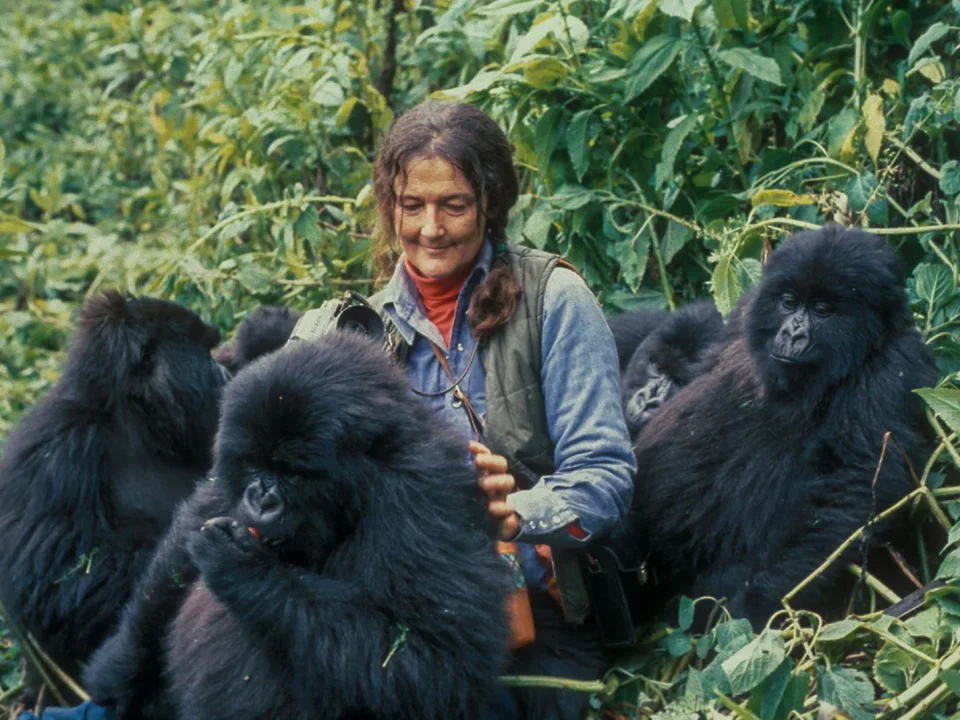
Visitors with an extra day can consider golden monkeys, guided volcano walks, a Dian Fossey-related conservation visit, a community experience or time in the Musanze area. Each activity has different physical demands, fees and operating arrangements. The activities in Volcanoes National Park broaden the journey beyond a single flagship species. Ask which options are officially operating and whether advance bookings are needed. It is better to enjoy one additional activity properly than try to fit three into an afternoon after a strenuous trek.
Lake Kivu also pairs well with a longer Rwanda itinerary, providing a change from highland forests to lakeside scenery. Akagera National Park is an alternative for classic savannah wildlife, while Nyungwe adds chimpanzees and other forest experiences. The Rwanda gorillas and Nyungwe journey illustrates how primate interests can shape a broader trip. Each extra destination requires realistic road travel and an additional night or two; none belongs on a three-day route unless the schedule is deliberately redesigned around it.
Rwanda Versus Uganda for Gorilla Trekking
Make Your Rwanda Gorilla Trek Personal
Share your preferred dates, group size and comfort level for a detailed itinerary subject to confirmed permits.
Rwanda appeals to guests who prefer a relatively short capital-to-park transfer and can accommodate the higher international permit price. Uganda’s Bwindi Impenetrable National Park and Mgahinga Gorilla National Park offer different trekking landscapes, visitor logistics and costs. The Uganda versus Rwanda gorilla safari comparison should take into account your total itinerary, not only the single permit price. Crossing a border introduces additional travel time, documentary checks and logistical complexity; the cheapest quoted permit is not always the lowest-cost complete trip.
Some travelers prefer Rwanda’s compact route, while others build a longer Uganda wildlife holiday with chimpanzees and savannah game drives. You might compare gorilla trekking in Bwindi with Volcanoes National Park before deciding. Neither location guarantees an easier hike or better photography. Both protect free-ranging mountain gorillas through closely managed visitor experiences. Your budget, arrival airport, interests beyond gorillas, and willingness to spend time on roads are more useful decision factors than broad claims that one country is categorically better.
Health, Safety and Important Booking Rules
The trekking age minimum is fifteen years, according to the official Rwanda booking system. Visitors with a contagious illness may be denied access because respiratory infections pose risks to gorillas. Travel insurance should cover relevant outdoor activities and medical needs; check exclusions carefully. Consult an appropriate travel health professional regarding vaccinations, malaria prevention and any personal conditions well before departure. The Rwanda gorilla tracking safety discussion is a starting point, but official ranger instructions and current government travel advice take precedence over general tourism copy.
Rwanda’s northwest lies near the DRC border, so review current advisories and local transport arrangements before traveling. Do not cross into neighboring countries spontaneously or assume that conditions are the same on either side of a border. Avoid unaccompanied forest walks outside permitted activities, respect protected-area restrictions and follow guidance from qualified local staff. When reviewing the key considerations for Rwanda safaris, make a note of travel documents, emergency contacts, payment requirements and any special accessibility needs. Responsible planning also means leaving enough flexibility to respond to changes.
Common Questions About Gorilla Trekking in Rwanda
Can Children Go Gorilla Trekking in Rwanda?
The official minimum age is fifteen years. This reflects park rules and the demands of the encounter rather than whether a particular younger child is enthusiastic about wildlife. Families should not buy a permit assuming an exception will be offered at the entrance. Instead, organize age-appropriate activities for children who cannot participate, with appropriate supervision and confirmed arrangements. The gorilla trekking age requirement deserves an early check when parents plan a multigenerational vacation. Different park activities may use different minimum ages.
Are Gorilla Sightings Guaranteed?
No wild encounter should be promised as guaranteed. Park trackers monitor habituated families and the visitor system is well organized, but animals move freely, visibility changes and conditions can affect the day. Ethical operators explain uncertainty instead of promising a specific silverback or close photograph. The gorilla trekking guide can help set expectations, yet the only instructions that count on the day are those issued by trained rangers. A successful experience is measured by respectful observation, not a staged encounter.
Can I Book a One-Day Gorilla Trek From Kigali?
A very early departure from Kigali is sometimes advertised, but it adds road timing risk to an already demanding day. For most visitors, staying near the park the night before offers a calmer start. If time genuinely permits only one day, discuss current road conditions, briefing time and contingency plans in detail before booking. The Rwanda gorilla travel route helps put the journey into perspective. A missed briefing can undermine the entire trip regardless of the amount paid for the permit.
Should I Hire a Porter?
Hiring an authorized porter is worth considering, especially if you are carrying camera gear or feel uncertain about muddy slopes. Porters can help carry a pack and provide practical assistance where permitted, while the arrangement supports local livelihoods. Ask the guide how porter services are organized and pay according to current local arrangements. Do not assume a porter can guarantee the difficulty of the hike or replace a realistic fitness assessment. Strong boots, water, a controlled pace and clear communication with rangers remain important even when someone carries your bag.
Is the Gorilla Trekking Permit Refundable?
Never assume that an unused permit will be refunded automatically. Official terms govern changes, cancellations, incorrect eligibility applications and cases involving health or park operations. Request written confirmation of the rules that apply to your individual booking before payment. Keep copies of receipts and identity documents. The Rwanda permit booking process has changed over time, so the current official system should always outrank dated website articles. A careful booking decision can prevent much more trouble than trying to resolve an error at the gate.
Plan Your Gorilla Trekking in Rwanda Adventure
The best gorilla holiday begins with a confirmed date and honest conversation about your needs. Tell your planner when you can travel, how many people are coming, your preferred lodge comfort and whether walking difficulty is a concern. Ask for the exact permit category, the overnight location and a realistic transfer schedule. The Rwanda safari options can be tailored into a focused three-day trip or a longer journey with golden monkeys, Nyungwe or Lake Kivu. The most useful proposal is clear about what is included and what remains subject to availability.
Gorilla Trekking in Rwanda is memorable because visitors enter the habitat of an extraordinary wild animal without expecting the forest to perform for them. Arrive prepared, listen to the rangers, allow time for the mountains and give the encounter your full attention. Whether you choose a modest lodge or a premium retreat, the defining moment is the same: an hour observing a mountain gorilla family while supporting an important conservation system. Good planning makes room for that experience without confusing a precious privilege with a guaranteed product.
Planning note: Permit prices and eligibility are subject to official updates. Check the Rwanda Development Board booking portal and current government travel advisories before paying. Images are selected from the project XML library; their live availability could not be independently verified.