
7 Essential, Amazing Gorilla Habituation from Kigali Tips

Gorilla Habituation from Kigali: Permits, Route and Four-Hour Safari Guide
An in-depth traveler’s guide to Rushaga, cross-border transport, permits, forest preparation and responsible gorilla encounters.

Gorilla habituation from Kigali is an adventurous way to access Uganda’s longer mountain gorilla encounter without first flying into Entebbe. The journey crosses from Rwanda into Uganda and continues to Rushaga in southern Bwindi, where properly permitted visitors join an expert team for up to four hours with a gorilla family still being accustomed to human presence. The experience requires a Bwindi gorilla habituation permit, realistic transfers and a night near the forest. This practical guide explains what to expect on a gorilla habituation experience Uganda and how to organize a responsible trip.
Gorilla Habituation from Kigali: What the Trip Actually Means
Starting your safari in Rwanda does not mean the habituation activity happens inside Rwanda. Travelers fly into Kigali, drive across the Rwanda–Uganda border, and continue to the southern edge of Bwindi Impenetrable Forest for a specialist wildlife encounter. The experience is organized by the Uganda Wildlife Authority, with an authorized forest team accompanying a very small group. This makes the airport, transfer and lodge arrangements part of a cross-border Uganda safari, even when you spend the first night in Rwanda. Distinguishing departure city from activity location prevents one of the most common booking mistakes.
A normal gorilla trek focuses on an already habituated family and usually allows one hour of observation after the gorillas are located. Gorilla habituation offers up to four hours in the company of a family undergoing gradual habituation, according to the applicable park rules and field conditions. That extra period changes everything: the time you reserve, the difficulty you prepare for, and the kind of behavior you may observe. It also means you need the correct permit, not a standard trekking ticket. Consider gorilla tracking and gorilla habituation as related but different activities when comparing safari quotes.
Why Choose Kigali as the Gateway to Bwindi?
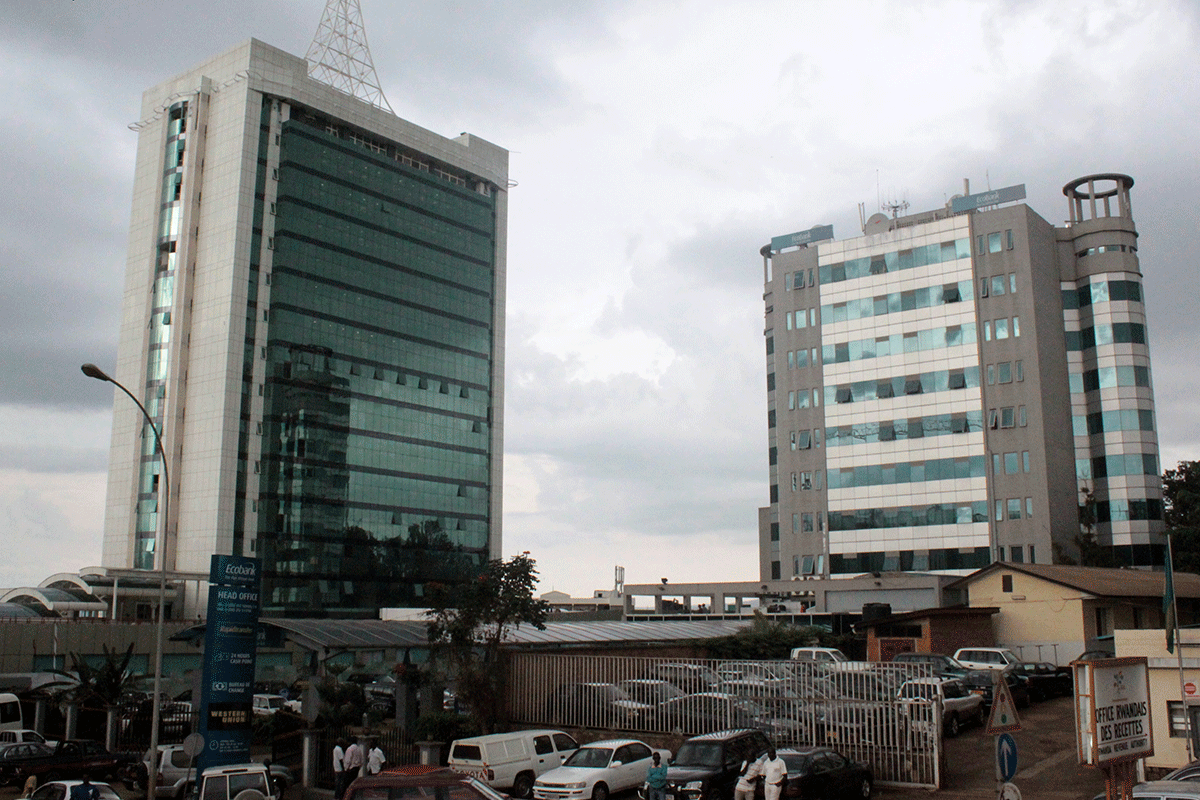
Kigali International Airport is a useful entry point for travelers focused on southern Bwindi. Rather than beginning with a long drive from Entebbe, you reach Uganda through a nearby land border and continue toward the Rushaga region. The exact journey depends on border processing, weather and road conditions, but operators often allow roughly four to six hours from Kigali to southern Bwindi. Treat this as a planning estimate, not a guaranteed transfer duration. An early departure provides daylight for the hilly final approach, while a vehicle with adequate clearance is preferable during rainy months. For flight planning, the Kigali International Airport guide identifies the entry hub.
Kigali also offers flexibility when international flights connect more comfortably through Rwanda than Uganda. You can stay in the city before heading to the forest, adding a museum, restaurant or short sightseeing stop if your arrival time allows. However, a practical itinerary prioritizes arriving near Rushaga before evening rather than filling every hour with additional attractions. Having a driver familiar with the crossing and southern Bwindi roads is often more valuable than squeezing in another stop. Our comparison of why fly into Kigali instead of Entebbe discusses the trade-offs for different safari routes.
Where the Four-Hour Experience Happens
The specialist experience is associated with the Rushaga sector in the southern portion of Bwindi Impenetrable National Park. Bwindi has several visitor sectors, each with different access roads and permits, but not every sector runs habituation sessions. Your accommodation should therefore be selected around the actual Rushaga reporting point rather than the broad label “Bwindi.” Booking a lodge near another sector can create hours of avoidable driving on the morning of your activity. Travelers comparing forest locations can use gorilla sectors in Bwindi to understand how the park is organized.
Rushaga’s location near the Rwanda border makes it particularly practical for a Kigali arrival, yet the last roads can be rough, steep or slow after rain. Some lodges market themselves as Bwindi properties without emphasizing which sector they serve. Ask for a realistic departure time from the lodge to the official briefing point and confirm whether breakfast can be taken early. The vegetation, visibility, group allocation and route all depend on daily wildlife movements. The Rushaga gorilla sector is worth assessing on its own rather than assuming every Bwindi experience follows the same schedule.

Gorilla Habituation Permit Price and the 2027 Change
Uganda Wildlife Authority sets the government permit price, and the permit is not included automatically when a tour is advertised from Kigali. For foreign non-residents, widely published 2026 guidance cites US$1,500 per person for the habituation experience; several sources report a planned increase to US$1,800 from 1 January 2027. Because tariffs can change and booking dates can fall under a new schedule, have the operator verify the current official rate in writing before transferring funds. The government charge is distinct from accommodation, transport, porter tips and personal expenses. The gorilla habituation permits in Rushaga page gives the relevant activity context.
Different residency or citizenship categories can carry different tariffs. You should not assume a promotional standard trekking rate extends to a habituation permit, and you should not calculate a final budget from the foreign non-resident figure if your documentation qualifies for another category. The correct rate depends on both eligibility evidence and the rules on the booking date. Ask for an itemized quote stating the permit fee, transfer costs and any agent services separately. Travelers who want to compare activity types can assess whether gorilla habituation is worth $1,500 alongside their personal priorities and the total safari price.

How Permit Availability and Booking Work
Habituation allocations are substantially smaller than ordinary gorilla trekking allocations, so the dates that matter most to your trip should be checked before you commit to nonrefundable flights or lodging. A tour operator can request space from the Uganda Wildlife Authority for the exact travel day and eligible visitor category. A website showing an itinerary for sale is not proof that a permit exists. Obtain written confirmation identifying the activity as gorilla habituation, the intended Rushaga date and the names of travelers covered. The broader booking Bwindi gorilla permits process helps explain why documentation and timing matter.
Before payment, provide passport details exactly as requested, confirm the deadline for issuing permits and ask what happens if your dates change. Make sure a quote does not describe a one-hour standard trek while using photos of a four-hour experience. If you are traveling as a couple or group, request availability for every participant on the same date and discuss acceptable alternatives before payment. The safest workflow is to secure the government allocation first, align the lodge with Rushaga second, and finally lock in transport. For additional context, see how gorilla permit updates can affect planning decisions.

Kigali to Rushaga: The Cross-Border Driving Route
Kigali to Rushaga gorilla habituation requires a planned cross-border transfer. The usual route heads north or northwest from Kigali toward the Rwanda–Uganda frontier, commonly using the Cyanika crossing for the Kisoro approach or another crossing when operational conditions favor it. Drivers assess roadworks, traffic and current border processing before departure. Once inside Uganda, the road continues through highland settlements and winding stretches toward Rushaga. Do not treat the route as a simple point-to-point motorway transfer. Mountain weather, local traffic and paperwork can lengthen an otherwise manageable journey. The page on accessing gorilla trekking in Uganda from Kigali provides regional travel context.
Arrange the pickup time around your flight arrival, not a generic website schedule. Passport control, baggage collection and currency exchange can take longer than expected. If landing in the afternoon, a night in Kigali may be wiser than an ambitious transfer in darkness. If landing early enough, the same-day drive to Rushaga is possible with a prepared driver and valid documents. A private vehicle can also help with luggage, rest stops and border formalities. The trip should be planned for comfort and reliability, not simply the shortest time shown on a digital map. Accessing Bwindi from Kigali requires practical flexibility.

Plan a Kigali-to-Rushaga trip around a real habituation permit, your flight timings and a comfortable forest stay.
Passport, Visa and East Africa Travel Rules
Because you enter Rwanda and cross into Uganda, you must check entry rules for both countries based on your nationality and passport. Some visitors may qualify for an East Africa Tourist Visa, while others need separate permissions or different arrangements. Do not assume that every visa category supports the same border movements, or that a permit automatically grants entry into Uganda. Confirm eligibility through the relevant immigration authorities before flying. Your passport should have sufficient validity and blank pages under the rules that apply to you. The practical overview of border crossing for gorilla trekking is a starting point, not a replacement for official immigration advice.
Carry your passport, any approved visa documentation, accommodation confirmation, permit confirmation and emergency contact details in an accessible folder. Travelers who have health documentation requirements should confirm these with the immigration and medical authorities rather than relying on an old travel blog. Allow a generous buffer at the border, especially when moving in a group with different passports. The operator should know the traveler's nationality in advance and clarify who pays border-related fees or transport changes. A cross-border safari can run smoothly, but its success depends on documents and realistic timing more than on crossing quickly. Keep copies offline in case mobile data fails.
A Recommended Three-Day Kigali–Rushaga Itinerary
Day one begins with arrival or collection in Kigali, followed by the border crossing and scenic drive into southwestern Uganda. Stop for meals or photographs only when doing so will still get you to the Rushaga-area lodge before dark. On arrival, check that the permit date and reporting location match the driver’s instructions, lay out your trekking clothes and eat an early dinner. A simple first day is better than a heavily advertised sightseeing schedule that leaves you exhausted. Some structured three-day Rushaga gorilla habituation tours from Kigali follow this general rhythm, but each itinerary should be adapted to arrival times.
Day two centers on the early forest briefing and the habituation excursion, followed by recovery at the lodge. You may return at different times depending on the gorilla family’s movements and the terrain, so keep the afternoon uncommitted. On day three, travel back across the border toward Kigali and onward to your accommodation or international flight, leaving a meaningful safety buffer. A three-day itinerary gives you breathing room on both sides of a demanding forest day. If you have a longer holiday, an extra night around Lake Mutanda or Lake Bunyonyi makes the pace more relaxed and leaves time for cultural visits or scenery.
Your Habituation Day: Briefing, Trackers and Rangers
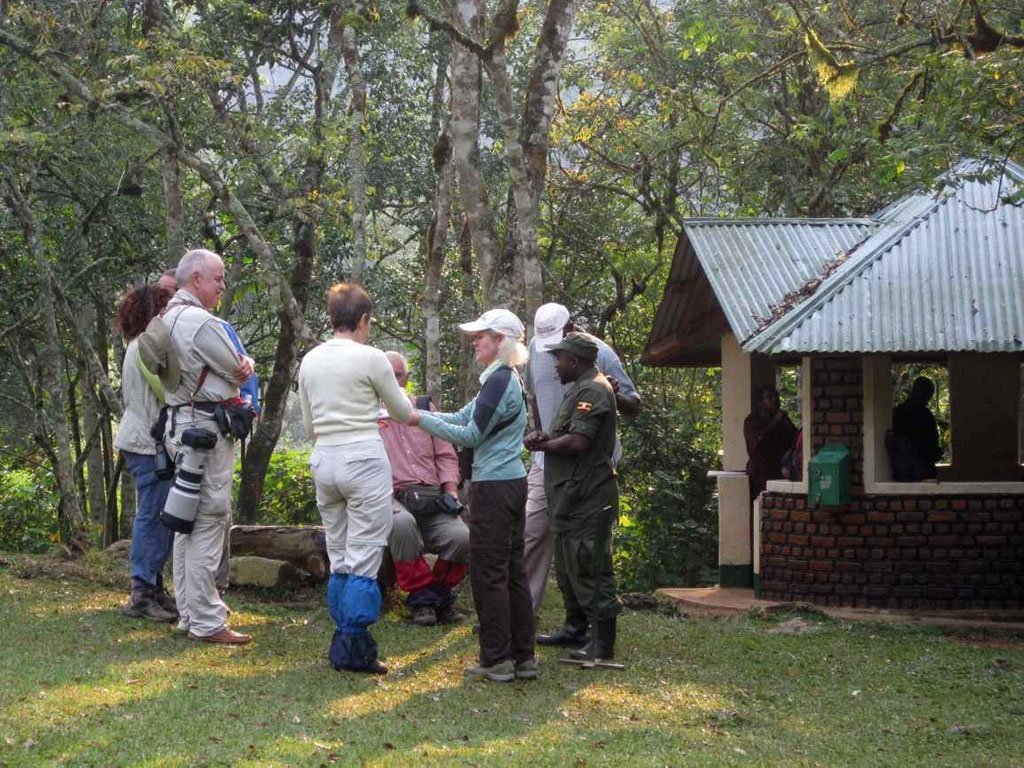
Expect an early start from your lodge, with exact check-in time confirmed locally by the park authority and your operator. On arrival, rangers explain the rules, the activity’s purpose and how participants will move through the forest. You will accompany trained personnel associated with the habituation process rather than attempting to locate gorillas independently. The trek may include dense vegetation, steep ground and periods of waiting as the team follows fresh signs. Gorilla movements can never be scripted, and the family may respond differently from one day to the next. A practical overview of how gorilla habituation works in Uganda helps set appropriate expectations.
Once the gorillas are located and conditions permit, the habituation product provides an extended observation period of up to four hours, rather than the standard one hour. That does not mean four hours of easy sitting in a clearing. You may need to adjust position quietly, follow ranger instructions and keep an appropriate distance throughout. The team is managing animal welfare, visitor safety and the gradual habituation process. A sighting or a particular family composition cannot be guaranteed by an honest operator. Watch carefully and respect any request to move, stop photographing or remain silent. The forest is a protected wildlife habitat, not a film set.
Four Hours Versus One Hour: Which Is Better?
The longer experience can be deeply rewarding for travelers who value patient observation, detailed photography and the chance to watch changes in gorilla behavior over time. It is not necessarily the better choice for everyone. Standard trekking usually requires a smaller financial commitment and allows one hour with a fully habituated family, which may suit first-time visitors or those with limited stamina. Habituation is typically more demanding, lasts longer and follows animals that are still adapting to human presence. A fair gorilla trekking versus gorilla habituation comparison should include permit cost, physical intensity and your expectations.
A photographer may appreciate additional time to work with shifting forest light and observe interactions without constantly checking the clock. A traveler who wants a single memorable sighting may find the traditional trek perfectly satisfying. There is no useful reason to label one encounter superior in all circumstances. What matters is choosing an experience that matches your health, budget and interest in conservation. When you evaluate why choose gorilla habituation over traditional trekking, remember that the gorillas’ well-being remains the priority regardless of the ticket purchased.
How Physically Demanding Is Rushaga?
Rushaga terrain includes steep hills, roots, wet leaves and thick vegetation that can become challenging even for reasonably active travelers. The time taken to find gorillas varies, and a habituation visit may involve more movement than a typical one-hour observation. Build stamina through walking on hills, climbing stairs and spending time in the shoes you will use on the trek. A long forest morning can feel particularly tiring if you arrived from Kigali late the night before. The overview of gorilla trekking difficulty explains why weather and ground conditions matter as much as distance.
Hire a porter if one is available and useful, especially when carrying water, camera equipment or extra clothing. Porters can help with bags and some tricky steps, while the ranger team remains responsible for guiding and safety decisions. Inform your operator early about mobility concerns rather than hoping they disappear on the morning of the trip. No one should promise a universally easy habituation walk or a guaranteed short route. The gorilla trekking fitness advice can be adapted into sensible preparation, but fitness does not remove the need to follow park instructions and listen to your body.
What to Wear in the Bwindi Rainforest
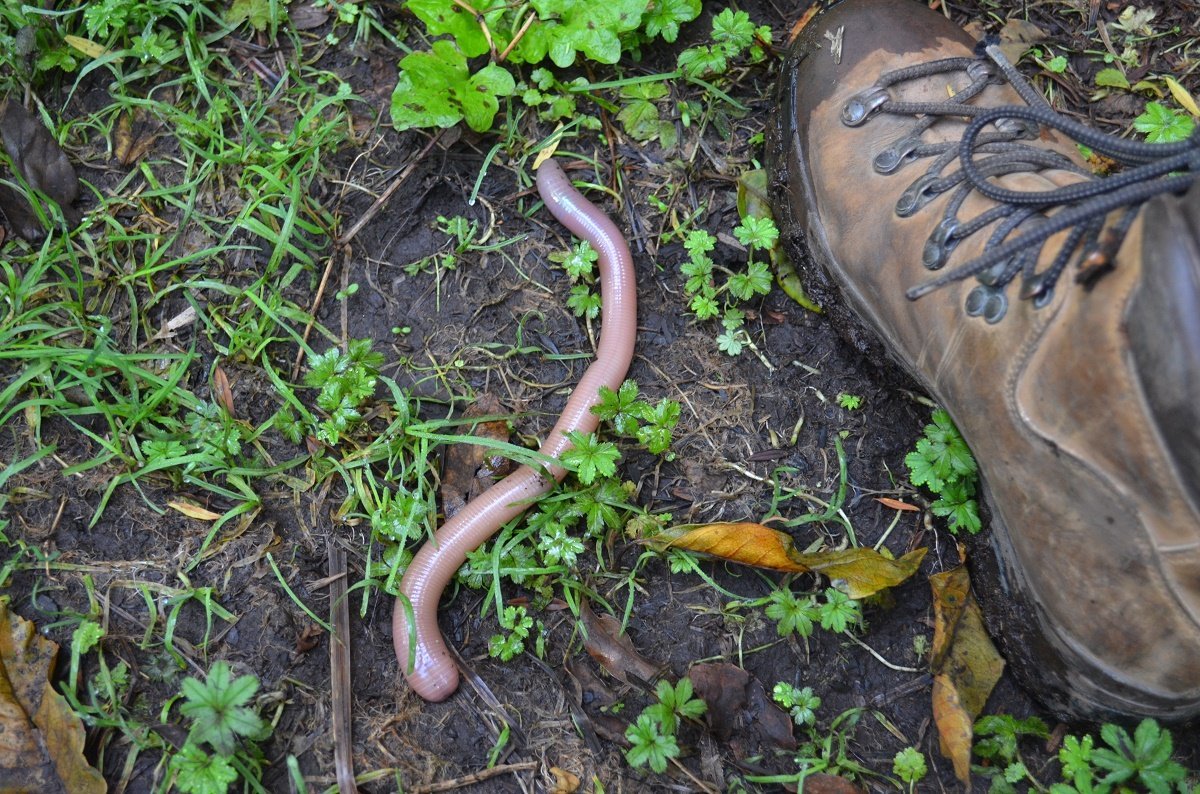
Dress for slippery, humid forest rather than the warm weather you might experience in central Kigali. Long trousers, a long-sleeved shirt and grippy waterproof boots help protect against mud and rough vegetation. Lightweight gloves are useful when you must steady yourself on the ground or move past plants, although you should never touch wildlife. A rain jacket and waterproof cover for your daypack are practical throughout the year. Carry drinking water and a small snack according to the park’s guidance. What to wear on a gorilla trek applies particularly well to an extended four-hour session.
Keep the pack small enough to move comfortably but large enough for additional layers, personal medicines and camera rain protection. A walking stick may be provided or available locally; ask in advance. Choose neutral, practical colors and avoid bringing noisy equipment that distracts other guests. Flash photography is not appropriate around gorillas. If you plan to photograph for several hours, bring spare batteries, lens cloths and memory cards rather than relying on a large collection of heavy lenses. The goal is not technical perfection at the expense of safe footing. Good preparation gives you freedom to concentrate on the animals and the forest.
Plan a Kigali-to-Rushaga trip around a real habituation permit, your flight timings and a comfortable forest stay.
Weather, Seasons and the Best Month to Travel
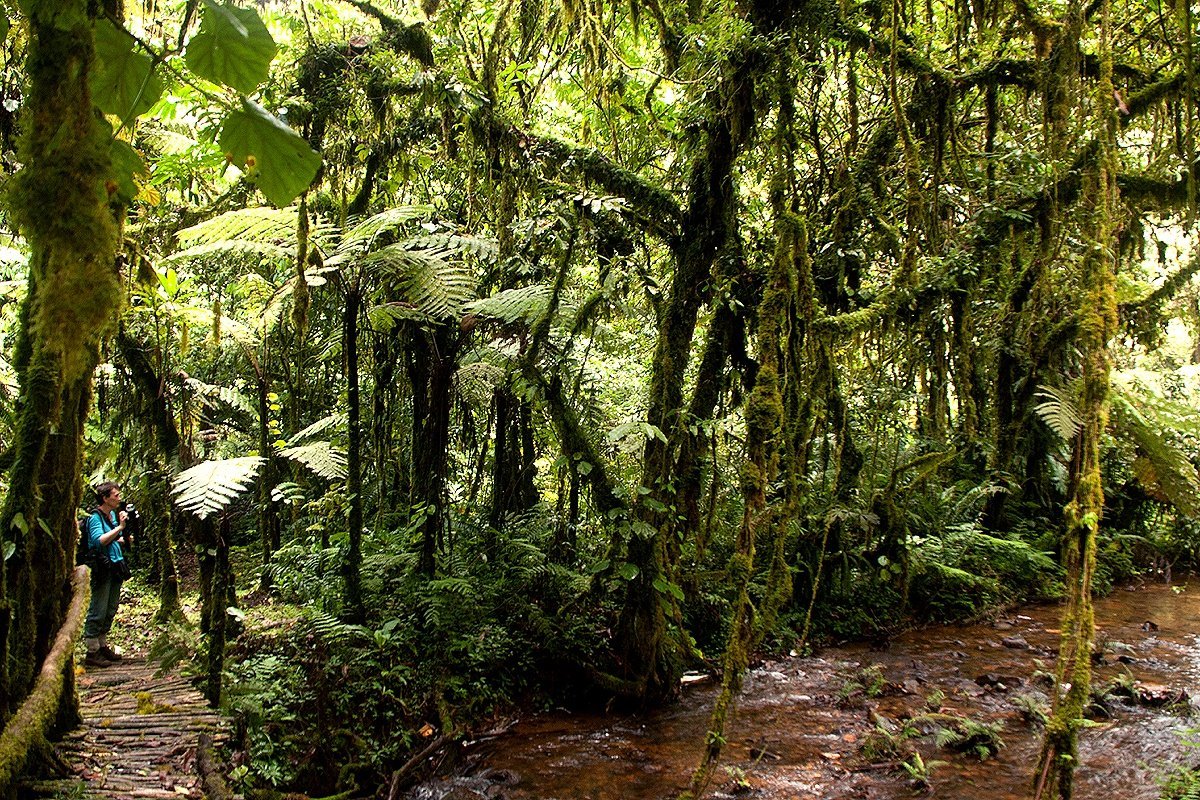
Bwindi is a moist mountain forest where rain can fall during any month. Relatively drier periods often make some roads and trails more manageable, but popularity can reduce permit flexibility and increase lodge prices. Wetter periods may offer lush scenery and different travel value, yet mud can turn a manageable incline into a strenuous climb. No honest guide can promise dry conditions on a specific habituation date. Review weather conditions in Bwindi while remembering that forecasts become more useful closer to departure.
Booking permits early matters more than trying to identify a mythical perfect week. The best month depends on your tolerance for rain, international flight prices, fitness and accommodation preferences. If your travel dates are flexible, ask the operator to check several consecutive days rather than assuming a particular season guarantees space. Carry waterproof equipment even in relatively dry weather, and discuss road access with your driver after heavy rainfall. The broader advice on best time to trek mountain gorillas offers a useful seasonal framework, although the operational demand for habituation can differ from ordinary trekking.
Where to Stay Near Rushaga
Choose accommodation based on the actual route to the Rushaga briefing area, not just photographs of beautiful views. Southern Bwindi has a range of small lodges and guesthouses at different service levels, but road quality and location can influence the morning departure significantly. Ask the lodge whether breakfast or packed food can be arranged early and whether staff can help with wet boots when you return. For travelers staying more than one night, a comfortable room and a relaxed dining area matter after hours in the forest. The overview of where to stay for gorilla trekking in Bwindi can inform that selection.
Accommodation near Lake Mutanda or the broader Kisoro area may be appealing for scenery, but some properties add driving time to Rushaga. Always obtain a realistic door-to-briefing estimate from the property or operator before booking. A budget lodge can provide an excellent base when it is well positioned, while a luxury lodge in the wrong sector may undermine the whole itinerary. If you prefer elevated comfort, compare luxury gorilla lodges in Bwindi by actual transfer distance rather than price category alone. Avoid paying for a nonrefundable room until the permit date is confirmed.
What a Kigali Habituation Safari Budget Includes
The total price is more than the government habituation permit. A realistic quote should show private or shared road transport, vehicle and driver, cross-border arrangements, accommodation, meals, applicable taxes and any guiding or organizational charges. Porter services, gratuities, drinks and personal purchases may be separate. Because two countries are involved, ask whether the quoted transportation includes both sides of the border or requires a vehicle change. If the operator lists a single package figure, request a clear explanation of what is excluded. Travelers comparing rates can use the cost of a two-day Uganda gorilla habituation tour as a general planning perspective, not a fixed market price.
Avoid assuming the cheapest advertised safari is the best value. A very low quote may exclude permits, involve a lodge far from Rushaga, use an unrealistic same-day return, or require additional payments after arrival. Compare the same itinerary and permit category across proposals. The objective is to reduce surprises and protect the most valuable part of the journey: the day in the forest. Confirm who handles emergencies, vehicle problems and missed connections. Money spent on a reliable transfer and correct lodge location can be more important than extra amenities you will barely use during a short adventure.
Safety, Health and Minimum Age
Visitors must meet the Uganda Wildlife Authority’s activity requirements, including the minimum age of fifteen years for gorilla participation. Gorilla health precautions are especially important because respiratory infections can spread between humans and great apes. Do not travel into the forest with symptoms that could endanger the animals; disclose illness and follow the park team's decision. Maintain the required distance, avoid feeding or touching gorillas and follow ranger instructions if an animal approaches. The gorilla tracking age limit is relevant for families planning a multi-generational trip.
Consult a healthcare professional before travel if altitude, walking ability or a chronic condition raises concerns. Carry any prescribed medication and discuss possible assistance with the operator before paying for a nonrefundable permit. Travel insurance should be examined carefully for medical assistance, evacuation and the type of activities covered, rather than assumed to be comprehensive. Wildlife encounters carry inherent uncertainty, even under experienced supervision. Your most effective safety measures are sensible preparation, honest communication about fitness and strict respect for the guides. This is a conservation activity that works only when people follow the rules consistently.
Adding Lake Mutanda, Lake Bunyonyi or Kigali Time
A longer itinerary can balance an intense forest day with quieter travel. Lake Mutanda offers scenery and gentle time near the Virunga foothills, subject to local conditions and your chosen lodge. Lake Bunyonyi can be incorporated on a broader route, although it adds driving and should not be squeezed between a late trek and an international departure. Reserve any optional activity after confirming the main habituation permit. If you want an additional nature-focused stop, consider activities to do in Bwindi according to your time and energy.
Returning through Kigali also allows for city sightseeing at the start or end of the trip. A museum or memorial visit deserves appropriate time rather than being treated as a hurried photograph stop. Restaurants and markets can be enjoyable between international flights, and Kigali hotels may provide a practical final night before departure. The city's top things to do in Kigali vary by opening hours and personal interests, so choose one or two meaningful experiences instead of packing a full city tour around a strenuous habituation excursion. Leave enough margin for unexpected border delays.
Who Should Choose Habituation Instead of Standard Trekking?
The four-hour experience is often well suited to return visitors, keen photographers and travelers interested in how conservation teams gradually accustom gorillas to human presence. It is less suited to someone who needs an easy walk, cannot be away from a vehicle for several hours or has very limited flexibility. Standard trekking may offer a more manageable introduction to gorillas, even though it provides a shorter observation period. Think about why you are traveling before being persuaded by an expensive upgrade. A comparison of Uganda and Rwanda gorilla trekking should distinguish the park and permit product, not merely the arrival airport.
Gorilla habituation from Kigali works especially well when you can give the forest a full day and spend the nights on either side near the activity area. Travelers who have already booked a Rwanda gorilla trek should not assume that ticket can be transferred to the Ugandan program. The authorities, prices, permits and locations are different. If your main goal is a shorter trip with less demanding travel, the three-day Uganda gorilla safari from Kigali is a possible standard-trekking alternative, subject to the permit it actually includes. Read the itinerary details carefully.
Common Booking Mistakes to Avoid
The biggest error is booking accommodation for the wrong Bwindi sector. Others include purchasing a standard trekking permit instead of a habituation permit, assuming Rwanda runs this same four-hour product, forgetting immigration requirements, and scheduling an international flight too soon after the forest excursion. Some travelers also underestimate the transfer time from Kigali because maps do not account for border queues or slow mountain roads. A responsible operator should ask for your flight times and nationality before promising an itinerary. The detailed gorilla habituation booking considerations are worth understanding before sending funds.
Do not rely on a generic booking confirmation that lacks a permit date or activity name. Ask for a written explanation of cancellation and date-change terms and retain receipts and correspondence. Confirm the route and lodge at least several days before arrival, especially during periods of heavy rain. If a tour package advertises four hours but schedules a standard gorilla trek, insist on clarification. An honest quote should state the Uganda Wildlife Authority permit product unambiguously. The single most important preparation step is to align the right activity, the right date, the right forest sector and the right documents.
Plan a Kigali-to-Rushaga trip around a real habituation permit, your flight timings and a comfortable forest stay.
A Practical Pre-Departure Checklist
Before flying, verify that every traveler has a valid passport, the necessary permissions for Rwanda and Uganda, confirmed habituation allocation, transport contact and Rushaga-area accommodation. Request copies of essential documents and retain them offline. Check that your international arrival leaves enough transfer time, and reconfirm the border route with the driver. Pack waterproof layers, appropriate footwear and a manageable daypack. If a member of the party is unwell, contact the operator early and obtain appropriate guidance. The general guide to planning a Bwindi gorilla safari offers a broader framework for organizing these details.
The day before trekking, ask the lodge for breakfast time, confirm the vehicle pickup and establish where permit identification should be presented. Charge devices, check the forecast and pack drinking water. Agree with your driver about the post-trek meeting point so nobody must improvise after a long morning. Keep your next day's Kigali travel flexible enough to tolerate delays. If the official rate or entry conditions change, work from current written guidance rather than a previous visitor's anecdote. Preparation should feel thorough but not complicated: the aim is to arrive rested, informed and able to appreciate the forest.
Frequently Asked Questions: Kigali to Bwindi Habituation
Is gorilla habituation from Kigali in Rwanda or Uganda? The journey begins in Kigali, but the four-hour gorilla habituation session is a Uganda Wildlife Authority activity in southern Bwindi. Can I book it without a tour company? Arrangements depend on UWA's current sales procedures; the crucial point is to obtain a legitimate, date-specific habituation permit and align it with transport. How many hours are spent with gorillas? The product allows up to four hours of observation after the family is found and when wildlife conditions permit. The rest of the forest outing can take considerably longer.
Is the trip suitable for a single day from Kigali? A same-day return is generally a poor fit for a long, early forest session, border procedures and unpredictable road conditions. What is the best way to see gorillas if habituation is unavailable? Ask about standard trekking permits in appropriate Bwindi sectors or an alternative date; an itinerary offering gorilla trekking in Rushaga is not automatically the same product. Can children participate? The usual UWA minimum age is fifteen years. Are prices fixed forever? No: check the current tariff and the eligibility category before paying, especially for departures in 2027.
Why the Conservation Context Matters
Habituation is a carefully managed wildlife process, not an invitation to turn wild gorillas into tame animals. Researchers and rangers build familiarity gradually and use strict field protocols to reduce disturbance. The experience therefore asks visitors to be patient and ready to follow instructions even when these limit photographs or shorten an expected moment. The conservation value comes from protected habitat, effective management, community involvement and responsible tourism practices, not simply from selling longer encounters. Visitors interested in the science can explore the gorilla habituation experience in Uganda as background.
Respect for nearby communities matters as well. Consider local guides and porters when appropriate, behave courteously in villages and avoid photographing residents without permission. Buy goods and services transparently, and do not expect roads or small settlements to operate on an international airline's schedule. The forest has ecological and cultural significance that reaches beyond the gorilla families themselves. Responsible travel can support the destination when it is thoughtful, legal and respectful. Your decisions about driving, accommodation, waste and guide instructions are part of that responsibility.
Final Advice: Book the Activity Before Everything Else
Start by choosing realistic travel dates, then have the actual Rushaga habituation permit checked and confirmed. Only afterward should you finalize accommodation, transport and optional activities. Budget for the government charge, two border crossings if returning to Kigali, lodge nights, driver and contingencies. Protect the early morning trekking window with a nearby overnight stay, and leave meaningful space between forest activities and an international flight. A planned safari is not a promise of a specific gorilla family, an effortless trail or a flawless forecast; it is a practical framework for a memorable encounter.
For a well-balanced itinerary, three days from Kigali is a sensible starting point, with more time if you want to recover, photograph landscapes or add Lake Mutanda. Confirm the current tariff directly with the authorized booking channel; published 2026 figures and announced 2027 changes should not replace a written quote for your actual date. Above all, remember that the four-hour experience is a Uganda activity reached conveniently from Rwanda. Once that distinction is clear, the remaining decisions about permits, timing and comfort become much easier.
Gorilla Habituation from Kigali: Final Questions to Confirm
Ask whether your booking states the correct Rushaga activity, travel date, Uganda Wildlife Authority permit, border route and lodge-to-briefing transfer. Check passport and visa requirements against official sources. Permit prices and policies can change, so do not infer a guaranteed 2027 rate or availability from an older quote. Make wildlife welfare, forest conditions and a comfortable return journey the priorities.
Research references: Uganda Wildlife Authority tracking guidelines (July 2024); published habituation and travel guidance reviewed November 2026. All prices and procedures are subject to confirmation with the issuing authority.



