11 Amazing game parks in Congo: Ultimate Safari Guide

11 Amazing game parks in Congo: Ultimate Safari Guide
Discover the extraordinary wildlife, rainforests and protected landscapes of two different countries. This practical guide separates established tourism experiences from remote conservation areas, explains gorilla species and shows what to verify before making a booking.
Game parks in Congo: Understanding the Two Countries
The word Congo identifies two neighboring countries separated partly by the Congo River. The Democratic Republic of the Congo, often called DR Congo or DRC, has Kinshasa as its capital and contains Virunga, Kahuzi-Biega, Salonga and several enormous protected landscapes. The Republic of the Congo, usually called Congo-Brazzaville, has Brazzaville as its capital and is home to Odzala-Kokoua, Nouabalé-Ndoki and Conkouati-Douli. Visitors who search for game parks in Congo should establish which country a park belongs to before comparing flights, visas or operators. The two countries have different national administrations, entry procedures and transportation networks. For Congo national parks, borders decide your permits; Congo wildlife safaris depend on local guides, and Congo safari planning begins by naming the correct country.
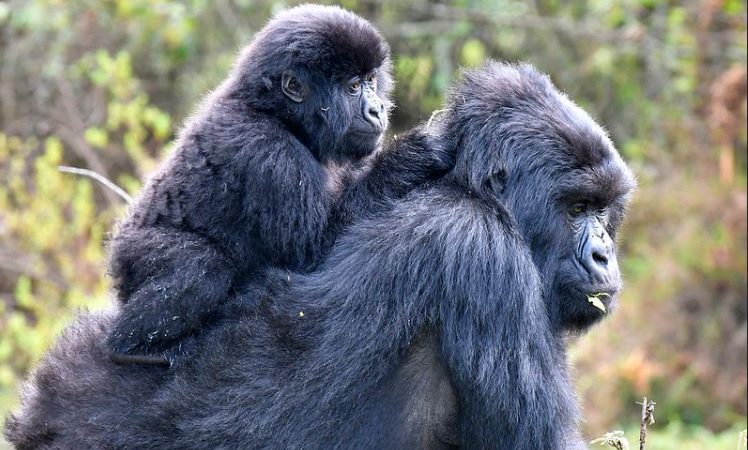
This distinction changes the entire holiday. A traveler interested in mountain gorillas and the Virunga volcanoes is looking toward eastern DRC. Someone hoping to follow western lowland gorillas through a forest clearing or travel by river into the northern rainforest may prefer Congo-Brazzaville. Congo national parks are primarily forest and wilderness destinations, not interchangeable versions of Kenya’s grassland reserves. Congo wildlife safaris often depend on expert trackers, forest walks, boats and patient observation rather than frequent vehicle sightings. Gorilla trekking in Congo should always be matched to the actual gorilla species and park. Congo safari planning begins with the right map.

Virunga National Park in DR Congo
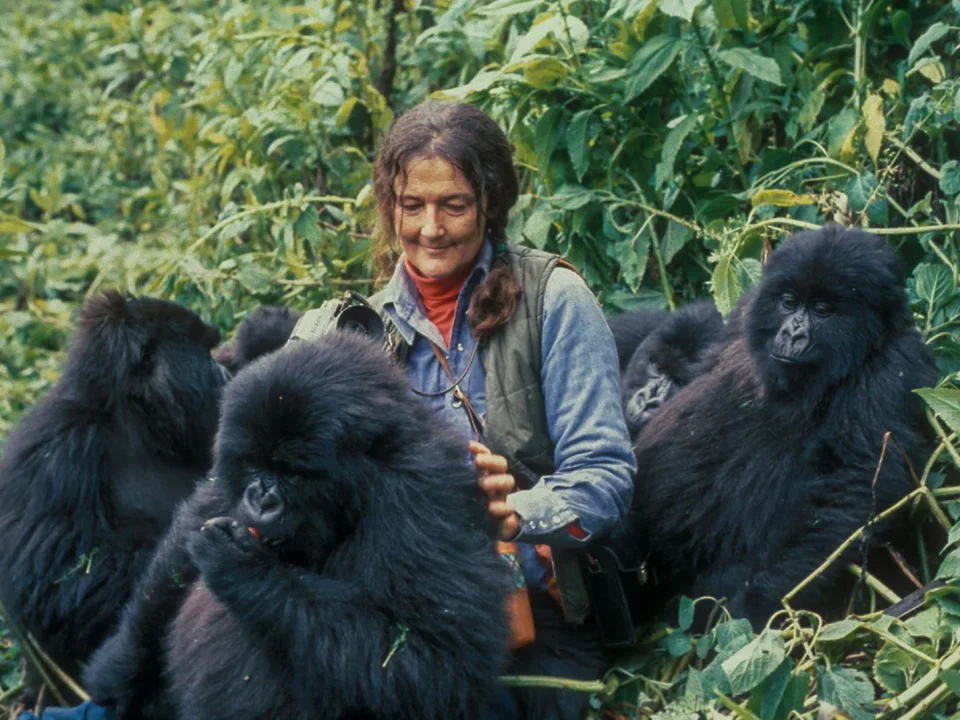
Virunga National Park stretches across an extraordinary landscape of volcanoes, mountains, lakes, forests and grasslands in eastern DRC. It is renowned for mountain gorillas and its position within the Albertine Rift. The park also protects remarkable birdlife and other mammals, and its conservation history is inseparable from the challenges faced by communities surrounding it. A visitor researching Virunga National Park should distinguish its long-term potential from activities currently available to tourists. The official park tourism site presently states that gorilla and Nyiragongo treks are closed until further notice. Congo safari planning must respond to official closures; Congo national parks have different access rules, while Congo wildlife safaris cannot proceed without authorized arrangements. For gorilla trekking in Congo, park closures must always take priority over historical itineraries.
Game parks in Congo cannot be booked on the assumption that an older itinerary still operates. For Virunga, check statements issued directly by park management and relevant government travel advice before paying for a journey. Congo national parks can face sharply changing access restrictions, especially near conflict-affected regions. Congo wildlife safaris should never be advertised as guaranteed departures where permission is uncertain. Gorilla trekking in Congo’s Virunga sector is a conservation experience to consider only after officially confirmed reopening and safe access. Congo safari planning should include alternative destinations, refundable arrangements where possible and a realistic discussion of risk.

Kahuzi-Biega National Park and Grauer’s Gorillas
Kahuzi-Biega National Park, west of Bukavu, is especially associated with Grauer’s gorilla, also called the eastern lowland gorilla. This subspecies differs from the mountain gorillas of the Virunga highlands. The protected landscape includes montane forest around Mount Kahuzi and Mount Biega as well as extensive lower-altitude habitat. Forest walks may involve wet ground, slopes and close attention to ranger instructions. Potential visitors should treat any advertised encounter as conditional on current permits, authorized routes and security clearances rather than a guaranteed wildlife appointment. Congo wildlife safaris around Bukavu need permission checks; Congo safari planning must account for regional conditions, and Congo national parks should not be treated as uniformly accessible. The opportunity for gorilla trekking in Congo depends on authorized access to this specific forest sector.
For travelers interested in game parks in Congo, Kahuzi-Biega adds an important lesson: even two gorilla experiences within DRC can require different logistics and fitness expectations. Congo national parks span distinct altitudes and habitats. Congo wildlife safaris around Bukavu involve serious route assessment, particularly for border connections and overland movement. Gorilla trekking in Congo must follow strict health protocols, group limits and viewing distances established by park authorities. Congo safari planning should confirm whether the exact sector is accepting tourists, what documentation is needed, who provides transport and how emergency support would work.
Plan a Responsible Congo Safari
Share your dates, preferred country, travel style and must-see wildlife. We can discuss what is practical and check current access before building your route.
info@ugandarwanda-safaris.com
Garamba National Park and the Northeastern Savannas
Garamba National Park in northeastern DRC introduces a different side of the country’s protected areas. Here open grasslands, woodland and riverine habitats create a landscape distinct from the dense equatorial rainforest. Garamba has a globally important conservation story involving elephants, giraffes and large mammals, alongside a long history of wildlife protection under difficult circumstances. Its wildlife should not be reduced to a checklist: populations, local distributions and access can change, and travelers should avoid assuming that any particular animal will be seen during a brief visit. Unlike rainforest itineraries, Congo wildlife safaris in savannah habitats emphasize different species; Congo national parks require local expertise, and Congo safari planning should reflect those differences. Congo national parks therefore demand region-specific expectations.
Among game parks in Congo, Garamba is notable because it demonstrates that not every Congolese wilderness experience occurs under a closed canopy. Congo national parks connect savannah, wetland and forest environments across a vast country. Congo wildlife safaris here would require specialized expedition organization and reliable permission, not an improvised drive from a distant city. Gorilla trekking in Congo is irrelevant to Garamba’s core appeal; visitors interested mainly in great apes should select another region. Congo safari planning must be especially conservative when assessing remote northeastern routes, aviation connections, operator capacity and current security advice.
Salonga National Park: Deep Rainforest Wilderness
Salonga National Park covers a huge section of the central Congo Basin and is famous for its remote lowland rainforest. The area protects important habitats for bonobos, forest elephants and many other species. Rivers and difficult terrain have historically limited routine tourism, so visitors should think about Salonga principally as a world-significant conservation landscape, not a conventional park with daily drives and a simple entrance gate. Much of its significance lies in ecological integrity, research and the protection of wildlife over an immense area. Congo national parks preserve remote ecosystems even without tourist lodges; Congo safari planning needs honest access expectations, while Congo wildlife safaris cannot bypass conservation restrictions.
A comparison of Congolese parks should place Salonga in a different category from an easily accessible safari park. Congo national parks vary dramatically in their visitor infrastructure, with some requiring substantial advance coordination or having no ordinary tourist product. Congo wildlife safaris in remote rainforest settings need permissions, boats, communications, contingency plans and specialized guides. Gorilla trekking in Congo is not Salonga’s signature experience; bonobos and intact forest ecosystems are more relevant to its conservation identity. Congo safari planning is most responsible when it explains the difference between protected-area fame and realistic tourist accessibility.
Okapi Wildlife Reserve: Unique Forest Species
The Okapi Wildlife Reserve in northeastern DRC protects habitat for the okapi, a secretive forest-dwelling relative of the giraffe. Its striped hindquarters make it visually distinctive, but the animal’s shy behavior and dense habitat make sightings exceptionally difficult. The reserve’s importance extends to elephants, primates, endemic plants and the people whose lives and forest knowledge are connected to this landscape. The reserve is a UNESCO World Heritage property, yet that status should never be mistaken for a promise of safe or routine tourist access. For the elusive okapi, Congo wildlife safaris cannot promise encounters; Congo national parks protect habitats first, so Congo safari planning should never advertise guaranteed sightings.
When people compare game parks in Congo, the reserve is often listed alongside national parks even though it is formally a wildlife reserve. Congo national parks and other protected areas need separate descriptions so travelers know what kind of place they are considering. Congo wildlife safaris should emphasize ecological possibilities without inventing easy okapi-viewing opportunities. Gorilla trekking in Congo is a separate activity from an okapi-focused conservation interest. Congo safari planning for the northeastern forest requires a current route-specific advisory and serious consideration of whether travel should be attempted at all.

Maiko, Upemba, Kundelungu and Lomami
Some lesser-publicized protected areas reveal the great range of DRC landscapes. Maiko National Park protects extensive eastern rainforest and important forest wildlife, although visiting is not comparable to entering a well-serviced destination. Upemba National Park contains lakes, wetlands and savannah mosaics in the southeast. Kundelungu is associated with plateau landscapes, rivers and waterfalls, while Lomami National Park was established to protect a large central forest landscape and its distinctive wildlife. Each deserves attention for conservation value even when tourist infrastructure is limited. Congo safari planning must separate conservation goals from tourism opportunities; Congo national parks vary in infrastructure, and Congo wildlife safaris need approved access routes.
The phrase protected wilderness can therefore hide a wide range of expectations. Congo national parks are not uniformly equipped with lodges, visitor centers, airstrips or guided departures. Congo wildlife safaris might involve conventional wildlife viewing in one place and extensive research or conservation travel in another. Gorilla trekking in Congo should not be casually attached to every named forest reserve. Congo safari planning works best by listing the activity that is actually authorized and available, then checking how the traveler can safely reach the correct access point. Remote status is a reason for careful preparation, not proof of a superior experience.
Odzala-Kokoua National Park in Congo-Brazzaville
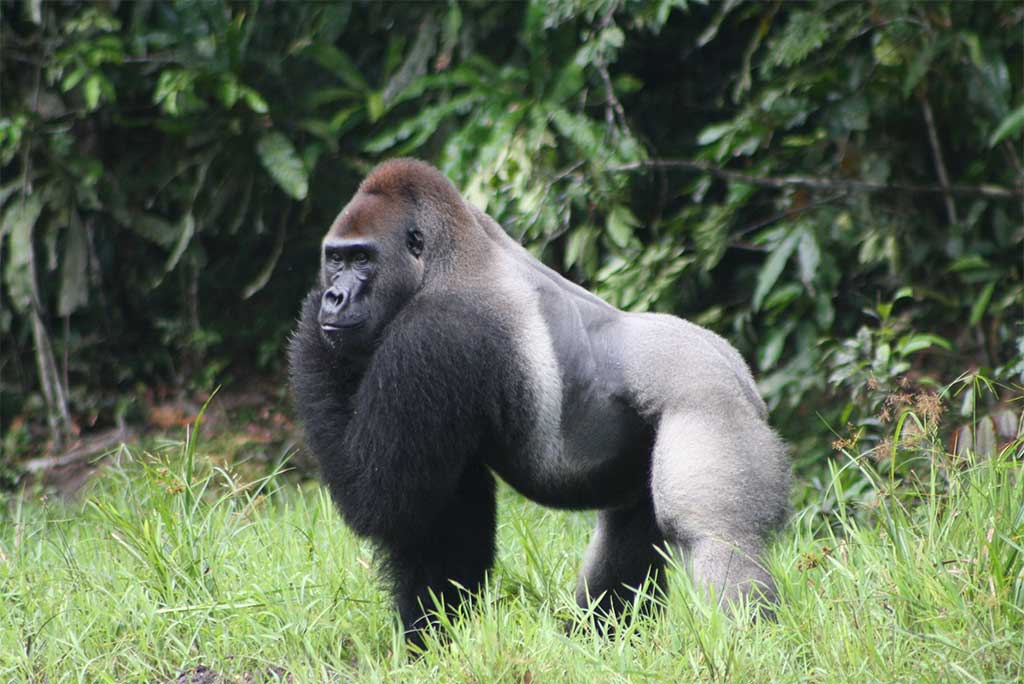
Odzala-Kokoua National Park is one of the Republic of the Congo’s flagship rainforest destinations. Its mix of forest, marshy clearings, savannah patches and waterways supports western lowland gorillas, forest elephants, forest buffalo and diverse birdlife. Specialist lodge-based itineraries can combine tracking, walks and time overlooking natural clearings called baïs. Light filtering through the trees, animal tracks in damp soil and shifting forest sounds are central to the experience. Operators organize activities under conservation rules, and the availability of particular excursions must be verified for specific dates. Congo wildlife safaris are strongest when each activity suits its habitat; Congo national parks protect varied forest ecosystems, and Congo safari planning should allow unhurried tracking. Here, gorilla trekking in Congo may involve western lowland groups under carefully managed viewing rules.
Among game parks in Congo, Odzala-Kokoua is especially relevant to travelers seeking an organized forest expedition. Congo national parks in the Republic can offer a very different travel rhythm from the eastern DRC circuits. Congo wildlife safaris here are most rewarding when multiple nights allow time for gorilla tracking and quieter wildlife encounters. Gorilla trekking in Congo-Brazzaville focuses on western lowland gorillas, not mountain gorillas. Congo safari planning should check the precise camp location, transfer arrangements and physical nature of walks before selecting a package.
Explore Rainforest Expedition Options
Share your dates, preferred country, travel style and must-see wildlife. We can discuss what is practical and check current access before building your route.
info@ugandarwanda-safaris.com
Nouabalé-Ndoki and Its Forest Clearings
Nouabalé-Ndoki National Park lies in the remote northern Republic of the Congo near the Sangha landscape. Its intact forest is renowned for elephants, gorillas, chimpanzees and other rainforest wildlife. Forest clearings such as Mbeli Baï are important observation locations because animals occasionally emerge from cover to drink or feed. The park’s official visitor information describes access through the Bomassa area and wildlife-watching opportunities. Exact excursions depend on permissions, guides, current conditions and operational schedules. Congo national parks reward time and patience at forest clearings; Congo wildlife safaris depend on animal behavior, and Congo safari planning should preserve viewing flexibility. Congo wildlife safaris reward quiet observation at natural clearings.
Visitors comparing game parks in Congo should understand that a clearing offers possibilities, not a staged appearance. Congo national parks protect animals that choose where and when to move. Congo wildlife safaris can involve long silent periods followed by remarkable behavior, and guides need freedom to judge conditions. Gorilla trekking in Congo may be part of an authorized itinerary, but it should not overshadow the importance of elephant monitoring and forest conservation. Congo safari planning for Nouabalé-Ndoki needs attention to remote transfers, limited supplies, weather delays and the difference between a protected scientific landscape and a standard mass-market safari.

Conkouati-Douli and the Atlantic Coast
Conkouati-Douli National Park on the Republic of the Congo’s Atlantic side connects coastal habitats, lagoons, forest and inland ecosystems. This geographical transition makes it intriguing for travelers interested in conservation beyond a single species. Forest primates, elephants and coastal biodiversity are part of the landscape’s larger story. Visitor infrastructure and access arrangements can be more limited than those at established high-end rainforest lodges, so the sensible first step is confirming whether a proposed route is actively offered by a reputable local specialist. Coastal ecosystems broaden Congo wildlife safaris beyond primates; Congo safari planning must confirm local operations, because Congo national parks have different visitor facilities.
Not all Congolese parks have the same appeal or practical readiness. Congo national parks along the Atlantic side offer a chance to consider marine, wetland and forest conservation together. Congo wildlife safaris in Conkouati-Douli should be designed around verified opportunities rather than claims that every species will be visible. Gorilla trekking in Congo cannot be assumed to be offered simply because gorillas inhabit a protected landscape. Congo safari planning should distinguish a genuine bookable excursion from a destination mentioned in general travel writing. Travelers with little time may prefer a single accessible forest circuit.
Which Wildlife Can You Realistically See?
Wildlife sightings depend on habitat, season, local protection and the time spent with experienced guides. Western lowland gorillas belong to forests in the west of the Congo Basin, whereas mountain gorillas occupy highland areas farther east. Grauer’s gorillas are another eastern subspecies. Bonobos are native to DRC, while forest elephants, forest buffalo, chimpanzees, duikers, bongos and countless birds fill different ecological niches. Okapis are especially elusive, and the presence of a species in a park does not make a sighting probable for a tourist. Congo wildlife safaris are about habitats as well as species; Congo national parks shelter elusive animals, and Congo safari planning must explain realistic sighting chances.
Choosing between these protected areas requires an honest conversation about probabilities. Congo national parks are best appreciated for ecological richness rather than headline guarantees. Congo wildlife safaris may yield footprints, calls and nesting sites even when a large mammal remains hidden. Gorilla trekking in Congo usually offers the clearest target wildlife activity only where habituated groups, current permits and reliable operations exist. Congo safari planning should compare the actual quality of guiding, realistic walking time and observation opportunities instead of counting the number of animal names printed in a brochure.
Mountain Gorillas Versus Western and Eastern Lowland Gorillas
How do game parks in Congo compare for great apes?
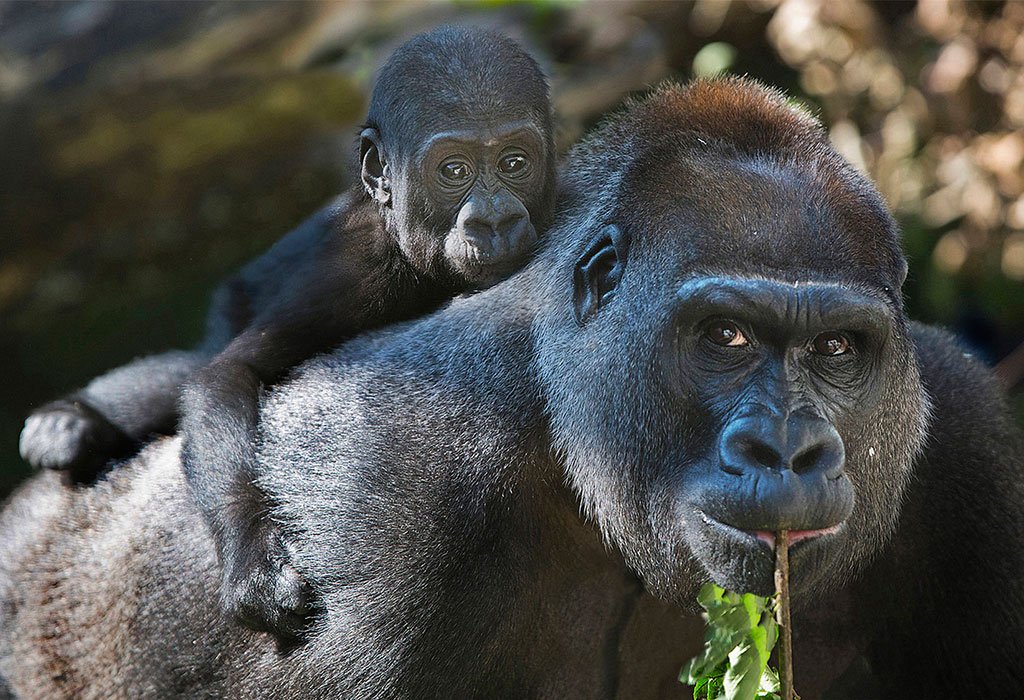
The word gorilla can refer to different populations and markedly different environments. Mountain gorillas live in cooler, higher-altitude forests and typically require an uphill hike to reach a habituated group. Grauer’s gorillas occupy parts of eastern DRC, including Kahuzi-Biega, while western lowland gorillas inhabit western Central African forests. Appearance, social behavior, conservation threats and tracking conditions vary. Visitors should avoid treating these encounters as interchangeable, even when package names use the same general language. Congo national parks support different gorilla populations; Congo safari planning should identify the target species, while Congo wildlife safaris should follow health and distance rules. Conditions for gorilla trekking in Congo differ according to subspecies, terrain and conservation policy.
For game parks in Congo, identifying the gorilla type is an essential booking question. Congo national parks offer potentially distinct great-ape experiences, but actual access must be checked before comparing prices. Congo wildlife safaris based around gorillas should still allow space for birds, vegetation, forest clearings and community conservation stories. Gorilla trekking in Congo requires adherence to disease-prevention rules because respiratory infections can be transmitted to great apes. Congo safari planning should also make clear whether a trek includes difficult slopes, swampy paths, long waits or a strict limit on viewing time.
Ask About Gorilla Tracking Conditions
Share your dates, preferred country, travel style and must-see wildlife. We can discuss what is practical and check current access before building your route.
info@ugandarwanda-safaris.com
Best Time to Visit the Parks
The Congo Basin is warm, humid and rainy during much of the year, with local seasonal patterns that vary by region and altitude. Some forest itineraries benefit from relatively drier periods when paths and overland transfers are more manageable. Rain can still fall during a supposedly dry month, while a wet-season visit may offer dramatic greenery and rich bird activity. River levels can change access to a particular camp or landing place. Travelers should assess conditions for their exact park, not assume that one national calendar applies to both countries. Congo safari planning must account for rain and seasonal access; Congo wildlife safaris are weather-sensitive, and Congo national parks span different ecological zones.
The best time for visiting these parks depends on the activity rather than a universal perfect season. Congo national parks cover highlands, lowlands, savannahs and Atlantic habitats, so each can respond differently to rainfall. Congo wildlife safaris may require flexible scheduling around muddy roads or aircraft operations. Gorilla trekking in Congo is particularly sensitive to slippery trails, group availability and temporary restrictions. Congo safari planning is more reliable when it uses a month-by-month discussion with the actual operator and includes a spare night around difficult transfers. Weather is only one consideration; official access status comes first.
How to Reach the Different Regions
Brazzaville is a principal international gateway for the Republic of the Congo, while Kinshasa is the major gateway for DRC. Some eastern DRC itineraries have historically used regional connections through neighboring countries, but those routes should not be presumed safe or open. Forest camps in the Republic may involve domestic flights, long 4×4 drives and boat transfers. The exact landing strip, meeting point and baggage limits matter more than an attractive map showing a short straight line between destinations. Congo national parks can be far from transport hubs; Congo wildlife safaris require carefully coordinated transfers, and Congo safari planning needs realistic contingency days.
Visitors searching for game parks in Congo should request a written transfer plan with realistic time allowances. Congo national parks often lie far from major roads, and some have no regular visitor transport. Congo wildlife safaris require professional coordination of fuel, guides, supplies and local permissions. Gorilla trekking in Congo cannot sensibly be scheduled immediately after an uncertain border transfer without contingencies. Congo safari planning must distinguish a proposed itinerary from confirmed operating services, particularly when regional security concerns, cancellations and infrastructure disruptions are possible. Build the route around the final park access instruction rather than a generic internet driving estimate.
Entry Documents, Visas and Permits
The Democratic Republic of the Congo and Republic of the Congo issue their own entry permissions. A visa or regional arrangement valid for neighboring East African countries should not be assumed to authorize admission to either Congo. Passport rules, vaccination documentation, visa procedure and immigration requirements depend on nationality and may change. For conservation destinations, a national visa is not the same thing as a park entrance fee, gorilla tracking permit or special authorization to enter a restricted sector. Congo wildlife safaris require valid travel documents; Congo national parks may impose separate permits, so Congo safari planning must check all approvals before payment. Congo safari planning must include every separate permit and approval.
Before selecting game parks in Congo, check official immigration channels and the latest park management instructions. Congo national parks may restrict visitor numbers, require approved guides or suspend tourism entirely. Congo wildlife safaris benefit from an itemized confirmation showing each permission and its refund policy. Gorilla trekking in Congo involves health screening, age conditions and permit procedures that must be confirmed directly with authorized operators. Congo safari planning should also cover travel insurance, evacuation limitations, vaccination advice and onward travel requirements. Never make irreversible payments based only on an old online price list or a third-party availability claim.

Safety, Park Closures and Travel Advisories
Safety conditions differ sharply across regions and can change quickly. Eastern DRC has experienced serious conflict and insecurity; an attractive wildlife itinerary is not evidence that a destination is currently suitable for tourism. The official Virunga visitor site currently reports closure of its gorilla and Nyiragongo treks until further notice. Travelers should consult official park notices and their own government’s detailed, geographically specific travel advice before considering any DRC route. A professional operator should be willing to explain not only logistics but also why a proposed journey is appropriate at that particular time. Any gorilla trekking in Congo must stop when authorities suspend the activity or access becomes unsafe.
Game parks in Congo should never be promoted without acknowledging access and security realities. Congo national parks may be geographically remote even where political conditions are more stable. Congo wildlife safaris need communications arrangements, professional guides and emergency contingencies. Gorilla trekking in Congo should never be attempted independently or through unofficial paths around a closure. Congo safari planning must prioritize people and conservation staff above a fixed holiday schedule. If access is suspended, reconsider the destination rather than trying to work around restrictions. Insurance terms and evacuation coverage deserve a careful reading before booking.
How Much Does a Congo Safari Cost?
There is no dependable single daily price for every Congo wildlife holiday. An organized forest expedition may include charter flights or domestic connections, specialist camp operations, guide teams, park and conservation fees, food, boat travel and dedicated tracking. Remote logistics can make a short itinerary expensive even when Accommodation is not especially luxurious. Conversely, apparent low prices may exclude permits, transfers or park fees. Ask for a full list of included services and distinguish a provisional estimate from a confirmed quote.
Prices for game parks in Congo differ according to country, region, season, activity and operating conditions. Congo national parks may also change fee structures or visitor rules. Congo wildlife safaris should be compared on total travel cost and experience quality, not only on room rate. Gorilla trekking in Congo is usually a separately regulated activity wherever it operates. Congo safari planning should include contingencies for delays, extra hotel nights, medical needs and cancellation or evacuation terms. A transparent budget lists who receives payment for each component and identifies which fees support park management or local conservation.
Clarify Your Route and Budget
Share your dates, preferred country, travel style and must-see wildlife. We can discuss what is practical and check current access before building your route.
info@ugandarwanda-safaris.com
Where to Stay and How Long to Spend
Accommodation ranges from specialist forest camps and city hotels to very limited options near remote protected landscapes. One established lodge circuit may combine comfortable rooms with guided tracking and river experiences; another reserve may offer no appropriate tourism accommodation at all. Travelers should look beyond attractive photographs to ask about generator hours, hot water, guides, mosquito protection, food arrangements, accessibility, communications and emergency transport. A lodge’s location relative to the trailhead or river landing can shape the entire day.
A meaningful journey among game parks in Congo usually benefits from fewer destinations and longer stays. Congo national parks should not be grouped into a rushed checklist because the distances between them are significant. Congo wildlife safaris often reward three or four nights in one forest area, with additional time for difficult access. Gorilla trekking in Congo may require a night near the authorized departure point and a flexible rest day. Congo safari planning should weigh comfort against travel time and be explicit about which nights are in a city, transit accommodation or a protected-area camp. Every segment needs a practical purpose.
Sample Republic of the Congo Rainforest Itinerary
For a feasible outline, begin with arrival in Brazzaville and allow a night for connection delays, rest and a briefing. Continue on a prearranged transfer to an operating Odzala-Kokoua camp, subject to the operator’s current schedule. Spend several days mixing ranger-led forest walks, western lowland gorilla tracking where authorized and quiet observation around forest clearings. Move to another camp only if it offers meaningfully different habitat rather than repeating the same experience. Return to Brazzaville with enough time before an international departure.
This is a planning concept, not confirmed availability for game parks in Congo. Congo national parks require park-specific permissions and transport arrangements. Congo wildlife safaris improve when guides can respond to weather and animal movements instead of racing through daily checklists. Gorilla trekking in Congo-Brazzaville should be booked only through an operator authorized for the particular tracking area. Congo safari planning becomes more efficient when the traveler shares a realistic budget, desired walking level and minimum number of nights. Adding Nouabalé-Ndoki would normally require a separate remote-access assessment rather than an impulsive extension.

Wildlife Etiquette and Conservation
Conservation travel is most valuable when visitors follow field rules and respect the people protecting these landscapes. Never feed wildlife, approach animals without a ranger, imitate calls to provoke a response or leave trails without authorization. During great-ape encounters, distance and illness restrictions are crucial. A person with respiratory symptoms may be denied participation because gorillas and chimpanzees are susceptible to human infections. Respect the time limits and guidance set by the managing authority, even when a photograph would be tempting.
Responsible visits to game parks in Congo also mean considering who benefits from tourist spending. Congo national parks rely on professional conservation staff, scientific knowledge and relationships with surrounding communities. Congo wildlife safaris should use trained local guides and suppliers wherever appropriate. Gorilla trekking in Congo should contribute to conservation without encouraging close contact or disruptive behavior. Congo safari planning should ask about worker conditions, community partnerships, waste management and the real role of visitor fees. Avoid treating local residents as attractions or distributing gifts without consulting community hosts.
Packing and Physical Preparation
Wear lightweight long sleeves, breathable trousers, sturdy closed footwear and a reliable rain layer. Forest trails can be muddy, humid, slippery and surprisingly uneven. Pack insect repellent, a hat, drinking water, a small waterproof bag, binoculars and medication you may need during a remote stay. Some tracking activities are physically demanding even at modest distances because roots, slopes and vegetation slow progress. Discuss mobility limitations before paying for any excursion, since the terrain and support available vary by park. For gorilla trekking in Congo, practical fitness matters as much as clothing.
The packing list for game parks in Congo should follow the actual itinerary rather than a generic Africa safari checklist. Congo national parks may require boat journeys, hiking or long road transfers on the same holiday. Congo wildlife safaris often begin early, when cool or wet conditions make an extra layer useful. Gorilla trekking in Congo may impose health and equipment rules designed to protect apes and visitors. Congo safari planning should include travel-health advice well in advance, offline copies of permits and insurance, essential medicines in original packaging, and luggage that works with the smallest aircraft on the route.
Frequently Asked Questions
Are the game parks in Congo suitable for a first African safari? They can be, especially on a professionally organized Republic of the Congo forest itinerary, but the experience is not the same as a classic Big Five drive. Are Congo national parks all open to tourists? No. Access differs by protected area, management policy and current conditions. Can Congo wildlife safaris include elephants and gorillas? Some forests support both, although sightings and tracking opportunities remain conditional. Is gorilla trekking in Congo the same everywhere? No: mountain, Grauer’s and western lowland gorillas inhabit different regions. What is the central principle of Congo safari planning? Confirm the exact country, park, safety status, authorized activities and transfers before spending money.
How much time should travelers allow for game parks in Congo? A dedicated single-park forest journey often benefits from a week or more including international connections. Do Congo national parks require guides? Many activities need authorized guidance, and remote travel should never be improvised. Are Congo wildlife safaris good for children? That depends on minimum ages, trekking conditions and camp policies; confirm each detail. Can gorilla trekking in Congo be promised in an online package? Only where official access and permits are genuinely confirmed. For sound Congo safari planning, give a prospective operator travel dates, number of guests, interests and activity limitations, then ask for a clear written itinerary.