
Eco-Friendly Gorilla Tours in Uganda and Rwanda

RESPONSIBLE GORILLA SAFARIS • UGANDA & RWANDA • 2027
Eco-Friendly Gorilla Tours in Uganda and Rwanda
Experience endangered mountain gorillas responsibly. Discover conservation-focused trekking, community-supported tourism, sustainable lodges and unforgettable private gorilla safaris in Uganda and Rwanda.
What Makes a Gorilla Tour Eco-Friendly?
Eco-friendly gorilla tours in Uganda and Rwanda are conservation-conscious journeys designed to reduce unnecessary environmental harm while supporting protected areas and local communities. Responsible gorilla tourism involves purchasing official permits, respecting wildlife viewing distances, avoiding single-use plastics, choosing environmentally responsible accommodation and supporting local employment.
The main destinations are Bwindi Impenetrable National Park and Mgahinga Gorilla National Park in Uganda, and Volcanoes National Park in Rwanda. Standard gorilla trekking allows up to one hour with a habituated gorilla family.
No gorilla safari is entirely impact-free. The goal is to make informed choices that protect wildlife, benefit local people and reduce avoidable harm.
Discover Responsible Gorilla Trekking in East Africa
Eco-friendly gorilla tours in Uganda and Rwanda offer one of Africa’s most meaningful wildlife experiences. Travellers enter mist-covered mountain forests to observe endangered mountain gorillas while contributing to conservation programmes that help protect their natural habitats.
However, responsible gorilla tourism involves much more than purchasing a permit. Your choice of accommodation, transportation, activities and local services influences the wider environmental and social impact of your holiday.
Both Uganda and Rwanda have established regulated mountain gorilla tourism programmes. Professional rangers supervise visits, limit observation time and educate travellers about responsible behaviour. These measures help reduce unnecessary disturbance while creating economic incentives for conserving forests.
Safari Vacations and Travel Services organizes customized gorilla safaris that can incorporate locally operated lodges, community activities, professional guides and carefully planned travel routes. This guide explains how to choose a more responsible gorilla safari without compromising comfort or the quality of your wildlife experience.
SECTION ONE • CONSERVATION & RESPONSIBLE TOURISM
Why Choose Eco-Friendly Gorilla Tours in Uganda and Rwanda?
Mountain gorillas survive within a limited range of protected forests in East and Central Africa. Their future depends on effective habitat protection, veterinary monitoring, community cooperation and responsible visitor behaviour. Tourism can support these objectives when it is carefully regulated and its economic benefits are distributed fairly.
Uganda and Rwanda offer different landscapes and travel experiences, but both destinations have important conservation responsibilities. Our Uganda and Rwanda gorilla trekking guide introduces their main differences.
1. Gorilla Tourism Supports Conservation
Official gorilla trekking permits generate revenue for protected-area management and associated conservation activities. These programmes require trained rangers, wildlife monitoring, habitat management and enforcement against illegal activities.
Tourism also creates economic value for forests that might otherwise face competing land-use pressures. However, buying a permit does not remove every environmental impact associated with travel. Responsible visitors should combine permit purchases with practical measures that reduce waste, disturbance and unnecessary transport.
Learn more about regulated gorilla experiences through our mountain gorilla tracking guide.
2. Respecting Gorilla Viewing Regulations
Gorilla trekking involves close observation of wild animals that are vulnerable to human diseases. Park authorities limit visitor numbers and observation periods to reduce repeated exposure and disturbance.
Uganda Wildlife Authority’s published regulations require visitors to remain at least ten metres from gorillas. Rwanda Development Board’s official guidance specifies seven metres. In both destinations, visitors must follow any stricter instructions given by rangers during the encounter.
Eating, smoking, touching gorillas and flash photography are prohibited during close observation. Visitors should remain calm and avoid moving towards animals for better photographs.
Our gorilla trekking briefing and guidance article explains these responsibilities.
3. Protecting Gorillas from Human Diseases
Respiratory infections can threaten great apes because humans and gorillas share biological similarities. Travellers experiencing symptoms of a potentially contagious illness should notify their safari operator and must not attempt to join the trek while sick.
Follow the park’s current mask requirements and carry a suitable face covering. Maintain the required distance, cover coughs and sneezes, and follow ranger instructions if a gorilla unexpectedly approaches.
These precautions protect the animals and the long-term sustainability of gorilla tourism. Our gorilla trekking and habituation comparison provides further context about regulated encounters.
4. Supporting Local Communities
People living near protected forests play an important role in conservation. Communities may experience restrictions on natural-resource use or costs associated with living near wildlife. Tourism can help create alternative income through guiding, accommodation, farming, crafts and cultural activities.
Visitors can support locally operated services, purchase handmade products directly from producers and participate in respectful community-led activities. Tourism operators should avoid presenting communities as attractions without their consent.
Our sustainable tourism activities in Uganda guide explores additional ways to travel responsibly.
5. Choosing Responsible Tour Operators
A responsible safari operator should explain official permit procedures, wildlife rules, accommodation choices and the financial inclusions of a tour. It should also respect park regulations instead of promising unauthorized encounters or guaranteed close-up photographs.
Ask whether the operator uses professional local guides, supports legitimate community enterprises and provides realistic travel schedules. A trustworthy provider should be able to explain its sustainability practices rather than relying only on attractive marketing language.
Read our guide to booking a Uganda gorilla safari before confirming your arrangements.
6. Avoiding Unnecessary Forest Disturbance
Gorilla habitats are complex ecosystems supporting birds, insects, plants and numerous other species. Visitors should remain on authorized trails whenever instructed and avoid damaging vegetation or removing natural materials.
Never leave food packaging, plastic bottles or other litter inside the forest. A reusable water bottle and compact reusable snack container can reduce waste, provided food is consumed only in permitted areas away from gorillas.
Travellers interested in Bwindi’s forest environment can explore our three-day Bwindi gorilla safari.
7. Responsible Gorilla Photography
Mountain gorillas are extraordinary photography subjects, but their welfare must come before obtaining a perfect image. Visitors should not use flash, imitate gorilla sounds or move beyond permitted viewing positions.
Longer camera lenses can help capture detailed photographs without approaching the animals. Silence is not always possible during an excited encounter, but speaking softly and avoiding sudden movements reduce disturbance.
Our luxury gorilla photography tours guide discusses planning for wildlife photography.
8. Conservation Through Education
Responsible wildlife travel can help visitors appreciate the connection between biodiversity, protected landscapes and local livelihoods. Learning about gorilla social behaviour, conservation challenges and habitat protection gives the encounter deeper meaning.
Travellers should seek information from professional rangers, reputable conservation organizations and knowledgeable local guides rather than relying on myths about gorilla behaviour.
Discover more through our Uganda Gorilla Habituation Experience guide.
The region also offers important lessons about wildlife protection. Our gorilla tours in Uganda and responsible activities after gorilla trekking provide additional safari inspiration.
Three Eco-Friendly Gorilla Safari Experiences
Choose a destination and itinerary that matches your preferred travel style, while prioritizing conservation regulations, local guides and responsible accommodation.
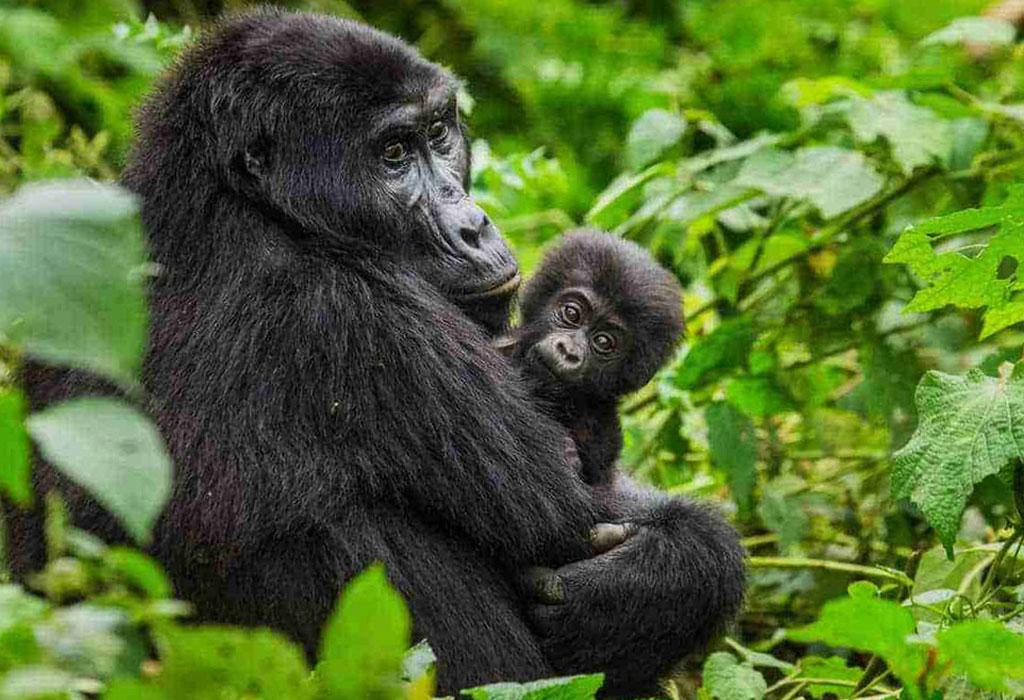


SECTION TWO • RESPONSIBLE GORILLA DESTINATIONS
Best Destinations for Eco-Friendly Gorilla Trekking
Uganda and Rwanda have distinctive landscapes, accommodation options and travel routes. Choosing the best destination depends on your expectations, available time and what you mean by sustainable travel. Neither country should automatically be labelled environmentally superior without considering the complete itinerary.
Our Uganda versus Rwanda gorilla trekking comparison introduces important differences.
Bwindi Impenetrable National Park, Uganda
Bwindi is a UNESCO World Heritage Site famous for its mountain gorillas and exceptional biological diversity. The rainforest contains numerous plant species, birds, butterflies and other wildlife, making habitat protection especially important.

Gorilla tourism is organized through designated trekking sectors, including Buhoma, Ruhija, Rushaga and Nkuringo. Selecting accommodation near the correct sector can reduce unnecessary driving and make early morning departures more practical.
Visitors can also incorporate appropriate community-led activities, helping direct tourism spending beyond the national park. Our Bwindi trekking sector guide explains the regional differences.
Mgahinga Gorilla National Park, Uganda
Mgahinga lies within the Virunga Mountains near Kisoro. Its beautiful landscape combines bamboo forests, volcanic slopes and important wildlife habitats. The park offers standard mountain gorilla trekking and separate golden monkey activities.
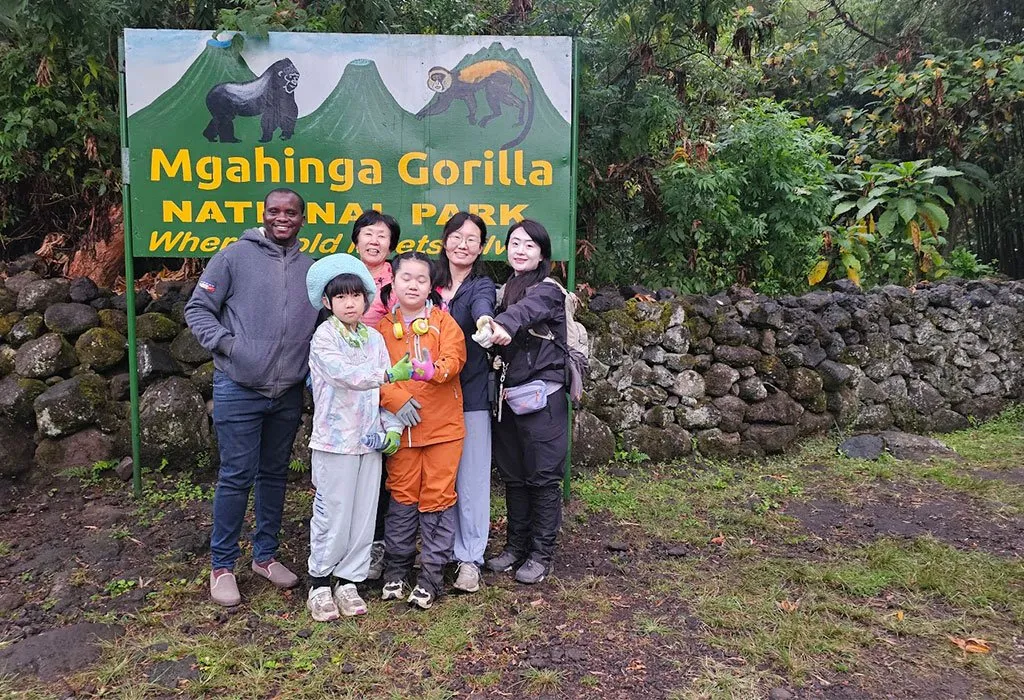
A carefully planned visit can include local guiding and accommodation around Kisoro, Lake Mutanda or nearby highlands. Travellers should select activities according to fitness and avoid entering sensitive areas without authorized personnel.
Explore our gorilla trekking and Mount Sabyinyo hiking itinerary for adventure inspiration.
Volcanoes National Park, Rwanda
Volcanoes National Park protects Rwanda’s section of the Virunga Massif and is renowned for mountain gorilla conservation. Visitors can reach the region from Kigali, making it convenient for shorter gorilla journeys.
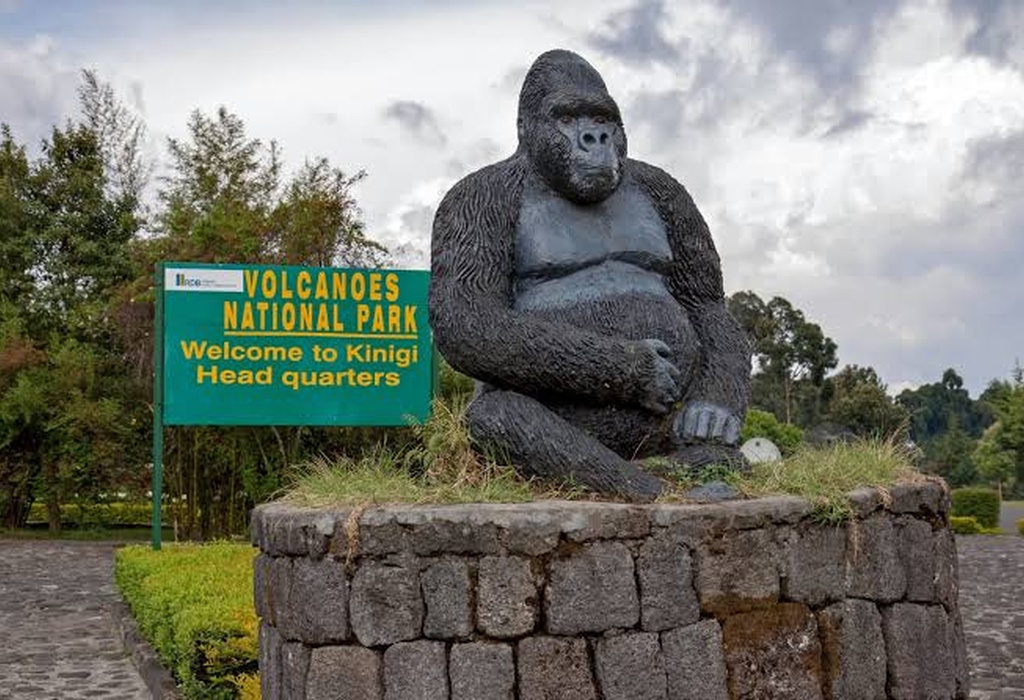 Official gorilla trekking is carefully managed, with park personnel supervising group assignments, visitor conduct and observation time. Rwanda also provides opportunities to learn about conservation initiatives and community programmes around Musanze.
Tourists wishing to explore more of the region can consult our gorilla tracking guidance for Rwanda and Uganda.
Choosing Environmentally Responsible Accommodation
Accommodation sustainability should be evaluated through practical evidence rather than labels alone. Ask about energy efficiency, water conservation, waste disposal, wastewater management and the employment of local residents.
Some lodges use solar power, refillable water systems or locally sourced ingredients, but these practices vary by property. A luxury lodge may implement excellent sustainability measures, while a simpler locally operated guesthouse may have a smaller resource footprint.
Choose lodges based on verified practices, location and comfort. Our sustainable tourism guide explores broader responsible travel choices.
Reducing Transport Impacts
Road transport, international flights and multiple hotel changes all contribute to a safari’s environmental footprint. Travellers can reduce avoidable driving by choosing logical routes, remaining longer in one region and avoiding unnecessary return journeys.
Private tours allow flexibility, but an individual vehicle is not automatically the lowest-impact option. Sharing suitable transport with travelling companions may reduce emissions per person. The most appropriate choice depends on comfort, group size and route conditions.
For a compact itinerary, our three-day Bwindi gorilla safari is a useful starting point.
Community-Based Cultural Activities
Responsible community tourism should be organized with participating hosts who welcome visitors and receive fair compensation. Suitable activities may include guided village walks, local craft workshops or opportunities to learn about traditional livelihoods.

Ask before photographing people, avoid distributing sweets or money indiscriminately and respect local privacy. Supporting established community enterprises is generally more useful than making unplanned visits to schools or vulnerable households.
Our activities to add after gorilla trekking provides further ideas.
Gorilla Habituation and Conservation
Uganda also offers a specialized Gorilla Habituation Experience in Bwindi, where authorized visitors may observe a designated family undergoing gradual habituation. This differs from standard trekking and requires a separate permit.
The longer experience does not mean unrestricted access or closer contact. Visitor numbers remain controlled, and park personnel determine appropriate behaviour around the animals.
Learn more through our Uganda gorilla habituation article.
Selecting Suitable Gorilla Permits
Official gorilla permits are essential because they control visitor access and contribute to the regulated tourism system. Uganda’s standard foreign non-resident trekking permit is listed at USD 800, while Rwanda’s standard international visitor rate is USD 1,500.
Other categories and promotional rates may apply. Prices should always be confirmed for the travel date and traveller’s eligibility, particularly when booking well in advance.
Our Uganda and Rwanda gorilla permit price comparison provides further guidance.
Travellers considering the extended experience can also review our gorilla habituation booking information and habituation experience guide.
Eco-Friendly Gorilla Tours: Uganda vs Rwanda
| Feature | Uganda | Rwanda |
|---|---|---|
| Gorilla parks | Bwindi and Mgahinga | Volcanoes |
| Standard viewing | Up to 1 hour | Up to 1 hour |
| Minimum trekking age | 15 years | 15 years |
| Published minimum distance | 10 metres | 7 metres |
| Extended habituation | Bwindi | Not a public tourist product |
| Standard foreign visitor permit | USD 800 | USD 1,500 |
Always follow current park instructions, which may be stricter than published minimum distances. Permit rates depend on visitor category and official tariff conditions.
SECTION THREE • PLANNING YOUR ECO-FRIENDLY SAFARI
How to Plan a More Sustainable Gorilla Safari
The best responsible gorilla itinerary balances conservation rules, practical logistics and meaningful local experiences. Rather than trying to visit every attraction, travellers can create a rewarding journey with fewer unnecessary transfers and enough time to appreciate each destination.
Start by reviewing our Uganda gorilla safari booking guide and establishing your preferred trekking date.
Book the Correct Permit Early
Gorilla permits are limited and linked to specific trekking dates. In Uganda, the Bwindi sector or designated entry point matters because travel between sectors can involve long mountain-road journeys.
Confirm your permit before selecting non-refundable accommodation. A local operator can help coordinate the correct park, permit category and practical briefing location.
For current price considerations, consult our gorilla permit costs guide.
Choose the Best Time to Travel
Gorilla trekking operates throughout the year, but June to September and December to February are often popular for relatively drier walking conditions. Rain can still occur in any month, especially in mountainous rainforest environments.
Travelling outside the busiest periods may provide a quieter accommodation experience, although reduced visitor numbers do not automatically make a safari more sustainable. Consider weather, transport arrangements and your personal schedule together.
Our gorilla trekking destination comparison can help with seasonal planning.
Pack Responsibly
Carry durable hiking boots, a rain jacket, reusable water containers and a compact daypack. Avoid unnecessary disposable products and choose reusable equipment that can serve you on future journeys.
Bring suitable face masks for gorilla encounters and use refill facilities when hygienically appropriate. Dispose of all waste according to local rules, and never leave litter inside protected forests.
Our gorilla tracking preparation guide explains important trekking requirements.
Suggested Three-Day Responsible Uganda Safari
Day One: Travel to your confirmed Bwindi sector, stopping at suitable locations along the route. Check into a lodge selected for its location, environmental practices and community employment policies.
Day Two: Attend the official gorilla trekking briefing and enter the forest with authorized guides. Observe all wildlife rules before returning to your lodge. If time and energy permit, enjoy a prearranged community-led activity.
Day Three: Return towards your departure destination with realistic travel breaks. An additional night can make the journey more comfortable when travelling long distances.
See our three-day Bwindi gorilla safari itinerary for inspiration.
Suggested Three-Day Responsible Rwanda Safari
Day One: Arrive in Kigali and transfer to the Musanze region. Choose accommodation with clearly explained environmental and local employment practices.
Day Two: Participate in authorized gorilla trekking in Volcanoes National Park. Follow conservation rules, keep the required distance and avoid unnecessary disturbance while observing the gorilla family.
Day Three: Enjoy a suitable cultural or conservation-focused experience before travelling back to Kigali. Allow time for local stops without rushing your driver.
For Rwanda and Uganda trekking procedures, review our gorilla tracking overview.
Additional Conservation-Friendly Experiences
A gorilla safari can include guided birdwatching, authorized forest walks and community-based cultural activities. These experiences help visitors appreciate the wider environment and can employ gorilla trekking itself.
When booking cultural activities, ask whether local hosts have agreed to participate and how fees are distributed. Avoid wildlife encounters that encourage feeding, touching or inappropriate interaction with wild animals.
Our sustainable tourism activities guide provides further ideas.
Is Eco-Friendly Gorilla Trekking More Expensive?
Not necessarily. An environmentally responsible safari can be budget, midrange or luxury. Some improvements, such as avoiding disposable plastics and reducing unnecessary transfers, may cost little or even save money.
Other choices, including responsibly managed accommodation or specialized guiding, may increase the price. Compare what is genuinely included and ask for evidence of sustainability claims rather than assuming that the most expensive lodge has the strongest environmental record.
For a detailed activity comparison, see our gorilla trekking versus habituation guide.
Why Book with Safari Vacations and Travel Services?
Safari Vacations and Travel Services creates private gorilla and wildlife journeys across Uganda and Rwanda. We can help travellers coordinate official permits, professional driver-guides, suitable accommodation and cultural activities that match their interests.
Our planning approach can prioritize logical routes, local service providers and responsible wildlife experiences. We explain important park regulations and can discuss accommodation sustainability practices before confirming a tour.
Every safari should be evaluated according to its actual arrangements rather than an unsupported claim of being completely carbon-neutral or impact-free.
Explore our Uganda gorilla tours, gorilla photography safaris and additional gorilla safari activities for more inspiration.
Frequently Asked Questions About Eco-Friendly Gorilla Tours
1. What is an eco-friendly gorilla tour?
It is a conservation-conscious safari that follows official wildlife rules, supports legitimate local services and seeks to reduce unnecessary environmental impacts.
2. Where can I experience responsible gorilla trekking?
Uganda offers trekking in Bwindi and Mgahinga, while Rwanda offers gorilla trekking in Volcanoes National Park.
3. Does gorilla tourism support conservation?
Official permit revenue contributes to protected-area management and conservation programmes. Responsible tourism can also create opportunities for nearby communities.
4. How long can I observe mountain gorillas?
Standard gorilla trekking allows a maximum of one hour with the designated gorilla family after locating it.
5. What is the minimum age for trekking?
Both Uganda and Rwanda set the minimum standard mountain gorilla trekking age at fifteen years.
6. How far should I stay from gorillas?
Uganda’s published rule specifies ten metres, while Rwanda’s official guidance specifies seven metres. Always follow current ranger instructions and any stricter requirements.
7. Can I trek when I have a cold?
No. Visitors with potentially contagious illness must not approach gorillas because human infections may threaten their health.
8. Can I use flash photography?
No. Flash photography is prohibited because it may disturb the gorillas. Follow ranger directions when taking photographs.
9. What makes accommodation eco-friendly?
Useful indicators include efficient energy and water use, responsible waste management, local employment and credible evidence of environmental practices.
10. Are sustainable safaris expensive?
Not necessarily. Responsible trips are available at different comfort levels, and some measures reduce costs as well as environmental impacts.
11. Can I combine Uganda and Rwanda?
Yes. A private itinerary can visit both countries, provided separate permits, border requirements and travel arrangements are confirmed.
12. Can local communities benefit from trekking?
Yes. Tourism may support guiding, hospitality, crafts, agriculture and community programmes, although benefits depend on how tourism is managed.
13. Is gorilla habituation eco-friendly?
Habituation tourism is regulated by authorized conservation personnel. It can be responsibly managed, but longer observation does not automatically make it more sustainable.
14. How can I reduce waste?
Carry reusable containers, avoid unnecessary packaging and dispose of waste only in appropriate facilities outside protected habitats.
15. Is Rwanda more sustainable than Uganda?
Neither destination is automatically superior. The overall impact depends on park management, accommodation, transport and visitor behaviour.
16. When is the best time to travel?
June to September and December to February are popular for relatively drier trekking conditions, although gorilla trekking operates year-round.
17. Can I hire a local porter?
Yes. Porter services are available at many trekking locations and can provide useful local employment while assisting visitors on difficult trails.
18. How do I book a responsible gorilla safari?
Contact Safari Vacations and Travel Services with your travel dates, group size and preferred accommodation category for a tailored quotation.
Conclusion: Are Eco-Friendly Gorilla Tours Worth It?
Eco-friendly gorilla tours in Uganda and Rwanda offer travellers a meaningful opportunity to observe endangered mountain gorillas while supporting conservation-focused tourism. Choosing official permits, respecting wildlife regulations, supporting local enterprises and reducing unnecessary waste can make a genuine difference.
Both Bwindi and Mgahinga in Uganda and Volcanoes National Park in Rwanda provide exceptional gorilla encounters. The most responsible choice is a well-planned safari that respects the animals, supports nearby communities and considers the environmental impact of the whole journey.
Safari Vacations and Travel Services can help organize a customized gorilla adventure that balances conservation awareness, comfort, responsible travel practices and unforgettable wildlife experiences.
TRAVEL RESPONSIBLY • PROTECT WILDLIFE
Book Your Eco-Friendly Gorilla Safari in Uganda or Rwanda
Explore East Africa’s mountain gorilla habitats with Safari Vacations and Travel Services. Let us arrange your official permits, private transportation, suitable accommodation and conservation-conscious safari experiences.
Safari Vacations and Travel Services
+256 776 423286
info@ugandarwanda-safaris.com


