Does Gorilla Trekking Embrace Sustainable Tourism?

Does Gorilla Trekking Embrace Sustainable Tourism?
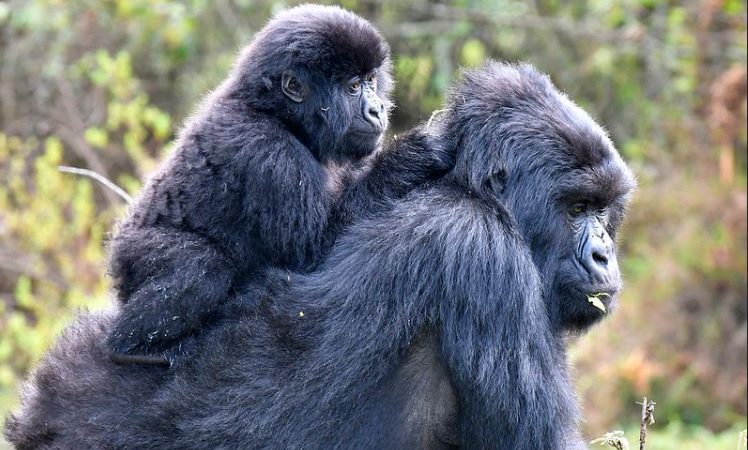
Does Gorilla Trekking in Bwindi Impenetrable Forest and Volcanoes Rwanda embrace Sustainable Tourism? Gorilla trekking is a mind-blowing adventure. It gives people the opportunity to be up close and personal with mountain gorillas. It involves hiking through dense forests in search of these gentle giants. Once you find them, you get to spend an hour watching them go about their day.
Gorilla trekking has become a popular activity among tourists visiting Uganda and Rwanda. With this increasing popularity, one may wonder; Does Gorilla Trekking Exhibit Sustainable Tourism?
Impact Of Gorilla Trekking on Gorillas
Gorillas are very sensitive animals. Thus, disturbances in their habitat can affect their behavior, nesting sites, and food sources.
While gorillas may become habituated to human presence, frequent encounters with humans can still cause stress and disrupt their natural behaviors. This potentially affects reproduction, social dynamics, and overall well-being.
Gorillas also share 98% of their DNA with humans, Consequently, close contact with tourists can increase the risk of disease transmission. This can be particularly problematic for habituated gorilla populations that are less immune to human illnesses.
On the other hand, revenue generated from gorilla trekking permits often contributes significantly to conservation efforts. These include habitat protection and anti-poaching measures to protect the gorillas and where they live.
Gorilla trekking also provides opportunities for researchers to study gorilla behavior. This includes health, and ecology, which can contribute to better gorilla conservation strategies.
It also raises awareness about the importance of gorilla conservation and the need to protect these endangered animals. Visitors often leave with a deeper appreciation for conservation issues and may become advocates for gorilla protection.
Impact Of Gorilla Trekking on The Natural Environment
Frequent use of trekking trails may lead to vegetation damage, soil erosion, and habitat degradation. Clearing paths during the treks disrupts delicate ecosystems, especially in fragile mountain habitats where gorillas often reside.
Improper waste disposal may pollute water sources and harm wildlife. This is because the activity generates waste, including plastic bottles, food packaging, and other non-biodegradable materials.
Invasive species may be introduced in the gorilla habitat. These may come up through contaminated clothing or equipment which may compete with native flora and fauna and disrupt the ecosystem.
On the bright side, part of the revenue from gorilla trekking goes to habitat preservation and mitigating any potential impacts of the activity on the environment.
Impact of Gorilla Trekking on Local Communities
Gorilla trekking can generate significant revenue for local communities. This is through tourism fees, accommodation, and other services.
It also creates jobs for local people as guides, trackers, park rangers, and lodges.
However, increased tourism can lead to changes in local cultures and traditions. Communities may adapt to cater to tourists’ preferences.
Local communities may rely heavily on tourism. This may make them vulnerable to fluctuations in tourist numbers or changes in regulations. This may lead to economic instability in the community.
Competition for resources between gorillas and local communities can lead to conflict, especially if gorillas damage crops.
Sustainability Efforts to Mitigate the Impacts of Gorilla Trekking
Rwanda and Uganda are popular for their gorilla trekking experiences. These countries have implemented conservation efforts to protect these endangered animals.
Limited permits
Governments and conservation organizations can limit the number of permits issued for gorilla trekking to reduce the number of visitors and minimize disturbance to the gorillas’ natural habitat. The high charges on gorilla permits also help limit the number of people trekking the endangered mountain gorillas.
Enforcing gorilla trekking guidelines
There are strict guidelines for visitor behavior during gorilla trekking. These include such as maintaining a safe distance from the gorillas, refraining from littering and minimizing noise and disturbances.
Guided tours
Gorilla trekking should be conducted only through guided tours led by trained and certified local guides. These guides can ensure that visitors follow established guidelines. They also ensure the trek minimizes their impact on the environment and wildlife.
Revenue sharing
Part of the revenue the park collects from gorilla permits goes back to local communities adjacent to gorilla destinations. In Uganda, 20% of the permit fees go to the local community as part of a revenue-sharing scheme. In Rwanda, it’s 10%. These funds support various initiatives in the local communities. These include providing clean water, constructing hospitals, and schools, goat rearing, beekeeping, and more. This acts as an incentive for the communities to actively participate in gorilla conservation efforts. This therefore reduces poaching and habitat destruction.
Monitoring and research
There are monitoring and research programs to help assess the impact of gorilla tourism on the environment and local communities. This data is used to inform management decisions and help identify areas for improvement.
Community engagement
Local communities are involved in decision-making processes related to gorilla tourism and conservation efforts. This has empowered local communities. They are now stewards of their natural resources to achieve more sustainable outcomes.
As Safari Vacations and Travel Services, we employ local guides who are familiar with the area. This provides employment opportunities for the local people.
As a tour operator, We also encourage our guests to support community programs and businesses to improve the livelihood of the local communities.
We also partner with eco-friendly lodges for accommodations. We aim to reduce the carbon footprint associated with gorilla trekking tourism.
Is Gorilla Trekking Sustainable Tourism?
Does Gorilla Trekking Embrace Sustainable Tourism? Yes, gorilla trekking embraces sustainable tourism. Gorilla trekking and sustainable tourism go hand in hand as one wouldn’t exist without the other.
Gorilla trekking offers a unique opportunity to connect with nature with support from conservation efforts. While challenges exist, the benefits of gorilla trekking far outweigh its drawbacks.
By embracing responsible tourism practices and encouraging collaboration between stakeholders, we can ensure that future generations have the privilege of experiencing the wonder of gorillas in the wild. Let’s cherish and protect these gentle giants and the ecosystems they live in for generations to come.