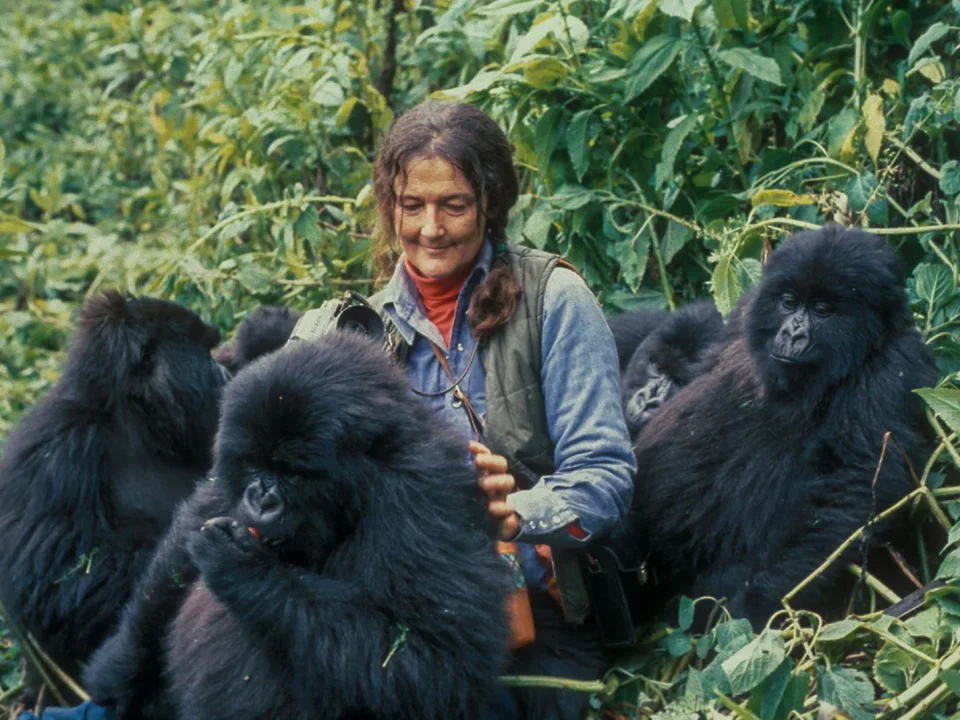
Discounted Gorilla Tracking Permits in Uganda at $400

- SEO Title: Discounted Gorilla Tracking: 7 Smart Ways to Save
- Meta Description: Discounted gorilla tracking in Uganda: see low-season permit prices, April-May-November dates, booking rules, Bwindi vs Mgahinga, weather and tips.
- URL Slug:
discounted-gorilla-tracking - Focus Keyword:
discounted gorilla tracking - Secondary Keywords:
Uganda gorilla permits,low season gorilla trekking,Bwindi gorilla trekking,Mgahinga gorilla trekking
Discounted Gorilla Tracking: 7 Smart Ways to Save in Uganda
Discounted gorilla tracking is now a practical way to reduce the cost of seeing mountain gorillas in Uganda without reducing the regulated time you spend with a habituated gorilla family. The key is timing: Uganda’s lower seasonal rate is tied to specific wetter months, so the best-value trip is not simply the cheapest permit. It is a trip that matches the permit date with the correct park, trekking sector, lodge, road transfer and realistic wet-season preparation.
For travelers comparing gorilla trekking in Uganda and Rwanda, the strongest current value proposition is Uganda’s seasonal permit reduction for April, May and November. Foreign non-residents can pay US$600 instead of the standard US$800 rate during the announced low-season window, while qualifying foreign residents have a reduced rate of US$500. Because rules and tariff periods can change, confirm the applicable rate and booking conditions for your exact date before paying.

What Is Discounted Gorilla Tracking in Uganda?
Discounted gorilla tracking refers to Uganda’s official low-season reduction on standard gorilla trekking permits rather than a private coupon, last-minute deal or unofficial operator markdown. That distinction matters. A legitimate permit is tied to the protected-area system and should be confirmed through the authorized booking process. Travelers should be cautious when a supposed bargain is dramatically below the official category for their nationality or residency status.
The experience itself follows the normal structure described in a mountain gorilla tracking experience: an early briefing, ranger-led forest trek, controlled viewing time after the gorillas are located, and strict wildlife-health rules. Discounted gorilla tracking changes the permit cost during the qualifying window; it does not create a shorter or inferior encounter. That is why the offer can be compelling for travelers who were already comfortable traveling in the green season.
How much can discounted gorilla tracking save?
For a foreign non-resident paying US$600 rather than US$800, the direct permit saving is US$200 per person. A couple saves US$400 on permits, while four travelers save US$800. Those savings can offset a private transfer, porter support, an extra lodge night, or another activity. When comparing the total cost of a gorilla permit, separate the official permit from transport, accommodation, meals, porter fees, tips and any additional park activities.
Which months have the low-season rate?
The current low-season window centers on April, May and November. These are wetter periods in southwestern Uganda, which helps explain why demand can be softer than in the driest holiday months. Low season gorilla trekking therefore trades weather certainty for lower permit cost and often a quieter tourism rhythm. Rain can arrive quickly in mountain forest, but showers do not automatically mean a ruined day; guides trek in changing conditions throughout the year.
Want the Low-Season Saving Without a Planning Mistake?
Share your preferred month, group size and comfort level. Build the route around a valid permit date first, then match the right lodge and transfer plan.
Check My Gorilla Trek Options →
Email: info@ugandarwanda-safaris.com
Discounted Gorilla Tracking Permit Prices and Eligibility
Uganda gorilla permits are priced by visitor category, and eligibility should be established before budgeting. The seasonal foreign non-resident rate is the headline most international tourists search for, but residency documentation can affect the applicable category. Do not assume that living abroad, holding an African passport, or spending a long holiday in Uganda automatically places you in a resident category. Ask what documentation is required for the rate you expect to use.
| Permit context | Foreign non-resident | Foreign resident | Planning note |
|---|---|---|---|
| Low-season standard trek | US$600 | US$500 | April, May, November; reconfirm exact conditions |
| Standard rate outside offer | US$800 | US$700 | Use for comparison when calculating savings |
Before sending money, verify the current gorilla trekking permit in Uganda rules for your intended travel date. Low-season permits have been communicated with tighter change conditions, including restrictions on rescheduling. That makes date selection especially important. A cheaper permit is poor value if a traveler books an impossible flight connection or chooses accommodation several hours from the assigned trailhead.
Are Uganda gorilla permits cheaper at the last minute?
Do not build a trip around the hope of a last-minute markdown. Uganda gorilla permits are controlled inventory, and discounted gorilla tracking is a defined seasonal tariff rather than a clearance sale. Availability can still disappear on popular dates, especially when small groups, photographers or regional travelers converge on the same period. Secure the permit when your date is genuinely workable, then lock in the surrounding services.

Bwindi Gorilla Trekking or Mgahinga Gorilla Trekking?
The permit price is only one part of choosing where to trek. Bwindi gorilla trekking offers several sectors and a broad range of lodge choices, while Mgahinga gorilla trekking takes place in a smaller volcanic park near Kisoro. Both can deliver the central experience travelers want: a guided trek to habituated mountain gorillas. The better choice depends on permit availability, road routing, accommodation, fitness preferences and what else you want to combine with the trek.
Bwindi gorilla trekking for sector choice and lodge variety
Bwindi Impenetrable Forest is not a single trailhead. Travelers may be assigned to different trekking areas, and the driving time between them can be substantial. This is why discounted gorilla tracking should be planned from the permit outward. First confirm the date and sector, then choose accommodation that makes the morning briefing practical. Booking a beautiful lodge on the wrong side of the forest can turn a value trip into an exhausting transfer problem.
When researching the best region to trek gorillas in Bwindi, compare terrain, lodge style, access from Kigali or Entebbe, and the rest of your safari route. Buhoma Sector is well established in the north; Rushaga Gorilla Sector and Nkuringo serve the south; Ruhija Sector is on the eastern side. The exact gorilla family visited is normally allocated within the operational system rather than chosen like a hotel room.
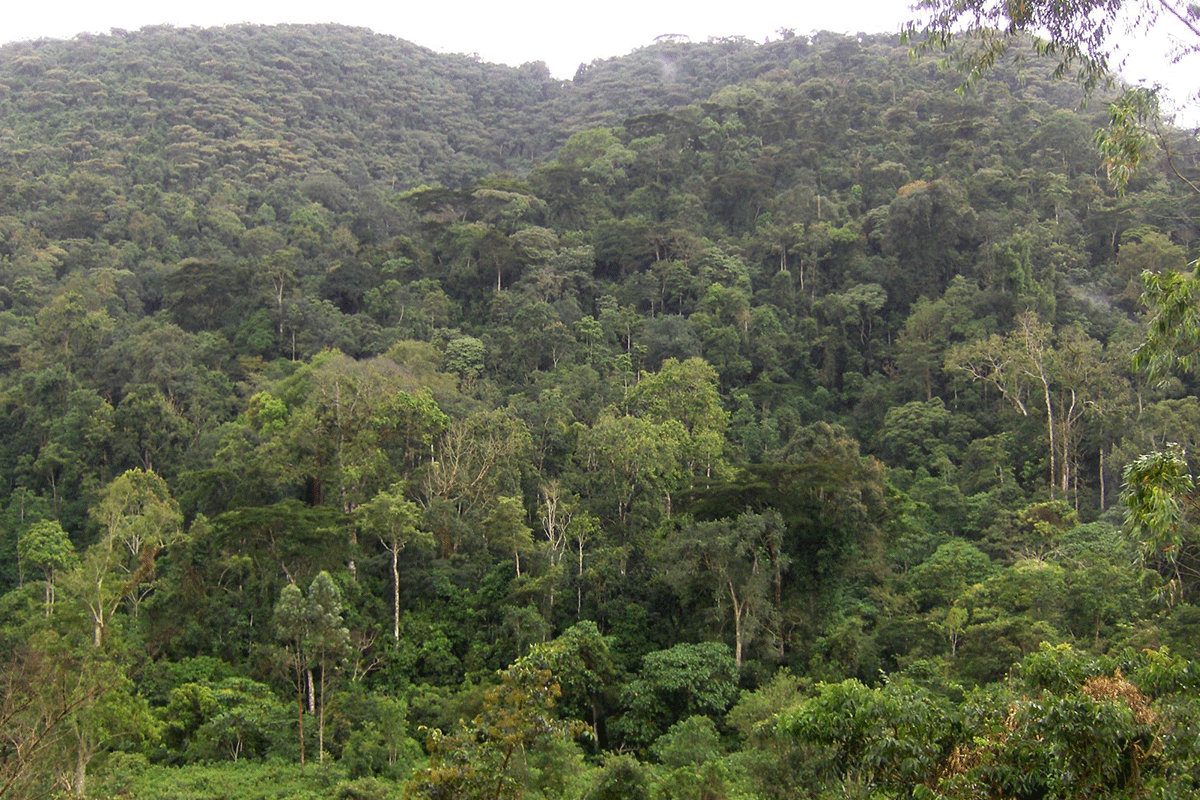
Mgahinga gorilla trekking for a compact volcanic setting
Mgahinga Gorilla National Park can fit beautifully into an itinerary using Kisoro or crossing from Rwanda. Mgahinga gorilla trekking combines bamboo, montane forest and the dramatic Virunga volcano backdrop. Travelers may also consider golden-monkey activities or additional hiking when time and conditions allow. The park’s smaller scale can be attractive, but permit availability and the operating gorilla group should be checked before designing the trip.
If your dates are flexible, compare best time to visit Mgahinga with the low-season price window rather than assuming dry weather is always worth the extra permit cost. For a traveler equipped for rain, discounted gorilla tracking in a wetter month can free budget for a better-located lodge or an extra recovery night. For someone with limited mobility or a very tight schedule, paying more for a drier period may be the better personal value.

How to Book Discounted Gorilla Tracking Without Losing the Saving
The safest planning sequence is permit first, route second, flights and non-refundable extras third. Start by choosing two or three acceptable trekking dates in April, May or November. Check availability, confirm which visitor category applies, understand the payment and change rules, and obtain clear written confirmation. Then place the correct lodge near the assigned trekking area and calculate the road or flight connection into southwestern Uganda.
Step 1: confirm Uganda gorilla permits for exact dates
Use an authorized booking route and make sure the confirmation identifies the trek date and relevant location. Travelers who prefer to understand the process can review online gorilla permit booking and the site’s guide to gorilla tracking permits. Discounted gorilla tracking should never depend on a vague promise that a permit will be found later. The permit is the scarce component around which the rest of the itinerary should be built.
Step 2: match the lodge to the trekking sector
For Bwindi gorilla trekking, sector placement is critical. Ask how long the morning drive is from the lodge to the briefing point and whether road conditions change materially in heavy rain. A lower room rate far away can cost sleep, fuel and comfort. In the south, travelers may also investigate the area around the Nkuringo Gorilla family and nearby sectors, while northern itineraries may naturally favor Buhoma access.
Step 3: protect the itinerary from wet-season delays
Low season gorilla trekking works best when you avoid a same-day long road transfer before the trek and avoid a tight international departure immediately afterward. Build in sensible buffers. Mountain roads can be slower after rain, and forest activities finish according to wildlife movement rather than a fixed sightseeing timetable. Discounted gorilla tracking is a value strategy, not an invitation to compress every hour of the trip.
Secure the Permit Before the Lodge
Send two or three possible trek dates. A planner can check the most practical park or sector, then shape transport and accommodation around it.
Email: info@ugandarwanda-safaris.com
Low Season Gorilla Trekking: Weather, Trails and What to Expect
April and May are commonly associated with heavier rainfall, while November is another wetter period. In rainforest and mountain environments, conditions can vary within the same day. Expect damp vegetation, mud, mist and sudden showers, but also saturated green scenery and fewer dust problems. The forest does not close simply because it rains; operational decisions are made locally according to safety and park conditions.
Check the site’s detailed guide to weather in Bwindi and the broader best time to trek mountain gorillas before deciding whether the saving fits your travel style. Low season gorilla trekking is particularly attractive to flexible travelers who prioritize price, lush photography and quieter travel periods. Travelers who strongly dislike mud, have inflexible footwear needs, or need the easiest possible road conditions may prefer a drier month.
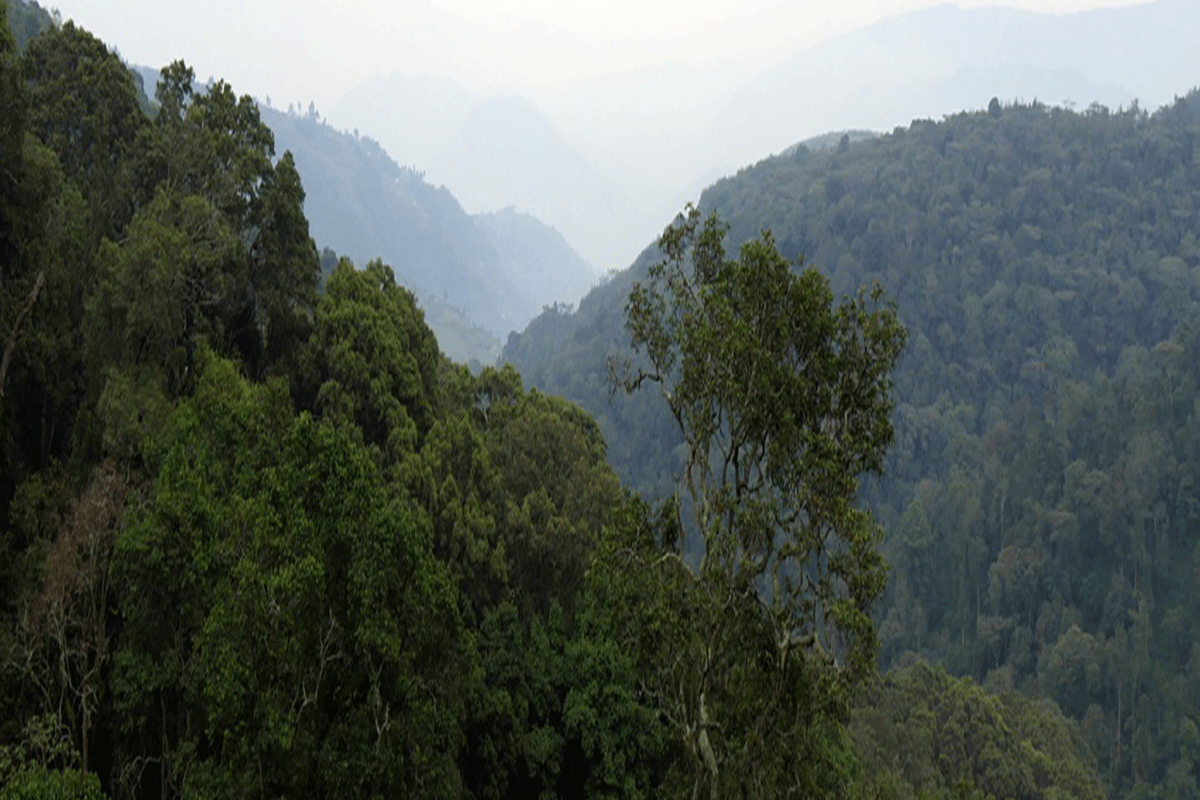
Does rain make discounted gorilla tracking harder?
It can. Wet roots, steep slopes and soft ground increase the physical challenge, particularly in parts of Bwindi. Yet trek length also depends on where the gorillas are that day, so no season guarantees an easy or difficult route. Rangers assess conditions, and porters can be extremely helpful with a daypack and balance on slippery sections. The right question is not whether rain exists, but whether you are equipped and physically prepared for variable terrain.
Will I still see gorillas in the low season?
A permit provides access to a guided tracking operation, not a wildlife sighting guarantee in the commercial sense. However, the entire system is built around ranger knowledge, daily monitoring and habituated gorilla groups. Seasonal rain does not turn discounted gorilla tracking into a different product. Your day may be wetter, muddier or cooler, but the tracking process and conservation rules remain fundamentally the same.
Fitness, Clothing and Packing for Discounted Gorilla Tracking
Prepare for a hike rather than a casual zoo visit. Your exact route cannot be predicted in advance because gorillas move through the forest. Read about gorilla trekking difficulty and assess your own walking ability on hills, uneven ground and mud. Basic cardiovascular fitness, leg strength and confidence on rough paths are more useful than trying to train like an endurance athlete.
A focused gorilla trekking fitness routine can include regular brisk walking, stairs or hills, and practice carrying a light daypack. Travelers with age or mobility concerns should discuss them early; specialized planning for gorilla trekking for elderly travelers can include porter support, pacing considerations and careful sector or lodge selection where operationally possible.

What to wear for low season gorilla trekking
Choose broken-in waterproof or water-resistant gorilla trekking boots, long trousers, a long-sleeved breathable top, rain shell, hat and gardening-style gloves for vegetation and muddy handholds. Carry water in a small daypack, protect electronics in dry bags, and bring a spare layer for the return. Avoid relying on a disposable poncho as your only rain strategy if the forecast is unsettled.
For discounted gorilla tracking, packing well protects the value of the saving. Spending less on the permit but arriving with unsuitable shoes can make the day miserable. A porter is also a practical purchase, not a sign of poor fitness. It keeps your hands free, reduces fatigue and directs additional tourism income into the local area.
How Much Does a Full Discounted Gorilla Tracking Trip Cost?
The US$600 permit is only the anchor cost. Add transport to southwestern Uganda, lodging before and after the trek, meals not included by the lodge, porter support, tips, optional activities and international travel. A short overland trip from Kigali may reduce driving time for some Bwindi or Mgahinga routes, while a domestic flight from Entebbe can save road hours at a higher cash cost. The best budget is built from the whole itinerary, not the permit alone.
Travelers focused on value should compare budget gorilla trekking safaris rather than automatically choosing the cheapest room. Location matters. A modest lodge near the correct briefing point can be better value than a discounted property requiring a long predawn transfer. Likewise, sharing a vehicle can reduce per-person transport cost, while a private vehicle gives more control over stops and departure times.
Can I start discounted gorilla tracking from Kigali?
Yes, many itineraries use Kigali as a gateway to southwestern Uganda, subject to current border, visa and entry requirements. A very short itinerary such as 1-day gorilla tracking from Kigali illustrates the geographic logic, but most travelers benefit from more breathing room. Check the East African Tourist Visa only if it fits your nationality and exact country sequence; never assume one regional document covers every itinerary.
Is flying to Bwindi worth the extra cost?
A fly-in safari to Bwindi can make sense for travelers with limited days or those who want to reduce long road transfers. The trade-off is price and baggage restrictions. If discounted gorilla tracking saves US$200 on the permit but a flight adds substantially more, the trip may still be worthwhile for time-sensitive travelers; it simply becomes a time-value decision rather than the absolute cheapest option.
Is Discounted Gorilla Tracking Safe and Ethical?
The lower seasonal price does not remove the standard ranger system or wildlife rules. Read current gorilla trekking safety guidance, follow the briefing, keep the required distance, avoid trekking when ill, and obey instructions about food, movement, photography and behavior around gorillas. Great apes are susceptible to human disease, which is why health rules are part of conservation rather than optional etiquette.
Permit revenue supports protected-area management and the wider conservation economy. A discount is intended to stimulate travel during quieter periods, not to turn gorillas into a bargain commodity. Responsible discounted gorilla tracking means using legitimate permits, respecting viewing limits, supporting professional guides and porters, and choosing operators and lodges that treat communities and wildlife as long-term partners.
20 Search Questions Travelers Ask Before Booking
The questions below cover the practical search intent that usually sits behind a discounted gorilla tracking query: price, timing, legitimacy, weather, park choice, sectors, transport, fitness and booking risk. For broader preparation, the site’s gorilla tracking information and gorilla trekking FAQs can help you compare the details that matter for your own trip.
1. What is the discounted Uganda gorilla permit price?
For the announced low-season window, foreign non-residents pay US$600 and qualifying foreign residents pay US$500. Confirm your category and travel date before payment because tariffs and conditions can be revised.
2. When is discounted gorilla tracking available?
The offer is associated with April, May and November. These months are wetter, so travelers should budget for rain gear, muddy trails and potentially slower road conditions.
3. Is discounted gorilla tracking the same experience?
Yes in the essential sense: you join the regulated ranger-led standard gorilla trek and follow the same conservation rules. The discount is seasonal pricing, not a reduced viewing product.
4. Are low-season permits refundable or changeable?
Treat them as date-sensitive and restrictive. Current communications have emphasized no rescheduling for discounted permits, so verify the exact booking terms before committing to flights and hotels.
5. Is Bwindi gorilla trekking better than Mgahinga gorilla trekking?
Neither is universally better. Bwindi offers multiple sectors and extensive lodge choice; Mgahinga offers a compact volcanic setting. Availability and route logic should drive the decision.
6. Which Bwindi sector should I book?
Choose based on the permit allocation, accommodation access and wider route. Do not book a lodge first and assume every Bwindi trailhead is nearby.
7. How early should I book Uganda gorilla permits?
Book once your travel window is firm enough to accept the permit conditions. Even in low season, specific dates and sectors can fill, especially around holidays or group departures.
8. Can I buy Uganda gorilla permits myself?
Direct and operator-assisted routes exist. Many tourists use a specialist because the permit must be coordinated with lodging, transfers and the correct trekking area.
9. Is low season gorilla trekking too rainy?
Not for everyone. Travelers comfortable with tropical showers and mud often value the greener scenery and lower price. Those seeking the driest possible trail should choose another period.
10. How difficult is Bwindi gorilla trekking?
Difficulty varies daily with gorilla movement, slope, trail conditions and your fitness. Wet months can make footing harder, so use proper boots and consider a porter.
11. What should I pack for discounted gorilla tracking?
Pack sturdy footwear, long trousers, long sleeves, a breathable rain shell, gloves, water, sun protection and dry protection for electronics. Keep the daypack light.
12. Can seniors do low season gorilla trekking?
Many older travelers trek successfully, but individual mobility and medical needs matter. Discuss limitations before booking and avoid assuming a discounted date will also produce an easy route.
13. Can children join discounted gorilla tracking?
Gorilla trekking has a minimum age requirement. Families should verify current eligibility before buying permits or arranging a family safari around the trek.
14. Can I combine gorillas with chimpanzees?
Yes. Uganda is especially strong for combining gorillas with chimpanzee tracking and savannah wildlife, although each extra region adds transfer time and cost.
15. Can I combine gorillas with Queen Elizabeth National Park?
Yes. A western Uganda circuit can connect the gorilla highlands with game drives and boat-based wildlife viewing, creating a more varied trip than a standalone trek.
16. Is November a good month for discounted gorilla tracking?
It can be excellent for travelers who accept rain and value the seasonal rate. Pack for wet conditions and keep road transfers realistic.
17. Are April and May good for gorilla photography?
The forest can be intensely green with soft, misty conditions, but rain and lower light require camera protection and realistic expectations. Avoid flash where prohibited.
18. Should I hire a porter?
For most travelers, yes. A porter can carry the daypack, assist on difficult ground and reduce fatigue while providing direct local employment.
19. How many days do I need?
A rushed trip can be done quickly, but three or more days often produces a calmer plan with arrival, trekking and departure separated. Add more time for wildlife parks or chimpanzees.
20. How do I choose a gorilla tour?
Compare permit confirmation, sector logistics, vehicle quality, guide support, lodge location, inclusions and change terms. Browse relevant gorilla trekking tours only after deciding your date, budget and preferred trip length.

A Practical 3-Day Low-Season Gorilla Trekking Plan
Day 1: travel to the correct Bwindi sector or to the Mgahinga/Kisoro area, arriving before dark where possible. Check your permit details, prepare your daypack, confirm the briefing time and ask the lodge about road conditions. This arrival day protects discounted gorilla tracking from the risk of a same-morning long transfer.
Day 2: eat an early breakfast, carry water and packed food as advised, attend the ranger briefing and begin the trek. Hire a porter if useful. After the gorilla encounter and return hike, keep the rest of the afternoon flexible. Low season gorilla trekking can be tiring when trails are wet, so a relaxed evening is better than stacking another demanding activity.
Day 3: depart for Kigali, Entebbe or the next safari destination with a realistic buffer. If continuing through Uganda, add a savannah or chimpanzee region rather than racing directly to an international flight. Discounted gorilla tracking delivers its best value when the itinerary protects the trek instead of treating it as a one-hour stop between long drives.
Who Gets the Best Value From Discounted Gorilla Tracking?
The strongest candidates are flexible travelers, couples and small groups whose dates can fall in April, May or November; photographers who enjoy green forest atmosphere; repeat East Africa visitors who understand tropical weather; and budget-conscious travelers who would rather direct US$200 per person toward accommodation, transport or another conservation activity. The saving becomes more meaningful as group size increases.
It is less compelling for travelers whose dates may change, people who strongly need dry trails, or itineraries with tight flight connections and no buffer. Because discounted gorilla tracking can carry strict rescheduling conditions, flexibility before booking must become commitment after booking. If uncertainty is high, the standard permit may be more expensive but strategically safer.
The final booking test
Before paying, answer five questions: Is my travel date definitely inside the qualifying window? Do I know my permit category? Do I understand the change rules? Is my lodge near the correct trekking area? Have I allowed enough time for rain-affected roads and the unpredictable length of a wildlife trek? If all five answers are yes, discounted gorilla tracking can be one of the clearest ways to reduce the cost of a Uganda gorilla safari without reducing the core experience.
Turn the Seasonal Rate Into a Workable Safari
Share your travel month, number of travelers, preferred trip length and whether you want Bwindi or Mgahinga. Build the itinerary around confirmed permit availability.
Plan My Discounted Gorilla Trek →
Email: info@ugandarwanda-safaris.com
Booking Notes for the Seasonal Gorilla Permit
Discounted gorilla tracking works best when the permit date, trekking location and transfer plan are confirmed together.
Uganda gorilla permits should be confirmed in writing before non-refundable accommodation is finalized.
Low season gorilla trekking requires rain-ready clothing, realistic road times and flexible expectations about trail conditions.
Bwindi gorilla trekking planning should match the confirmed sector with a nearby lodge and practical morning transfer.
Mgahinga gorilla trekking is worth comparing when Kisoro access, permit availability and a volcanic highland setting fit the route.