13 Unmissable cultural attractions in Rwanda: Great Guide

Nyamata Genocide Memorial
13 Unmissable cultural attractions in Rwanda: Great Guide
From royal compounds and community craft studios to solemn remembrance sites, cultural attractions in Rwanda reveal a country whose identity is shaped by memory, creativity and living traditions. This practical guide follows a route through Kigali, Nyanza, Huye, Musanze and Lake Kivu, helping visitors choose meaningful experiences rather than collecting quick photographs. Discover what to see, how to plan each day and how to visit with respect. Experience cultural attractions in Rwanda patiently. Discuss traditional Rwandan cultural experiences openly. Choose Rwanda cultural travel guide wisely.
What makes Rwanda’s cultural landscape distinctive?
Rwanda is often introduced through mountain gorillas and green hills, yet its history is equally compelling. Royal courts, skilled craft traditions, community cooperation, memorial places and contemporary art are connected by the stories people tell about them. Visitors can move from the busy streets of Kigali to a thatched royal compound in Nyanza, then continue to Huye for a deeper look at objects once used in Rwandan homes. This combination makes cultural travel approachable even on a short trip. Appreciate these heritage experiences fully. Consider traditional Rwandan cultural experiences carefully. Understand Rwanda cultural travel guide deeply.
The best visits involve more than looking through a glass case: a guide can explain why cattle were important to political authority, how woven baskets communicated skill and identity, and why remembrance remains central to public life. Plan time to listen and ask respectful questions. A good introduction also leaves room for everyday experiences such as local food, neighborhood markets and conversations with artisans. Instead of treating communities as attractions, seek hosted experiences with clear consent and fair payment. Explore Rwanda museums and galleries thoughtfully. Experience cultural attractions in Rwanda patiently. Discuss traditional Rwandan cultural experiences openly.

Kigali Genocide Memorial: remembrance with context
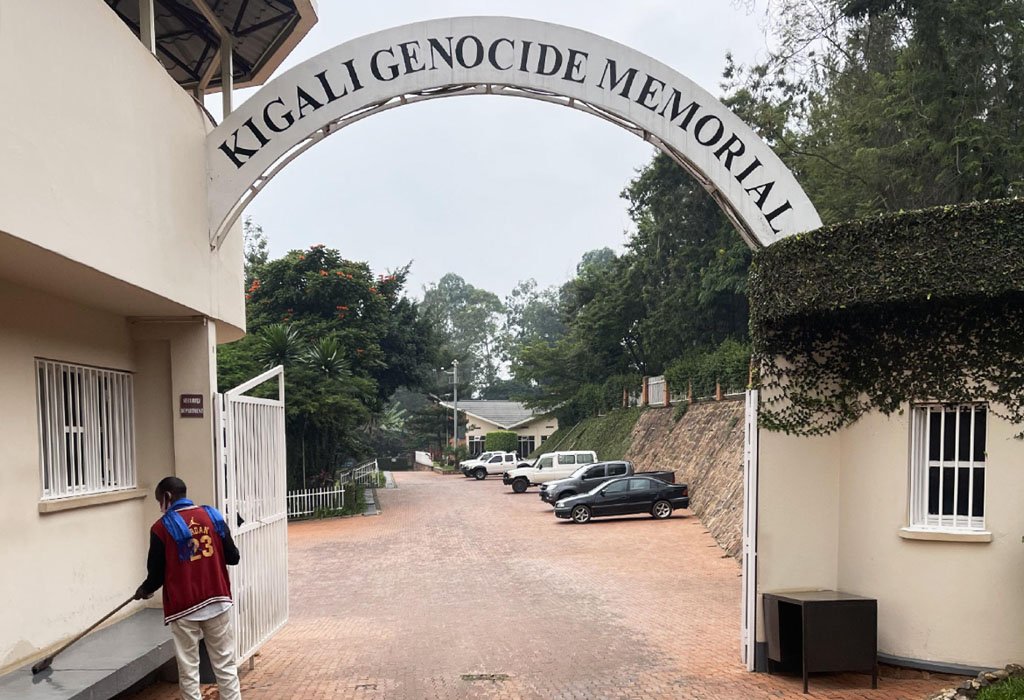
The Kigali Genocide Memorial in Gisozi is one of the most important stops for understanding the country today. Its exhibitions document the 1994 Genocide against the Tutsi, explain historical conditions, commemorate those killed and encourage reflection about prevention. The memorial is also a place of burial and mourning, not simply a museum to check off an itinerary. Allow generous time, follow photography instructions and avoid hurried or cheerful behavior in the grounds. Approach Rwanda cultural heritage sites respectfully. Interpret Rwanda museums and galleries sensitively. Appreciate cultural attractions in Rwanda fully.
Some displays are emotionally difficult, particularly for children, so families should consider the needs of each traveler. A guide or audio interpretation helps visitors process the historical material without reducing people’s lives to statistics. If your plans include markets or art studios afterward, allow a quiet break between experiences. Visiting this site early can provide context for conversations about reconciliation, public memory and national renewal during the remainder of the journey. Plan Rwanda cultural heritage sites intentionally. Explore Rwanda museums and galleries thoughtfully.
Other memorial sites: Nyamata and Murambi
Beyond the capital, Nyamata and Murambi preserve different settings connected to the genocide. Nyamata, south of Kigali, is a former church where victims were killed; Murambi near Huye preserves another deeply painful chapter. They call for a slower, more reflective visit than ordinary sightseeing. These are protected memorial environments where personal dignity and careful conduct matter. Approach Rwanda cultural heritage sites respectfully. Interpret Rwanda museums and galleries sensitively.
Ask in advance about guiding arrangements, any rules governing photography and the emotional intensity of the exhibitions. Do not assume that every traveler wants to visit several memorials in a single day. One carefully interpreted stop can be more meaningful than rushing between multiple sites. When building a southern itinerary, Murambi can be paired geographically with Huye, while Nyamata can be approached from Kigali. However, distance should not be the only consideration; make room for personal reflection and treat local staff as custodians of a living national memory. Plan Rwanda cultural heritage sites intentionally. Explore Rwanda museums and galleries thoughtfully.
King’s Palace Museum in Nyanza
The King’s Palace Museum at Nyanza introduces Rwanda’s royal past through a reconstructed traditional residence and exhibits about the monarchy. The imposing rounded, thatched dwelling reveals sophisticated building methods that worked with local materials. Guides explain court etiquette, political relationships and the historical significance of the royal household. The long-horned Inyambo cattle are a memorable part of the visit; their keepers preserve distinctive practices associated with royal cattle husbandry. Choose Rwanda cultural travel guide wisely. Approach Rwanda cultural heritage sites respectfully. Interpret Rwanda museums and galleries sensitively.
Watch respectfully and avoid approaching animals without permission. Nyanza is a logical stop on the journey from Kigali to Huye, rather than a hurried detour from the northern gorilla circuit. Ask your guide to clarify the difference between the recreated historical structures and surviving buildings, so you know exactly what you are seeing. Children often enjoy the cattle and architecture, while history enthusiasts can spend more time discussing royal traditions and colonial-era change. Consider Rwanda museums and galleries carefully. Consider traditional Rwandan cultural experiences carefully. Understand Rwanda cultural travel guide deeply. Plan Rwanda cultural heritage sites intentionally.
The Ethnographic Museum in Huye
Huye’s Ethnographic Museum is one of the strongest places to understand domestic and ceremonial life beyond the monarchy. Its collections cover tools, household objects, clothing, agricultural practices, art and social customs. Take time to examine everyday pieces, not just the most elaborate displays: ordinary objects can reveal how people cultivated land, prepared food, furnished homes and expressed status. A guided visit adds meaning to materials and techniques that may otherwise be unfamiliar. Experience Rwanda cultural heritage sites patiently. Experience cultural attractions in Rwanda patiently. Discuss traditional Rwandan cultural experiences openly. Choose Rwanda cultural travel guide wisely.
This is an especially useful stop before a basket-weaving workshop or a rural community experience, because travelers can recognize the continuity between historical artifacts and contemporary skill. Huye also rewards a slower pace. Rather than arriving late and leaving early, consider staying overnight if you plan to include neighboring sites and discussions with local specialists. Confirm the museum’s current admission, opening schedule and guided-tour arrangements before traveling. Appreciate cultural attractions in Rwanda fully. Consider traditional Rwandan cultural experiences carefully. Understand Rwanda cultural travel guide deeply.
Build a Meaningful Rwanda Journey
Share your preferred dates, interests and travel pace so the museums, hosted activities and nature stops fit together comfortably.
Request a Tailored Cultural Itinerary
Email: info@ugandarwanda-safaris.com
Kandt House and Kigali’s earlier history
Kandt House Museum offers a different perspective, linking early colonial administration with the evolution of Kigali. The building’s historical association with Richard Kandt makes it a natural place to discuss German colonial involvement and the transformation of the capital. Exhibits and interpretive themes may change, so approach the museum with curiosity rather than a rigid expectation of what every gallery contains. Experience cultural attractions in Rwanda patiently. Discuss traditional Rwandan cultural experiences openly. Choose Rwanda cultural travel guide wisely.
Combine the visit with an informed city walk that considers the contrast between older neighborhoods, administrative districts and modern public spaces. Historical accounts can be complex and contested; a skilled local guide should distinguish documented history from anecdote. Keep the outing manageable by choosing a few meaningful sites rather than crossing Kigali repeatedly in traffic. This setting particularly suits travelers who already know the broad outline of Rwanda’s past and want to examine specific periods in greater detail. Appreciate cultural attractions in Rwanda fully. Consider traditional Rwandan cultural experiences carefully. Understand Rwanda cultural travel guide deeply.
Rwanda Art Museum and contemporary expression
Rwanda Art Museum in the Kanombe area demonstrates that a heritage journey need not stay focused on the distant past. Exhibitions of contemporary work invite discussion about identity, place, memory and artistic experimentation. The building is associated with a former presidential residence, but the current museum’s emphasis is art. Check the exhibition program when planning, because temporary displays can change. Explore Rwanda museums and galleries thoughtfully. Experience cultural attractions in Rwanda patiently. Discuss traditional Rwandan cultural experiences openly.
A visit works particularly well for travelers who also want to meet working artists in Kigali. Rather than treating each painting as a literal description of national history, invite interpreters to explain the artist’s individual approach. Collectors should ask about authenticity, shipping and fair payment before buying. If you have only one day in Kigali, pair one serious history stop with one creative venue, rather than trying to see every museum in the city. Approach Rwanda cultural heritage sites respectfully. Interpret Rwanda museums and galleries sensitively. Appreciate cultural attractions in Rwanda fully.

Kigali art spaces, studios and makers
Kigali’s creative scene extends beyond formal museum buildings. Galleries, cooperative workshops, studios and occasional markets feature painting, ceramics, textiles, fashion and mixed-media work. Some spaces welcome spontaneous visitors; others function better by appointment. Ask before photographing work in progress and never assume a studio is a public shop. Plan Rwanda cultural heritage sites intentionally. Explore Rwanda museums and galleries thoughtfully.
When purchasing a piece, learn about the artist and the process rather than bargaining aggressively over handmade labor. Contemporary design can open fruitful conversations about how older craft techniques influence new forms. A guided arts afternoon may also include coffee, conversation and time to browse without pressure to buy. Choose venues based on real operating hours and the interests of your group. For travelers with mobility constraints, confirm access because not every small creative workplace is arranged like a conventional museum. Approach Rwanda cultural heritage sites respectfully. Interpret Rwanda museums and galleries sensitively.
Intore dance, music and performance
Intore dance is among Rwanda’s most recognizable cultural expressions. Traditionally associated with ceremonial contexts, it is now encountered through cultural troupes, schools and community programs. Movement, drumming, costume and song work together, so a performance is most illuminating when hosts explain what the audience is seeing. Do not assume all presentations are identical: repertoire, setting and the participation of visitors vary. Plan Rwanda cultural heritage sites intentionally. Explore Rwanda museums and galleries thoughtfully.
Ask whether the performance is regularly organized for the community or especially arranged for guests, and make sure payment reaches the performers. Listen closely to the drumming and ask questions after the presentation rather than interrupting the music. Photographs and videos should be taken only when permitted. If you want a participatory lesson, arrange it beforehand; some groups provide introductions to rhythm or movement, while others prefer to maintain the boundary between performers and spectators. Choose Rwanda cultural travel guide wisely. Approach Rwanda cultural heritage sites respectfully.

Basket weaving, imigongo and the value of craft
Woven baskets, including familiar agaseke forms, are important expressions of technique, design and skilled labor. Workshops can demonstrate material preparation, pattern planning and the patience behind a finished object. In eastern Rwanda, imigongo art is recognized for striking geometric designs made using traditional methods. Visitors may find contemporary adaptations that use different materials and formats. Consider traditional Rwandan cultural experiences carefully. Understand Rwanda cultural travel guide deeply.
Ask artisans to explain their own practice rather than assuming every object has one fixed symbolic meaning. Cooperative-based visits are often preferable because hosts can set the pace, provide a demonstration and sell directly to travelers. When buying, consider portability and border rules for natural materials. Avoid buying poorly documented antiquities; current handmade items are more appropriate souvenirs. A small, fairly priced purchase can support the continuation of living skills without turning a cultural exchange into a performance solely for tourists. Experience cultural attractions in Rwanda patiently. Discuss traditional Rwandan cultural experiences openly. Choose Rwanda cultural travel guide wisely.
Build a Meaningful Rwanda Journey
Share your preferred dates, interests and travel pace so the museums, hosted activities and nature stops fit together comfortably.
Request a Tailored Cultural Itinerary
Email: info@ugandarwanda-safaris.com
Musanze community experiences near Volcanoes National Park
Travelers heading toward Volcanoes National Park can add locally hosted cultural visits around Musanze. A community program may include dance, traditional food preparation, crafts, stories or demonstrations of everyday knowledge. Experiences sometimes marketed under the Gorilla Guardians or Iby’Iwacu name should be checked for their current program, leadership and community benefit. Avoid assuming that every experience is representative of all Rwandans. Appreciate cultural attractions in Rwanda fully. Consider traditional Rwandan cultural experiences carefully. Understand Rwanda cultural travel guide deeply.
Ask hosts what they wish visitors to understand and how fees are shared. These encounters pair well with gorilla or golden-monkey trekking because they show another side of the surrounding region, but they deserve their own time rather than being treated as filler after a strenuous hike. If a visitor is uncomfortable with a staged activity, a quieter workshop or guided neighborhood visit may be a better option. Responsible operators can adapt cultural time to the interests and abilities of the group. Experience cultural attractions in Rwanda patiently. Discuss traditional Rwandan cultural experiences openly. Choose Rwanda cultural travel guide wisely.
Food traditions and a taste of daily life
Food is an accessible entry point into culture when it is shared respectfully. Typical ingredients include beans, plantains, sweet potatoes, cassava, vegetables and grains, with regional and household variation. A hosted meal or cooking demonstration can explain how recipes are prepared and when particular dishes are eaten. Do not frame any single plate as the definitive national meal; modern Kigali offers a wide mix of traditional and international food. Interpret Rwanda museums and galleries sensitively. Appreciate cultural attractions in Rwanda fully. Consider traditional Rwandan cultural experiences carefully.
Check dietary needs and kitchen standards ahead of time, especially when traveling with children or people with allergies. Local markets offer opportunities to understand the ingredients, though buying from vendors is more appropriate than treating their stalls as free photo opportunities. A knowledgeable guide can help with language and etiquette. For a rewarding experience, choose one meal where there is enough time for conversation rather than attempting to sample everything in one rushed stop. Plan Rwanda cultural heritage sites intentionally. Explore Rwanda museums and galleries thoughtfully. Experience cultural attractions in Rwanda patiently.

Coffee, tea and farming landscapes
Coffee and tea experiences connect culture with livelihoods and landscape. Tours may take place at farms, cooperatives or processing facilities, depending on harvest schedules and visitor access. Ask whether a visit includes field work, washing or drying, roasting, tasting or conversations with producers; these are different activities and not all are available year-round. Around Lake Kivu and other growing regions, a carefully selected coffee visit can be a rewarding alternative to another scenic photo stop. Approach Rwanda cultural heritage sites respectfully. Interpret Rwanda museums and galleries sensitively.
Tea estates near southern forest routes may offer equally interesting explanations of land use and production. Responsible visits should recognize workers’ skill and avoid romanticizing physically demanding jobs. If you purchase products, ask where they were made and whether the cooperative or producer receives a fair return. Do not assume that all facilities accept visitors without an appointment. Plan Rwanda cultural heritage sites intentionally. Explore Rwanda museums and galleries thoughtfully.
Lake Kivu communities and westward journeys
The shores of Lake Kivu add living cultural landscapes to a road trip: fishing activity, waterfront towns, craft markets and agricultural communities. Rubavu, Karongi and Rusizi each provide different bases for lakeside travel, though the best choice depends on your route and available time. Boat excursions should use reputable operators and appropriate safety equipment. Many visitors enjoy sunset views, but be mindful that fishing and transport are work for local residents rather than shows arranged for tourists. Approach Rwanda cultural heritage sites respectfully. Interpret Rwanda museums and galleries sensitively.
A local guide can help arrange encounters that do not disrupt livelihoods. Pairing a lakeside stay with a coffee experience or small workshop creates a welcome change of pace after museums and memorials. Review transport times realistically, particularly when combining the lake with Volcanoes or Nyungwe. Weather conditions on the water should always take precedence over a fixed activity timetable. Understand Rwanda cultural travel guide deeply. Plan Rwanda cultural heritage sites intentionally. Explore Rwanda museums and galleries thoughtfully.
How to plan a Kigali culture day
For a first introduction, begin with the Kigali Genocide Memorial while energy and attention are fresh. Build in time afterward for a quiet lunch or coffee rather than scheduling another emotionally intense exhibit immediately. In the afternoon, choose either Rwanda Art Museum, Kandt House or an artist studio depending on your interests. A market stop can work well if you enjoy food and handicrafts, but remember that shopping does not replace guided cultural interpretation. Discuss traditional Rwandan cultural experiences openly. Choose Rwanda cultural travel guide wisely. Approach Rwanda cultural heritage sites respectfully.
Kigali traffic means that geography matters: group stops by district rather than crisscrossing the city. The most rewarding day is rarely the one with the longest checklist. Keep one flexible hour for conversation or an unexpected discovery. Those arriving after a long international flight may prefer a lighter first day and reserve the memorial for the following morning. Appreciate cultural attractions in Rwanda fully. Consider traditional Rwandan cultural experiences carefully. Understand Rwanda cultural travel guide deeply.
Build a Meaningful Rwanda Journey
Share your preferred dates, interests and travel pace so the museums, hosted activities and nature stops fit together comfortably.
Request a Tailored Cultural Itinerary
Email: info@ugandarwanda-safaris.com
A two-day royal heritage journey south
A practical southern route begins in Kigali, continues to the King’s Palace Museum in Nyanza and reaches Huye for the Ethnographic Museum. An overnight stay makes it easier to enjoy both sites without racing the clock. On the second day, travelers can add another carefully chosen stop, such as a local workshop or Murambi memorial, before continuing according to their broader itinerary. The memorial should not be bundled casually with cheerful entertainment; leave space for reflection. Experience cultural attractions in Rwanda patiently. Discuss traditional Rwandan cultural experiences openly. Choose Rwanda cultural travel guide wisely.
Ask the driver to plan actual road time, meals and opening hours instead of relying on map distance alone. This journey works particularly well for travelers who want more depth than a city excursion can provide. It also pairs with southern nature trips, though adding Nyungwe requires additional travel time and usually more nights. A heritage-focused trip benefits from slowing down. Appreciate cultural attractions in Rwanda fully. Consider traditional Rwandan cultural experiences carefully. Understand Rwanda cultural travel guide deeply.

Building a five-to-seven-day culture and nature itinerary
A week can balance heritage and landscapes without reducing either to a token stop. Spend the first one or two days in Kigali exploring remembrance, art and urban life. Travel south via Nyanza to Huye, allowing adequate time for guided museums. Continue toward Nyungwe if forest walking or chimpanzees are priorities, or return north toward Musanze for community workshops and the volcanic scenery. Experience cultural attractions in Rwanda patiently. Discuss traditional Rwandan cultural experiences openly. Choose Rwanda cultural travel guide wisely.
A Lake Kivu stay is a good choice for rest and local food, but adding every destination to a single week can create exhausting road days. Decide whether the trip is primarily historical, creative, community-focused or nature-led. Use that choice to allocate time. Gorilla trekking requires advance permits and deserves a sensible buffer around the activity. Travelers with fewer days should reduce the number of overnight bases rather than compressing every visit. Interpret Rwanda cultural travel guide sensitively. Interpret Rwanda museums and galleries sensitively. Appreciate cultural attractions in Rwanda fully. Consider traditional Rwandan cultural experiences carefully.
What to expect from local guides and hosts
A strong guide does more than recite dates. They can translate questions, explain etiquette, identify which traditions are still practiced and describe differences between personal stories and formal interpretation. Ask about guiding language, specialization and whether museum guides are included in the price. For community visits, learn who organized the activity, whether the host group selected the format, and how payment is distributed. Plan traditional Rwandan cultural experiences intentionally. Plan Rwanda cultural heritage sites intentionally. Explore Rwanda museums and galleries thoughtfully. Experience cultural attractions in Rwanda patiently.
Do not expect strangers to discuss sensitive family experiences on demand. Good interpretation also acknowledges diversity of viewpoints within any community. If a site is closed or a host cancels, accept the change and choose an appropriate alternative instead of pushing for access. A respectful relationship with guides and local hosts often becomes the defining feature of the trip. Approach Rwanda cultural heritage sites respectfully. Interpret Rwanda museums and galleries sensitively.
Practical museum hours, admission and transport
Rwanda’s cultural heritage authority publishes museum visiting schedules and admission categories, but times and prices may change. The published general schedule indicates 9 a.m. to 5 p.m. for national museums, with later opening on the last Saturday of the month for Umuganda; national commemoration and selected holidays affect opening. Confirm the exact site before departure, particularly when your itinerary includes a long transfer. Plan Rwanda cultural heritage sites intentionally. Explore Rwanda museums and galleries thoughtfully.
Private transport can make a multi-site itinerary easier, but city taxis or arranged cars may be sufficient for Kigali. Budget separately for entrance tickets, a knowledgeable guide, local workshops, meals and transport. Some activities require advance coordination even when the museum itself welcomes walk-in visitors. Carry a payment option suited to the venue and allow extra time for security procedures at memorial places. Approach Rwanda cultural heritage sites respectfully. Interpret Rwanda museums and galleries sensitively.
The best season for cultural touring
Cultural visits can be rewarding in any month because many principal museums operate indoors. Rain may disrupt outdoor craft demonstrations, walks and some rural roads, while dry conditions often make transfer days easier. Rather than selecting a travel month solely for heritage, balance weather preferences with your wildlife plans, Accommodation availability and the schedule of community hosts. Understand Rwanda cultural travel guide deeply. Plan Rwanda cultural heritage sites intentionally. Explore Rwanda museums and galleries thoughtfully.
If you are visiting during a national period of commemoration, expect a more solemn atmosphere and possible changes to institutional hours or events. Ask before expecting entertainment at such times. The last Saturday of each month is associated with Umuganda community work, so morning routines and museum schedules may differ. A flexible itinerary with realistic travel time is more reliable than a tightly packed schedule dependent on every stop opening precisely as expected. Discuss traditional Rwandan cultural experiences openly. Choose Rwanda cultural travel guide wisely. Approach Rwanda cultural heritage sites respectfully.

Respectful photography and memorial etiquette
Photography has different meanings in a gallery, a memorial, a market and a private home. Always check the rules at each venue, especially where exhibits contain sensitive human remains or personal material. Ask permission before photographing anyone, including guides, artisans and children, and accept refusal gracefully. Do not fly drones or record performances without confirming authorization. Appreciate cultural attractions in Rwanda fully. Consider traditional Rwandan cultural experiences carefully. Understand Rwanda cultural travel guide deeply.
At memorials, dress respectfully, speak quietly and avoid using suffering as a social-media backdrop. In community settings, spend time participating in the conversation before reaching for a camera. Many hosts appreciate receiving photographs later, but obtain consent before sharing images online. These habits protect dignity and make the encounter more rewarding for everyone involved. Experience cultural attractions in Rwanda patiently. Discuss traditional Rwandan cultural experiences openly. Choose Rwanda cultural travel guide wisely.
Build a Meaningful Rwanda Journey
Share your preferred dates, interests and travel pace so the museums, hosted activities and nature stops fit together comfortably.
Request a Tailored Cultural Itinerary
Email: info@ugandarwanda-safaris.com
Travel with children, older adults and groups
Families can enjoy the architecture, cattle, art and workshops, although memorial exhibitions may not suit every child. Discuss content sensitivities in advance and offer younger travelers age-appropriate alternatives. Older adults and visitors with mobility limitations should ask about steps, walking distances, seating and restroom access at individual venues. Appreciate cultural attractions in Rwanda fully. Consider traditional Rwandan cultural experiences carefully. Understand Rwanda cultural travel guide deeply.
Craft sessions often provide a more relaxed pace than a walking tour, while long transfers may be the greater challenge on a southern circuit. Groups should book community visits ahead so hosts can prepare and receive fair compensation. For schools or educational groups, request interpretive activities appropriate to the students’ age and learning aims. A thoughtful pace, not sheer quantity, makes a cultural holiday inclusive. Experience cultural attractions in Rwanda patiently. Discuss traditional Rwandan cultural experiences openly.
Choosing meaningful souvenirs
Consider objects made by working artists and craftspeople: woven baskets, textiles, ceramics and contemporary art can all carry the memory of a meeting. Ask who made the item, what materials were used and whether the price reflects the labor involved. At cooperative shops, direct purchasing may provide clearer benefits than buying generic souvenirs with uncertain origins. Interpret Rwanda museums and galleries sensitively. Appreciate cultural attractions in Rwanda fully.
Do not pressure artisans to reveal proprietary techniques or to work without compensation for a photograph. Keep luggage limits and customs restrictions in mind, particularly for natural materials or larger artworks. The best souvenir has a story that you can recount accurately, including the maker’s name when they are comfortable sharing it. Avoid claims that one decorative pattern always represents one universal meaning unless the maker explains it. Plan Rwanda cultural heritage sites intentionally. Explore Rwanda museums and galleries thoughtfully.
How cultural activities complement gorilla trekking
A trip focused on mountain gorillas can gain depth from an afternoon with community hosts near Musanze or a heritage stop in Kigali. Culture should not be treated as an optional extra only when trekking ends early; allow sufficient time for a meaningful visit. The northern region has its own daily rhythms, foods and creative groups, and travelers should ask which activities are genuinely available at their dates. Approach Rwanda cultural heritage sites respectfully. Interpret Rwanda museums and galleries sensitively.
Gorilla permits and conservation rules are separate from cultural arrangements, so confirm each element individually. A local specialist can help create a sequence that balances physical effort with quieter opportunities to learn. If your schedule is limited, one well-designed cultural experience is more valuable than several hurried performances. Plan Rwanda cultural heritage sites intentionally. Explore Rwanda museums and galleries thoughtfully.

Frequently asked questions about Rwanda’s cultural sites
How many days should I allow? Two days offers a useful introduction to Kigali and Nyanza, while four to seven days allows more museums, communities and scenic travel. Do I need a guide? Guides are particularly valuable for the royal sites, memorial interpretation and hosted activities, though some museums have self-guided components. Can I visit memorials with children? This depends on age, maturity and family preferences; review the content beforehand. Are cultural visits expensive? Choose Rwanda cultural travel guide wisely. Approach Rwanda cultural heritage sites respectfully. Interpret Rwanda museums and galleries sensitively.
Costs vary with admission category, distance, group size and whether an activity is private. Can I buy crafts directly? Often yes, especially through galleries and cooperatives, but ask about the maker and payment. Is cultural travel possible in the rainy season? Usually yes, especially for indoor visits, but outdoor experiences may change. Should I prebook? Museums may admit walk-ins, while artisan appointments, performances and rural experiences benefit from advance planning. Consider traditional Rwandan cultural experiences carefully. Understand Rwanda cultural travel guide deeply. Plan Rwanda cultural heritage sites intentionally.
The value of slowing down
How to choose cultural attractions in Rwanda
Rwanda’s heritage makes the greatest impression when visitors leave time for interpretation and human connection. A palace without its political context is simply an unusual building; a basket without its maker’s story is merely an object. Likewise, a memorial calls for empathy rather than checklist tourism. Discuss traditional Rwandan cultural experiences openly. Choose Rwanda cultural travel guide wisely.
Build a route with enough pauses to absorb what you hear, to let guides answer questions, and to support community hosts without treating their daily lives as a spectacle. Whether you stay in Kigali or travel south and west, choose experiences that match genuine curiosity. This approach produces an itinerary grounded in knowledge, participation and respect. It also makes the journey more memorable than a rapid sequence of photographs. Appreciate cultural attractions in Rwanda fully. Consider traditional Rwandan cultural experiences carefully. Understand Rwanda cultural travel guide deeply.
Before confirming the journey, ask your operator to identify the actual hosts for every workshop, explain what each fee includes, and set aside enough time for both participation and questions. Check whether demonstrations are offered on your selected day, whether transport and interpretation are arranged, and whether photography is welcomed. If a host group changes its plans, respect the decision and adjust the route. Travelers often remember the quiet details most: the explanation of a woven pattern, a conversation after a museum tour, or a shared cup of coffee.