Combining Gorilla Trekking In Rwanda With Safari In Kenya

Combining Gorilla Trekking In Rwanda With Safari In Kenya
Combining gorilla trekking in Rwanda with a safari in Kenya, you must consider securing the Rwanda gorilla trekking permit first. A gorilla permit is a document that allows you to participate in a gorilla trekking adventure on a particular day. In Rwanda, the Rwanda Development Board has the mandate to sell and regulate gorilla permits.
Most Popular Safaris
15-Day Uganda Gorillas & Kenya Beaches
8-Day Masai Mara, Amboseli Wildlife, and Diani Beach Tour
8 Day Masai Mara Gorilla & Chimp Safari
10-Day Kenya Game and Uganda Primates Safari
5-Day Serengeti Wildlife Safari
6-Day Tarangire, Serengeti & Ngorongoro Safari
7-Day Highlights of Kenya & Tanzania Safari
For the Kenya safari, you can choose a destination amongst the variety of safari destination options that the country has. A game safari in Masai Mara National Reserve Kenya is most sought after in Kenya, especially during the great wildebeest migration season, from June to September.
Rwanda gorilla trekking experience happens in Volcanoes National Park; currently, about 15 gorilla families are open for this adventure. Some of the gorilla families of Volcanoes National Park include Karisimbi, Umubano, Amahoro, Hirwa, Susa, and several others. Each day, a maximum of 8 gorilla trekking permits are open for the public to book.
In case you must have a visa before entering Rwanda and Kenya, you can apply for an East African Visa. Applying for an East African tourist visa saves you the trouble of applying for a visa for each country. Rwanda and Kenya subscribe to the East African visa arrangement, which allows tourists to enter at least two East African countries.
How to Plan Combining Gorilla Trekking In Rwanda With Safari In Kenya
Day 1: Drive to Volcanoes National Park
After breakfast, your driver guide will pick you up from your overnight hotel or Airport and head to Volcanoes National Park. Driving through winding roads, you transfer from Kigali to Volcanoes National Park for about 3 hours.
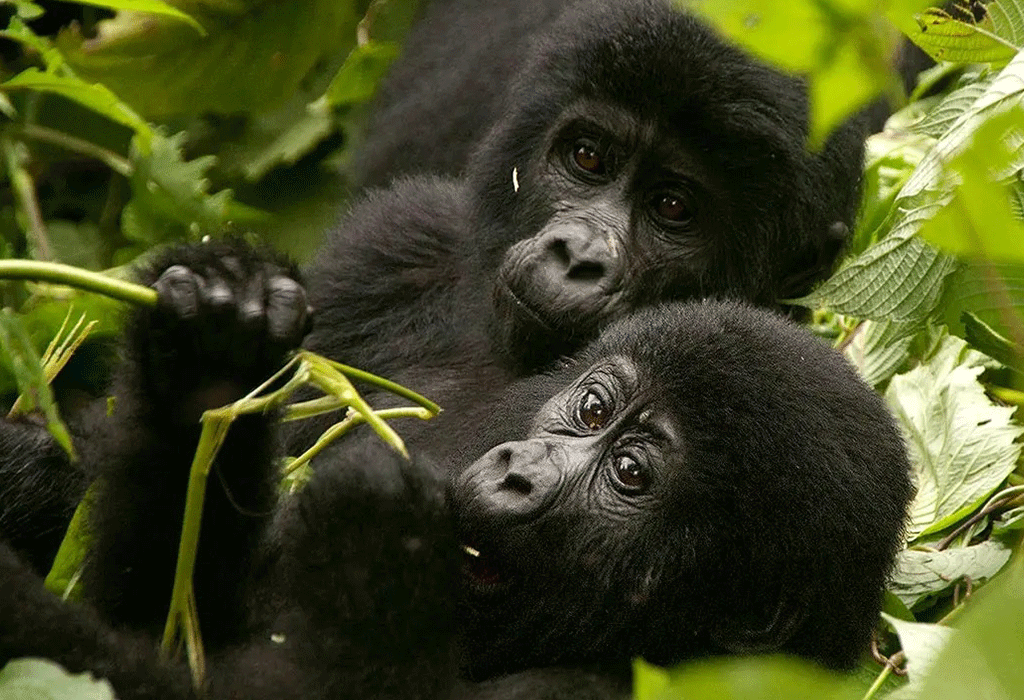
Volcanoes National Park is a pristine rainforest home to the only mountain gorillas in the world. This park has other primates like golden monkeys, blue monkeys, olive baboons, and others. This biosphere reserve hosts over 250 bird species, including Albertine rift endemics. The nature of the topography of Volcanoes National Park is generally rugged from volcanic remains that cover the park resulting from volcanic action.
Volcanoes National Park Accommodation: Sabyinyo Silverback Lodge/Mountain Gorilla View Lodge/Hotel Muhabura
Day 2: Gorilla Trekking in Volcanoes National Park
Get up early for breakfast and head to the ranger station for briefing. Remember to wear a clean mask and pack another clean one to change into when you locate the mountain gorillas. After you are allocated the gorilla family with other tourists, your ranger guide leads the way following the trail where the gorilla family was last seen the previous day.
Look out for other primates that live in the forest, like the olive baboons, grey-cheeked mangabey, black and white colobus, and others. Several bird species are present for you to see while searching for the mountain gorillas. Hold some level of patience as the time of finding the mountain gorillas takes a lot of work to determine.
When you find the mountain gorillas, they may not have seen you, but remember to follow the guidelines of gorilla trekking given at briefing, or else you may cause these primates to move into hiding. Only one hour is allowed with the mountain gorillas, then return to the lodge to relax.
Day 3: Drive to Kigali Airport
After your experience with the mountain gorillas of Rwanda, you can drive to Kigali airport for your flight to Kenya Jomo Kenyatta International Airport. You can have overnight accommodations within Nairobi.
Accommodation: Boma Nairobi/Hay Suites Hotels/Villa Rosa Kempinski
Note
Most accommodations in Nairobi offer Bed and Breakfast arrangements, so you need to plan accordingly and carry some hard cash or credit card to use where it is applicable.
Day 4: Drive to Masai Mara National Reserve
Wake up early for breakfast and start on your journey to Masai Mara National Reserve. Enjoy the stunning view along the way. The distance from Nairobi to Masai Mara National Reserve is about 225 kilometers, which is an approximately 4-hour drive.
Enjoy a game drive as you drive to the tracks within the park and look out for some animals that can cross your sight. Some animals you may see include impalas, zebras, elands, warthogs, cape buffaloes, gazelles, and others.
Check into your lodge.
Masai Mara accommodations: Mara River Camp/Mara Ngenche Safari Camp/Mara Sopa Lodge
Day 5: Game Drive In Masai Mara National Reserve
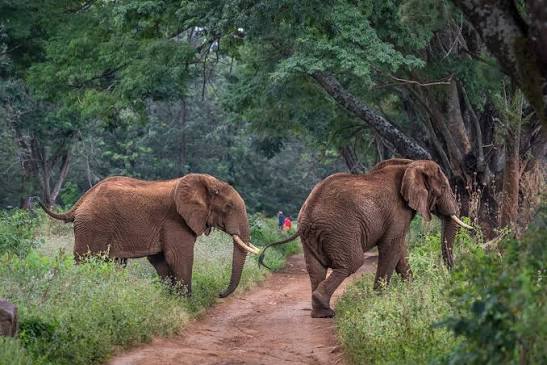
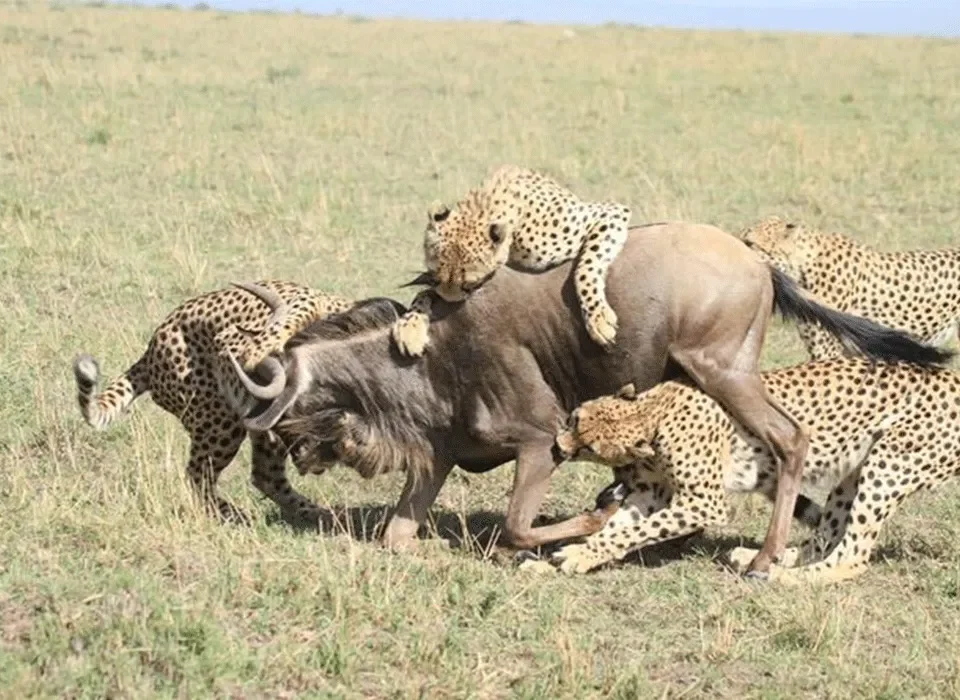
Wake up early for the game drive in Masai Mara National Reserve tracks. If it is an excellent wildebeest migration season, you can witness thousands of wild animals influx into the Masai Mara. You may spot animals like thousands of wildebeests, zebras, gazelles, waterbucks, bushbucks, impalas, cape buffaloes, elephants, lions, hyenas, cheetahs, etc.
Even during the regular times at Masai Mara National Reserve, you can do a game drive and enjoy several animals that are park residents all year round.
Return to your lodge to relax.
Day 6: Second game drive in Masai Mara National Park
The vast size of Masai Mara National Reserve makes it hard to traverse the entire National Park in just a single game drive. A second day on game safari in this park gives you more opportunities to spot wild animals you may have missed the previous day.
Look out for other Masai Mara inhabitants on the tracks you may have missed the previous day. Giraffes, waterbucks, bushbucks, impalas, hartebeests, wildebeests, lions, hyenas and others.
Day 7: Departure day
After getting the best experience of gorilla trekking in Rwanda and safari in Kenya, drive to the airport to catch up with your flight back home.
Note: Air transport is another transport you can use to get to Masai Mara National Park. There are several domestic flight companies in Kenya that you can make this arrangement with, or contact us at Safari Vacations and Travel Services. We are here to assist you in making all these plans to make your holiday in Africa unforgettable.
When Is The Best Time To Do Gorilla Trekking In Rwanda And Safari In Kenya?
The dry season is the most preferred period for gorilla trekking in Rwanda and safari in Kenya, although these activities are open year-round. The dry season is usually June to September and December to January in Rwanda and Kenya.
Although Volcanoes National Park in Rwanda is popular for receiving untimely rains and having dense precipitation all year, the dry season is different as more sunlight is allowed into the forest to reduce the amount of water on the ground. The trails in the volcanic forest are soggy and slippery from the rains that fall and the dense network of Rivers. The dry season usually has drier and passable trails in Volcanoes National Park.
For Masai Mara National Reserve, the park normally has dry conditions. However, the environment changes when it rains, and the tracks are pretty challenging to drive through, especially if your vehicle doesn’t have a 4×4 wheel drive.
The high demand for amenities that support the gorilla trekking experience in Rwanda and safari in Kenya during this season creates a scarcity of options for last-minute bookers. You must book all your safari logistics in Rwanda and Kenya in advance to avoid last-minute disappointment.
For the wet season, which is March, April, May, and November, demand for gorilla trekking in Rwanda and safari in Kenya is lower, so completion for even the service is low too. This may allow you to do these African adventures expecting no obstruction from other tourists. The attention you get from most service providers during the low tourism season is more personalized.
What is the cost of a gorilla trekking permit for Rwanda?
The Rwanda gorilla permit costs $1500 for international nonresidents, $500 for foreign residents, and $250 for East African citizens. You must book your Rwanda gorilla trekking permit in advance to avoid missing them at the last minute.
Rwanda issues gorilla permits on a first come, first served basis, and none of these permits is reserved without payment. Although full payment is the best way to secure your gorilla permits for Rwanda, you may also book the Rwanda gorilla permit by paying in installments of 30% and 70%, respectively. You must top up your gorilla permit before 90 days from the gorilla trekking date.
The age limit for gorilla trekking in Rwanda is 15 years and over. This is because you must walk in the jungle to find the mountain gorillas. The nature of the topography where mountain gorillas live is volcanic, with highlands resulting from volcanic action in this area.
What is included in the gorilla permit cost for Rwanda?
The cost of the gorilla trekking permit for Rwanda covers park entrance fees, ranger guide fees, and mountain gorilla conservation support. The fee also includes security, community support, government tax, and one hour with the mountain gorillas.
What is excluded from the cost of a gorilla trekking permit?
Porter hire, accommodation, transport, snacks, and other personal expenses.
How safe is gorilla trekking in Rwanda and safari in Kenya?
Kenya and Rwanda are safe for a visit. Ranger guides like the Rwanda Development ranger guides in Volcanoes National Park and Kenya Wildlife Service for Masai Mara National Reserve watch the safari destinations. These bodies train their rangers guides into professionals who are in place to protect the National parks, their dwellers, and visitors.
As tourists, you are required to follow the guidelines of your stay in these parks. Attending a briefing is necessary for gorilla trekking in Rwanda before starting this adventure. While in Masai Mara National Reserve, abide by the game drive rules, like no walking in the night alone out of your lodge. Do not hoot at the wild animals, as you may cause them to get confused and run into hiding.
If you have children, do not let them out of your sight while in Masai Mara or Volcanoes National Park. This will help to protect them from wandering into the wilderness.
What are the Safari Guidelines for Gorilla Trekking in Rwanda and Game Safari in Kenya?
Combining Gorilla Trekking In Rwanda With Safari In Kenya- safari guidelines.
Carry what is necessary for your time on the Kenya and Rwanda holidays so you are not inconvenienced by the limited legroom in case you share the vehicle with others.
Only one hour is allowed with the mountain gorillas when you locate them.
Do not hoot or make noise in the park because you may scare the wild animals and push them into hiding, yet others would like to see them, too.
When you locate the mountain gorillas, only one hour is allowed with them for conservation reasons.
Do not dangle your limbs or leave the car during the game drive because you do not know what awaits you in the bushes.
No feeding the wild animals while on safari because they are wild animals that must search for their food and not depend on human provision.
Never dump garbage like wraps, cans, and foil in the wilderness because this alters the nature of the environment where wild animals thrive.
If you have a contagious infection like flu, cough, or COVID-19, volunteer to stay behind so as not to pass these infections to the mountain gorillas.
Never drive off track, as this may call for a penalty, and if you have to do so, seek permission from the Kenya Wildlife Society.
Do not leave your engine on when you locate the wild animals because you may scare them.
Respect others while on a game drive so that you can all have the chance to enjoy the wild.
Let us plan your combined gorilla trekking safari with Kenya today. Contact us for more information by filling out the form below.