
Combining Masai Mara and Serengeti; The Ultimate East African Safari Experience
Countries
Kenya & Tanzania
Suggested stay
8–12 Days
Highlights
Big Cats & Migration
Safari style
Private & Tailor-Made
Experience the Magic of Masai Mara and Serengeti
Few African wildlife adventures can match the excitement of combining Kenya’s Maasai Mara National Reserve with Tanzania’s Serengeti National Park. Together, these remarkable destinations form part of the greater Serengeti–Mara ecosystem, a vast landscape where enormous herds of wildebeest and zebras move between seasonal grazing areas.
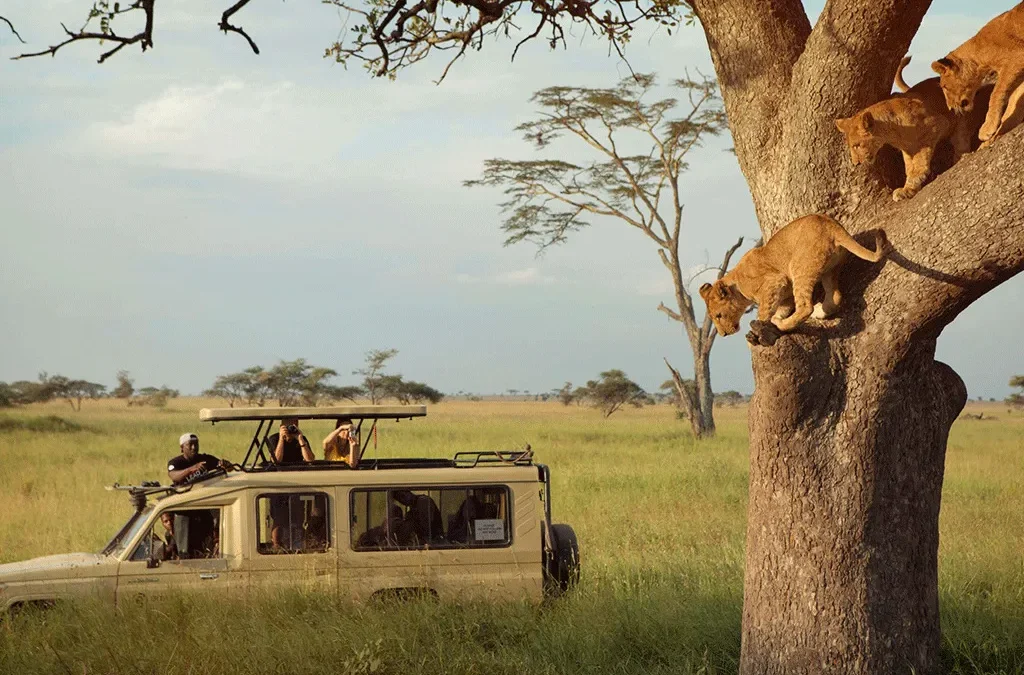
Picture the golden morning sun spreading across open grasslands as a pride of lions begins to stir. Nearby, a herd of elephants moves slowly through the savannah. Farther across the plains, giraffes feed on scattered trees while cheetahs scan the grass for prey. These are the natural encounters that make an East African safari so memorable.
A Masai Mara and Serengeti safari gives travelers the opportunity to explore two countries while experiencing different sections of this extraordinary ecosystem. The Maasai Mara is celebrated for rewarding predator sightings and the seasonal arrival of migrating herds. The Serengeti offers an immense wilderness, with landscapes ranging from southern short-grass plains to river valleys and rocky outcrops.
At Safari Vacations and Travel Services Ltd, we arrange personalized wildlife journeys with suitable accommodation, guided game drives and carefully organized cross-border connections. Whether you are visiting Africa for the first time or returning for a photography-focused adventure, we help design a safari around your travel interests.
Travelers who want to understand the individual destinations can begin with our Masai Mara National Reserve guide and Serengeti Safari Holidays.


Why Combine Masai Mara and Serengeti?
The biggest attraction of combining these two destinations is the opportunity to experience a connected ecosystem from different perspectives. Although Kenya and Tanzania share this wildlife landscape, each protected area offers its own scenery, safari routes and memorable encounters.
In the Maasai Mara, relatively open habitats make it possible to search for lions, cheetahs and impressive grazing herds. The reserve is also closely associated with the Mara River, where dramatic migration activity can occur during suitable months.
The Serengeti offers a much larger area to explore. Its different regions become important at various stages of the migration. Southern Serengeti and Ndutu are particularly attractive for calving season, while the western and northern areas become important as herds travel toward seasonal grazing grounds.
Combining the parks allows travelers to look beyond a single migration event. You may spend a morning watching elephant families, follow a cheetah across the plains in the afternoon and encounter a completely different wildlife scene the following day.
A combined itinerary can also include Ngorongoro Crater, Lake Nakuru, Amboseli or another destination if your schedule allows. Our 12-Day Kenya and Tanzania Wildlife Safari provides an example of a longer regional journey.
Masai Mara vs Serengeti: What Makes Each Special?
Masai Mara
The Maasai Mara suits travelers interested in classic game drives, excellent big-cat habitats, seasonal migration viewing and the possibility of visiting locally managed conservancies.
The reserve is comparatively compact, although driving distances still depend on the camp, wildlife location and road conditions. Some conservancies permit experiences not normally available inside the main reserve, subject to their individual rules.
Read about Masai Mara safari experiences in our combined Kenya and Rwanda itinerary.
Serengeti
The Serengeti suits travelers who enjoy expansive wilderness, multiple safari regions and an opportunity to explore different chapters of the annual migration.
It is particularly rewarding when you have enough time to stay in the region that matches your preferred wildlife experience. Central Serengeti is popular for resident wildlife, while southern and northern areas suit different migration seasons.
Our First Serengeti Safari Guide explains how to plan your first visit.
Explore the Remarkable Maasai Mara National Reserve
The Maasai Mara lies in southwestern Kenya and is one of Africa’s best-known wildlife destinations. Rolling grasslands, seasonal streams, riverine vegetation and scattered trees create a beautiful setting for game drives.
Many visitors arrive hoping to see lions and cheetahs, and the reserve has earned its reputation as an excellent destination for big-cat viewing. Leopards also occupy suitable habitats, although they are generally more difficult to find.
Other frequently encountered animals include elephants, African buffaloes, giraffes, zebras, topi, impalas, gazelles and wildebeest. Black rhinos occur in the wider protected area but should never be described as a guaranteed sighting.
The Mara River is another important feature. Hippos occupy suitable pools, while crocodiles live along the river. When migrating wildebeest gather near crossing points, the river can become the setting for dramatic wildlife activity.
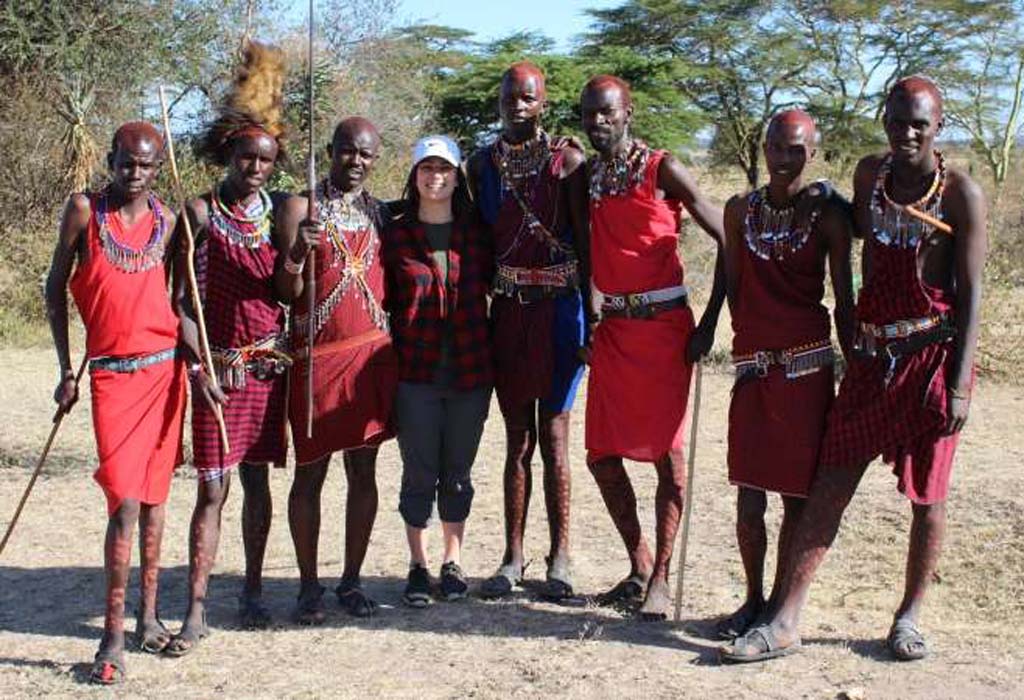
Beyond the reserve, some conservancies provide different ways to experience the landscape. Depending on the property and regulations, activities may include guided nature walks or night game drives. A Maasai community visit can also offer meaningful cultural learning when arranged respectfully with local hosts.
Those considering a shorter Kenyan safari can explore our Masai Mara Wildlife and Rwanda Gorilla Trekking Safari for another combination.
Discover the Endless Plains of Serengeti National Park

The Serengeti is an enormous protected wilderness in northern Tanzania. Its name is commonly associated with endless plains, yet the park contains much more than flat grassland.
As you travel through the park, the scenery changes between open savannah, rocky outcrops, woodland and river valleys. These habitats support many animals, from large grazing herds to predators that depend on them.
Central Serengeti and Seronera
Central Serengeti is an excellent option for visitors who want reliable general game viewing. The Seronera region supports lions, leopards, cheetahs, elephants and other resident wildlife. Its combination of plains, trees and riverine habitats makes it rewarding even when the largest migrating herds are elsewhere.
Southern Serengeti and Ndutu
During the calving season, the southern plains and Ndutu area become especially attractive. Fresh grass supports enormous herds, and newborn wildebeest draw the attention of lions, hyenas and other predators.
Western Serengeti
The western corridor becomes important as migration herds move across the ecosystem during the middle part of the year. The Grumeti River and surrounding habitats offer a different landscape from the open southern plains.
Northern Serengeti
For travelers hoping to see Mara River crossings, northern Serengeti is often the main focus between approximately July and October. Staying near the appropriate area gives guides more time to search for herds without spending every morning driving long distances.
See our Best Time to Visit Serengeti Guide for more details about choosing the right region.
Witness the Great Wildebeest Migration

The Great Migration is one of the strongest reasons to combine the Serengeti and Maasai Mara. Every year, huge herds of wildebeest move around the ecosystem in search of nutritious grass and water. Zebras and other grazing animals are often seen traveling alongside them.
This journey is not a single event that happens only in August. It is an ongoing annual cycle influenced by rainfall, pasture growth and the animals’ instinct to survive.
In the early part of the year, many wildebeest gather on the southern Serengeti and Ndutu plains, where calving commonly peaks around February. These months can be particularly rewarding for photographers interested in newborn wildlife and predator behavior.
Later, many herds move toward central and western Serengeti. As conditions change, some continue north toward the Mara River and the grasslands of the Maasai Mara.
Between approximately July and October, travelers may encounter river-crossing activity in the northern ecosystem. Wildebeest sometimes gather for long periods along the banks before entering the water. Crocodiles, strong currents and steep riverbanks make these crossings dangerous for the animals.
However, crossing behavior is unpredictable. A herd may cross suddenly, wait for hours or retreat without entering the river. For this reason, our safari planning focuses on suitable regions and sufficient game-viewing time rather than promising a crossing on a particular day.
Explore the complete cycle in The Great Migration in Africa, our Monthly Wildebeest Migration Patterns and the Serengeti and Masai Mara Migration Safari Guide.
Best Time for a Masai Mara and Serengeti Safari
The best time depends on your interests. Both destinations offer wildlife throughout the year, but certain months are better suited to particular migration stages and travel preferences.
January–March
Excellent for southern Serengeti and Ndutu calving activity, green scenery and predators. February is commonly the strongest calving month.
April–May
Greener scenery, changing herd movements and generally fewer visitors. Rain may affect roads and some accommodation arrangements.
June–July
Increasingly dry conditions and migration activity progressing through western and northern Serengeti. Exact locations vary by year.
August–October
A popular season for northern Serengeti and Maasai Mara, with opportunities to search for migrating herds and possible river crossings.
November–December
Changing seasonal rains encourage migration movements toward central and southern Serengeti, with attractive green-season photography.
Planning note: These are general seasonal patterns, not fixed migration schedules. Rainfall and grazing conditions determine where the herds travel.
For migration-focused travelers, our 7-Day Serengeti River Crossing Safari explains why several nights in the northern region can be worthwhile.
Incredible Wildlife to See on Your Safari
Although the wildebeest migration attracts worldwide attention, both parks have much more to offer. Their resident wildlife creates opportunities for rewarding game drives throughout the year.


The Big Five—lion, leopard, elephant, buffalo and rhinoceros—occur in the wider safari landscape, but spotting every species is not guaranteed. Leopards can be elusive, and black rhinos are particularly difficult to encounter in some areas.
Extraordinary Experiences Beyond Traditional Game Drives


Discover more ideas in our Best Things to Do on a Tanzania Safari guide.
Sample 8-Day Masai Mara and Serengeti Safari Itinerary
This sample itinerary starts in Nairobi and finishes in Tanzania. It is designed as a compact combined safari, with three nights in the Maasai Mara, three nights in Serengeti and a final night near Ngorongoro. The driving route is based on the Isebania–Sirari crossing rather than a direct wildlife-park border crossing.
Day 1: Nairobi to Maasai Mara
Meet your Kenya safari driver-guide in Nairobi and begin the journey toward the Maasai Mara. The drive commonly takes much of the day, depending on traffic, road conditions and the location of your camp.
Travel through Kenya’s countryside, with opportunities to admire sections of the Great Rift Valley along the way. Arrive at your accommodation, settle into your room and enjoy an afternoon game drive if time and park-entry arrangements permit.
Overnight: Maasai Mara lodge or tented camp.
Day 2: Full-Day Maasai Mara Wildlife Safari
Begin your day early, when temperatures are cooler and many animals are active. Your guide searches for lions, cheetahs, elephants, giraffes, buffaloes and other wildlife along suitable game-viewing routes.
Enjoy a packed lunch during an extended drive, or return to the camp between morning and afternoon activities. During migration months, the route may include areas where wildebeest have recently been seen.
Overnight: Maasai Mara lodge or tented camp.
Day 3: Explore the Maasai Mara
Enjoy another full day in the reserve or a suitable conservancy, depending on your accommodation and permits. This additional day gives you more opportunities to observe animal behavior and visit different wildlife habitats.
An optional sunrise balloon flight can be arranged at additional cost. Alternatively, consider a locally guided Maasai cultural visit during an appropriate part of the day.
Overnight: Maasai Mara lodge or tented camp.
Day 4: Maasai Mara to Tanzania via Isebania–Sirari
Depart early for the overland journey toward the Kenya–Tanzania border at Isebania–Sirari. The transfer can take most of the day, particularly when starting from a camp deep inside the Maasai Mara.
Complete immigration and customs formalities at the official border. Depending on the operating arrangements, a Tanzania driver-guide and safari vehicle will meet you for the onward journey.
Continue toward the Serengeti through a suitable authorized park-entry route. The selected overnight location must be planned according to travel time, gate operating hours and accommodation availability. This is primarily a transfer day rather than a full wildlife-viewing day.
Overnight: Serengeti camp in a practical location for the confirmed route.
Day 5: Full-Day Serengeti Game Drive
Spend a rewarding day exploring Serengeti National Park. Depending on your camp location, the guide may explore grasslands, riverine habitats and areas around rocky kopjes, which often provide shelter for predators.
Search for lions, leopards, cheetahs, elephants, buffaloes, giraffes and antelopes. The Serengeti is full of life beyond the migrating herds, so every game drive can reveal something unexpected.
Overnight: Serengeti lodge or tented camp.
Day 6: More Serengeti Wildlife Exploration
Enjoy a second full safari day in the Serengeti. The precise location of your game drive depends on the season and whether your interests focus on migration, predators or general wildlife photography.
For a conventional itinerary, central Serengeti provides a rewarding base. A trip designed around northern river crossings would require a different overnight plan and, ideally, additional nights.
Return to your camp to relax and enjoy the atmosphere of the African wilderness.
Overnight: Serengeti lodge or tented camp.
Day 7: Serengeti to Ngorongoro Highlands
Enjoy breakfast and depart the Serengeti for the Ngorongoro Conservation Area. Depending on your starting location, this journey may include wildlife viewing along the way.
Travel through changing landscapes toward the volcanic highlands. Where time permits, you may arrange a relevant cultural or historical stop, subject to route, fees and opening hours.
Continue to your accommodation in the Ngorongoro or Karatu area. This overnight stop positions you for an early crater safari the following day.
Overnight: Ngorongoro or Karatu lodge.
Day 8: Ngorongoro Crater Safari and Transfer to Arusha
After an early breakfast, descend into Ngorongoro Crater for a game drive. The crater supports a remarkable concentration of wildlife, including lions, buffaloes, zebras, wildebeest, hippos and black rhinos.
Enjoy the dramatic scenery of the crater floor and surrounding highlands before ascending and continuing toward Arusha.
Arrival time depends on crater access, road conditions and the duration of your game drive. We recommend an evening departure where practical or an additional overnight near Arusha or Kilimanjaro Airport for travelers with earlier flights.
For related itineraries, explore the 7 Days Kenya and Tanzania Wildlife Safari and our Tanzania Northern Circuit Safari Guide.
How Do You Travel Between Masai Mara and Serengeti?
Although the two destinations share a wildlife ecosystem, tourists cannot simply drive across the protected wildlife boundary from one park into the other.
For an overland journey, a common option is to travel from the Maasai Mara toward the official Isebania–Sirari border crossing. Travelers complete the required immigration procedures before continuing into Tanzania using an authorized route.
The exact travel time varies considerably with the camp location, road conditions, border procedures and Serengeti entry gate. Therefore, this journey should be treated as a substantial travel day.
Fly-in alternatives may reduce road travel, but connections between Maasai Mara and Serengeti often involve multiple flight sectors, airport or airstrip transfers and separate immigration arrangements. Direct cross-border airstrip flights should never be assumed without confirming an available authorized service.
Before confirming any itinerary, we plan the route around actual transfer requirements, lodging locations and available transport services.
Where to Stay on Your Masai Mara and Serengeti Safari
Choosing the right accommodation is about more than room comfort. A well-positioned camp can reduce driving time and provide better access to your preferred wildlife areas.
We arrange budget-friendly safari options, comfortable mid-range lodges and luxury tented camps according to your preferences. Exact properties are selected after confirming travel dates, desired locations and availability.


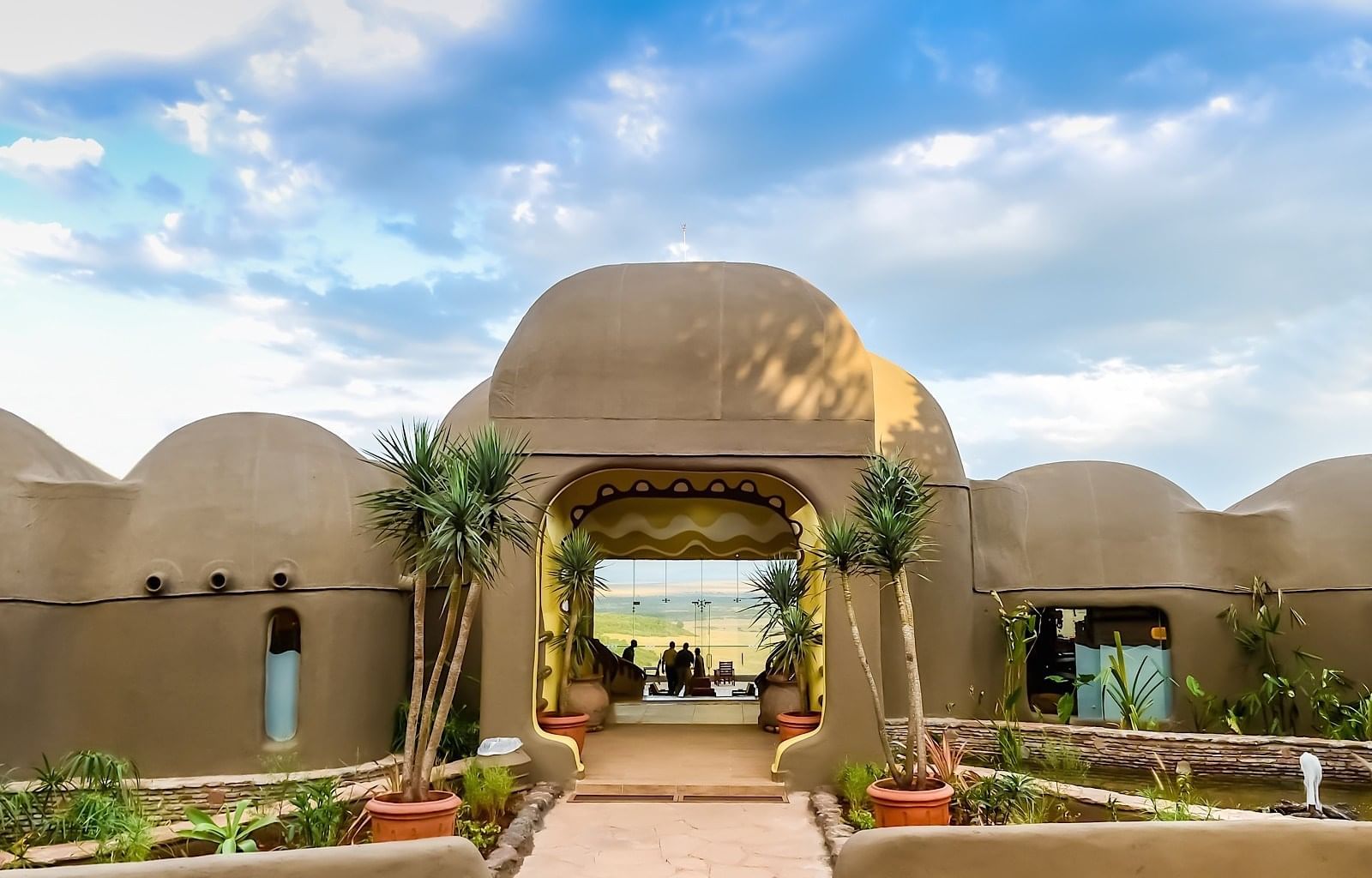
Accommodation photographs above illustrate general safari accommodation styles. They do not represent confirmed properties in the Maasai Mara or Serengeti.
Location is especially important during migration season. A central Serengeti camp may be ideal for year-round resident wildlife, while a northern camp can be more suitable when searching for Mara River crossings. Similarly, Maasai Mara reserve and conservancy camps may have different fees and activity rules.
How Much Does a Masai Mara and Serengeti Safari Cost?
The total safari price depends on your travel dates, number of travelers, accommodation category, transport arrangements and number of nights inside the protected areas.
Traveling during the main migration season generally increases accommodation demand. Private safari vehicles also cost more per person when shared by only one or two travelers. On the other hand, larger families or small groups may benefit from sharing vehicle and guiding expenses.
Fly-in itineraries usually cost more than road safaris because of domestic flights and additional transfer arrangements. Luxury properties may also have substantially higher rates than standard tented camps.
When requesting a quotation, compare more than the headline price. Ask which reserve and national park fees are included, whether the vehicle is private, which lodges are proposed and whether the route allows sufficient time for wildlife viewing.
What Is Usually Included?
A customized safari quotation may include selected accommodation, specified meals, private ground transportation, driver-guide services, park entrance fees, listed game drives and agreed airport transfers.
What May Be Excluded?
International flights, entry visas or travel authorizations, insurance, tips, personal expenses, optional balloon flights, extra cultural activities and any flights not specifically listed may be quoted separately.
We provide an itemized quotation based on your selected itinerary. This avoids publishing a fixed price that may not reflect the season, park regulations or your preferred accommodation.
Extend Your Safari Beyond Kenya and Tanzania
Many travelers choose to make the most of their journey to East Africa by adding another unforgettable experience. The best extension depends on the number of available days and how much time you wish to spend traveling.
Ngorongoro Crater
Ngorongoro offers an extraordinary contrast to the expansive Serengeti. Its crater floor supports varied wildlife habitats within a dramatic volcanic landscape. It fits naturally into many northern Tanzania routes, particularly those ending near Arusha.
Lake Nakuru and Amboseli
Travelers spending extra days in Kenya may wish to visit Lake Nakuru or Amboseli. These parks provide different scenery and wildlife opportunities, including Amboseli’s famous elephant habitats and views toward Mount Kilimanjaro when conditions are clear.
Mountain Gorilla Trekking in Uganda or Rwanda
For an even more varied adventure, consider combining savannah game drives with mountain gorilla trekking. The contrast between the open grasslands of the Mara–Serengeti ecosystem and the forested mountains of Uganda or Rwanda is remarkable.
Explore our Masai Mara, Gorilla and Chimpanzee Safari, Masai Mara and Rwanda Gorilla Safari, and Uganda, Rwanda and Tanzania Express Safari for ideas.
Essential Tips for Planning Your Safari
Allow Enough Time
It is tempting to include many famous parks in a short holiday. However, safari travel involves distances, park entry procedures and occasional delays. Spending more nights in fewer well-chosen locations often creates a better experience.
Choose Camps According to the Season
For migration-focused travel, select accommodation after deciding which migration stage interests you most. A camp near Ndutu may be appropriate for the calving season, while northern Serengeti accommodation is more relevant for possible river crossings.
Check Entry Requirements
Kenya and Tanzania have separate immigration systems. Depending on nationality, travelers may need a Kenya electronic travel authorization or exemption, and a Tanzania visa or other applicable entry permission. Check the latest official requirements before departure.
Prepare for Different Weather
Early morning game drives can feel cool, particularly in elevated areas. Pack a warm layer, breathable clothing, sun protection and suitable footwear. A light rain jacket is useful during wetter periods.
Bring Binoculars and a Camera
Binoculars are valuable even when animals appear close. A camera with a suitable zoom lens allows you to photograph wildlife without approaching too closely. Carry spare batteries and enough memory storage for several days in the field.
Respect Wildlife and Park Rules
Always follow the guidance of your safari driver-guide. Avoid feeding animals, disturbing predators, blocking wildlife movements or leaving designated vehicle routes where this is prohibited. Responsible tourism protects wildlife and improves the experience for future visitors.
Why Plan Your Safari with Safari Vacations and Travel Services?
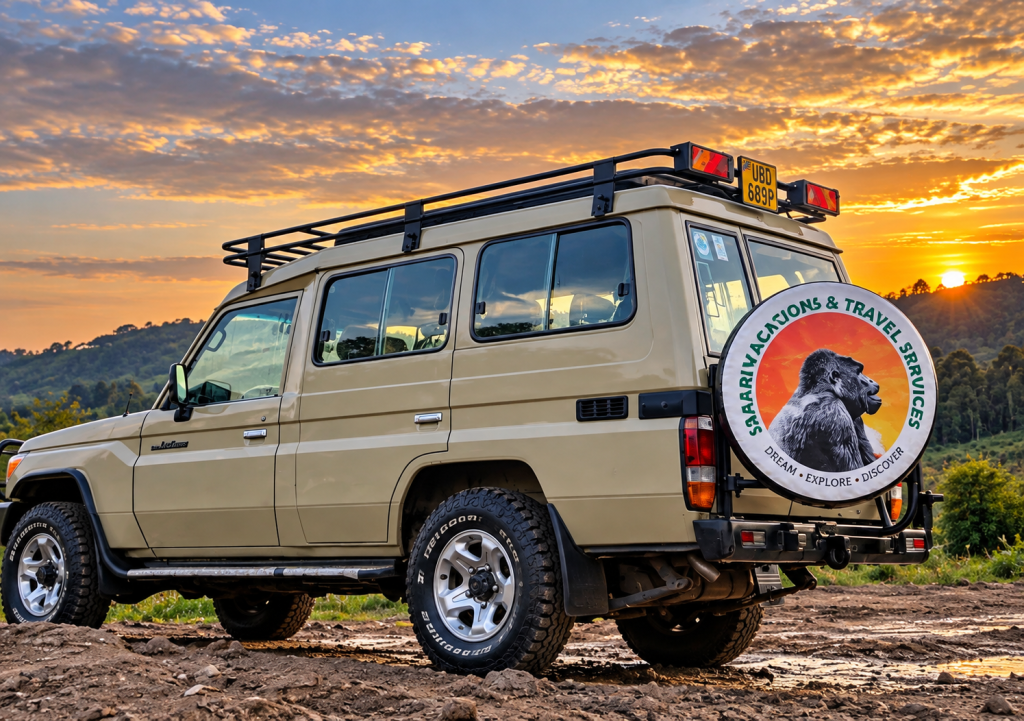 At Safari Vacations and Travel Services Ltd, we understand that every traveler imagines a different African safari. Some want to witness the Great Migration, while others dream of photographing lions, watching elephants or spending peaceful evenings in a comfortable tented camp.
We help you design a journey that reflects your interests and travel budget. Our planning includes suitable accommodation, game-viewing locations, realistic transfer days and coordination with experienced regional safari providers.
As a Uganda-based East African safari operator, we also arrange wildlife and primate combinations across the region. This makes it possible to add gorilla trekking, chimpanzee tracking or additional safari destinations to a longer holiday.
We aim to provide clear itineraries, practical advice and transparent quotations so you understand exactly what is included before confirming your trip.
Learn more about Safari Vacations and Travel Services, or explore our wildlife safari experiences.
Frequently Asked Questions
Is it worth visiting both Masai Mara and Serengeti?
Yes. They provide different perspectives on a connected wildlife ecosystem. A combined safari offers opportunities to enjoy varied landscapes, game drives and seasonal migration experiences in Kenya and Tanzania.
How many days do I need?
Eight days is possible with careful planning, although 10–12 days generally provides a more comfortable pace and additional wildlife-viewing time.
What is the best month to see the Great Migration?
It depends on the stage you wish to see. January and February are particularly attractive for calving in southern Serengeti, while July through October generally provides opportunities to search for northern migration herds and possible Mara River crossings.
Are Mara River crossings guaranteed?
No. Crossings depend on natural animal behavior, rainfall and herd movements. Several nights in a suitable location improve your opportunity but cannot guarantee a crossing.
Can I drive directly from Masai Mara into Serengeti?
Not directly across the protected wildlife boundary. Overland itineraries commonly use an official road border crossing such as Isebania–Sirari, followed by authorized onward travel into Tanzania.
Which park is better for big cats?
Both are excellent. The Maasai Mara is well known for lion and cheetah viewing, while central Serengeti also offers rewarding opportunities to encounter lions, leopards and cheetahs. Sightings are never guaranteed.
Can I include Ngorongoro Crater?
Yes. Ngorongoro is a popular addition to northern Tanzania itineraries. We recommend allowing sufficient time for the crater game drive and onward travel rather than squeezing it into an already busy schedule.
Is this safari suitable for families?
Yes. Families can enjoy a combined safari with suitable accommodation, private transportation and a comfortable travel pace. Camp age policies and restrictions on optional activities should be checked before booking.
Can I book luxury or mid-range accommodation?
Yes. We customize safari accommodation according to your comfort level, travel dates and budget, subject to availability.
Can I combine this safari with gorilla trekking?
Yes. Uganda or Rwanda gorilla trekking can be added to a longer East African journey. Additional days, flights or transfers and separate gorilla permits will be required.
Your East African Safari Begins Here
Plan Your Dream Masai Mara and Serengeti Safari
Experience dramatic wildlife encounters, beautiful savannahs and the unforgettable atmosphere of Africa’s great wilderness. Let our safari team create the right Kenya and Tanzania adventure for your dates and interests.
Safari Vacations and Travel Services Ltd
Uganda | Rwanda | Kenya | Tanzania


