Climbing Mount Kenya: A Guide for Adventure Seekers

Climbing Mount Kenya: A Guide for Adventure Seekers
Climbing Mount Kenya A Guide for Adventure Seekers, Mount Kenya is found in what’s known as Mount Kenya National Park, which lies slightly south of the equator in the central region. Batian is the highest peak of Mount Kenya at an elevation of 5,199 m.
Mount Kenya, Africa’s second-highest peak, offers an exhilarating trekking experience with stunning landscapes and diverse flora and fauna. This comprehensive guide covers everything you need to know about climbing Mount Kenya, from the best routes to preparation tips and accommodation options.
How Tall is Mount Kenya?
At a height of 5,199 m (17,057 ft) above sea level, Batian is the tallest peak on Mount Kenya. It’s closely followed by Nelion (5,188 m) and Lenana (4,985 m). Among the three peaks, Batian and Nelion are more technical and tougher than Lenana, which is the most popular.
Mount Kenya Climbing Routes
There are eight established climbing routes to Mount Kenya. The most common ones among climbers include Naro Moru, Sirimon, and Chogoria, which takes 4-6 days.
Naro Moru Route – Western Side (4-6 Days)
The Naro Moru route on the west side is the most popular since it’s relatively short. It also has accommodation huts and is home to the Kenya Wildlife Service headquarters and the main park gate.
Starting in Naro Moru town, the route takes you along a tarmac and dirt road through farmlands for about 13km to the forest’s edge. From there, you’ll follow a vehicle track to the park gate (2400m) and then to Met Station (3050m), where you’ll spend your first night.
The second day leads you along a forest trail lined with trees and bamboo. You’ll then brave the grueling wet moorland (“Vertical Bog”) and alpine zone before trekking past the Teleki Valley to Mackinders Camp (4200m).
After a night at the camp, you’ll attempt the summit (Point Lenana – 4985m) before daybreak. Once you’ve achieved your goal of climbing Mount Kenya and catching the beautiful African sunrise, you can choose to descend using the same route or other common routes such as Chogoria or Sirimon.
Sirimon Route – Northwestern Side (4-6 Days)
In the last few years, the Sirimon route has gained popularity, and it’s almost taking over from Naro Moru as the busiest route on Mount Kenya. The route features a gradual ascent that takes you through forest cover and beautiful alpine zones.
The route begins at the Sirimon gate (2,600m) and continues to Old Moses Camp (3,300m), where climbers spend the night. The second day follows an uphill track, crossing Ontulili and Likii North rivers, moorlands, and Mackinders Valley, to the Shiptons Camp (4200m).
The summit attack begins early in the morning from Shipton Camp. After reaching Point Lenana, you can descend using the same route or other routes like Naro Moru and Chogoria.
Chogoria Route – Eastern Side (4-6 Days)
The Chogoria route on the eastern side is considered the most beautiful of the three main Mount Kenya routes.
Climbs using this route begin at Chogoria town to the park’s gate and then to the Meru Bandas. From there, you’ll trek past glaciers and cross streams and valleys to Lake Ellis Camp. Point Lenana (the famous summit) is reached from Mintos Hut, about 12km from Lake Ellis Camp.
After the summit, you’ll most likely descend through the Sirimon gate on the northwestern side. You can also head down using the same route or the Naro Moru route.
Some of the best features of this route include Lake Ellis, Nithi Falls, Gorges Valley, Hall Tarn, and Lake Michaelson.
Other Routes (5-7 Days)
In addition to the main routes to Point Lenana, there are several other off-the-beaten-path trekking routes on the mountain.
These routes don’t have proper trails, and you’ll have to make your way in most cases. They include Timau, Kamweti, Burguret, Ithanguni, and Meru.
There aren’t any KWS park gates on these routes so climbers need to pay and get permission from the main gates at Naro Moru, Chogoria, or Sirimon to access the routes.
Technical Routes to Nelion and Batian (Up to 8 Days)
The highest peaks on Mount Kenya (Nelion and Batian) can be accessed from either of the above routes. At 4800m, Austrian Hut is the base camp for Nelion, while climbers attempting Batian Peak use Shiptons Camp (4200m) as their base.
How long does it take to climb Mount Kenya?
Climbing Mt. Kenya to Point Lenana takes 4-6 days. You’ll need an extra 2-3 days to reach the technical peaks of Batian and Nelion.
Why Should You Consider Climbing Mount Kenya?
Mount Kenya National Park is a UNESCO World Heritage Site and Biosphere Reserve comprising thick tree cover, bamboo forests, alpine regions, and snow-capped peaks. It’s also home to glacier lakes, picturesque valleys, and many natural springs, making it a truly beautiful destination to visit.
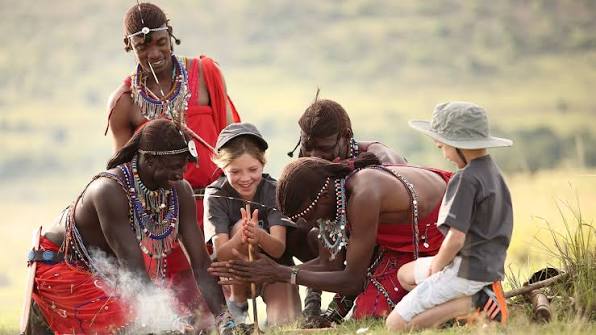
Local communities regard the mountain as sacred, and it’s common to find pilgrims praying facing Mount Kenya.
So, if you love nature, cultural experiences, hiking trips, or seeking new adventures, consider trekking Mount Kenya, and you won’t be disappointed. It’s also less crowded most of the year, offering you a chance to have a quiet and refreshing experience.
How Much Does Climbing Mount Kenya Cost?
The cost of climbing Mount Kenya varies depending on the chosen route, the duration of the climb, and the number of climbers in a group. On average, a 5-day trek can cost between $700 to $1000 per person. This fee usually includes park fees, camping fees, guides, porters, and meals. Additional costs may include gear rental, transportation to the trailhead, and tipping for guides and porters.
What to Expect on the Trek:
Day 1:
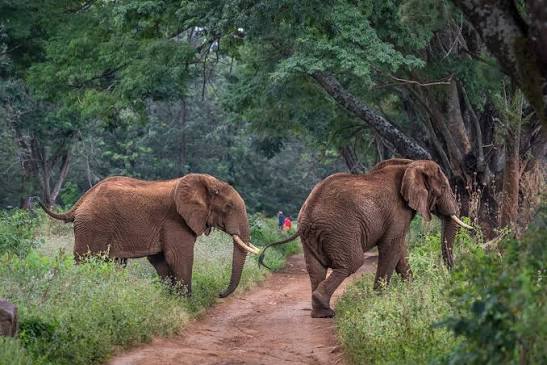
Start your trek from the park gate, hiking through montane forests. Wildlife sightings are common, with chances to see colobus monkeys, elephants, and various bird species. The forested areas provide a serene start to the trek, with lush greenery and diverse flora.
Day 2-4:
Ascend through moorland and alpine zones, acclimatizing as you go. The landscape changes dramatically, with giant lobelias and groundsels dotting the path. These days involve gradual climbs and acclimatization hikes to help your body adjust to the altitude.
Summit Day:
A pre-dawn start to reach Point Lenana, the trek’s highest trekking peak. The early start is necessary to catch the sunrise and avoid afternoon clouds and possible rain. The final ascent is challenging but rewarding, with panoramic views of the surrounding landscapes.
Accommodation on the Mountain:
Huts:
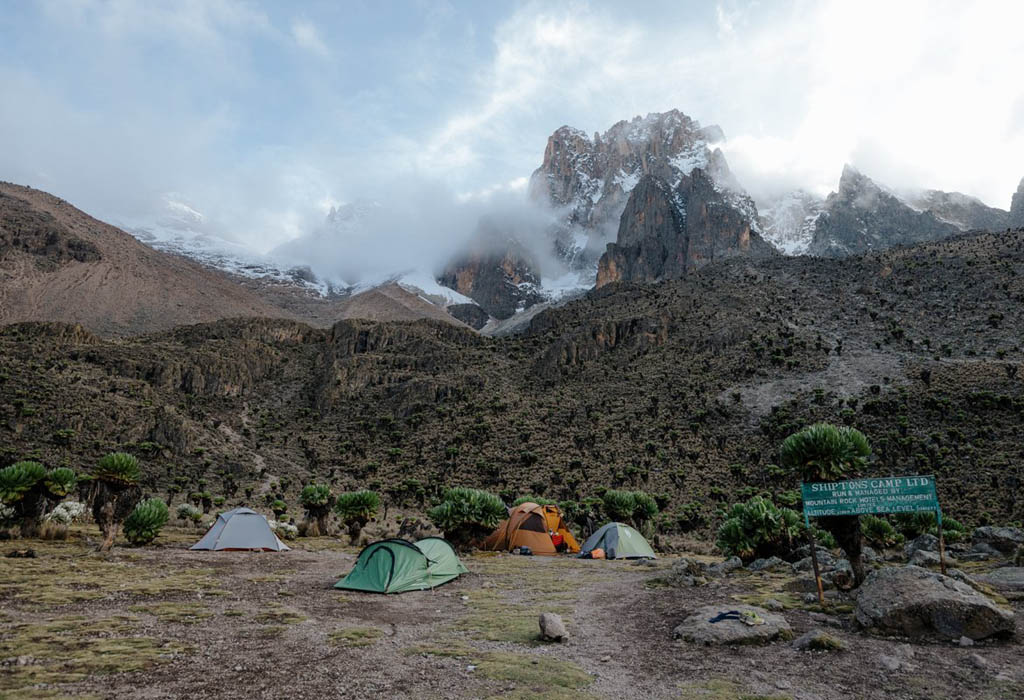
Basic mountain huts like Old Moses Camp and Shipton’s Camp provide shelter, basic facilities, and a communal kitchen area. These huts are strategically located along the trekking routes and offer a comfortable resting place for trekkers.
Camping:
Options for those who prefer a more rustic experience. Camping allows more flexibility with the itinerary and offers a closer connection to nature. Campers need to bring their own tents and cooking equipment, but the experience of sleeping under the stars is unparalleled.
Eco-friendly Accommodations:
For environmentally-conscious trekkers, some eco-lodges and campsites focus on sustainable practices and minimizing their environmental impact.
How To Prepare For Climbing Mount Kenya
Get in Shape
Being physically fit will make your Mount Kenya climb easier, safer, and more enjoyable. To get in good shape, perform a mixture of cardio exercises and strength training.
Besides physical and endurance preparation, it’s crucial to have a positive mental attitude toward the climb. It boosts confidence and often cheers you up to the top.
Prepare for High Altitude
Trekking a mountain requires more than simply being in good shape – mentally and physically. When you reach higher altitudes, there’s a lower saturation of oxygen, which can affect breathing.
To prepare for high altitudes, do cardio exercises and take several higher altitude hikes.
Go on Prep Hikes
One of the most effective ways to prepare for Mount Kenya is to hike as much as possible. It gives you proper training in body fitness, cardio, and high altitudes.
In Kenya, hiking trails such as Rurimeria, Table Mountain, and Elephant Hills are perfect prep hikes for Mount Kenya.
Get the Right Gear
The right clothes and gear are essential if you want a successful climb. Check our recommended hiking gear list with some must-haves to get an idea.
Another essential tip for preparing for Mt. Kenya is wearing your hiking boots, clothes, and gear during your prep hikes. This allows you to get used to the equipment and figure out what may need adjusting ahead of your journey.
Hire the Right Guide
Who you climb a mountain with influences the chances of summiting, so make sure you do your research before settling on a guide. The best guides on each mountain are usually passionate climbers who are experienced, patient, and encouraging.
Guided Tours:
Benefits: Expert guides, safety, and logistical support. Guided tours ensure that you have experienced professionals to lead the way, provide insights about the environment, and handle any emergencies that may arise.
Our Packages: Tailored itineraries, including all meals, guides, and park fees. Our guided tours offer a range of options to suit different fitness levels and preferences, ensuring a safe and enjoyable experience for all trekkers.
Tips for Travelers:
Health Precautions:
Ensure you have the necessary vaccinations and take precautions against altitude sickness. Bring medications like acetazolamide (Diamox) to help prevent altitude sickness and stay hydrated throughout the trek.
Safety Tips:
Follow your guide’s instructions, stay on designated trails, and respect wildlife. Be mindful of changing weather conditions and dress in layers to adjust to temperature variations.
Cultural Insights:
Learn about the local communities and their relationship with Mount Kenya. Engage with local guides and porters to gain a deeper understanding of the cultural significance of the mountain.
Environmental Responsibility:
Practice Leave No Trace principles by minimizing your impact on the environment. Pack out all trash, avoid disturbing wildlife, and respect natural resources.
What Equipment Do You Need To Climb Mount Kenya?
One of the best ways to prepare for a successful summit attempt is to have the right trekking gear, comfortable clothes, and proper equipment.
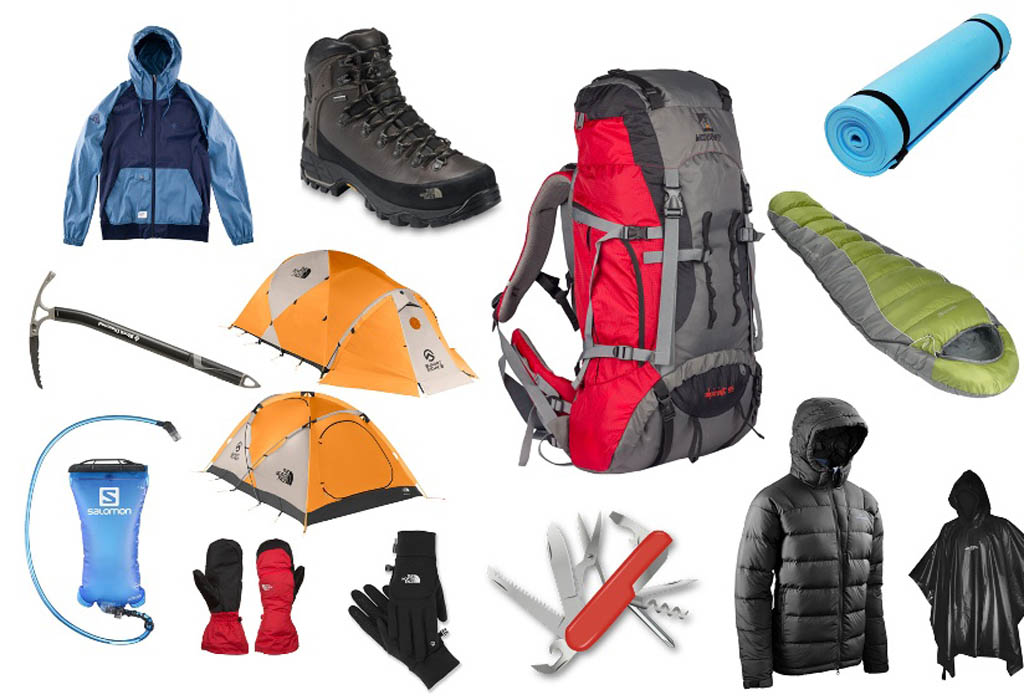
Whether you choose to buy or hire, here is a list of what you will need to bring to Mt. Kenya:
Clothing
Thermals: 2 x thermal base layers to keep you warm (long Johns and vests made of moisture-wicking fabric)
T-shirts: 2 × long/short sleeve shirts (made of quick-dry and breathable material like polyester fabric)
Fleece Jacket: 1 x lightweight and warm fleece jacket or hoodie (a puffer jacket is recommended)
Fleece Pants: A pair of light and warm fleece pants is necessary for cold nights
Underwear: 6 × underwear (moisture-wicking fabric)
Hiking Pants: 2 x quick-dry hiking pants, preferably made of breathable material
Jackets: 1 x windproof jacket (consider one that’s also waterproof)
Balaclava: A pair of windproof balaclavas or hiking buffs to protect your face from wind and frostbite
Hats: 1 x brimmed wool hat that covers ears and a shade hat with a visor
Gloves: 2 × woolen or mitten gloves (warm, thin, and windproof)
Footwear: Comfortable hiking boots (waterproof, warm, and broken-in), sandals, and leg gaiters
Socks: 4 × pairs of thick woolen hiking socks and a pair of thin fleece-lined socks
Rain Gear: 1 x lightweight and waterproof rain poncho
Gear
Rucksack: 65L-80L porters bag that fits all your items
Day Backpack: 35L-45L for carrying personal items and snacks during the day
Sleeping Bag: A warm sleeping bag (with a subzero temperature rating)
Water Bottles: 2 × reusable water bottles
Water Bladder: 1 × water bladder (at least 2L)
Sunglasses: A pair with UV protection
Poles: 2 x collapsible trekking poles
Lighting: 1 x headlamp or torch with extra batteries
Disposal: A few plastic zip-lock bags to carry trash and keep dirty clothes in
Gizmo: A camera and a good pair of binoculars
First Aid & Toiletries
Cloth: Facecloth, small towel, and wet wipes
Toiletries: Toilet paper, toothpaste, toothbrush, lotion, bath soap, or shower gel
Energy Snacks: Nuts, digestive biscuits, lunch bars, dates, raisins, and other high-energy snacks
First Aid Kit: Painkillers, antiseptic, small bandages, band-aids, cotton wool, small scissors, and blister pads
Safety: Whistle, matchbox, duct tape, and a Swiss army knife
Sunblock: Sunscreen (SPF 30+)
Medication: Pack prescribed medication and also some anti-malaria tablets and deet-free insect spray
Paperwork
- Photocopies of your identification documents
- Details of your insurance policy
- Cash (for snacks and tips)
Best Time to Climb Mount Kenya
The dry seasons are the best times to trek Mount Kenya. During these months, the weather is more predictable, and the trails are drier and safer. The clear skies during the dry seasons offer excellent visibility, allowing trekkers to fully appreciate the breathtaking vistas.
Although climbing Mount Kenya can be attempted any time of the year, the best time is during the dry season: December-February, and August-October.
Normally, rainfall is experienced in the forest zones of Mount Kenya between March-May (heavy rains) and October-December (short rains). During the dry season, the sky is clear, and it’s possible to enjoy beautiful sceneries and the African sunrise.
How To Get to Mount Kenya
Mount Kenya National Park is easily accessible from Nairobi using various means of transport. The best way is to join a tour which will take you there in a comfortable bus or van. The other option is hiring a taxi or using public transport to the nearest towns to the trailhead.s
Most international travelers arrive at Jomo Kenyatta International Airport (NBO) in Nairobi, the capital city of Kenya. There are direct flights to Nairobi from various major cities around the world.
By road
Roads: Access is good to the mountain, there is a good road from Nairobi and the journey is about four hours. Most people use Naro Moru as their base on the west side, and Chogoria town or Embu as their base on the east side.
Mount Kenya National Park is 175 Km from Nairobi, the park can be reached on Nanyuki – Isiolo road via Sirimon Track or Nyeri-Nanyuki road near Naro Moru. The park is also reachable via Chogoria on the Embu – Meru road, about 150km north of Nairobi. Driving by road gives you a great countryside experience of the country as you drive across the country experiencing different landscapes and terraces.
By Air
Airstrips: The closest airport to Mount Kenya is at Nanyuki or the Laikipia Airport, though there are several small airports near the private lodges in the area. Most tourists will fly into Nairobi through Jomo Kenyatta International Airport and then get driven to the Mount
How Hard is it to Climb Mount Kenya?
Climbing Mount Kenya involves walking along forest trails and alpine zones and trekking up either of the three main summits – Lenana, Nelion, or Batian.
The faces of these summits are rugged, steep, and challenging, and require ample preparation. You’ll also need the right clothes and gear, a considerable level of fitness, and the services of an experienced guide.
If you choose to climb the technical peaks – Batian or Nelion – you should bring proper climbing equipment.
What are the rules for hiking in Mountain Kenya?
Follow the paths used by the ranger guide while hiking in mountain Kenya so that you do not create extra paths that will lead to environmental degradation.
- When at the mountain, do ease yourself at the huts along the way so that hygiene is maintained. Mountain Kenya is a water catchment area for surrounding areas.
- Do not dump garbage along the way, and help collect indecomposable litter like plastic wraps, aluminum foil, cans, and more. This will alter the vegetation along the way.
- Accept sharing some supplies with others while on the mountain, like stoves and camping space, so you can all enjoy the adventure on mountain Kenya.
- Talk slowly or use earphones so you don’t disturb others’ sleeping.
- Do not pick anything from the mountain and leave nothing so the hill is left intact.
- Try not to spit on the vegetation along the mountain to maintain a healthy environment.
- If you get altitude sickness, accept retracting to a lower level to stay healthy. Altitude sickness can affect anyone, whether with experience or not, no matter the age, gender, or others.
Conclusion:
Climbing Mount Kenya is no walk in the park. Reaching any of its summits requires solid fitness and the endurance to cover long distances over several days. Altitude presents an additional challenge, making it crucial to pace yourself and acclimatize properly. With a skilled guide by your side, the trek becomes more manageable, and the rewards of standing on top of Africa’s second-highest peak are well worth the effort.
Climbing Mount Kenya is a rewarding adventure that offers breathtaking views and a sense of accomplishment. Whether you choose the scenic Sirimon Route, the challenging Naro Moru Route, or the picturesque Chogoria Route, you are guaranteed an unforgettable experience. Join one of our guided treks and experience the magic of Mount Kenya. Book your trekking package now and embark on a journey to one of Africa’s most iconic peaks.