
Hiking Tours in Uganda

Uganda is one of East Africa’s most rewarding destinations for travellers who love to explore on foot. A single journey can move from misty alpine valleys and volcanic ridges to waterfall trails, ancient rainforest and quiet village paths. Explore Uganda destinations for broader trip planning. Our Uganda hiking tours range from relaxed half-day walks to demanding multi-day mountain expeditions.
At Safari Vacations & Travel Services, we organize private, tailor-made hiking holidays, combining local guides, accommodation, park arrangements and overland transport. Travellers who want more than the trail can also explore Uganda safari options and make their hiking trip part of a wider wildlife adventure.
Best Hiking Destinations in Uganda


1. Rwenzori Mountains Hiking Tours

The UNESCO-listed Rwenzori Mountains in western Uganda offer some of Africa’s most extraordinary hiking. Known as the Mountains of the Moon, their steep valleys shelter thick montane forests, boggy high-altitude moorland, giant lobelias and dramatic rocky peaks. Margherita Peak on Mount Stanley rises to 5,109 metres and demands far more preparation than an ordinary walking holiday.
Travellers can choose a lower-altitude introduction, such as our short Rwenzori adventure, or a longer circuit planned around elevation, fitness and trail conditions. Read about Mahoma Trail hiking as another scenic lower-altitude trekking option. Confirm its route and length before booking. Serious trekkers may consider our Rwenzori mountain trekking, with a specialist mountain team and clear decisions about whether a technical summit attempt is appropriate.
The summit route is a technical high-altitude undertaking that can involve ice, steep terrain and mountaineering equipment. A summit is never guaranteed. Weather, acclimatization, safety and current park guidance take priority over reaching a particular peak.
If you prefer a more varied itinerary, our Rwenzori and wildlife safari pairs a Rwenzori experience with chimpanzees and wildlife viewing. For more background routes, explore the Rwenzori hiking articles.
2. Mount Elgon Hiking and Sipi Falls

Mount Elgon rises on the Uganda–Kenya border and is famous for its immense volcanic landscape. Its highest summit, Wagagai, reaches approximately 4,321 metres. Our Mount Elgon hiking stories also collects useful trip ideas. Multiple trekking approaches lead through forest, bamboo and open highland scenery. Multi-day hiking here can be strenuous because of distance, altitude and changing weather, although it is generally less technical than a Rwenzori glacier summit.
Plan a shorter eastern Uganda journey using our three-day Mount Elgon hikes or enjoy the waterfall trails first. The Sipi Falls guided trek is a particularly good introduction for travellers who want dramatic landscapes without a lengthy mountain expedition.
Around Sipi Falls, guided footpaths connect three cascades along green hillsides, farms and villages. Walks can be adjusted for a half-day or fuller day, depending on the selected trail, weather and fitness. Coffee-farm visits and viewpoints can add cultural depth. See our Sipi Falls day trips for more ideas.
Allow time to enjoy the region rather than rushing it as a transfer stop. Overnight accommodation near Sipi makes it easier to begin early, choose suitable trails and photograph the waterfalls in changing light.
3. Mgahinga Volcano Hiking in Southwestern Uganda

Mgahinga Gorilla National Park protects the Ugandan slopes of Mount Gahinga (3,474 m), Mount Sabyinyo (3,669 m) and Mount Muhabura/Muhavura (4,127 m). Each has a different character. Gahinga crosses beautiful vegetation zones; Muhabura rewards fit hikers with a steep climb; and Sabyinyo is known for demanding ridgelines and fixed ladders.
Our Mgahinga travel guide introduces the three peaks and the park’s other experiences. For an especially adventurous climb, read about Mount Sabyinyo hiking. For trail inspiration, see our Uganda hiking articles. The route can involve steep ladders, exposure and slippery surfaces, so it is unsuitable for anyone uncomfortable with heights.
It is possible to arrange volcano hiking and gorilla trekking as a longer itinerary, with separate days for the summit walk and gorilla experience. This avoids turning two physically demanding outings into an exhausting back-to-back schedule.
Non-summit nature walks also explore bamboo forests, gorges and bird habitats. We discuss trail availability, guide requirements and hiking conditions before confirming your route.
4. Bwindi Forest Walks and Gorilla Trekking
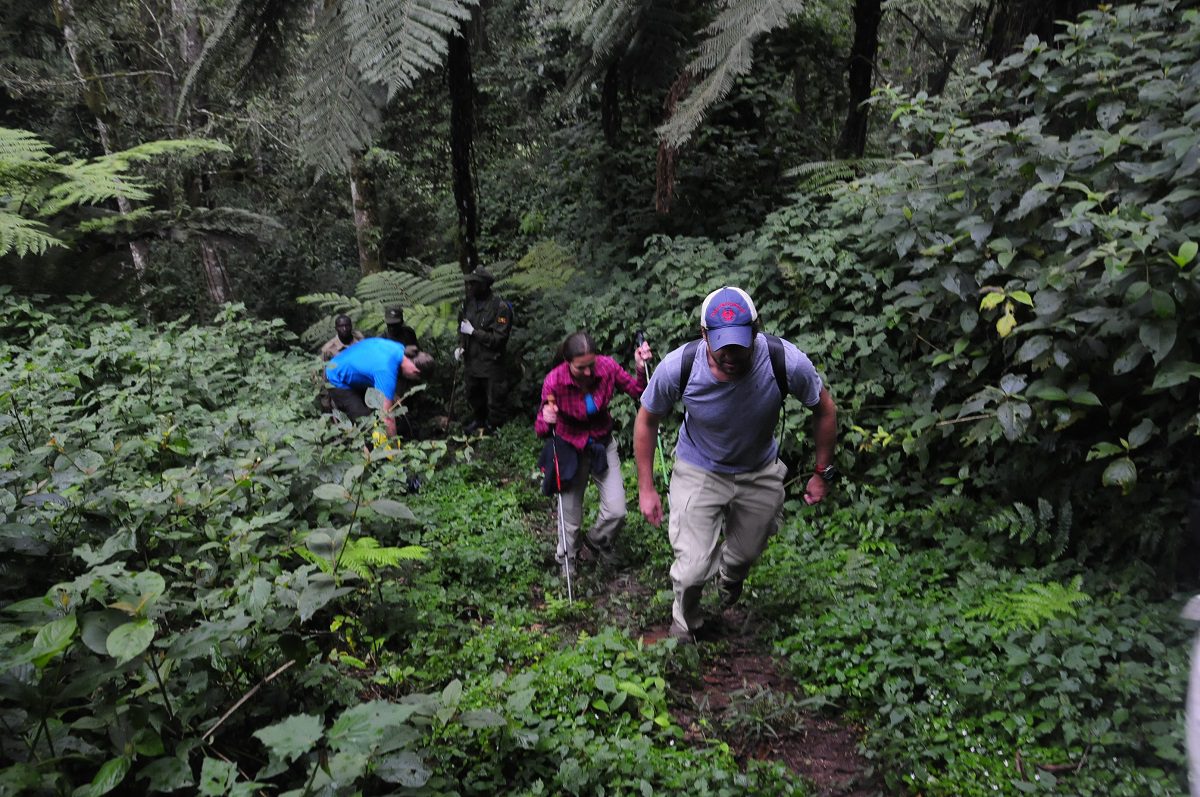
Bwindi Impenetrable National Park is not simply a place to see gorillas. Its hills, streams and dense rainforest create a beautiful setting for guided nature walks. Routes vary by access sector, and may include waterfall paths, forest viewpoints or longer walks between park areas. Dense vegetation and steep, muddy sections make even shorter walks feel adventurous.
Gorilla trekking is a separate regulated experience with specific permit, age and viewing rules. Consider adding guided gorilla trekking to your trip, but remember that the length and difficulty of a gorilla trek cannot be guaranteed in advance.
For a varied southwest Uganda itinerary, you could combine Bwindi with Lake Mburo, Bwindi and Lake Bunyonyi or read our Bwindi forest walks for more forest-focused inspiration. Travellers interested in the conservation context may also enjoy sustainable Uganda safari activities.
5. More Uganda Hiking and Walking Experiences

There are rewarding adventures beyond the big mountain destinations. Short escorted walks around Lake Bunyonyi and the Kigezi highlands offer lake panoramas, terraced landscapes and community encounters. Explore our Lake Bunyonyi activities to build a quieter lakeside extension.
In western Uganda, guided forest walks and wetland excursions near Kibale suit travellers who want birdlife, primates and lush scenery without a summit objective. Our chimpanzee tracking and Kibale and Queen Elizabeth itinerary show how to integrate forest experiences into a broader safari.
For a remote northeastern adventure, cultural hikes in the Karamoja region and Mount Moroto can be arranged with knowledgeable local guides. Routes and community visits should be planned sensitively and confirmed locally. Discover Mount Moroto adventures and Kidepo Valley ideas for ideas.
Some safari reserves also offer designated ranger-led nature walks, rather than unrestricted hiking. For example, a walking experience can complement a Lake Mburo wildlife tour. Other walkable areas include selected forest trails near Kampala and Uganda cultural experiences, subject to local opening conditions.
Hiking Trail Guide: Time, Difficulty & Terrain
These are planning estimates only. Hiking hours are not fixed, and routes may change with weather, park conditions and guide instructions. The figures below are deliberately broad to avoid promising a specific finishing time.
Sipi Falls
Typical activity: Half-day or full-day guided waterfall walks.
Terrain: Hillside paths, steps, uneven ground and wet sections.
Difficulty: Easy to moderate on suitable routes; steeper options available.
Mount Elgon
Typical activity: Multi-day summit trekking, often around 4–5 hiking days depending on trail.
Terrain: Forest, bamboo, moorland and exposed high-altitude slopes.
Difficulty: Moderate to strenuous.
Mgahinga Volcanoes
Typical activity: Full-day guided summit outing per volcano.
Terrain: Steep slopes; Sabyinyo includes ladders and exposed ridges.
Difficulty: Strenuous; route-specific fitness essential.
Rwenzori Mountains
Typical activity: Short foothill treks through to 7–9+ days on high mountain routes.
Terrain: Boggy valleys, rocky slopes, cold alpine zones and technical sections on some summit routes.
Difficulty: Moderate foothill trails to highly demanding technical expeditions.
Altitudes, exact route distances, park gate locations and technical requirements are confirmed in the individual proposal. A proposed Margherita Peak climb demands specialist guidance and is not a regular hiking day.
Which Uganda Hiking Tour Is Right for You?
| Destination | Typical hiking format | General difficulty |
|---|---|---|
| Sipi Falls | Half-day to full-day | Easy to moderate, route-dependent |
| Bwindi nature trails | Short walks to full-day routes | Moderate, sometimes steep |
| Mgahinga volcanoes | Full-day mountain hikes | Moderate to very strenuous |
| Mount Elgon | Day walks to multi-day treks | Moderate to strenuous |
| Rwenzori foothills | Short to multi-day treks | Moderate to strenuous |
| Rwenzori high summit | Extended technical expedition | Very strenuous / technical |
These are broad planning categories, not promises. Actual trail difficulty depends on weather, elevation, trail condition, walking speed and individual fitness. We recommend the route only after discussing your experience and travel dates.
Suggested Uganda Hiking Tour Itineraries
These sample journeys are flexible travel plans, not fixed departures or guaranteed summit programmes. We tailor the pace and route to fitness, weather, trail access and the actual starting location.

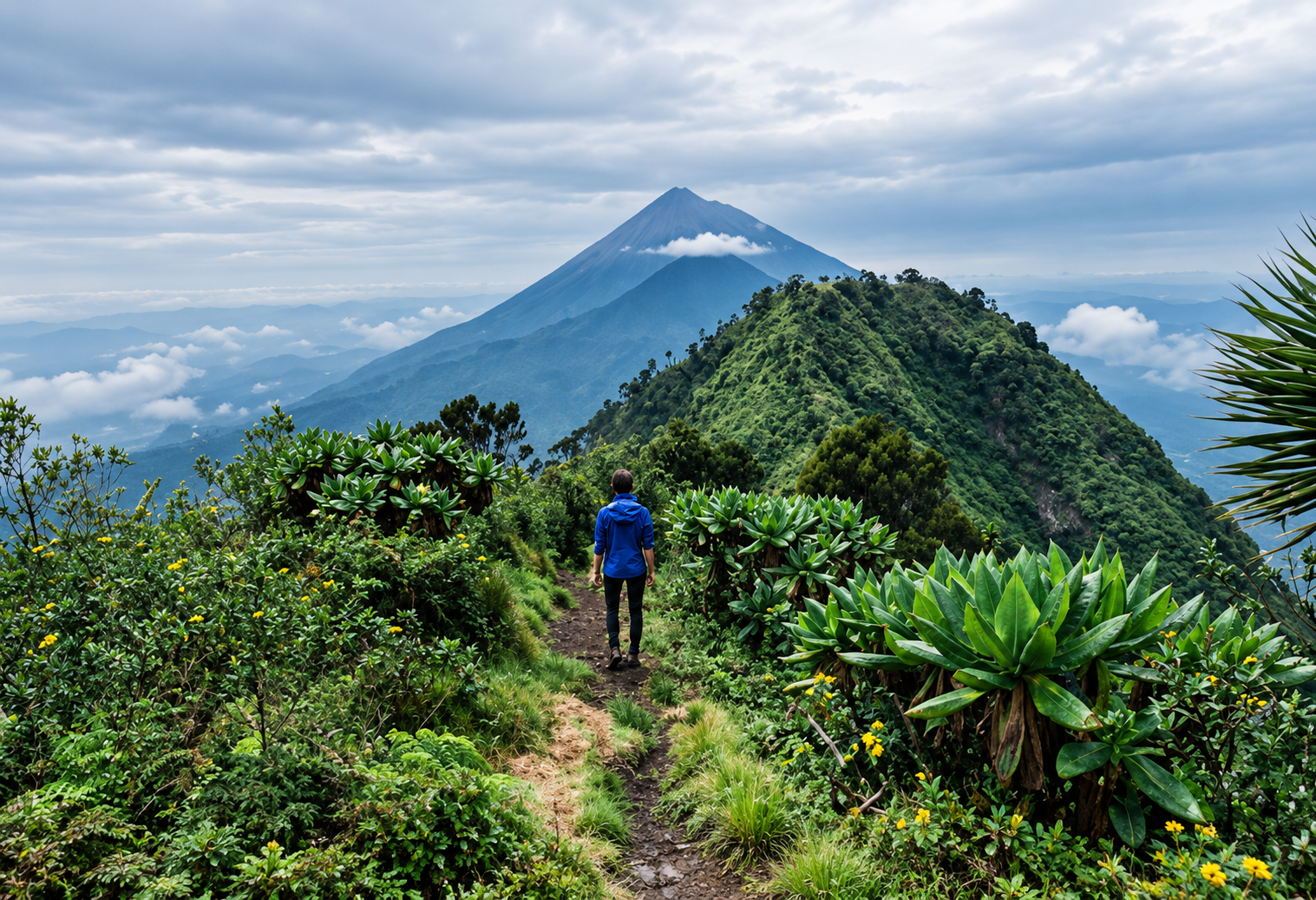

For wildlife-focused extensions, consider Kibale, Semuliki and Queen Elizabeth, or learn about the Safari Vacations team coordinating local logistics.
Best Time for Hiking in Uganda
Uganda offers hiking throughout the year, but conditions vary by altitude and location. Many travellers favour the comparatively drier periods from June to September and December to February. Trails may be less muddy, especially on lower slopes, but rain is possible in any season.
March to May and October to November are often wetter, although conditions can change quickly. High-altitude Rwenzori weather can turn cold, wet or misty at any time. Carry proper rain protection and plan flexible schedules instead of assuming a dry-season trek will be dry.
For summit expeditions, allow enough days for the route and possible weather delays. Discuss current conditions and suitability with the mountain operator before booking your flights.
Preparing for Your Hiking Safari
Comfortable hiking starts before the flight. Practise long walks, hills and uneven terrain; build stamina gradually; and arrive with appropriate footwear already broken in. For higher-altitude routes, prior trekking experience and realistic pacing are especially important.
Pack layered clothing, a waterproof jacket, trekking trousers, hiking boots with reliable grip, head protection, gloves when required, a daypack, water, sun protection and personal medication. Our safari packing advice is a useful place to start when reviewing general safari essentials.
All hikes inside national parks follow the relevant park regulations and guiding arrangements. For related forest experiences, explore Uganda nature walks. Professional mountain support, appropriate camping equipment and any technical climbing gear must be confirmed for the selected route. Travellers with significant medical concerns should consult a healthcare professional before demanding altitude hikes.
We encourage travellers to take out travel insurance appropriate to their activities, including trekking altitude and emergency evacuation coverage where applicable.
What Does a Uganda Hiking Tour Include?
Tour prices depend on destination, days, group size, accommodation, park charges, transport and whether the programme requires porters, camps or technical mountain support. Short Sipi Falls hikes cost much less than extended Rwenzori expeditions, so a single advertised “hiking price” would be misleading.
A tailored proposal can include private 4×4 transfers, guides, park entry and trail fees, accommodation, meals and requested activities. We specify exclusions clearly, including flights, visas, tips, personal equipment and optional add-ons. For a personalised costing, send us your intended dates, hiking experience and preferred comfort level through our request a custom quote.
We can also discuss budget, mid-range and more comfortable lodge options in the gateway towns, while noting that the accommodation on remote mountain routes may be simple huts or tents rather than conventional safari lodges.
Understanding Hiking Tour Costs
Short waterfall hikes: Typically a lower-cost guided activity; transport and overnight accommodation change the total.
Full-day volcano hikes: Park entry, guiding, transport and support arrangements may be charged separately.
Multi-day mountain treks: Budget for specialist guides, porters, camping or hut arrangements, meals and park fees. Technical summit itineraries can require additional equipment and support.
No misleading fixed prices: We provide a written per-person quote after confirming dates, number of hikers, route, residency category and accommodation. Fees and access rules may change; any quoted figure is valid only as stated in the proposal.
Planning Your Route: What a Hiking Day Actually Looks Like
Most hiking tours begin early, when the air is cool and the group has the best possible daylight. After breakfast, the guide will explain the planned route, rest points, weather outlook and any environmental considerations. Where a national park requires registration or a ranger escort, these procedures happen before the walk begins. Hikers should use the briefing to mention injuries, concerns about altitude or questions about the terrain.
On a waterfall trail, the pace is generally relaxed enough for photography, village encounters and pauses at viewpoints. You may cross small streams or use pathways around farms. Your guide can often help choose a route that avoids the steepest sections, but rain can make paths slippery. For an accessible itinerary, discuss walking surfaces and the need for assistance beforehand rather than assuming every waterfall viewpoint can be reached by vehicle.
Volcano hiking is a different experience. An early departure, steady ascent and careful descent may take up most of the day. Vegetation changes as you climb, while steeper slopes demand deliberate foot placement. On Mount Sabyinyo, fixed ladders and narrow ridges add an element of exposure. Conditions may require the guide to turn the group around before the summit. The most important achievement is completing the day safely, not just reaching the highest point.
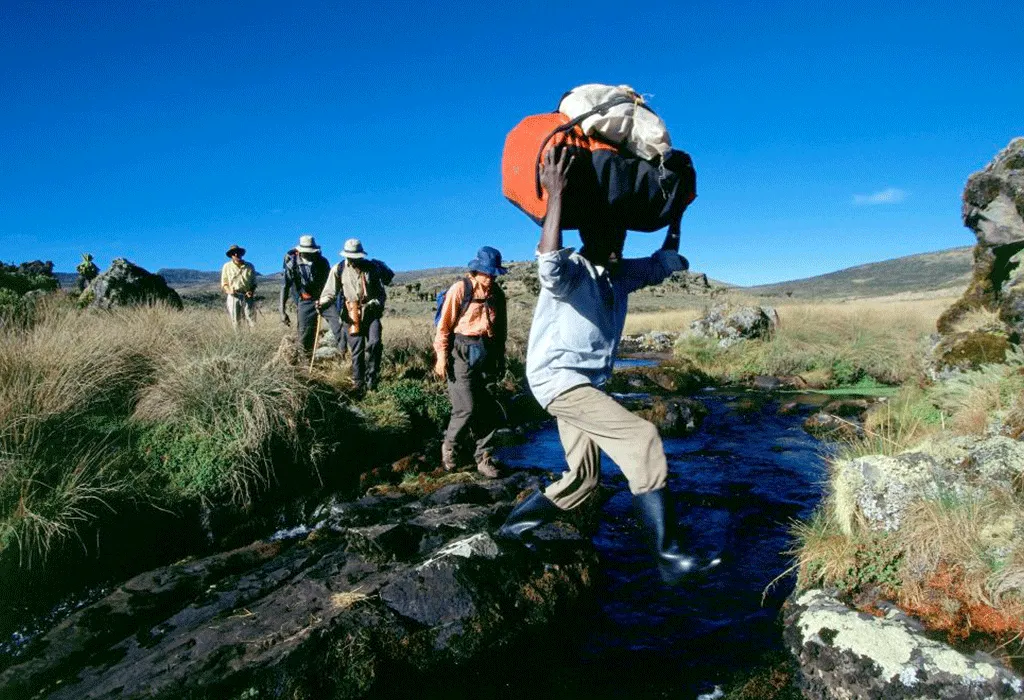
Multi-day mountain trekking involves a routine of walking, checking equipment, resting, eating and recovering. Depending on your Rwenzori route, overnight stays may be in huts or tents. Porters and specialist mountain guides support logistics, but each participant should still be prepared to carry essential personal items and to walk in cold or wet conditions. Higher elevation makes acclimatization and steady pacing especially important.
We build transfers and recovery time into the trip so a hiking holiday does not become a series of rushed drives. Travellers who want to take photos, meet communities or spend time observing birds should tell us so that their schedule allows it. A thoughtful pace usually creates a better experience than trying to cover several distant mountains in a few days.
Where to Stay During Your Uganda Hiking Tour
The right overnight base depends on the trailhead, not simply the closest large town. We arrange accommodation that matches the actual hiking route, transfer time and your preferred comfort level. The following cards show practical accommodation areas; named properties are suggestions, not confirmed availability or endorsements.



Booking note: We confirm lodge opening status, room category, transport timing and full package price before accepting payment. All accommodation enquiries go directly through Safari Vacations & Travel Services.
Hiking Responsibly in Uganda
Uganda’s mountain and forest environments are sensitive. Stay on approved trails, carry reusable water containers where practical, and take your litter back out. Follow your guide’s instructions about wildlife encounters, and avoid loud music or unnecessary disturbance in forest habitats. Mountain vegetation grows slowly in some high-altitude zones, and stepping off the trail can damage fragile plants.
Porters, community guides and locally managed accommodation are an important part of the hiking economy. Hiring appropriate local support improves logistics and can help communities benefit from visitors. When a walk includes a village, seek permission before photographing people and be respectful of homes, farms and cultural practices.
Wildlife sightings are never guaranteed. Even when a trail passes through habitat used by monkeys, antelopes or birds, most animals remain elusive. A good hike is rewarding because of the landscape, natural history and human encounters, not because of a promised encounter with a particular species.
Frequently Asked Questions About Hiking Tours in Uganda
What is the best hiking destination in Uganda?
For technical high-altitude mountain adventure, the Rwenzori Mountains stand out. For a shorter waterfall walk, Sipi Falls is excellent. Mgahinga suits hikers who want challenging volcanic scenery.
Can beginners go hiking in Uganda?
Yes. Guided Sipi Falls walks, selected forest walks and suitable lower-slope trails can be arranged for first-time hikers. Summit routes are more demanding.
How long should I spend on a hiking safari?
A waterfall walk may fit into a day; a volcano usually deserves a full hiking day plus travel time; and Rwenzori trekking can take several days or longer depending on the route.
Can I combine a Uganda hike with gorilla trekking?
Yes. Bwindi and Mgahinga are particularly convenient for combining walks and gorilla experiences, subject to separate permits and available dates.
Do I need to book a hiking guide?
National park and mountain routes have specific guiding and entry requirements. We organize the appropriate authorised guides and support for your itinerary.
Is climbing Margherita Peak suitable for beginners?
No. It is a strenuous technical high-altitude climb with potentially hazardous weather and glacier conditions. Prior experience, appropriate gear and specialist guidance are important.
What should I pack?
Pack well-fitting boots, layered clothing, rain protection, water, a daypack and any route-specific gear. Technical summit trips require a much more extensive equipment list.
When is the best time to hike in Uganda?
The relatively drier periods of June–September and December–February are popular, but rain and changing mountain weather are possible throughout the year.
Ready to Explore Uganda on Foot?
Tell us when you want to travel, how many days you have and the kind of walk you enjoy. Safari Vacations & Travel Services will design a hiking safari around your interests, fitness and budget.



