Bwindi Backpackers Lodge: 7 Excellent Nkuringo Tips

Bwindi Backpackers Lodge: 7 Excellent Nkuringo Tips
A practical guide to staying near the southern Bwindi forest, choosing a room, preparing for a gorilla trek and understanding the real costs of a visit.
Bwindi Backpackers Lodge: Location and first impressions
The southern edge of Bwindi is a place of steep cultivated hills, forested valleys and small communities whose daily routines continue alongside gorilla tourism. Arriving here feels different from arriving at a conventional resort. Roads climb through changing views, the air becomes cooler, and the forest occupies the horizon. Bwindi Backpackers Lodge sits on a hillside bordering the protected forest in Kisoro District, making it a practical starting point for travelers who value landscape and proximity to southern trekking areas more than elaborate resort facilities.
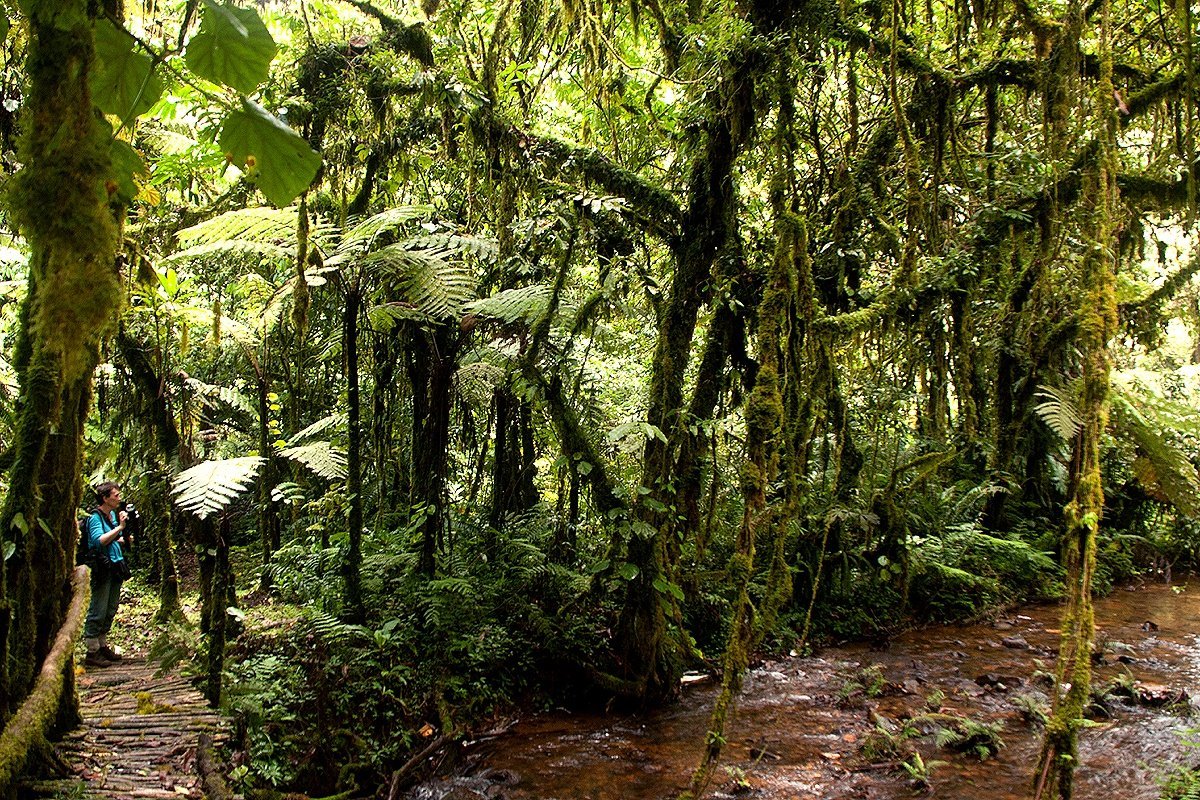
The lodge describes itself as welcoming independent visitors, campers and overland travelers. Its setting is a particular strength: there are views toward Bwindi and the Nombe pocket forest, while a nearby viewpoint opens toward the Virunga volcanoes when conditions are clear. This is not a promise of a volcano panorama every morning. Mist and rain are part of the highland experience, and they can be just as memorable as bright sunshine.
For anyone comparing Nkuringo accommodation, location needs to mean more than a pin on a map. The important question is whether your assigned gorilla permit uses Nkuringo or Rushaga, and how long it takes to reach that sector’s reporting point. Ask for the current transfer arrangement before paying for a room. A beautiful Bwindi forest stay is most enjoyable when the early morning departure has already been solved.
Who should choose this lodge
This property makes the most sense for guests who are comfortable with a simple, outdoor-oriented environment. Solo backpackers can appreciate shared facilities and opportunities to meet fellow travelers. Couples can request a private room, while self-driving visitors and overland groups can ask about parking and camping arrangements. Families should check room layouts and children’s needs directly rather than assuming every category is interchangeable.
Travelers searching for budget gorilla lodging should compare the complete cost of the stay, not just the advertised bed rate. Transport to the correct briefing point, meals, packed lunch, drinking water and laundry can change the total. A lower nightly rate is useful only when the rest of the itinerary still works. The most sensible Nkuringo accommodation is the option that fits both your spending limit and your actual permit.
Visitors expecting a luxury spa, extensive in-room technology or a completely paved approach road may be happier elsewhere. Those who enjoy gardens, local conversations and evenings in a relatively remote setting are more likely to appreciate the lodge’s character. Bwindi Backpackers Lodge is best assessed as a flexible base for exploring the southern forest, not as a replacement for a high-end mountain retreat.
Rooms, cottages and shared facilities
Bwindi Backpackers Lodge room choices
The lodge advertises a range of sleeping arrangements, including dormitory beds, rooms with shared bathrooms, self-contained rooms, cottages and space for self-camping. These categories matter because travelers use the word budget differently. One person may want the lowest available bed; another may willingly spend more for a private bathroom and a quieter night before a demanding hike.
The dormitory is a straightforward option for travelers who prioritize price and social atmosphere. Check whether the quoted rate is per person, what bedding is included and whether the room will be shared with other guests. Private rooms with shared facilities can provide a middle ground between a dorm and a self-contained unit. A self-contained room may suit couples or anyone who prefers private washing facilities after returning muddy from the forest.
Cottages and camping introduce other questions. Ask about the number of occupants permitted, the location of washrooms, whether towels are supplied and whether camping equipment is available to hire. Do not assume a tent, mattress or sleeping bag is included with a camping pitch. For budget gorilla lodging, clarity about these small practical details prevents unwelcome surprises.
The official dormitory page has advertised a 2026 rate of US$40 per person per night for a particular date range, with breakfast, internet and parking listed among the amenities. Treat that as a published example rather than a guaranteed current quote. Request a dated written offer specifying taxes, meals, room type and cancellation conditions before confirming your Bwindi forest stay.
Food, gardens and daily rhythm
Meals can become a highlight of a forest trip, particularly after hours on a wet or steep trail. The lodge promotes food prepared with produce from its gardens. That emphasis suits travelers who prefer simple fresh meals over a complicated dining program. Ask what breakfast is served, whether dinner must be ordered in advance and whether vegetarian or other dietary requirements can be accommodated.
A gorilla trekking morning usually begins earlier than a leisurely holiday breakfast. Confirm when hot drinks and food will be available and whether staff can prepare a packed lunch. A long hike can continue into the afternoon, so carry more water and energy-rich snacks than you expect to need. Ask about safe drinking water rather than assuming every tap is potable.
Evenings at Bwindi Backpackers Lodge can be used to reorganize gear, dry wet clothing where appropriate and discuss the next day’s route. Electricity, connectivity and hot-water availability may vary by room or circumstances; obtain current details from the property. A successful Bwindi forest stay is often built around a few reliable basics: a warm place to sleep, a filling meal and a realistic morning plan.

Planning your stay? Confirm your trekking sector, travel dates and room requirements before booking.
Nkuringo and Rushaga are not the same sector
Bwindi Impenetrable National Park has multiple gorilla trekking sectors, and the permit sector controls where you must report. Nkuringo and Rushaga are both in the south, but they have separate arrangements and travel routes. Booking a lodge that can serve both areas does not mean a permit for one sector can be used at the other. Your booking confirmation should state the correct sector clearly.
Nkuringo gorilla trekking is widely associated with demanding terrain. Slopes can be steep, and the return climb may be tiring even for experienced walkers. Rain can make paths slippery, while the location of the assigned gorilla family changes from day to day. Good fitness helps, but no traveler should expect a guaranteed short or easy hike.
Rushaga is another southern option, with its own briefing arrangements and gorilla tourism activities. Do not choose it merely because someone calls it easier: the forest remains unpredictable. If you are deciding between sectors, consider permit availability, mobility, route logistics and the kind of experience you want. The lodge can be a useful base, but Nkuringo gorilla trekking should be planned as a specific activity with a specific meeting place.
Before booking Nkuringo accommodation, ask your operator to put the permit sector, meeting time, vehicle pickup and expected transfer route in one message. This single step prevents a surprising number of avoidable problems. It also makes it easier to decide whether a cheaper room truly offers good value.
A realistic gorilla trekking day
Set out your clothing and documents the previous evening. Pack a waterproof layer, drinking water, snacks, a charged camera and any personal medication. A small daypack keeps essentials together. Wear sturdy footwear with reliable grip, long trousers and clothing that can handle mud, damp vegetation and changing temperatures. Gloves may be useful when moving through thick vegetation.
On the morning of Nkuringo gorilla trekking, eat before leaving and allow time for the road journey. At the designated briefing point, rangers explain group assignments, safety rules and the expected procedure. The tracking team then guides visitors into the forest. Gorilla locations change naturally, so the length of the walk is not fixed. Some outings are relatively manageable; others demand considerable effort.
Once a habituated family is located, standard gorilla trekking generally allows up to one hour of observation under ranger supervision. Follow instructions on distance, noise, movement and photography. Do not use flash or attempt to touch an animal. If a gorilla approaches, remain calm and let the ranger direct the group. The encounter is about observing wildlife responsibly, not arranging a perfect photograph.
After the hike, return to Bwindi Backpackers Lodge with time to rest. A shower, dry clothes and an unhurried meal can be more appealing than an additional long excursion. Build flexibility into the afternoon rather than making a tight connection. Before setting out, review gorilla trekking preparation for first-time visitors, particularly what to carry and how to approach a forest trek.
Getting there from Kisoro and beyond
Kisoro is a useful gateway for the southern Bwindi highlands. Published lodge information describes the approach from Kisoro as roughly 32 kilometers on a murram road, with journey time affected by weather and road conditions. Do not treat that estimate as a promise. Mud, maintenance, visibility and the type of vehicle can all influence the drive.
Travelers arriving from Kampala or Entebbe should plan a substantial overland journey, usually requiring most of a day and sometimes more depending on the route and stops. An overnight break can make the experience less tiring. Those flying into Kisoro airstrip still need to organize the final road transfer. Confirm arrival time and baggage arrangements with the airline and transfer provider.
Visitors entering Uganda from Rwanda must check current border procedures, passport validity, visa eligibility and vehicle arrangements before departure. A map may suggest a short distance, but immigration formalities and mountain roads can change the practical schedule. The most dependable Nkuringo accommodation booking is one coordinated with a realistic arrival plan.
If you are self-driving, ask the lodge about the road condition shortly before traveling, especially after heavy rain. A vehicle suitable for the route and a driver familiar with highland roads can be valuable. Keep some daylight for the final approach whenever possible. Reaching a Bwindi forest stay in darkness after a long travel day is rarely the easiest introduction to the area.
Costs, permits and honest budgeting
The accommodation bill is only one component of a gorilla trip. Standard permits, transportation, meals, porter services, gratuities and optional activities may all be separate. Uganda Wildlife Authority sets permit tariffs, and categories can depend on citizenship or residency. Prices and promotional arrangements can change, so verify the rate applying to your travel dates before making nonrefundable commitments.
When comparing budget gorilla lodging, request an itemized quote. The quote should state whether the room rate is per person or per room, whether breakfast is included, the cost of other meals, any local taxes, the transfer fee and payment terms. If an operator is arranging the permit, ask for confirmation of the permit category and the issuing authority’s process.
A useful budget includes a contingency for rain-related delays or unexpected travel needs. Avoid assuming that a low advertised rate covers transport to Nkuringo gorilla trekking. Conversely, an accommodation package that costs a little more may represent better value if it includes a reliable transfer and meals. The right comparison is total trip cost, not the cheapest number on a booking page.
The largest planning costs often come from permits, transport and guiding rather than the room alone. Compare the total itinerary rather than an isolated nightly rate. The Uganda gorilla trekking routes and permit guidance can help you identify the questions to ask before confirming prices and availability with providers.
Weather and the best time to visit
Bwindi is a mountain rainforest, so a dry-season visit is not a rain-free visit. The relatively drier periods are commonly described as June through August and December through February. Wetter periods can bring more persistent rain, muddy roads and slippery trails, but forest scenery remains striking throughout the year. Weather patterns are variable, and the best choice depends on your flexibility.
During popular travel months, secure permits and suitable rooms early. The more specific your dates and preferred sector, the more important advance planning becomes. Travelers with flexible schedules may find quieter periods appealing, although they should prepare for challenging trail conditions. Nkuringo gorilla trekking takes place in a living forest, not on a controlled hiking course.
For a Bwindi forest stay in wetter months, prioritize waterproof storage for documents and electronics, quick-drying clothing and footwear that can cope with mud. Bring warm layers for evenings. Ask about the approach road close to your arrival date and allow additional transfer time. For budget gorilla lodging, a little preparation can matter more than expensive gear.

Planning your stay? Confirm your trekking sector, travel dates and room requirements before booking.
Things to do beyond gorillas
A visit to the southern forest does not have to revolve entirely around one trek. The lodge points guests toward views of the Virunga volcanoes, the nearby Nombe landscape and the Buniga Forest area. Guided walks and community experiences may be possible depending on weather, local arrangements and availability. Confirm the exact route, duration, guide fee and any community contribution before leaving.
The surrounding hills offer opportunities to appreciate rural life without treating villages as attractions. Ask permission before photographing people or entering private land. Choose locally guided activities where appropriate and respect cultural protocols. A thoughtful Bwindi forest stay can support more than one business in the area, from guides and porters to farmers and craftspeople.
Birdwatchers may enjoy the forest edge and cultivated landscapes, though sightings are never guaranteed. Travelers interested in plants, conservation or photography can make time for short, slow walks rather than packing every hour. If you are tired after Nkuringo gorilla trekking, an afternoon watching changing light over the hills may be the better decision.
The lodge also describes community tree-planting and other local initiatives. If you want to participate, ask what the activity involves, who manages it and how the contribution is used. Responsible travel means checking that experiences are genuinely welcomed by local people and appropriately organized.
Responsible travel and wildlife expectations
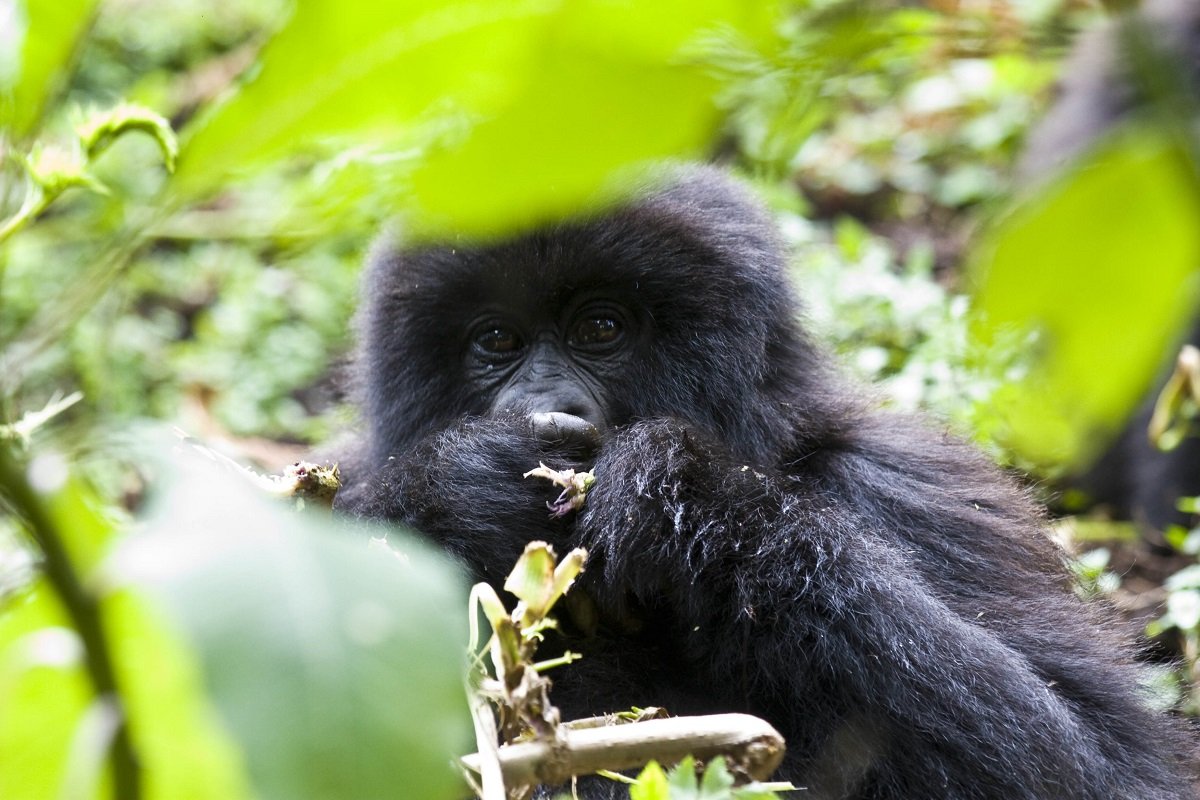
Mountain gorillas are wild animals protected through careful management of tourism and habitat. The lodge reports that gorillas have occasionally been seen near its grounds, but no guest should book a room expecting such a sighting. An animal’s movements cannot be scheduled, and any encounter outside an organized trek must be handled with appropriate distance and guidance. Never approach or feed a gorilla.
The forest boundary is ecologically sensitive. Keep noise modest, dispose of waste properly and avoid disturbing vegetation. Use refillable containers when safe drinking water is available and follow local advice about waste disposal. If a guided activity has conservation rules, treat them as part of the experience rather than as an inconvenience.
Community benefits are another reason to make considered choices. Hiring a local porter for Nkuringo gorilla trekking can make a difficult trail more manageable while supporting livelihoods. Purchasing locally produced goods at fair prices and paying guides appropriately can extend the value of a visit beyond the accommodation itself.
A budget gorilla lodging choice can still be a responsible choice. Price does not determine respect for wildlife or people. What matters is how visitors behave, whether services are fairly arranged and whether the forest is treated as habitat rather than a stage set.
How to choose the right room and itinerary
Begin with the date and sector of your gorilla permit. Next, decide whether you need a private bathroom, a private room or simply a safe place to sleep. Only then compare accommodation offers. This order avoids booking an appealing room that creates an inconvenient or expensive transfer on trekking morning.
Ask the lodge to confirm room category, bed configuration, meal plan, hot water, electricity, parking and check-in arrangements. Travelers with limited mobility should discuss steps, slopes and access before booking. A hillside property may involve walking between buildings. If traveling with children, confirm the property’s policy and remember that gorilla trekking has separate age restrictions.
If your trip includes another destination, consider the next day’s journey. Leaving immediately after a demanding hike can be exhausting, especially on mountain roads. An additional night at Bwindi Backpackers Lodge may give you time to recover and explore nearby communities. On the other hand, travelers with limited time may prefer a carefully coordinated transfer after breakfast the following morning.
The best Nkuringo accommodation decision is personal. Some travelers will value a dormitory and more money for experiences; others will value a private room and a quieter evening. Neither is automatically better. What matters is matching the stay to your comfort requirements, the permit sector and the real logistics of the trip.

A practical two-night example
On the first day, travel toward Kisoro and continue to the lodge with enough daylight to appreciate the highland landscape. Check in, confirm your permit documents and discuss the morning departure with the host or driver. Eat dinner, prepare your daypack and get an early night. Do not assume mobile reception will be strong enough to resolve every booking issue at the last minute.
The second day is reserved for Nkuringo gorilla trekking if that is the sector printed on your permit. Have breakfast, reach the briefing point on time and follow your ranger team into the forest. Return with an open afternoon. Rest, enjoy a meal and decide whether a short local walk is realistic. Avoid promising yourself a long excursion before you know how tiring the trek will be.
On the third day, enjoy a slower breakfast and depart for your next destination. If you have more time, add a locally guided cultural or nature activity after confirming its suitability. This simple schedule works because it respects the effort involved in the gorilla encounter and reduces pressure on travel connections.
A two-night Bwindi forest stay also gives you a buffer if the first day’s journey takes longer than expected. It is a sensible structure for travelers seeking budget gorilla lodging without making every hour feel rushed. Ask your operator to adapt the schedule to your transport method, weather and personal pace.
Packing and health preparation
Pack for changing conditions rather than for one weather forecast. A lightweight waterproof jacket, long trousers, breathable layers, warm evening clothing and sturdy walking shoes are useful. Include spare socks, a small first-aid kit, personal medication and protection for your phone or camera. A headlamp can be helpful in rural settings even where electric lighting is provided.
For the trek itself, carry drinking water and food suitable for a long morning. Consider walking poles if they are appropriate for the terrain and permitted by your guide. A porter can assist with carrying equipment and negotiating difficult sections. Let your ranger know about relevant mobility concerns before the group starts.
Because gorillas are vulnerable to human illnesses, visitors who are unwell must follow park health rules and guidance. Seek professional travel-health advice about vaccinations, malaria prevention and any personal medical concerns well before departure. Check Uganda’s current entry requirements through official channels. Do not rely on an old travel blog for a health or immigration decision.
A comfortable Bwindi forest stay also depends on small conveniences. Keep cash for appropriate local purchases and gratuities, but ask providers which currencies and payment methods they accept. Save important confirmations offline. Carry identification and permit details where they remain protected from rain.
Planning your stay? Confirm your trekking sector, travel dates and room requirements before booking.
Questions to ask before booking
A short message can resolve most uncertainties. Ask whether the desired room is available on your dates and request the full rate with inclusions. Confirm the property location and the transfer to the exact gorilla briefing point. Ask whether meals, drinking water and a packed lunch are available. Check cancellation terms and payment methods before sending funds.
If you are camping, ask about pitch facilities, toilets, showers and the availability of shelter during rain. If you are driving, ask about parking and the current road condition. If you need a private bathroom or particular bed arrangement, have it written into the booking confirmation rather than relying on an informal conversation.
Travelers booking Nkuringo accommodation through an operator should receive separate confirmation of the permit and the lodging. An itinerary can simplify coordination, but the traveler should still know the trekking sector, pickup time and contact details. When comparing schedules and inclusions, check gorilla trekking tour itineraries against your actual travel dates and budget.
Bwindi Backpackers Lodge is a promising option for travelers seeking flexible accommodation near the southern forest. Its strongest appeal is the combination of simple room choices, a hillside setting and access to gorilla tourism logistics. The final decision should rest on a confirmed quote and an itinerary that works for your specific dates.

Frequently asked questions
Is the lodge inside Bwindi Impenetrable National Park? The property describes itself as being on the forest boundary. Visitors should not interpret that as permission to enter the protected forest independently. Park activities require the appropriate permissions and guides.
Can I trek in Rushaga while staying here? The lodge markets itself to visitors using southern trekking areas, including Rushaga and Nkuringo. Confirm the road transfer and reporting point for the sector printed on your permit. Do not assume the two briefing points are interchangeable.
Is this a luxury lodge? The published accommodation mix emphasizes dormitories, shared-bath rooms, self-contained rooms, cottages and camping. Travelers looking for extensive luxury facilities should compare other properties rather than expecting every service at a budget-oriented lodge.
Can gorillas appear near the lodge? The property reports occasional visits, but wild animal movements are unpredictable. There is no guarantee of a sighting, and guests should follow staff instructions and keep a safe distance.
Is the road easy? The final approach includes rural highland roads whose condition can change with weather. Ask about current access and the suitability of your vehicle before departure.
What matters most for Nkuringo gorilla trekking? A valid permit for the correct sector, an on-time arrival at briefing, suitable clothing, reasonable fitness and attention to ranger instructions are essential.
How far ahead should I reserve? Availability varies with travel season and permit demand. Secure the permit and lodging together once your dates are firm, especially during popular holiday periods.
Is budget gorilla lodging suitable for couples? It can be, provided the selected room offers the privacy and facilities both travelers want. Request details about self-contained rooms or cottages rather than booking by price alone.
Final verdict
Bwindi Backpackers Lodge offers a practical way to experience the southern Bwindi landscape without committing to a luxury accommodation budget. Its mixture of dormitory space, private rooms, cottages and camping gives different kinds of travelers room to choose. The hillside setting and proximity to forest-edge experiences add a sense of place that a purely functional overnight stop might lack.
The important qualification is logistical: book around your confirmed permit sector, not around a vague description of being near gorillas. Check the transfer, meal arrangements, room inclusions and road conditions. With those details settled, a Bwindi forest stay can be comfortable, memorable and appropriately paced.
For independent travelers, budget gorilla lodging works best when expectations are clear. For those planning Nkuringo gorilla trekking, preparation matters as much as the bed itself. Choose the right room, allow sufficient travel time, respect the forest and enjoy the slower rhythms of Uganda’s southwestern highlands.
Making the most of your arrival evening
Arrival evening is the ideal time to settle questions that are difficult to answer in the rush of the following morning. Ask your host to confirm the exact vehicle departure time and the name of the briefing location. Check that your permit details match the travelers in your group. If you have hired a driver, exchange contact information and agree on where you will meet after the trek. These small arrangements can make a demanding day feel much more manageable.
Set aside a separate bag for clothes that may become wet or muddy, and protect documents inside a waterproof pouch. Charge your devices while power is available. Tell someone in your party where you have placed any essential medication. If you are a solo traveler, consider sharing your expected return plan with the accommodation team. None of these preparations is complicated, but together they reduce the number of decisions you must make before sunrise.
The surrounding scenery also deserves attention. Rather than scheduling another long drive, spend some time appreciating the forest edge and the changing light on the hills. Enjoy dinner without rushing and ask about any local customs relevant to a walk the next day. The appeal of a forest holiday is not only the headline wildlife encounter; it is also the opportunity to experience a different pace and setting.