Budget uganda gorilla safari begins with clear expectations about the destination, timing and rules that affect the visitor experience. Meet your driver in Kigali, cross into Uganda with valid documents and reach your lodge near the assigned Bwindi sector before dark. Attend the sector briefing, walk with armed rangers and trackers, and plan a flexible afternoon rather than booking a fixed-time activity. This guide explains the important choices in a way that helps travelers arrange a realistic trip rather than relying on a general promise about travel time, scenery or wildlife sightings.
A practical example
Consider a traveler landing in Kigali late in the afternoon. A package advertising same-day transfer to a distant Bwindi lodge should explain the border and mountain-road portion in realistic terms. A later trekking date may be safer than a compressed arrival. The cheap option is not necessarily less expensive when a missed briefing means lost bookings.
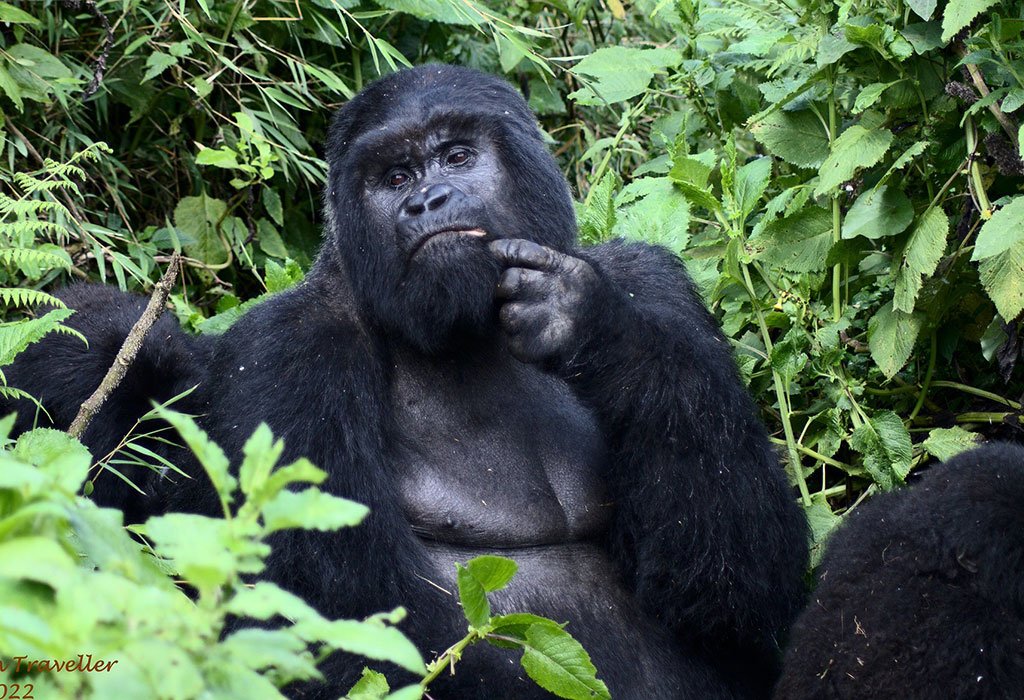
Bwindi Gorilla Trek Uganda .
budget Uganda gorilla safari: practical decisions and Kigali transfer
Decision 01
budget Uganda gorilla safari: Day one transfer
Meet your driver in Kigali, cross into Uganda with valid documents and reach your lodge near the assigned Bwindi sector before dark.
Decision 02
Kigali transfer: Day two trekking
Attend the sector briefing, walk with armed rangers and trackers, and plan a flexible afternoon rather than booking a fixed-time activity.
Decision 03
budget lodging: Day three return
Drive back to Kigali with a border-time buffer; an evening international flight is safer than an early afternoon departure.
What to expect: activities, access and conditions
Bwindi permits: Day one transfer
Treat day one transfer as a timed stage of the itinerary, not an optional stop that can be squeezed into a transfer. Ask the driver where the day starts, when the activity briefing or departure occurs, and where the night will end.
three day safari: Day two trekking
Treat day two trekking as a timed stage of the itinerary, not an optional stop that can be squeezed into a transfer. Ask the driver where the day starts, when the activity briefing or departure occurs, and where the night will end.
Treat day three return as a timed stage of the itinerary, not an optional stop that can be squeezed into a transfer. Ask the driver where the day starts, when the activity briefing or departure occurs, and where the night will end.
Real budget breakdown
Compare permit, transport, park transfers, meals, accommodation and driver costs separately. A cheap headline rate may omit the biggest mandatory expense.
The booking decision here is specific to real budget breakdown. Before paying, ask for the issued permit or reservation reference, applicable visitor category, operating date, and a written breakdown of what the quoted charge actually includes.
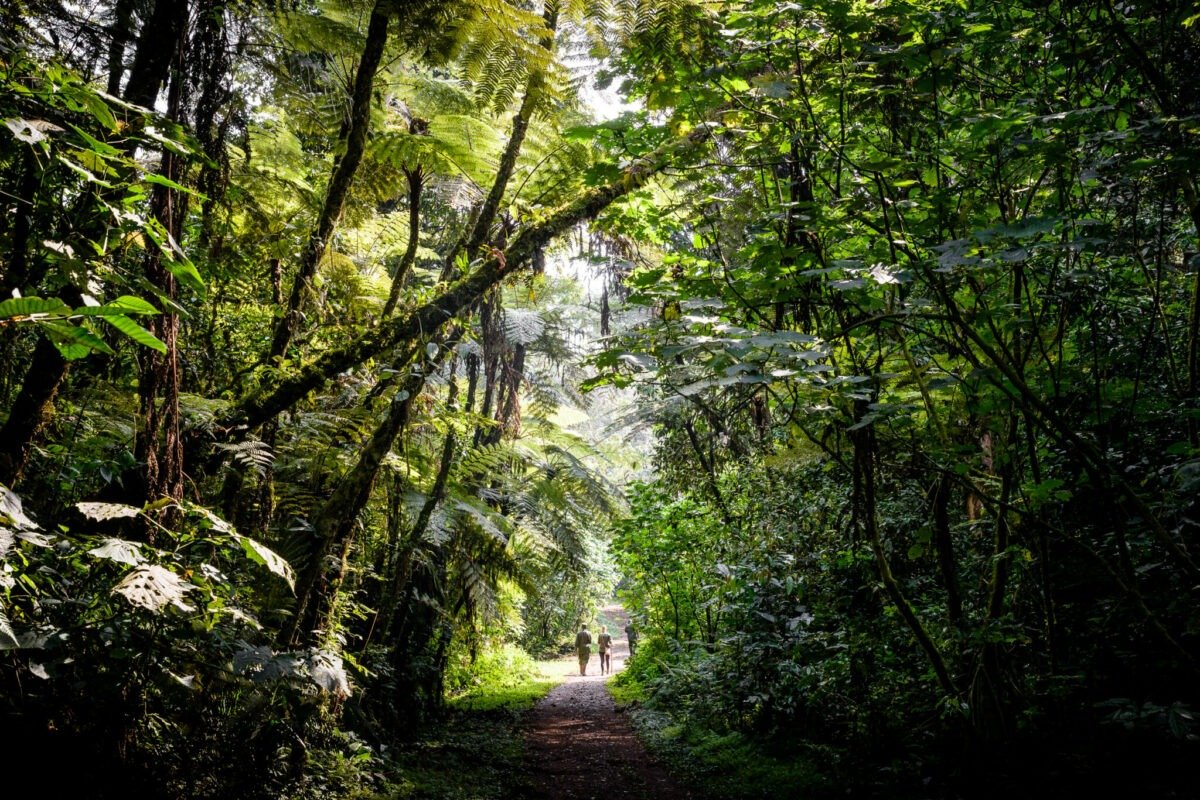
Budget Gorilla safari in Uganda .
Sector-first lodging
A budget lodge should be selected after the permit sector has been confirmed, not simply because it appears near Bwindi on a regional map.
Border documents
Check passport validity, Ugandan entry permission, Rwanda re-entry conditions and yellow-fever documentation applicable to your route.
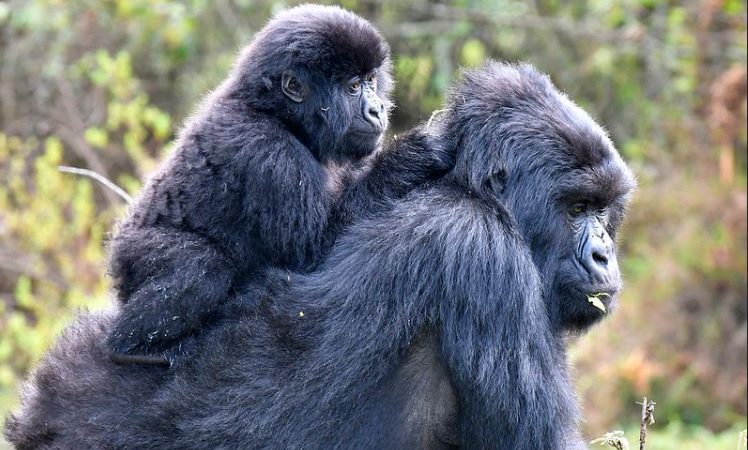
Gorilla Trekking in Bwindi Uganda .
Shared transport limits
A shared vehicle may reduce cost but complicates early briefings, luggage space and private stops. Confirm exactly who travels in the vehicle.
Confirm luggage allowances, vehicle suitability and contingency time before linking the journey to a fixed flight or park briefing.
Walking expectations
Budget pricing does not determine the gorilla family allocated or the length of the walk. Request porter assistance if useful.
Pangolin Adventure in Bwindi Gorilla Park Uganda .
Booking priority
Hold the trek date first, then fix travel days, border route, lodging and final costs; never purchase a flight based only on tentative permit availability.
The booking decision here is specific to booking priority. Before paying, ask for the issued permit or reservation reference, applicable visitor category, operating date, and a written breakdown of what the quoted charge actually includes.
budget lodging and Bwindi permits: preparation details
Before travel
What to confirm
Booking proof
Date, operator, location and whether every required permit is included
Transfers
Pickup time, driver contact, border or road buffers where relevant
Equipment
Footwear, rain protection, medication and suitable personal gear
Visitor rules
Minimum ages, guide instructions, health conditions and safety briefing
Price details
Entry tickets, accommodation, meals, extra activities and cancellation clauses
Weather contingency
Alternative timing or safe activities if conditions change
For this itinerary, choose Accommodation close enough to the actual activity entrance to avoid unnecessary transfers. Confirm the access road, check-in timing and any early breakfast arrangements.
Gorilla Trekking vs Gorilla Habituation in Bwindi Uganda .
three day safari: what to decide before visiting
Frequently asked questions
What should visitors know about booking priority?What should visitors know about shared transport limits?What should visitors know about sector-first lodging?What should visitors know about day three return?What should visitors know about day one transfer?Uganda bwindi sactuary gorilla forest camp 1200×800 1 .
Key takeaways for this visit
The most useful planning details for 3-Day Budget Uganda Gorilla Safari from Kigali are day one transfer, day three return and sector-first lodging. Confirm the relevant rules and logistics before travel, and keep weather-sensitive activities flexible.
A short Uganda gorilla trip starting in Kigali still involves an international crossing and a long mountain-road transfer. Make sure entry documents work for both countries before the vehicle leaves the airport.
Three-day pacing
Use the first day for travel and overnight near the allocated trekking sector, the second for the forest activity, and the final day for the return. A late inbound arrival can upset that sequence.
Budget trade-offs
A lower package price often reflects shared transport, simpler rooms or fewer included meals. Compare the permit, accommodation and vehicle arrangements separately rather than comparing headline prices only.
Border timing
Build time for immigration formalities and unforeseen traffic. Border opening arrangements and entry requirements should be confirmed for the traveler’s nationality and intended date.
Practical details worth checking
This approach is especially helpful for families, photographers and visitors who prefer a gentler pace, because 3-day budget uganda gorilla safari from kigali should be tailored to people rather than to a fixed sales script.
A useful operator should be able to explain how compare permit, transport, park transfers, meals, accommodation and driver costs separately.
A cheap headline rate may omit the biggest mandatory expense. creates a different booking question from a generic safari park entrance.
Confirm exactly who travels in the vehicle. creates a different booking question from a generic safari park entrance.
Request porter assistance if useful. involves a permit or local guide, obtain the official booking conditions rather than accepting a verbal assurance alone.
Before departure
The day on the ground
Weather and season
budget Uganda gorilla safari: particular questions for this trip
The reason this deserves attention is that travelers often make the decision too late, after another part of the itinerary is already fixed. Hold the trek date first, then fix travel days, border route, lodging and final costs; never purchase a flight based only on tentative permit availability. The best comparison includes both the attractive experience and the less visible transport, access and recovery time needed to enjoy it. Keep the plan flexible enough to accommodate actual conditions while making sure the essential booking details are not vague.
A clear checklist helps avoid last-minute confusion. Review the documents and contact details well before the departure day, then confirm again when dates or visitor categories change. The questions below are deliberately specific: every operator should be able to explain which part of the journey is fixed, which is weather-dependent and which additional cost needs your approval.
For a smoother trip, review Accommodation options only after confirming the activity location and the travel day. A beautifully photographed lodge is not automatically convenient for an early park briefing or a long cross-border transfer. Ask how long the final approach takes in the conditions likely at your time of travel.
Before sending any final payment, ask for a written itinerary showing confirmed dates, activity locations, guide arrangements, hotel location and a transparent list of included services. This is especially important where national borders, protected wildlife or changing transport schedules are involved. A carefully checked itinerary gives visitors more freedom to appreciate the place once they arrive.
Budget Uganda gorilla safari: what three days can realistically include
Day one starts with your Kigali arrival time
A short gorilla safari departing from Kigali becomes practical only when the vehicle schedule matches the flight. Someone arriving in the morning may be able to travel south with a suitable buffer for immigration and road conditions. A passenger landing after dark should not be promised the same sequence without considering the border and the condition of mountain roads. The first night’s lodge needs to be convenient for the allocated forest briefing, not simply listed as a property in the Bwindi region. Before booking flights, ask for the actual pick-up point, approximate crossing plan and last practical arrival window. An itinerary that omits these details can sound efficient while leaving too little time for the activity that matters most.
Border formalities remain part of the cost
Starting in Rwanda does not remove the need to enter Uganda legally. Travelers should check passport validity, applicable entry permission and any country-specific health documentation relevant to their nationality and itinerary. The operator can help explain the planned crossing, but the guest remains responsible for carrying the correct documents. Confirm whether the advertised package includes visa or border-related charges, because the term all-inclusive may be used differently by different sellers. If traveling with children, check both the minimum age for the gorilla activity and any documentation needed for the border crossing. Do not estimate the arrival time at the Ugandan lodge using road distance alone; the immigration stage can vary.
Why a two-night plan works better than rushing
In a conventional three-day structure, the first afternoon is devoted to crossing and reaching the correct lodge. The second morning is reserved for a ranger-led gorilla trek, with the afternoon left open for recovery. The final day returns toward Kigali. This division is simple, but each day has a separate responsibility. The first protects punctual attendance at the forest briefing. The second protects the visitor’s ability to focus on wildlife rather than an evening flight. The third provides time for the return journey. Adding a lengthy city tour, an extra national park or a guaranteed cultural performance to every day can undermine the value of a short trip, especially when road and forest conditions are variable.
Finding budget lodging without creating a transfer problem
A cheap room far from the assigned sector may cost more
Bwindi has multiple access sectors, and accommodation offered near the park does not necessarily serve every one conveniently. A lower nightly rate can be offset by fuel, a more expensive vehicle transfer or an extremely early start. Ask the tour company which sector appears on the actual permit and where that area’s ranger briefing takes place. Compare room quotations only after the route is known. Budget travelers can save meaningfully through sensible, simple accommodation near the correct starting point, but choosing solely by photograph or nightly rate can create unnecessary risk. The booking confirmation should show the property name rather than a vague promise of similar lodging.
Decide which room comforts matter after trekking
A budget safari does not require a luxury suite, but it does benefit from the basics: a clean room, functional bathroom, reasonable meals and dependable arrangements for an early departure. Forest regions can feel cool and damp, particularly after rain, so ask about bedding and the ability to dry wet clothes. Travelers with food allergies should confirm arrangements rather than assuming a remote lodge can improvise at the last minute. Wi-Fi may be unreliable in rural locations, which makes printed or saved booking confirmations useful. If sharing a room, agree on bed configuration before payment. These questions address actual comfort and avoid spending scarce funds on amenities that have little effect on the gorilla experience.
Shared transport changes flexibility
A shared safari vehicle can reduce costs when the participants have compatible flights, trekking dates and interests. It can also make the schedule less flexible. One late arrival may delay the whole group, while a separate gorilla permit sector may prevent two guests from trekking together. Ask the operator how many travelers share the vehicle, whether luggage fits safely and how the itinerary handles different drop-off locations. A private vehicle costs more but can be useful for a couple with limited time or specific accessibility needs. Neither format is universally better. The meaningful comparison is what autonomy and comfort the traveler receives for the quoted price.
The second day: how gorilla tracking shapes the itinerary
The ranger briefing cannot be moved for a late guest
Gorilla trekking begins under park supervision. Visitors meet at the designated assembly point for instructions about the forest, the group and how to behave near gorillas. A hotel or driver promising a flexible start does not control this official schedule. Keep clothing, identification and permit details ready the evening before so the morning is calm. A short breakfast may be arranged with the lodge, but do not substitute that for sufficient travel time. Road conditions can change after rain, and a vehicle transfer that looks short on a tourist map may take longer. The sensible budget is for a punctual departure, not for an unreasonably tight driving calculation.
A park permit is not a guarantee of easy walking
The animals move through natural habitat, so trail length and steepness vary. Boots with reliable grip, comfortable clothing, a waterproof layer and drinking water are useful even when the visitor is generally fit. A porter, where available, can help with a bag and may provide practical support, but the park controls access and safety decisions. Travelers who have knee problems or significant mobility limitations should disclose them to the operator before committing to a booking. Being clear about physical needs gives the team time to explain realistic options. Saving money should never mean concealing a health concern or booking a trek on an unsupported promise that the walk will be effortless.
One wildlife encounter, not a collection of guarantees
A package may mention gorilla families, silverbacks, dramatic photographs and intimate forest moments. None of these descriptions should be interpreted as a promise of a particular animal’s behavior. Park staff decide where visitors can stand and how the group approaches habituated gorillas. The experience is valuable because it offers a regulated opportunity to observe wild animals in their natural habitat, not because someone can arrange a perfect photograph. Travelers should also follow health and distancing instructions to protect the gorillas. The guide’s job is to interpret what is happening and help the group behave responsibly; it is not to stage encounters or override a ranger’s decisions.
What a budget safari quotation should reveal
Separate the mandatory costs from optional upgrades
Request a written breakdown of the gorilla permit, transport, driver-guide service, lodging, meals and other park fees. Then add any chosen upgrades, such as a more expensive room, private transport or a separate cultural activity. This helps identify whether two quotations are truly comparable. Some package descriptions show only a from price based on a group size that may not match your party. Others leave out tips, drinks or the cost of a porter. Calculate the per-person price for your actual number of travelers. A low headline figure becomes less meaningful if essential components are added later or if the listed accommodation cannot be used on the confirmed trekking date.
A permit-first booking order avoids expensive changes
Before purchasing a nonrefundable international ticket, establish whether the planned gorilla date and destination are suitable. You may still choose flights first for personal reasons, but the risk should be understood. Once the permit arrangement is confirmed, select a lodging base near the designated briefing point and work out the Kigali transfers. Last, add optional activities that fit the remaining time. When an operator advertises a three-day deal, ask at which stage the official permit is actually secured. An inquiry or provisional itinerary is not identical to a final authorization. Make sure the confirmation identifies the traveler, the date and the appropriate activity.
Currency and cancellation clauses affect the true value
A safari sold in one currency but settled in another can cost more because of exchange rates or payment fees. Ask which currency is used for the permit, which is used for accommodation and whether conversion occurs at a fixed or prevailing rate. Cancellation rules may differ between the official activity and the privately operated components. If a guest cannot travel, changing the hotel and changing the permit may follow entirely separate processes. Record the written policies instead of relying on an informal promise that everything can be moved. A useful budget plan is one where the financial consequences of a change are visible before the traveler sends money.
Travel days from Kigali: transfers and realistic margins
Pick-up in the city differs from pick-up at the airport
An airport arrival includes immigration, baggage collection and meeting the driver. A city-hotel departure may begin closer to the intended time because the group is already in place. These distinctions matter when the planned journey continues across an international border. Confirm whether the driver waits for delayed flights and how extra waiting time is handled. If guests arrive separately, ask whether the vehicle can collect everyone without making the first passengers wait for many hours. There is no single transfer estimate that applies to every Kigali departure. An honest itinerary uses approximate road ranges and states clearly that crossing formalities and weather can extend the journey.
Do not plan the final flight against the fastest possible drive
The return journey from a forest lodge includes mountain access roads, immigration formalities and onward travel to Kigali. Travelers sometimes choose a departing flight because an online map suggests that the distance is manageable in a short window. Such a plan may leave little room for delays. Prefer a late departure or an additional overnight when the schedule is uncertain. A short safari should end with a safe and comfortable transfer rather than a rushed drive that depends on everything going perfectly. If a same-day flight is essential, obtain a conservative departure plan from the operator and evaluate the risk before booking.
Breaks have a practical purpose
Driving to and from Bwindi can be tiring even when the scenery is beautiful. Short, well-chosen stops allow passengers to stretch, use facilities and avoid feeling unwell on winding roads. A driver should not be pressured to compensate for a late start by exceeding safe speeds. When a traveler is prone to motion sickness, discuss seating preferences and carry appropriate personal medication according to medical advice. Meals can be timed around the transfer without automatically adding several sightseeing stops. The purpose of a three-day budget itinerary is to reach the gorilla activity reliably while preserving enough energy to enjoy it.
Optional experiences without overloading three days
Cultural experiences deserve adequate time
Communities near the forest offer opportunities to learn about local livelihoods, crafts and traditions through properly organized visits. These should be treated as genuine cultural exchanges, not quick photo sessions fitted into a few spare minutes. Ask about the host arrangement, participation and any community fee before attending. A thoughtful experience allows respectful questions and recognizes that people are not attractions to be staged on demand. If the trekking day finishes late, it may be better to rest instead of rushing into another paid activity. A budget itinerary can have cultural depth without pretending that every optional stop is guaranteed to fit.
Compare a second forest activity with a longer rest
Visitors sometimes ask whether golden-monkey tracking, birdwatching or a scenic walk can be added to a tight gorilla itinerary. Some activities require their own permits, travel stages or early start times. A second nature excursion is possible only if the schedule and location support it. Do not label a park activity included unless it is listed clearly in the confirmation. For travelers with limited funds, the simpler choice may be a relaxed afternoon at the lodge followed by a careful return journey. Enjoyment depends on the quality of the main experience, not on the maximum number of activities printed in the tour title.
Packing and personal planning for a low-cost trip
Bring essentials rather than oversized luggage
The most useful equipment is practical: walking boots that have already been worn, rain protection, long trousers, comfortable socks, a refillable water bottle and a small daypack. Extra clothes for after the trek can remain at the lodge. Keep medicines, travel documents and other essentials accessible during border travel rather than burying them in a large suitcase. If the safari uses a shared vehicle, confirm luggage limits so everyone’s bags can be stowed safely. A budget guest need not purchase specialist expedition equipment for an ordinary guided gorilla trek, but poorly fitting shoes can make the forest experience much harder than necessary.
Carry proof of arrangements when mobile reception is weak
Save the confirmed itinerary and important contacts in a form that does not require continuous internet access. Know the name of the accommodation, which day is reserved for trekking and who will meet you in Kigali. If the operator sends an updated departure point or vehicle identification, make sure the traveler receives it before leaving the airport. Share emergency contact information appropriately without publishing passport details in group chats. A few organized documents reduce stress at border points and remote lodges. Reliable preparation is particularly helpful on short tours, where there is little spare time to resolve missing details after arrival.
Check who is responsible for each payment
A package can contain official park charges, private hotel bills and services supplied by local partners. Ask whether the final invoice covers all confirmed components, and keep receipts for payments already made. If a driver asks for a charge that was said to be included, refer to the written itinerary and seek clarification rather than assuming the request is legitimate. Tips are a personal decision, while separately priced assistance should be identified in advance. Visitors should know whether breakfast, packed lunch and drinking water are included for the forest day. A precise list of exclusions prevents small expenses from becoming an unpleasant surprise.
Choosing a tour operator for value, not just a low price
Look for specificity in the itinerary
A credible proposal names the activity destination, expected travel stages, number of nights, room arrangements and the services that will be delivered. It should be able to answer straightforward questions about permit status and border travel. A vague description of beautiful scenery and unforgettable encounters may be inspiring, but it does not protect a visitor against a mismatch between lodge and briefing point. Ask how the operator will communicate changes during the journey. If the agency cannot explain which vehicle or hotel serves the confirmed permit area, request clarification before sending a final payment.
A bargain cannot override conservation rules
Budget travel can be responsible travel. The park’s visitor procedures, health guidance and wildlife viewing rules apply regardless of accommodation category or package price. A seller offering to bypass permit requirements, shorten a briefing or guarantee contact with gorillas is not providing legitimate value. Guides should help visitors understand why time limits, ranger supervision and distancing matter. Travelers can contribute by listening carefully, carrying their litter out of the forest and treating local communities respectfully. The most worthwhile savings come from efficient routing and sensible lodging, not from compromising the safety or welfare of wildlife.
Review your itinerary as three distinct promises
On day one, the operator promises a practical connection from the chosen Kigali starting point to the appropriate Ugandan accommodation. On day two, it arranges participation in the confirmed wildlife activity while respecting the authority of park staff. On day three, it organizes the return transfer with a realistic allowance for road and border stages. Everything else is a supplement to those central responsibilities. Write down the unanswered questions for each day and resolve them before payment. This simple method makes a short tour easier to compare and gives a first-time visitor a better basis for deciding what is genuinely included.