Why Lake Mburo Is the Best Place for a Walking Safari in Uganda?
Why Lake Mburo Is the Best Place for a Walking Safari in Uganda
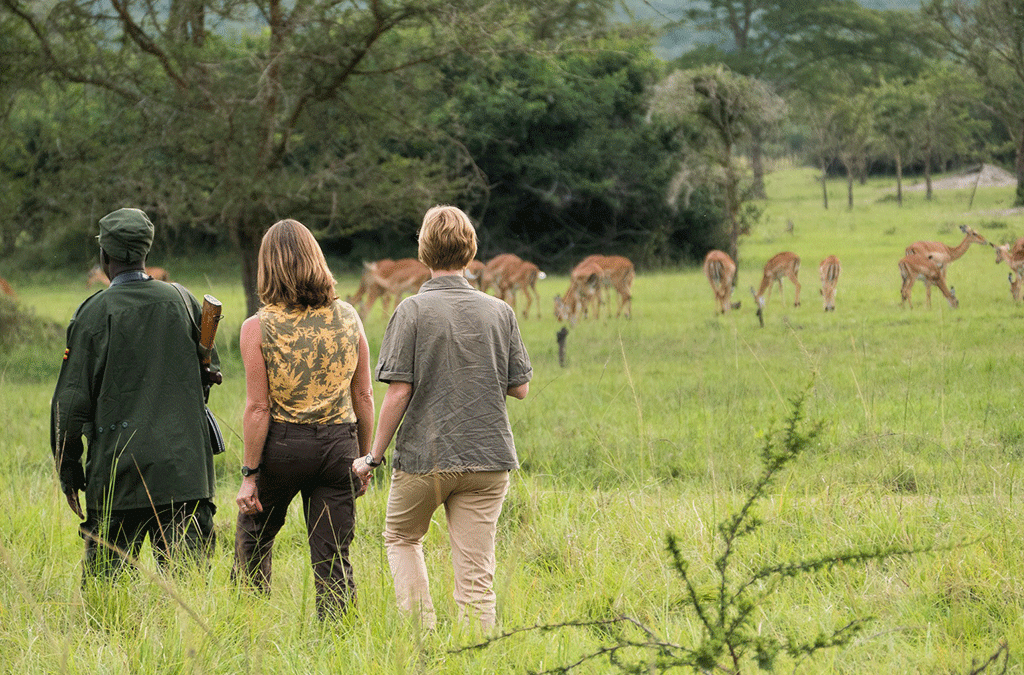
A Lake Mburo walking safari takes you beyond the traditional safari vehicle and into open savannah, acacia woodland and wildlife country where zebras, giraffes, impalas and other animals can be experienced at walking pace with an authorised guide.
Ranger-Guided
Zebra & Giraffe Country
Easy Southwestern Uganda Stop
Walking Beyond the Safari Vehicle
Why Is Lake Mburo So Good for Walking Safaris?
A Lake Mburo walking safari is one of Uganda’s most rewarding ways to experience savannah wildlife from ground level. Instead of simply searching for animals from a vehicle, walking allows you to slow down and notice tracks, feeding signs, birds, plants and the smaller details of the ecosystem. The change in pace is one of the biggest attractions. On foot, you have more time to observe how animals use the landscape, how different habitats connect and how much activity can be hidden in what first appears to be quiet grassland. The experience becomes less about covering distance and more about understanding the environment around you.
Lake Mburo National Park combines open grassland, acacia woodland, wetlands, rocky ridges and lake-edge habitats within a compact wildlife area. It is especially associated with zebras and impalas, while giraffes, elands, topis, warthogs, buffaloes and many bird species may also be encountered. This variety of habitat gives each walk a slightly different character. One section may offer broad views across open plains, while another may lead through more wooded country where birds, tracks and signs of wildlife become the main focus. Because the park is compact, travellers can also combine a walk with other activities without spending the whole day driving between distant areas.
For travellers combining wildlife with gorilla trekking in Uganda, Lake Mburo can also fit naturally into a longer southwestern Uganda safari. This makes the park especially useful for travellers who want more than primates from their Uganda holiday. A Lake Mburo stop can add classic savannah scenery, plains wildlife and a walking experience before or after the forest-based adventures of Bwindi or Kibale.
At a Glance
Lake Mburo Walking Safari Quick Facts
| Experience | Guided wildlife and nature walk |
| Typical Wildlife | Zebra, impala, giraffe, eland, topi and warthog |
| Guide | Authorised ranger or approved guide |
| Best Time | Early morning |
| Environment | Savannah, woodland and selected forest areas |
| Recommended Stay | 1–2 nights |
Why Walk Here?
What Makes Lake Mburo Different on Foot?
The attraction goes beyond seeing animals. Walking changes the scale of the safari and makes the landscape itself part of the wildlife experience.


The Experience
What Does a Lake Mburo Walking Safari Actually Feel Like?
The experience often begins in the cool morning air. After meeting your ranger or guide and receiving a safety briefing, you leave your safari vehicle and begin exploring at walking pace. The briefing is an important part of the activity because it explains how the group should move, how to respond when wildlife is nearby and why the guide may occasionally change direction. Once the walk starts, the quietness itself becomes noticeable: there is no engine sound, and attention naturally shifts to the movement of grass, distant calls and the rhythm of the landscape.
The focus quickly changes. You begin noticing individual hoofprints, paths through the grass, feeding signs on shrubs and bird calls coming from surrounding woodland. Your guide may stop to point out a track that would be invisible from a vehicle or explain how a particular tree is used by wildlife. These pauses are part of the experience and help turn the walk into more than simply moving from one sighting to another.
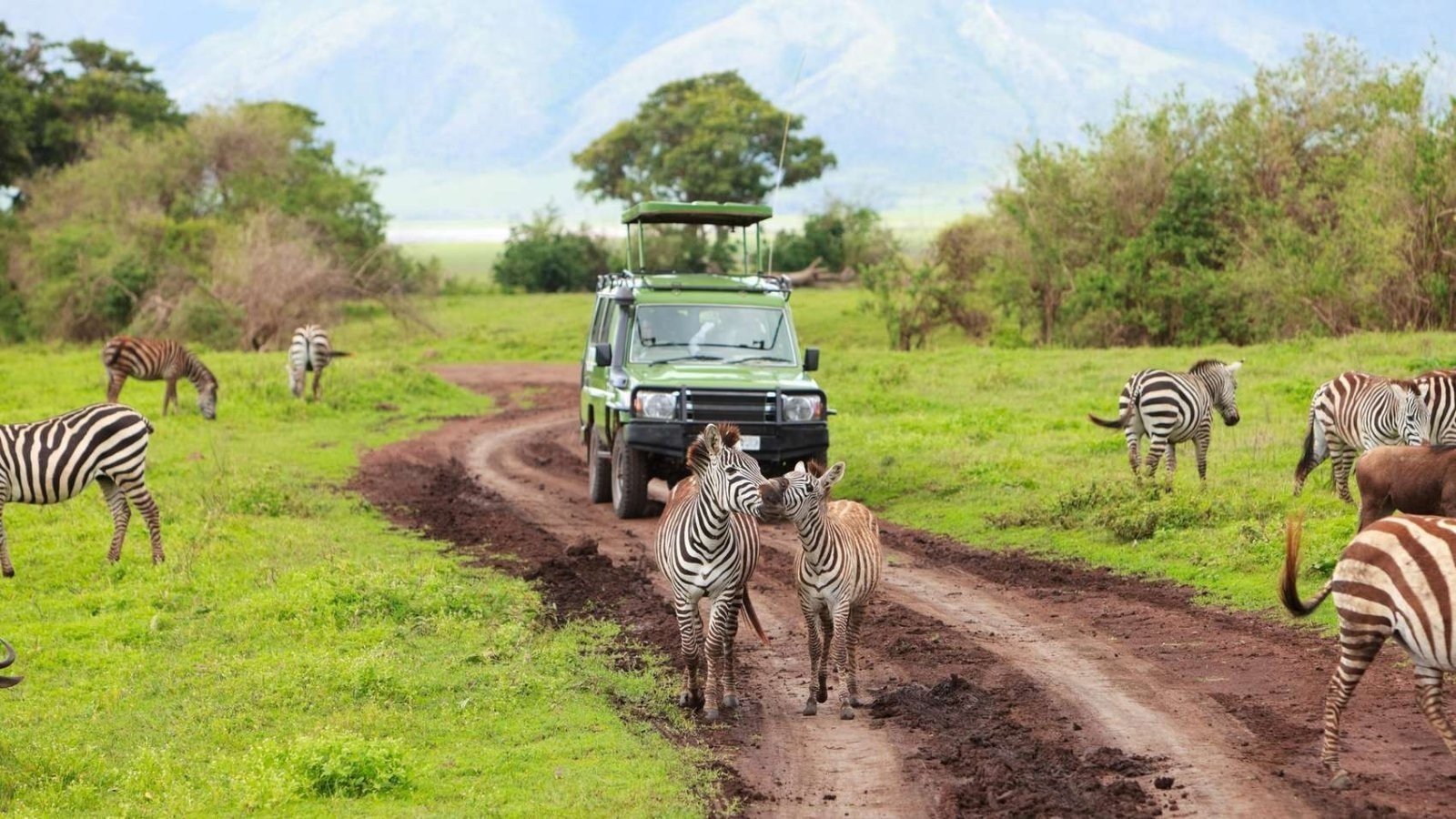
Zebras may appear across the open ground, giraffes may move quietly between acacia trees and antelopes may stop to watch before moving away. Even when animals remain at a distance, seeing them while standing at the same ground level can make the encounter feel more connected to the landscape. At other moments, the most interesting sighting may be a bird, a fresh track or a group of warthogs disappearing into the grass.
Wildlife sightings cannot be guaranteed, and your route will depend on prevailing conditions and the judgement of your guide. Weather, recent animal movements and the presence of potentially dangerous wildlife can all influence where you walk. This flexibility is part of a genuine safari and is one reason travellers should avoid judging the quality of the experience only by the number of animals seen.

Signature Wildlife
Animals You May Encounter on Foot
Lake Mburo is particularly famous for its plains wildlife. Possible sightings during your visit include zebras, impalas, giraffes, elands, topis and warthogs. The park also supports buffaloes and a wide variety of birds, while smaller creatures and signs of nocturnal wildlife can add interest during a guided walk. The exact mix changes from one outing to another, so each experience depends on where the animals have moved and which habitats are explored.
Zebras
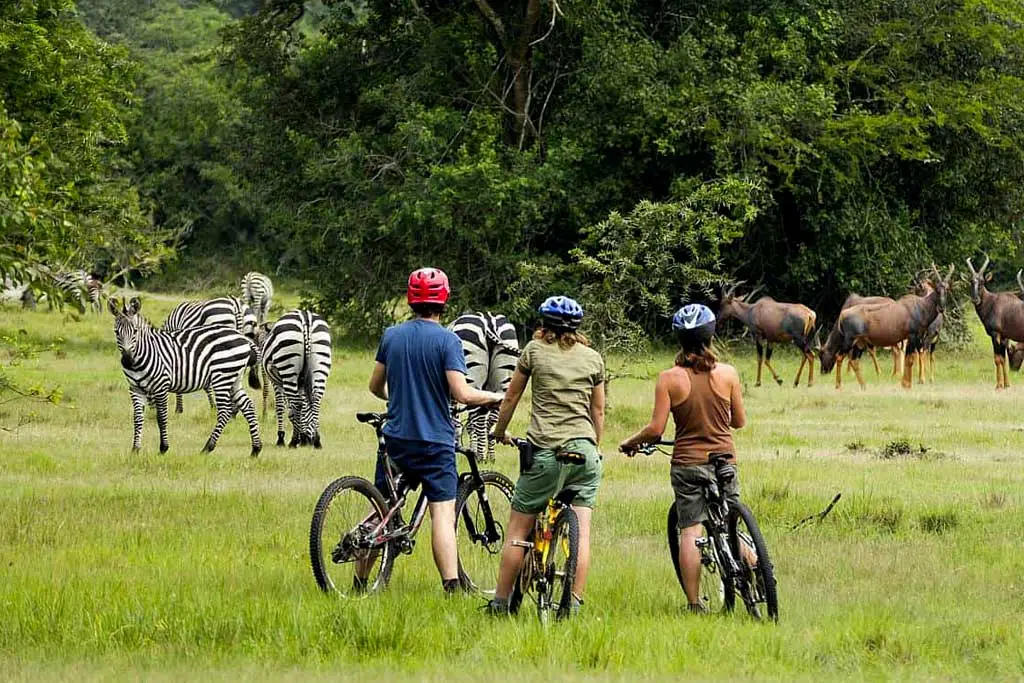
One of the park’s most recognisable animals and a major reason Lake Mburo feels different from several other southwestern Uganda parks. Zebra herds are closely associated with the park’s open grasslands, and their bold markings make them easy to pick out across the plains. They also photograph beautifully against the pale grasses and scattered acacia trees.
Impalas
Lake Mburo is especially associated with impalas, which occur around the park’s savannah and woodland habitats. Their alert behaviour, graceful movement and tendency to gather in groups make them particularly interesting to watch on foot. A guide can also help explain differences between impalas and some of the other antelope species found in the park.
Giraffes
Giraffes provide some of the most striking photographic opportunities in the park’s open landscape. Their height makes them visible above woodland and scrub, while their slow movement through acacia country creates the kind of scene many travellers imagine when they think of an East African safari. Seeing them on foot from an appropriate distance can be a highlight of a Lake Mburo visit.
Remember: Lake Mburo is a natural wildlife ecosystem. Sightings and viewing distances cannot be guaranteed.
Where to Walk
Walking Areas in Lake Mburo National Park
01
Rwonyo Area
Rwonyo is one of the principal visitor areas within Lake Mburo and provides access to several park experiences. It is a useful starting point for understanding the park because routes from this area can lead into different habitats and wildlife zones. Depending on the day’s plan and ranger guidance, walks around the wider Rwonyo area can focus on both general wildlife viewing and interpretation of the savannah environment.
02
Salt Lick Area
Guided walks can explore wildlife areas around Rwonyo and the natural salt-lick environment where animals may gather. Salt-rich ground can attract different herbivores, making this area interesting not only for sightings but also for learning about animal behaviour. Visitors should remember that wildlife movement changes throughout the day, so the value of the walk lies in the complete experience rather than a guaranteed congregation of animals.
03
Rubanga Forest
Rubanga provides a more wooded walking environment and is particularly interesting to travellers who enjoy birdlife. The forest atmosphere contrasts sharply with Lake Mburo’s open savannah, giving returning visitors another perspective on the park. A walk here can focus more heavily on bird calls, vegetation and forest ecology, making it a useful addition for travellers interested in more than large mammals.
04
Savannah & Acacia Woodland
Open grassland and acacia country provide the classic Lake Mburo walking experience. These landscapes create opportunities to scan ahead for plains wildlife while still paying attention to tracks and smaller details underfoot. The open setting is also one of the reasons the park works so well for travellers who want a walking activity that feels distinctly different from Uganda’s rainforest treks.
Walking Safari vs Game Drive in Lake Mburo
For most travellers, the strongest itinerary combines both experiences. Walking provides detail and immersion, while a game drive allows you to cover a much larger area. A morning walk might focus on tracks, birds and nearby plains wildlife, while an afternoon or evening game drive can take you farther into the park in search of animals that were not encountered on foot. Using both methods reduces the need to choose between intimacy and coverage.
| Experience | Walking Safari | Game Drive |
|---|---|---|
| Perspective | Ground-level | Vehicle-based |
| Area Covered | Smaller area | Much larger area |
| Focus | Tracks, vegetation, birds and wildlife | Searching widely for wildlife |
| Best For | Nature lovers and active travellers | Maximum wildlife coverage |
Safety
Is a Walking Safari in Lake Mburo Safe?
Walking inside a wildlife area should always be treated differently from an ordinary countryside walk. Lake Mburo contains wild animals including buffaloes and elusive predators, so travellers should follow their ranger’s instructions throughout the activity. The guide’s role is not only to locate wildlife but also to assess conditions, read animal behaviour and keep the group moving appropriately. Guests should remain together, avoid sudden movements and listen carefully whenever the ranger gives an instruction.
Your guide determines the route, appropriate viewing distance and whether it is suitable to continue in a particular direction. Routes can change even after a walk has started, particularly when fresh signs suggest that wildlife is nearby. This should be seen as a normal part of walking in a natural ecosystem rather than an interruption to the activity.
Do not independently approach wildlife simply for a closer photograph. The quality of a walking safari comes from observing animals naturally and respectfully.
Planning Your Walk
Best Time for a Walking Safari in Lake Mburo
Early Morning
Cooler temperatures and softer light make morning particularly attractive for walking and photography. Wildlife can also be active before daytime heat increases, while the low sun gives the grassland a warmer appearance and often produces more flattering conditions for landscape photography.
June–September
The drier period generally provides comfortable walking conditions and easier trails. Vegetation may also be less dense in some areas, which can improve visibility across the savannah. This period is popular, so accommodation and preferred safari arrangements are worth planning in advance.
December–February
Another relatively dry period that works well for wildlife-focused Uganda safaris. Travellers escaping colder northern-hemisphere weather often choose these months, and Lake Mburo can be paired easily with gorilla trekking and other western Uganda destinations.
Greener Months
Rainier periods bring greener scenery, dramatic skies and attractive photographic conditions. Trails can be wetter and some walks may feel more demanding underfoot, but the landscape can be exceptionally fresh and colourful. Travellers who do not mind occasional rain may also enjoy the quieter feel of the park during parts of the green season.
Perfect Safari Routing
A Natural Stop Between Entebbe and Uganda’s Gorilla Country
Lake Mburo’s location in southwestern Uganda makes it particularly convenient for travellers continuing toward Bwindi, Queen Elizabeth National Park or Kibale. For road-based itineraries, this location gives the park an important practical advantage: it can transform what would otherwise be a long transfer day into a meaningful safari stop. Instead of treating the journey west or southwest as transit only, travellers can add wildlife viewing and a guided walk.
It can help break a longer road journey while adding zebras, giraffes, impalas and a genuine savannah walking experience to a primate-focused itinerary. This contrast is especially valuable on trips dominated by forest activities. After time in Bwindi or Kibale, the open horizons of Lake Mburo provide a completely different visual and physical experience before returning toward Entebbe.
Consider combining your visit with gorilla trekking or one of our custom Uganda safari packages.
Safari Ideas
Safari Ideas That Can Include Lake Mburo


Where to Stay
Where to Stay for a Lake Mburo Walking Safari
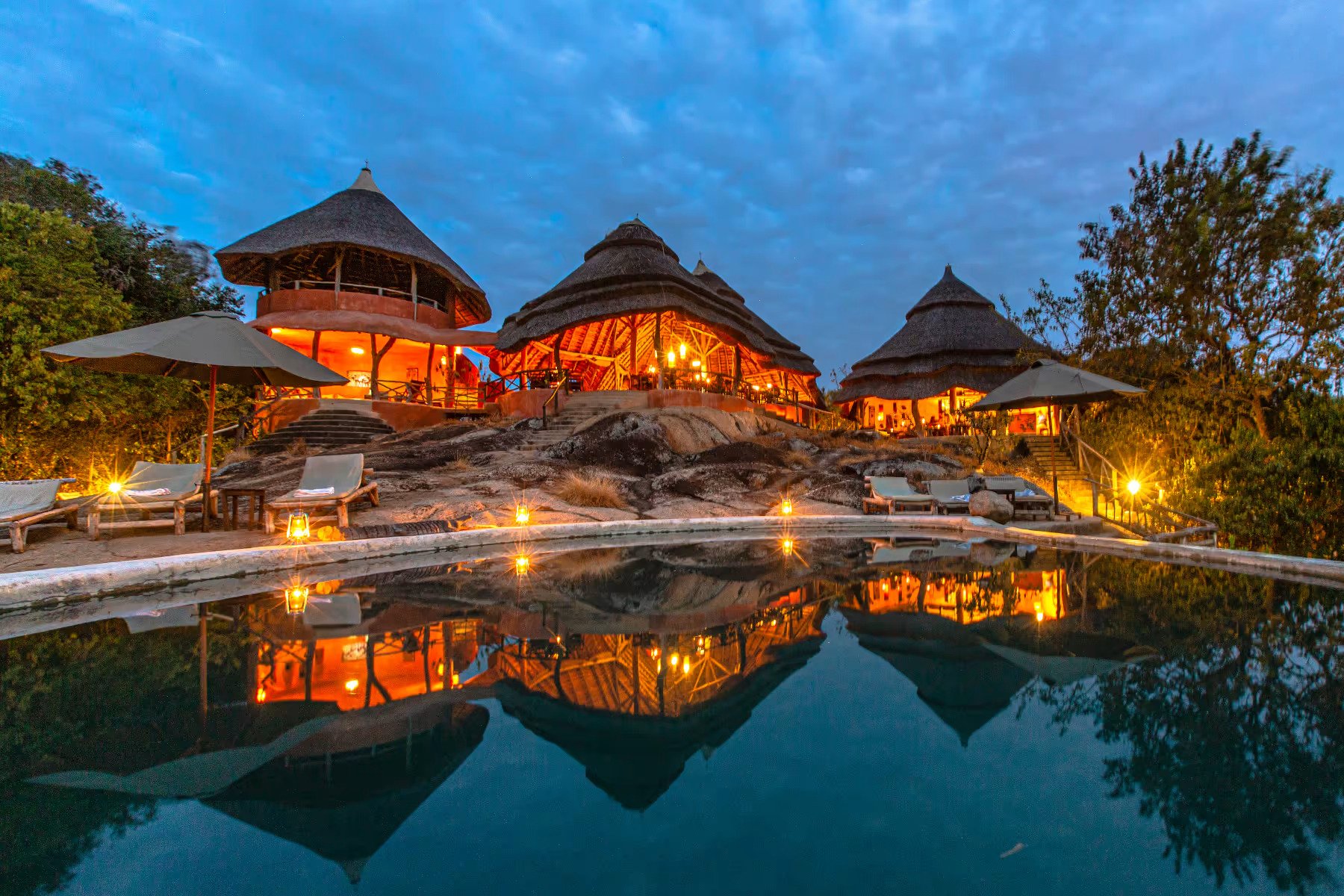
Accommodation ranges from luxury properties overlooking the wilderness to relaxed mid-range lodges close to the national park. The best choice depends on budget, the activities you want to include and how much time you plan to spend in the area. Staying close to the park can make early-morning activities easier, while properties with strong views and quiet surroundings add to the overall safari atmosphere.


Build a Complete Visit
Combine Your Walking Safari With Other Lake Mburo Activities



Who Will Enjoy a Lake Mburo Walking Safari?
What to Bring on Your Walking Safari
Frequently Asked Questions
Lake Mburo Walking Safari FAQs
Can you do a walking safari in Lake Mburo?
Yes. Guided nature and wildlife walks are among the activities available in Lake Mburo National Park.
What animals can you see?
Possible sightings include zebras, impalas, giraffes, elands, topis, warthogs and other wildlife, although sightings cannot be guaranteed.
Can you walk with zebras in Lake Mburo?
Zebras can be encountered during guided walking experiences, but the ranger controls the route and appropriate viewing distance.
Can you see giraffes during the walk?
Giraffes live in Lake Mburo and can sometimes be encountered during walking and game-driving activities.
Is walking in Lake Mburo safe?
Walking is undertaken under professional guidance. Visitors should always follow ranger instructions because Lake Mburo remains a wild natural environment.
Do I need a guide?
Wildlife walks should be undertaken according to national park regulations and with the appropriate ranger or authorised guide.
What is the best time of day for walking?
Early morning is particularly attractive because temperatures are cooler and light conditions are excellent for photography.
How difficult is the walk?
Many walking experiences are suitable for travellers with normal fitness, although the exact route and conditions should be confirmed when booking.
Can I combine walking with a game drive?
Yes. Combining the two gives you both a slow ground-level experience and the ability to explore a larger section of the national park.
Can I combine walking with a boat safari?
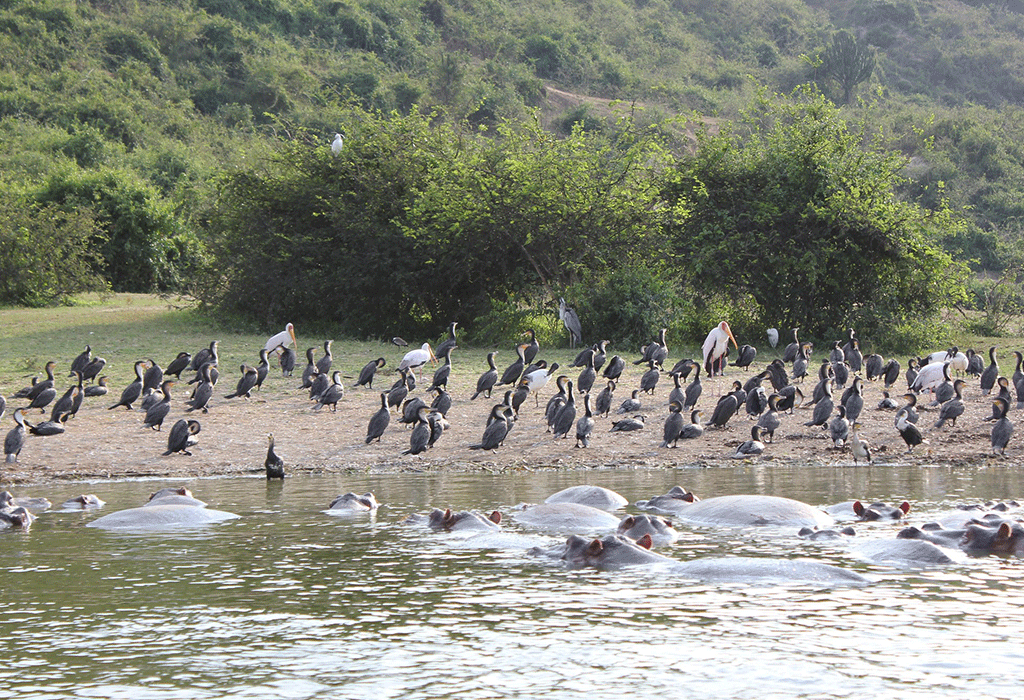
Yes. A boat safari complements the land-based experience with hippos, wetland birds and other aquatic wildlife.
How many nights should I spend in Lake Mburo?
One night can work for a short visit, while two nights allows a more relaxed combination of walking, game viewing and other activities.
Can Lake Mburo be combined with Bwindi?
Yes. Lake Mburo fits particularly well into road itineraries linking Entebbe with Bwindi and other southwestern Uganda destinations.
What should I wear?
Comfortable closed shoes, neutral clothing and a sun hat are sensible choices. Carry water and sun protection.
Where should I stay?
Options include Mihingo Lodge, Rwakobo Rock, Eagle’s Nest and several other lodges around the Lake Mburo ecosystem.
Can Safari Vacations arrange the experience?
Yes. Safari Vacations and Travel Services can arrange your private vehicle, driver-guide, accommodation, park activities and onward travel.
Private • Flexible • Tailor-Made
Add a Lake Mburo Walking Safari to Your Uganda Journey
Whether Lake Mburo is your main destination or a stop on your journey to Bwindi, Queen Elizabeth National Park or Kibale, Safari Vacations and Travel Services can arrange the complete experience.